
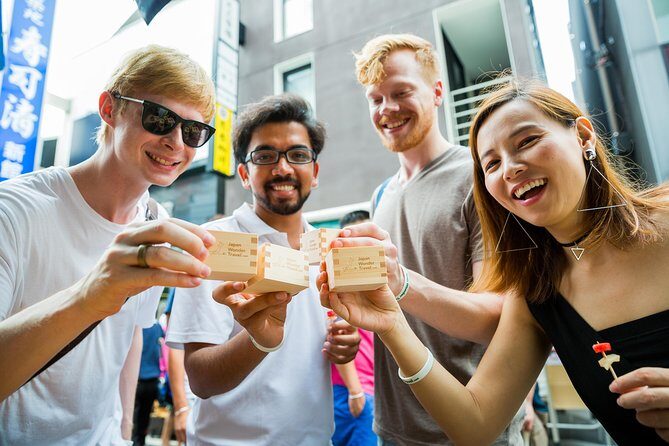
Reviewed · TSUKIJI FISH MARKET TOURS
Tokyo: Tsukiji Fish Market Food and Culture Walking Tour
Tsukiji tastes like Tokyo. The Tsukiji Outer Market is a maze of fish stands and snack stops, and a guide helps you read it fast: what to try, why chefs care, and how the whole area works.
I love how the food is built into the route, not dumped on you at the end. You’ll go for Wagyu skewers, Japanese omelet, seasonal fruit, fried fish cake, then finish with a fish bowl or sushi (depending on the day). One drawback: the market is closed on Wednesdays and Sundays, and some items won’t be served those days.
In This Review
- Key highlights to look for
- Tsukiji Outer Market: why a guide matters more than you think
- Meeting at Tsukiji Honganji-Temple: the calm start before the food rush
- The Outer Market walk: tastings, vendor stops, and what you’re actually learning
- A practical note on hearing your guide
- Wagyu skewers and Japanese street bites: why these items fit the market story
- The finale: sushi or a seafood bowl (and why it’s the right way to end)
- Price and value: what $96 buys you in a 3-hour Tokyo experience
- Timing, closed market days, and the Wednesday/Sunday rule
- Who this tour fits best (and who should skip it)
- Tips to get more out of your 3 hours
- Should you book this Tsukiji fish market food tour?
- FAQ
- What is the meeting point for the Tsukiji Fish Market tour?
- How long is the Tsukiji Outer Market food and culture walking tour?
- What food is included on the tour?
- Is the tour available in English?
- Can I request vegetarian, vegan, halal, or gluten-free options?
- What happens on Wednesdays or Sundays when the market is closed?
- Is the tour suitable for wheelchair users or people with mobility impairments?
- What should I bring or wear for the tour?
Key highlights to look for
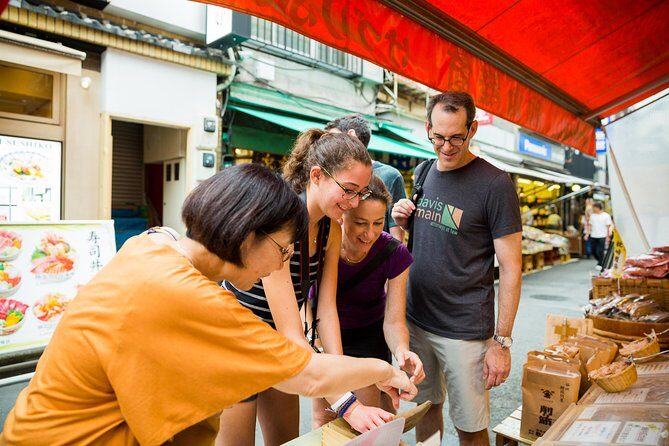
- Meet at Tsukiji Honganji-Temple and start with real local context before you hit the crowds
- Wagyu skewers plus a set tasting menu (omelet, fried fish cake, seasonal fruit)
- Sushi or seafood bowl as the finale so you end satisfied, not just “snack full”
- Small groups (2–8) that make it easier to ask questions and get served quickly
- English live guides with practical food-culture explanations along the way
- Closed-day swaps on Wednesdays and Sundays can change what you’re served
Still hungry? More Tsukiji breakfasts and market walks
- Tokyo Tsukiji Fish Market Food and Culture Walking Tour★ 5.0 · 3,184 reviews
- Tokyo: Tsukiji Fish Market Food and Walking tour★ 5.0 · 1,724 reviews
- Tokyo: Tsukiji Fish Market Guided Walking Tour★ 4.9 · 1,397 reviews
Tsukiji Outer Market: why a guide matters more than you think
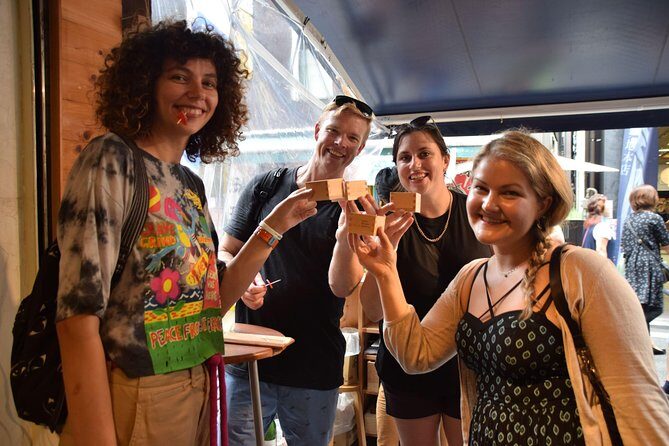
Tsukiji is famous for a reason, but that fame comes with a problem: it can feel like you’re walking through a chaotic crowd where every stall says yes. A guided walk turns that noise into a plan. You spend your time sampling the right things instead of guessing which counter will actually serve you fast, well, and at the right moment.
This is the outer area experience, not the wholesale action floor. That makes it easier for you to enjoy the food market side—tastings, street-style bites, and quick vendor stops—without feeling like you’re in a workplace viewing area. You still get the “why chefs show up” story, which is the cultural hook of this tour.
One of the smartest parts is that the route is paced for eating. You’re not doing a long museum-style walk where you only eat at the end. The tour keeps feeding you along the way, then delivers a final hot-and-satisfying finish.
Meeting at Tsukiji Honganji-Temple: the calm start before the food rush
Your tour starts at the main gate of Tsukiji Honganji-Temple. I like this start because it gives you a sense of place right away. Instead of sprinting straight into the loudest part of the market, you begin with a clear meeting point and a cultural introduction.
Some groups also mention etiquette around nearby shrine or temple customs, depending on the guide and day. If you see a moment for respectful behavior, take it—this area mixes everyday food commerce with deep local traditions, and the guide usually frames it well.
You’ll then head into the Tsukiji outer market zone where the walking begins in earnest. The market has a maze-like layout, so your guide’s job is to keep you moving in a logical line rather than wandering in circles.
The Outer Market walk: tastings, vendor stops, and what you’re actually learning
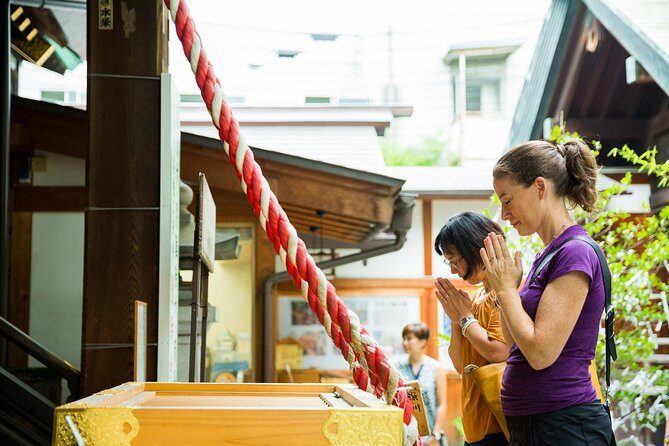
The walk is where the tour earns its value. You’re moving through stalls that sell fish and shellfish, plus the “supporting cast” of Japanese street food—things you might not notice if you were shopping on your own.
You can expect a combination of:
- short guided segments through the maze
- frequent tastings as you pass counters
- practical explanations about what you’re eating
A lot of the market education is about food culture: how vendors decide what to sell, how ingredients get used, and what makes certain flavors and textures “market standard.” That’s why you’re getting guide-led context, not just free samples.
A few past guides—names that have shown up in recent groups—include Kenji, Miki, Nazu, Shun, Robert, Daichi, Luna, Nori, and Tadashi. The consistent theme is that these guides don’t just point. They explain how to approach vendors, how to think about freshness, and what to taste first so your palate isn’t confused by the crowd.
A practical note on hearing your guide
The market can get loud fast, especially on peak mornings or rainy days when umbrellas crowd together. If you come during a busy time, pack patience. Keep your camera accessible but stop filming so you can listen at each tasting stop.
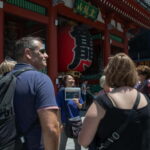
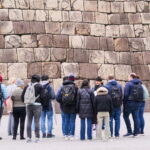
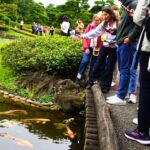
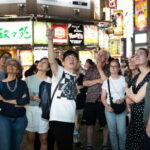
Tokyo at walking pace, a few more ways

Wagyu skewers and Japanese street bites: why these items fit the market story
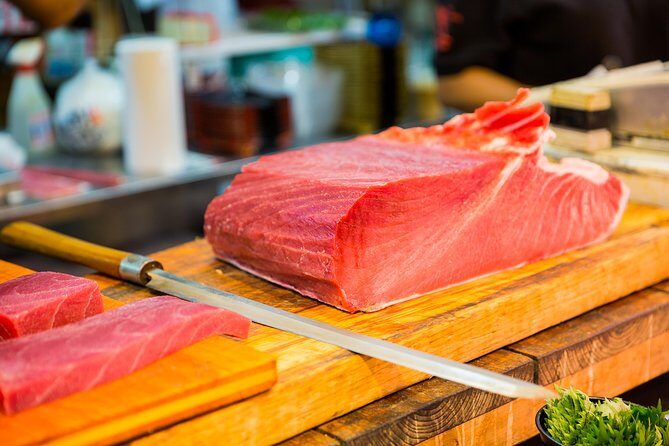
The set menu is the backbone: high-grade Wagyu beef skewers, plus Japanese omelet (often tamagoyaki), fried fish cake, and seasonal fruits. This is smart for you because it balances “wow factor” with everyday market staples.
Wagyu skewers are the headline for a reason. They’re portable, fast to serve, and you can taste quality immediately. You don’t need to understand Japanese cooking to recognize when the beef is buttery and rich instead of merely fatty.
The other items do cultural work:
- Japanese omelet shows you how locals treat breakfast-style comfort food as serious craft.
- Fried fish cake connects you to fish-based flavors that go beyond raw seafood.
- Seasonal fruit reminds you that Japanese markets are snack markets, not just protein runs.
You also get a guided emphasis on the “why” behind chef visits. The story isn’t just marketing. Fresh ingredients matter for texture and taste, and the market’s daily rhythm shapes what ends up on menus elsewhere in Tokyo.
On your specific day and time, the final meal is either sushi or a seafood bowl. That means your tour ends with a choice that matches the day’s available setup.
The finale: sushi or a seafood bowl (and why it’s the right way to end)
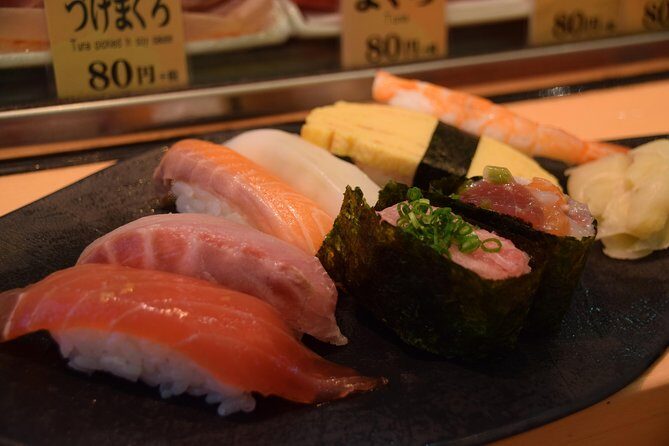
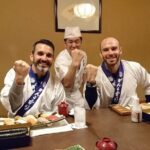
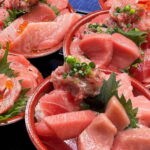
At the end, you’ll be served a fish bowl or sushi depending on the day. This matters for value because it turns the tour from snacks into a complete market meal.
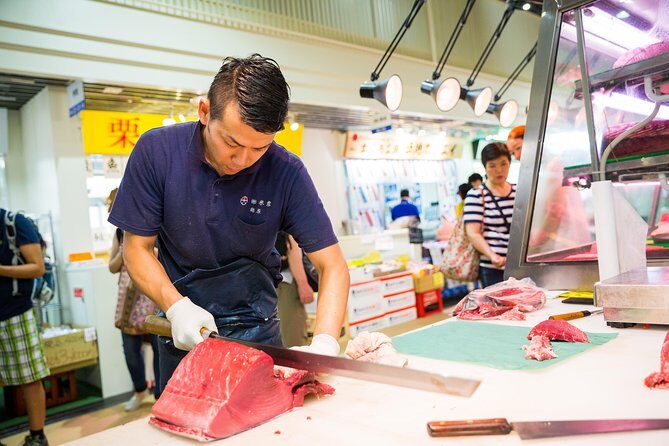
If you’re a visual person, you may also see chef-style preparation at the final stop. Some groups report a fish-cutting or preparation demonstration during the ending meal. Even if your day doesn’t include a show moment, the structure stays the same: you finish with something fresh, filling, and market-true.
For your palate, this ending sequence works:
1) taste a variety of small items throughout the walk
2) build your sense of what’s fresh and what flavors pair well
3) close with one main bowl or sushi set
When you leave Tsukiji Honganji and head back toward Tsukiji Station, you’ll usually feel like you actually understand the place instead of just collecting bites.
Price and value: what $96 buys you in a 3-hour Tokyo experience
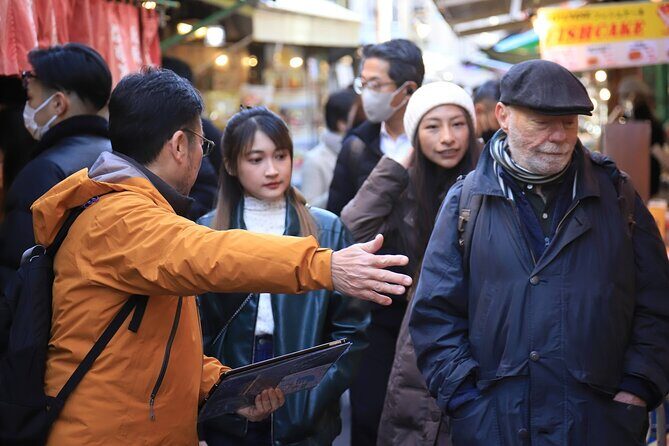
At $96 per person for about 3 hours, the tour isn’t cheap, but it’s not random either. You’re paying for three things you’d struggle to recreate on your own:
- A route that keeps you fed without wasting time figuring out where to go next
- A guide who explains what you’re eating and how the market culture works
- A set menu that includes multiple tastings plus a final sushi or seafood bowl
If you priced this out as individual items, it’s easy for the cost to climb—especially when you try high-end wagyu items. The inclusion of Wagyu skewers and the final bowl or sushi pulls the value up fast.
This tour also has the practical advantage of small group size. 2 to 8 people means fewer bottlenecks at counters and more chances to ask questions instead of shouting over a big crowd.
Timing, closed market days, and the Wednesday/Sunday rule
Here’s the real logistics piece you should plan around: the market area tied to wholesale operations, including the Uogashi wholesaler market, is closed on Wednesdays, Sundays, and other closed market days.
What changes for you on those days is important. The tour notes that Japanese omelet, fish cake, and fruits cannot be served on Wednesdays, Sundays, and other closed market days because shop access is affected.
That doesn’t mean the tour becomes useless. It means your set tasting lineup may shift. If you’re the type who booked specifically for the fruit or the omelet component, try to schedule a day when the market is open. If your priority is the overall food-culture walk and the final sushi or seafood bowl, you can still enjoy it—just don’t assume every menu item appears every day.
Also, depending on your day and timing, you’ll get either sushi or a seafood bowl. If you’re picky about one ending option, you’ll want to check the schedule before you commit.
Who this tour fits best (and who should skip it)
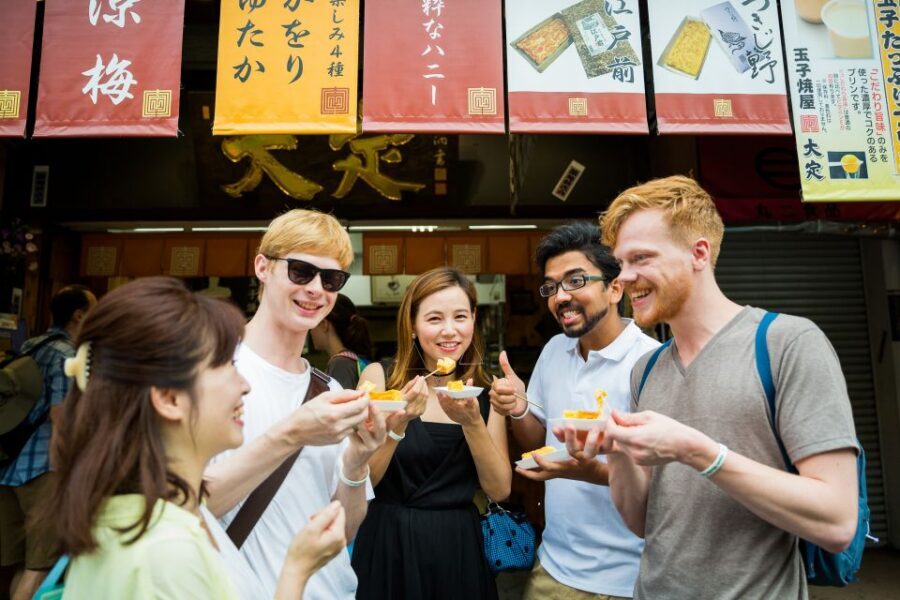
This is a food-focused, walking-based experience. It’s not built for everyone.
Best fit:
- You want a guided route through Tsukiji Outer Market without getting overwhelmed
- You’re happy with moderate walking on crowded streets
- You want a structured tasting set with a clear ending meal
Not a fit:
- Wheelchair users and people with mobility impairments, since it’s not suitable for that kind of access
- Vegans and vegetarians, since the tour isn’t designed for those diets
- People needing halal or gluten-free options, because the tour does not accommodate those requests
One more thing: the minimum drinking age is 20. Even if you don’t plan to drink, it’s good to know the policy if alcohol is offered at some stops.
If you have dietary needs outside what’s listed above, you might be happier choosing a different tour format where substitutions are possible.
Tips to get more out of your 3 hours
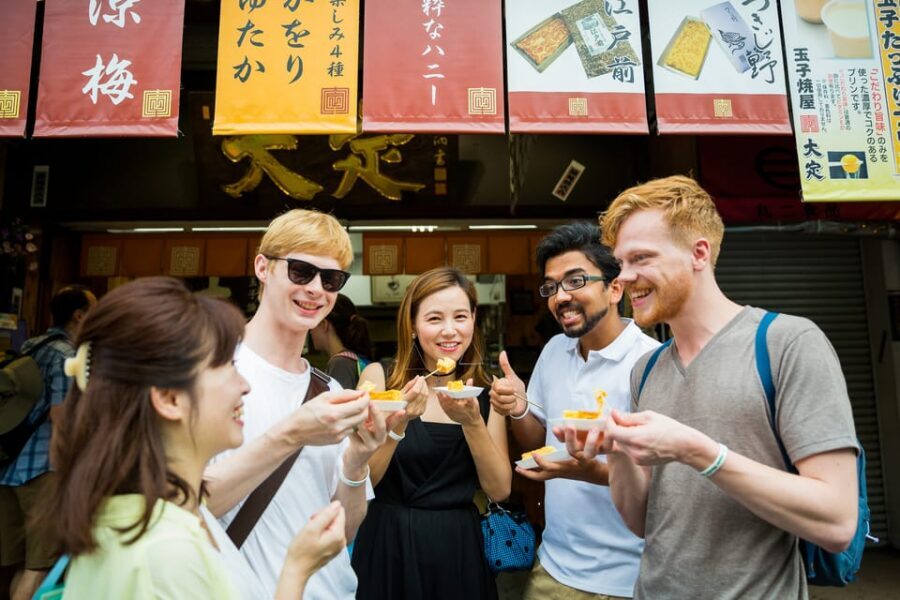
These are the small choices that make the biggest difference in this kind of market tour.
- Wear comfortable shoes. The “maze” is real, and the time adds up.
- Bring a camera, but keep it secondary to listening during tastings.
- Dress for weather. If it’s rainy, you’ll be in a crowd with umbrellas, and that can make it harder to hear the guide.
- If you have a strong preference—like loving beef above all—use the guide’s pace to ask what to prioritize at each stop. The tour is set up so you’re eating through the route, not just passively sampling.
Some guides also help with small souvenir-type ideas, like what to bring home (for example, tea recommendations have shown up in past groups). If your guide mentions a product you can actually carry and enjoy, it’s worth paying attention.
Should you book this Tsukiji fish market food tour?
I’d book it if you want a fast, guided introduction to Tokyo’s food-market culture and you’re excited by Wagyu skewers plus a real finishing meal. The tour is built for eating: snacks throughout the walk, then a final sushi or seafood bowl, all led by English-speaking guides who consistently focus on both food and context.
I wouldn’t book it if you’re depending on Wednesdays or Sundays for a full tasting lineup of omelet, fish cake, and fruit. Those items can be unavailable on closed-market days. And if you need vegetarian, vegan, halal, or gluten-free support, this is not the right match.
If your goal is to leave Tsukiji with stronger instincts about what to try next in Tokyo’s food world, this is a solid way to get there in just three hours.
FAQ
What is the meeting point for the Tsukiji Fish Market tour?
You meet your guide at the main gate of Tsukiji Honganji-Temple when the tour starts.
How long is the Tsukiji Outer Market food and culture walking tour?
The tour lasts about 3 hours.
What food is included on the tour?
The included tastings feature high-grade Wagyu beef skewers, a fresh fish bowl or sushi (depending on the day), Japanese omelet, seasonal fruits, and fried fish cake.
Is the tour available in English?
Yes, this is an English live tour with a guide.
Can I request vegetarian, vegan, halal, or gluten-free options?
No. The tour does not accommodate vegetarian, vegan, halal, or gluten-free requests.
What happens on Wednesdays or Sundays when the market is closed?
On Wednesdays, Sundays, and other closed market days, the fish market is closed, and Japanese omelet, fish cake, and fruits cannot be served because shops are closed.
Is the tour suitable for wheelchair users or people with mobility impairments?
No. The tour is not suitable for people with mobility impairments and wheelchair users due to the walking involved.
What should I bring or wear for the tour?
Wear comfortable clothes and bring comfortable shoes. A camera can also be handy.
More Tours in Tokyo





More Tour Reviews in Tokyo




Back to the Market: More Tsukiji Tours



Fresh reviews from around Tokyo






Tsukiji Fish Market Tours, compared.
 ★ 5.0Tokyo Tsukiji Fish Market Food and Culture Walking TourFrom $993,184 reviews
 ★ 5.0Tsukiji Fish Market Food and Walking tourFrom $301,724 reviews
 ★ 4.9Tsukiji Fish Market Guided Walking TourFrom $221,397 reviews
 ★ 5.0Tokyo Sushi Making Class in Tsukiji with Professional ChefFrom $491,177 reviews
 ★ 5.0Tsukiji Fish Market Guided Tour and Sushi Making with Pro ChefFrom $104775 reviews
 ★ 5.0Tsukiji Fish Market: Street Food & Culture Walking TourFrom $33669 reviews
 ★ 5.0Tsukiji Fish Market Small-Group Food Walking TourFrom $87621 reviews
 ★ 4.9Tsukiji Fish Market Sushi Making Class with Pro ChefFrom $63506 reviews
Browse the lists this tour appears in