
Reviewed · SHIBUYA TOURS
Tokyo: Shibuya Highlights Walking Tour & Secret View Spot
Shibuya can feel like a maze. This 90-minute walking tour helps you get your bearings fast with a local guide and a tight route through the district’s most photo-worthy spots. You’ll hit the big landmarks plus some street-level surprises, with commentary as you go.
I especially like the small-group format (a cozy limit) and the way the guide turns walking into learning—so you understand what you’re seeing, not just what’s nearby. My other favorite part is the hands-on photo support, plus the route rhythm: short stops so you get glimpses without burning half a day.
One thing to keep in mind: the “panoramic view” moment near the observation deck can be hit-or-miss depending on what’s available. If you’re expecting a specific view experience, keep expectations flexible.
In This Review
- Key highlights worth lining up
- Where this tour shines: the “no getting lost” value
- Meeting point setup and how the flow keeps it stress-free
- Shibuya Crossing: watch the choreography, then take your photos
- Scramble Square / Shibuya Fukuras observation stop: expect a viewpoint moment
- Nonbei Yokocho: small alley, big atmosphere for izakaya fans
- Miyashita Park: lights and youthful hangout energy
- Center-gai: the main street pulse of Shibuya
- Shibuya Mark City basement: shopping floors as a Tokyo shortcut
- The guide matters: stories, English help, and photo support
- Price check: does $25.20 make sense?
- What to bring and how to get the best photos
- Who this Shibuya tour is best for
- Should you book this Shibuya Highlights Walking Tour?
- FAQ
- How long is the Shibuya Highlights walking tour?
- How many people are in the group?
- Where does the tour start and end?
- What are the main stops on the route?
- Is a ticket required for Shibuya Crossing and the other stops?
- What if the weather is bad?
Key highlights worth lining up
- World-famous Shibuya Crossing stop with time to watch and photograph the crossing flow
- Observation-deck area visit tied to Shibuya Scramble Square / Shibuya Fukuras
- Nonbei Yokocho for a traditional izakaya alley mood
- Miyashita Park break with illumination vibes that skew toward younger crowds
- Center-gai and Mark City for street energy and a basement-style Shibuya browse
More to do within sight of the Crossing
- Official Street Go-Kart in Shibuya★ 5.0 · 3,435 reviews
- Tokyo: Street Kart Experience in Shibuya★ 4.9 · 1,484 reviews
- Shibuya Meltdown Nightlife Tour: All-You-Can-Drink Bar Hopping★ 5.0 · 1,058 reviews
Where this tour shines: the “no getting lost” value
If you’ve ever tried to map out Shibuya on your phone while the sidewalks are doing crowd aerobics, you get it. Shibuya works best when someone helps you read the area—where to stand, where to walk next, and which streets give you the feeling you came for.
This tour is built around that idea. A guide leads you through the core landmarks, and the pace is gentle enough that you can actually look up. Since the timing is tight—about 1 hour 30 minutes—you’re not stuck waiting around for long transit segments or trying to cram six neighborhoods into one afternoon.
The other big win is focus. Instead of a vague “see Shibuya!” plan, you get a route that mixes: a major icon, a viewpoint stop, a classic alley, a popular park area, and two shopping/street stops. You walk away feeling like you understand the layout: wide avenues, side lanes, and the way Shibuya layers entertainment on top of shopping.
Meeting point setup and how the flow keeps it stress-free
You meet at SHIBU HACHI BOX (2-chōme-1-1 Dōgenzaka, Shibuya, Tokyo). The tour ends back at the meeting point, which is nice—no “now go figure out how to get home” scramble at the end.
You’ll also get a mobile ticket, which matters in Tokyo. Less fumbling, fewer steps, more time for walking and photo-taking. The tour is designed for most people, and it’s described as a small-group experience with a cap that keeps things manageable (you may see it described as up to 10 on the group side, with an overall activity maximum of 20).
Time is handled with short, defined stops. Each segment is roughly 10 to 20 minutes, so you can enjoy the moment and then move on while the energy is still fresh. If you’re the type who gets tired touring, this format usually works well—because you’re not dragging through one location for too long.
Shibuya Crossing: watch the choreography, then take your photos
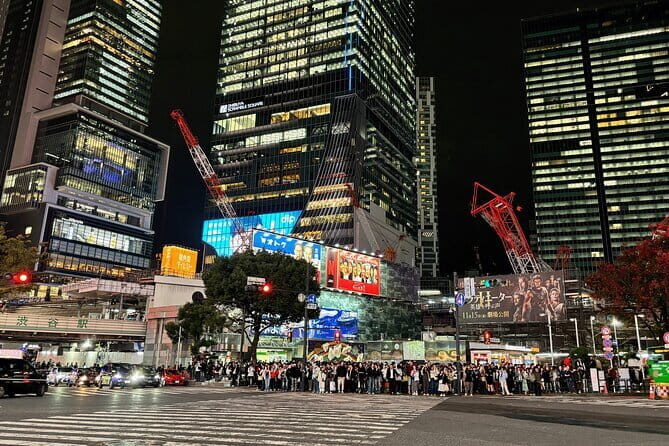
The tour starts at Shibuya Crossing, famous for being one of the world’s busiest crossings. The guide’s job here is practical: show you where to stand, how to time your photos, and how to watch the flow without getting shoved.
This is also your easiest “wow” moment in Tokyo. Even if you’ve seen it in movies, it lands differently in person. The light, the crowd movement, and the way everyone follows the signal creates a kind of moving diagram.
One smart part: you don’t have to figure out the best angle yourself. The guide helps you make the most of the short window—so you leave with usable photos, not just blurred attempts.
Scramble Square / Shibuya Fukuras observation stop: expect a viewpoint moment
Next up is the Shibuya scramble square area and a stop tied to an observation deck at Shibuya Fukuras. This is where the tour tries to give you that “from above” sense of Shibuya’s scale.
Here’s the balance note. The plan is described as a panoramic view stop, but one experience reported that a panoramic view wasn’t delivered as expected. That doesn’t mean the stop is bad—it just means you should treat it as a scheduled observation-deck visit, not a guaranteed postcard skyline shot.
My advice: arrive with the mindset of “I’ll enjoy whatever viewpoint access we get,” and you’ll probably be happier. If your priority is a very specific vista, do a quick check at the time you go (or plan a backup photo strategy in the area).
Tokyo at walking pace, a few more ways
Nonbei Yokocho: small alley, big atmosphere for izakaya fans
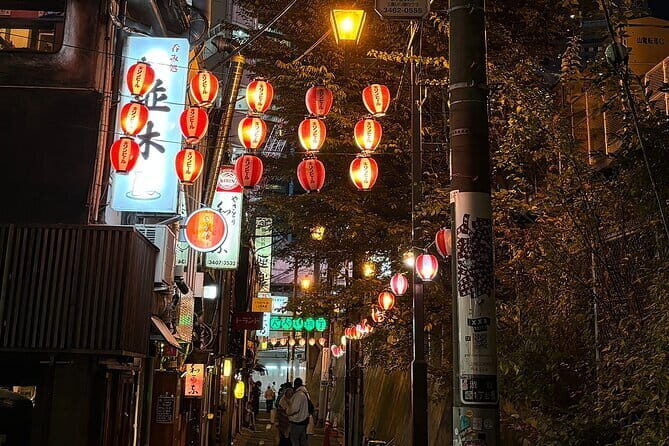
Then you’ll step into Shibuya Nonbei Yokocho, an area that leans nostalgic. This is one of those Tokyo street scenes that feels older than the skyscrapers around it—small, intimate, and built for hanging out rather than rushing through.
This stop works for two kinds of travelers. If you like food culture, it’s a quick look at the traditional izakaya vibe. If you just like atmosphere, it’s a change of pace from the wide streets and tower fronts. You’ll get the sense of how Shibuya isn’t only shopping and crowds—it also has pockets that feel like locals might linger.
Time is short (about 10 minutes), so it’s more about soaking in the mood than making this a full food stop. If you want a meal, treat it as a preview and plan a later visit on your own.
Miyashita Park: lights and youthful hangout energy
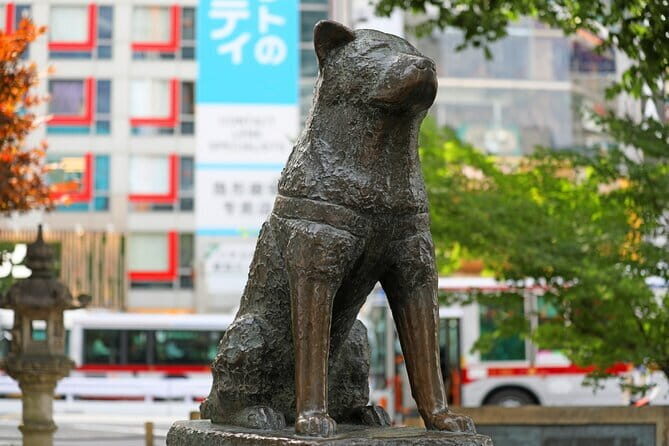
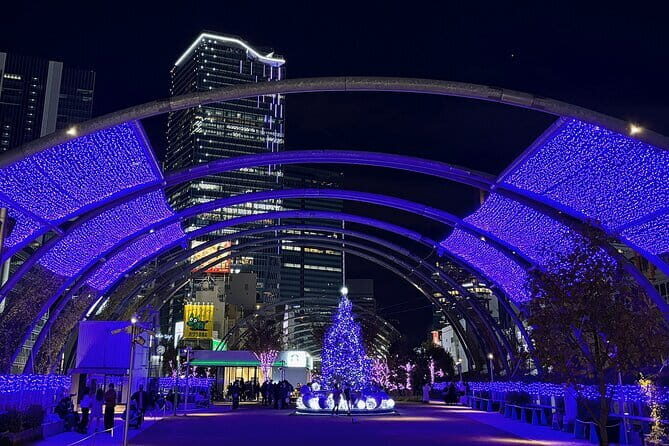
At Miyashita Park, you get about 20 minutes to enjoy the park area, noted for illuminations and popularity with younger crowds. Even if you’re not there at peak nightlife hours, parks in Tokyo have their own personality—people use them like living rooms.
This is a good spot for a breather. After crossing scenes and alley scenes, the park gives you open space to regroup and reset your feet. It’s also a photo-friendly stop because the lighting and design cues help create a “Tokyo at night” feeling if you’re touring in the evening.
The downside: if your expectations are strictly about views from the park, you may find it more about atmosphere than a single dramatic landscape shot. Think “hangout energy” rather than “lookout tower payoff.”
Center-gai: the main street pulse of Shibuya
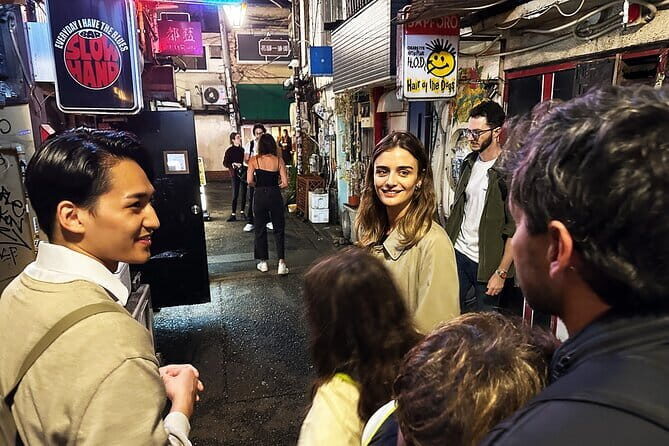
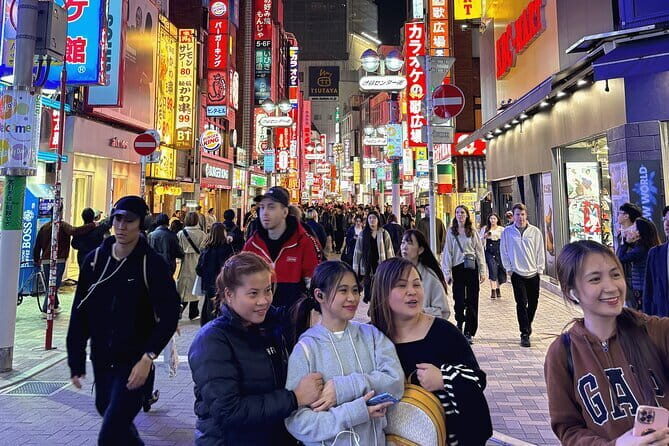
Next, the tour heads to Shibuya Center-gai, a main-street area that helps you understand Shibuya’s street-level pulse. You get around 20 minutes here, which is enough to feel the rhythm: storefronts, foot traffic, and that slightly chaotic “everyone knows where they’re going” vibe.
This stop is practical for orientation. You’ve seen landmark Shibuya from a distance and from above; now you see how people actually move through the district day-to-day. If you plan to explore after the tour, Center-gai is the kind of street that becomes a reference point.
It’s also a good place to pick up a sense of what you like in Shibuya—shopping style, casual snack areas, and the general rhythm of the neighborhood. Even if you don’t buy anything, you’ll leave better at navigating.
Shibuya Mark City basement: shopping floors as a Tokyo shortcut
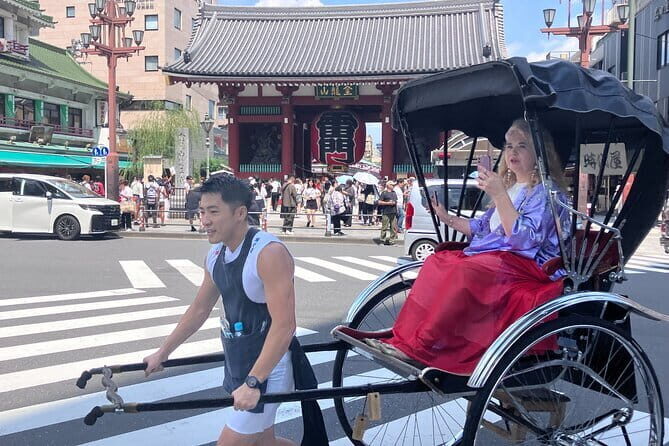
Finally, you’ll explore Shibuya Mark City, specifically the basement floor area for about 20 minutes. In Tokyo, basements aren’t an afterthought. They can be major food and shopping zones—efficient, concentrated, and built for quick visits.
This stop is useful because it adds variety to the route. You’re not only outside in streets and parks. You get a taste of how Shibuya funnels people into compact, weather-friendly spaces.
The only caveat: if you’re hoping for a cultural site moment, this is more of a convenience-and-goods experience. It’s not a museum stop. But if you want a sense of daily Tokyo shopping patterns, it makes the tour feel more real.
The guide matters: stories, English help, and photo support
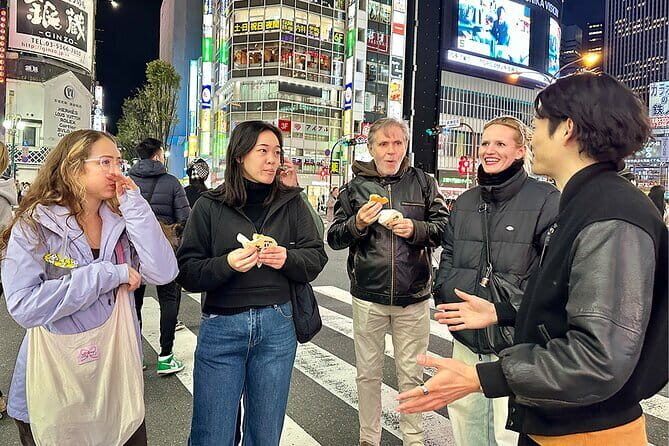
A walking tour lives and dies by the guide’s ability to make the area understandable. This one includes an expert English-speaking local guide, plus photos during the tour.
That photo piece sounds small, but it’s a real time-saver. You don’t waste valuable minutes trying to find the right person to take a picture, and you don’t get the awkward moment where your camera cuts off your feet. It also means you can focus on the landmark instead of juggling buttons.
The commentary is also part of the value. You get walking explanations on history and architecture as you move through Shibuya, which helps the stops connect. The crossing is more than a spectacle once you understand how Shibuya’s urban planning and crowd movement work. And the alley stop lands better when you know what kind of Tokyo experience it represents.
Small-group format helps here too. With fewer people, the guide can adapt, pause at key moments, and help you keep up without turning it into a rushed conga line.
Price check: does $25.20 make sense?
At $25.20 per person, this isn’t a freebie, but it’s also not a splurge. The way it earns its value is through inclusion: the entrance and experience fee are covered, and you’re paying for guided route planning plus commentary plus photo support.
You’re also getting several high-impact stops in one block: Shibuya Crossing, a viewpoint deck area, an izakaya alley, a park with illuminations, and two additional Shibuya navigation anchors (Center-gai and Mark City). If you were trying to build this yourself, you’d likely spend time working out route logic and photo timing. That time cost is part of what you’re buying.
Would I call it “worth it” if you hate walking? Probably not. It’s a walking tour, and the pacing expects you to move. But if you want orientation and landmarks without research stress, it’s priced like a smart convenience.
Also, the reputation is strong: this experience has a 5-star rating across hundreds of outings and a 99% recommendation rate. That doesn’t guarantee perfection, but it does suggest the format works for most people.
What to bring and how to get the best photos
This is a city where shoes matter. Wear comfortable walking shoes and keep your camera or phone handy at the crossing and viewpoint-adjacent stop. The schedule is short at each location, so you’ll get the best results if you’re ready when the guide calls for it.
If you’re serious about photos:
- Think about your “crowd shot” plan at Shibuya Crossing (stand where the guide directs, then shoot during the light changes).
- For viewpoint stops, bring your patience. Even if the panoramic view isn’t exactly as expected, the area still gives you skyline angles and Tokyo perspective moments.
- For Nonbei Yokocho and Miyashita Park, your best photos often come from quick, natural framing rather than trying for ultra-perfect compositions.
And bring a light layer if you’re touring outside warm hours. Tokyo weather can shift, and this type of walking schedule is much easier when you’re comfortable.
Who this Shibuya tour is best for
I’d recommend this tour if:
- You’re short on time and want Shibuya highlights in about 90 minutes
- You want a guide to handle directions and photo logistics
- You like a mix of icon moments and street-level atmosphere
- You prefer a small-group feel over big bus-style tours
You might skip it if:
- You’re chasing only one big “must-see view” and nothing else
- You don’t want any guided stops that could vary day-to-day in what you can access visually
- You want a long, independent wandering day with no structure
Should you book this Shibuya Highlights Walking Tour?
If you want a fast, guided way to understand Shibuya, I think it’s a solid pick. The route hits the essentials: Shibuya Crossing, a viewpoint-deck area, Nonbei Yokocho’s mood, Miyashita Park’s lights, and two Shibuya navigation anchors (Center-gai and Mark City). With the small-group setup and photo help, you avoid the common “Tokyo planning headache” and end up with a clearer mental map.
The main reason to hesitate is the viewpoint expectation. If panoramic viewing is your absolute top priority, keep your expectations flexible for that stop and treat it as an observation-area visit that may vary. For most people, though, the mix of sights and the stress-free guidance make the $25.20 price feel fair.
FAQ
How long is the Shibuya Highlights walking tour?
It runs for about 1 hour 30 minutes.
How many people are in the group?
It’s described as a small-group experience with a limit of 10 people, and the overall maximum for the activity is 20 travelers.
Where does the tour start and end?
It starts at SHIBU HACHI BOX (2-chōme-1-1 Dōgenzaka, Shibuya) and ends back at the meeting point.
What are the main stops on the route?
The tour includes Shibuya Crossing, the Shibuya scramble square / Shibuya Fukuras observation deck area, Shibuya Nonbei Yokocho, Miyashita Park, Shibuya Center-gai, and Shibuya Mark City.
Is a ticket required for Shibuya Crossing and the other stops?
Admission tickets are listed as free for the stops listed, and the entrance/experience fee is included in the tour price.
What if the weather is bad?
The experience requires good weather. If it’s canceled due to poor weather, you’ll be offered a different date or a full refund.
More Tours in Tokyo




More Tour Reviews in Tokyo




Still in Shibuya? Keep Going





Fresh reviews from around Tokyo






Shibuya Tours, compared.
 ★ 5.0Official Street Go-Kart in ShibuyaFrom $763,435 reviews
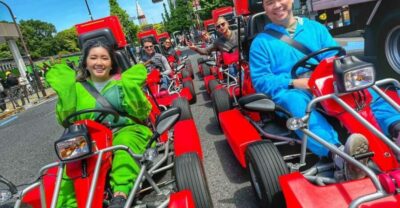 ★ 4.9Street Kart Experience in ShibuyaFrom $741,484 reviews
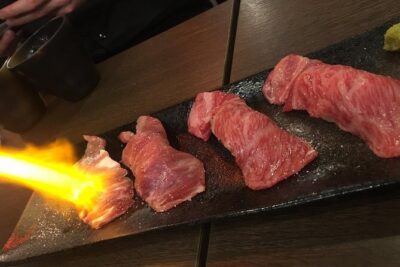 ★ 5.0Shibuya Meltdown Nightlife Tour: All-You-Can-Drink Bar HoppingFrom $1061,058 reviews
 ★ 5.0Shibuya Official Street Go-Kart in Shibuya AnnexFrom $69972 reviews
 ★ 5.0Shibuya Food Tour (13 dishes and 4 Eateries)From $77770 reviews
 ★ 5.0Best of Shibuya Food TourFrom $217612 reviews
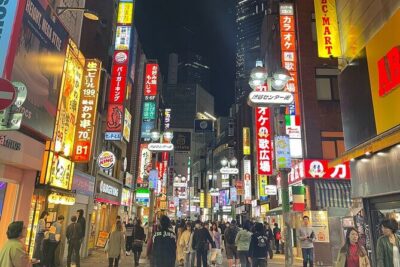 ★ 4.8Shibuya Highlights Walking TourFrom $19601 reviews
 ★ 4.7Premium Go-Kart Tour with Tower & Shibuya CrossingFrom $116528 reviews
Browse the lists this tour appears in