
Reviewed · HISTORICAL TOURS
Yanaka District: Historical Walking Tour in Tokyo’s Old Town
Yanaka District can feel like a time machine. This Tokyo old-town walking tour pairs classic stops like Nezu Shrine with real neighborhood life in Yanaka, and it keeps the pace friendly with a small group. Two things I really like: the photo-friendly torii gate area at Nezu Shrine and the hands-on break in an old-house cafe painting your own maneki-neko lucky cat.
One thing to plan for: this is mostly walking on neighborhood streets and the itinerary includes places that are not set up for wheelchairs or strollers, so it is not the easiest day if mobility is limited. Also, you will want cash, since many older shops may not take cards.
In This Review
- Key highlights at a glance
- Why Yanaka feels like old Tokyo (and why it matters)
- Start at Nezu Station: a guided walk you can actually follow
- Nezu Shrine and the torii gate photo moment
- Hebimichi: the street you walk through, not just past
- Old-house cafe: painting your maneki-neko lucky cat
- Yanaka Ginza: food sampling and old Tokyo shopping street energy
- What the $79 price includes, and why it can be good value
- Who should book this Yanaka old-town tour
- A few practical tips so you enjoy the day more
- Should you book this Yanaka District walking tour?
- FAQ
- How long is the Yanaka District historical walking tour?
- What is included in the price?
- Where do I meet the guide?
- Do I need cash during the tour?
- Is the tour wheelchair or stroller friendly?
- Is the tour guided in English?
Key highlights at a glance
- Nezu Shrine torii photos at the start, with context on traditional views of religion
- Small group of up to 7, which makes it easier to ask questions and get photos
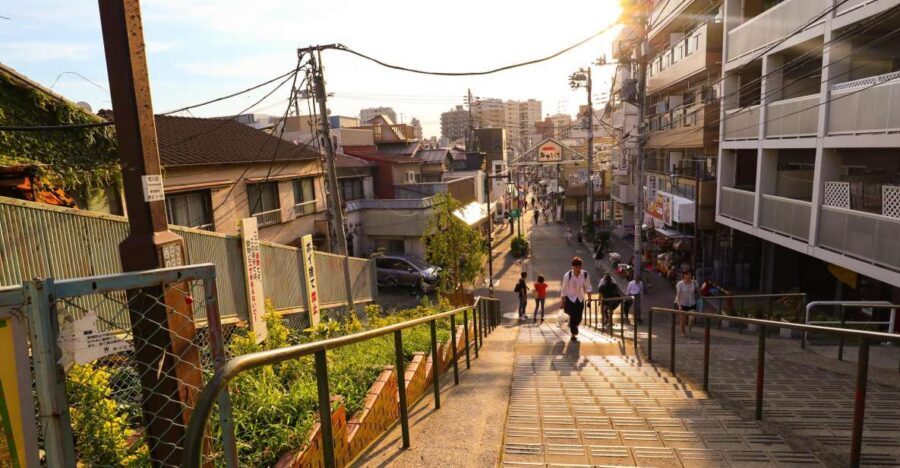
- Hebimichi streets and everyday local scenes between the major stops
- Old-house cafe lucky cat painting, plus a drink and sweet treat included
- Yanaka Ginza food sampling, with chances to try local snacks and small deli items
- Guides who tailor the walk, with names like Ramesh, Mark, Masae, Kenji, Hina, and Yoko showing up in past tours
Tokyo at walking pace, a few more ways
- Tokyo Tsukiji Fish Market Food and Culture Walking Tour★ 5.0 · 3,184 reviews
- Tokyo: Shinjuku Local Bar and Izakaya Guided Walking Tour★ 4.9 · 1,794 reviews
- Tokyo: Tsukiji Fish Market Food and Walking tour★ 5.0 · 1,724 reviews
Why Yanaka feels like old Tokyo (and why it matters)
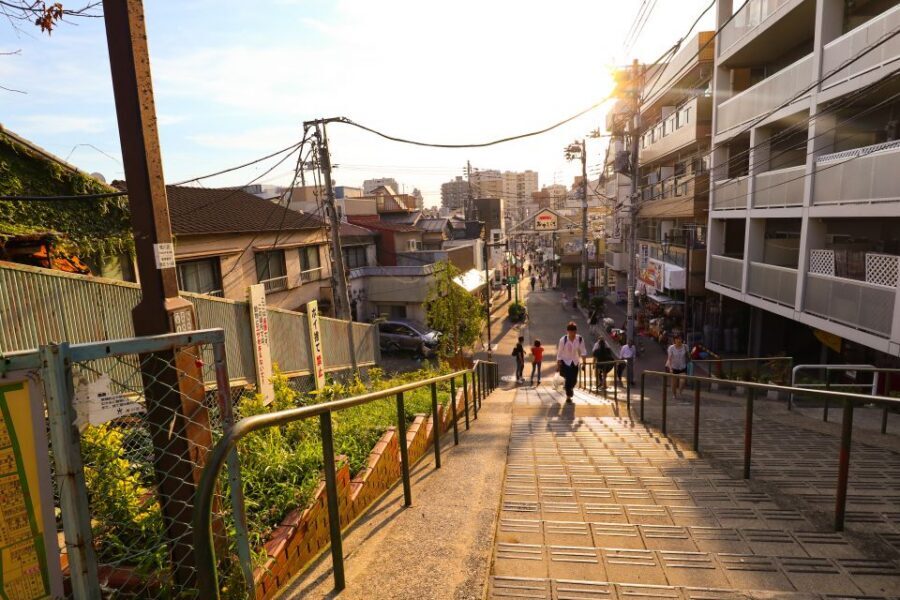
Tokyo is often experienced as big blocks: Shinjuku, Shibuya, skyscrapers, crowds, and neon. Yanaka is different. The neighborhood keeps a quieter rhythm, with residential lanes and small shops that still feel like they belong to daily life, not just sightseeing.
That difference is the whole point of this tour. You do not just tick off a shrine and move on. You walk through the in-between spaces where you notice small details: the way people move through the street, the kind of food you see in windows, and the local shopping street atmosphere at Yanaka Ginza. In the reviews, I kept seeing the same theme: people loved how calm it felt and how much they learned from real explanations while they were walking.
The other big reason I think this tour works is the structure. It starts with a major landmark (Nezu Shrine), then shifts into neighborhood streets (Hebimichi and Yanaka), and only later does it slow you down with an arts-and-snacks pause. That mix keeps the day from turning into nonstop steps and photo-stops.
Start at Nezu Station: a guided walk you can actually follow
The meeting point is Outside Tokyo Metro Nezu Station, Exit 1. Your guide holds a red/orange sign reading MagicalTrip right in front of the upstairs area. The tour runs about 210 minutes and stays in a walkable loop.
Small groups make a real difference here. When a tour caps at 7 people, you spend less time stuck behind slower walkers and more time hearing what your guide is saying. You also get more of the little extras that matter in Japan, like help understanding what you are looking at and quick tips on where to stand for photos.
Practical tip: wear comfortable shoes. This is a walking-focused afternoon, and the neighborhood streets can be uneven in spots. If you are traveling with family, the tour reviews often describe it as a nice option because the middle cafe stop breaks up the walking.
Nezu Shrine and the torii gate photo moment
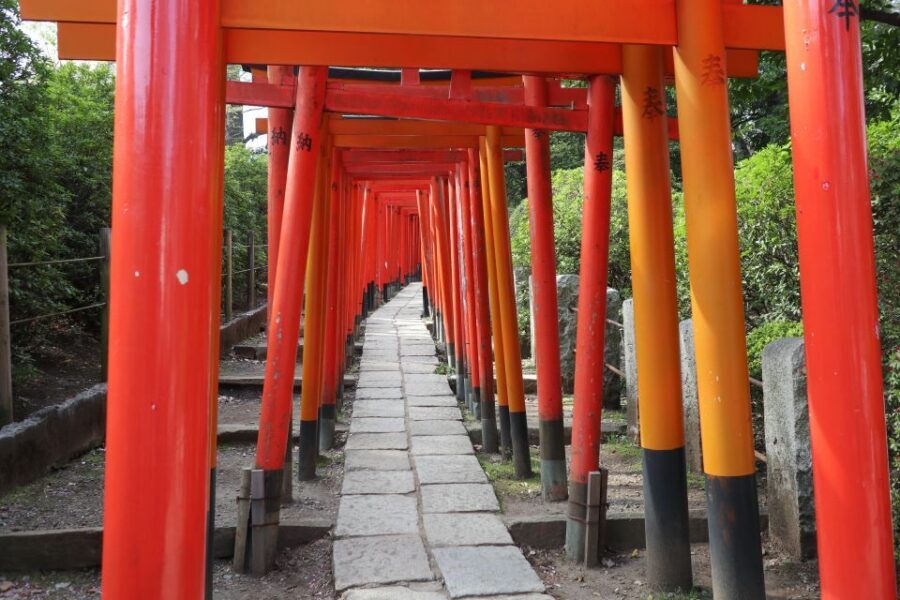
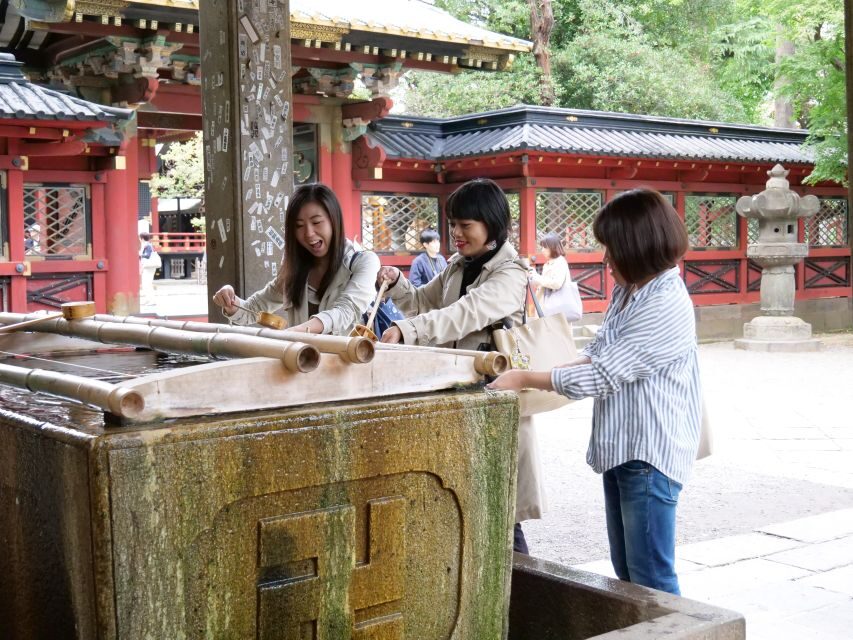
Nezu Shrine is the anchor at the beginning of the day. Even if you have seen other shrines in Tokyo, this one has a special “arrive and look” moment because of the bright red torii gates. Your guide brings you through the area with time for photos and explains why this shrine is considered one of the oldest in Tokyo.
What I like about this first stop is that it is not just a backdrop for pictures. You get a practical framing for what you are seeing: traditional Japanese approaches to religion, and how shrine spaces can feel both cultural and spiritual at the same time. You end up with a clearer sense of what the setting is trying to communicate, instead of treating it like a single photo spot.
Time-wise, you get about 20 minutes here. That is enough to take good pictures, read what you can, and absorb the basic story before you move into the quieter lanes.
Hebimichi: the street you walk through, not just past
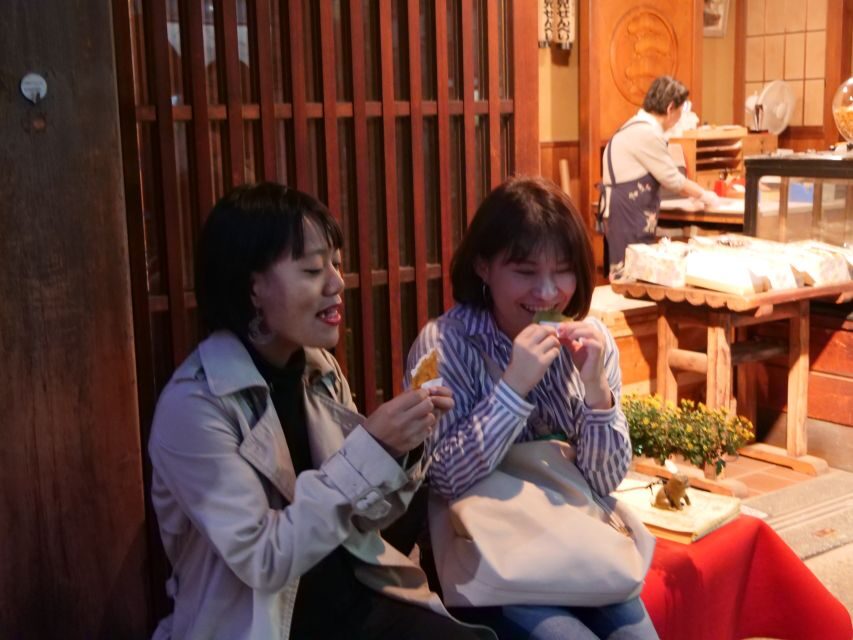
After Nezu Shrine, the route heads to Hebimichi for about 45 minutes. The name hints at the kind of street atmosphere to expect, and the payoff is that you start seeing Yanaka as a lived-in neighborhood rather than a museum district.
This is one of those segments that many DIY walkers miss. You might find streets like this on your own, but with a guide you get the background that connects the scenery to local life. In the reviews, people repeatedly praised how guides answered questions about culture and history in a way that made the route click. You are not being fed long lectures. You are walking, looking, and getting just enough context to understand why certain storefronts, alleys, and community spaces matter.
Possible drawback: this part of the day is outdoors and depends on the weather. Japan’s conditions can swing hard. Summer can reach around 40°C (110°F), and winters can drop to about -5°C (20°F). So bring what you need for comfort: water, sun protection, and layers if it is cold.
More paths into old Tokyo

Old-house cafe: painting your maneki-neko lucky cat
At roughly 75 minutes, the cafe stop is the emotional reset of the tour. This is where you craft a lucky cat statue by painting a maneki-neko. The tour includes one drink and a sweet treat, and you get a real chance to slow down and focus on something hands-on.
I like this kind of stop for two reasons. First, it gives your legs a break. Second, it turns you from observer into participant. You end up with an object that is actually part of your day, not just another photo.
In the reviews, people often mentioned how relaxing and fun the workshop felt, especially as a mid-tour break. You also get the social side that is hard to engineer on your own: a small group, guided conversation, and the shared focus of painting.
If you want to buy gifts later, this is also a smart time to decide what you want. The tour pattern later points you toward Yanaka Ginza for snacks and small shopping, so coming into that with a plan helps.
Yanaka Ginza: food sampling and old Tokyo shopping street energy
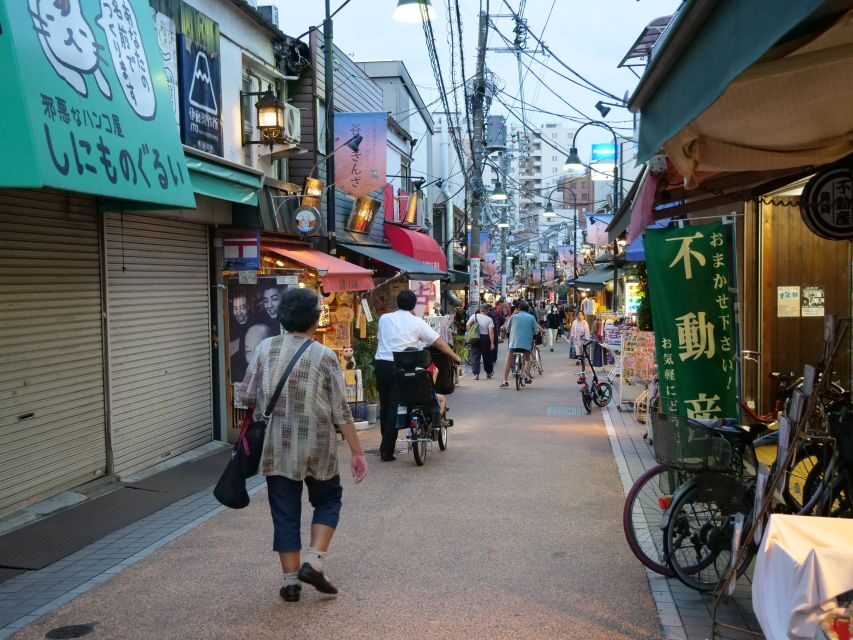
The final big chunk is about 100 minutes in the Yanaka District, including time around Yanaka Ginza, the neighborhood shopping street known for classic old-town flavors.
Here, the tour shifts from landmarks to taste. You get local snack and sweet tastings that represent old Tokyo flavors, and you can try small deli-style items you might not pick on your own. Your guide helps you navigate what to eat and how to order, and this is one of those places where a guide adds real value. In older neighborhoods, it can be tough to figure out what is good without language support.
Also, keep an eye on the time. Yanaka Ginza is a place where you may want to slow down for browsing beyond the tastings. The tour gives you structured tasting time, but if you love souvenirs and handmade items, you may feel tempted to keep wandering. A practical move is to let the guide take you first for the tastings, then circle back afterward if the group has time.
One more note that comes up in the tour info: additional snacks and drinks are available to purchase with cash, but they are not included. So think of the included tastings as the tour’s curated sample set, not as unlimited eating.
What the $79 price includes, and why it can be good value
At $79 per person for about 3.5 hours, the value here is not just the walking. You are paying for a guided route that bundles multiple “experience types” into one afternoon:
- A local guide in English with a small-group format
- Entry time at Nezu Shrine plus context while you walk
- Lucky cat painting, including a drink and sweet treat at the cafe
- Local snack and sweet samplings in Yanaka Ginza
- Tour photos (someone else handles that for you)
If you were to do this day on your own, you could easily spend similar money on transit and food, and you would still miss the parts that need language and local context: how to interpret shrine settings, which streets to focus on, and which snacks to prioritize. The craft workshop is also the kind of add-on that costs money even when you find it independently.
Where you might add extra spending: if you fall in love with something in the shopping street and want to buy more than what is included. The good news is that you are not forced to keep spending; you can treat it as tastings first, browsing second.
Who should book this Yanaka old-town tour
This tour is a great fit if you want Tokyo without the constant adrenaline. It works well for:
- First-time visitors who want something different from the big-city symbols
- People who like walking through neighborhoods and learning the “why” behind what they see
- Anyone who enjoys a small-group vibe where you can ask questions and get photos
- Families who want a mix of shrine time, street time, and a crafts stop
It can be less suitable if you have mobility issues. The tour info specifically says it is not appropriate for wheelchair or stroller users, and the route includes places that are not accessible.
If you are a solo traveler, the small group can feel like a private chat with Tokyo on your side. Several review stories mention the guide making the day feel personal, not like a rushed bus tour.
A few practical tips so you enjoy the day more
These are simple things that can make the afternoon smoother:
- Bring cash. Older shops may not accept cards.
- Wear comfortable shoes. Even without formal “tour-grade hills,” you will cover enough ground for sore feet.
- Pack for extreme weather. Japan can swing quickly, so bring water and protection.
- Plan your souvenirs. If you do shopping, consider waiting until the Yanaka Ginza segment so you know what you actually want.
- Ask questions early. The guide can explain shrine etiquette and route context before you get tired.
One small but useful detail from past experiences: guides have helped with practical moments like taking pictures and even offering shade gear when the weather got hot. That kind of real-world help is another reason small groups are worth it.
Should you book this Yanaka District walking tour?
I would book this if your idea of a good Tokyo day includes old streets, meaningful photo moments at Nezu Shrine, a break that is creative instead of just another shop stop, and food tastings that feel local rather than random. At 210 minutes with a small group, it is long enough to matter but short enough to stay pleasant.
I would skip (or choose a different style of tour) if walking is a problem for you, or if you do not want to carry cash and handle basic outdoor-weather logistics. This is a neighborhood walk, not a car-transfer sightseeing loop.
If you want old-town Tokyo that feels calmer and more human, Yanaka is a smart choice. This tour is one of the easier ways to experience it with context, not just scenery.
FAQ
How long is the Yanaka District historical walking tour?
The tour lasts about 210 minutes.
What is included in the price?
The price includes a walking tour with a local guide, tour photos, a drink and sweet treat at a cafe, the lucky cat painting craft experience, and local snack and sweet food sampling.
Where do I meet the guide?
Meet outside Tokyo Metro Nezu Station Exit 1. The guide will be holding a red/orange sign that says MagicalTrip, standing just in front of the upstairs area.
Do I need cash during the tour?
Yes. You should bring cash because many old shops may not accept credit cards, and not all food and drinks are included.
Is the tour wheelchair or stroller friendly?
No. The tour is not suitable for people with mobility impairments, and some included locations are not accessible by wheelchair or stroller.
Is the tour guided in English?
Yes. The tour is listed as an English live guide, and the group is small (limited to 7 participants).
Tokyo on Foot: More Walks



More Tours in Tokyo





More Tour Reviews in Tokyo




Fresh reviews from around Tokyo






Historical Tours, compared.
 ★ 4.9Imperial Palace Japanese History Walking TourFrom $32987 reviews
 ★ 5.0Shinjuku Historical Walking Tour & Secret BackstreetsFrom $25530 reviews
 ★ 4.9From Tokyo: Nikko World Heritage Site Private Full-Day TripFrom $483243 reviews
 ★ 5.0Yanaka Historical Walking Tour in Tokyo’s Old TownFrom $81182 reviews
 ★ 5.0Kamakura Historical Walking Tour with the Great BuddhaFrom $98129 reviews
From Tokyo: Nikko World Heritage Sight Full Day Private TourFrom $362127 reviews
★ 5.0Kamakura Historical Walking Tour with the Great BuddhaFrom $98129 reviews
From Tokyo: Nikko World Heritage Sight Full Day Private TourFrom $362127 reviews
 ★ 4.8Nikko Heritage & Nature Day Trip from TokyoFrom $39194 reviews
 ★ 4.6Asakusa: A Big-picture History Walk to Know JapanFrom $5877 reviews
Browse the lists this tour appears in