
Reviewed · PRIVATE
Private Day Tour In Tokyo with a Native English Speaker
Tokyo can feel like sensory overload.
This private day tour turns that chaos into a plan you can actually use, with a guide who handles the navigation and commentary while you pick what matters most. You’ll have the flexibility to shape the day around your interests, and you’re not stuck with one rigid route. The biggest appeal is a private setup for your group plus a native English speaker who also speaks Japanese.
Two things I love: first, having a guide who can switch between English and Japanese makes everything easier, from train directions to small shopping moments. Second, the day is built around clear Tokyo highlights like Sensoji (Asakusa), Shibuya’s iconic scene, and the pop-culture stops in Harajuku and Akihabara.
The main consideration is simple: it’s about 3 to 6 hours and you’ll be walking and riding transit, and public transportation plus food aren’t included. If you’re hoping for a totally no-walking, no-planning day, you’ll want to go in with realistic expectations.
In This Review
- Key things to know before you go
- Private guide and navigation help that actually saves stress
- Asakusa and Sensoji: starting with traditional Tokyo you can actually enjoy
- Shibuya’s crossing and Hachiko: modern Tokyo with built-in orientation
- Tsukiji fish market energy: go for the food culture, not just seafood
- Harajuku: youth culture shopping with a guide to keep it simple
- Akihabara: electronics plus anime and figure shopping help
- Custom Tokyo stop: tell the guide what you actually want
- Price and value: what $145 per person really includes
- Timing, walking, and transit: how to plan your comfort
- Who this tour fits best
- Should you book this private Tokyo highlights tour?
- FAQ
- How long is the private tour?
- What is the price per person?
- Is it a private tour or shared group?
- What language does the guide speak?
- Does the tour include pickup?
- Are there admission fees for the listed stops?
- What isn’t included in the tour price?
- How do I get my tickets?
- What fitness level is required?
- What is the cancellation policy?
Key things to know before you go
- English-Japanese guidance throughout so you’re not guessing at directions or wording
- Pickup is limited to within 7 km of Tokyo Station, which affects what’s convenient for you
- A customizable route: you can stick to the highlight list or ask for something specific
- Transit help is part of the value, not an afterthought
- Pop-culture and temples in the same day, so you get both sides of Tokyo
More private options with your own guide
- Tokyo 6hr Private Tour with Government-Licensed Guide★ 5.0 · 3,902 reviews
- Private Tour to Mt. Fuji and Hakone (Fully Licenced Operator)★ 5.0 · 1,910 reviews
- Tokyo Customized Private Tour (Must See Places in 1 Day)★ 5.0 · 1,499 reviews
Private guide and navigation help that actually saves stress
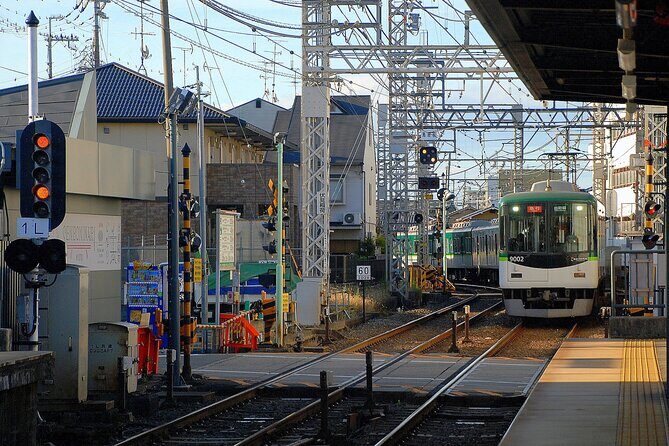
Tokyo is easy to travel through—until you’re standing on the wrong platform, staring at signs in Japanese, and trying to match your route to a moving crowd. The point of this tour is that you don’t have to solve Tokyo by yourself. Your guide stays on top of transit and routing, so you can focus on seeing things.
You also get privacy in the real sense: it’s a private tour just for your group. That matters because you can move at your pace, stop when something catches your eye, and skip bits that don’t interest you. A standard group tour can feel like speed-running Tokyo. This one is more like having a local friend who’s good at logistics.
Another value point: the guide speaks English and Japanese, and that shows up in small moments. One review specifically praised Ken for translating and helping with trains for shopping, including anime figures, and then guiding the group to Asakusa’s temple area. That’s the kind of practical help that keeps a day from turning into confusion.
Asakusa and Sensoji: starting with traditional Tokyo you can actually enjoy
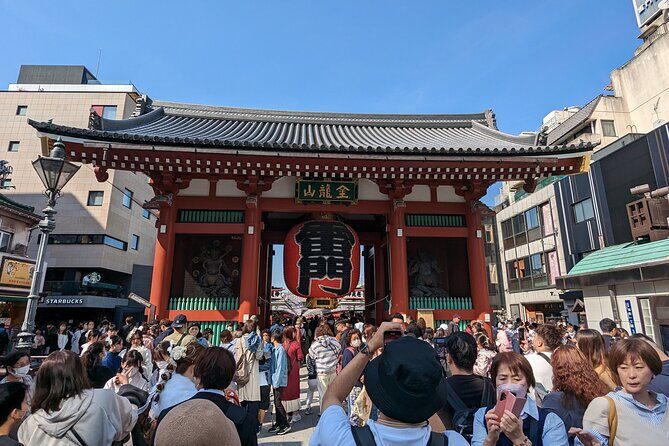
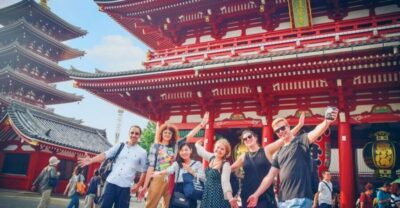
Asakusa is where you reset your Tokyo brain. Instead of shopping-first or neon-first, you start with the older rhythm of the city, and Sensoji is the anchor. You’ll spend about an hour here, which is long enough to take in the atmosphere and get photos without feeling trapped in a checklist.
What makes this stop work on a private tour is that your guide can help you understand what you’re seeing as you walk. You’re not just wandering. You get context as you move through the area, which helps you notice details you might otherwise pass by.
A drawback to keep in mind: one hour can only scratch the surface if you want a slow, deep walk. If you want more time for temple details, snacks, or a longer stroll, you’ll want to tell your guide early so they can adjust the pacing.
Shibuya’s crossing and Hachiko: modern Tokyo with built-in orientation
Shibuya is the place that tells you you’re in Tokyo. Even if you’ve never studied Japanese, you’ll recognize the energy instantly. You’ll get about an hour in the area, which is enough time to see the iconic pedestrian crossing and the Hachiko statue.
This is where a guide is especially useful. Shibuya can be crowded and confusing, and it’s easy to burn time just figuring out which direction is safest and easiest. Having the route handled means you can actually enjoy the spectacle instead of bracing through it.
Consider this for your planning: Shibuya is also one of the best places to buy last-minute items and people-watch. If you rush here, you’ll miss the small side streets and storefronts that make it feel like real Tokyo instead of a landmark stop.
Tsukiji fish market energy: go for the food culture, not just seafood
Tsukiji Fish Market is famous, and the key detail is that it’s the largest fish market in the world. On this tour, you’ll spend about an hour, and you’ll get a sense of what the market is known for—fresh sushi and sashimi—without needing to be a seafood person.
You don’t need to be a seafood-only eater to get value here. Market areas like Tsukiji are about food culture: how vendors work, how people move, and what the day feels like around food production. Even if you skip tasting, you’ll still come away with a clearer picture of Tokyo’s food scene.
One practical consideration: markets can be tight and busy. If you have moderate mobility, plan to wear comfortable shoes and be ready for standing and walking in a dense area.





Harajuku: youth culture shopping with a guide to keep it simple

Harajuku is for people-watching and shopping energy. This stop is about about an hour, centered on the area’s youthful vibe and kawaii culture—shops and streets that cater to cuteness and fashion.
Here’s why having a guide helps: Harajuku can mean different things depending on what you like—street fashion, themed goods, or simply browsing. A private guide lets you steer. If you want more style and less crowds, you can move that way. If you want stores and browsing time, you can spend more of your hour that way.
Potential drawback: because Harajuku is popular, you may feel the crowd density. If you don’t love packed areas, I’d still go, but keep your expectations flexible—think browsing and vibe, not getting everything you want in one hour.
Akihabara: electronics plus anime and figure shopping help
Akihabara is where Tokyo’s geek culture shows up in full force. It’s known for electronic stores, and it’s also a hub for anime and cosplay culture, including shops that sell merchandise and figures. You’ll spend about an hour here, which works well for scanning stores and picking up a few things without losing your whole day.
The best part of adding Akihabara to a private tour is that your guide can help with the practical stuff: navigating, finding the right shop types, and getting you oriented in areas where signage and store layout can be overwhelming. One review called out how Ken guided people on trains specifically to buy anime figures—exactly the kind of targeted help that makes the stop feel successful instead of chaotic.
A consideration: if you’re trying to buy multiple items, prices, and inventory can vary store to store. An hour is enough to browse and find something good, but you’ll want to decide your budget and priorities before you start walking.
Custom Tokyo stop: tell the guide what you actually want
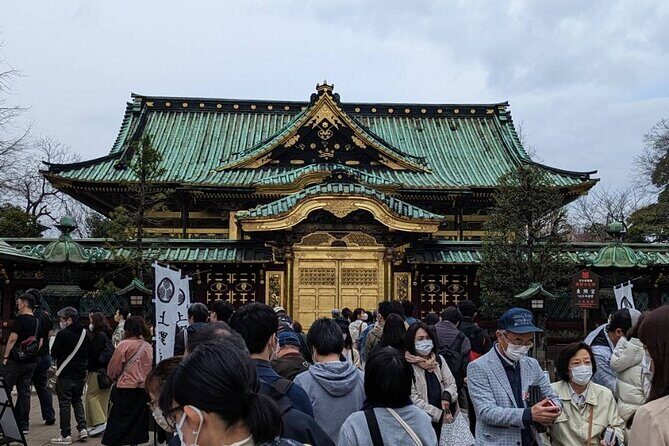
Not every Tokyo day fits a perfect highlights script. That’s why this tour includes an open-ended option: if the destination you want isn’t on the list, you tell the guide and they customize the day around your interests. You’ll also have the option to use predetermined ideas if you’re not sure where to start.
This is where private tours can be worth more than they cost. If you love gardens, neighborhoods, views, or a specific museum vibe, this structure gives you a way to insert that without derailing the entire day. Your guide can keep you on track while still making the experience feel yours.
The only caution: customization takes communication. If you wait until you’re already on the move, you may lose time. I’d come with a few must-sees and a couple of “nice if we have time” options, so the guide can build the route quickly.
Price and value: what $145 per person really includes
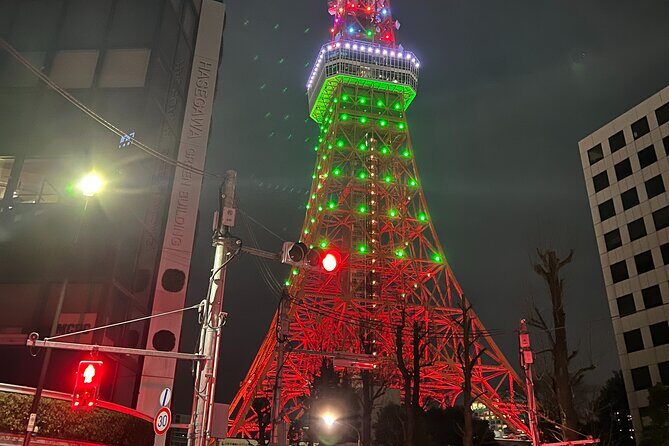
At $145 per person, this tour is not the cheapest way to see Tokyo. But it’s positioned as a way to buy back time and reduce confusion. What you’re paying for is a private English-speaking guide, navigation help, flexibility, and a plan that hits multiple neighborhoods in one day.
Included is the guide who speaks both English and Japanese and guides you throughout the day. You’ll also get a mobile ticket, and the tour offers pickup (with a limit) plus group discounts. Public transportation (about $15) and food and drink are not included, so you should budget for transit separately.
The value equation is strongest if you:
- want a private day rather than a group scramble
- care about shopping and communication help (like anime figure hunting)
- feel like Tokyo’s transit would eat up your energy without assistance
If you’re the type who loves planning every train change yourself and doesn’t mind language friction, you might not need a guide. But for most people, the stress reduction plus guidance across multiple areas is the payoff.
Timing, walking, and transit: how to plan your comfort
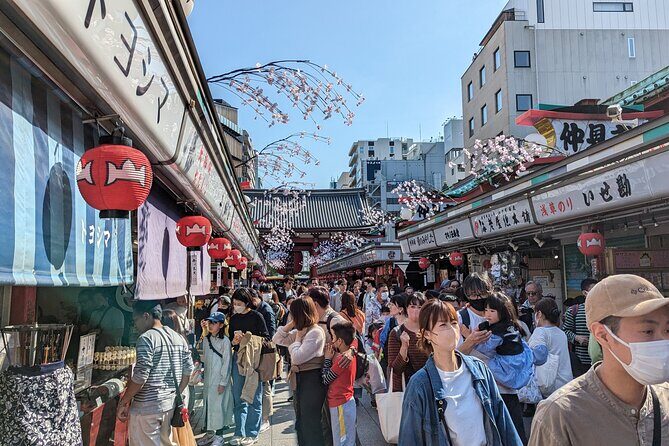
This tour runs about 3 to 6 hours, depending on how you pace it and what you choose to customize. The stops are spaced across different districts, which means transit is part of the day—plus walking once you arrive.
A few practical tips based on the way this kind of route functions:
- Wear comfortable shoes you trust for repeated walking.
- Carry a bottle of water and plan to buy drinks since food and drink aren’t included.
- If you want maximum shopping time in Akihabara or Harajuku, decide earlier rather than later.
Also note the pickup rule: pickup is only within a 7 km radius of Tokyo Station. If you’re farther out, you may want to line up your own meeting point near public transportation.
The tour does list that it’s near public transportation, which helps. You should still be ready for frequent “in and out of stations” movement—Tokyo is built for it, but your feet should be too.
Who this tour fits best
I think this tour is a great match for people who want to see multiple sides of Tokyo without turning the day into logistics homework. It’s also a good fit if you want help with language and directions, especially in shopping-heavy areas like Akihabara.
You’ll likely get the most out of it if you:
- prefer a flexible plan where you can adjust on the fly
- want a mix of temples and pop culture in one day
- have moderate physical fitness and can handle walking and transit
If you’re traveling with kids or mobility limits, the walking load might be an issue since the tour requires moderate fitness and isn’t described as step-free or assisted. In that case, you should consider whether the route pace works for your group.
Should you book this private Tokyo highlights tour?
If you want a private day that covers Asakusa, Shibuya, Tsukiji, Harajuku, and Akihabara with an English-Japanese guide and navigation help, I’d say it’s worth serious consideration. The high rating and recommendation rate (4.8 with 94% recommended) makes sense when you see what’s included: someone managing transit, guiding you through each area, and helping with real-world tasks like getting to shopping streets and figuring out what to look for.
Skip it only if you’re determined to plan everything yourself, or if you strongly prefer a slow, deep visit to just one neighborhood. This tour is designed for variety and momentum—smart momentum, with a guide keeping you from wasting time.
FAQ
How long is the private tour?
The duration is about 3 to 6 hours.
What is the price per person?
The price is $145.00 per person.
Is it a private tour or shared group?
It’s a private tour/activity. Only your group will participate.
What language does the guide speak?
The guide speaks both English and Japanese.
Does the tour include pickup?
Pickup is offered, but only within a 7 kilometer radius from Tokyo Station.
Are there admission fees for the listed stops?
The listed stops show admission ticket free.
What isn’t included in the tour price?
Public transportation (about $15) and food and drink are not included.
How do I get my tickets?
You’ll receive a mobile ticket.
What fitness level is required?
Travelers should have a moderate physical fitness level.
What is the cancellation policy?
Free cancellation is allowed up to 24 hours in advance for a full refund. If you cancel less than 24 hours before the start time, the amount paid is not refunded.
Just Your Group: Private Options


More Tours in Tokyo

More Tour Reviews in Tokyo



Fresh reviews from around Tokyo






Private, compared.
 ★ 5.0Tokyo 6hr Private Tour with Government-Licensed GuideFrom $1553,902 reviews
 ★ 5.0Private Tour to Mt. Fuji and Hakone (Fully Licenced Operator)From $4971,910 reviews
 ★ 5.0Tokyo Customized Private Tour (Must See Places in 1 Day)From $1451,499 reviews
 ★ 4.9Mount Fuji Full-Day Private Tour from Tokyo (Customizable)From $3931,470 reviews
 ★ 4.8Private City Highlights Tour with Local GuideFrom $1061,433 reviews
 ★ 5.0Private Custom Tour: Tokyo in a DayFrom $1591,432 reviews
 ★ 5.0Tokyo 4hr Private Tour with Government-Licensed GuideFrom $1091,394 reviews
 ★ 5.0Tokyo Customized Private Tour: See Top Attractions in 1 DayFrom $1451,351 reviews