
Reviewed · COOKING CLASSES
Ramen and Sushi Cooking Class with Sake Pairing Set in Tokyo
Your dinner plan gets a lot better.
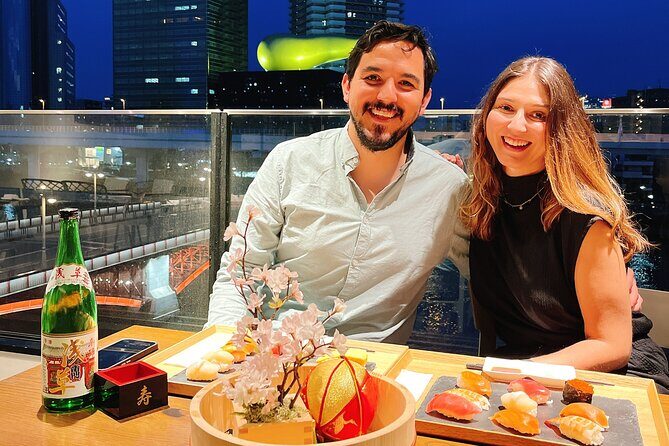
This Tokyo class turns ramen and sushi into a real skill, not just restaurant nostalgia. You’ll work in a small group (max 8) with an English-speaking instructor, then make sushi, learn how to build ramen broth from scratch, and finish with a sake pairing chosen to match what you cooked. The tone feels friendly and relaxed, with instructors like Sato and Ryushi (and the team members named Alex, Taka, and Kaori in different sessions) making sure you’re not guessing your way through anything.
Two things I’d point you to right away: hands-on guidance that keeps you from getting lost, and the Japan food-culture context (the stories behind what you’re making, not just recipes on a clipboard). One consideration: the whole thing is about 3 hours, so the pace is upbeat, and the ramen side may feel slightly less hands-on than the sushi in some parts of the lesson.
In This Review
- Key Highlights at a Glance
- Why This Ramen, Sushi, and Sake Class Works in Tokyo
- Where You Meet in Tsukishima (and What to Know Before You Go)
- The 3-Hour Flow: Sushi First, Ramen Broth, Then Sake
- Sushi making phase
- Ramen broth and assembly phase
- Sake pairing phase
- Sushi Skills You’ll Actually Use at Home
- Ramen Broth From Scratch: Flavor Basics That Translate
- Sake Pairing That Makes You Taste With Intent
- What You’re Paying For: Value at $79.59
- Who This Class Is Best For (and Who Might Skip It)
- Tips to Make the Most of Your 3 Hours
- Should You Book This Ramen and Sushi Cooking Class?
- FAQ
- How long is the cooking class?
- What is the group size limit?
- Is there an English-speaking instructor?
- What do you make during the class?
- Are meals and drinks included?
- Is hotel pickup and drop-off provided?
- Where is the meeting point in Tokyo?
- Is there mobile ticketing?
- Are there any rules about pets or service animals?
- What is the cancellation policy?
Key Highlights at a Glance
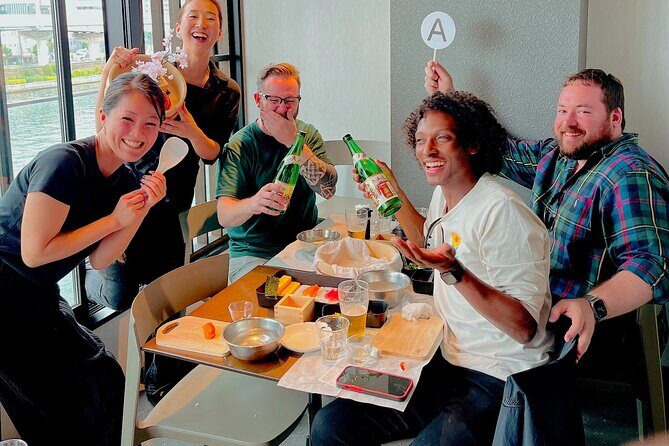
- Small group limit of 8 means you can ask questions and actually get corrections while you work.
- English-speaking instructor keeps techniques clear, especially for sushi basics that are easy to mess up at home.
- Ramen broth from scratch so you understand how flavor builds, not just how to assemble toppings.
- Sake pairing included with your meal so you learn what to notice when alcohol meets food.
- River-view setting at the class space makes the whole afternoon feel calmer and more memorable.
- All drink included with the meal, so you’re not doing mental math mid-class.
Another round: more sake tastings
- Ramen and Sushi Cooking Class with Sake Pairing Set in Tokyo★ 5.0 · 291 reviews
- Sake Tasting Masterclass in Shinjuku (8+ Varieties with a Pro)★ 5.0 · 271 reviews
- Wagyu & Sake Pairing in Shinjuku – Steak, Shabu-Shabu & More★ 5.0 · 112 reviews
Why This Ramen, Sushi, and Sake Class Works in Tokyo
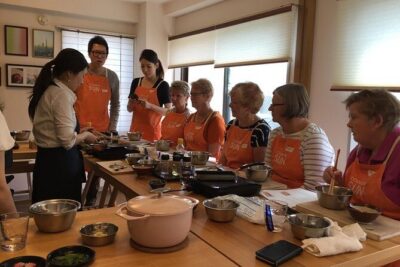
Tokyo cooking classes can be hit-or-miss. Some are mostly watching, some feel like assembly lines, and some hand you a recipe you could’ve found online. This one is different because the lesson is built around making, and the group is small enough that the instructor can steer you when something doesn’t look right.
You’re getting three parts that usually live in separate worlds: sushi, ramen broth, and sake. That combination is great value because it gives you both technique and taste education. You don’t just end up with a plate. You leave with a better sense of why certain flavors work together, and how Japanese home cooking differs from the “do it the Western way” shortcuts people try.
I also like the tone. The class is described as warm and comfortable, which matters because cooking—especially sushi—requires attention to detail. If you’re nervous, it gets harder. In this setup, the focus stays practical: do the next step, get the right texture, then taste and adjust.
Where You Meet in Tsukishima (and What to Know Before You Go)
The meeting point is in Tsukishima, at 2-chōme-13-5 HAUS Tsukishima (Chuo City, Tokyo, 104-0051). It’s not a hotel pickup situation, so you’ll want to plan on getting there on your own using nearby public transportation.
A small but useful detail: the class space is said to have a view of the river. That doesn’t change the cooking, but it does change the vibe. It turns the session into an easy afternoon plan rather than a cramped “rush in, rush out” activity.
Since the class ends back at the same meeting point, you can treat it like a self-contained block on your itinerary. Build it into a time window where you won’t feel rushed afterward—because you’ll likely want a little breathing room after eating your own ramen and sushi.
The 3-Hour Flow: Sushi First, Ramen Broth, Then Sake
The class runs for about 3 hours, and it has a clear rhythm: sushi making, ramen broth from scratch, and then sake pairing. Even with only a few hours, the structure helps you understand what you’re doing and why.
Sushi making phase
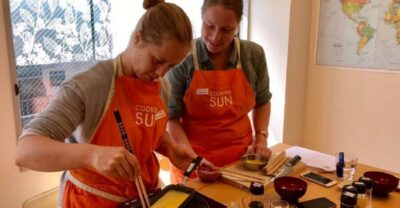
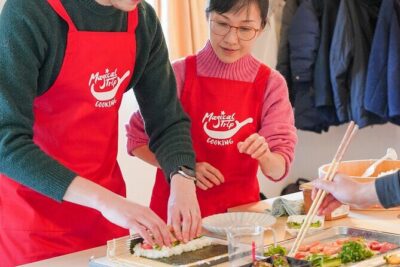
You’ll craft sushi with hands-on instruction. Sushi is where small-group coaching really pays off, because a couple of things—rice texture, how you handle it, and how you shape—can make the difference between “okay” and “this actually tastes right.” The class format is designed to prevent the usual home-cooking frustration you get from trying to follow a video with no feedback.
Other plates worth crossing Tokyo for


Ramen broth and assembly phase
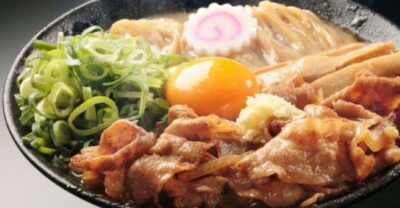
You’ll learn how to brew savory ramen broth from scratch. Broth is the backbone of ramen flavor, so learning the method matters more than copying a topping list. One review mentioned the ramen included pork belly, which makes sense as a classic topping idea, but the bigger win for you is understanding the broth approach.
Sake pairing phase
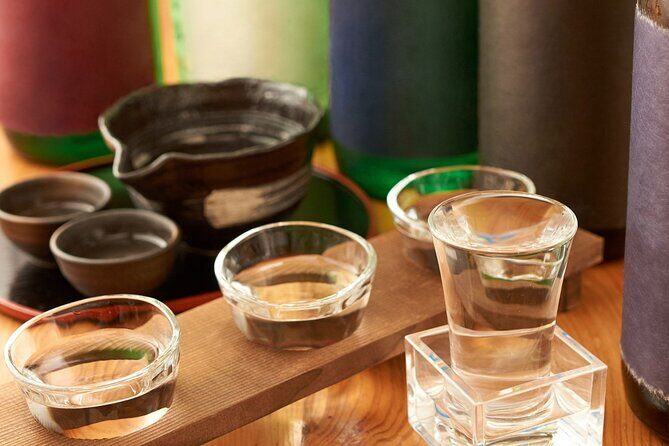
After cooking, you’ll sip sake that’s selected to complement your dishes. This is not just “have a drink.” The pairing angle teaches you what changes in the flavor when alcohol meets fish, rice, and savory broth. It’s also a fun way to break up the intensity of hands-on cooking.
Sushi Skills You’ll Actually Use at Home
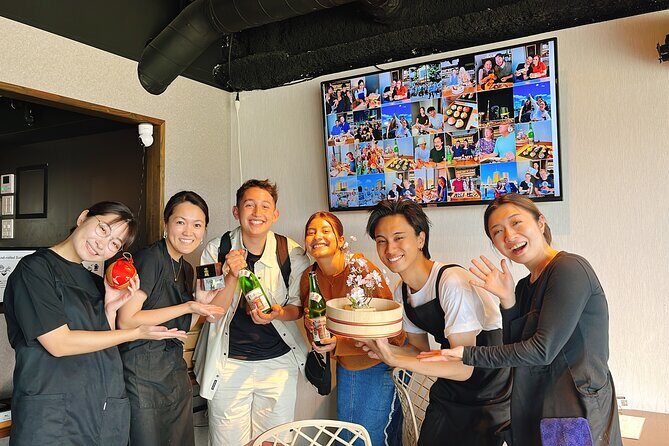
Sushi at home often goes wrong in very specific ways: rice ends up too wet or too dry, rolling and shaping get awkward, and the final bite doesn’t match what you remember from a good sushi counter. This class tackles that with hands-on correction.
Here’s what you should expect the instructor to focus on while you work:
- Technique over guesswork: you’re guided through steps so you’re not relying on trial and error.
- Texture awareness: you’ll be paying attention to how rice and fillings feel, not just how they look.
- Practical habits: small handling tips help keep things neat while you’re cooking.
Sushi lessons also tend to create a confidence boost. Once you’ve done it with live coaching, the home version feels less like a mystery. You also get cultural context around the dishes you’re making, including stories tied to how they’re traditionally enjoyed.
If you like food learning that turns into real kitchen results, this is the part that usually sticks with people.
Ramen Broth From Scratch: Flavor Basics That Translate
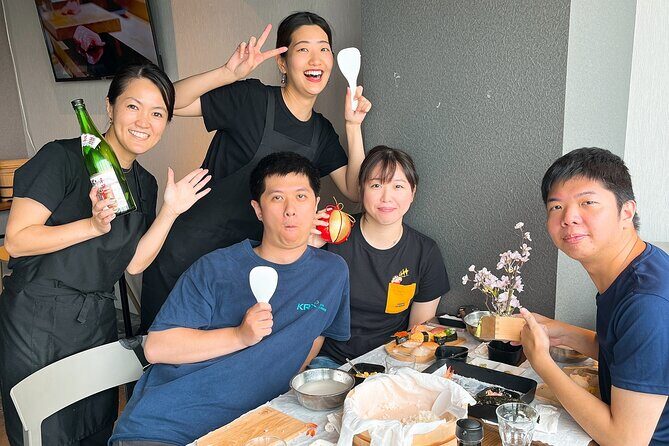
Ramen sounds simple until you realize how hard it is to nail flavor balance. The class gives you the foundation: brewing broth from scratch. That’s where the “why” matters. When you understand the method and how taste develops, you can adjust later without needing a strict script.
From the way the lesson is described, the ramen portion may be slightly less hands-on than sushi in some stages. That’s not necessarily a bad thing. Ramen broth is often about timing, heat control, and letting flavor build. If part of it is more guided while you observe and learn, you still gain the key knowledge you’d need to reproduce the results later.
One practical win: you’ll see how the broth connects to the final bowl. The included ramen meal isn’t just an afterthought. You cook, you taste, and you connect the broth work to what ends up in your bowl—plus you’ll get the enjoyment of eating what you made.
Sake Pairing That Makes You Taste With Intent
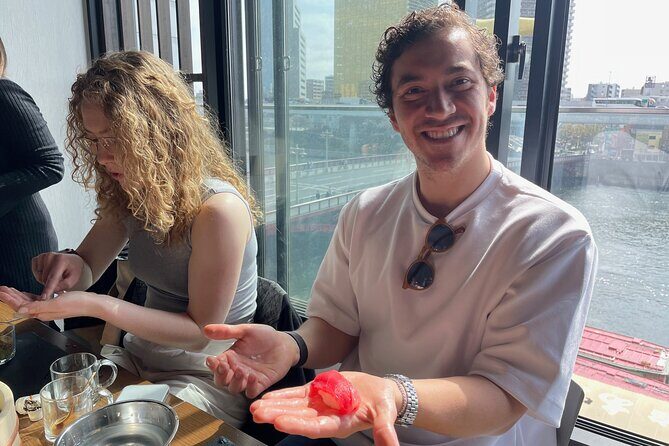
Sake pairing is one of those ideas that sounds fancy until you realize it’s actually a tasting lesson. In this class, you’ll have all drinks included, and the sake is chosen to complement the dishes you’re preparing.
What you’ll likely notice, if you pay attention (and I recommend you do), is how sake changes the perceived flavor of:
- savory broth and fatty toppings (like the pork belly mentioned in one review)
- fish-and-rice bites from your sushi work
- overall salt balance and aroma
Even if you don’t consider yourself a sake person, pairing gives you a reason to taste more carefully. You stop thinking only in terms of whether something is good or not, and you start thinking in terms of pairing logic.
The class atmosphere also helps here. Because the group stays small and the tone is relaxed, tasting feels less like a lecture and more like part of the meal.
What You’re Paying For: Value at $79.59
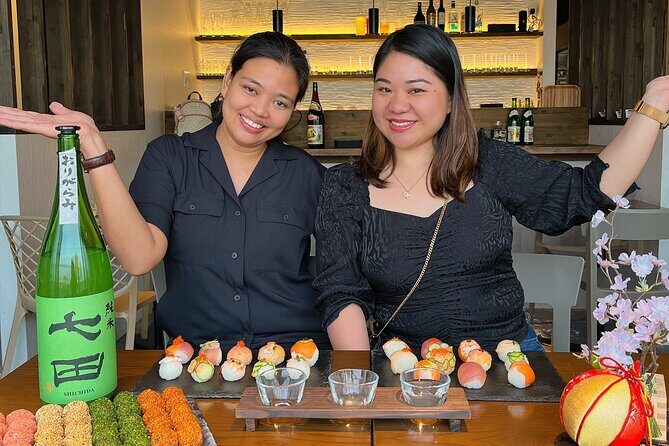
At $79.59 per person, the price can look like “just another food experience” until you break down what’s included.
You’re getting:
- an English-speaking instructor
- ingredients for the class and the meal
- all drinks included
- hands-on instruction in multiple dishes (sushi + ramen broth) plus sake pairing
Value isn’t only about quantity. It’s about what you’re learning for your money. Sushi and ramen are both skill-based. If you’ve ever tried to teach yourself from YouTube and felt stuck, live coaching is where the value lands fast. In a small group (max 8), the instructor can correct mistakes without ignoring you, which is hard to replicate on your own.
The one thing you don’t get is hotel pickup and drop-off. That’s common in Tokyo, but it’s still your responsibility to plan transit to the meeting point.
Who This Class Is Best For (and Who Might Skip It)
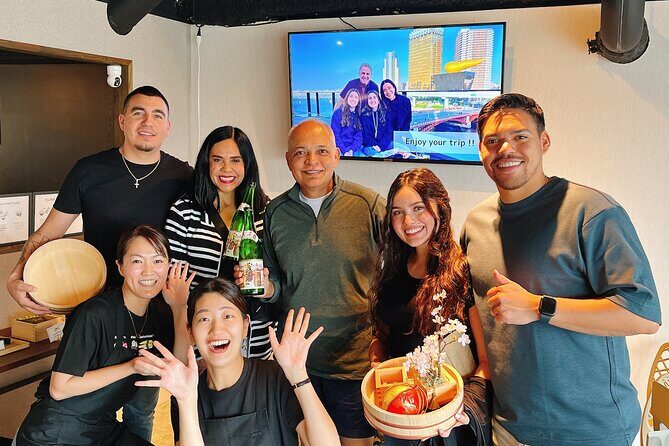
This is best for you if:
- you want hands-on cooking in Tokyo, not just sightseeing with food
- you care about making sushi or ramen at home and want technique you can repeat
- you like pairing food with drinks and learning what changes in flavor
- you enjoy a smaller, more personal class setting
You might want a different option if:
- you hate time-boxed classes and prefer long, slow instruction
- you’re looking for a casual “just eat” experience rather than cooking work
- you don’t want to travel to the meeting point on your own (since pickup isn’t included)
If you’re a solo diner, this can still be great because the group size stays small and the instructor attention is a real factor. If you’re traveling with a partner, the class format makes it easy to share the experience without feeling lost in a crowd.
Tips to Make the Most of Your 3 Hours
You’ll get more from this class if you arrive ready to focus for a short, active session.
Practical tips:
- Bring a curious mindset. Ask about the texture and timing points, not just the ingredient list.
- Watch the instructor’s hands before you copy them. Sushi technique is often easier visually than you expect.
- Take notes on what you taste. The ramen broth and sake pairing will teach you faster if you connect flavor to your process.
- Plan your transit early. Since there’s no hotel pickup, you don’t want to stress about being late.
- Come with an open mind about ramen. Broth is the learning core, even if some steps feel a little more guided than hands-on.
And yes, eat the meal. It’s part of learning. Your palate is the feedback tool.
Should You Book This Ramen and Sushi Cooking Class?
If you want a Tokyo food experience that actually changes how you cook back home, this one is a strong pick. The small group size, English-speaking instruction, and combination of sushi + ramen broth + sake pairing make it better than a single-dish workshop. The setting also sounds like it’s pleasant, with a river view, which turns the whole afternoon into something you’ll remember.
Book it if:
- you like hands-on classes and want real technique
- you want sake pairing included, not an add-on
- you’ll appreciate learning the story and method behind the dishes
Skip it if you’re only interested in eating and you don’t want any cooking work. Otherwise, this looks like excellent value for a focused, guided session in Tokyo food craft.
FAQ
How long is the cooking class?
The class runs for about 3 hours.
What is the group size limit?
The experience has a maximum of 8 travelers.
Is there an English-speaking instructor?
Yes. The class includes an English-speaking instructor.
What do you make during the class?
You’ll make sushi, brew ramen broth from scratch, and have sake pairing with your dishes.
Are meals and drinks included?
Yes. Ingredients for the class and meal are included, and all drinks are included as well.
Is hotel pickup and drop-off provided?
No, hotel pickup and drop-off are not included.
Where is the meeting point in Tokyo?
You meet at Japan, 104-0051 Tokyo, Chuo City, Tsukuda, 2-chōme135 HAUS Tsukishima.
Is there mobile ticketing?
Yes. The tour uses a mobile ticket.
Are there any rules about pets or service animals?
Service animals are allowed.
What is the cancellation policy?
Free cancellation is available up to 24 hours in advance for a full refund. If you cancel less than 24 hours before the start time, the amount paid is not refunded.
Eat Your Way Round Tokyo

More Tour Reviews in Tokyo





Tokyo by the Cup: More Sake Tastings

Fresh reviews from around Tokyo






Cooking Classes, compared.
 ★ 5.0Ramen & Gyoza Cooking Class in Tokyo with Local Supermarket VisitFrom $122823 reviews
 ★ 4.6Easy Ramen Cooking Experience in Kabukicho, ShinjukuFrom $29321 reviews
 ★ 4.9Wagyu and 7 Japanese Dishes Cooking ClassFrom $67273 reviews
 ★ 5.0Tokyo Washoku 4-hour Cooking Class: From Market to TableFrom $79253 reviews
 ★ 5.0Small-Group Wagyu Beef and 7 Japanese Dishes Tokyo Cooking ClassFrom $72190 reviews
 ★ 5.0Private Home Cooking in Yanaka – Local Flavors in a Warm SettingFrom $122173 reviews
 ★ 5.0Tokyo Sushi Making Experience & Japanese Cooking ClassFrom $59150 reviews
 ★ 5.0Unique Private Cooking Class with a Tokyo Local EmiFrom $99131 reviews
Browse the lists this tour appears in