
Reviewed · COOKING CLASSES
Tokyo: Wagyu and 7 Japanese Dishes Cooking Class
Wagyu and Japanese comfort food, together. This Tokyo cooking class turns a home-style meal into a hands-on session, led by friendly English-speaking instructors such as Yuki, Yuko, Aya, Kaori, and Bifuka. I really like the small group setup (so you’re not just watching) and the way the menu makes one centerpiece dish feel connected to everything else on the table. One catch: there’s no hotel pickup, and the studio sits in a residential area, so you’ll want to plan for getting there.
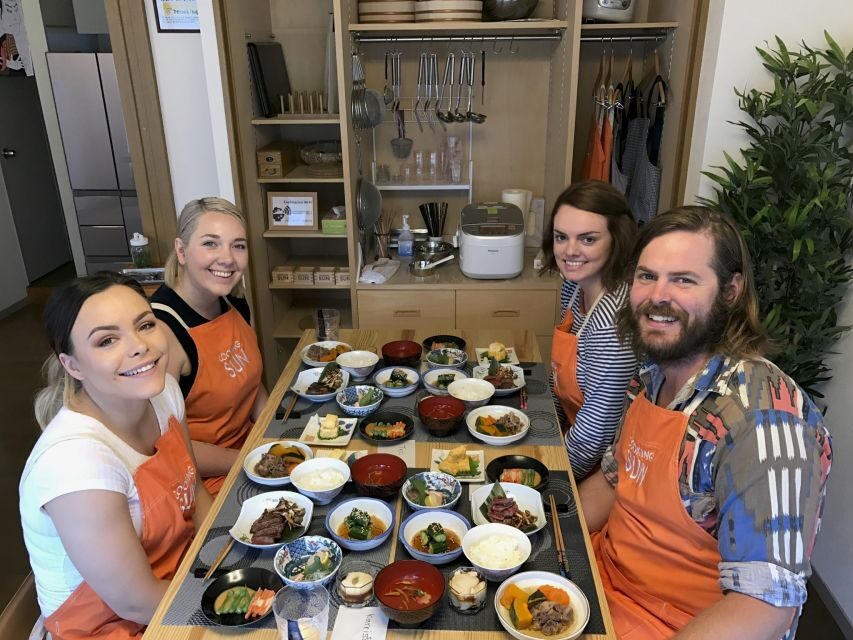
Over about 3 hours, you’ll cook a full-course meal from appetizer through dessert, then eat it right after. Expect Wagyu as the star (often prepared as a sukiyaki-style hotpot), plus familiar Japanese staples like dashi-based soup and popular sweets like dorayaki. It’s beginner-friendly, but still detailed enough that you’ll leave with practical habits and repeatable recipes.
In This Review
- Key highlights at a glance
- Wagyu Sukiyaki and a Full Course You Can Repeat
- Getting There: The Beige Building, Second Floor, and No Pickup
- The 3-Hour Rhythm: Tea, Apron Up, Then Cook and Eat
- Wagyu Beef as the Centerpiece (Sukiyaki-Style Hotpot)
- Dashi and Miso Soup: The Broth Lesson That Changes Everything
- Side Dishes With Real Prep: Cucumber Cutting and Sesame Potato Salad
- Tofu and Savory Comfort: Stuffed Tofu With Ginger and Edamame
- Dorayaki for Dessert: A Sweet Finish You’ll Want to Make Again
- What You Take Home: Recipes, Tips, and Ingredient Substitutions
- Price and Value: $67 for Lunch You Built With Clean Tools
- Who Should Book This Cooking Class in Tokyo
- Should You Book This Tokyo Wagyu and 7 Dishes Class?
- FAQ
- How long is the Wagyu and Japanese Dishes cooking class?
- How many people are in the class?
- Is the instruction in English?
- What’s included in the price?
- What’s not included?
- Can the class accommodate dietary requirements?
- Where do I meet the group?
Key highlights at a glance
- Wagyu is the main event: you cook it hotpot-style, not just taste it
- Dashi from scratch is part of the meal, and it feeds into miso soup
- Small group of up to 8 keeps the class hands-on and paced well
- Take-home recipes plus substitution advice for different diets and ingredient availability
- Residential studio in Shinjuku-ku: local setting, clean workspace, and a homey feel
More aprons-on time in Tokyo kitchens
- Ramen & Gyoza Cooking Class in Tokyo with Local Supermarket Visit★ 5.0 · 823 reviews
- Tokyo: Easy Ramen Cooking Experience in Kabukicho, Shinjuku★ 4.6 · 321 reviews
- Ramen and Sushi Cooking Class with Sake Pairing Set in Tokyo★ 5.0 · 291 reviews
Wagyu Sukiyaki and a Full Course You Can Repeat
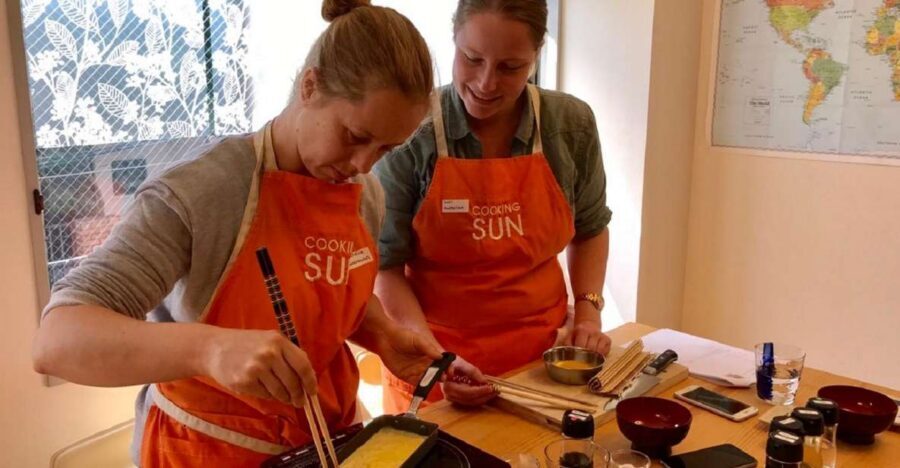
The biggest reason this class works is simple: it’s not a single dish class with a side of storytelling. You build an actual Japanese meal step by step, and Wagyu is treated like the anchor—so the rest of what you cook has a purpose. You come in for beef, but you leave understanding how Japanese flavors connect across broth, sides, and sweets.
What I like most is the pacing and structure. The class isn’t chaotic, and the instructors keep things organized in a way that makes cooking feel doable. In multiple course descriptions, people mention that recipes turn out well and that the instructors explain what each ingredient is doing, not just what to do with your hands.
Also, the class seems to balance technique with comfort. A review noted it’s hands-on but not overly complicated, and another mentioned the cutting and prep are approachable. Translation: if you’re new to Japanese home cooking, you’ll likely feel confident. If you’re chasing intense pro-level knife training, you might find it more “make it the Japanese way” than “go deep on advanced butchery.”
Getting There: The Beige Building, Second Floor, and No Pickup
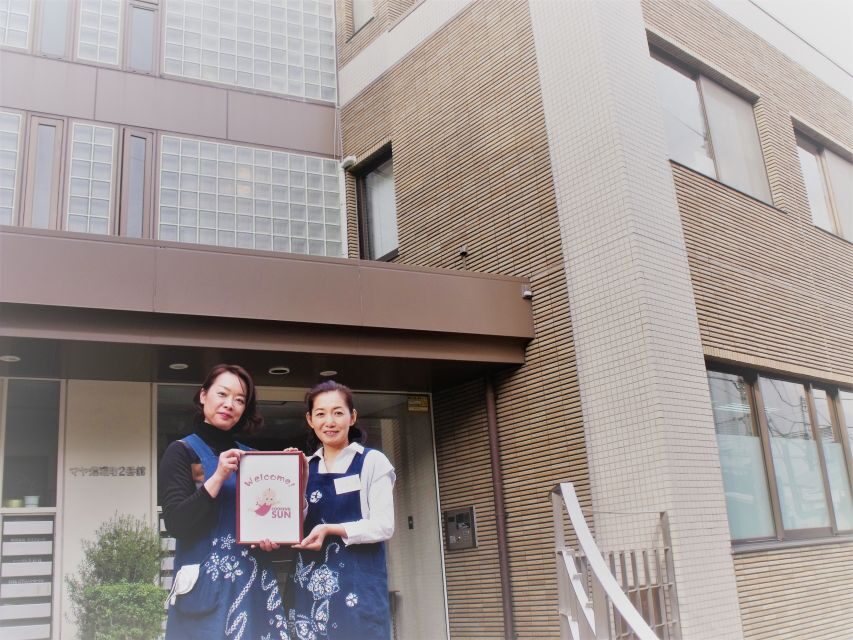
This class happens in a studio in a quiet residential neighborhood in Tokyo. That’s part of the charm, but it’s also why you should take directions seriously. You’ll be on the 2nd floor of a beige residential building, and you use the right-side door to enter the studio. At the building entrance, you press 314 on the intercom to call the studio.
If you have Wi-Fi, you can use Google Maps and search for Cooking Sun Tokyo (Shinanomachi 18-39, Shinjuku-ku, Tokyo). If you don’t, you’ll want to check the detailed directions on the website before you leave your hotel, because the studio can be a little difficult to spot.
And yes, hotel pickup and transportation are not included. That means you’ll need to handle your own trip to Shinjuku. The upside is you’re not tied to a bus schedule—you can build the class into your day with fewer moving parts.
The 3-Hour Rhythm: Tea, Apron Up, Then Cook and Eat
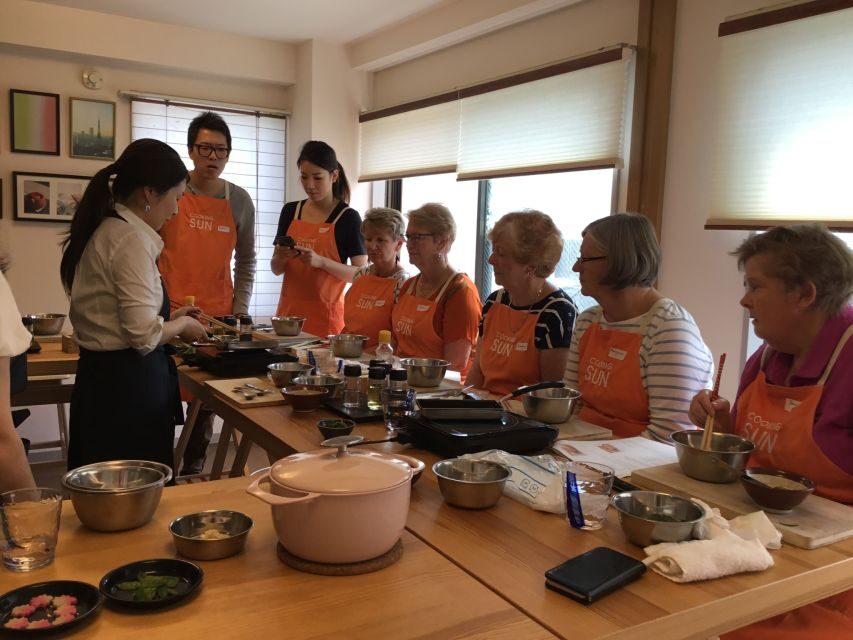
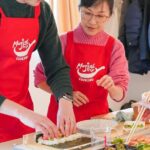
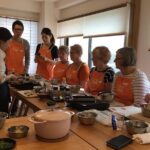
Plan for this to feel like a real cooking session from start to finish. You’ll arrive, get set up, and get a quick welcome before you start cooking. Included are a towel and apron rental, plus a welcome tea. Then you get rolling with demonstrations and step-by-step guidance while your small group cooks alongside the instructors.
This matters because Japanese home cooking is all about timing and sequence. Many of the dishes on the menu are interrelated—especially anything built on dashi or sauce components that you’ll use in more than one step. The class keeps that flow manageable so you’re not standing around.
Once everything’s done, you sit down and eat what you made. That’s a big deal for value. A lot of cooking classes teach, then send you away with instructions. Here, you eat the full meal you built—so you can judge your results, taste the differences, and learn what should come out right.
Wagyu Beef as the Centerpiece (Sukiyaki-Style Hotpot)
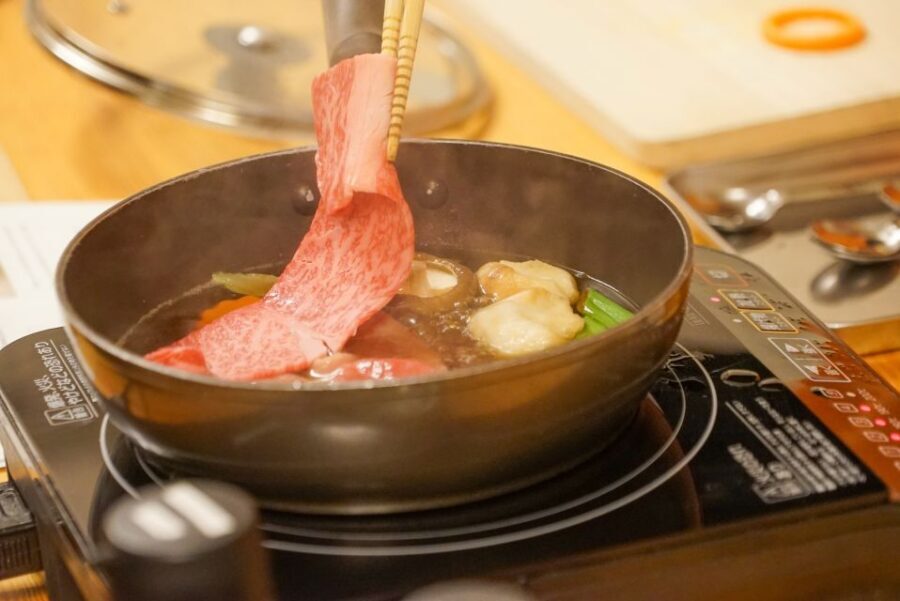
The headline dish is Wagyu, and in practice that means you’ll be cooking it as part of a hotpot-style meal. The key advantage is that you don’t just see Wagyu—you handle it in the cooking process that makes it taste the way people rave about.
Multiple people mention the Wagyu coming out very tender and juicy, even when compared to Wagyu they’d eaten at restaurants. That’s the kind of difference you want from a class: you should be able to cook something at home that feels like the flavor stays consistent.
What the class likely teaches you (based on the repeated dish structure) is how to combine the beef with the surrounding components of a hotpot meal, so the flavor isn’t just from the meat. The instructors also spend time explaining the food and ingredient context, which helps you cook with confidence later instead of just copying steps.
If you’re a beef lover, this part alone is a strong reason to book. But don’t overlook the rest: the sides and soup teach you how Japanese meals get their balance—so Wagyu doesn’t feel like a random luxury dish. It feels like it belongs.
More things to make with your own hands


Dashi and Miso Soup: The Broth Lesson That Changes Everything
If you want one skill that travels well, it’s broth. In this class, you make dashi from scratch and then use it in soup—often miso soup. Dashi is one of those foundational Japanese flavors that can make the rest of your cooking taste more accurate, and the class treats it like a core lesson, not a quick shortcut.
People specifically mention learning how to make dashi from scratch, which is a higher-value move than starting with pre-made stock. They also mention the instructors explain differences in miso types, including red miso vs white miso. Even if you don’t cook miso every week at home, understanding the idea helps you choose what to buy and how to match it to a dish.
The broth-and-miso segment is also a good “culture plus technique” moment. You’re learning flavor building blocks while hearing why those ingredients matter. That combination tends to stick in your brain because you’re tasting along the way.
Side Dishes With Real Prep: Cucumber Cutting and Sesame Potato Salad
One of the most satisfying parts is how many small, everyday Japanese foods you make—not just fancy restaurant plates. Expect a mix of crisp sides and simple textures, which is exactly what makes the final meal feel complete.
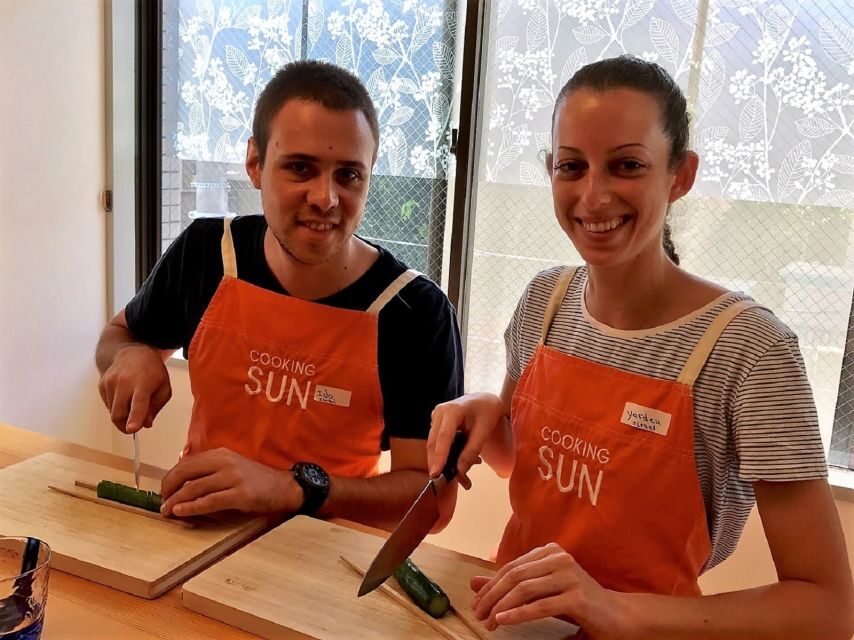
From the menu descriptions, you might practice things like making an egg omelette, preparing cucumber salad with careful knife work, and making a sesame potato salad. People also mention that the class includes approachable prep steps—like accordion cut cucumbers—which are practical skills you can repeat at home with less stress than you’d expect.
Why does this matter for your decision? Because sides are where you can build confidence. You learn how Japanese flavors land through seasoning, texture, and small handling choices. When you later eat Japanese food in Tokyo, you can actually identify what you’re tasting: the springy crunch, the balance of sauce, the way sesame adds depth.
And because the group is small, you get feedback while you cook. That makes a difference when you’re learning a new prep style.
Tofu and Savory Comfort: Stuffed Tofu With Ginger and Edamame
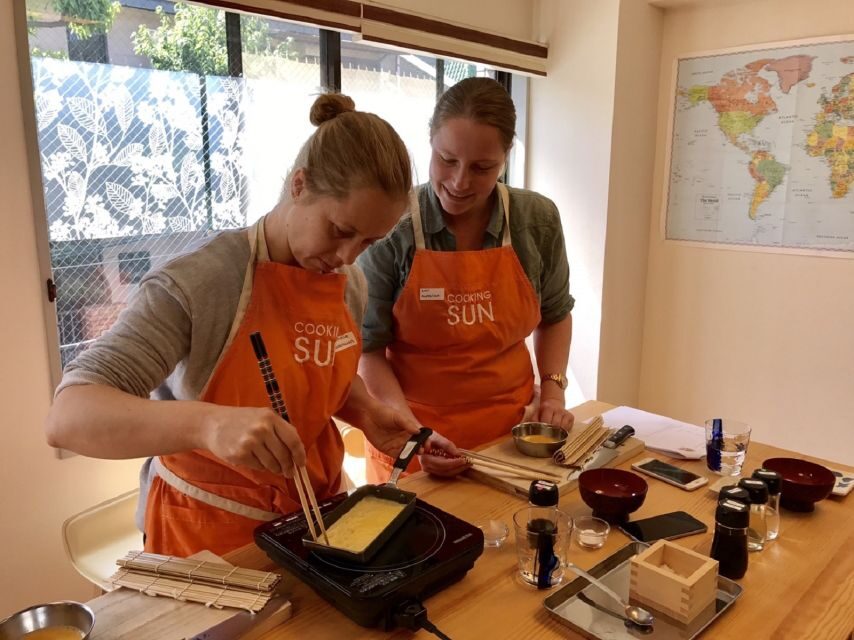
A key savory course in the class is a tofu stuffed dish, with ground chicken, ginger, and edamame mentioned in course descriptions. This is a great “Japanese home meal” example because it feels both comforting and precise—soft tofu plus savory filling, with ginger adding lift.
This kind of dish is also a nice change from the hotpot focus. Instead of everything being cooked together in one pot, you get another structure where you shape the final result. That helps you learn variety: Japanese cooking isn’t only broth and stir-fries. It’s also crafted portions with thoughtful flavor balance.
If you’re someone who wants meat, this course offers a clear savory profile. If you’re someone who likes variety more than just one spotlight dish, this is a good addition to the meal plan.
One note: dietary needs can be accommodated through substitutions. The class indicates they’re happy to swap ingredients when you inform them during booking—so it’s worth sharing any restrictions early.
Dorayaki for Dessert: A Sweet Finish You’ll Want to Make Again
You don’t end with a small bite. The class includes Japanese sweets, and one dessert that comes up clearly is dorayaki, a pancake-like sweet often made with a filling. Multiple people mention making dorayaki from rice flour pancakes, which gives you a concrete, repeatable skill.
Why this is valuable: dessert in Japanese cooking often uses different textures than what many Western cooks expect. You’re not just learning sugar—you’re learning the cooking method that creates the right chew and softness.
Also, eating your own dessert right after cooking makes it easier to understand what the instructors were aiming for. If something doesn’t come out right, you’re right there with the knowledge that you can adjust next time.
What You Take Home: Recipes, Tips, and Ingredient Substitutions
This is one of those classes where the take-home value isn’t just paper recipes. You get recipes, and instructors also provide tips that help you cook outside Japan. People mention getting advice on sourcing ingredients and doing substitutions abroad, which is huge if you travel home and then try to recreate everything with what you can find locally.
A standout detail from the experiences shared is the focus on ingredient differences and practical choices. For example, people mention learning the difference between red and white miso, and getting guidance on how to obtain ingredients or swap them.
That kind of instruction turns the class from a one-time meal into skills you’ll use again. It also helps with confidence. Instead of guessing why your miso soup tastes off, you’re more likely to know what variable to change.
Price and Value: $67 for Lunch You Built With Clean Tools
At $67 per person for about 3 hours, this class sits in the “value-for-time” zone—especially because you end up with a full meal. You’re paying for ingredients, utensils, and instruction, plus the included towel and apron. You’re also not paying extra for lunch, because you cook and eat it.
What makes that price feel reasonable is the setup quality people mention: a very clean studio, organized teaching, and good cooking tools like knives and pans. When a class is properly run, you spend more time learning and less time waiting.
It also helps that Wagyu is included as the highlight course. You’re not just seeing it; you’re cooking with it. When someone mentioned the Wagyu tasted better and more tender than a restaurant they visited, that’s the kind of payoff that makes the class cost easier to justify.
Who Should Book This Cooking Class in Tokyo
This class is a strong fit if you want a Tokyo cooking experience that feels practical, friendly, and connected to real home eating. The small group size (up to 8) makes it easier to get help, especially if you’re not confident in the kitchen.
It also seems like a good match for many experience levels. People call it suitable for beginners, and the teaching style keeps it hands-on without turning it into a boot camp. If you want Japanese everyday cooking skills like dashi, miso soup, omelette methods, tofu prep, and a Japanese dessert workflow, this lines up well.
A note from one diner: they said it was ideal if you don’t eat fish. That doesn’t mean it’s fish-free for every situation, so if that’s important for you, tell the organizers during booking so they can confirm how they’ll adjust the menu.
Should You Book This Tokyo Wagyu and 7 Dishes Class?
I’d book it if you want your Tokyo food memories to come with skills. This class gives you hands-on cooking for a full-course Japanese meal, with Wagyu as the centerpiece and take-home recipes that help you keep going after the trip.
Skip it only if you’re mainly looking for a high-level, technical cooking workshop focused on advanced knife skills or heavy culinary theory. From how people describe the pace and difficulty, this is more about making Japanese home dishes well than training for professional-level technique.
If you’re planning your first days in Tokyo, it can also be a smart move. Learning the foundations of Japanese cooking early makes later meals feel more understandable. You’ll taste with better context, not just taste for flavor.
FAQ
How long is the Wagyu and Japanese Dishes cooking class?
The class lasts about 3 hours.
How many people are in the class?
It’s a small group limited to 8 participants.
Is the instruction in English?
Yes, the instructor teaches in English.
What’s included in the price?
Recipes, all ingredients and utensils, a towel and apron rental, and welcome tea are included.
What’s not included?
Hotel pickup and transportation are not included.
Can the class accommodate dietary requirements?
Yes. The organizers say they can substitute ingredients as needed for allergies, gluten-free diets, religious dietary restrictions, vegetarian preferences, and more. Inform them when booking.
Where do I meet the group?
The studio is in a residential area. It’s on the 2nd floor of a beige residential building. Use the right-side door, and press 314 on the intercom. With Wi-Fi, search for Cooking Sun Tokyo in Google Maps (Shinanomachi 18-39, Shinjuku-ku, Tokyo).
Make Something to Take Home
Learn Another Dish: Tokyo Cooking Classes
More Tour Reviews in Tokyo






Fresh reviews from around Tokyo






Cooking Classes, compared.
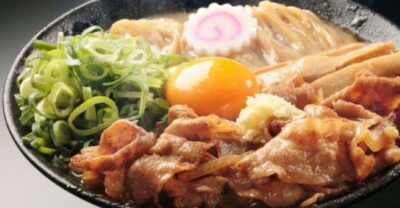
 ★ 5.0Ramen & Gyoza Cooking Class in Tokyo with Local Supermarket VisitFrom $122823 reviews
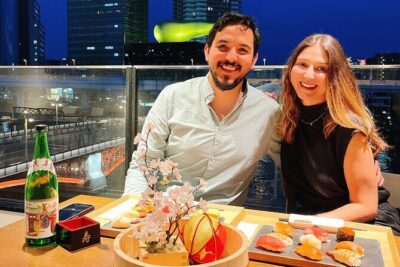
 ★ 4.6Easy Ramen Cooking Experience in Kabukicho, ShinjukuFrom $29321 reviews
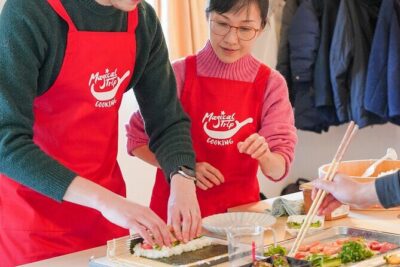
 ★ 5.0Ramen and Sushi Cooking Class with Sake Pairing Set in TokyoFrom $79291 reviews
 ★ 5.0Tokyo Washoku 4-hour Cooking Class: From Market to TableFrom $79253 reviews
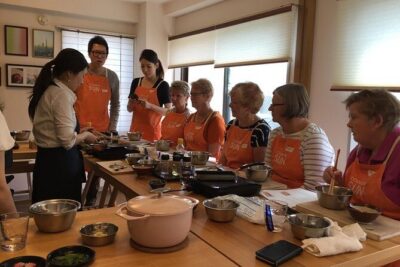 ★ 5.0Small-Group Wagyu Beef and 7 Japanese Dishes Tokyo Cooking ClassFrom $72190 reviews
 ★ 5.0Private Home Cooking in Yanaka – Local Flavors in a Warm SettingFrom $122173 reviews
 ★ 5.0Tokyo Sushi Making Experience & Japanese Cooking ClassFrom $59150 reviews
 ★ 5.0Unique Private Cooking Class with a Tokyo Local EmiFrom $99131 reviews
Browse the lists this tour appears in