
Reviewed · COOKING CLASSES
Tokyo Washoku 4-hour Cooking Class: From Market to Table
Tokyo cooks like a class should.
This 4-hour small-group washoku class gets you out of the sightseeing loop and into real life: you shop for Japanese ingredients with a guide, then cook traditional dishes side-by-side and eat what you make. I love the fact that the lesson starts at a local supermarket, so you learn what to buy and why, not just how to cook. I also love that the class focuses on hands-on knife and cooking techniques, with recipes you can take home to keep practicing. The one potential drawback to note: allergy needs aren’t guaranteed, since substitutions depend on what’s available and the kitchens may not be allergy-controlled.
At the heart of it, you’re learning to cook Japanese food in a way you can repeat. After the market stop near Iriya Station, you’ll move to a dedicated cooking studio where you’ll practice the core motions—cutting, seasoning, and timing—then sit down together to enjoy the meal.
The biggest consideration is planning around food limits: vegan and vegetarian options can be arranged in advance, but day-of dietary changes and allergy-free guarantees aren’t assured.
In This Review
- Key things I’d circle before you book
- Tokyo washoku, done the practical way
- The 10:00 start at FamilyMart near Shitaya
- Supermarket shopping near Iriya Station (where the real lesson begins)
- Knife and cooking technique practice that you can actually use
- The dishes: what you’ll make and why each one matters
- Makisushi (rolled sushi)
- Miso soup
- Dashimaki tamago (rolled omelet)
- Nasu dengaku (grilled eggplant skewers)
- Food, drinks, and the meal you actually get to eat
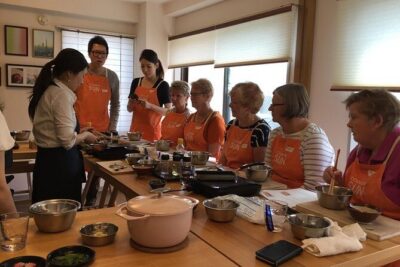
- Studio setup, group size, and why small matters
- Vegan, vegetarian, and the reality of allergies
- Weather and what to bring (so the day stays pleasant)
- Price and value: why $79.59 can make sense
- Who should book this cooking class
- After the class: optional Kappabashi Dougu Street time
- Should you book Tokyo Washoku
- FAQ
- How long is the Tokyo Washoku cooking class?
- Where does the experience start?
- What time does it start?
- What can I expect to cook?
- Is it suitable for vegan or vegetarian diets?
- How do I request dietary needs or allergies?
- Are allergies guaranteed to be handled safely?
- How many people are in the group?
- Is there alcohol during the class?
- What happens if I’m late to the meeting point?
Key things I’d circle before you book
- Market-first shopping with a guide so you know what “good” ingredients look like
- Hands-on knife practice using classic Japanese technique cues
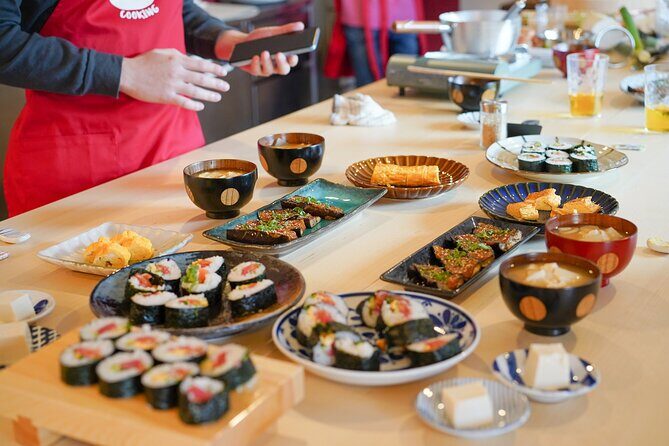
- Four made-from-scratch dishes including makisushi and miso soup
- Take-home recipes so you can recreate the meal later
- Sake or beer pairings during the meal for extra flavor education
More shopping runs through Tokyo
- Tokyo Tsukiji Fish Market Food and Culture Walking Tour★ 5.0 · 3,184 reviews
- Tokyo: Tsukiji Fish Market Food and Walking tour★ 5.0 · 1,724 reviews
- Tokyo: Tsukiji Fish Market Guided Walking Tour★ 4.9 · 1,397 reviews
Tokyo washoku, done the practical way
Tokyo Washoku is one of those rare cooking experiences where you leave with skills, not just photos. The format is simple: start with ingredient choices, then move straight into cooking. In a city full of food temptations, that matters. You’re not just tasting dishes—you’re learning the logic behind them.
I especially like that this isn’t a demo-only class. You’ll be cutting, cooking, and finishing dishes yourself. And because it’s a maximum of 7 travelers, the guide can actually keep an eye on what you’re doing, not just talk at you.
If you enjoy cooking or you want to understand Japanese food beyond restaurant meals, this kind of structure is a big win.
The 10:00 start at FamilyMart near Shitaya
The tour meets at a FamilyMart in Shitaya (2-chōme-1-10 Shitaya, Taito City) with a 10:00 am start. From there, you’ll head toward a local supermarket near Iriya Station.
Two practical reasons this meeting setup is worth your attention:
- You start with a quick orientation in a place that’s easy to find.
- The timing is tight, because the class depends on everyone arriving on time and moving through shopping and cooking without rushing the food steps.
Also, you’ll receive a mobile ticket, which makes it easier to show up without digging through printouts.
Supermarket shopping near Iriya Station (where the real lesson begins)
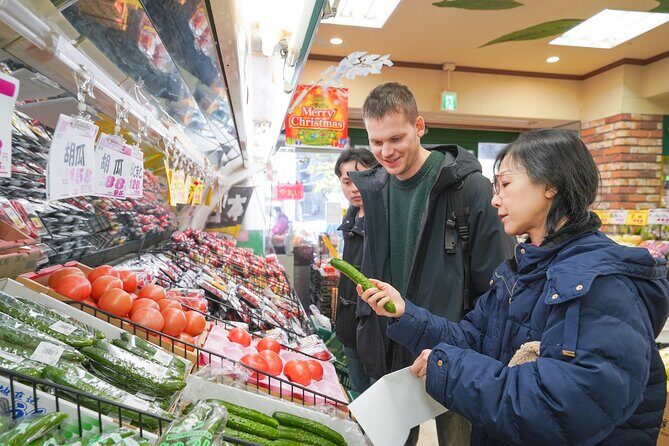
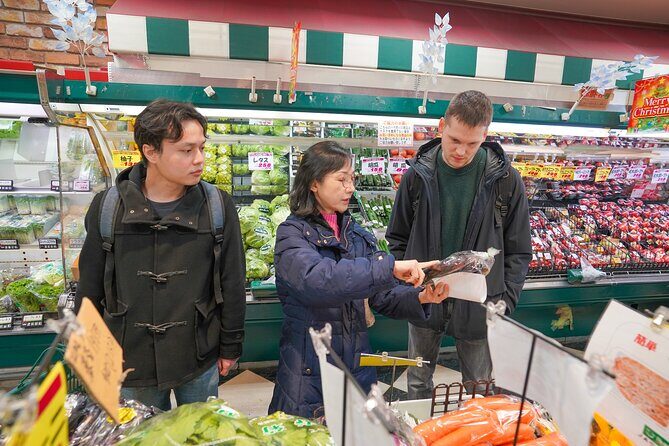
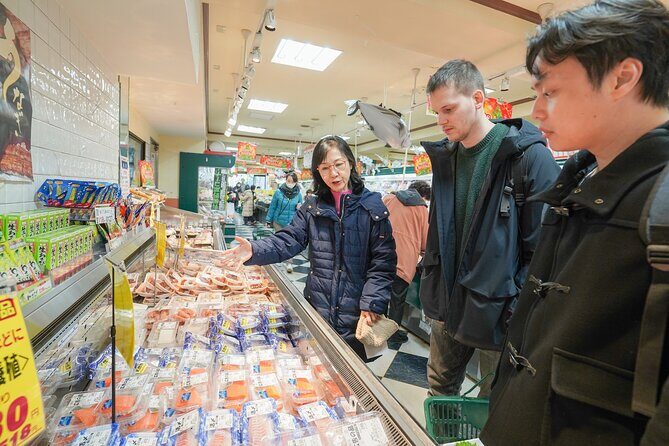
The first major “wow” is that you shop at a local supermarket with a professional guide. This is where most cooking classes fall short, because ingredient selection is half the battle. Here, you get pointers for choosing items like you would in Japan: freshness, type, and what to look for when you’re standing in front of similar-looking packages.
You’re likely to notice the difference right away once you start comparing:
- What fresh items look like compared to substitutes
- Which products work for the dishes you’re making (and which don’t)
- How portions and ingredient balance change the final taste
If you’re the kind of person who buys ingredients at home and then wonders why the results don’t match a restaurant, this is the section you’ll keep remembering.
One note: the class includes dietary support, but not every request can be handled at the last minute. Vegan and vegetarian are welcome as long as you inform the organizer at least one day before. If you have allergies, the materials provided say you should not assume allergy-free handling is guaranteed.
Knife and cooking technique practice that you can actually use
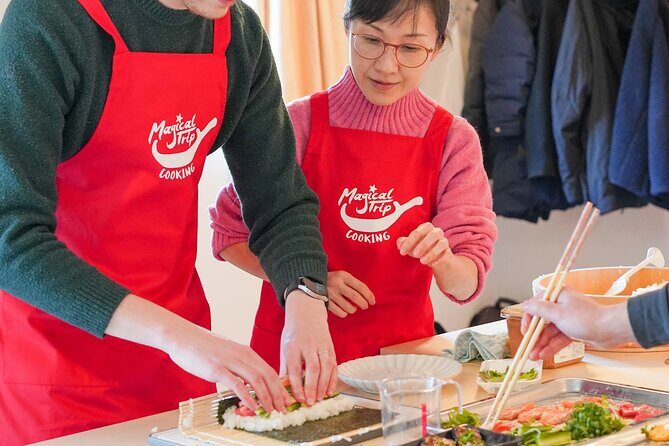
After shopping, you move to a dedicated cooking studio and start cooking in earnest. The course includes traditional Japanese knife and cooking techniques, which is great if you want the basics rather than vague tips.
What this means for you in practice:
- You learn not only what to cook, but how to cut and handle ingredients so they cook evenly.
- You get guided feedback while you work, which helps you avoid common mistakes like uneven slices or seasoning at the wrong time.
From the teaching styles described by instructors like April and Mihori, there’s a clear pattern: the guides tend to be patient step-by-step, and they encourage questions. That matters because Japanese cooking often feels simple until you’re actually doing the cutting and timing.
More market mornings in Tokyo
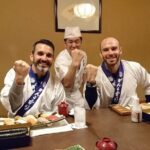

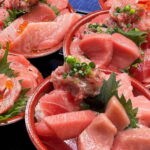
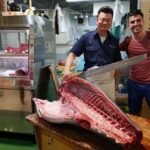
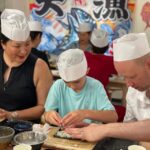
The dishes: what you’ll make and why each one matters
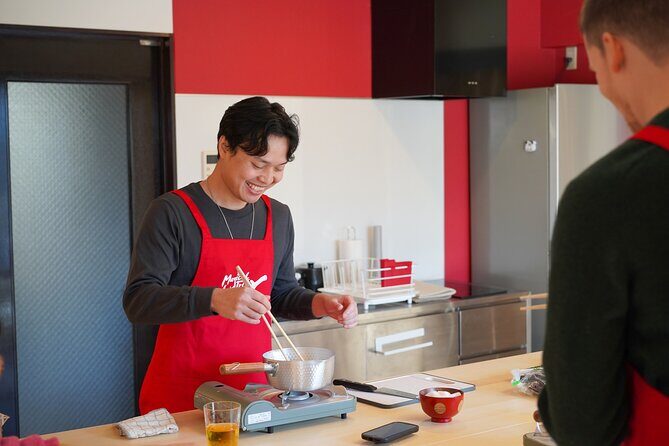
This class is built around a set of classic dishes. The exact menu includes makisushi (rolled sushi), miso soup, dashimaki tamago (rolled omelet), and nasu dengaku (grilled eggplant skewers). You’ll make them from scratch as part of the full meal.
Here’s how I’d think about each dish before you take the class.
Makisushi (rolled sushi)
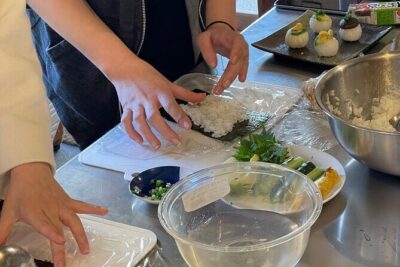
Makisushi teaches you structure. You’re combining rice and fillings and then rolling with care. This is often where people realize how important rice texture and rolling technique are.
Even if sushi seems intimidating, rolling is a skill. Once you understand the basic motions, you can repeat it later.
Miso soup
Miso soup is deceptively simple. It’s a flavors-and-stock lesson—how miso fits into warm broth, how it should taste, and how balance affects the result. It also gives you a comforting warm dish in the middle of hands-on cooking.
Dashimaki tamago (rolled omelet)
Dashimaki tamago focuses on technique and patience. Rolled omelets are all about layering and cooking the batter just right. You’ll learn how timing and consistency affect texture.
If you’ve ever had tamagoyaki that tastes dense or uneven, you’ll be chasing the opposite outcome here: tender, even layers.
Nasu dengaku (grilled eggplant skewers)
Eggplant is where the class shows you how Japanese cooking treats “simple” produce. Grilling and sauce balance turn it into something that feels far more complex than the ingredients suggest.
If you like vegetables but find them boring at home, this dish can be a turning point.
Egg consideration: If you can’t eat eggs, the food selection is reduced from four types to three. That’s helpful to know so you’re not surprised when the menu changes.
Food, drinks, and the meal you actually get to eat
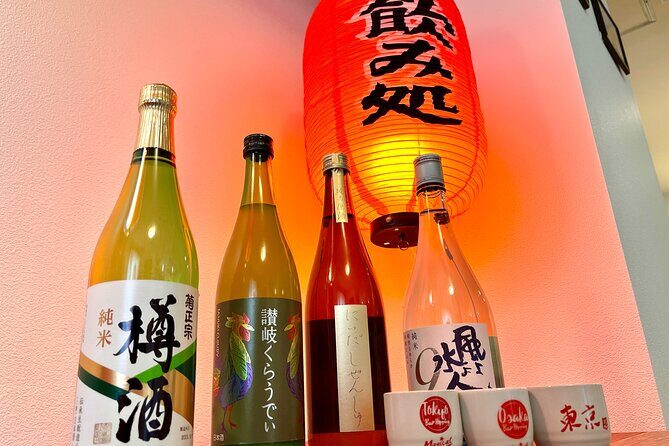
After cooking, you’ll enjoy the meal together. This is also where the experience becomes fun in a very Tokyo way—pairing the food with something to sip while you learn.
The class includes sake or other drink pairings, and several instructors’ style notes highlight beer and sake tasting during the lesson. That’s not just a party add-on; it helps you understand flavor. Sake and beer can change how you perceive saltiness, richness, and umami.
This part is also a good time to ask practical questions. When you’re eating, you notice textures and seasoning right away, and your guide can often point out exactly what to adjust next time.
Studio setup, group size, and why small matters
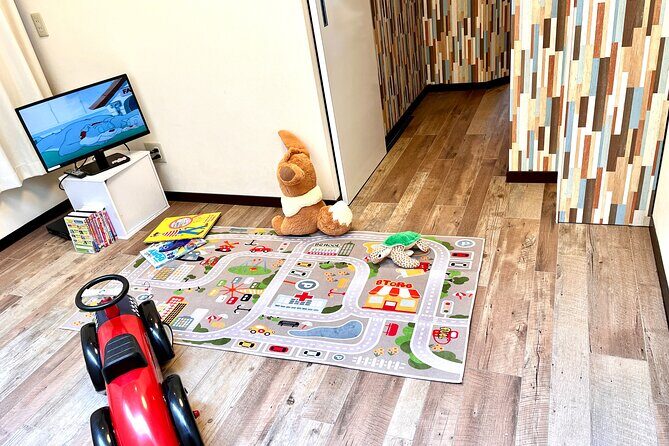
The studio is described as spacious and well set up, which matters more than you’d think. Knife work and cooking stations need room, and a cramped kitchen makes everything harder for beginners.
Also, with up to 7 travelers, you get a more personal experience. Instructors such as Yuri, Suzy, Taka, and Yuri again were described as teaching with detail and encouragement—exactly what you want when you’re learning multiple dishes in a single session.
Vegan, vegetarian, and the reality of allergies
This class explicitly welcomes vegan and vegetarian, and it says they will arrange ingredients and the cooking process. The key condition is timing: you must tell the organizer at least one day before.
For allergies, the information is more cautious. You’ll see statements like:
- allergy-free or strict dietary guarantees can’t be made, because the cooking happens in kitchens that don’t belong to MagicalTrip
- substitutions may not be possible at every stop
So here’s the practical approach I’d use: if your needs are strict, contact them ahead of time with specifics and confirm what can be accommodated. Don’t assume you’ll be able to swap ingredients casually on the day.
Weather and what to bring (so the day stays pleasant)
The tour notes Japan’s weather can swing hard, with summer highs reaching 40°C / 110°F and winter lows around -5°C / 20°F. Since the experience includes a supermarket stop and walking between locations, dress for real weather, not for comfort.
What I’d bring:
- Comfortable shoes (you’ll be moving and standing)
- Light layers or warm layers depending on season
- Any personal items you rely on for long sessions (this is a 4-hour activity)
If the weather is extremely bad, the organizer says the experience may be canceled due to weather, with an offer of a different date or a refund.
Price and value: why $79.59 can make sense
At $79.59 per person, this class isn’t the cheapest thing on your Tokyo list. But it also isn’t just a “cook and eat” ticket.
You’re paying for:
- a guided supermarket shopping segment near Iriya Station
- hands-on instruction in knife and cooking technique
- a full cooking session producing multiple classic dishes
- recipes to take home
- sake/beer pairings as part of the meal
If you’ve ever tried to recreate Japanese dishes at home and felt like the missing piece was ingredient know-how, the market-first start is a big part of the value. Also, many of the costs you’d normally cover yourself—ingredients, some specialty items, and instruction time—are bundled into the class.
In short: if you cook even a little, or you want to learn the “how” behind the “wow,” this price can feel fair.
Who should book this cooking class
This fits best if you:
- want a practical food lesson, not just a tasting
- like hands-on cooking with guided technique
- enjoy Japanese cuisine and want to repeat it at home
- prefer a small group environment with time to ask questions
It’s also a great first Tokyo food experience for short stays, because you’re hitting both ingredient culture and cooking culture in one 4-hour block.
If you want a big nightlife-style evening or a slow, wander-and-sightsee day, you might find it more structured than expected. This is about cooking.
After the class: optional Kappabashi Dougu Street time
The tour ends back at the meeting point (so your route is back to where you started). The note also says you may visit Kappabashi Dougu Street afterward on your own.
If you like kitchen tools—knives, chopsticks, cookware—this timing can work well. Even if you don’t buy, it’s a fun place to look for items you can use when you cook the recipes later.
Should you book Tokyo Washoku
I’d book it if you want to learn the kind of Japanese cooking that actually transfers to home kitchens: ingredient choice, knife work, and repeatable dishes.
Skip it only if:
- your cooking tolerance is low and you strongly prefer eating over doing
- your dietary needs are strict enough that you can’t risk substitutions or non-allergy-controlled preparation
- you’re expecting a long, sightseeing-heavy day instead of a focused class
If you’re somewhere in the middle—curious, excited, and willing to work with your hands—this one is a strong Tokyo choice. You’ll leave with a better sense of what to buy, how to cut, and how to build flavors the Japanese way. And that’s the kind of souvenir that keeps paying off on future weeknights.
FAQ
How long is the Tokyo Washoku cooking class?
It runs for about 4 hours.
Where does the experience start?
The meeting point is FamilyMart, 2-chōme-1-10 Shitaya, Taito City, Tokyo 110-0004, Japan.
What time does it start?
The start time listed is 10:00 am.
What can I expect to cook?
You’ll prepare traditional dishes including makisushi (rolled sushi), miso soup, dashimaki tamago (rolled omelet), and nasu dengaku (grilled eggplant skewers).
Is it suitable for vegan or vegetarian diets?
Yes. Vegan and vegetarian are welcome, and the team arranges ingredients and the cooking process.
How do I request dietary needs or allergies?
You should inform the organizer at least one day before the tour if you have dietary requests or allergies to mention. Requests made on the day of the tour cannot be accommodated.
Are allergies guaranteed to be handled safely?
No. The info says they cannot guarantee allergy-free preparation, since the food is prepared in kitchens that do not belong to MagicalTrip and substitutions may not always be possible at every stop.
How many people are in the group?
The class has a maximum of 7 travelers.
Is there alcohol during the class?
You can expect sake or other drink pairings, and some classes include beer and sake tasting as part of the experience.
What happens if I’m late to the meeting point?
You won’t be able to join if you miss the group. If you’re more than 5 minutes late without contacting, it will be considered a cancellation and no refund is provided.
Tokyo Market Mornings

Bring an Empty Suitcase
More Tour Reviews in Tokyo






Fresh reviews from around Tokyo






Cooking Classes, compared.
 ★ 5.0Ramen & Gyoza Cooking Class in Tokyo with Local Supermarket VisitFrom $122823 reviews
 ★ 4.6Easy Ramen Cooking Experience in Kabukicho, ShinjukuFrom $29321 reviews
 ★ 5.0Ramen and Sushi Cooking Class with Sake Pairing Set in TokyoFrom $79291 reviews
 ★ 4.9Wagyu and 7 Japanese Dishes Cooking ClassFrom $67273 reviews
 ★ 5.0Small-Group Wagyu Beef and 7 Japanese Dishes Tokyo Cooking ClassFrom $72190 reviews
 ★ 5.0Private Home Cooking in Yanaka – Local Flavors in a Warm SettingFrom $122173 reviews
 ★ 5.0Tokyo Sushi Making Experience & Japanese Cooking ClassFrom $59150 reviews
 ★ 5.0Unique Private Cooking Class with a Tokyo Local EmiFrom $99131 reviews
Browse the lists this tour appears in