
Reviewed · COOKING CLASSES
Small-Group Wagyu Beef and 7 Japanese Dishes Tokyo Cooking Class
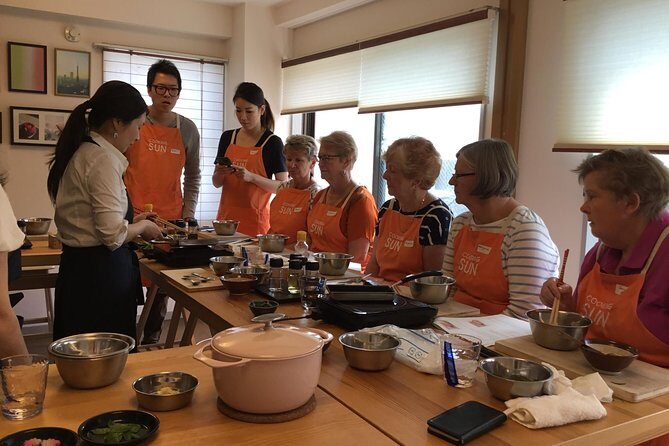
Tokyo cooking gets personal fast. In this small-group class, you’re not watching from the sidelines—you’re learning Japanese technique while preparing a multi-course lunch built around Wagyu and classic flavors. It’s a hands-on way to understand how Japanese meals hang together, because the lesson starts with dashi and keeps using it across multiple dishes.
Two things I really like about this experience: the structure (you begin with dashi-making, then build flavors dish by dish) and the teaching style (English-speaking instructors who explain steps in a friendly, approachable way). One thing to consider: the meeting location can be a little tricky to find, so give yourself time to navigate to Cooking Sun Tokyo.
In This Review
- Key highlights to know before you go
- Why this Wagyu and kaiseki-style class is such a good Tokyo morning
- Dashi-making: the one skill that keeps showing up in your whole meal
- Cooking 7 dishes (and sometimes up to 8) in about 3 hours
- The Wagyu main: what to expect
- Presentation and small details
- What the instructors do differently (Aya, Hidemi, Megumi, Yoko, Kaori)
- Where Cooking Sun Tokyo is located (and how to not waste your morning)
- What you eat: sake, green tea, and a meal you can copy later
- Price and value: how $72.96 makes sense for small-group Wagyu cooking
- Dietary options you can plan around
- Who should book this Tokyo class (and who might hesitate)
- Should you book? My practical take
- FAQ
- What’s the duration of the cooking class?
- How many people are in a group?
- Where does the class meet?
- What time does it start?
- Is hotel pickup included?
- Are ingredients and cooking supplies provided?
- Is instruction available in English?
- Is there a vegetarian option?
- Does the class include sake and tea?
- What’s the policy if I need to cancel?
Key highlights to know before you go
- Dashi first, every time: you start with Japan’s foundational soup stock, then use it again and again.
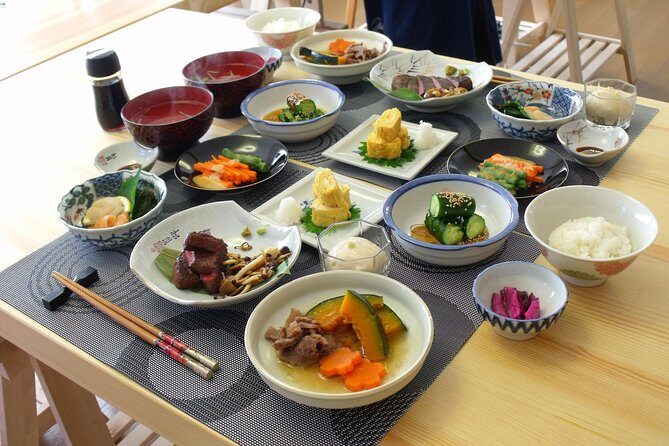
- Wagyu in the center of the meal: expect a main like sukiyaki with tender Wagyu beef.
- Small group, max 8 people: more hands-on time and easier questions for the instructors.
- Up to 8 dishes (with a steady pace): appetizer through dessert style, all within about 3 hours.
- Real chef feedback while you cook: chopping, mixing, and cooking steps get explained clearly in English.
- Lunch comes with sake and green tea: you finish with the meal you made, not just instruction.
More aprons-on time in Tokyo kitchens
- Ramen & Gyoza Cooking Class in Tokyo with Local Supermarket Visit★ 5.0 · 823 reviews
- Tokyo: Easy Ramen Cooking Experience in Kabukicho, Shinjuku★ 4.6 · 321 reviews
- Ramen and Sushi Cooking Class with Sake Pairing Set in Tokyo★ 5.0 · 291 reviews
Why this Wagyu and kaiseki-style class is such a good Tokyo morning
This class is built for people who want more than a food tour. You get the fun of cooking, the payoff of tasting what you make, and the practical bonus of recipes you can recreate later. And because it’s limited to 8 people, it doesn’t feel rushed or anonymous.
The “kaiseki ryouri” angle matters. Kaiseki isn’t just fancy plating—it’s about balance: seasonality, texture, and seasonings that layer instead of overpower. Even if you’re not going for restaurant-level perfection at home, you’ll learn the logic behind Japanese comfort food: how dashi, soy-based seasonings, and careful preparation create depth.
Also, the Wagyu focus helps you stay engaged. Wagyu is famous worldwide, and in this class it’s not just a selling point. You’re actually working with it as part of a full-course experience, which makes it easier to understand why Japanese cooking treats beef differently—gentler handling, thoughtful broth/seasoning pairings, and precise timing.
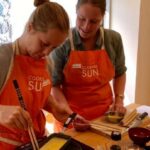
One more practical win: ingredients and supplies are provided, including an apron and a towel. That means you show up, get cutting and mixing, and don’t have to figure out what knives or grocery items you’re supposed to bring.
Dashi-making: the one skill that keeps showing up in your whole meal
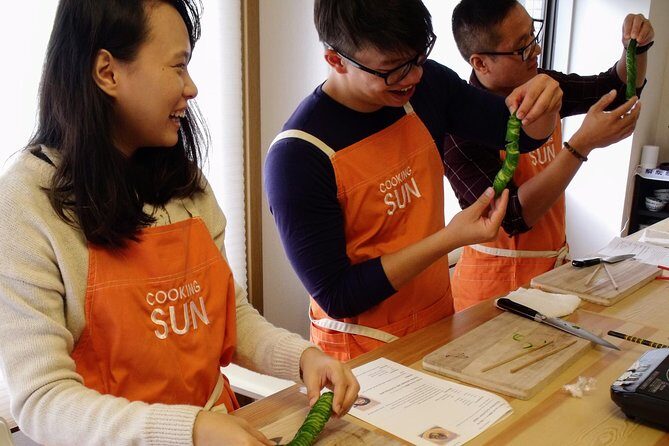
The class begins the way many Japanese kitchens do: with dashi. Dashi is a stock that acts like a flavor backbone. When you make it from scratch here, you’re not learning a random step—you’re learning a tool.
You’ll also get context for the common Japanese seasonings used throughout the recipes. That’s important because Japanese cooking can feel confusing if you only know individual ingredients. Once you understand how seasonings interact (and why the stock matters), you’ll be able to adapt at home even when your pantry isn’t identical.
And here’s the part that makes the lesson feel efficient: you don’t make dashi and forget it. Many of the dishes rely on that same base. One review highlighted that you start with dashi and then use it in almost every other dish. That repetition is how techniques stick.
If you’re newer to Japanese cooking, dashi is also your shortcut to better results. Even small amounts of dashi can turn bland ingredients into something with dimension—especially vegetables and lighter soups. If you take only one technique away from this class, it’s the dashi-first mindset.
Cooking 7 dishes (and sometimes up to 8) in about 3 hours
You’re working through a full-course lunch experience, usually described as 7 Japanese dishes, and the class format can involve up to 8 different dishes. Either way, the big idea is the same: appetizers, main dishes, and dessert-style finishing, all tied together by shared flavor foundations.
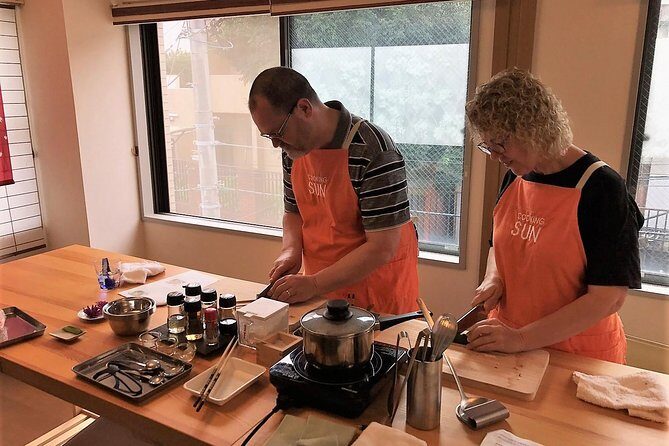
Time management is the real trick in a class like this, and you’ll feel the pacing quickly. Most of your hands-on work is focused: chopping, mixing, and assembling components, while the instructors and staff manage a few items that need cooking attention in parallel. That means you’re active, but you’re also not constantly waiting for pans to heat.
From the teaching style described in reviews, you’ll likely do a lot of prep—dressings, cutting, and combining ingredients—plus a couple of cooking moments that require close instruction. One review noted that beyond tasks like chopping and mixing dressings, there were hands-on cooking steps such as cooking an egg and searing a lotus stuffed with minced chicken meat that was prepared ahead. That’s exactly what you want in a short class: you learn technique without burning half the session on slow, single-purpose steps.
The Wagyu main: what to expect
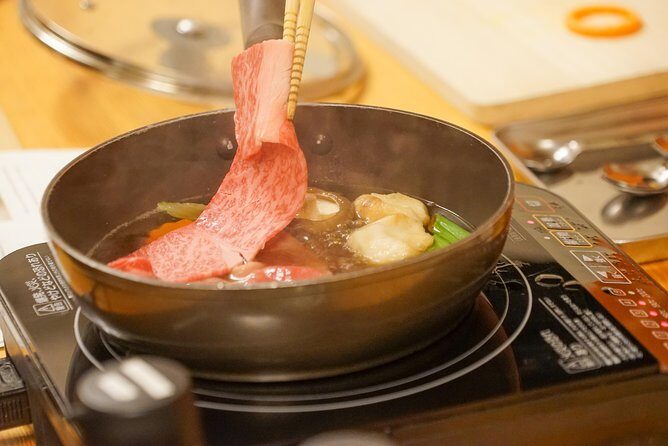
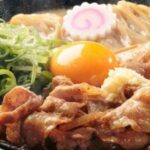
Your main course includes tender Wagyu beef. One dish specifically called out is sukiyaki with Wagyu. Sukiyaki is all about how sweetness, soy-based seasoning, and broth combine with beef and vegetables. In a class setting, you don’t just taste sukiyaki—you learn how the dish is built and why the seasoning plan matters.
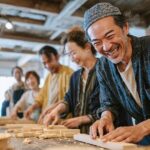
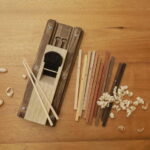
More things to make with your own hands


Presentation and small details
Japanese cooking is also about how things look and feel. The instructors explain things like presentation and cutting styles, not just flavor. You’ll hear guidance on how ingredients are prepared and why certain textures matter. Even if you don’t obsess over perfect plating at home, learning the “why” makes your own version better.
What the instructors do differently (Aya, Hidemi, Megumi, Yoko, Kaori)
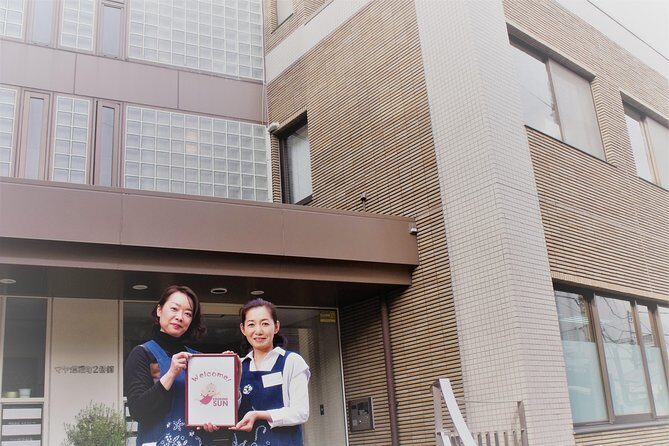
The quality of a cooking class lives or dies by the instructor. Here, you’re working with friendly English-speaking local instructors who teach with patience and context. Several reviews name instructors such as Aya and Hidemi, and others mention Megumi and Yoko, plus Kaori. The common thread: clear instruction, friendly energy, and help when you get stuck.
You also get short lessons tied to each recipe—stories, tips, and technique notes. That matters because Japanese cooking often uses subtle methods. Without explanation, you might assume it’s just about ingredients. With explanation, you start to see it’s about timing, stock use, seasoning balance, and texture.
One review specifically mentioned the instructors made the class approachable for different skill levels. That’s a major selling point if you’re worried about cooking ability. You don’t need to be a home chef. You need to be willing to chop carefully, follow instructions, and ask questions when you don’t get a step.
Where Cooking Sun Tokyo is located (and how to not waste your morning)
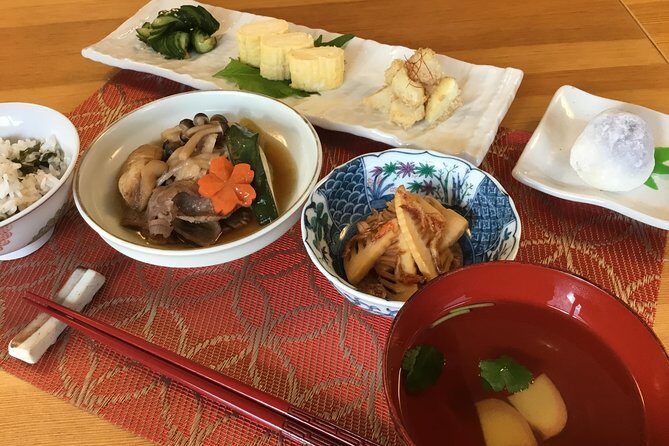
The meeting point is Cooking Sun Tokyo, 18-39 Shinanomachi, Shinjuku City, Tokyo 160-0016, Japan. It’s near public transportation, and the class is scheduled to start at 9:30 am.
Here’s the practical snag: multiple reviews mention that the building can be difficult to locate. My advice is simple: use Google Maps, arrive a bit early, and expect to walk through a quieter residential area. One review mentioned a clean studio and a peaceful environment with trees and a nearby park, which is nice once you’re there—just don’t count on the place being obvious at a glance.
Good news: once you find the right door, the vibe is described as homey and relaxed, not chaotic. That’s important because you’ll want a calm start when you’re learning knife skills and stock-based techniques.
What you eat: sake, green tea, and a meal you can copy later
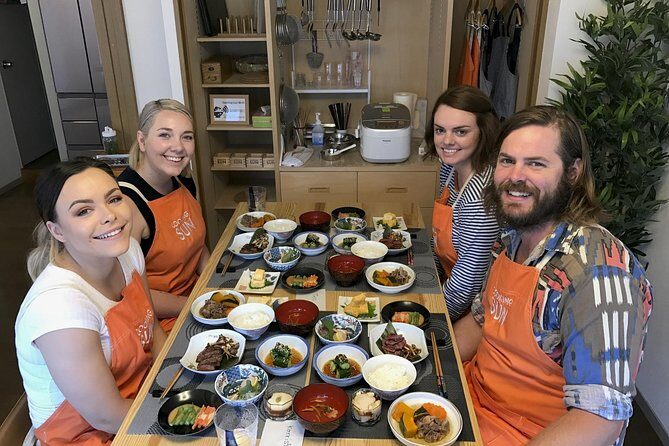
This is not a “taste a bite, go home” class. You cook, then you eat the fruits of your labor. After cooking, you finish with a full lunch experience and drinks: sake and green tea are included.
The lunch format is part of why this class feels worthwhile. You’re not only learning how to cook; you’re also learning how Japanese meals flow. Courses build on each other, and the stock-based flavor theme keeps everything connected.
Just as important, you leave with recipes. That’s where value really shows up for repeat cooking. Many travel activities teach you something you can’t use at home. Here, your notes and the included recipes are designed for you to practice later—especially helpful for dashi and seasoning ratios.
If you’re a little nervous about translating Japanese flavors to your home kitchen, the recipes help you avoid guesswork. And if you enjoy cooking already, the technique notes make your next attempt more confident.
Price and value: how $72.96 makes sense for small-group Wagyu cooking
At $72.96 per person for about 3 hours, this class isn’t just cheap entertainment—it’s priced like a small-group food workshop with real ingredients and instruction.
Here’s why it’s strong value:
- Small group size (max 8): you get more teacher attention than in larger cooking sessions.
- Wagyu included: Wagyu beef plus a full-course meal raises the cost of ingredients quickly.
- Multiple dishes (up to 8): the lesson covers more than one or two recipes.
- Dashi and seasonings taught: you’re learning a foundational skill, not only following one sauce.
- Sake and green tea with lunch: you’re paying for the full dining experience, not only cooking time.
- Apron and towel provided: a small thing, but it keeps the class simple.
You should know what the class is doing with your time. Even with “up to 8 dishes,” the session is streamlined. Staff may prepare some components while you focus on hands-on cutting, mixing, and key cooking steps. That keeps the pace workable without turning the experience into a cooking marathon.
If you want deep culinary theater and dozens of complicated steps, you might find the pace brisk. If you want a high-quality overview with real technique you can repeat, this is a smart buy.
Dietary options you can plan around
You don’t have to figure out your meal alone. There’s a vegetarian option available, and you need to advise the provider when booking if required. If you have any specific dietary requirements, you should also share them at booking time.
Also, ingredients and supplies are included, so you don’t have to source anything in advance. The classroom setup is designed to be straightforward: show up, cook, and eat.
Who should book this Tokyo class (and who might hesitate)
This is a great fit if you:
- Want a hands-on cultural activity, not just tasting.
- Like Japanese food enough to spend a few hours learning the building blocks.
- Are a beginner who wants clear guidance and a friendly environment.
- Prefer small groups where you can ask questions.
- Care about leaving with recipes you’ll actually use.
It might be less ideal if you:
- Hate navigating to locations that aren’t obvious from the street.
- Want a class that is purely cooking-focused with minimal prep/mixing.
- Expect hotel pickup (it isn’t included), so you’ll need to get there on your own.
Should you book? My practical take
If your goal is to learn Japanese cooking in a way that sticks, I’d book it. The combination of dashi training, a Wagyu-centered main, and a structured multi-dish lunch gives you skills plus payoff. The small-group format keeps it personal, and the included recipes make it more than a one-day novelty.
Just plan for the location challenge: arrive a little early and use map directions carefully. And if you have dietary needs, message the provider during booking so the class can work for you.
FAQ
What’s the duration of the cooking class?
The class runs for about 3 hours.
How many people are in a group?
The group is limited to a maximum of 8 people.
Where does the class meet?
It meets at Cooking Sun Tokyo, 18-39 Shinanomachi, Shinjuku City, Tokyo 160-0016, Japan.
What time does it start?
The start time is 9:30 am.
Is hotel pickup included?
No, hotel pickup and drop-off are not included.
Are ingredients and cooking supplies provided?
Yes. Ingredients and supplies are provided, along with an apron and a towel rental.
Is instruction available in English?
Yes, instructions are in English.
Is there a vegetarian option?
Yes, a vegetarian option is available. You’ll need to advise at the time of booking.
Does the class include sake and tea?
Yes. You’ll sit down to feast with sake and green tea.
What’s the policy if I need to cancel?
Free cancellation is available up to 24 hours in advance for a full refund. If you cancel less than 24 hours before the start time, the amount paid is not refunded.
Make Something to Take Home
Learn Another Dish: Tokyo Cooking Classes
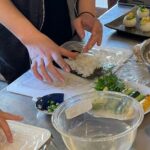
More Tour Reviews in Tokyo






Fresh reviews from around Tokyo






Cooking Classes, compared.
 ★ 5.0Ramen & Gyoza Cooking Class in Tokyo with Local Supermarket VisitFrom $122823 reviews
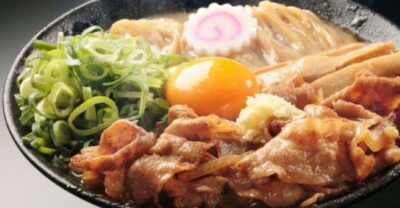 ★ 4.6Easy Ramen Cooking Experience in Kabukicho, ShinjukuFrom $29321 reviews
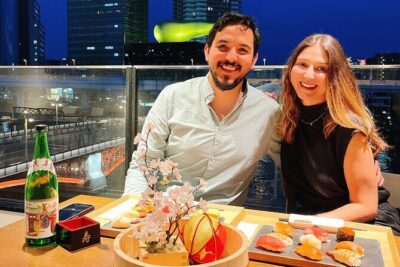 ★ 5.0Ramen and Sushi Cooking Class with Sake Pairing Set in TokyoFrom $79291 reviews
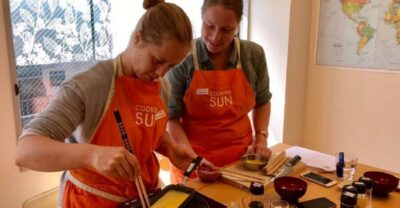 ★ 4.9Wagyu and 7 Japanese Dishes Cooking ClassFrom $67273 reviews
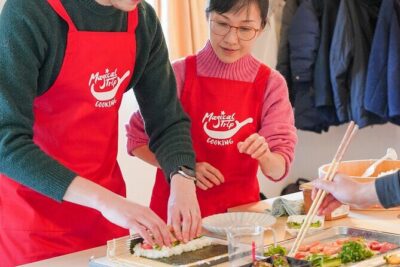 ★ 5.0Tokyo Washoku 4-hour Cooking Class: From Market to TableFrom $79253 reviews
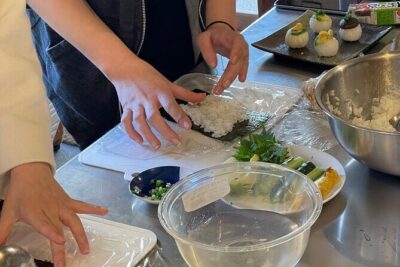 ★ 5.0Private Home Cooking in Yanaka – Local Flavors in a Warm SettingFrom $122173 reviews
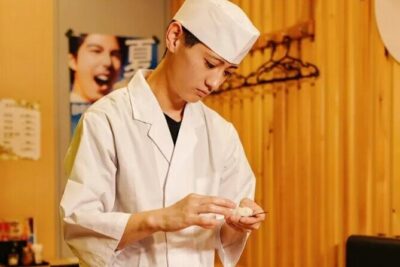 ★ 5.0Tokyo Sushi Making Experience & Japanese Cooking ClassFrom $59150 reviews
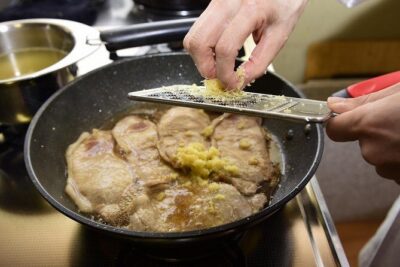 ★ 5.0Unique Private Cooking Class with a Tokyo Local EmiFrom $99131 reviews
Browse the lists this tour appears in