
Reviewed · SHINJUKU BAR HOPPING
Tokyo: Easy Ramen Cooking Experience in Kabukicho, Shinjuku
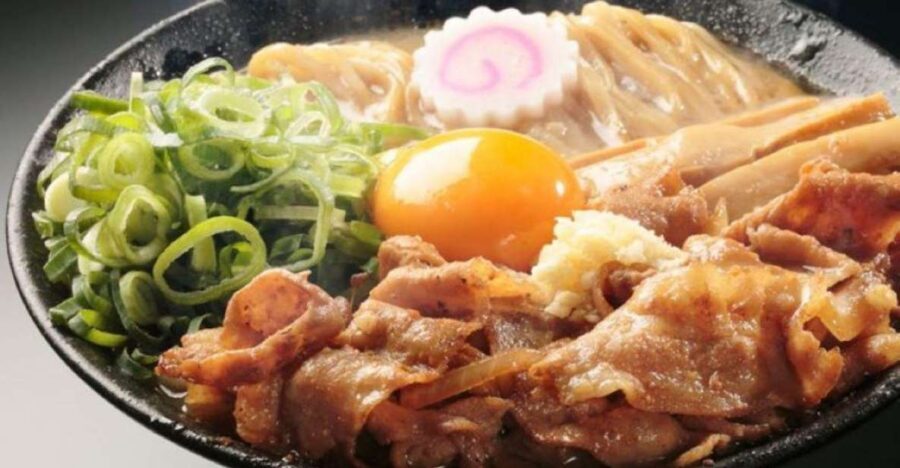
Ramen class in Shinjuku is strangely fun. This is an easy 1-hour cooking experience in Kabukicho where you learn ramen’s basics, pick your soup style, boil noodles, assemble toppings, and then eat the bowl you made.
Two things I really like: you get an explanation of ramen history and technique (even though it’s a shortened class), and the teaching is interactive and step-by-step with guides like Tak and Kai who helped people follow along smoothly.
One consideration: this is a shortened version, and the real noodle and broth work takes days. You won’t make everything from scratch, and the soup recipe is secret.
In This Review
- Key things I’d plan around
- Why This Shinjuku Ramen Class Works for Beginners
- Finding Shinjuku Ale in Kabukicho (and What to Notice First)
- Ramen History, the Real Deal, and the One-Hour Reality
- Building Your Bowl: Soup Choice, Noodle Boil, Toppings
- What You Actually Eat (Including Add-On Options)
- Value Check: Is $29 Worth It in Tokyo?
- Language, Group Size, and Pace in the Room
- Dietary Fit: Who This Class Suits Best
- Tips That Make Your Class Smoother
- Should You Book This Easy Ramen Cooking Experience in Shinjuku?
- FAQ
- Where is the meeting point?
- How long does the ramen cooking experience last?
- What is included in the price?
- Do I need to bring an ID?
- Is there an elevator at the venue?
- Is this class suitable for vegetarians or vegans?
- Is the soup vegetarian and what’s in it?
- Can minors drink alcohol?
- What’s the cancellation policy?
Key things I’d plan around
- 1-hour, beginner-friendly format that still feels hands-on
- Small-group class (often max 6), so you’re not lost in a crowd
- Custom ramen bowl building: choose soup, boil noodles, add toppings
- Clear ramen background plus practical tips from guides like Mikhail and Hinata
- Convenient Shinjuku location near the Godzilla area, inside Shinjuku Ale upstairs
Different nights, same neon: more Shinjuku crawls
- Tokyo: Shinjuku Food Tour (13 Dishes at 4 Local Eateries)★ 5.0 · 6,603 reviews
- Tokyo Bar Hopping Tour in Shinjuku (All-You-Can-Drink + Dinner)★ 5.0 · 3,587 reviews
- Tokyo: Shinjuku Food Tour (15 Dishes and 4 Eateries)★ 4.9 · 2,033 reviews
Why This Shinjuku Ramen Class Works for Beginners
If you’re in Shinjuku and want something more interesting than another meal, this class fits the bill. It’s designed for first-timers who want to understand what makes ramen ramen, not just “follow steps.”
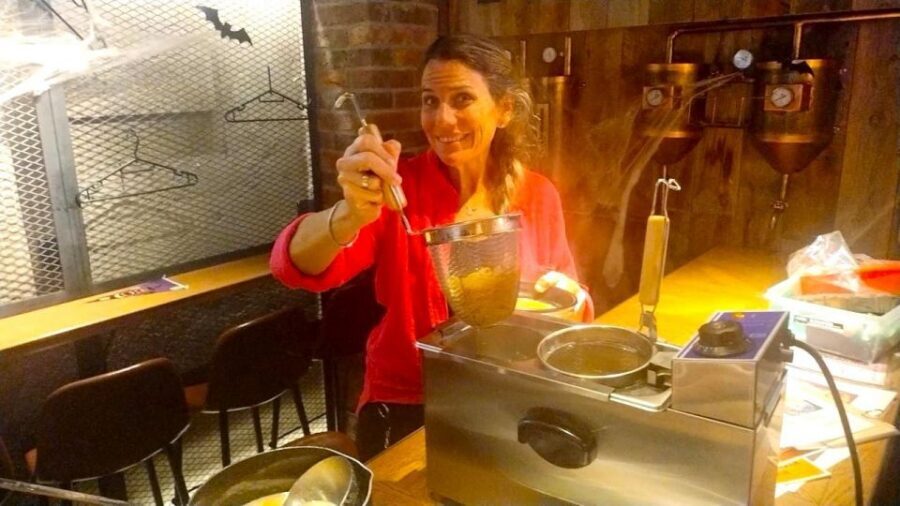
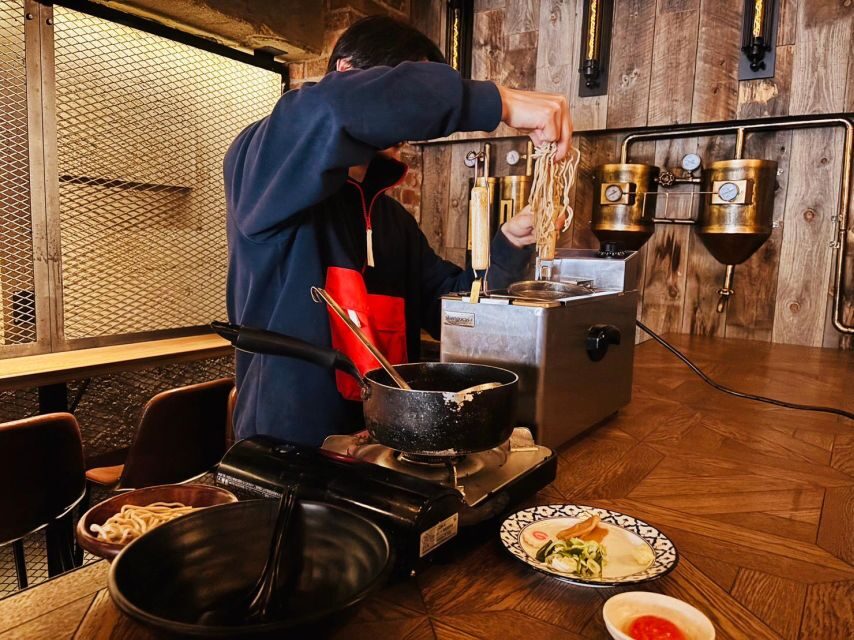
The rhythm is simple. You start with an overview of what goes into ramen—noodles, broth, toppings—then you move into the part you actually do. In your one hour, you’ll choose your soup, boil your noodles, and then build your bowl from the toppings options provided.
Guides are a big part of why this works. People consistently mention teachers who can explain things clearly, with English support when needed. You might meet instructors such as Tak, Kai, Mikhail, or Hinata, and the tone described is friendly and practical: show the step, explain what matters, then let you get hands-on.
A nice bonus is that the experience isn’t only cooking. There’s a short history lesson too, so when you eat, you understand what you’re tasting—at least at the level the class covers.
Finding Shinjuku Ale in Kabukicho (and What to Notice First)
Your meeting point is Shinjuku Ale in the Shinjuku Kabukicho area. It’s helpful to plug in the provided map link before you head out, because Shinjuku Station is a maze and this class is on an upstairs level.
A few practical notes to keep your day stress-free:
- The class takes place on the second floor.
- There is no elevator.
- When you arrive, tell the staff you are making a trial reservation.
Some groups also point out how close you are to the Godzilla area. So if you’re doing Shinjuku sightseeing anyway, you’re not wasting time. You may even catch the street energy outside before you head upstairs.
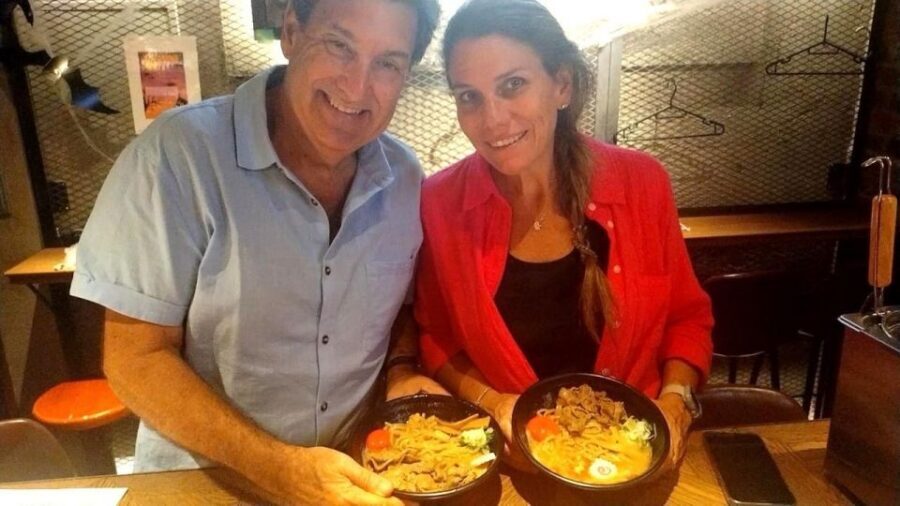
Inside, Shinjuku Ale is described as a quirky character-building bar space. People mention details like a decorative pot-still and habushu (snake wine) on the bar. It’s not a sterile cooking studio; it’s more like you’re joining an intimate food moment in the middle of Shinjuku.
Ramen History, the Real Deal, and the One-Hour Reality
Here’s the honest version of ramen: the classic process takes a long time. The noodles and soup in particular require multiple days of work.
This class respects that reality. Instead of pretending you’re doing the full traditional timeline, you get a history and technique explanation and then a shortened recipe designed so you can make and eat in about an hour. That means:
- You won’t experience everything from scratch (including the long noodle and broth-making timeline).
- You’ll still learn the structure of ramen: how the noodles and broth connect, and how toppings change the balance of each bowl.
The broth in this class includes pork, chicken, and beef, but the exact formula is kept as a secret recipe, so you won’t get a breakdown of all the specific ingredients. If you’re someone who needs full transparency for allergies or strict dietary rules, this is the part to treat carefully.
Still, I like this approach for most visitors. You get the meaning behind the bowl. Then you get to eat it while it’s still hot and fresh—right after your hands-on work.
Building Your Bowl: Soup Choice, Noodle Boil, Toppings
This is where the class becomes more than a lecture.
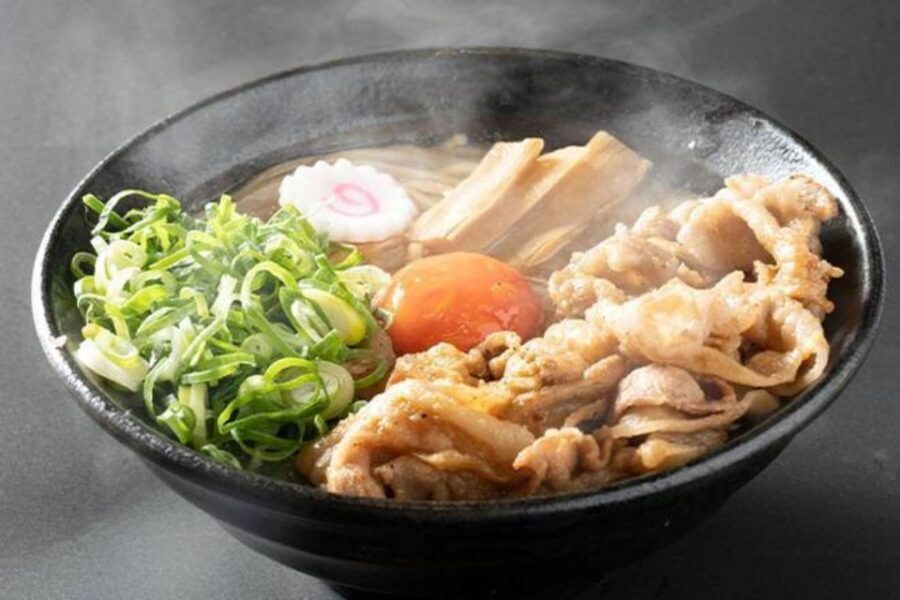
You’ll make choices and do cooking steps in sequence. The core structure is:
- Choose your soup
- Boil your noodles
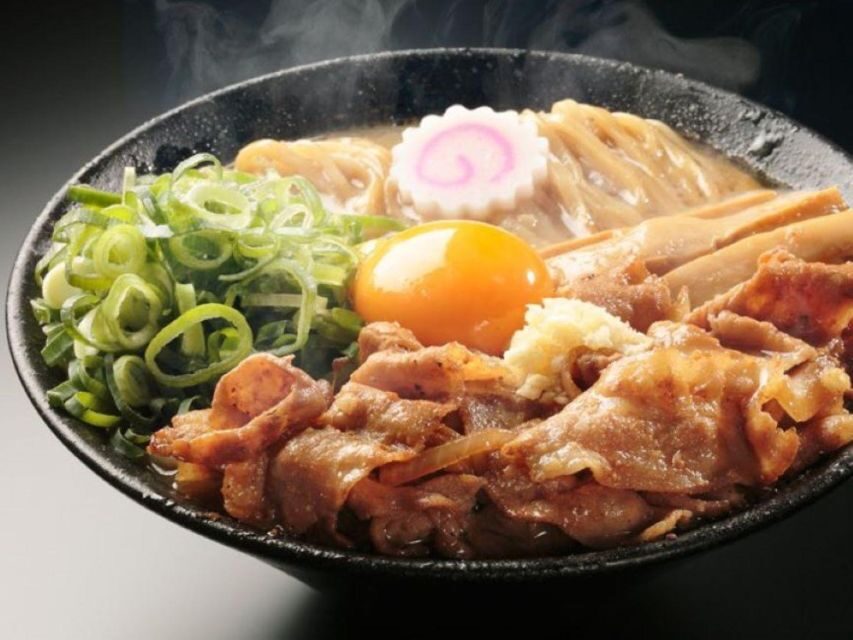
- Add your toppings to your ramen bowl
- Eat your ramen when you finish
The teaching style is described as step-by-step and reassuring, even for people who feel nervous about cooking. Several people highlight how guides walk you through each part, and that you can ask questions along the way.
There’s also a practical tip embedded in the process: boiling noodles seems like a small task, but in ramen, timing and texture matter. The class doesn’t aim for home-chef perfection. It aims for you to understand what “good ramen noodles” feel like and how the bowl comes together.
Toppings are a big satisfaction point because they let you personalize your bowl. A few reviews mention the fun of making something spicy, and others note that they got more food than expected when they booked add-ons.
One important detail: since the soup recipe is secret and contains animal-based components, this isn’t the class for vegetarians or vegans. Also, people with gluten intolerance should know it’s not suitable.
More aprons-on time in Tokyo kitchens


What You Actually Eat (Including Add-On Options)
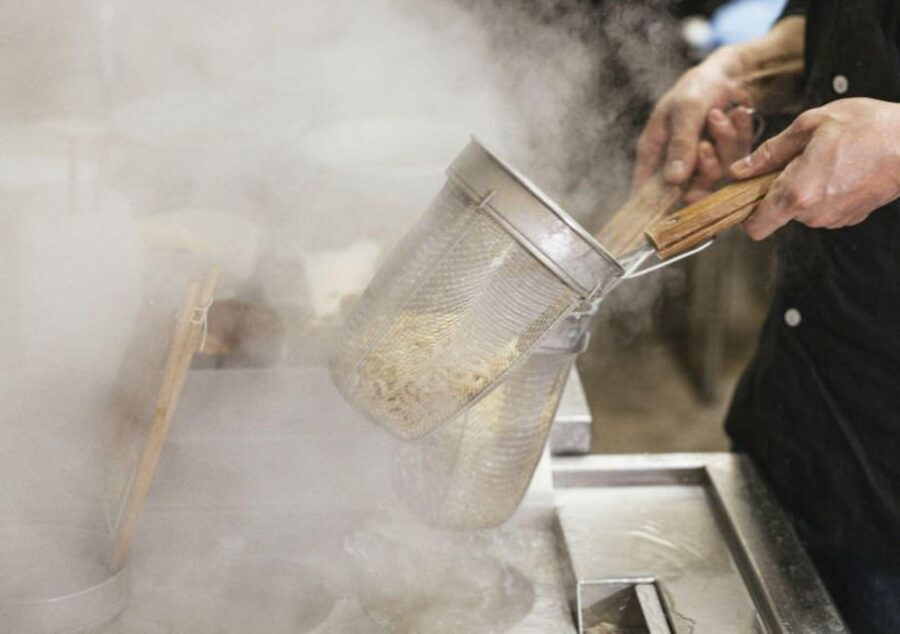
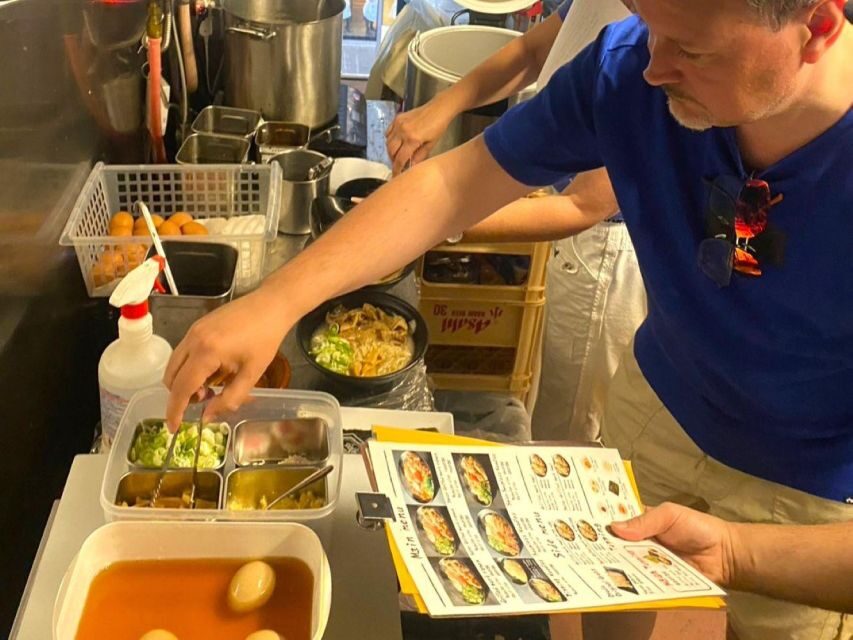
You’ll get meal included, meaning the ramen you assemble is what you eat as part of the experience. People repeatedly mention that the final bowl tastes better than they expected, and that it’s filling.
Some classes can include extras depending on what you book. For example, a couple of reviews describe booking an option with gyoza and an alcohol drink. So if you want that full dinner vibe, check what’s available when you reserve.
Alcohol rules are straightforward. The info states that drinking alcohol is prohibited by law for those under 20, and under-20 participants must be accompanied by a parent or guardian. If you’re booking with teens or younger kids, you should choose a non-alcohol option and plan accordingly.
Another practical perk: people mention water during the class and even takeaway containers if you have leftovers. So you’re not stuck eating every last drop just because it was served.
Value Check: Is $29 Worth It in Tokyo?
Let’s talk value in plain terms.
You’re paying $29 per person for:
- The ramen cooking experience
- A meal (the bowl you make)
- A guided session that includes ramen history and technique explanation
- A small-group setting (small group available, and some classes run tiny)
You’re not paying for:
- Bottled drinks
- Additional meals and drinks
- Transportation to the meeting place
So is it worth it? For me, it’s a good deal when you want a hands-on activity that also delivers food. A typical bowl of ramen can cost around a similar range in Tokyo, depending on where you go. Here, you’re not just eating ramen; you’re learning how to build it and what changes the flavor.
It also helps that several reviews describe the guides as friendly, attentive, and easy to follow—even with language support. When instruction quality is high, the experience feels like more than a gimmick.
Where the value can wobble is in expectations. If you think you’re making broth and noodles from scratch over hours, you’ll be disappointed. If you’re open to the shortened recipe model (which is clearly stated), then $29 feels fair.
Language, Group Size, and Pace in the Room

Good food classes work like good guides: they don’t leave you guessing.
Some staff are not strong in English, and the class may use a translator machine. That said, multiple reviews mention guides who speak great English, which suggests communication quality can be excellent depending on who you get.
The group size matters too. This activity offers small groups, and one review specifically mentions a maximum of 6. That small size is the difference between:
- you cooking with help, and
- you waiting behind a crowd
Pace is also part of the design. Because you only have one hour, the flow is built to keep you moving: intro, explanation, hands-on steps, then eating. The end comes when you finish your meal.
Also note the venue constraint: it’s upstairs and there’s no elevator. So if stairs are a problem for you, plan for that before you book.
Dietary Fit: Who This Class Suits Best
This class is best for people who want to learn ramen in a practical, hands-on way and don’t need strict dietary customization.
Based on the provided info, it is not suitable for:
- Vegans
- Vegetarians
- People with gluten intolerance
- Children under 4
There are also age-related rules for alcohol. Participants under 20 must be accompanied by a parent or guardian.
For many other visitors—especially meat-eaters who enjoy noodles—this is a fun introduction to Japanese food culture. You’ll leave with a better mental model of how a bowl is assembled and why ramen tastes the way it does.
If you’re traveling as a family, some reviews mention kids doing the cooking with guide support. So if your child is old enough for the age requirements, it can be a memorable activity that’s still food-centered.
Tips That Make Your Class Smoother

Here are the small things that will help you get the best outcome from a one-hour ramen class:
- Arrive a bit early if you’re new to Shinjuku. The station area takes time to navigate.
- Bring the required ID card (a copy is accepted).
- When you get there, tell staff you’re making a trial reservation.
- Wear shoes you’re happy to stand in. You’re cooking and eating, and it’s an upstairs venue.
- If you have allergies, don’t assume you can confirm ingredients. The soup is described as containing pork, chicken, and beef, but the full formula is secret.
If you want extra fun, consider whether your booking includes add-ons like gyoza or an alcohol drink. Some options also come with photo coverage, which can be a nice souvenir if you like capturing the moment.
Should You Book This Easy Ramen Cooking Experience in Shinjuku?
Yes, if you want a low-stress, high-reward Tokyo food activity. This is one of those rare plans where you leave with both knowledge and a meal, and it’s built for first-timers.
Book it if:
- you’re in Shinjuku and want something to do that’s actually hands-on
- you like learning the “why” behind food, not just eating it
- you’re comfortable with pork/chicken/beef-based broth
- you want a small-group class with good guide support
Skip it (or choose carefully) if:
- you’re vegan or vegetarian, or you need a gluten-free option
- you strongly need ingredient transparency for allergies (the soup formula is secret)
- you expect to make noodles and broth from scratch over days
- stairs are a problem for you due to the second-floor location
If your goal is an easy ramen skill you can talk about later, plus a genuinely satisfying bowl you assembled yourself, this one-hour Shinjuku class is a smart pick.
FAQ
Where is the meeting point?
The meeting point is Shinjuku Ale. The map link provided is https://maps.app.goo.gl/WFQbgLjFTVA9bwdL7.
How long does the ramen cooking experience last?
The experience lasts about 1 hour.
What is included in the price?
The price includes the ramen cooking experience and your meal.
Do I need to bring an ID?
Yes. You should bring an ID card (a copy is accepted).
Is there an elevator at the venue?
No. The experience takes place on the second floor and there is no elevator.
Is this class suitable for vegetarians or vegans?
No. It is not suitable for vegans or vegetarians.
Is the soup vegetarian and what’s in it?
The ramen soup contains pork, chicken, and beef. The exact recipe ingredients are kept as a secret.
Can minors drink alcohol?
Underage drinking is prohibited by law for those under 20. Under-20 participants must be accompanied by a parent or guardian.
What’s the cancellation policy?
You can cancel up to 24 hours in advance for a full refund.
Learn Another Dish: Tokyo Cooking Classes
More Tour Reviews in Tokyo






Shinjuku After Hours: The Other Crawls



Fresh reviews from around Tokyo






Shinjuku Bar Hopping, compared.
 ★ 5.0Shinjuku Food Tour (13 Dishes at 4 Local Eateries)From $866,603 reviews
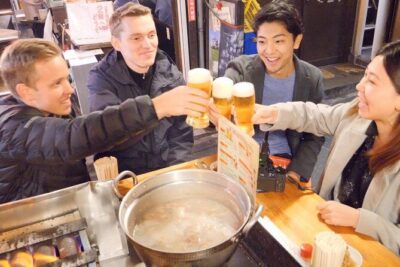 ★ 5.0Tokyo Bar Hopping Tour in Shinjuku (All-You-Can-Drink + Dinner)From $1063,587 reviews
 ★ 4.9Shinjuku Food Tour (15 Dishes and 4 Eateries)From $852,033 reviews
 ★ 4.9Shinjuku Local Bar and Izakaya Guided Walking TourFrom $341,794 reviews
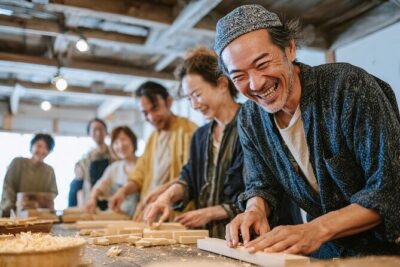 ★ 5.0Tokyo Shinjuku Chopsticks Making ClassFrom $201,763 reviews
 ★ 5.0Tokyo Shinjuku Sumo Show & Experience with PhotoFrom $791,750 reviews
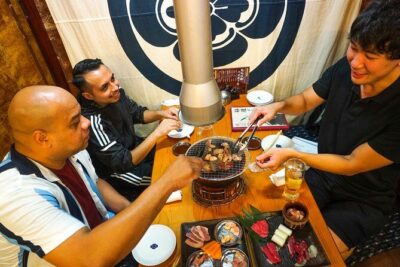 ★ 5.0Tokyo Night Foodie Tour in Shinjuku – Seasonal Sushi, Wagyu BeefFrom $1111,161 reviews
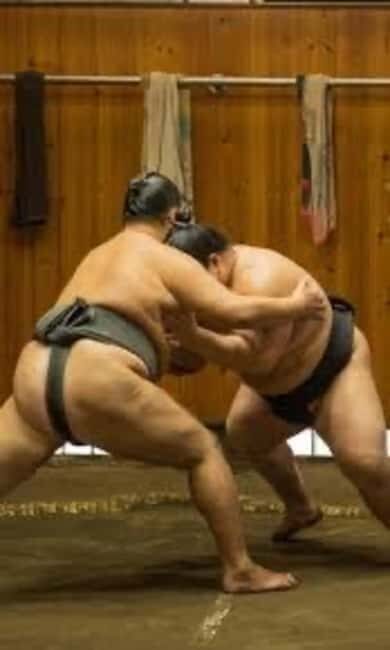 ★ 4.8Sumo Show and Experience in ShinjukuFrom $691,001 reviews
Browse the lists this tour appears in