
Reviewed · KAMAKURA DAY TRIPS
Historic Kamakura: Temples, Shrines and Street Food Private Walking Tour
Kamakura feels like a day trip from time. This private walking tour strings together Engaku-ji, Tsurugaoka Hachimangu, Hokoku-ji, and the Great Buddha, with street food stops along Komachi-dori. It’s a calm way to see the big icons without feeling like you’re speed-running a checklist.
Two things I like a lot are the temple views from Engaku-ji and the quiet tea break in Hokoku-ji’s bamboo grove. The guide also keeps the day flowing at a human pace, which matters when you’re moving between shrines and slopes.
One consideration: it’s still a 6-hour walk with some incline, so good shoes help. And since the tour runs in good weather, rain can trigger a date change or refund.
In This Review
- Key highlights you’ll care about
- Kamakura in One Walk: From Kita-Kamakura to the Great Buddha
- Engaku-ji Temple Complex: Busudan Hall, Slope Views, and Tengu
- Tsurugaoka Hachimangu Shrine: Kamakura’s Most Important Shinto Stop
- Komachi-dori Street Food Lunch: Where the Tasting Actually Happens
- Hokoku-ji’s Bamboo Grove: Cooling Off with Green Tea
- Daibutsukiritoshi and the Great Buddha: Seeing the Big One Without Losing Time
- Why the Guide Makes This Feel Like a Local Day
- Value Check: Is $220.22 Worth It?
- Timing, Weather, and What to Expect From the Walk
- Should You Book This Kamakura Private Walking Tour?
- FAQ
- How long is the Kamakura private walking tour?
- Where do I meet, and where does the tour end?
- Is this tour private?
- What’s included with the ticket price?
- Are transportation costs included?
- Is there an admission fee for the attractions?
- What fitness level do I need?
- What happens if the weather is bad or I need to cancel?
Key highlights you’ll care about
- Temple climbs with payoff at Engaku-ji, including views and tengu statues
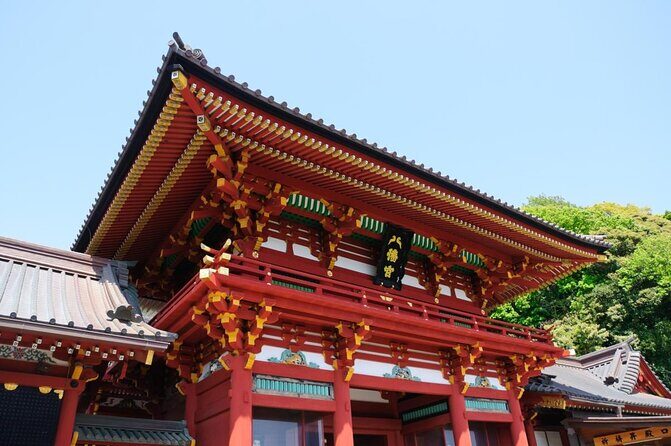
- Kamakura’s main shrine focus at Tsurugaoka Hachimangu with gates, halls, and a small treasures museum
- Street food lunch on Komachi-dori with tasting time and included drinks
- Bamboo grove tea at Hokoku-ji for a slower, cooler moment in the middle of sightseeing
- The Great Buddha stop timed to still fit the walking rhythm of the day
- Guides that manage pacing so you see more and feel less rushed, with help for families
More escapes to the Great Buddha and the coast
- Kamakura 8 hr Private Walking Tour with Licensed Guide from Tokyo★ 5.0 · 80 reviews
- Tokyo: Kamakura & Enoshima Day Tour with Pickup & Train Ride★ 4.1 · 61 reviews
- Kamakura Private & Customizable Tour – All-in-One Experience★ 5.0 · 49 reviews
Kamakura in One Walk: From Kita-Kamakura to the Great Buddha
This tour is built for one thing: a full Kamakura day without the stress of planning every turn. You start at Kita-Kamakura Station around 9:00 am, then finish at Kamakura Station, so the backtracking headache stays low. It’s also private, meaning only your group goes—great if you’re traveling with family or you want conversations instead of listening to a megaphone.
The day runs about 6 hours and is paced for moderate physical fitness, which usually means you should expect some uphill and uneven walking. You’re not doing a marathon, but you are not just strolling on flat pavement either.
The best part for many people is what’s included: the guide, entrance fees, lunch, snacks, and even alcoholic beverages, plus bottled water and soda. That turns this from a “sightseeing-only” day into a proper food-and-culture outing.
Engaku-ji Temple Complex: Busudan Hall, Slope Views, and Tengu
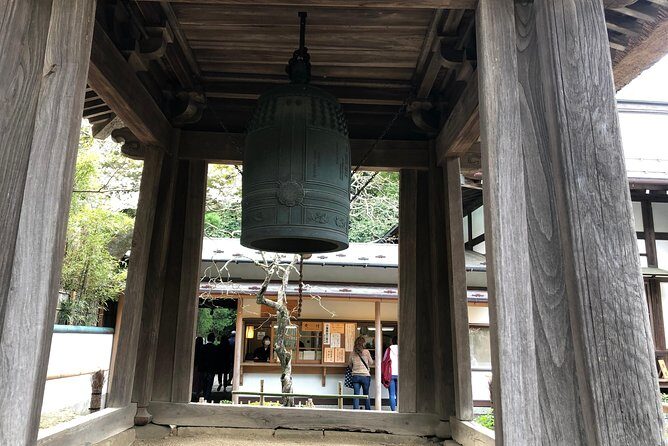
Engaku-ji is the kind of stop that rewards slowing down. You’ll spend about 45 minutes here, walking through the temple grounds and focusing on the Busudan hall, which houses a wooden Buddha statue. It’s one of those details that makes temples feel less like background scenery and more like living places with specific objects worth noticing.
Then comes the part that many people remember most: you climb the slopes behind the temple. The effort pays off with fantastic views, and you’ll also spot many tengu statues along the way. Tengu are a major part of Japanese temple folklore, so seeing them in context—on the approach and not just in a photo—makes the place feel more real.
Time check: 45 minutes means you get the highlights without losing the whole morning. The tradeoff is that if you love photo-stops or you want to linger longer in every hall, you’ll need to pace yourself. Think of Engaku-ji as the day’s “set the tone” temple: walk, look, climb a bit, then move on while energy is still good.
Practical tip: Wear shoes you’re comfortable climbing in. You don’t need hiking boots, but you do need grip.
Tsurugaoka Hachimangu Shrine: Kamakura’s Most Important Shinto Stop
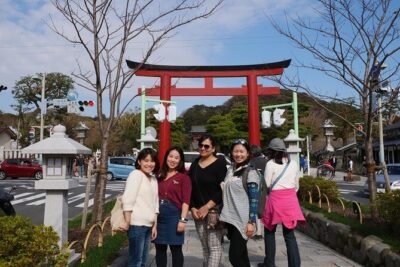
After the big temple complex, Tsurugaoka Hachimangu shifts the day into shrine territory with Kamakura’s core Shinto identity. You’ll have about 30 minutes here, enough to see the main hall area and the torii gates that frame the approach. Those gates matter because they create that sense of stepping into a different space—Japan does this well.
There’s also a small museum of treasures, which is a nice change of pace if you want something indoors or you like objects and craftsmanship. It helps you understand that this isn’t only about outdoor rituals and architecture, but also about preserved items tied to the shrine’s story.
Because the visit is 30 minutes, you’ll likely do a loop rather than deep museum time. If museums are your main interest, you may skim rather than study. Still, the shrine stop is well matched to the walking rhythm of the day: enough to feel the place, not so long that you burn out before street food.
Komachi-dori Street Food Lunch: Where the Tasting Actually Happens
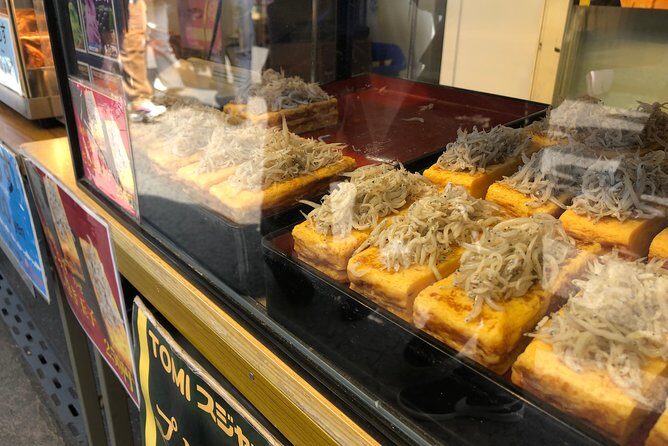
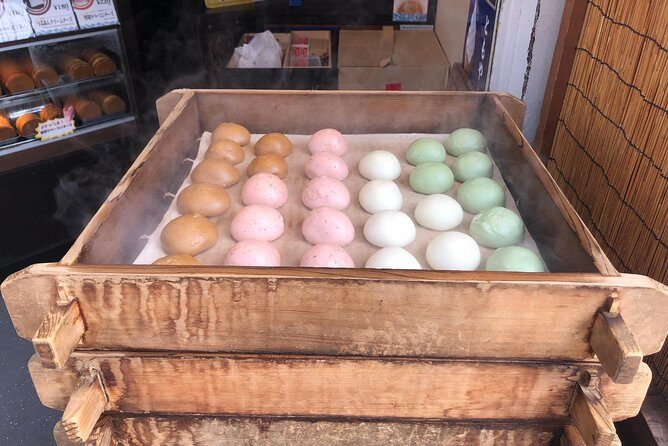
Komachi-dori is the street you expect in a movie about Kamakura—but the smart move here is eating with a plan. You get about 1 hour for the Komachi-dori stretch, where the street is lined with stalls and eateries selling sweet and savory bites, plus drinks.
The tour includes lunch as sampling a variety of local street food. That matters because ordering one dish on your own can leave you missing the range. With a guide, you’re more likely to try items you wouldn’t automatically pick, especially if your Japanese is limited. And yes, the day is about temples and shrines, but your stomach gets a say too.
This is also where the guide style shows up clearly. In past tours, guides named Simon and Chuck have been praised for picking good moments to move on—so you’re not trapped in the thick of the busiest pockets for too long. When someone can read the flow of people, it makes a walking-and-eating street feel calmer.
What I like as a traveler: the tour doesn’t treat street food as an extra. It treats it as a real meal experience. You get snacks, and you also get alcoholic beverages as part of the included drinks package, which turns lunch into an easy social break.
Small drawback to remember: 1 hour sounds short until you realize it’s a tasting window. You’ll be tempted to keep sampling, and then you’ll have to balance that with the later temple stops.
Tokyo at walking pace, a few more ways

Hokoku-ji’s Bamboo Grove: Cooling Off with Green Tea
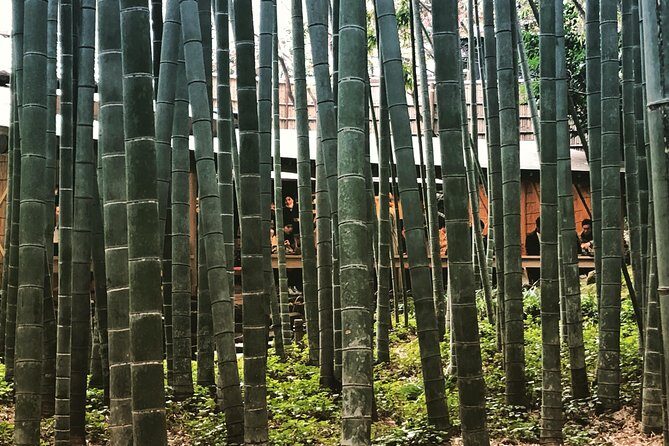
Next you head to Hokoku-ji, which is often called the bamboo temple. This is the emotional reset of the day. You’ll spend about 1 hour, and the whole point is to relax in the cool bamboo grove atmosphere—less sightseeing sprint, more quiet pause.
The tea component is simple but effective: you get a traditional cup of green tea at a tea house located among the bamboo. This is the kind of stop that feels almost too perfect on paper, but it works because it’s placed after active walking and before the final big sights.
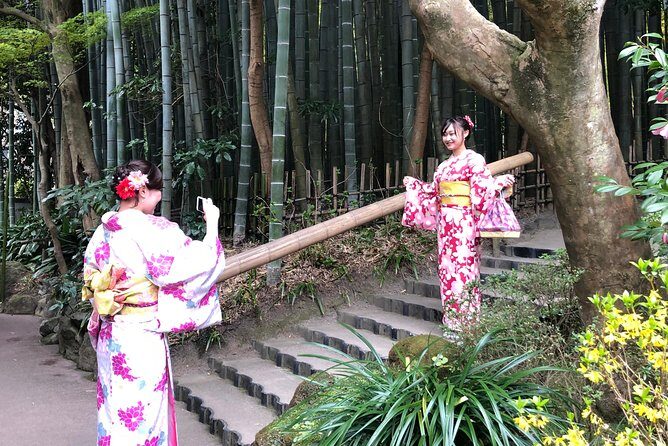
The bamboo grove can feel cooler than the surrounding streets, so it’s not just aesthetic. It’s a practical break from heat or crowd noise. If you’re traveling with kids or older relatives, this is often the easiest segment to enjoy because it’s slower and calmer.
One thing to keep in mind: it’s still part of a scheduled walking tour, so you won’t have hours and hours to wander. But 1 hour is enough to take in the grove, sip your tea, and still stay on track for the Great Buddha segment.
Daibutsukiritoshi and the Great Buddha: Seeing the Big One Without Losing Time
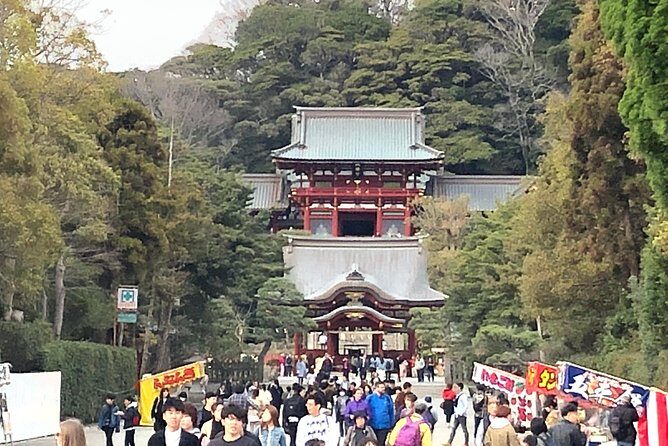
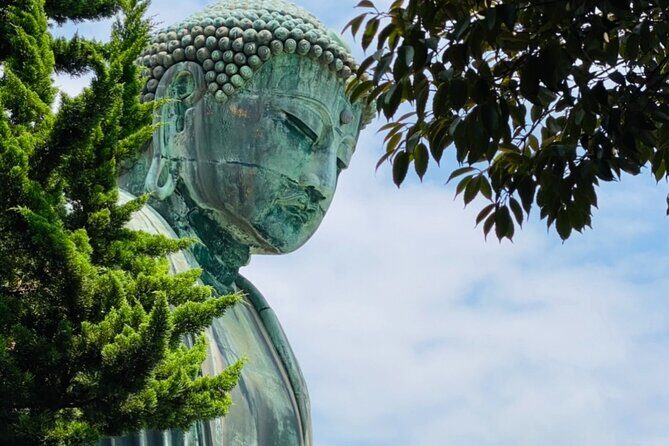
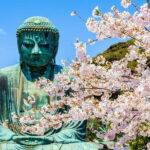
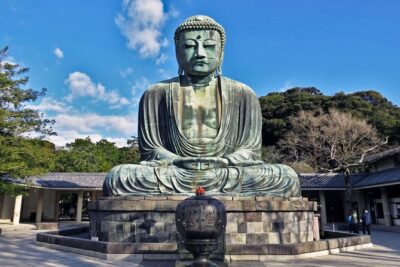
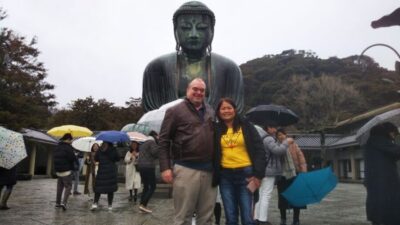
The last major highlight is the Great Buddha of Kamakura, described as Japan’s second largest bronze Buddha. Your stop here is about 30 minutes, which is just enough time to see it, take in the surroundings, and enjoy the moment without turning this into the whole second half of your day.
A short visit is not a failure here—it’s strategy. If you spent too long at this final stop, the day’s rhythm would wobble. Instead, the tour gives you a meaningful look at one of the area’s biggest icons and then sets you up to finish back at Kamakura Station.
If you’re the type who loves studying architecture details, consider focusing your attention quickly: the Buddha itself, the approach, and the space around it. With a short window, you’ll get the best experience by choosing what you want to notice most, rather than trying to see everything equally.
Why the Guide Makes This Feel Like a Local Day
This tour’s strongest praise is not just about temples. It’s about the guide’s ability to turn a timetable into a day. In particular, people have highlighted guides like Simon for being professional and personable, and also for helping with families, including caring for a little one. Another guide, Chuck, has been praised for understanding when to move on without rushing, so temple and shrine time feels comfortable.
The guide also plays a big role on Komachi-dori. Street food is easy to under-order if you’re unsure what to try, and it’s easy to over-order if you get excited. A good guide helps you sample enough variety and keeps you from wasting time in the wrong places. That’s how this tour avoids the touristy feeling and becomes more of a local-feeling day.
Another subtle win: because it’s private, you can ask questions as you walk. And because there’s a plan with admission fees handled, you spend less mental energy on logistics and more on what you’re actually seeing.
If you’re hoping for culture plus food plus a bit of fun, this is where the tour earns its price.
Value Check: Is $220.22 Worth It?
At $220.22 per person, this isn’t a budget activity. The question is whether you’re getting enough “included value” to offset that.
Here’s what’s included:
- Guided tour
- Entrance fees for the stops
- Lunch plus snacks
- Alcoholic beverages
- Bottled water and soda
- A private format for your group
So you’re not just paying for a walk. You’re paying for access (admissions), time (6 hours with a guide), and food and drinks (not a token snack). In Japan, that combination can add up fast if you’re doing it on your own: guide fees, ticketing, and then all the meals and drinks that sneak into your budget.
The other value is time-saving and decision-saving. When someone already knows the flow—when to pause, when to keep moving, and how to connect temple context with what you’re looking at—it reduces the wasted hours of figuring things out.
The main reason it might not be worth it for you: if you hate walking, or if you want total freedom to linger at each site without any schedule. For most people who want a smooth, guided day with food included, it’s priced like a premium “all-in-one” experience, and it holds together.
Timing, Weather, and What to Expect From the Walk
The tour needs good weather. If conditions are poor, you’ll be offered a different date or a full refund. That’s important in Kamakura because the walking parts are open-air, and you’ll be out for most of the day.
In terms of timing, you start at 9:00 am. That’s a smart hour for temples and shrine viewing because you beat the later-day crowd surge. You also hit Komachi-dori at a point where lunch makes sense—then you follow up with the calm bamboo grove before the final Great Buddha stop.
What to wear:
- Comfortable shoes with grip for slopes near Engaku-ji
- Light layers if mornings are cool and afternoons warm up
- A small day bag for water and your phone (even though bottled water is included)
Because it’s private and about 6 hours, you’ll want to be ready for steady movement. This is not a sit-down, museum-only day.
Should You Book This Kamakura Private Walking Tour?
I’d book it if you want a guided Kamakura day that mixes big-name temples and shrines with street food you’ll actually enjoy. The included lunch, snacks, and drinks make it feel like more than sightseeing, and the guide focus on pacing has been a major win in past experiences—especially for families and multi-generational groups.
I’d skip it if you’re purely temple-nerdy and want hours to wander every hall at your own speed, or if you’re uncomfortable with some uphill walking. The route includes climbs, like the slope behind Engaku-ji, so your comfort matters.
If you’re aiming for a smooth day where you don’t have to plan every snack stop yourself, this tour fits that goal well.
FAQ
How long is the Kamakura private walking tour?
It runs for about 6 hours.
Where do I meet, and where does the tour end?
You meet at Kita-Kamakura Station (Yamanouchi, Kamakura) and the tour ends at Kamakura Station (drop-off at 1-chōme-1-15 Onarimachi).
Is this tour private?
Yes. It’s a private tour/activity, so only your group participates.
What’s included with the ticket price?
Included are lunch, snacks, alcoholic beverages, bottled water, soda, entrance fees, and the guided tour.
Are transportation costs included?
No. Transportation costs are not included.
Is there an admission fee for the attractions?
Entrance fees are included.
What fitness level do I need?
The tour recommends travelers have moderate physical fitness, since it’s a walking day with some slopes.
What happens if the weather is bad or I need to cancel?
The experience requires good weather. If it’s canceled due to poor weather, you’ll be offered a different date or a full refund. You can cancel for a full refund up to 24 hours in advance.
More Tours in Tokyo




More Tour Reviews in Tokyo




More Days by the Great Buddha

Fresh reviews from around Tokyo






Kamakura Day Trips, compared.
 ★ 4.5Kamakura & Enoshima Day Trip including Temple TicketsFrom $581,375 reviews
 ★ 4.5From Tokyo: Kamakura & Enoshima 1-Day Bus TourFrom $66189 reviews
 ★ 5.0Kamakura Historical Walking Tour with the Great BuddhaFrom $98129 reviews
Kamakura Private Tour: Temples, Nature, and the Great BuddhaFrom $98121 reviews
Kamakura Walking Tour – The City of ShogunFrom $35100 reviews
★ 5.0Kamakura Historical Walking Tour with the Great BuddhaFrom $98129 reviews
Kamakura Private Tour: Temples, Nature, and the Great BuddhaFrom $98121 reviews
Kamakura Walking Tour – The City of ShogunFrom $35100 reviews
 ★ 5.0Kamakura 8 hr Private Walking Tour with Licensed Guide from TokyoFrom $20180 reviews
 ★ 4.1Kamakura & Enoshima Day Tour with Pickup & Train RideFrom $1361 reviews
 ★ 4.8Kamakura: Private Guided Walking Tour with Local GuideFrom $10660 reviews
Browse the lists this tour appears in