
Reviewed · SHIBUYA TOURS
Tokyo Cherry Blossom Matcha Experience in Yoyogi Park (Shibuya)
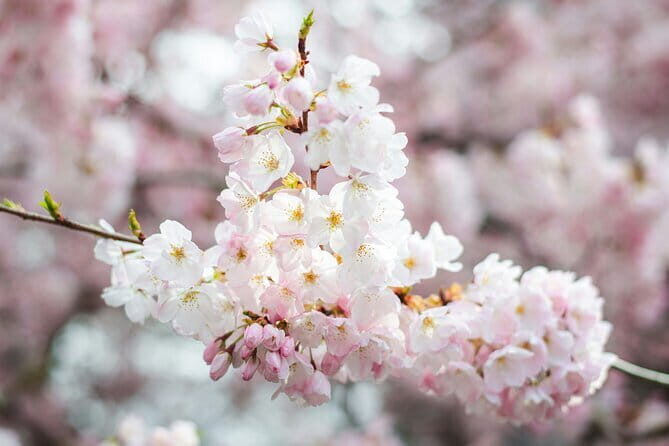
Cherry blossoms plus matcha feels like magic. This hands-on matcha picnic in Yoyogi Park is built for real beginners, with a certified adviser guiding you through the basics, plus those soft sakura moments in one of Tokyo’s prettiest parks. I especially like the chance to make your own bowl with traditional tools, and the included seasonal wagashi that fits the season. The only real catch is timing: it runs for a short cherry blossom window and depends on the weather.
What makes it easy is that it’s not a formal tea ceremony. You get the Japanese hospitality ideas, you taste matcha (including rare Uji-style matcha), and you relax with a small group near Shibuya and Harajuku. Small-group sizes and an English-speaking local host help you feel comfortable fast, but it’s still outdoors, so plan around light weather changes.
In This Review
- Key Highlights You’ll Actually Care About
- A One-Hour Sakura Matcha Picnic in Yoyogi Park
- What Makes the Rare Uji Matcha Part Worth Paying For
- The Route: From Shibuya to Harajuku Without Overplanning
- How the Matcha-Making Actually Works (Traditional Tools Included)
- Wagashi and Japanese Hospitality: The Part You’ll Remember
- Timing and Weather: The Cherry Blossom Reality Check
- Price and Value: Is $100.80 for One Hour Reasonable?
- Who This Experience Fits Best (And Who Might Skip It)
- Practical Details Before You Go
- Should You Book This Sakura Matcha Experience?
- FAQ
- What is this experience, exactly?
- Is this a formal Japanese tea ceremony?
- When does it run?
- How long is the tour and how big is the group?
- Where do we meet, and does it end nearby?
- What if the weather is bad?
Key Highlights You’ll Actually Care About
- Cherry blossom season only: it’s available around late March for about two weeks, depending on conditions.
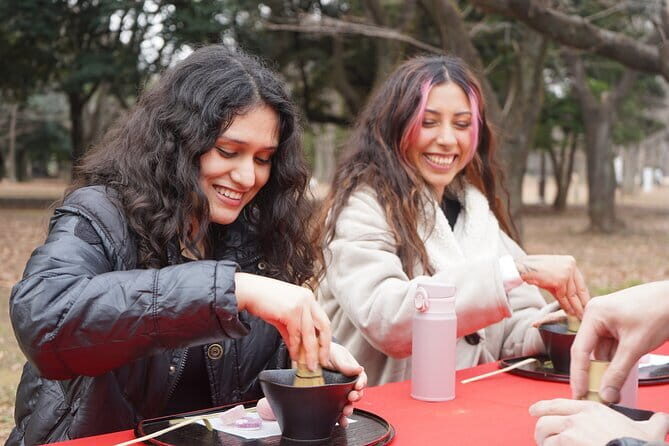
- Hands-on matcha with traditional tools: you whisk your own bowl rather than just watching.
- Certified Matcha Hospitality Adviser lead: you get tea culture explained in a friendly, practical way.
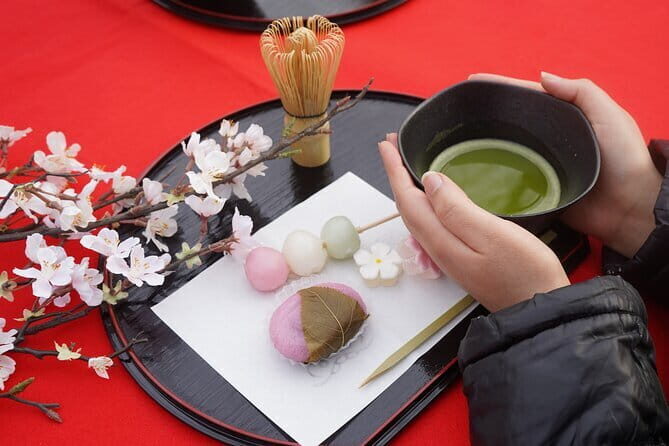
- Seasonal wagashi included: sweets are part of the matcha experience, not an afterthought.
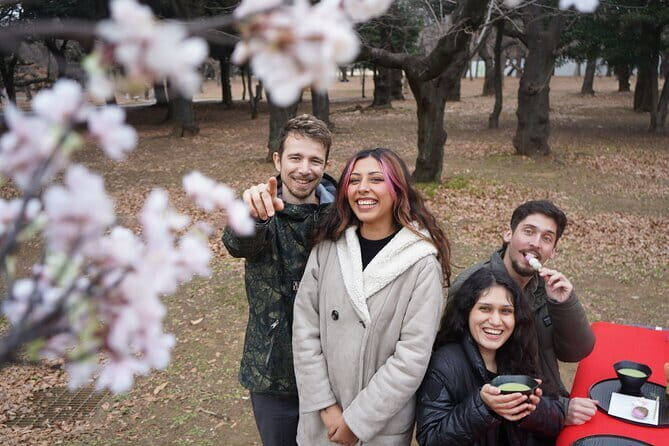
- Photo-friendly Yoyogi Park location: sakura backdrops near Shibuya/Harajuku make it an easy win.
- Max 6 people: you’ll have space to ask questions and actually interact.
More to do within sight of the Crossing
- Official Street Go-Kart in Shibuya★ 5.0 · 3,435 reviews
- Tokyo: Street Kart Experience in Shibuya★ 4.9 · 1,484 reviews
- Shibuya Meltdown Nightlife Tour: All-You-Can-Drink Bar Hopping★ 5.0 · 1,058 reviews
A One-Hour Sakura Matcha Picnic in Yoyogi Park
This is a short experience that feels like a spring reset. You’re in Yoyogi Park, one of the most famous spots in Tokyo for cherry blossoms, and the whole point is to match the mood: blooming sakura overhead, warm matcha in your hands, and a relaxed pace that doesn’t try to turn your day into an exam.
The schedule is simple: about one hour total, with the experience centered around enjoying matcha outdoors. You’ll be close to Shibuya, Shinjuku, and Harajuku, so it fits neatly into a first day or a half-day plan. And since it’s small-group (up to six), you’re not stuck in a big line or performing for an audience.
Most important for value: you’re not just tasting. You’re making. Even if you’ve never touched a matcha whisk before, the experience is set up so you can follow along and end up with something you can call yours.
What Makes the Rare Uji Matcha Part Worth Paying For
Uji matcha has a strong reputation in Japan, and that matters here because the experience specifically highlights rare Uji matcha that many visitors don’t easily get. You’re not buying a souvenir tin and hoping for the best flavor at home. You’re learning how matcha should be prepared and served, using traditional tools, and then tasting it in the right context.
I like that the focus stays practical. You learn about Japanese tea culture and hospitality in an easy-to-understand way, rather than getting lost in jargon. That keeps the experience from feeling like a lecture and makes it more useful for real life, like when you later order matcha in a café and can tell the difference between prepared-for-photos matcha and properly whisked matcha.
Also, because the experience is seasonal, your flavors match the moment. The included seasonal wagashi are part of the idea: sweets aren’t just calories, they’re designed to pair with the tea and celebrate the season you’re standing in.
The Route: From Shibuya to Harajuku Without Overplanning
The experience has several planned stops, and they help it feel like more than a one-room workshop. You start near Harajuku Station (at 1 Chome-18 Jingumae, Shibuya), then the plan moves through areas including Shibuya and Harajuku, with a stop near Omotesando before you finish back around the meeting point area.
Here’s why this matters: the area you’re in is perfect for first-time Tokyo orientation. You get a quick sense of how Shibuya’s energy transitions into the quieter, park-centered calm of Yoyogi, and then you reconnect with the Harajuku/Omotesando fashion-and-stroll vibe. You don’t need to memorize train lines or figure out where to walk on your own. The route is part of the experience flow.
The downside is that this is still a short, one-hour block. You’re not going to see everything. Think of it as a guided chapter: a clean, gentle way to connect the neighborhood dots while the sakura are at their best.
How the Matcha-Making Actually Works (Traditional Tools Included)
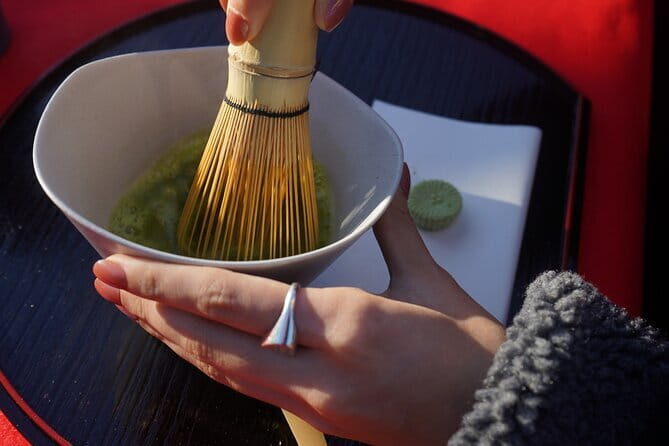
The best part of this experience is the hands-on part. You’ll whisk your own bowl of authentic matcha with traditional tools. You’re not doing it in secret. You’re doing it under guidance from a certified adviser, in a format that’s beginner-friendly and not strict.
Even if you know nothing about tea tools, you’ll still come away with a clearer sense of what matters:
- how matcha texture changes with preparation
- how the tools help you get the tea to the right consistency
- why Japanese hospitality often includes pace, patience, and small care details
That’s the real win. Tools don’t just look pretty. They teach process. And once you understand the process, you can appreciate what you’re tasting.
You’ll also receive cultural insights in English, so you’re not left guessing. And because it’s a relaxed picnic-style experience, you’re free to ask questions without feeling like you need perfect answers.





Wagashi and Japanese Hospitality: The Part You’ll Remember
Tea culture in Japan isn’t only about flavor. It’s also about the small rituals around food and attention. This experience leans into that side by including seasonal Japanese wagashi sweets.
I like that the wagashi are seasonal. In late March and early April, you’re already surrounded by sakura, so having sweets that match the moment feels coherent rather than random. The sweets give you a break between matcha sips, and they make the whole experience feel complete, like you’re sharing a small, thoughtful spring snack with someone who knows what they’re doing.
One small-but-real detail from the experience’s standout vibe: the guide/teacher approach can lead to curious questions about everyday Japan, like why it sometimes feels hard to find trash bins in public spaces. That kind of practical conversation turns the experience from just tasting tea into understanding daily habits that shape how people move through the city.
Timing and Weather: The Cherry Blossom Reality Check
This is cherry blossom season only, available around March 23 for roughly two weeks depending on conditions. That’s wonderful when it hits, but it means you should plan with flexibility.
Because the experience is outdoors in Yoyogi Park, good weather matters. If it’s canceled due to poor weather, you’ll be offered a different date or receive a full refund. So if you’re traveling in that late-March window and you want sakura, treat this as a seasonal priority, not a casual optional add-on.
Practical tip: if you’re picking which day to book, aim for a date where you have enough freedom to accept a reschedule. If your schedule is too tight, the short seasonal window can create stress.
Price and Value: Is $100.80 for One Hour Reasonable?
At $100.80 per person, this isn’t a cheap activity. The value depends on what you want from it.
You’re paying for:
- a certified adviser-led experience (not a generic demo)
- hands-on matcha preparation with traditional tools
- matcha tastings (several cups)
- seasonal Japanese wagashi sweets
- English cultural insights
- a small group maximum of six
- the location advantage of doing it in Yoyogi Park during sakura season
If your goal is to get the full Japanese tea vibe in a single hour, without researching tea tools, pairing, or etiquette on your own, this price starts making sense. It’s also more structured than buying matcha at a café because you learn the why behind the process.
Where you might hesitate: if you only want a quick photo and you don’t care about matcha craft or Japanese hospitality context, you could spend less on your own sakura snacks and a drink. But if you want the learning and the tasting packaged together, this is priced like an experience, not a beverage.
Who This Experience Fits Best (And Who Might Skip It)
This one is ideal if you:
- are a first-time visitor and want an easy, guided introduction to Japanese tea culture
- like hands-on experiences where you do more than watch
- want something calmer than a packed city tour
- are traveling in late March/early April and want Yoyogi sakura without overplanning
- prefer small groups and English explanations
It’s also a good match for couples, solo visitors, and families, since there’s no prior experience required and there’s no dress code.
If you hate weather-dependent plans or you only want indoor activities, you might skip this. The experience is tied to sakura conditions, and if spring isn’t cooperating, the schedule changes with it.
Practical Details Before You Go
A few things to know so you feel ready:
- Duration is about one hour.
- You’ll receive a mobile ticket.
- There’s no dress code, which keeps it easy.
- The host is English-speaking, so you won’t be left out on the cultural side.
- The experience is designed around a relaxed pace, not a formal ceremony.
- It ends back near the starting meeting area.
If you’re planning photos, think of it as a naturally camera-friendly moment. Sakura season is the backdrop, and the picnic-style setup makes it easy to capture a few meaningful shots without posing for long stretches.
Should You Book This Sakura Matcha Experience?
I’d book it if your trip overlaps the cherry blossom window and you want a short, guided way to experience matcha culture in the real spring setting of Yoyogi Park. The combination of hands-on whisking, traditional tools, and included seasonal wagashi is exactly the kind of thing that’s hard to recreate by yourself in a hurry.
I would hesitate only if you’re the type who hates schedule uncertainty. This depends on cherry blossom conditions and weather, so keep your day flexible. If you can do that, it’s a strong way to start (or reset) your Tokyo trip with something gentle, local, and actually hands-on.
FAQ
What is this experience, exactly?
It’s a one-hour matcha picnic-style experience in Yoyogi Park during cherry blossom season. You’ll make your own matcha with traditional tools, learn about Japanese tea culture in English, and enjoy seasonal wagashi sweets.
Is this a formal Japanese tea ceremony?
No. It is not a formal tea ceremony. It’s relaxed and beginner-friendly, with no dress code and no prior experience needed.
When does it run?
It’s available only during cherry blossom season, around March 23 for about two weeks, depending on cherry blossom conditions.
How long is the tour and how big is the group?
The experience lasts about one hour. The group size is limited to a maximum of 6 travelers.
Where do we meet, and does it end nearby?
You meet near Harajuku Station (1 Chome-18 Jingumae, Shibuya, Tokyo). The experience ends back at or near the meeting point area.
What if the weather is bad?
The experience requires good weather. If it’s canceled due to poor weather, you’ll be offered a different date or a full refund.
More Tour Reviews in Tokyo



Still in Shibuya? Keep Going





Fresh reviews from around Tokyo






Shibuya Tours, compared.
 ★ 5.0Official Street Go-Kart in ShibuyaFrom $763,435 reviews
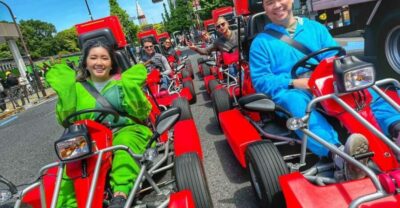 ★ 4.9Street Kart Experience in ShibuyaFrom $741,484 reviews
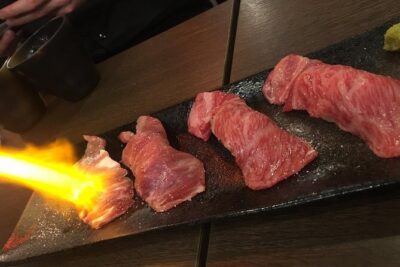 ★ 5.0Shibuya Meltdown Nightlife Tour: All-You-Can-Drink Bar HoppingFrom $1061,058 reviews
 ★ 5.0Shibuya Official Street Go-Kart in Shibuya AnnexFrom $69972 reviews
 ★ 5.0Shibuya Food Tour (13 dishes and 4 Eateries)From $77770 reviews
 ★ 5.0Best of Shibuya Food TourFrom $217612 reviews
 ★ 4.8Shibuya Highlights Walking TourFrom $19601 reviews
 ★ 4.7Premium Go-Kart Tour with Tower & Shibuya CrossingFrom $116528 reviews
Browse the lists this tour appears in