
Reviewed · NIKKO DAY TRIPS
Tokyo: Nikko Trip Toshogu Shrine Kegon Falls & Lake Chuzenji
Nikkō turns a simple day out into a full-on Japan story. This trip strings together some of the area’s biggest spiritual and scenic hits: Toshogu Shrine with its lavish Edo-era detail, a serious waterfall roar at Kegon Falls, and calm mountain views at Lake Chūzenji. I like that the route keeps moving, but not so fast that you miss the key photo moments.
I especially like the guide angle. An English-speaking guide (and if you get Anees, he’s known for being very helpful and sharing practical restaurant ideas for lunch) makes the sights easier to understand. One thing to watch: it’s a long day with plenty of walking, so you’ll want comfortable shoes and a realistic pace.
In This Review
- Nikkō Day Trip: Why This Route Works From Tokyo
- UNESCO Toshogu Shrine: The Edo-Period Mausoleum You Can’t Fake
- Shinkyō Bridge Over the Daiya River: Vermilion Color and Quiet Symbolism
- Lunch in Nikkō: How to Use the Break Well
- Kegon Falls: The 97-Meter Drop That Makes the Day Loud
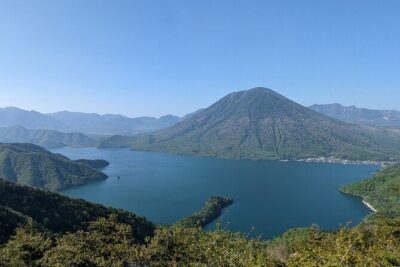
- Lake Chūzenji and Mount Nantai Views: Calm After the Roar
- Optional Akechidaira Ropeway: When Panoramas Are Worth the Extra Cost
- Getting There and Around: Your Real Timeline From Tokyo
- Private Group Comfort: Why Small-Group Style Matters
- Price and Value: What $550 For Up to 6 Really Means
- What to Bring and How to Behave at the Sites
- Who This Trip Fits Best (and Who Should Skip It)
- Should You Book This Nikkō Tokyo Day Trip?
- FAQ
- How long is the Tokyo to Nikkō trip?
- Where does the tour start and end?
- Is transportation included?
- What’s included in the ticket price?
- Is lunch included?
- Is the Akechidaira Ropeway included?
- How much walking is involved?
- Are there photography rules?
- Is this tour suitable for everyone?
Nikkō Day Trip: Why This Route Works From Tokyo
This is the kind of day trip that feels efficient without feeling rushed. You’re leaving Tokyo for Nikkō in Tochigi Prefecture and returning the same day, so you get a real change of scenery without the hassle of overnight logistics.
The best part is how the stops “talk” to each other. You start in a shrine complex tied to Japan’s power and faith, then shift into a nature highlight where you get that classic waterfall mist and sound, and end at a lake where the air is calmer and the views are wide. That pattern helps your brain process what you’re seeing instead of just checking boxes.
UNESCO Toshogu Shrine: The Edo-Period Mausoleum You Can’t Fake
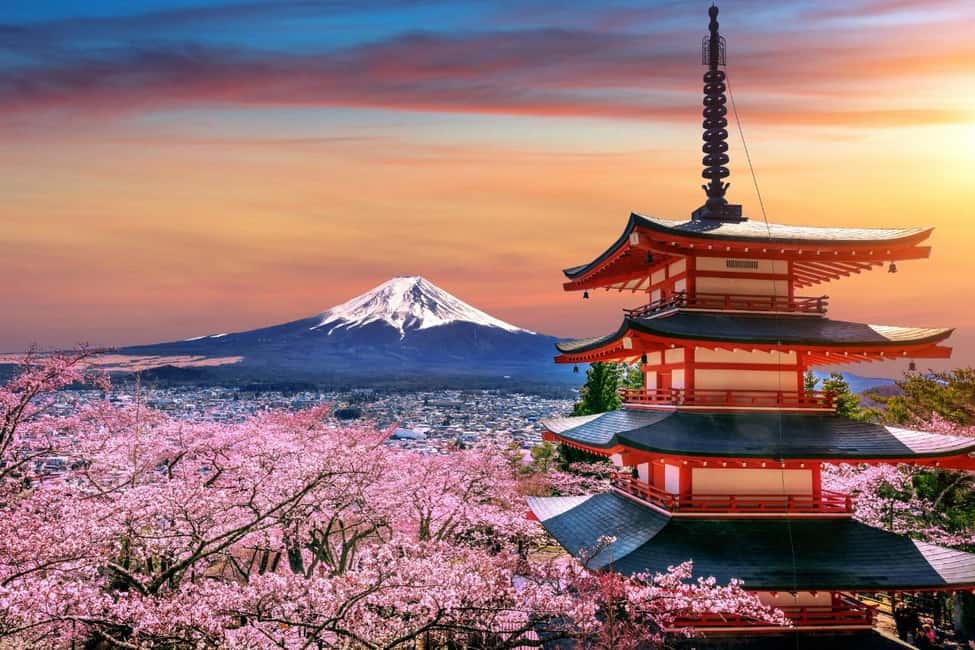
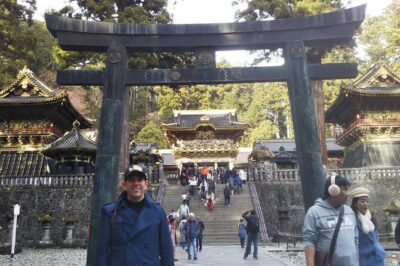
If you’ve ever wondered how a shrine can look like a living museum, Toshogu is the answer. The main draw is Tokugawa Ieyasu’s lavishly decorated mausoleum, a UNESCO World Heritage site where you’ll see carved animals, ornate details, and bold symbolism built for devotion and spectacle.
Two details are worth putting on your radar early. First is the Three Wise Monkeys carving, a famous image you’ll actually see in context here. Second is the Yomeimon Gate, known as the Gate of the Sun, where the design feels made to impress from multiple angles as you move through the area.
Practical reality check: the shrine grounds involve walking and standing in spots with crowds. If you’re the kind of person who likes to stop and read everything, you may need to choose what you focus on. The upside is that even short visits here feel meaningful because the craftsmanship is hard to ignore.
Shinkyō Bridge Over the Daiya River: Vermilion Color and Quiet Symbolism
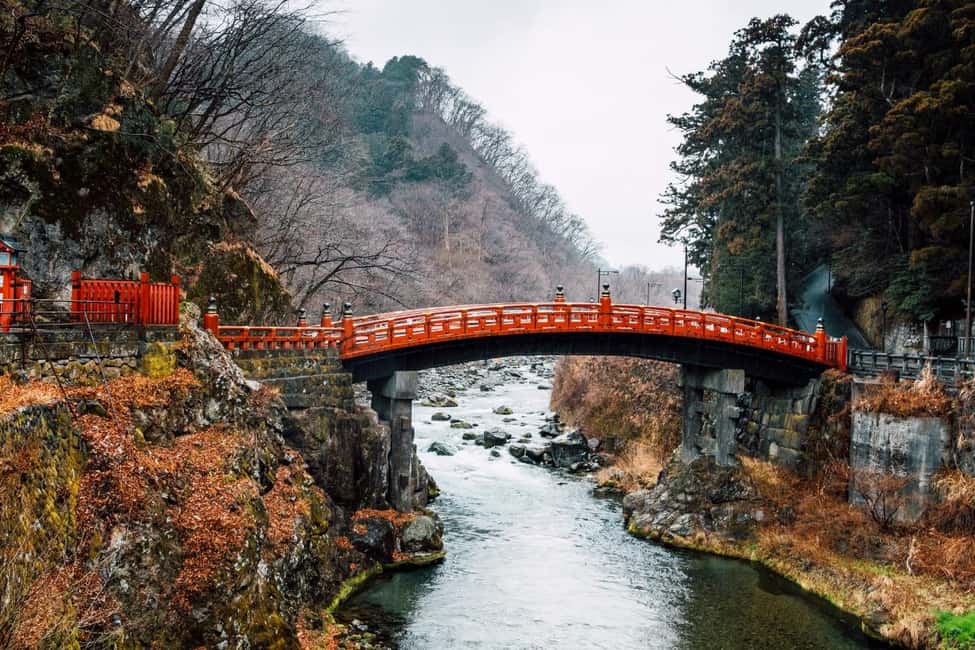
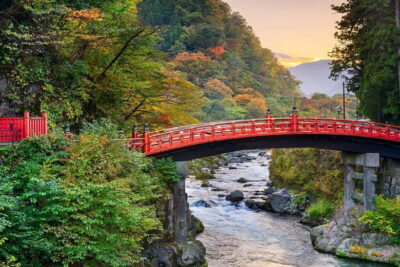
Next you’ll cross into one of Nikkō’s most photogenic moments. Shinkyō Bridge is a bright vermilion arch over the Daiya River, and it’s a classic “yes, that’s the postcard” stop because the bridge is truly striking in person.
This is also a nice break from the intensity of Toshogu. You’ll have a shorter window for a photo stop and sightseeing, and the route to the bridge gives you scenic views. If you’re trying to keep the day from feeling like one long line of attractions, this stop helps reset your expectations.
A small thing that makes a difference: keep your camera ready, but don’t rush. Even without a lot of time, good framing matters because the bridge color and river lines are what make the shot work.
Lunch in Nikkō: How to Use the Break Well
You’ll have a local restaurant lunch stop with time to eat and regroup. Meals and drinks aren’t included, but the structure gives you a real chance to recover before the waterfall portion.
In the feedback I’ve seen, guides like Anees are the type to recommend a straightforward Indian restaurant option that’s described as reasonable and home-style tasty. Even if your guide suggests something different, the key idea is the same: ask for a practical recommendation that fits the rest of your day and doesn’t leave you feeling heavy right before sightseeing outdoors.
My advice: don’t try to turn lunch into a second activity. Treat it as fuel and then move on with lighter planning.
Kegon Falls: The 97-Meter Drop That Makes the Day Loud
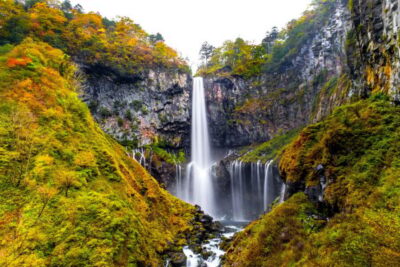
Then comes the main natural spectacle: Kegon Waterfall, a 97-meter-tall drop and one of Japan’s top three waterfalls. This isn’t the kind of waterfall where you just glance and go. The sound and mist give you an instant, physical sense of scale.
You’ll spend a longer block here, with time to enjoy views and move around for photos. One smart detail is the elevator ride to the lower viewing deck. That matters because it brings you closer to the waterfall and helps you get shots that look more “inside the action” rather than distant and small.
What to consider: the mist can make certain spots feel cooler and damp. Bring water, and if you hate getting even a little wet, position yourself with that in mind. Also, plan your photos quickly once you’re in the best spot, because you don’t want to lose track of time after you’ve waited for your ideal angle.
Lake Chūzenji and Mount Nantai Views: Calm After the Roar
Lake Chūzenji is the quieter ending that makes the day feel balanced. It sits at the base of Mount Nantai, and it’s a great place for slower walking and scenic photos after Kegon’s intensity.
You’ll have a photo stop and time to enjoy the views. The lake is especially interesting during autumn leaves season, when the area becomes a color show. Even outside peak foliage, the setting still works because the water and mountain backdrop give you a clean visual contrast to the shrine and waterfall sections.
If you’re tired, this is where you can let the day slow down. Sitting for a few minutes and looking out is often the best way to remember a trip like this.
Optional Akechidaira Ropeway: When Panoramas Are Worth the Extra Cost
The tour offers an upgrade: a ride on the Akechidaira Ropeway. If you like wide views, this is one of the best add-ons because it’s designed for panoramas over the Nikkō mountains, Lake Chūzenji, and the Kegon Falls area.
The key value question is simple: do you want to spend extra time chasing height and perspective? If yes, it’s worth considering because it can add a different angle that the ground-level stops can’t match. If you’d rather keep the day lighter and less changeable, you can skip it and still have a full experience.
Getting There and Around: Your Real Timeline From Tokyo
This is an all-day format: 8 to 9 hours from Tokyo, with pickup in Tokyo and return to Tokyo at the end. That’s a full commitment, so you’ll get the most out of it by treating the day like a schedule-backed trip, not an open-ended wander.
The order matters. Starting with Toshogu gives you your biggest cultural hit early when your energy is high. Shinkyō acts like a visual reset. Lunch keeps you fueled. Kegon is your physical peak and sound moment. Lake Chūzenji is your decompression zone.
One timing tip: wear comfortable shoes and assume you’ll be on your feet more than you expect. Even if each stop feels short on paper, the total walking time adds up across shrine grounds, photo areas, and sightseeing paths.
Private Group Comfort: Why Small-Group Style Matters
This is a private group experience. That tends to make the day feel more personal and less like you’re rushing with a crowd that won’t adjust to your questions.
It also helps with guide Q&A. If you want context—what you’re looking at, why Toshogu design matters, what symbolic elements mean—you’ll get more chances to ask in a smaller group dynamic.
The language options are also a practical win: English-speaking guides are included, and guides may be able to support Urdu, Japanese, Hindi, or Punjabi as well. If you’re traveling with a mixed-language group, this can reduce friction and keep everyone engaged.
Price and Value: What $550 For Up to 6 Really Means
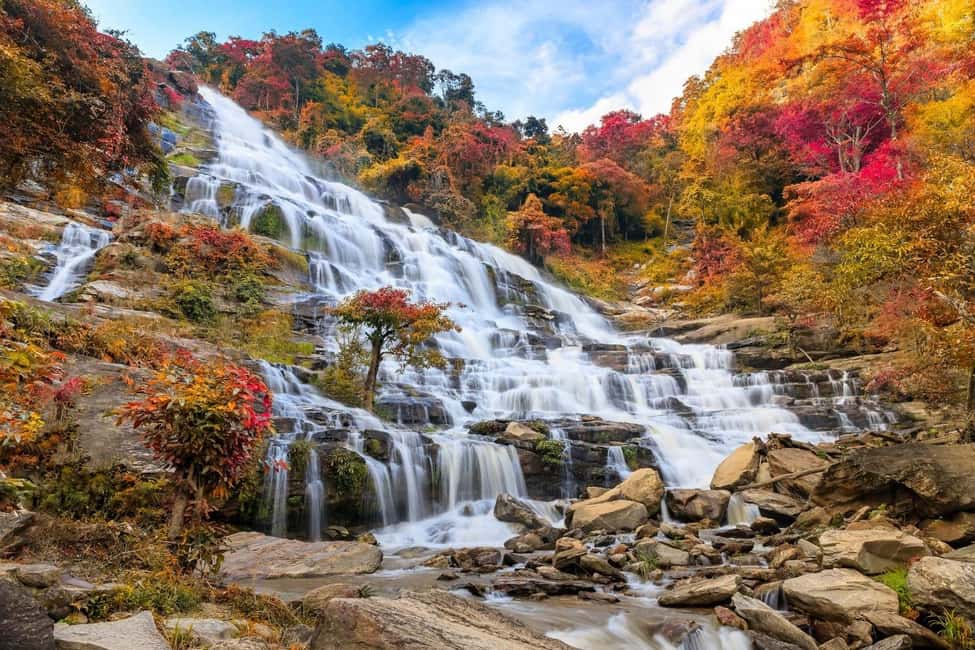
The price is $550 per group up to 6, with round-trip transportation from Tokyo included and admission covered for Toshogu Shrine, Shinkyō Bridge, and Kegon Falls. Meals and drinks are not included, and the ropeway is optional.
Here’s how I’d think about value. If you’re traveling as a small group, the cost per person drops quickly compared to per-ticket-style pricing. You’re paying for transport, an English-speaking guide, and entrance fees to multiple major sites in one day, which is exactly where guided day trips can be worth it.
If you’re a solo traveler, the group pricing might feel steep. In that case, compare the cost against what you’d spend trying to combine transit, tickets, and a self-guided route. This tour is basically paying someone to handle timing and sequencing so you spend your energy on the sights instead of the logistics.
The optional Akechidaira Ropeway adds cost, so decide based on your view preferences rather than treating it as a must.
What to Bring and How to Behave at the Sites
Bring the practical basics: hat, camera, sunscreen, and water. The day includes outdoor time at waterfalls and a lake, plus walking around shrine areas, so sun protection helps more than you might expect.
A few “know before you go” rules matter. Smoking is not allowed, and flash photography is restricted in certain areas, so keep your flash off unless your guide tells you it’s okay.
And wear shoes you’d actually walk in for a long day. Your best souvenir won’t be your feet complaining.
Who This Trip Fits Best (and Who Should Skip It)
This day trip makes the most sense for adults and older kids who can handle a long sightseeing day. It’s not suitable for children under 5, and it’s also listed as not suitable for pregnant women and wheelchair users.
If you’re someone who loves organized routes with clear stops—shrines, waterfalls, then a calm scenic finish—you’ll likely enjoy this format. If you need total accessibility support or have mobility limits, you should plan differently.
Also, if you get stressed by schedules, remember this is a structured day with multiple timed segments. You’ll have freedom to look and take photos, but you won’t have the kind of free-roaming flexibility you’d get on a multi-day stay.
Should You Book This Nikkō Tokyo Day Trip?
I’d book this if you want a one-day hit list that still feels coherent: Toshogu’s UNESCO shrine complex, Kegon Falls’ 97-meter power, and Lake Chūzenji’s mountain-lake calm. The guide component is a real part of the value, especially if you like understanding what you’re seeing rather than just photographing it.
Skip it or reconsider if you hate walking, need special accessibility support, or you’re traveling with very young children. Also think about whether the optional ropeway fits your energy and budget. You’ll still have a complete day without it, but the panoramas can be tempting.
If you want a day that changes pace—spiritual detail, waterfall spectacle, then scenic quiet—this Nikkō route is a strong pick.
FAQ
How long is the Tokyo to Nikkō trip?
The duration is 8 to 9 hours.
Where does the tour start and end?
Pickup starts in Tokyo, and you return to Tokyo at the end.
Is transportation included?
Yes. Round-trip transportation from Tokyo is included.
What’s included in the ticket price?
Included are the English-speaking guide, admission to Toshogu Shrine, Shinkyō Bridge, and Kegon Falls, plus the round-trip transportation. Meals and drinks are not included.
Is lunch included?
Lunch is part of the day with a local restaurant stop, but meals and drinks are not included in the price, so you’ll pay for lunch.
Is the Akechidaira Ropeway included?
The ropeway is an optional upgrade. You can add it if you want the panoramic views.
How much walking is involved?
There will be a lot of walking, so you should wear comfortable shoes.
Are there photography rules?
Flash photography is restricted in certain areas, so follow your guide’s instructions.
Is this tour suitable for everyone?
It is not suitable for children under 5, pregnant women, or wheelchair users.
Nikko Day Trips, compared.
 ★ 4.6Nikko: Kegon Falls, Lake Chuzenji & Toshogu TempleFrom $891,577 reviews
 ★ 4.5Nikko Toshogu Shrine and Kegon Waterfall TourFrom $841,266 reviews
 ★ 5.0Nikko Full-Day Private Tour with Government-Licensed GuideFrom $155259 reviews
 ★ 4.9From Tokyo: Nikko World Heritage Site Private Full-Day TripFrom $483243 reviews
 ★ 4.3Nikko: Edo Wonderland Edomura Cultural Theme Park TicketFrom $35205 reviews
From Tokyo: Nikko World Heritage Sight Full Day Private TourFrom $362127 reviews
★ 4.3Nikko: Edo Wonderland Edomura Cultural Theme Park TicketFrom $35205 reviews
From Tokyo: Nikko World Heritage Sight Full Day Private TourFrom $362127 reviews
 ★ 4.9Nikko – Beautiful Full-Day Personal and Private TourFrom $364119 reviews
 ★ 5.0Chartered Private Tour – Tokyo to Nikko, Toshogu, Edo WonderlandFrom $1,286105 reviews
Browse the lists this tour appears in