
Reviewed · WORKSHOPS
Hands-On Japanese Craft in Tokyo with Mochi Wagashi & Matcha
Make a fan. Drink matcha. Easy.
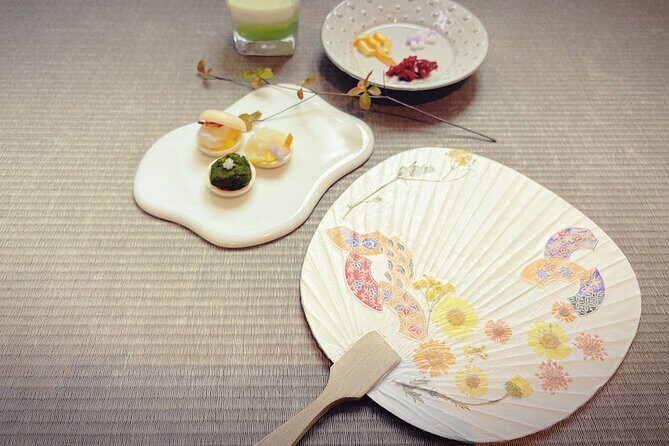
This Tokyo hands-on class mixes a simple craft with real Japanese flavor. You’ll design a round uchiwa fan using pressed flowers and patterned origami-style materials, then enjoy a matcha latte and two types of wagashi as a sweet finish. It’s the kind of experience that feels both seasonal and giftable, since you can take your fan home.
I love how approachable the fan-making is, even if you’re not crafty. I also love the food pairing: the matcha latte is mild and creamy, and the wagashi are different enough that you’ll learn something beyond the basics of mochi and classic sweets.
One thing to think about: there’s no hotel pickup, so you’ll want to plan your own arrival and timing. And because the experience requires good weather, it’s smart to keep flexibility on your Tokyo schedule.
In This Review
- Key highlights worth your time
- What you’re really doing (and why it works)
- Making your uchiwa fan: the core craft
- What you’ll take home
- A note on materials and the look
- Matcha latte: what to expect if it’s your first time
- How to make the most of the tasting
- Wagashi tasting: modern monaka and the Kokedama-style sweet
- Modern Monaka (with mochi and dried fruit)
- Kokedama-inspired sweet (moss-ball look)
- Value and pricing: is $78.69 a good deal?
- Who this is best for (and who might feel underwhelmed)
- Timing, pace, and how to plan your Tokyo day
- Mobile ticket and small-group feel
- Final verdict: should you book this uchiwa + matcha class?
- FAQ
- Where does the experience take place?
- How long is the class?
- What is included in the price?
- Is hotel pickup provided?
- How many people are in a group?
- Do I need a mobile ticket?
- Is good weather required?
- Should I worry about last-minute changes?
Key highlights worth your time
- Uchiwa as a take-home souvenir: you make it yourself, so it feels personal.
- Pressed flowers + patterned paper: the look is delicate, but the process is designed to be doable.
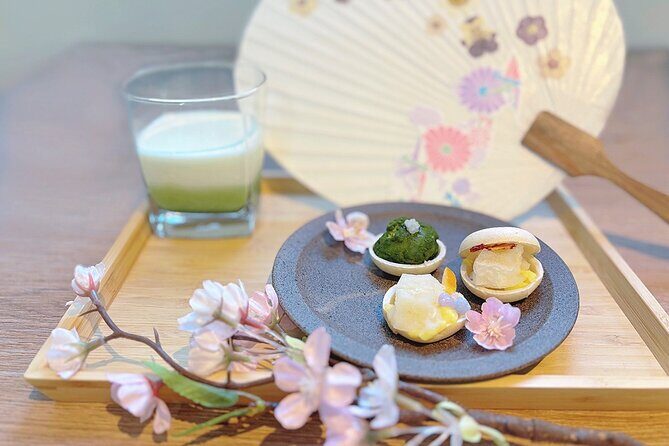
- Matcha latte that suits first-timers: creamy milk makes it less bitter than plain matcha.
- Two wagashi styles to taste: modern monaka plus a Kokedama-inspired sweet.
- Small group size (max 15): you’ll get patient help through the steps.
More things to make with your own hands
- Sushi Making Tokyo Roll and Authentic Japanese Sushi Class★ 5.0 · 3,971 reviews
- Tokyo Shinjuku Chopsticks Making Class★ 5.0 · 1,763 reviews
- Chopstick Making Workshop in Ginza★ 4.8 · 1,366 reviews
What you’re really doing (and why it works)
This isn’t just a photo stop with a craft you half-watch. You actually make the centerpiece: a round Japanese fan you decorate, then keep. That matters in Tokyo, where you’ll see lots of souvenirs—but fewer that come from your own hands.
The class also works because it’s structured like a calm rhythm: make something, pause for tea, then snack. The matcha latte and sweets aren’t an afterthought. They’re part of the lesson in how Japanese flavors shift across textures—powdered tea into creamy drink, crispy wafer into soft, chewy mochi-topped dessert, and a sweet shaped like a tiny moss plant.
At about 1 hour 30 minutes, it’s long enough to feel like you did something meaningful, but short enough not to wreck your day. With mobile ticket delivery and the tour ending back at the meeting point, it’s easy to plug into a sightseeing plan.
Making your uchiwa fan: the core craft
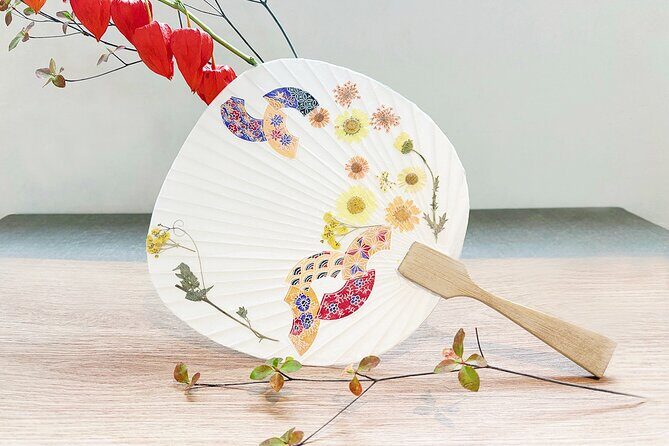
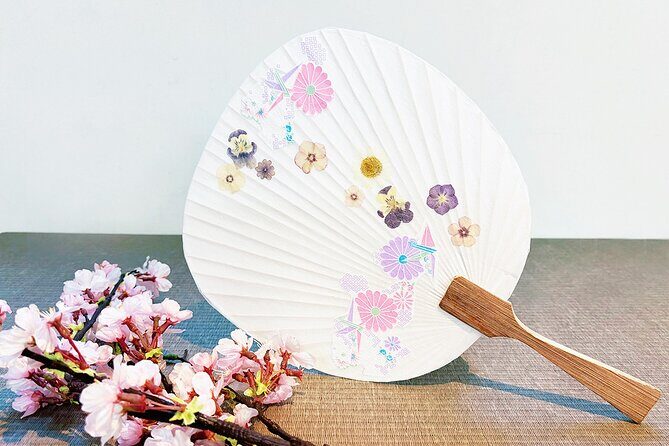
The uchiwa is a classic summer accessory in Japan, used to create a refreshing breeze. Here, you take that idea and turn it into a personal design. You’ll decorate a round paper fan with pressed flowers and Japanese-patterned paper elements, including origami-style pieces.
What makes this fun is that the final result doesn’t rely on perfect drawing skills. Instead, it relies on arranging materials neatly and following the step-by-step guidance. That’s also why so many people enjoy it even when they expect to be bad at crafts.
In the process, you’ll also handle tools and finishing steps that help your pressed-flower design hold its look. Some participants describe imprinting with an iron, which is the kind of practical step that gives the craft a more authentic, finished feel. So even if you think you’re not creative, you’re still doing the real technique—not just sticking on decorations and calling it done.
What you’ll take home
Your handmade uchiwa. In Japan, fans can be both functional and decorative. Yours has that added value because it’s not mass-produced. You can pack it carefully and bring it home as a souvenir that tells a story: I made this.
A note on materials and the look
Pressed flowers tend to look slightly different from one design to another, which is exactly what you want. It also helps you get that natural, plant-inspired theme that fits the uchiwa tradition. If you’re the type who likes small differences and handmade textures, you’ll probably love the final visual.





Matcha latte: what to expect if it’s your first time
After crafting, you move to the tasting part: a cup of matcha latte. Matcha is powdered Japanese green tea, and when it’s mixed with milk, it becomes smoother and creamier. That’s the key point for first-timers: it’s typically less bitter than plain matcha.
If you usually avoid green tea because it tastes too sharp, this is a smart way to try matcha. The milk softens the edges, and you get a drink that feels more familiar than straight matcha whisked tea.
How to make the most of the tasting
Even though the class is hands-on, treat the tasting like a palate reset:
- Take a small sip first, then decide if you like it.
- Notice the difference between vegetal notes (green, tea-like) and creamy sweetness from milk.
This is also a nice break point in the schedule. After concentrating on arranging your fan, having something warm and calming to drink helps the whole experience feel balanced.
Wagashi tasting: modern monaka and the Kokedama-style sweet
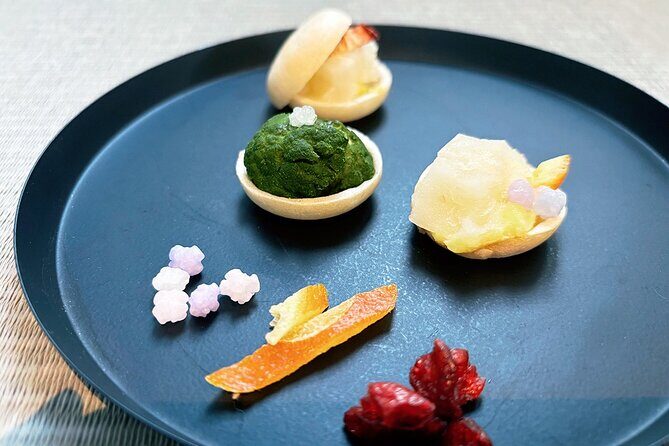
The class includes two types of Japanese sweets. This is where the experience earns its keep, because both desserts tell you something about contemporary wagashi.
Modern Monaka (with mochi and dried fruit)
Monaka is a traditional Japanese sweet made with crispy wafers. In this version, it’s a modern build: custard cream, mochi, and your choice of dried fruit toppings. The description also points out that this can work even for people who don’t love sweet red bean paste, since the focus is on the creamy custard and chewy mochi contrast.
If you’re wondering what to expect texture-wise, think:
- crisp wafer shell
- creamy middle
- soft mochi bites
- a little chew and concentrated fruit flavor on top
That combo is why monaka can feel fun instead of just sweet.
Kokedama-inspired sweet (moss-ball look)
Next comes a sweet shaped like a cute little kokedama. Kokedama is a style of Japanese gardening where plants are grown in a soil ball covered with moss. Translating that into dessert is clever because it’s visual first: it looks like a tiny plant creature sitting on your plate.
You’re not just eating sugar here—you’re experiencing the Japanese habit of making everyday forms into food. If you like desserts that are Instagram-friendly but still taste good, this one hits both goals.
Value and pricing: is $78.69 a good deal?
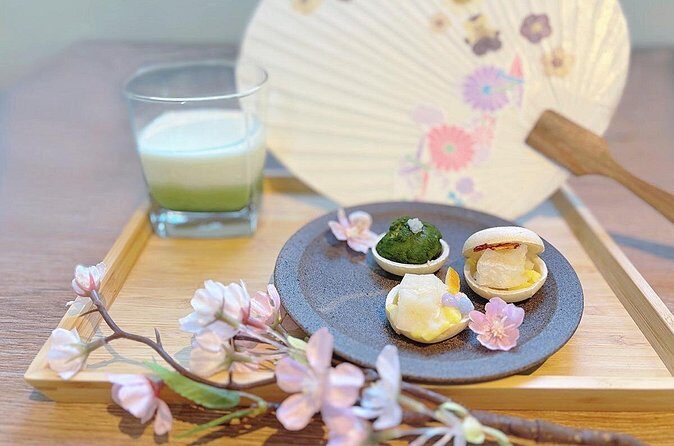
For $78.69 per person, you’re paying for a complete package: a structured craft session plus included snacks—matcha latte and two wagashi.
The best value angle is that you leave with something tangible. In a lot of Tokyo classes, you finish with a small item you can’t really use. A uchiwa is different: it’s a real object you’ll likely use, even if only for a moment after you get home on a hot day.
The price also makes sense when you consider:
- the class time (1 hour 30 minutes)
- the small group limit (max 15 travelers)
- the included drink and two sweets
If you’re the kind of traveler who enjoys hands-on cultural time but doesn’t want a long, expensive day trip, this fits that sweet spot.
Who this is best for (and who might feel underwhelmed)
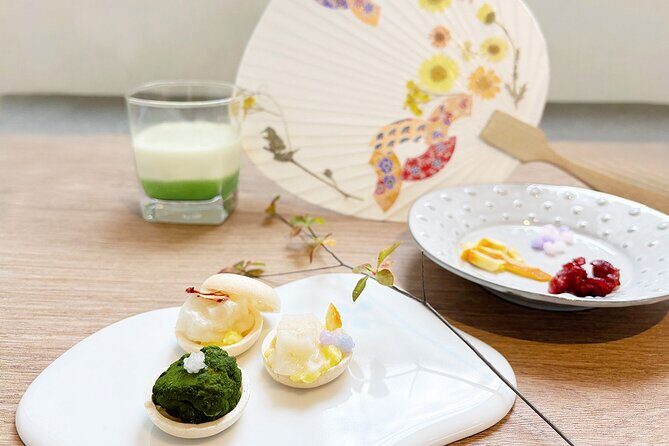
This class is ideal if you want a low-stress cultural activity with a clear outcome. It’s especially good for:
- couples and friends who want something shareable to make
- solo travelers who like a small group setting
- anyone curious about matcha and mochi sweets but wants a guided, friendly intro
You might feel less excited if you’re hunting for a hardcore craft workshop with hours of technique training. This is more about a well-paced experience—design, decorate, taste, and go.
It also seems to suit people who aren’t confident in their creativity. The steps are supported, and the materials are prepared so you can get to a beautiful result without being an artist.
Timing, pace, and how to plan your Tokyo day
With an approximate 1 hour 30 minutes, you can treat this as a mid-activity stop. It works well when you’re already in Tokyo neighborhoods that are easy for you to reach on your own.
A small practical note: it starts and ends back at the meeting point. There’s no hotel pickup and drop-off, so you’ll want to build in buffer time for transit. If you like to travel light, bring a bag you can carry the fan in afterward.
Also, the experience requires good weather. Even if the craft itself is indoors, the provider flags weather needs, so check forecasts if you’re scheduling it on a tight day.
Mobile ticket and small-group feel
The experience uses a mobile ticket, which is convenient in a city where paper tickets can be easy to lose. And with up to 15 travelers, it doesn’t feel like you’re being processed. You can ask questions, get help with steps, and move at a normal pace.
From how people describe their time, the staff and instructors tend to be patient and supportive—especially for first-timers. That’s not just a nice-to-have. In a craft class, confidence matters. If you feel unsure, you slow down. If support is clear, you can enjoy the session instead of worrying about messing up.
Final verdict: should you book this uchiwa + matcha class?
If you want a Tokyo activity that’s part craft, part food tasting, and part souvenir that actually feels handmade, I’d book it. The combination of a take-home uchiwa, a first-timer-friendly matcha latte, and two distinct wagashi types makes it a complete experience for the time you give it.
Skip it only if you hate any activity involving your own hands, or if you need hotel pickup to make logistics painless. Otherwise, this is a solid choice for travelers who want something authentic and enjoyable without spending your whole day on one plan.
FAQ
Where does the experience take place?
It takes place in Tokyo, Japan. The activity starts in Tokyo and ends back at the meeting point.
How long is the class?
The experience lasts about 1 hour 30 minutes.
What is included in the price?
The price includes a matcha latte and two types of wagashi.
Is hotel pickup provided?
No. Hotel pickup and drop-off are not included.
How many people are in a group?
The experience has a maximum of 15 travelers.
Do I need a mobile ticket?
Yes, the tour uses a mobile ticket.
Is good weather required?
Yes. The experience requires good weather. If it’s canceled due to poor weather, you’ll be offered a different date or a full refund.
Should I worry about last-minute changes?
There is free cancellation, and you can cancel up to 24 hours in advance for a full refund. If you cancel less than 24 hours before the start time, the amount you paid will not be refunded.
Make Something to Take Home




More Tour Reviews in Tokyo



Fresh reviews from around Tokyo






Workshops, compared.
 ★ 5.0Sushi Making Tokyo Roll and Authentic Japanese Sushi ClassFrom $593,971 reviews
 ★ 5.0Tokyo Shinjuku Chopsticks Making ClassFrom $201,763 reviews
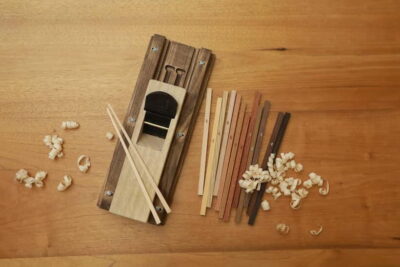 ★ 4.8Chopstick Making Workshop in GinzaFrom $251,366 reviews
 ★ 5.0Tokyo Sushi Making Class in Tsukiji with Professional ChefFrom $491,177 reviews
 ★ 5.0Ramen & Gyoza Cooking Class in Tokyo with Local Supermarket VisitFrom $122823 reviews
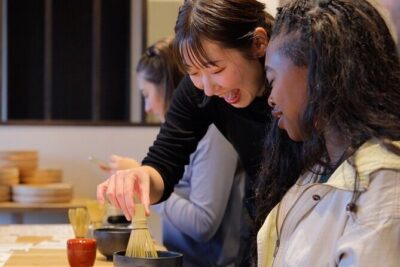 ★ 5.0Matcha Making Class in Tokyo with Authentic Japanese Sweets SetFrom $21744 reviews
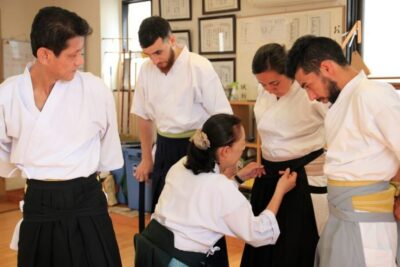 ★ 5.0Samurai Sword & Archery Class from Samurai DescendantFrom $193603 reviews
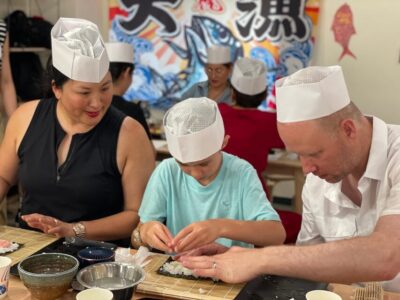 ★ 4.9Tsukiji Fish Market Sushi Making Class with Pro ChefFrom $63506 reviews
Browse the lists this tour appears in