
Reviewed · NIKKO DAY TRIPS
Private Outstanding Nikko Tour with English Speaking Driver
Nikko in one day? That is the whole point. This private outing is built for speed without feeling chaotic: you’ll leave Tokyo early, ride in a dedicated car, and hit the big Nikko highlights like Toshogu Shrine, Shinkyo Bridge, and the Kegon Falls–Lake Chuzenji area with photo assistance along the way.
I especially like that it is private transportation door-to-meeting, not a seat on a crowded bus. And I also like the practical “driver does the heavy lifting” angle—your English-speaking driver can share local context and help you stop for the right photo moments.
One drawback to think about: entrance fees are not included for several major stops, so the day can cost more than you expect once you add tickets. And because this is driver-led rather than a guided tour, the experience quality can depend on the driver.
In This Review
- Key things to know before you go
- Price and logistics: what $580 buys you (and what it does not)
- Leaving Tokyo at 8:00 a.m.: why the early start matters
- Toshogu Shrine (Tosho-gu): the main event and how to handle the time
- Shinkyo Bridge and Narabi Jizo: quick sacred stops that add texture
- Nikko Tamozawa Imperial Villa: a different kind of Nikko scenery
- Akechidaira Observation Area: when wide views are worth the ride
- Kegon Falls and Lake Chuzenji: the nature payoff
- Driver-led, not guided: how to get the most from the English-speaking support
- Who this Nikko private tour is best for
- A practical value check: is $580 worth it?
- Should you book this Nikko private tour?
- FAQ
- How many people can be in the group for this private Nikko tour?
- What time does the tour start, and how long is it?
- Are entrance tickets included for the attractions?
- Is this tour guided?
- Is pickup available in Tokyo?
- What happens if the weather is bad or you need to cancel?
Key things to know before you go
- Private car from Tokyo saves time and stress, especially for a full-day schedule
- English-speaking driver + photo assistance means you’re not hunting for angles alone
- Toshogu Shrine takes 2 hours, so plan for a longer main-stops focus
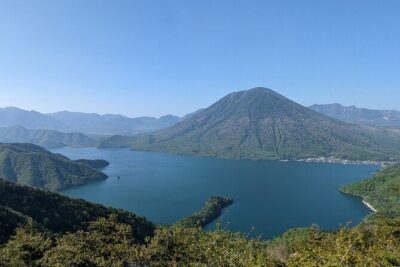
- Akechidaira deck is a smart timing stop for wide views over Kegon Falls, Lake Chuzenji, and Mt. Nantai
- Some sites are free (like Narabi Jizo and Lake Chuzenji), which helps balance the paid admissions
- One bad driver report exists, so trust your instincts if anything feels off on the day
The shrine road north: other Nikko trips
- Nikko: Kegon Falls, Lake Chuzenji & Toshogu Temple★ 4.6 · 1,577 reviews
- Tokyo: Nikko Toshogu Shrine and Kegon Waterfall Tour★ 4.5 · 1,266 reviews
- From Tokyo: Nikko World Heritage Site Private Full-Day Trip★ 4.9 · 243 reviews
Price and logistics: what $580 buys you (and what it does not)
This trip is $580 per group (up to 5 people), so you’re not paying per person the way you would on many public tours. For a group, the price starts to make sense because you’re buying convenience: dedicated round-trip transportation from Tokyo, a full-day schedule, and an English-speaking driver focused on keeping you moving.
Here’s the catch: several attractions list admission as not included. That means you’ll likely pay separate entrance tickets on-site for major sights like Nikko Tosho-gu (2 hours allotted) and others later in the day. In practice, that usually still works out fine for people who want the highlights, but it is worth budgeting so you do not feel surprised at checkout time.
Another logistics detail I like: the tour is described as private and driver-led, not a traditional guided tour. Translation: you’ll get local help and photo guidance, but you’re also relying on the driver to explain things in the moment. If you want a full narrative from a licensed guide, the option to arrange a guide is available for an extra cost.
Finally, expect the schedule to be flexible. The itinerary can be adjusted to handle traffic congestion or to avoid long waits at busy spots. That matters on day trips, because the best-laid plan can fall apart when tour buses pile up.
Leaving Tokyo at 8:00 a.m.: why the early start matters
The meeting time is 8:00 a.m. and the overall duration is about 10 hours including commuting time. That early start is not just about “being early.” It is about getting daylight and minimizing the risk of turning the day into a battle for parking, timing, and patience.
Nikko is popular. Even when you’re traveling by car, crowd flow matters. If you get to the key stops sooner, you typically spend more time looking at the place and less time waiting to enter or to squeeze into the best photo spots.
Also, this is set up as a private experience, so you can move at a pace that fits your group. One review highlighted an air-conditioned car, which sounds small until you realize how much nicer the day feels when it is warmer out.
Toshogu Shrine (Tosho-gu): the main event and how to handle the time
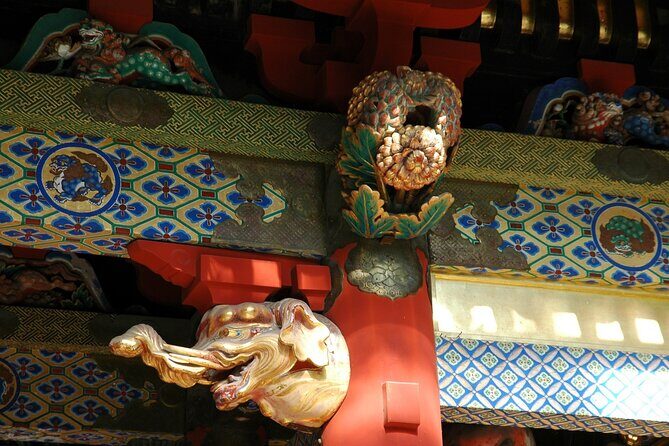
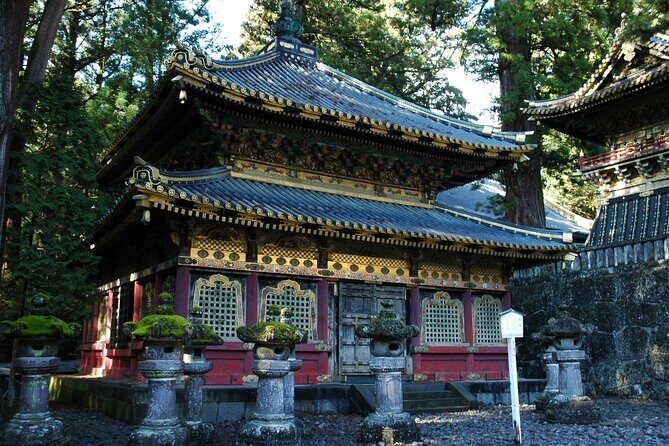
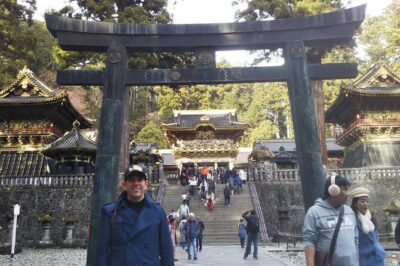
Your first stop is Nikko Tosho-gu, with about 2 hours allotted. This is the one you build the whole day around, and it shows. The shrine complex is famous for its colorful buildings and highly decorated carvings. Even if you’re not the type to read every sign, the visual detail is the attraction.
How to make the most of those two hours:
- Start by walking the outer areas first so you get oriented before you zoom in on the most detailed sections.
- If your group likes photos, use the time to step back and shoot wide, then come in for close-ups. You’ll do better with two passes than trying to do it all in one scramble.
What to watch for:
- Admission is not included, so you’ll want to budget that extra cost.
- Two hours can feel both right and short, depending on how photo-focused your group is. If you’re traveling with family or anyone who wants a slower pace, you may want the driver to help manage timing early so you do not rush the later viewpoint stops.
Shinkyo Bridge and Narabi Jizo: quick sacred stops that add texture
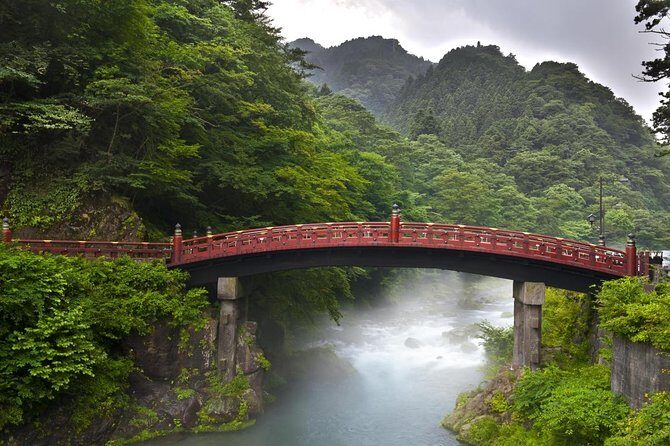
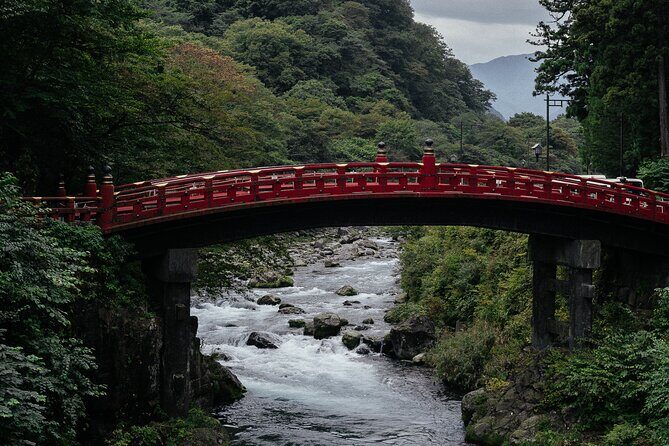
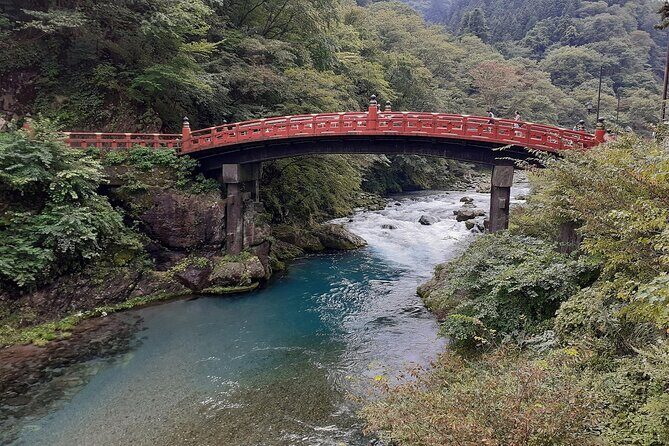
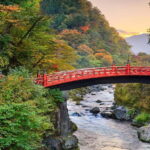
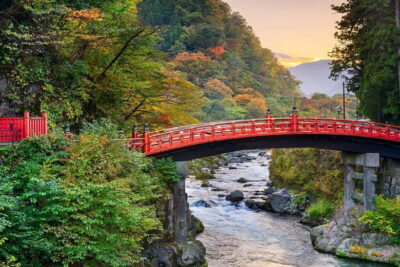
After Toshogu, you head to Shinkyo Bridge, with about 1 hour on the schedule. This bridge is a sacred crossing and officially belongs to Futarasan Jinja Shrine. The bridge crosses the Daiya-gawa River, and the arc is part of what makes it so recognizable.
One practical advantage here: no admission ticket is listed for this stop. That usually means you’ll spend your time on viewing rather than ticket lines.
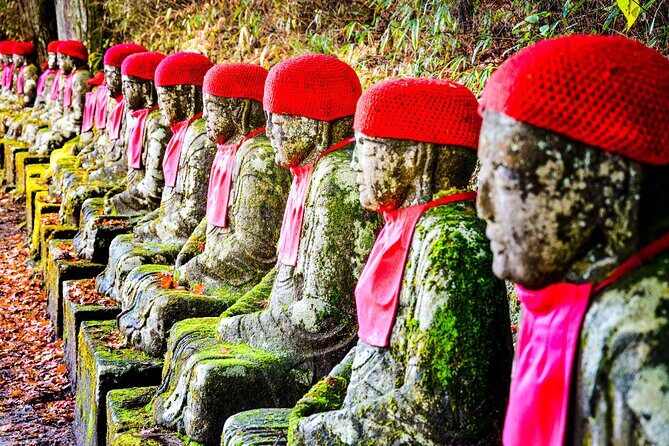
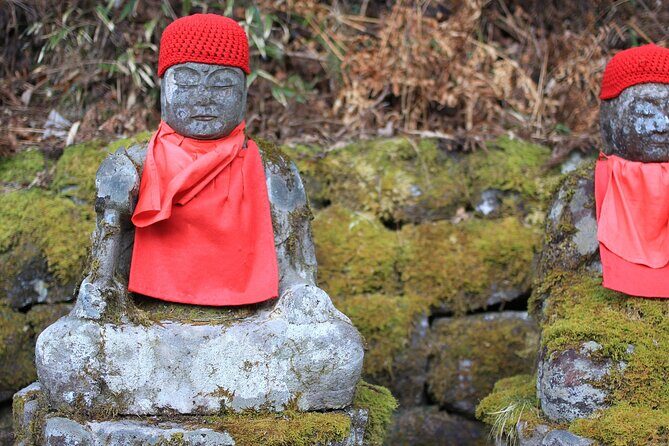
Then you’ll move to Narabi Jizo, scheduled for 30 minutes. This is a smaller, calmer stop, and it helps break up the day. The Jizo statues are made as guardians connected with children and travelers, and they’re often called the earth bearer. Since it is listed as free, it is a great place to slow down for a half hour and notice details you might otherwise skip.
The value of these two stops together:
- Shinkyo gives you the big iconic photo moment.
- Narabi Jizo adds a quieter, more intimate contrast without stealing half the day.
More door-to-door days with your own driver

Nikko Tamozawa Imperial Villa: a different kind of Nikko scenery
Next up is Nikko Tamozawa Imperial Villa Memorial Park for about 30 minutes. The park is the retreat built for Emperor Taisho and it blends architectural styles from late Edo, Meiji, and Taisho periods.
I like this stop because it helps you understand Nikko beyond temples and falls. Even if you only skim, it adds a human-scale context: this wasn’t just a sightseeing destination, it was also a place people used for retreat and seasonal escape.
The limit here is simple: 30 minutes is short. If your group gets excited by architecture and interiors, you might wish you had more time. If you prefer “see the key sights, keep moving,” it fits the day perfectly.
Admission is listed as not included, so budget extra tickets accordingly.
Akechidaira Observation Area: when wide views are worth the ride
Then comes Akechidaira Observation Area for around 30 minutes. This deck is known for views over Kegon Falls, Lake Chuzenji, and Mt. Nantai. It’s also famous as a spot for autumn leaves, which tells you the viewing experience is seasonal and often best when the weather and timing are right.
Even without a full background, an observation deck stop is a smart use of time because it does two things at once:
- It gives you the “map in your head” view so later stops make more sense.
- It helps you decide where you’ll want to linger once you’re down at the water and viewpoints.
What could affect your enjoyment:
- This is an open or semi-open viewing stop, so weather matters. If it’s foggy or rainy, your views may be limited.
- Admission is listed as not included, so again, treat this as a paid addition when budgeting.
Kegon Falls and Lake Chuzenji: the nature payoff
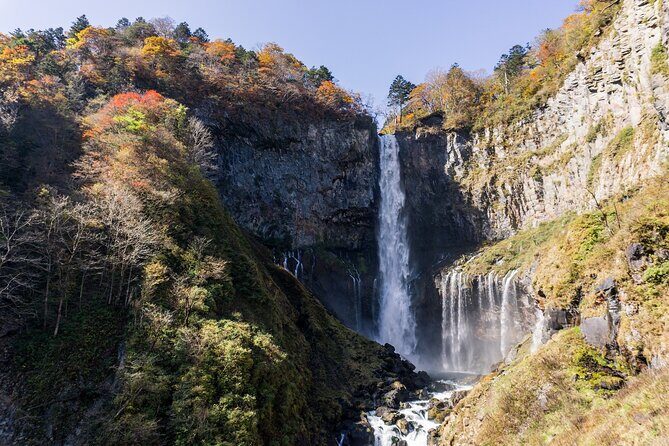
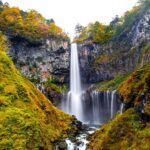
Your next stop is Kegon Falls for about 30 minutes. The falls sit near Lake Chuzenji in Nikko National Park. The provided description notes that the falls were formed when the Daiya River was rerouted by lava flows. That explanation is worth keeping in mind because it makes the scene feel less random and more like a landscape shaped by real geology.
Then you move to Lake Chuzenji, also for about 30 minutes. It is sometimes called the Sea of Happiness. The lake was created around 20,000 years ago when Mount Nantai erupted and blocked the river with lava.
This is where the day pays off. Two different kinds of beauty show up fast:
- Falls give you motion, sound, and energy.
- The lake gives you stillness and scale.
One nice detail from the schedule: Lake Chuzenji is listed as free. That helps you balance the tickets you’ve likely already paid.
A practical note: 30 minutes at each stop can feel perfect or rushed depending on weather and photo priorities. If you want longer exposure to misty waterfall views or a slow walk around the lake areas, you’ll want to keep your group focused and use the driver’s help to avoid aimless wandering.
Driver-led, not guided: how to get the most from the English-speaking support
This is not described as a guided tour, but a driver-led private experience with an added option to arrange a guide. In practice, that means:
- Your driver is handling logistics, timing, and local pointers.
- You get photo assistance, which is more valuable than it sounds. A driver can save you from standing in the wrong spot, or spending 20 minutes arguing about where to stand when you could be capturing the moment.
One of the positive experiences shared named a driver/guide David who was friendly and keen to help. That matches what you want from a day like this: someone who can not only get you to the right locations, but also make the stops easier, clearer, and more comfortable.
The tradeoff: with a guide, explanations are often structured and deeper. Here, your best chance of getting strong context is to ask questions as you go. Simple prompts work well, like asking what time of day is best for photos at each stop or what part of the shrine is easiest to miss.
And a caution from the reality of private driving: one low rating mentioned an extremely negative experience due to the driver’s driving skills, and that the group chose to return to Tokyo instead of finishing. I can’t control who you get, but you can control your response. If anything feels unsafe, say something immediately and put your safety first.
Who this Nikko private tour is best for
This tour is a good fit if you:
- Have limited time in Tokyo and want the big Nikko highlights in one day.
- Prefer a private car over trains and bus transfers.
- Want English-speaking help and photo assistance, especially if Nikko is your first time outside Tokyo.
It can also work for mixed groups—people who love temples, people who care about scenery, and people who just want an easy plan without navigating schedules.
Where it may not fit as well:
- If you want a full, scripted guide experience at every site, you’ll need to arrange a guide at extra cost.
- If your group hates ticket budgeting, the list of stops with admissions not included can add friction.
A practical value check: is $580 worth it?
For up to five people, you’re paying for a full-day package that includes:
- Dedicated private transportation
- Photo assistance
- An English-speaking driver
- A structured route that covers the main Nikko highlights
When it is worth it:
- If you’d otherwise spend a lot of time coordinating trains, transfers, and local transport on your own, the private car saves energy.
- If your group includes older travelers or anyone who dislikes rushing through crowds, fewer “logistics moments” can be worth real money.
When it may not be worth it:
- If you are traveling solo or as a couple who can easily manage transit, the per-group pricing might feel steep compared to DIY travel.
- If you plan to spend most of the time wandering slowly without caring about the priority highlights, you might be paying for a tight itinerary you’re not fully using.
Should you book this Nikko private tour?
Book it if you want a clean, efficient day: shrines, bridges, falls, and a lake, all handled with private logistics and driver help. The schedule is built for time-pressed Tokyo visitors, and the standout advantage is that you’re not doing the hard planning.
Skip or consider a different approach if you strongly prefer a guided narrative at every stop, or if you’re traveling on a tight budget for entrance fees. Also, treat the driver piece seriously: in private touring, quality can swing based on who is behind the wheel, so trust your gut if something feels wrong.
If you want a simple question to decide: does your group value convenience and guided photo help more than saving money on admissions and public transit? If yes, this is a solid way to experience Nikko in a single day.
FAQ
How many people can be in the group for this private Nikko tour?
The price is per group and the tour is set for up to 5 people. If you have more than 5, the operator says it can be facilitated at an additional cost.
What time does the tour start, and how long is it?
The start time is 8:00 a.m. and the total duration is approximately 10 hours including commuting time.
Are entrance tickets included for the attractions?
Admission is listed as not included for several stops, including Nikko Tosho-gu and others. Some stops are listed as free, such as Narabi Jizo and Lake Chuzenji.
Is this tour guided?
It is described as not a guided tour, but your driver can provide local insights and photo help. A guide can be arranged on request for an additional cost.
Is pickup available in Tokyo?
Pickup is offered, and the tour notes a meeting point that is near public transportation.
What happens if the weather is bad or you need to cancel?
The experience requires good weather. If it is canceled due to poor weather, you’ll be offered a different date or a full refund. Cancellation is free up to 24 hours in advance for a full refund.
More Tour Reviews in Tokyo






Your Own Wheels: More Private Driver Days
North Again: More Nikko Trips
Fresh reviews from around Tokyo






Nikko Day Trips, compared.
 ★ 4.6Nikko: Kegon Falls, Lake Chuzenji & Toshogu TempleFrom $891,577 reviews
 ★ 4.5Nikko Toshogu Shrine and Kegon Waterfall TourFrom $841,266 reviews
 ★ 5.0Nikko Full-Day Private Tour with Government-Licensed GuideFrom $155259 reviews
 ★ 4.9From Tokyo: Nikko World Heritage Site Private Full-Day TripFrom $483243 reviews
 ★ 4.3Nikko: Edo Wonderland Edomura Cultural Theme Park TicketFrom $35205 reviews
From Tokyo: Nikko World Heritage Sight Full Day Private TourFrom $362127 reviews
★ 4.3Nikko: Edo Wonderland Edomura Cultural Theme Park TicketFrom $35205 reviews
From Tokyo: Nikko World Heritage Sight Full Day Private TourFrom $362127 reviews
 ★ 4.9Nikko – Beautiful Full-Day Personal and Private TourFrom $364119 reviews
 ★ 5.0Chartered Private Tour – Tokyo to Nikko, Toshogu, Edo WonderlandFrom $1,286105 reviews
Browse the lists this tour appears in