
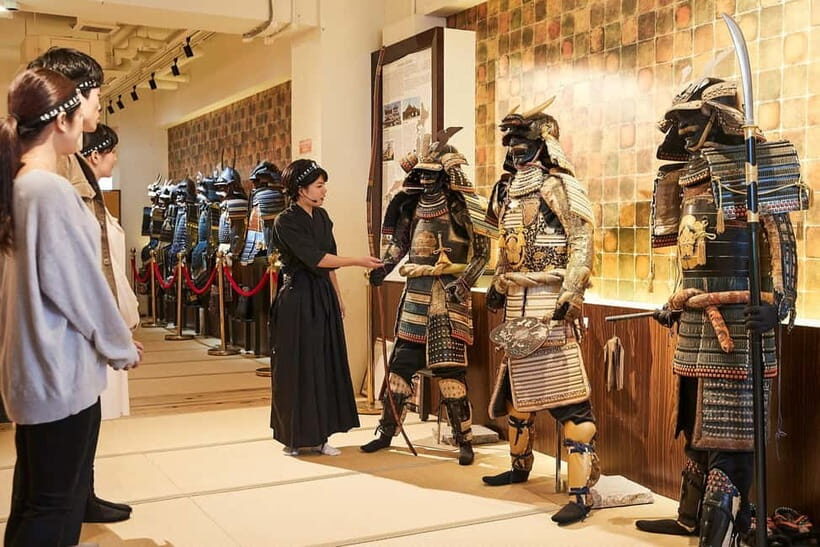
Reviewed · ASAKUSA TOURS
Samurai Ninja Museum Asakusa: Samurai Sword Lesson & Tour
This is way more than a photo stop. In Asakusa, you’ll get hands-on samurai sword practice plus a museum tour that connects samurai and ninja culture in a practical, easy-to-follow way. You suit up in a hakama, add a samurai helmet and armor, then learn basic katana handling from an English-speaking instructor, often praised by name like Sensei Ryo and others such as Koki, Kenny, and Kai.
What I like most is that you do two things well: you learn a real routine with coaching, and you leave with story context from the museum tour. The included photo backdrops are also a big deal; they’re not just random walls, and they give you frames you’ll actually want to keep. One thing to consider: it’s only 2 hours, so the pacing is tight, and if your group includes very young kids, the instructor may simplify what everyone can finish in the time.
In This Review
- Key Things That Make This Worth Your Time
- Walking Into the Samurai Ninja Museum in Asakusa
- Suit Up: Hakama, Armor, Helmet, and What It Does for You
- The Katana Workshop: What You’ll Actually Learn in 2 Hours
- When pacing can feel tight
- Samurai and Ninja Museum Tour: Context After You Learn the Basics
- Ninja Weapons Trial: Shuriken Throwing Without the Big Drama
- Photos in Samurai-Themed Backgrounds: The Part You’ll Be Glad You Did
- Price and Value: Is $63 Worth It?
- Group Size, Accessibility, and Who This Suits Best
- How to Get the Most Out of Your Workshop Day
- Should You Book Samurai Ninja Museum Asakusa?
- FAQ
- How long is the Samurai Sword Lesson & Tour?
- What is the price per person?
- What’s included in the experience?
- Do I get to visit the museum, or is it only sword practice?
- What language is the guide?
- Is there a child age limit?
- What is the maximum group size?
- Is it wheelchair accessible?
- Where do I meet the group?
- Is free cancellation available?
Key Things That Make This Worth Your Time
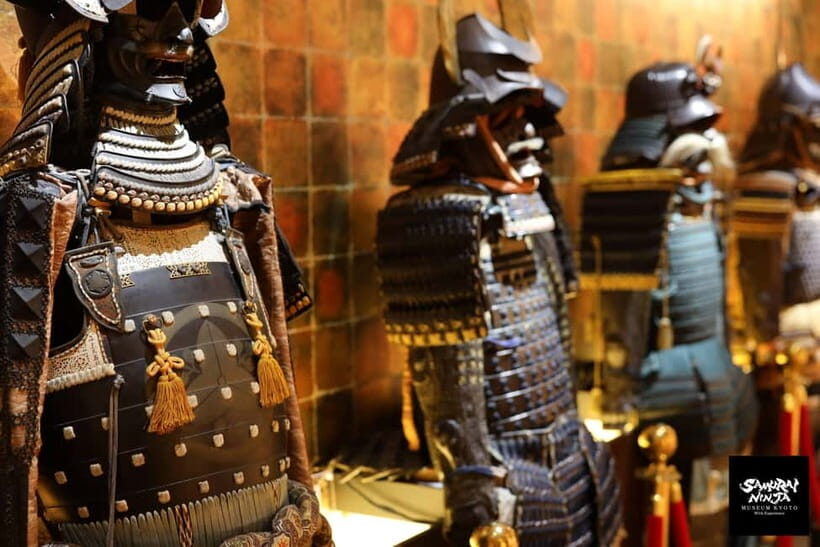
- Suiting up is part of the learning, not a gimmick, so you feel like you’re stepping into the role.
- Katana fundamentals are taught to beginners, with patience you’ll notice right away if you’re new (names like Sensei Ryo come up often).
- You also tour the museum and get context on samurai and ninja history, not just sword waving.
- Ninja weapon trial is included, with a fun, hands-on edge that works for teens and adults.
- Photo opportunities are built in, including samurai-themed backgrounds for memorable shots.
- The group stays small, with a maximum of 16 travelers, which matters for getting guidance.
More mornings around Senso-ji and the old town
- Tokyo: Japanese Dance Cabaret Theater Asakusa-Kaguwa Ticket★ 4.8 · 2,270 reviews
- Tokyo: Asakusa Walking Tour with Sensoji Temple Visit★ 4.8 · 1,583 reviews
- Tokyo Asakusa Rickshaw Tour★ 5.0 · 1,375 reviews
Walking Into the Samurai Ninja Museum in Asakusa
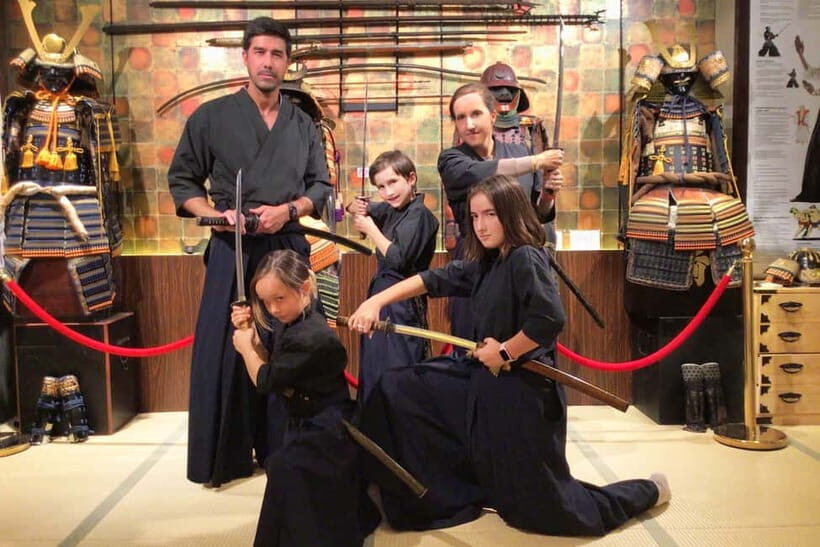
Start by showing up with a simple goal: be ready to participate. This experience is designed around a short, structured sequence—dress up, learn, practice, then tour and photos. You’re not wandering around for hours picking your own pace. Instead, the two-hour format works like a guided crash course.
The setting in Asakusa is family-friendly, and the atmosphere is part training room, part museum space. Several experiences point out that the space can feel on the smaller side, but that’s also why the flow stays organized and you move from one part to the next without losing time.
One practical upside of the museum-tour plus workshop combo: you get meaning, not just motion. After you handle the sword and learn a basic routine, you can connect what you saw to the museum’s samurai and ninja displays. That pairing tends to stick better than doing a sword lesson with no story, or doing a museum walk with no hands-on moment.
Suit Up: Hakama, Armor, Helmet, and What It Does for You
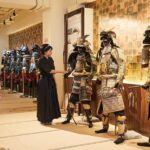
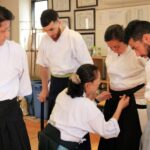
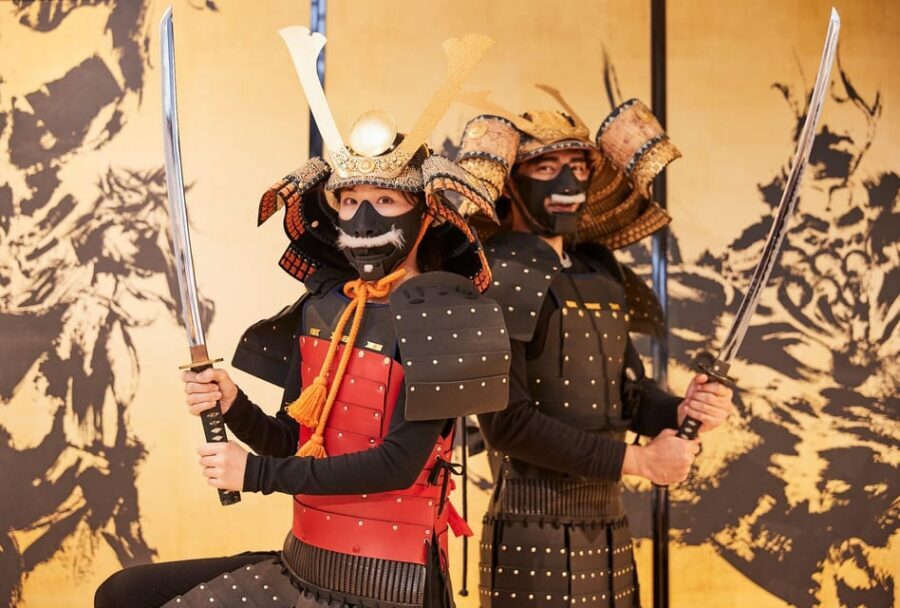
The “dress rehearsal” moment is a key part of the value here. You get use of hakama, plus a samurai helmet and samurai armor. Even if you’re not obsessed with costumes, this changes the experience. It puts your body in the right posture and helps you understand how the role is meant to look and feel.
It also makes the lesson more than technique drills. When you’re in the outfit, you’re more likely to listen carefully to how the instructor wants you to hold the katana, how to move your feet, and when to slow down. In a short class, that matters. You don’t have the luxury of “practice until it’s muscle memory.” So you rely on clear instruction and correct starting positions.
From the reviews, instructors stand out as being patient with complete beginners. Sensei Ryo is repeatedly praised for being professional and polite with basic teaching, and other instructors like Koki, Kenny, Kai, and Ryo/Ren names vary by option are also mentioned positively. The point for you: this isn’t a “watch and hope” experience. It’s set up so you can keep up.
One caution: children under 6 can’t enter the samurai venue. If you’re traveling with little ones, plan your day accordingly.
The Katana Workshop: What You’ll Actually Learn in 2 Hours
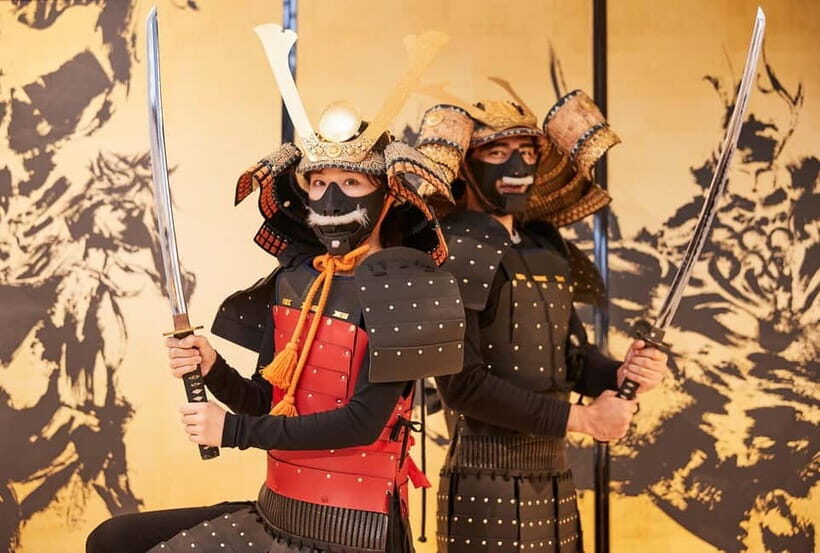
This is the core of the experience: a samurai sword lesson that starts with fundamentals and ends with a routine you can perform. You’ll learn how to wield the katana in a supervised, beginner-friendly way. Depending on the group and pacing, you may cover enough to do a short sequence together rather than just learn one move.
What I’d expect from a well-run workshop like this is a progression like:
1) how to hold and handle the blade properly,
2) basic stance and movement cues,
3) a simple choreographed routine you can repeat with the group.
The reviews back up that structure. People mention learning a routine after a demonstration at the start, and even beginners feeling like they get the pattern quickly. If you like structured practice, this will feel satisfying. If you want long-term training, you’ll probably wish you had more practice time, and that feedback shows up too.
There’s also a family-friendly angle. Several accounts describe supervised “sword play” using foam or rubber swords during parts of the session. That’s a smart approach for mixed ages because it keeps energy high while reducing risk and stress.
When pacing can feel tight
Two common “watch-outs” show up in the feedback:
- Some people felt the museum tour or overall timing felt a bit rushed.
- In families with lots of small kids, the instructor may not be able to finish every movement for every participant.
So if your priority is maximum practice time, keep expectations realistic. This is a 2-hour experience, not a multi-session dojo course.
More blades, bows and dojo hours

Samurai and Ninja Museum Tour: Context After You Learn the Basics
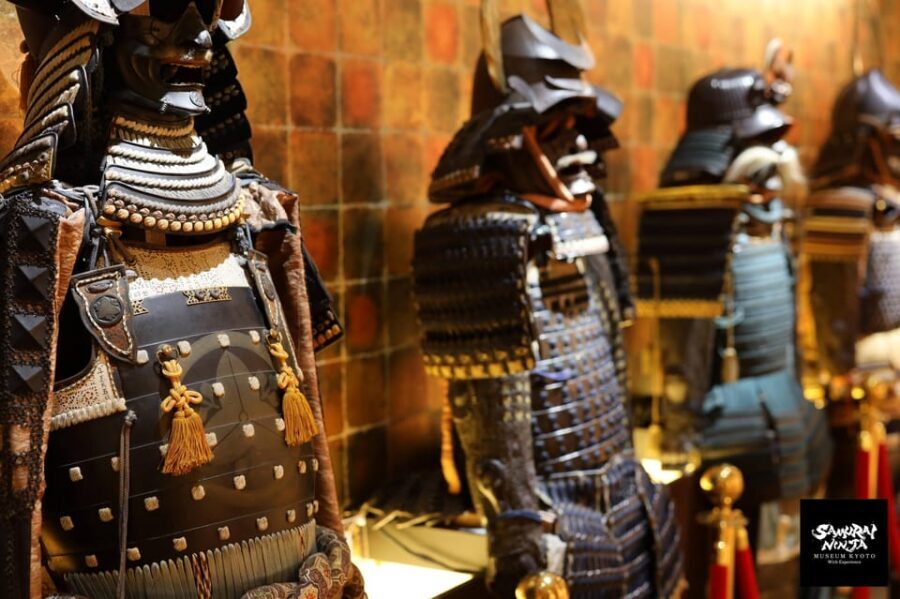
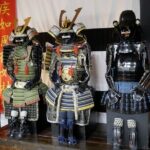
After the workshop portion, you switch gears to the museum tour. This is where you connect the physical skills you just practiced to the broader story of samurai and ninja culture.
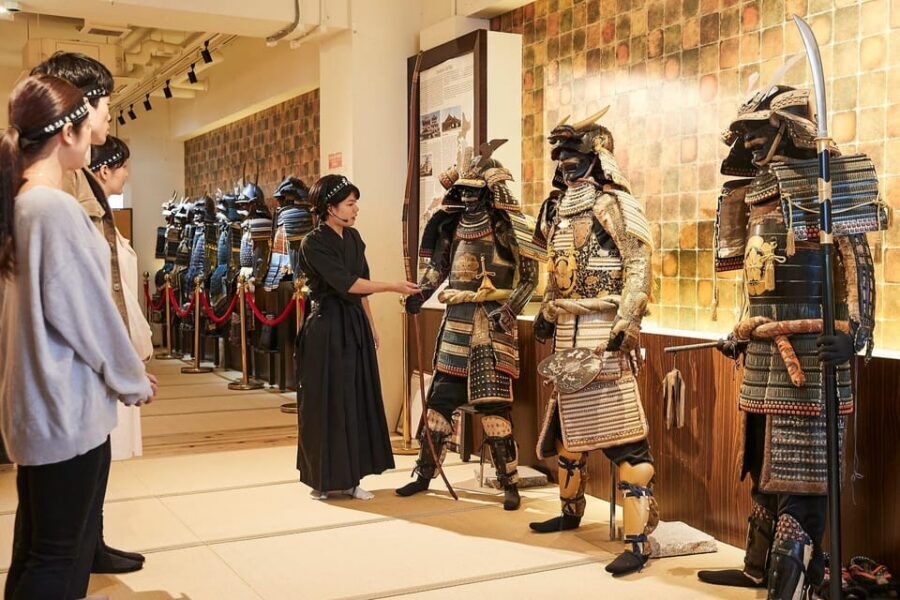
The museum guide experience matters here. You’ll see praise for guide energy and for explanations that are entertaining, not dry. Names that come up include Ren, Nao, Momo, and Leon. People specifically mention an engaging way of walking through samurai origins, major phases, and the transition to later periods, along with ninja-related context.
For you, the value of the museum tour is simple: it gives your sword practice a reason. Instead of thinking, I waved a sword and took photos, you’ll think, I understand how the warrior culture shaped weapon training, status, and storytelling in Japan.
Also, the museum isn’t portrayed as huge. Instead, people describe it as having a smaller collection of samurai antiques and displays. That can be a benefit, because a compact collection with good narration often beats a giant museum where you miss most of what matters.
Ninja Weapons Trial: Shuriken Throwing Without the Big Drama
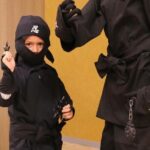
The tour includes a ninja weapons trial, and in practice that most often means shuriken (ninja star) throwing. This is the part that turns the training room into a game.
Why it works so well: throwing is quick to understand, fun to attempt, and it gives immediate feedback. You can see your progress without needing weeks of practice. It also fits different ages. Teens and adults who want something active tend to like it. Families with kids often love it because the competition element is built in.
One practical note: you’ll still be in a supervised environment. That keeps it safe and keeps the schedule moving. In other words, you get the fun without the chaos.
Photos in Samurai-Themed Backgrounds: The Part You’ll Be Glad You Did
You get themed photo opportunities, including samurai-themed backgrounds. This is more than a quick snap. The format is designed to let you get multiple photos, and it’s paced so you can enjoy the moment without blocking the rest of the group.
From the feedback, people are consistently happy with photo time because it creates something lasting after a short experience. In Tokyo, where you can easily spend the whole day hopping from one sight to another, this is a high-reward stop. You get a story you can point to later, not just another generic memory.
If you’re the type who hates staged photos, you might still enjoy this because it’s tied to the outfit and the role you just learned. You’re already dressed and moving correctly for the theme, so the photos feel more natural.
Price and Value: Is $63 Worth It?
At $63 per person for 2 hours, you’re paying for a bundle: instruction, costume use, museum tour, photo setups, and ninja weapon trial. That means you’re not just buying access to a museum. You’re buying a guided, hands-on workshop that would be hard to recreate on your own.
Here’s how I’d think about the value:
- If you want learning plus entertainment in a single stop, the price is fair. You don’t need extra tickets for the workshop components because they’re included.
- If your only goal is scenery or a quiet museum walk, you might feel the cost is higher than a standard museum entry.
- Because it’s short and group size is limited to up to 16 travelers, you usually get enough instructor time to feel like you participated. That’s a big part of why people rate it so highly.
The reviews also mention it as excellent value for money, and that makes sense when you consider the full package. You leave with photos, a routine you can remember, and museum context you can connect to what you just did.
Group Size, Accessibility, and Who This Suits Best
The experience caps at 16 travelers, and you can also book private or small groups. For a hands-on sword class, a smaller group matters. It helps the instructor manage safety cues and give feedback.
It’s also wheelchair accessible, which is important for many travelers who assume “combat training” means limited accommodations. If you or someone in your group uses a wheelchair, this format is worth considering.
Who it fits best:
- Families with kids who want something active and a little theatrical.
- Beginners who want instruction without intimidation.
- Teen and adult visitors who like hands-on culture and a short, satisfying challenge.
Who it might not fit as well:
- People who want deep, technical swordsmanship instruction.
- Travelers seeking a long, slow museum experience without performance elements.
- Very tall groups of adults who want extensive practice time; the schedule is built for a 2-hour format.
How to Get the Most Out of Your Workshop Day
You’ll enjoy this more if you go in with the right mindset. Think: participate, learn, laugh, and don’t worry about doing everything perfectly.
A few practical tips based on how these sessions typically run:
- Wear comfortable clothing you can move in, since you’ll be guided through stance and routine practice.
- When the instructor demonstrates, watch the footwork and timing. That’s where beginners catch up fast.
- If you’re with kids, pick a calm energy. The group pacing can be influenced by how many younger participants are present.
- Plan to spend a few extra minutes after the tour photos so you can review your shots and feel proud, not rushed.
Also, because the guides vary by option, look for the names you see in the experience: Sensei Ryo is a common highlight, and other praised instructors include Koki, Kenny, and Kai. The museum guides named in feedback—Ren, Nao, Momo, and Leon—are also part of what makes the storytelling click.
Should You Book Samurai Ninja Museum Asakusa?
If you want a Tokyo experience that mixes real instruction, costume dressing, a museum tour, and ninja weapon fun in just two hours, this is an easy yes. It’s especially strong for first-timers, families, and anyone who learns best by doing.
I’d say book it if:
- you like hands-on cultural activities,
- you want photos tied to an actual experience,
- you’re traveling with kids old enough for the venue rules (no entry under 6),
- you want an English-speaking guide.
I’d hesitate if:
- you want a long, in-depth sword training session,
- you dislike structured group pacing,
- you’re hoping the museum walk alone will be the main event.
If that sounds like your kind of day, this is one of the most fun ways to get warrior history and action into the same afternoon.
FAQ
How long is the Samurai Sword Lesson & Tour?
It runs for 2 hours.
What is the price per person?
The price is $63 per person.
What’s included in the experience?
You get a samurai sword lesson, use of hakama, use of a samurai helmet and armor, themed photo opportunities, and a ninja weapons trial.
Do I get to visit the museum, or is it only sword practice?
You also take a tour of the Samurai and Ninja Museum as part of the 2-hour experience.
What language is the guide?
The live tour guide speaks English.
Is there a child age limit?
Yes. Children under 6 cannot enter the samurai venue.
What is the maximum group size?
The experience has a maximum of 16 travelers.
Is it wheelchair accessible?
Yes, it is wheelchair accessible.
Where do I meet the group?
The meeting point may vary depending on the option booked.
Is free cancellation available?
Yes. You can cancel up to 24 hours in advance for a full refund.
More Tour Reviews in Tokyo






The Way of the Sword, Continued
Around Senso-ji: More Asakusa Picks


Fresh reviews from around Tokyo






Asakusa Tours, compared.
 ★ 4.8Japanese Dance Cabaret Theater Asakusa-Kaguwa TicketFrom $492,270 reviews
 ★ 4.7Meiji Shrine, Asakusa, Skytree Bus Tour and CruiseFrom $1221,986 reviews
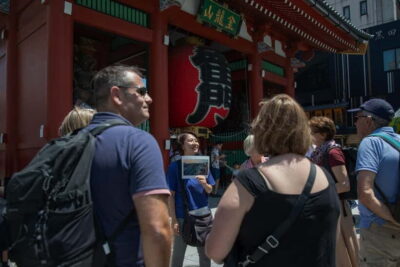 ★ 4.8Asakusa Walking Tour with Sensoji Temple VisitFrom $221,583 reviews
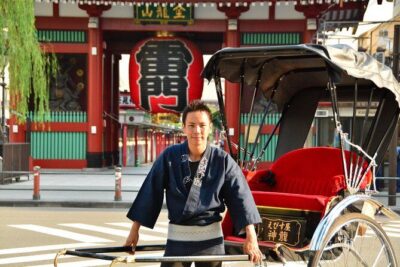 ★ 5.0Tokyo Asakusa Rickshaw TourFrom $421,375 reviews
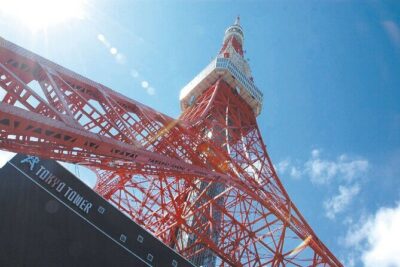 ★ 4.5Tokyo Panoramic 1 Day: Meiji Shrine, Asakusa, Odaiba and SKYTREE®From $851,222 reviews
Asakusa Sightseeing Tour by RickshawFrom $35195 reviews
Asakusa Kimono Dressing and Matcha ExperienceFrom $56173 reviews
Asakusa Temple & Shrine Walking Tour with Local GuideFrom $30105 reviews
★ 4.5Tokyo Panoramic 1 Day: Meiji Shrine, Asakusa, Odaiba and SKYTREE®From $851,222 reviews
Asakusa Sightseeing Tour by RickshawFrom $35195 reviews
Asakusa Kimono Dressing and Matcha ExperienceFrom $56173 reviews
Asakusa Temple & Shrine Walking Tour with Local GuideFrom $30105 reviews
Browse the lists this tour appears in