
Reviewed · COOKING CLASSES
Mochi and Nerikiri Wagashi Combination Cooking Class
Mochi gets personal in a home kitchen. This in-home Tokyo cooking class with ankotopia WAGASHI School is a calm break from the city, where you learn the history of mochi and shape seasonal nerikiri wagashi motifs by hand. One consideration: there are two short hair cats in the home and they stay in the bedroom during the lesson, so strong cat allergies should take note.
I really like that the class is beginner-friendly and hands-on. You’ll make three kinds of Japanese sweets (mochi-based snacks plus nerikiri wagashi) and then enjoy matcha tea with your host’s guidance.
You’ll also get tools and a takeaway plan, not just a demo. The dough is made and colored in advance, and you’ll have access to a tutorial video for the motif work, plus you can box everything up—or eat it then.
In This Review
- Key highlights you’ll feel right away
- A Private Wagashi Kitchen in Ota City (calm beats crowds)
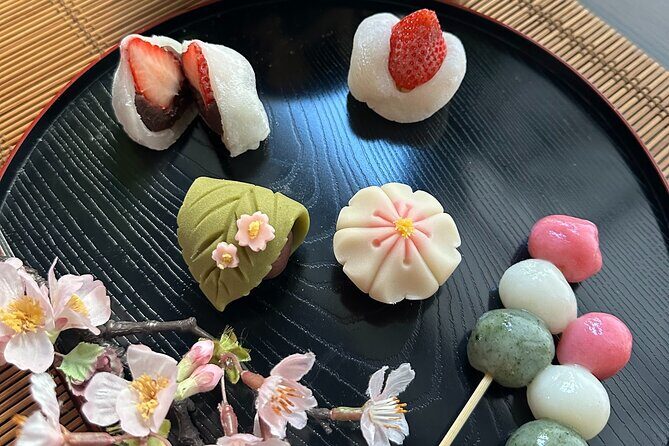
- What You’ll Make: Daifuku, Dango, and Two Nerikiri Wagashi Styles
- Mochi you make from glutinous rice flour
- Strawberry daifuku (with seasonal fruit substitutions)
- Dango on skewers
- Two kinds of nerikiri wagashi
- From Dough to Shape: How the Nerikiri Tutorial Really Helps
- Matcha Moment: Eat Now or Take It With You
- Value and Price: Is $85.66 a Smart Deal?
- Logistics That Matter: Meeting Point, Transport, and Your Timing
- Who Should Book This Mochi and Nerikiri Class
- If you should reconsider
- Book It or Pass: My decision guide
- FAQ
- FAQ
- How long is the Mochi and Nerikiri Wagashi cooking class?
- Is this class private?
- What sweets will I make during the class?
- What happens if strawberries are out of season?
- Do I get to eat the sweets during the class?
- Can I take the desserts home?
- Will I make matcha, or just drink it?
- Are the ingredients vegetarian-friendly?
- What is included in the price?
- Is there anything to know about allergies or pets?
Key highlights you’ll feel right away
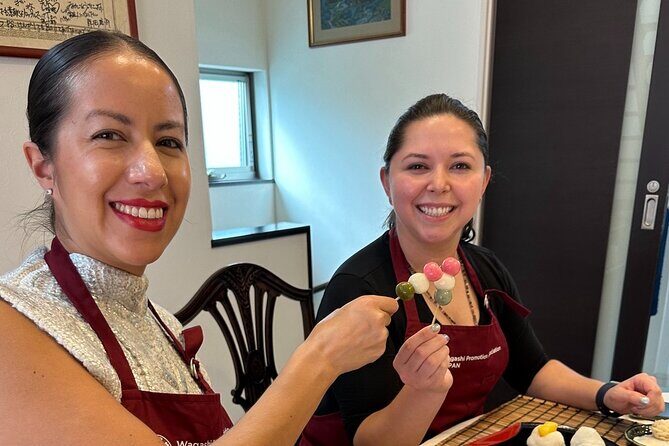
- Private, in-home instruction in Ota City, about 15 minutes from the city (so it’s quieter than a studio class)
- Hands-on mochi and wagashi practice: glutinous rice flour mochi, strawberry (or seasonal fruit) daifuku, and dango skewers
- Nerikiri wagashi with seasonal motifs using pre-colored dough and a tutorial video for shaping
- Matcha you make with guidance, plus a choice to eat on the spot or take your sweets home in a special box
- Plant-based ingredients designed to be suitable for vegetarians
- Satoko-san adds extra care for photos and plating, so your finished sweets look good
More aprons-on time in Tokyo kitchens
- Ramen & Gyoza Cooking Class in Tokyo with Local Supermarket Visit★ 5.0 · 823 reviews
- Tokyo: Easy Ramen Cooking Experience in Kabukicho, Shinjuku★ 4.6 · 321 reviews
- Ramen and Sushi Cooking Class with Sake Pairing Set in Tokyo★ 5.0 · 291 reviews
A Private Wagashi Kitchen in Ota City (calm beats crowds)
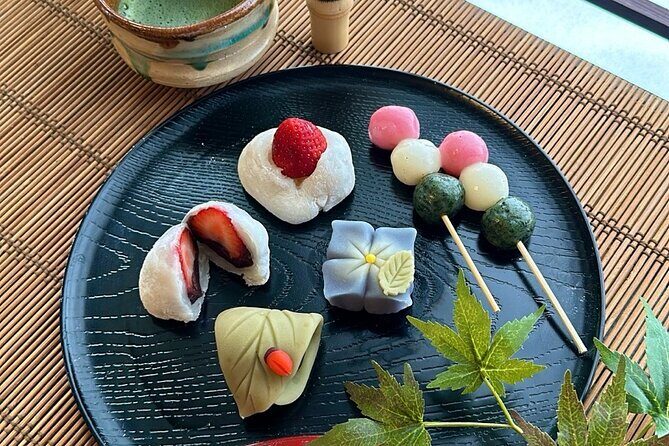
Tokyo cooking classes can run the gamut from big, loud kitchens to quiet, local setups. This one goes for quiet. Instead of squeezing into a storefront space, you meet in a local home in Ota City and do the lesson there. The effect is instant: your attention stays on what you’re making, not on getting oriented in a busy workshop.
It also helps that the class is structured for you to do real work, not just watch. You learn how mochi is prepared and how people eat it in different ways, then you move into making your own sweets step by step. The host, Satoko-san, keeps the tone patient and supportive, which matters a lot when you’re working with dough that’s sticky and temperature-sensitive.
One small but important practical note: cats live in the home. There are two short hair cats, and they stay in the bedroom during the lesson. If you react strongly to cats, don’t gamble—choose another experience.
What You’ll Make: Daifuku, Dango, and Two Nerikiri Wagashi Styles
This class centers on mochi and wagashi, but it’s not just one recipe. You’ll produce several items, and that variety is part of the value.
Mochi you make from glutinous rice flour
You learn the basics of mochi using glutinous rice flour. This is the foundation for several outcomes in the lesson, so even if you only plan to eat sweets, you’re still learning a technique with “repeatable” power back home. Mochi texture is all about handling and timing, and this class focuses on getting you comfortable enough to shape with confidence.
Strawberry daifuku (with seasonal fruit substitutions)
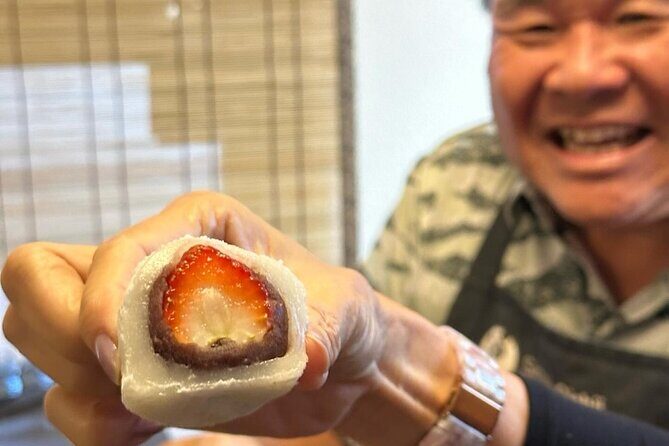
You’ll make strawberry daifuku. If strawberries aren’t in season, the class swaps in pineapple or kiwi. That’s a great detail for two reasons: you won’t feel stuck if the calendar doesn’t match your expectations, and you’ll learn that Japanese sweets often adapt to what’s available and at its best.
More things to make with your own hands



Dango on skewers
You’ll also make dango, with mochi balls shaped and served on skewers. Dango is one of those foods that seems simple, but it’s a perfect practice for portioning and shaping evenly. If you’ve ever eaten dango and wondered how the texture stays chewy instead of gummy, this is where you learn the handle.
Two kinds of nerikiri wagashi
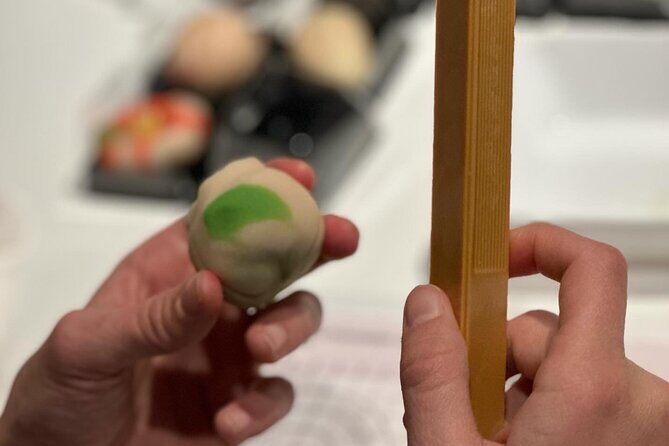
Nerikiri wagashi is where this class gets really interesting. You’ll make two different nerikiri sweets, each built around a seasonal motif. The dough is made and colored in advance, and you’ll follow a tutorial video for the shaping details.
That setup is smart for beginners. You still do the hand-shaping and finishing, but you aren’t starting from scratch with coloring, which is often the hardest part for home cooks. Plus, it means the sweets you make match the season you’re visiting.
From Dough to Shape: How the Nerikiri Tutorial Really Helps
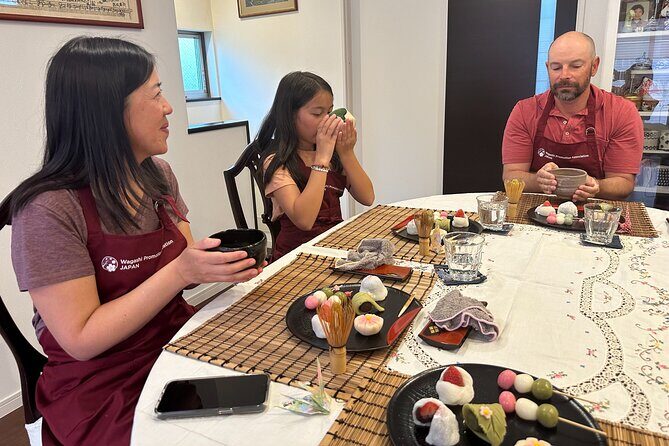
Nerikiri wagashi looks like craft art, but you don’t need to be an artist to learn it. The key is the workflow: dough prep happens ahead, and you focus on shaping, motif, and finishing.
You’ll access a tutorial video for the motif work, and that’s a practical advantage. When you’re standing at a counter, focused on sticky dough, it’s tough to remember every micro-step. Having the visual guide means you can re-check technique later and make better sweets after your trip.
Also, you’ll learn how to shape the dough into a seasonal motif. Motifs change by season, so your class won’t feel like a generic, always-the-same workshop. And because you’re working with pre-colored dough, you can concentrate on the form and details that make nerikiri recognizable.
One more plus: Satoko-san’s approach is hands-on and patient. The lesson isn’t just about producing a pretty result—it’s about getting your hands and timing to cooperate with the dough.
Matcha Moment: Eat Now or Take It With You
Cooking classes are fun, but desserts are the part you really care about. Here, you get a clear finish.
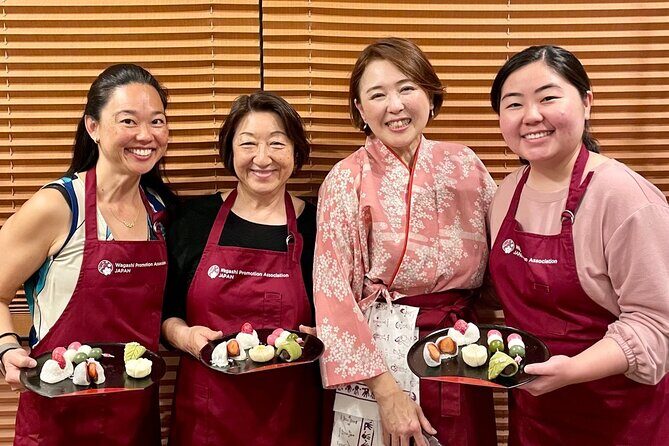
After shaping and assembling, you’ll taste your creations with matcha green tea. You don’t just drink it as a beverage on the side—you’ll make the matcha with guidance. That turns the end of the lesson into a real ritual, not a token sip.
And if you’d rather save room for the rest of Tokyo (or share), you can take your sweets in a special box. This is helpful for two common situations:
- You want photos and presentation without rushing to eat everything immediately.
- You’re heading back to your hotel and want your sweets to survive the commute.
Either way, you end with the satisfaction of having made food you can actually eat, not just admire.
Value and Price: Is $85.66 a Smart Deal?
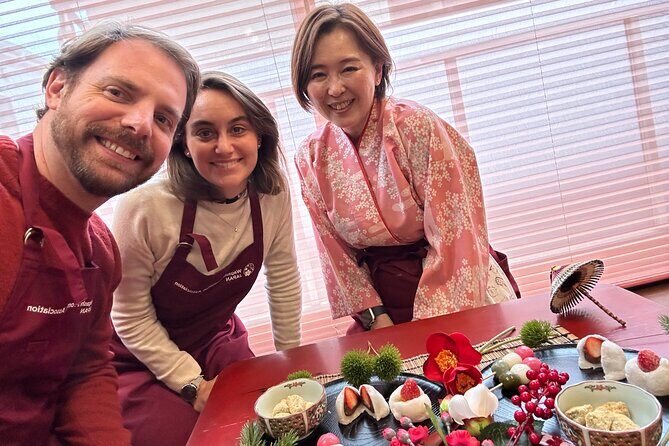
At $85.66 per person for roughly 2 hours 30 minutes, the value depends on what you want from the experience.
Here’s the practical way to judge it:
- You’re paying for private, in-home instruction. That’s more expensive than a group demo in a commercial kitchen, but it’s also the part that makes the lesson feel personal.
- You get training in multiple items: mochi basics, daifuku, dango, and two nerikiri styles.
- You receive useful inclusions, like an apron and hand towel (free rental), special tools for wagashi making, and a takeaway box. You also get drinking water and a Japanese gift as a souvenir.
So you’re not just paying for ingredients. You’re paying for time, technique, and the kind of guidance that helps you repeat results later. The class also uses plant-based ingredients and is designed to be suitable for vegetarians, which can be an added plus if you’re choosing Tokyo activities around dietary needs.
If you’re planning ahead, it’s also worth noting that the class is commonly booked about 51 days in advance on average. If you have firm dates, don’t wait for last-minute convenience.
Logistics That Matter: Meeting Point, Transport, and Your Timing
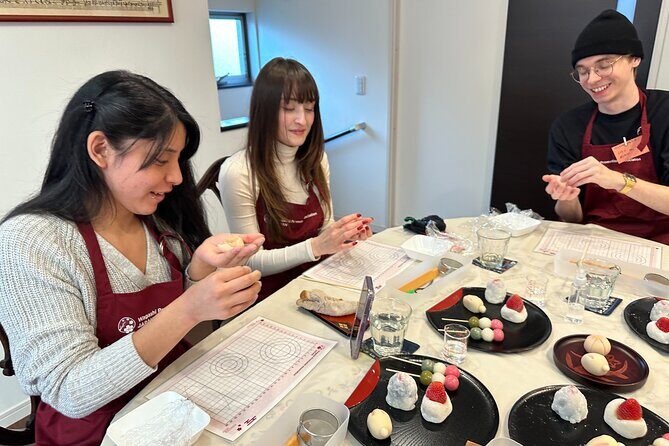
You’ll meet at 20-15 Kitaminemachi, Ota City, Tokyo 145-0073, Japan and the activity ends back there. The meeting area is listed as being near public transportation, which is a relief because private transportation isn’t included.
What this means for you: plan to arrive early enough to feel relaxed. In a home setting, there’s less tolerance for chaos than in a large tour building. If you tend to race through transit connections, give yourself a buffer.
The class is about 2 hours 30 minutes, which is a comfortable length for a dessert-focused lesson. It won’t eat a full day, but it’s long enough for real technique practice and a proper tea moment.
Also, you’ll use a mobile ticket, and you’ll get confirmation at booking. That part is easy, and it helps reduce back-and-forth.
Who Should Book This Mochi and Nerikiri Class
This is the right fit if you want:
- A hands-on Japanese sweets class, even as a beginner
- A smaller, calmer setting than the typical activity crowd
- Real skills: mochi basics plus shaping and finishing nerikiri motifs
- A take-home plan (special box) and a matcha tea pairing
It’s also a good match for vegetarians, since the class notes that ingredients are plant-based.
If you should reconsider
- If you have a strong cat allergy, because two short hair cats live in the home and remain in the bedroom during the lesson.
- If you dislike sticky dough work or expect mostly a watching-and-photographing experience, this class is still hands-on and expects participation.
Book It or Pass: My decision guide
I’d book this when you want a practical Tokyo food memory—something you can recreate. The combination of mochi technique, multiple sweets (daifuku and dango), plus the two nerikiri wagashi motifs makes it more than a one-note dessert tour.
I’d pass if you’re mainly looking for a high-energy sightseeing day. This is quiet, home-based, and focused. It’s not about hopping between landmarks. It’s about learning the craft.
And if you’re choosing between options, remember this: the lesson provides the tools, includes matcha time, gives you a takeaway box, and includes a tutorial video for motif shaping. That mix is what turns it from a souvenir photo into an actual skill.
FAQ
FAQ
How long is the Mochi and Nerikiri Wagashi cooking class?
It’s approximately 2 hours 30 minutes.
Is this class private?
Yes. Only your group participates.
What sweets will I make during the class?
You’ll make three different types of mochi and wagashi sweets, including strawberry daifuku (with seasonal fruit substitutions), dango, and two kinds of nerikiri wagashi.
What happens if strawberries are out of season?
The class uses pineapple or kiwi instead of strawberries for the daifuku.
Do I get to eat the sweets during the class?
Yes. After the lesson, you can taste what you made with matcha.
Can I take the desserts home?
Yes. You’ll receive a special box for takeaway.
Will I make matcha, or just drink it?
You’ll enjoy matcha with your host, and you make the matcha along with guidance.
Are the ingredients vegetarian-friendly?
The class states the recipes use plant-based products and are appropriate for vegetarians.
What is included in the price?
Included items include an apron, hand towel, special tools for wagashi making, a special box for takeaway, and drinking water.
Is there anything to know about allergies or pets?
There are two short hair cats in the home, and they stay in the bedroom during the lesson. It’s not recommended for people with strong cat allergies.
Make Something to Take Home

Learn Another Dish: Tokyo Cooking Classes


More Tour Reviews in Tokyo






Fresh reviews from around Tokyo






Cooking Classes, compared.
 ★ 5.0Ramen & Gyoza Cooking Class in Tokyo with Local Supermarket VisitFrom $122823 reviews
 ★ 4.6Easy Ramen Cooking Experience in Kabukicho, ShinjukuFrom $29321 reviews
 ★ 5.0Ramen and Sushi Cooking Class with Sake Pairing Set in TokyoFrom $79291 reviews
 ★ 4.9Wagyu and 7 Japanese Dishes Cooking ClassFrom $67273 reviews
 ★ 5.0Tokyo Washoku 4-hour Cooking Class: From Market to TableFrom $79253 reviews
 ★ 5.0Small-Group Wagyu Beef and 7 Japanese Dishes Tokyo Cooking ClassFrom $72190 reviews
 ★ 5.0Private Home Cooking in Yanaka – Local Flavors in a Warm SettingFrom $122173 reviews
 ★ 5.0Tokyo Sushi Making Experience & Japanese Cooking ClassFrom $59150 reviews
Browse the lists this tour appears in