
Reviewed · MT FUJI DAY TRIPS
Mount Fuji Private Tour With English Speaking Driver
Mt Fuji day trips live or die by the details. This private tour is built for an easier pace, with hotel pickup and an English-speaking guide who can steer you through the day without the Tokyo commuter stress. You’ll hit major spots around the Fuji Five Lakes area—places you’d work hard to connect by train and bus.
I like that the itinerary isn’t one long blur. You get set time blocks at each stop (think 40-minute hangs at the lakeside and shrines), plus photo help when you want it. And guides like Ali Ahmed and Hazma Ali have been praised for staying on track while still giving people space to explore.
One caution: Mount Fuji access depends on weather and seasonal conditions. The 5th Station can be tricky—sometimes you can’t reach it by car during hiking season, and you may need a shuttle (with a listed 2100¥ per person cost). Also, admission and lunch aren’t uniform across stops, so plan your budget before you go.
In This Review
- Key things that make this tour work well
- Why private Mount Fuji feels calmer than trains
- Price and value: $400 for up to 6 people
- The guide makes a difference (and it shows)
- The full itinerary, stop by stop
- Mt Fuji 5th Station: car access, weather limits, and the shuttle option
- Chureito Pagoda: the Fuji photo everyone recognizes
- Lake Kawaguchiko + Oishi Park: two ways to frame Fuji
- Oshino Hakkai: ponds, old water, and a slower feel
- Kitaguchi Hongu Fuji Sengen Jinja Shrine: a main shrine with depth
- Saiko Iyashi no Sato Nemba: old houses and local crafts
- Shiraito Falls: a wide curtain of water
- Getting the timing right: what to pack and how to handle clouds
- Lunch, admission, and the money details you should know
- Who should book this private Mount Fuji tour?
- Should you book it? My decision checklist
- FAQ
- Is pickup from Tokyo included?
- How long is the tour?
- What’s the group size for this private tour?
- Do I need tickets or admission fees for each stop?
- What happens if the tour can’t reach Mt Fuji 5th Station by car?
- Is lunch included?
- Is there a cancellation option if my plans change?
Key things that make this tour work well
- Private group (up to 6): quieter, faster decision-making, and less waiting than group tours.
- English-speaking guide + photo assistance: you’re not just driven; you’re explained.
- A smart Fuji route: lakes, shrines, a historic village, and waterfalls in one full day.
- Car access where possible: you avoid the public-transport juggling around the Five Lakes area.
- Flexible pacing at each stop: time to walk, look, and breathe instead of rush mode.
- Weather awareness: guides have been noted for adapting when clouds or rain show up.
Other routes to the mountain, compared
- Mt Fuji & Hakone Cruise, Drum Show Bullet Train 1 Day from Tokyo★ 4.0 · 7,413 reviews
- Tokyo Mt Fuji 5th St & Hakone Cruise Bus Tour w/Bullet Train★ 4.4 · 5,024 reviews
- From Tokyo: Mount Fuji Full-Day Sightseeing Trip★ 4.5 · 4,970 reviews
Why private Mount Fuji feels calmer than trains
Tokyo to Mount Fuji is doable on public transport—but it’s not always fun. Timetables don’t care about weather, and buses can be crowded when everyone wants the same view at the same time. With a private vehicle, you sidestep a lot of that friction.
On this 10-hour plan, the day is structured with multiple scenic and cultural stops, but you’re not trapped in the tight rhythm of a bus full of strangers. The car ride itself helps you reset: you can sit back, and your guide can use the drive time to set expectations—what you’ll see, where to stand for photos, and what might change if the weather is gray.
And because the tour is for just your party, you can move at a pace that fits your group. Want a slightly longer look at the shrine? You can usually ask. Prefer fewer steps and shorter walks? The guide can often steer you toward the closest access points—one praised detail from past days was minimizing walking by dropping people at the nearest spots.
Price and value: $400 for up to 6 people
At $400 per group (up to 6), this isn’t a “cheap” day trip. But it can be good value when you do the math for your group.
Here’s the practical way to think about it:
- If you’re traveling as a couple, you’ll feel the cost more.
- If you’re traveling as a small group (4–6 people), you’re essentially splitting the cost of a private car, fuel, and highway tolls.
- You also get an English-speaking guide for the whole day, plus hotel pickup, which often costs extra if you try to piece it together yourself.
The included items matter for value too: air-conditioned vehicle, private transportation, highway tolls and gas, and an English-speaking guide. Add in the fact that you’re not paying for time lost to transfers, and the day becomes less about logistics and more about seeing Fuji-related sights the way you actually want to see them.
The guide makes a difference (and it shows)
This tour is explicitly English-speaking, and the quality of that communication can make the day feel smooth or frustrating. The reviews attached to this experience highlight two big patterns: guides who are friendly and well-spoken, and guides who actively help with the flow of the itinerary.
A few guide names came up—Ali Ahmed, Sarfraz/Sarfaraz, Hazma Ali, Sarky, and Manjeet—and the standout moments weren’t just about driving. The best days sounded like this:
- The guide was on time and clear from the start.
- They had enough knowledge to explain what you were looking at.
- They helped with photo framing at major stops.
- They handled timing so you didn’t feel rushed.
There was also one mixed note: one driver on a separate day was less talkative and communication was harder, especially during the long drive in and out. The takeaway for you: if you care a lot about conversation and deep storytelling, it’s worth choosing a day/time that gives you comfortable daylight and arriving with clear expectations for what you want to focus on (photos, history, or just efficient sightseeing).
The full itinerary, stop by stop
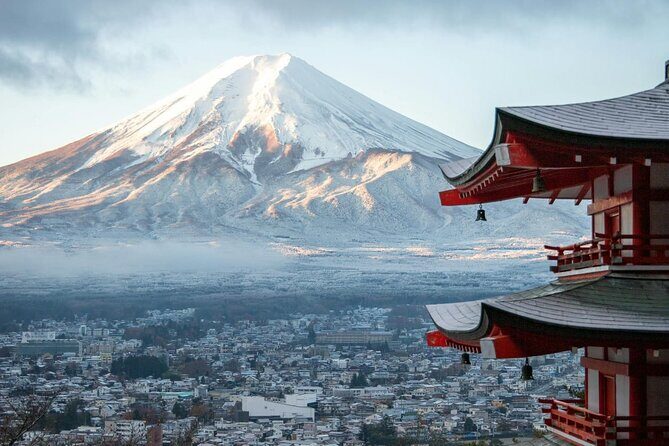
This route is a classic Fuji hits tour, but what makes it feel “worth it” is the mix: viewpoints, water, shrines, and a preserved village—so the day doesn’t become repetitive skyline gazing.
Expect roughly 40 minutes at most stops and about 1 hour at Mount Fuji 5th Station (though the exact time can shift based on access and conditions).
More door-to-door days with your own driver

Mt Fuji 5th Station: car access, weather limits, and the shuttle option
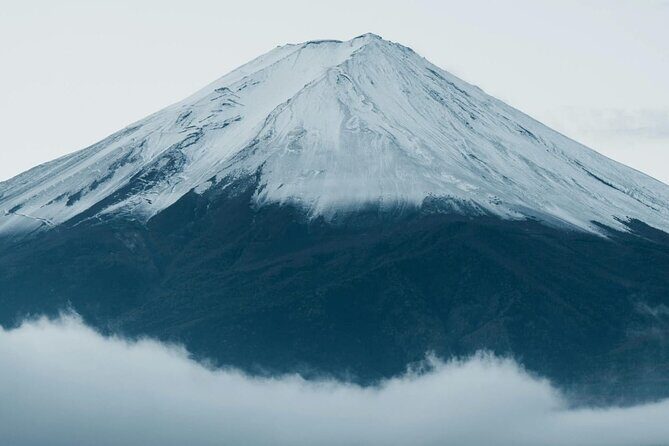
Mount Fuji 5th Station is the closest you can get by car. It’s often the best “I’m actually on the mountain” feeling you can get without hiking. That said, you have to accept the reality of weather in Japan—and this stop comes with an important heads-up: during hiking season, the tour may not be able to go all the way to the station by car. If that happens, you’ll need a shuttle bus and the listed cost is 2100¥ per person.
Also, weather can shut down access. The tour notes that the timing and possibility of reaching the station depend on conditions. So I’d plan for two realities:
- If the weather is clear, this is the big visual payoff.
- If it’s foggy or rainy, you still get a meaningful location, but views may be limited.
Practical tip: wear shoes you can handle on uneven surfaces, even if you aren’t hiking. And bring a light layer. “Mount Fuji weather” can change fast.
Chureito Pagoda: the Fuji photo everyone recognizes
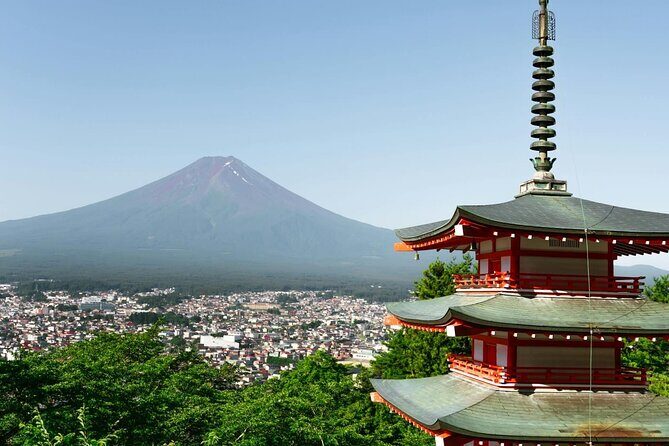
Next comes Chureito Pagoda, located within the Arakura Sengen Shrine area in Fujiyoshida City. This stop is about one thing: the iconic composition of a five-storied pagoda with Mount Fuji in the background.
You’ll get about 40 minutes here, which is enough time to:
- find a photo angle,
- walk the shrine approach,
- and still avoid turning it into a sprint.
This is a stop where timing matters. Early can be calmer; later can be busy. With a private setup, you’re not stuck in the same wave as a whole bus load, which helps your experience feel less frantic.
Lake Kawaguchiko + Oishi Park: two ways to frame Fuji
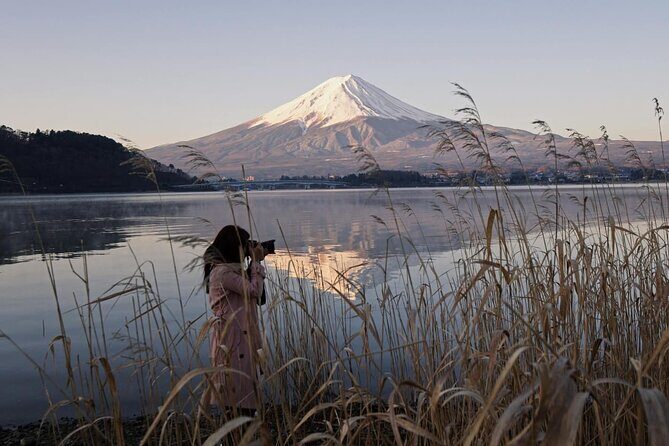
You’ll then head to Lake Kawaguchiko for a short scenic break—listed at 40 minutes. The lake area is good for quiet views and seafood-focused casual dining nearby (though lunch isn’t included, so you’ll make your own meal plan).
After that, you go to Oishi Park, another about 40 minutes, famous for its viewpoints over Lake Kawaguchiko and seasonal flowers. In summer, lavender fields are specifically called out, which is a reason to love this stop beyond just “standing and looking.”
What I like about this pairing is that it gives you two different angles on the same big idea. Lake Kawaguchiko is about water and reflections. Oishi Park is about sightlines and elevated framing for photos.
Oshino Hakkai: ponds, old water, and a slower feel
Oshino Hakkai is a set of eight ponds in the Fuji Five Lakes region. It’s a popular area, but the experience tends to feel more walk-and-look than “one photo and done.” You’ll have about 40 minutes.
This stop is valuable because it adds a different kind of Fuji connection. Instead of focusing only on the mountain silhouette, you’re seeing how water from the region supports this landscape of springs and ponds.
Practical note: the ponds are in a compact area, so comfortable shoes help. Also, if the weather is dramatic, this is the kind of stop where you can still enjoy the vibe even when the view isn’t perfect.
Kitaguchi Hongu Fuji Sengen Jinja Shrine: a main shrine with depth
Then it’s onward to Kitaguchi Hongu Fuji Sengen Jinja Shrine (also known as the Fujiyoshida Sengen Shrine). The tour lists it as the main Sengen Shrine on the north side of Mount Fuji, with an establishment date noted as CE 100.
About 40 minutes here lets you slow down a bit. Shrines aren’t just decoration; they’re part of the way people historically approached Mount Fuji—reverence plus daily life.
If you’re the kind of traveler who likes understanding what you’re looking at, this is a great “rest stop with meaning.”
Saiko Iyashi no Sato Nemba: old houses and local crafts
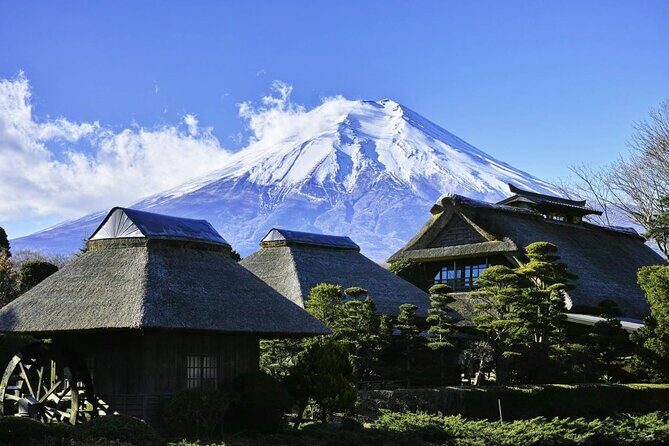
Next is Saiko Iyashi no Sato Nemba, described as a preserved village with old Japanese houses (thatched roofs are specifically mentioned). There are removed craft elements and space where you can meet local artists, plus optional rental kimonos and samurai armors.
This stop adds texture to the day. You’re not just looking at nature; you’re getting a glimpse at how people lived in the past around this region.
If you want photos, this is often easier than the “everyone under the same postcard view” spots. And if you want to dress up, the listed rentals can turn it into a memorable moment—just remember you’re still on a schedule, so factor in any change time.
Shiraito Falls: a wide curtain of water
Finally, you visit Shiraito Falls, famous for a curtain-like fall spread across roughly 150 meters wide. It’s about 40 minutes and includes the option for a simple lunch break in the area (though again, lunch isn’t included).
This stop works well as a finale before heading back to Tokyo. Falls can also be a great “weather insurance” viewpoint. Even when Fuji is hidden, water still performs.
Getting the timing right: what to pack and how to handle clouds
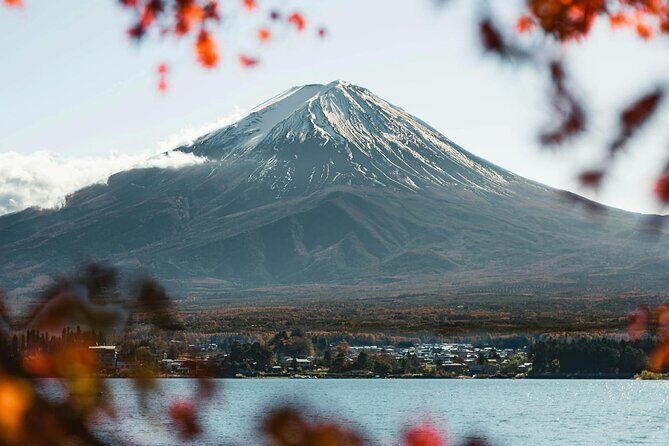
This kind of day trip has one enemy: expectation mismatch. If you show up thinking you’ll always see a perfect Mount Fuji silhouette, you can get disappointed when clouds move in. The good news is that this tour gives you multiple ways to enjoy the day even if the mountain is shy.
I’d pack:
- A light rain layer (the day can shift fast).
- A warm layer for higher elevation if you get to 5th Station.
- Comfortable walking shoes.
- Your camera/phone plus a small power bank.
And here’s a smart mindset: treat each stop as its own experience. Chureito Pagoda has its own story even without a sharp Fuji outline. Oshino Hakkai and the village create enjoyment that doesn’t rely on one mountain photo.
Also, pay attention to communication from your guide. There are mentions in the guide pattern of people being told about weather ahead of time, which can genuinely help you plan what to wear and how to manage your photos.
Lunch, admission, and the money details you should know
Two things are clear in the tour info:
- Lunch is not included.
- Admission and entry costs vary by stop.
Mount Fuji 5th Station is specifically called out as admission not included. During hiking season when car access is limited, a shuttle bus cost of 2100¥ per person may apply.
Other stops show as free (like Chureito Pagoda, Oishi Park, Oshino Hakkai, and several shrines/village stops are listed as free in the itinerary). Lake Kawaguchiko is listed with admission not included as well.
So how should you budget? Plan for:
- Personal lunch expenses.
- Any shuttle or station-related costs if 5th Station access requires it.
- Optional expenses if you want kimonos or samurai armor at Saiko Iyashi no Sato Nemba.
This is also where having a private guide helps. If you want help finding a good, low-stress meal spot nearby each stop, you can ask.
Who should book this private Mount Fuji tour?
This is a great fit if:
- You want hotel pickup and a driver-guide to handle the logistics.
- You’re traveling in a small group of up to 6 and want a calmer pace than bus tours.
- You care about photos and appreciate photo assistance at key stops.
- You want a mix of nature + culture (lakes, shrines, preserved village, and waterfalls).
It may be less ideal if:
- You only care about climbing the mountain and getting to viewpoints at any cost. This itinerary is car-access focused, and 5th Station can be limited by weather and seasonal rules.
- You’re extremely budget sensitive, because private transport for a full day isn’t the cheapest way to reach Fuji.
Should you book it? My decision checklist
Book this tour if you want a stress-light full day and you’d rather spend your energy on scenery, shrines, and photos than figuring out buses. The private format for up to 6 people is where the value really clicks.
Don’t book if you’re the kind of traveler who loves building your own route and you’re comfortable managing transfers, timing, and weather changes on public transport. In that case, you might find cheaper options, but you’ll trade away the calm convenience.
If you’re trying to get the best possible Mount Fuji day inside one workday, this itinerary does a smart job of covering the area with stops that each have their own payoff—even when the mountain decides to hide behind clouds.
FAQ
Is pickup from Tokyo included?
Yes. The tour offers pickup service, and it’s designed around leaving from your hotel area in Tokyo.
How long is the tour?
The duration is listed as 10 hours (approx.).
What’s the group size for this private tour?
It’s private, and the group size is up to 6 people.
Do I need tickets or admission fees for each stop?
Admission varies by stop. For example, Mt Fuji 5th Station admission is not included in the tour details, and Lake Kawaguchiko admission is not included. Some other stops are listed as free.
What happens if the tour can’t reach Mt Fuji 5th Station by car?
The tour notes that during hiking season you may not be able to reach 5th Station by car. In that case, you’ll need a shuttle bus, with the listed cost 2100¥ per person.
Is lunch included?
No. Lunch is not included.
Is there a cancellation option if my plans change?
Yes. There is free cancellation up to 24 hours in advance for a full refund. If you cancel less than 24 hours before the start time, the amount paid is not refunded.
More Tour Reviews in Tokyo






Your Own Wheels: More Private Driver Days
The Fuji Shortlist: Other Days Out to the Mountain

Fresh reviews from around Tokyo






Mt Fuji Day Trips, compared.
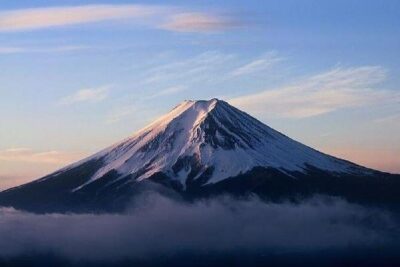 ★ 4.0Mt Fuji & Hakone Cruise, Drum Show Bullet Train 1 Day from TokyoFrom $1497,413 reviews
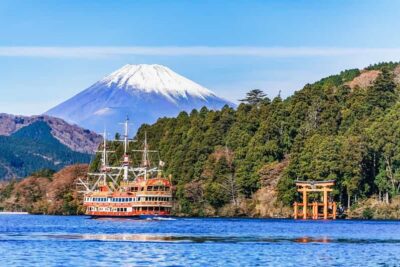 ★ 4.4Tokyo Mt Fuji 5th St & Hakone Cruise Bus Tour w/Bullet TrainFrom $1545,024 reviews
 ★ 4.5From Tokyo: Mount Fuji Full-Day Sightseeing TripFrom $684,970 reviews
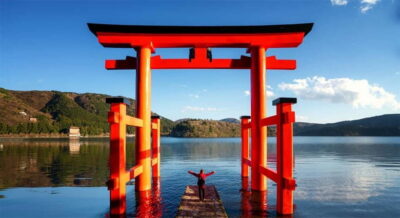 ★ 4.7Mt. Fuji Tour, Hakone Ropeway, Owakudani, Lake AshiFrom $544,002 reviews
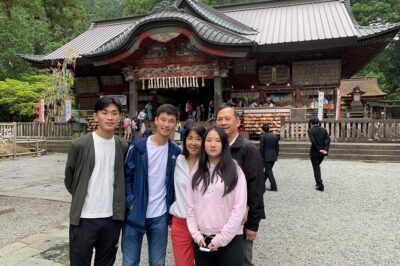 ★ 5.0Private Tour to Mt. Fuji and Hakone (Fully Licenced Operator)From $4971,910 reviews
 ★ 4.9Mount Fuji Full-Day Private Tour from Tokyo (Customizable)From $3931,470 reviews
 ★ 4.0Mt Fuji & Hakone Cruise, Drum Show Bus 1 Day from TokyoFrom $1221,287 reviews
 ★ 4.2From Tokyo: Mt. Fuji & Hakone Tour w/ Return by Bullet TrainFrom $1171,278 reviews
Browse the lists this tour appears in