
Reviewed · MT FUJI DAY TRIPS
Mt. Fuji and Lake Kawaguchi Day Trip with Private Car
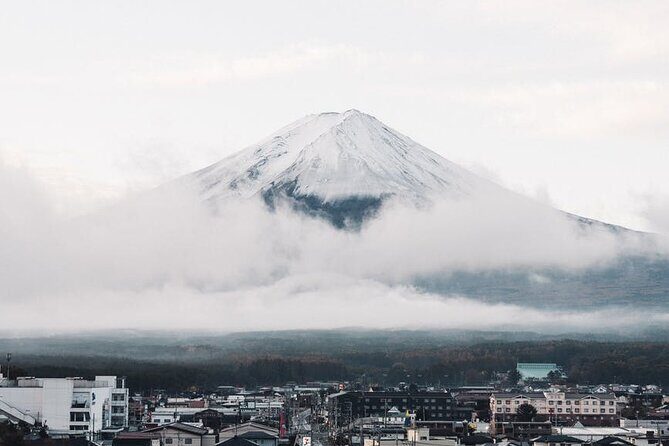
Fuji days feel like a dream.
This private Mt. Fuji and Lake Kawaguchi outing is built for one big reason: you get the views without the transit stress. Hotel-style pickup and drop-off mean you’re not hunting meeting points, and you can ask for photo stops along the way when the mountain shows itself.
I especially like the way the day stacks viewpoints in a smart order, from classic pagoda scenes to shrine steps in the forest. You also get a private vehicle with bottled water, which matters when you’re doing a lot in one 10-hour window.
One thing to plan for: this is a packed day. If weather isn’t great or timing gets tight, you may not see every option, and not all attractions include admission—so factor in extra tickets (including the 5th Station fee if you choose it).
In This Review
- Key things you’ll care about
- Private Car Pickup Makes Fuji Feel Less Like a Project
- Chureito Pagoda and Arakura Sengen Shrine: Fuji’s Classic Framing
- Oshino Hakkai: Spring-Water Views Without the Crowds of a Summit
- Saiko Iyashi no Sato Nenba: A Reconstructed Village Break
- Aokigahara Lava Tubes: Narusawa Ice Cave and Fugaku Wind Cave
- Lake Kawaguchi Views and the Ropeway Decision
- Mt. Fuji 5th Station Optional Stop: High Views With Extra Fees
- Price and Logistics: What $528.41 Gets You (and What It Doesn’t)
- Timing, Weather, and the Rushed-Day Risk
- Should You Book This Mt. Fuji and Lake Kawaguchi Private Car Day Trip?
- FAQ
- How long is the Mt. Fuji and Lake Kawaguchi day trip?
- What’s the price for this private tour?
- Do you get hotel pickup and drop-off?
- Is the vehicle air-conditioned?
- Is bottled water included?
- Do I need to buy admission tickets at each stop?
- Is Mt. Fuji 5th Station included?
- Is the Mt. Fuji ropeway included?
- What if the weather is poor?
- Can I cancel for free?
Key things you’ll care about
- Hotel pickup and drop-off so the day starts and ends without station navigation headaches
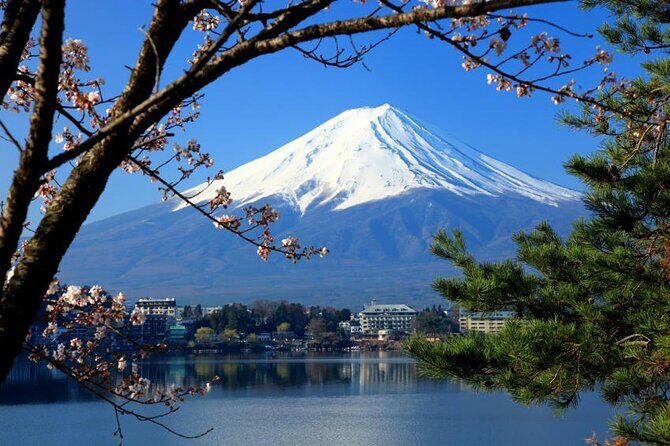
- Multiple Fuji viewpoints in one outing, including a famous pagoda and shrine stair climb
- Off-the-beaten-path stops like lava-tube caves near Aokigahara
- You control what to prioritize with a private-vehicle setup (skip what doesn’t interest you)
- Long lines and closing times are real at peak moments, especially for ropeway and higher stations
Other routes to the mountain, compared
- Mt Fuji & Hakone Cruise, Drum Show Bullet Train 1 Day from Tokyo★ 4.0 · 7,413 reviews
- Tokyo Mt Fuji 5th St & Hakone Cruise Bus Tour w/Bullet Train★ 4.4 · 5,024 reviews
- From Tokyo: Mount Fuji Full-Day Sightseeing Trip★ 4.5 · 4,970 reviews
Private Car Pickup Makes Fuji Feel Less Like a Project
Tokyo to Mt. Fuji can be a planning headache if you rely on trains and buses. Schedules don’t care if you want better light for photos, and station changes can eat up time fast. This tour fixes that with private round-trip transfers in an air-conditioned vehicle, plus bottled water and a mobile ticket.
Why that’s valuable: you can treat the day like a sightseeing rhythm instead of a logistics exam. The route also gives your guide room to pause when you see a good moment—because in Japan, Fuji can be shy. Reviews praise guides such as Muneeb, Newton, Z, and Salman for making the ride feel organized and adjustable, not just a drive with stops.
Chureito Pagoda and Arakura Sengen Shrine: Fuji’s Classic Framing
This is where many people’s Fuji story begins. You’ll spend time at Chureito Pagoda, famous for its five-tiered structure and a spot where you can look for Mount Fuji on clear days. The area is also known for seasonal cherry blossoms near the steps, so even if your first Fuji sighting isn’t perfect, you’re still in a photogenic zone.
Next up is Arakura Fuji Sengen Shrine. The shrine sits along a stairway in a dense-feeling forest setting, and the viewpoint at the top helps you frame Fuji with the shrine elements. The shrine is tied to Mt. Fuji faith traditions and is described as a starting point for climbers seeking the summit.
Practical note: these are short stops (about 20–30 minutes each), which is great for keeping momentum. It also means you’ll want a quick game plan—take your main shots early, then enjoy the walk without overthinking it.
Oshino Hakkai: Spring-Water Views Without the Crowds of a Summit
If you want something that feels distinctly “Fuji region,” make sure you don’t rush Oshino Hakkai. This area is known for spring water connected to Mt. Fuji, and it has that calm village feel where you can slow down for a bit.
You get about 30 minutes here, and admission is listed as free. That combo—free entry plus a strong sense of place—is one reason this stop works well even on days when visibility isn’t dramatic.
If you’re the type who likes short walks and detail watching (water features, small streets, people doing casual sightseeing), you’ll enjoy the pace. If you only care about the biggest Fuji silhouettes, you might feel tempted to move faster. Either way, this is a good reset between shrine steps and the more “ticketed” caves ahead.
Saiko Iyashi no Sato Nenba: A Reconstructed Village Break
Next is Saiko Iyashi no Sato Nenba, a reconstructed Japanese village where you can explore buildings and browse local goods. There’s also traditional clothing rental mentioned, but it’s not included—so think of this as optional fun rather than a must-do.
This stop is about 30 minutes. For me, this is the kind of place that helps break up the “Fuji scenery marathon.” It gives you something cultural and hands-on: walking, looking, and taking photos that don’t only rely on Fuji being visible.
The downside: because you’re packing a lot into the day, you may feel tempted to speed through. If you want time for photos and shopping, you’ll benefit from choosing either “good enough shots” or “let’s really browse,” and then committing to that plan.
More private options with your own guide

Aokigahara Lava Tubes: Narusawa Ice Cave and Fugaku Wind Cave
Here’s where the day gets interesting in a different way. You’ll visit Narusawa Ice Cave and Fugaku Wind Cave—both lava-tube features in the Aokigahara forest area.
Each stop is brief (about 15 minutes). That’s actually a plus if you’re trying to keep the day moving and still hit the highlights. It’s also a reminder that these are ticketed attractions, listed as not included, so you’ll want to budget for admissions.
Why I like these stops: they don’t compete with Fuji’s weather-dependent visibility. Even if the mountain is partially hidden, these caves still offer something you can’t see in most places—natural geology with a very “only-in-this-region” feel.
Lake Kawaguchi Views and the Ropeway Decision
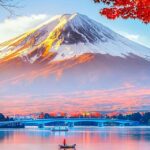
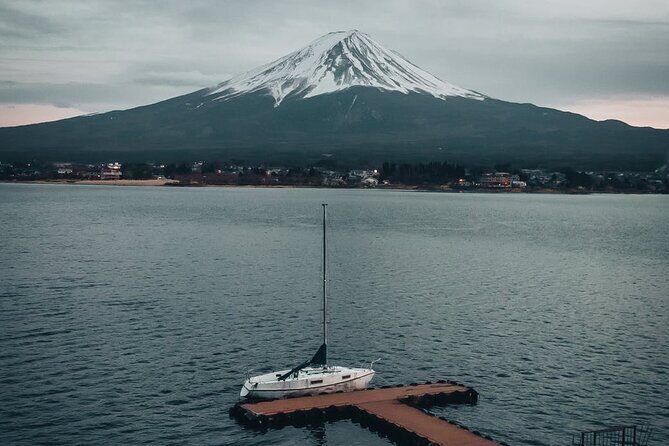
Now you get the payoff for the day’s title: Fujikawaguchiko-machi, where you’ll have time by Lake Kawaguchi and enjoy views of Mount Fuji through the wider Fuji Five Lakes area. This part includes about one hour, and admission there is listed as free.
The day also mentions activity options that may depend on schedule, like a cruise or paddle boats. Then comes the optional upgrade: Mt. Fuji Panoramic Ropeway near Kawaguchi Lake.
This ropeway stop can be worth it, and the reviews back that up. One person called it their favorite part, and another said the vantage point photos were amazing even with the wait. But you should take the wait seriously: one review described roughly a 90-minute line time, and another planned around it by skipping the ropeway and instead doing a motorboat option.
Extra useful tip from the ropeway experience: one reviewer said there’s a swing ride near the area and you’ll need a ticket bought in a nearby shop. They reported the swing ticket cost around 500 yen per adult and mentioned there’s not great signage. If you’re tempted by it, plan to walk to the ticket spot before committing to the swing line.
Mt. Fuji 5th Station Optional Stop: High Views With Extra Fees
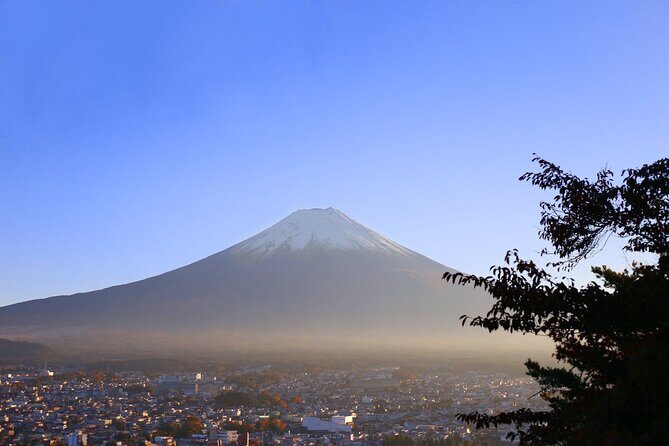
The most iconic summit-adjacent moment on this trip is the optional Mt. Fuji 5th Station. It’s described as the most popular starting point of the Yoshida Trail, around 2300 meters, and you’ll find shops, restaurants, and shrines there.
Timing-wise, it’s about 30 minutes. Money-wise, the listing says the 5th Station fee is not included (JPY 2,100).
A realistic consideration: higher stations and access can be sensitive to conditions and timing. Some experiences reported that arriving late meant certain stops were closed. So if 5th Station is your top priority, it’s smart to communicate that early to your guide so the day’s order supports your goal.
Also, remember this is an “optional” stop. If your main goal is broad Fuji views plus lakes and caves, you can choose not to add it and keep the day calmer.
Price and Logistics: What $528.41 Gets You (and What It Doesn’t)
This tour costs $528.41 per group (up to 4) and runs about 10 hours. On paper, that price can look steep if you’re comparing it to taking trains. But the value is in three things you’re effectively paying for:
1) Private transport so you don’t lose your day to train changes and platform confusion
2) Door-to-door pickup and drop-off, meaning less wasted time
3) A route that hits multiple key areas, which is hard to pull off smoothly on your own in one day
What’s included: air-conditioned vehicle, private transportation, and bottled water. You also get a mobile ticket.
What’s not included: admission fees overall, and specifically the 5th Station fee if you choose it. Some major stops are free to enter (Chureito Pagoda, Arakura Fuji Sengen Shrine, Oshino Hakkai), while others are listed as not included (Saiko Iyashi no Sato Nenba, the lava caves, the ropeway, and the 5th Station fee).
So your true cost depends on what you treat as “must-see.” I’d think of this as paying for the driver and timing. Then you pay attraction tickets separately based on your interests.
Timing, Weather, and the Rushed-Day Risk
Fuji days are weather days. This experience is marked as requiring good weather, and if it’s canceled due to poor weather, you should expect an alternate date or a refund.
When weather is good, you’ll get those classic views people travel for. When weather is rough, even a perfect route can feel less satisfying because Fuji itself can vanish or fade behind clouds. One reviewer gave a clear takeaway: the scenery was nice, but bad weather cut overall value.
Timing is the other wildcard. Multiple comments point to tight schedules and the reality that with a 10-hour structure, it can be hard to do everything if you hit traffic or if you arrive after certain sites stop operating. A few people also described having to choose between stops, or feeling rushed after a late pickup.
My practical advice: before you go, decide your top three. Then tell your guide what you care about most. Guides such as Maz, Newton, and Z are praised for adapting and giving options, but your best results come from being clear from the start.
Small “make your day smoother” tips based on the feedback:
- Carry some cash in yen for small extras, since one review mentioned needing cash for add-ons
- If you care about comfort, consider requesting a non-smoking driver, because one reviewer mentioned cigarette smell in the vehicle
- Treat optional stops as true options, not guarantees—especially ropeway and higher stations
Should You Book This Mt. Fuji and Lake Kawaguchi Private Car Day Trip?
Book it if you want Fuji with less hassle. This is a smart fit for families, couples, and small groups of up to four who’d rather pay for private transport and spend their energy on photos, walks, and views. The itinerary offers a good mix: iconic shrine-and-pagoda scenes, a spring-water village, village culture, two lava-tube caves, and then Lake Kawaguchi with the ropeway as a bonus.
Skip or adjust it if you’re sensitive to tight timing. If you hate rushing, plan your priorities early and be okay with the idea that some optional items might not happen depending on weather, visibility, and line length. Also, if you’re traveling on peak days, the ropeway (and anything time-dependent) can mean waiting.
If you’d like, tell me your travel month and whether 5th Station and the ropeway are must-dos. I can suggest a priority plan so you get the best odds of seeing exactly what you came for.
FAQ
How long is the Mt. Fuji and Lake Kawaguchi day trip?
It runs for about 10 hours.
What’s the price for this private tour?
It’s priced at $528.41 per group for up to 4 people.
Do you get hotel pickup and drop-off?
Yes. The tour offers pickup and drop-off, so you do not need to find a meeting point.
Is the vehicle air-conditioned?
Yes, the vehicle is air-conditioned.
Is bottled water included?
Yes, bottled water is included.
Do I need to buy admission tickets at each stop?
Admission fees are excluded overall. Some stops have free admission, but ticketed attractions like the caves, the village rental option, the ropeway, and Mt. Fuji 5th Station involve extra costs.
Is Mt. Fuji 5th Station included?
It’s optional. The listing notes the 5th Station fee (JPY 2,100) is excluded.
Is the Mt. Fuji ropeway included?
No. The Mt. Fuji Panoramic Ropeway is listed as not included.
What if the weather is poor?
This experience requires good weather. If it’s canceled due to poor weather, you’ll be offered a different date or a full refund.
Can I cancel for free?
Yes. You can cancel up to 24 hours in advance for a full refund. If you cancel less than 24 hours before, the amount paid won’t be refunded.
Just Your Group: Private Options
More Tour Reviews in Tokyo






The Fuji Shortlist: Other Days Out to the Mountain

Fresh reviews from around Tokyo






Mt Fuji Day Trips, compared.
 ★ 4.0Mt Fuji & Hakone Cruise, Drum Show Bullet Train 1 Day from TokyoFrom $1497,413 reviews
 ★ 4.4Tokyo Mt Fuji 5th St & Hakone Cruise Bus Tour w/Bullet TrainFrom $1545,024 reviews
 ★ 4.5From Tokyo: Mount Fuji Full-Day Sightseeing TripFrom $684,970 reviews
 ★ 4.7Mt. Fuji Tour, Hakone Ropeway, Owakudani, Lake AshiFrom $544,002 reviews
 ★ 5.0Private Tour to Mt. Fuji and Hakone (Fully Licenced Operator)From $4971,910 reviews
 ★ 4.9Mount Fuji Full-Day Private Tour from Tokyo (Customizable)From $3931,470 reviews
 ★ 4.0Mt Fuji & Hakone Cruise, Drum Show Bus 1 Day from TokyoFrom $1221,287 reviews
 ★ 4.2From Tokyo: Mt. Fuji & Hakone Tour w/ Return by Bullet TrainFrom $1171,278 reviews
Browse the lists this tour appears in