
Reviewed · TOKYO
Nagano: World’s Edge Tateyama Kurobe Alpine Route Tour
Snow and views on one timed day.
The Tateyama Kurobe Alpine Route is one of Japan’s most famous seasonal rides: you go up to the 2,450m Murodo Plateau using buses, ropeways, and trolley buses. I love that each visit feels different, because the route runs in spring, summer, and autumn, then closes in winter. One thing to plan for: the day can feel a bit transfer-heavy, and the route admission is paid on-site.
What makes this version worth your time is the private setup. I like the private English-speaking guide who manages tickets, transfers, and timing, so you’re not figuring out which vehicle goes where. I also like the personal touch with a dedicated camera—your best moments get captured and delivered as photo gifts after the tour.
The main drawback to consider is cost math. The tour price covers the guide and transfers, but the Alpine Route admission is extra (for adults it’s 12,300 yen on-site), so you’ll want to budget for both.
In This Review
- Key points to know before you go
- Why the Tateyama Kurobe Alpine Route feels like a whole country in one line
- The private-guide advantage: you’re buying calm, not just transportation
- Pickup around Nagano and Matsumoto: convenient starts beat clever starts
- Ascending to Murodo Plateau: buses, ropeways, trolley buses, and constant payoff
- Kurobe Dam (1.5 hours): where the route breaks into something walkable
- Murodo Plateau (2 hours guided + 2 hours free): the best kind of time mix
- Snow walls, cool alpine air, and autumn leaves: pick your season like you mean it
- Photo memories with a dedicated camera: worth it when you know you’ll be busy
- Food up top and walking options: how to match the day to your energy
- Price and what you’re really paying: $220 plus on-site admission
- Who should book this Nagano Alpine Route tour
- Quick decision checklist: should you book?
- FAQ
- FAQ
- How long is the Nagano: World’s Edge Tateyama Kurobe Alpine Route Tour?
- Where can you be picked up?
- What is the highest point you reach?
- Is the Tateyama Kurobe Alpine Route admission included?
- How much is the on-site admission?
- What stops are included during the day?
- What transport types are used to go up?
- What’s included in the tour price besides the guide?
- Does the tour offer free cancellation?
- What languages are the guides?
Key points to know before you go
- Private guide + managed transfers: you spend time looking up, not looking at a map.
- Up to 2,450m: a full ascent using buses, ropeways, and trolley buses.
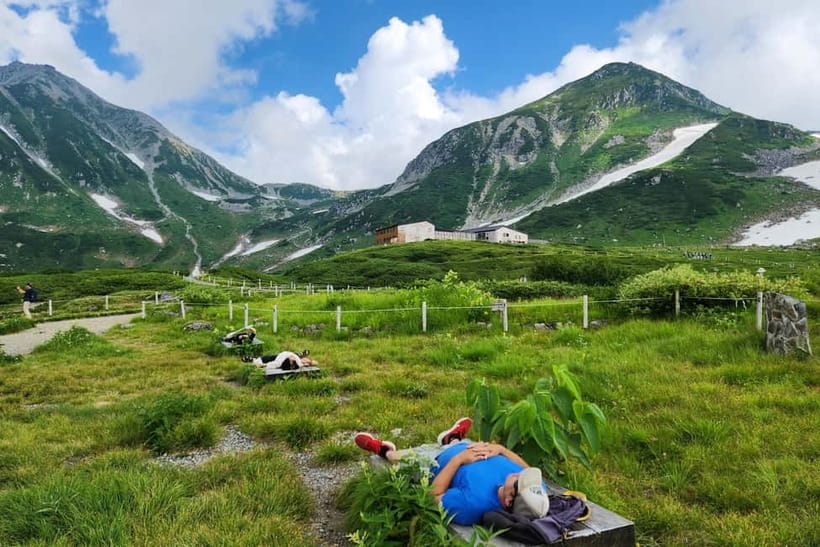
- Season payoff: snow walls in April–June, cool alpine air in July–August, autumn colors in Sep–Oct.
- Kurobe Dam and Murodo Plateau: guided time where it matters, plus room to walk.
- Photo memories included: a dedicated camera captures your day, then you get the photos later.
- Pickup options around Nagano: from Nagano city to Hakuba, Matsumoto, and nearby areas.
Before you commit, see how this one stacks up against a few Tokyo favourites:
- Mt Fuji and Hakone 1-Day Bus Tour Return by Bullet Train★ 5.0 · 26,383 reviews
- 1-Day Tokyo Bus Tour★ 5.0 · 14,250 reviews
- Tokyo: teamLab Planets TOKYO Digital Art Museum Entry Ticket★ 4.6 · 9,779 reviews
Why the Tateyama Kurobe Alpine Route feels like a whole country in one line
If you like travel that changes with the calendar, this route delivers. The Tateyama Kurobe Alpine Route is often called the Roof of Japan for a reason: you’re moving through steep terrain via different transport types, and your scenery keeps switching as you rise.
You’ll start the day on the low side, then work your way up toward the Murodo Plateau (2,450m). Along the way, the route is built to be taken in stages: buses, ropeways, and trolley buses. That matters because it turns a difficult ascent into a guided sequence you can actually enjoy instead of a self-guided logistics puzzle.
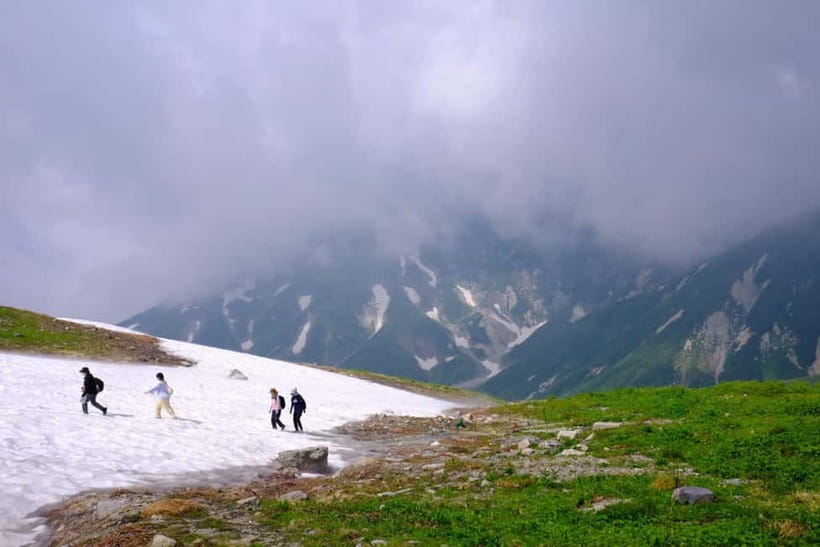
The best part is the seasonal contrast. In April–June, you can see towering 20-meter snow walls in the Snow Corridor. In July–August, it’s all about cool alpine air. In September–October, the focus shifts to autumn leaves. And because the route is closed in winter, every open-season trip feels like a time window you should not ignore.
The private-guide advantage: you’re buying calm, not just transportation
Doing the Alpine Route on your own can be done, but it’s not “easy.” You’re dealing with multiple vehicle segments and exact timing. This is where a private guide earns its keep.
On this tour, the guide handles the moving pieces: tickets, transfers, and the time management that keeps the day from turning into a sprint. I love that the guide doesn’t just translate language—they also reduce stress. You’re free to focus on views, photos, and where you want to walk.
It also helps that the company runs with private groups. That means you’re not stuck waiting behind the pace of a big crowd. One guide you may get is Chris, who has lived in Japan for 15 years, and he’s known for sharing small, real details (school system, old homes, family life) that make the day feel more than just scenery. Another guide you might meet is Ryujiro, who is described as kind, helpful, and smooth at keeping the schedule moving while still letting you choose how far to walk.
Pickup around Nagano and Matsumoto: convenient starts beat clever starts
This tour is designed so you don’t lose energy early. You have multiple pickup options, including Nagano, Hakuba, Togakushi, Matsumoto, Obuse, Kamiminochi District, and Azumino. If you’d rather avoid the scramble of figuring out a meeting point or timing public transit, that flexibility is a big win.
The day also ends cleanly. You return back at Nagano (your pickup location is one thing, but the return is clearly part of the plan). If you’re staying in Nagano or Matsumoto, the hotel pickup/drop-off is part of the included service, and the tour uses a private vehicle for the round trip to/from Ogizawa Station.
Why this matters: the Alpine Route is only one day, and it’s easy to waste that day on access. Here, access is handled for you.
Ascending to Murodo Plateau: buses, ropeways, trolley buses, and constant payoff
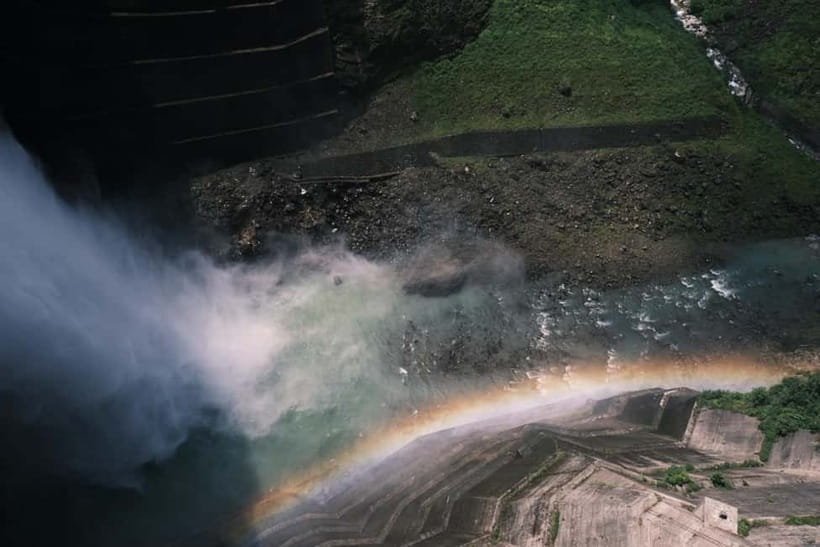
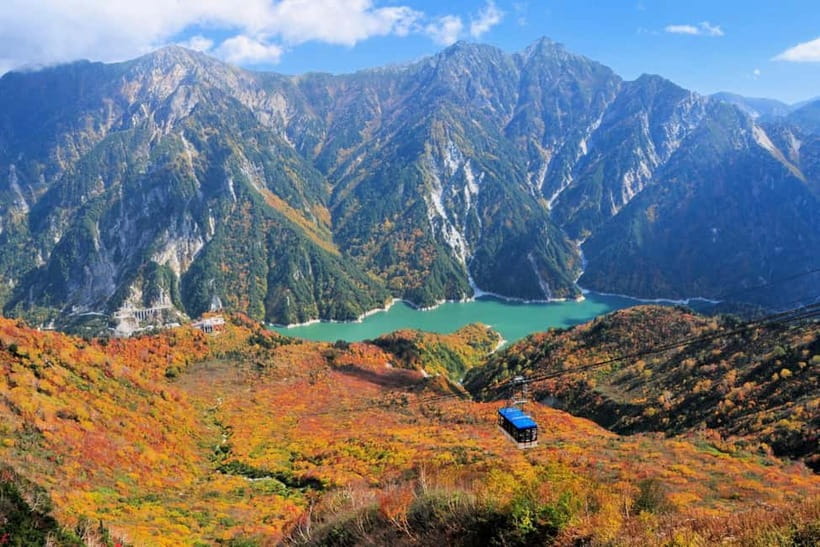
The core experience is the climb itself. You’ll ascend by electric buses, ropeways, and trolley buses up to the 2,450m Murodo Plateau. That combination is part of the charm. Each vehicle segment changes how you see the terrain.
The route isn’t just “transport to a destination.” As you move higher, your surroundings evolve fast. Even if you’re not the type to stop for every photo, the progression keeps your attention. There’s also a practical benefit: the route is structured, so you’re not forced to figure out what’s next in the middle of a busy day.
A private guide also makes it easier to handle those moments when you want to slow down—like stopping for pictures and videos. In this tour format, the guide is used to keeping things moving while still giving you time to capture your day.





Kurobe Dam (1.5 hours): where the route breaks into something walkable
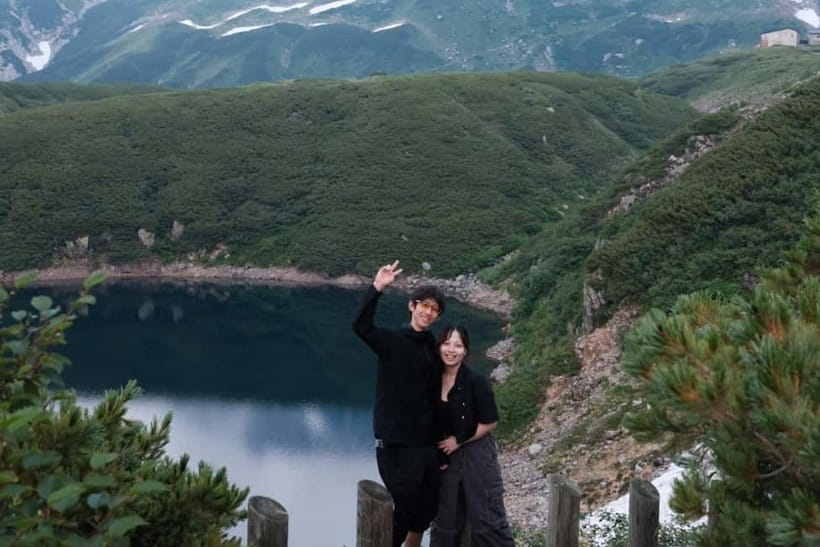
Kurobe Dam is a guided stop on the way up, with about 1.5 hours set aside. I like this part because it’s a pause from the vehicle rhythm. It gives your body a change of pace and gives your eyes something different than “just higher mountains.”
There’s also a walk element. On at least one tour, the group walked across Kurobe Dam along the way. That kind of short, built-in walking time can make a day feel more grounded and less like a moving postcard.
The guided approach matters here too. You’re getting context while you’re moving through the dam area, so it feels like a place, not a stop sign.
Murodo Plateau (2 hours guided + 2 hours free): the best kind of time mix
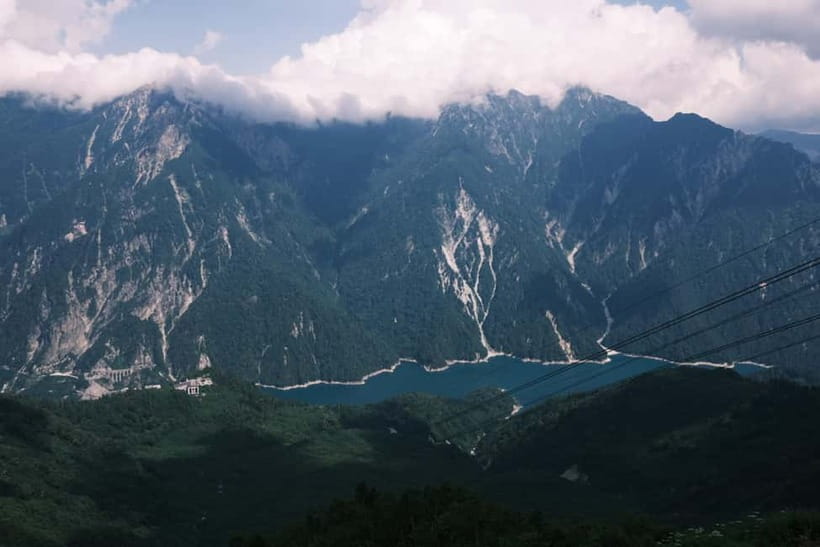
When you reach Murodo, you’re at the high point of the day. Here’s the structure:
- about 2 hours guided at Murodo
- then about 2 hours free time to wander
That split is smart. The guided portion helps you get oriented at altitude—what to see, what paths make sense, and where the views land. Then the free portion lets you adjust. Some people want a long stroll; others want a shorter walk and more sitting.
On one trip, a guest chose to walk for around 2 hours at the top. That kind of flexible time is exactly what you want on a route where weather and your comfort level can change how far you feel like going.
You also have options at the top for food. There’s a restaurant at the higher end, and it’s the kind of meal that hits differently after you’ve earned it by going up. Packed lunches and snacks also come into play—there are plenty of opportunities to stop and sit along the way.
Snow walls, cool alpine air, and autumn leaves: pick your season like you mean it
This is not a one-season route. The day is built around the fact that the Alpine Route is a different show in different months.
April–June: snow walls
This is when you can see enormous 20-meter snow walls. If you love dramatic, almost movie-like geography, this is your target time. The Snow Corridor vibe is the main draw, and it’s worth planning your trip so you’re there when those walls are active.
July–August: cool alpine air
In midsummer, the appeal shifts. Instead of snow drama, you get cool alpine breezes. If the rest of Japan feels like an oven that month, this is the “cool off” alternative that still feels special.
September–October: autumn colors
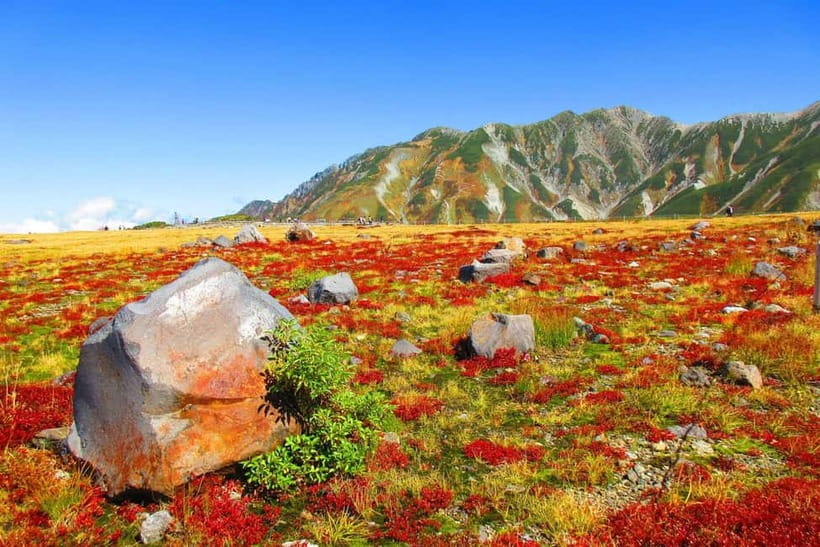
If you’re traveling in fall, you’re aiming at autumn leaves. The views during this window are the reason people keep coming back to this specific route rather than swapping in another scenic rail day.
Also remember the blunt reality: the route closes in winter. So this tour is a seasonal plan, not an anytime promise.
Photo memories with a dedicated camera: worth it when you know you’ll be busy
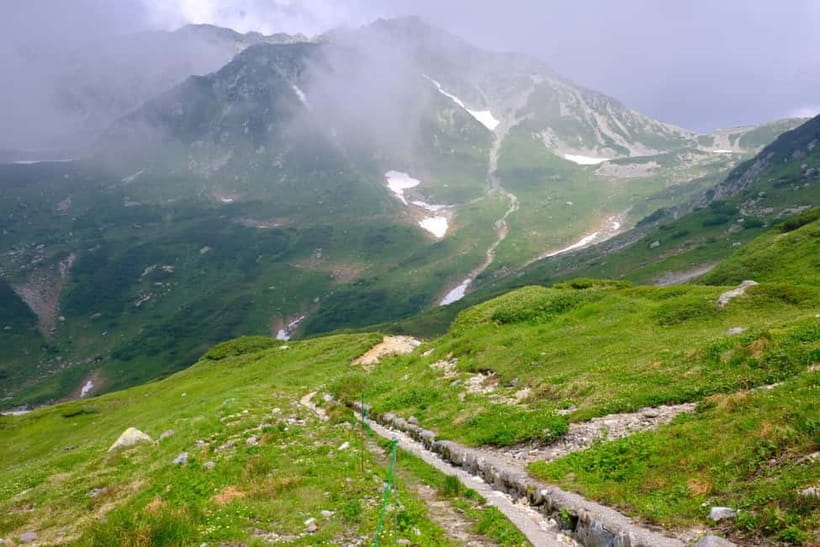
A lot of scenic days fail on the photo front. You’re moving between vehicles. Your hands are cold. Your view changes fast. Your friend keeps forgetting to switch from video to photo.
This tour has a different approach: there’s a dedicated camera that captures your moments and then delivers them as photo gifts after the tour. I like this because it solves the most common problem on routes like this: you end up too busy experiencing the day to document it.
Guides also actively help with shots. On private days, there’s time for stopping and composing. You’re not just getting a few accidental snaps—you’re getting a full set of memories from someone who knows how to catch the timing.
Food up top and walking options: how to match the day to your energy
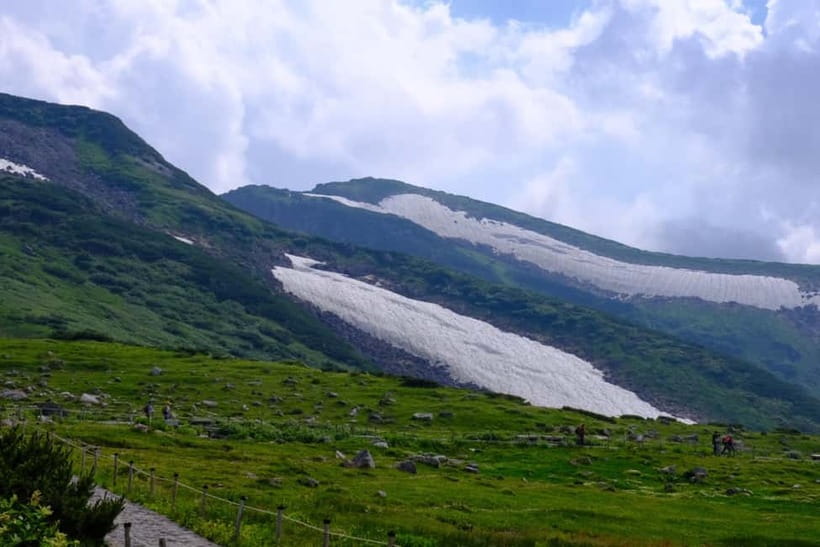
The day includes time where you can sit and eat. That’s not just comfort. It’s strategy. On a high route, small breaks make the difference between enjoying the scenery and feeling drained.
At the top, there’s a restaurant if you want a more substantial meal. There’s also time for snacks and packed lunch setups, with plenty of spots to stop and enjoy.
Walking is also flexible. If you want to hike a little more, the guide can help you get to an extra area for walking. That matters because the route isn’t only about “what you see from one spot.” It’s about how much you’re willing to move while you’re already in the mountains.
Price and what you’re really paying: $220 plus on-site admission
The headline price is $220 per person for a 12-hour day. That covers the human help and the logistics muscle: private English-speaking guide, private vehicle transport to/from Ogizawa Station, help with transfers between mountain transport segments, and pickup/drop-off around Nagano or Matsumoto.
The Alpine Route admission is separate. Adult admission (12+) is 12,300 yen, child (6–11) is 6,150 yen, and children under 6 are free when seated on an accompanying adult’s lap.
So is it worth it? For me, yes if you value:
- stress-free routing on a multi-transfer route
- a guide who can keep you on schedule without rushing your walking
- photo capture that you wouldn’t reliably do yourself
If your priority is budget-only, you could likely DIY it. But if your goal is to experience the route without the mental load, you’re paying for that “white-glove” day structure.
Who should book this Nagano Alpine Route tour
This one fits best if you:
- want to reach Murodo Plateau without worrying about transfers
- prefer a private day over crowd pacing
- care about having photos taken for you
- like seasonal scenery enough to plan around the route being open only in certain months
It also works well as a couples or small-group day because private time lets you decide how long to walk during the free window.
I’d skip it if:
- you’re comfortable building your own route plan end to end
- you’re trying to keep the day strictly to the lowest possible total cost
- you want zero structure and total spontaneity all day long
Quick decision checklist: should you book?
Book it if you’re excited by the idea of snow walls, cool alpine summer air, or fall color, and you’d rather spend your energy on sightseeing than timing buses and ropeways. The private guide plus photo help is the value story here.
Don’t book it if you already know how to handle the multi-segment route on your own and you don’t care about having the day photographed for you.
FAQ
FAQ
How long is the Nagano: World’s Edge Tateyama Kurobe Alpine Route Tour?
The duration is 12 hours.
Where can you be picked up?
Pickup options include Nagano, Hakuba, Togakushi, Matsumoto, Obuse, Kamiminochi District, and Azumino.
What is the highest point you reach?
You ride transport segments up to 2,450m Murodo Plateau.
Is the Tateyama Kurobe Alpine Route admission included?
No. Admission is paid on-site.
How much is the on-site admission?
Adult (12+): 12,300 yen. Child (6–11): 6,150 yen. Children under 6 are free when seated on an accompanying adult’s lap.
What stops are included during the day?
You include the Tateyama Kurobe Alpine Route sightseeing with a guide, plus Kurobe Dam (about 1.5 hours) and time at Murodo (about 2 hours guided and 2 hours free time).
What transport types are used to go up?
The route uses buses, ropeways, and trolley buses.
What’s included in the tour price besides the guide?
The tour includes hotel pickup and drop-off in Nagano or Matsumoto, round-trip private vehicle transport to/from Ogizawa Station, and assistance with transfers between the mountain transport segments.
Does the tour offer free cancellation?
Yes. You can cancel up to 24 hours in advance for a full refund.
What languages are the guides?
The tour provides a live guide in English and Japanese.
More Tour Reviews in Tokyo



Fresh reviews from around Tokyo






Tokyo, compared.
 ★ 5.0Mt Fuji and Hakone 1-Day Bus Tour Return by Bullet TrainFrom $16326,383 reviews
 ★ 5.01-Day Tokyo Bus TourFrom $12914,250 reviews
 ★ 4.6teamLab Planets TOKYO Digital Art Museum Entry TicketFrom $259,779 reviews
 ★ 4.0Mt Fuji & Hakone Cruise, Drum Show Bullet Train 1 Day from TokyoFrom $1497,413 reviews
 ★ 5.0Shinjuku Food Tour (13 Dishes at 4 Local Eateries)From $866,603 reviews
 ★ 4.4Tokyo Mt Fuji 5th St & Hakone Cruise Bus Tour w/Bullet TrainFrom $1545,024 reviews
 ★ 5.0Flagship 2-Hours Official Street Go-Kart Tour – Tokyo Bay ShopFrom $644,974 reviews
 ★ 4.5From Tokyo: Mount Fuji Full-Day Sightseeing TripFrom $684,970 reviews