
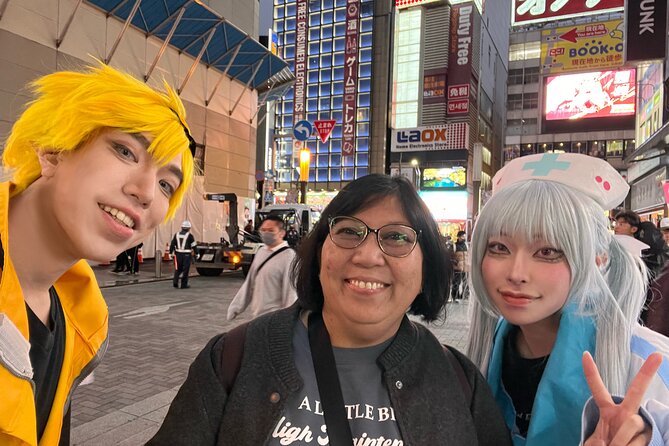
Reviewed · AKIHABARA OTAKU TOURS
Explore Akihabara with Local Cosplayer Guide(s)!
Tokyo’s most fun kind of tour starts here.
This Akihabara walk is built for people who want more than street photos. You’ll follow a local cosplayer guide through game centers and merch shops, then slow down at a shrine with an otaku-friendly angle. The tour can be customized, and you’ll have short photo time with your guide using your own camera.
What I like most is the mix: you get practical guidance on where to go (and how to browse) plus real talk about anime, games, and otaku culture. I also like that the stops are all free to enter, so your money goes mainly to the guide time and the fun context around each place.
One consideration: this is a private 1–2 hour walk, so if you want lots of long shopping breaks or a very specific store that isn’t on the route, some requests may not be possible. Think of it as guided storytelling plus targeted browsing, not unlimited wandering.
In This Review
- Key things to know before you go
- Why cosplay guides make Akihabara feel easier
- Getting your bearings: timing, meeting point, and the walk rhythm
- Akihabara Radio Kaikan: anime shopping with context (and less guessing)
- GiGO game center: arcade fun plus basic know-how
- Super Potato: retro gaming nostalgia that’s actually worth time
- Kanda Shrine: an otaku-friendly break with proper prayer guidance
- Price and value: what you’re really paying for
- What’s included (and what isn’t) so there are no surprises
- Who this tour fits best
- My take: book it if you want Akihabara with a translator’s brain
- Should you book this Akihabara cosplayer tour?
- FAQ
- How long is the Akihabara cosplayer guide tour?
- Where does the tour start, and does it end nearby?
- What stops are included?
- Are any admission fees included?
- Is this tour private?
- Do I need to worry about food or transportation costs?
Key things to know before you go

- Cosplayer guide who keeps the walk light, friendly, and talk-friendly.
- Free entry stops (shopping and arcades without paying admission at each stop).
- Akihabara Radio Kaikan, GiGO, Super Potato, Kanda Shrine in one focused route.
- Short photo time with your guide, personal cameras welcome.
- Private tour means it’s just your group, not a big mixed crowd.
Why cosplay guides make Akihabara feel easier

Akihabara can be overwhelming in the best way. Hundreds of storefronts, constant product hype, and lots of niche corners where you might not know what you’re looking at. A cosplayer guide helps you read the area faster. You’re not just walking past signs; you’re getting the why behind what you’re seeing.
The format is also social. The route is short—about 1.5–2 hours of walking—so it doesn’t feel like you’re trapped sightseeing all day. Past groups have noted that guides keep conversations going, including chats about everyday life in Tokyo, anime interests, and even music topics (some guides have connected with guests over metal). If you’re the type who likes asking questions, this tour rewards that.
You’ll also get a small, fun photo moment. It’s casual, with your own camera, so you’re not stuck in a formal photo setup. It works especially well for first-time visitors who want a souvenir that’s more than a random street shot.
Getting your bearings: timing, meeting point, and the walk rhythm
This tour starts at Akihabara Station Electric Town West Plaza (1-chōme-17-18 Sotokanda, Chiyoda City, Tokyo 101-0021) and ends back near the same place. It’s near public transportation, which matters because Akihabara is easy to reach but annoying to navigate when you’re rushing.
Plan for a short walking block with focused stops:
- Stop durations are set to keep the flow (roughly 40 minutes, 30 minutes, 20 minutes, 20 minutes).
- You’ll have time at each location for browsing or arcade play, but not a whole-day shopping marathon.
Because you’re in a private group, the guide can usually pace based on your interests—anime merch hunting feels different from retro-console browsing, for example. If you want to customize, ask early. The tour notes that some specific requests may not be available, so it’s smart to mention your goal in plain terms.
Akihabara Radio Kaikan: anime shopping with context (and less guessing)
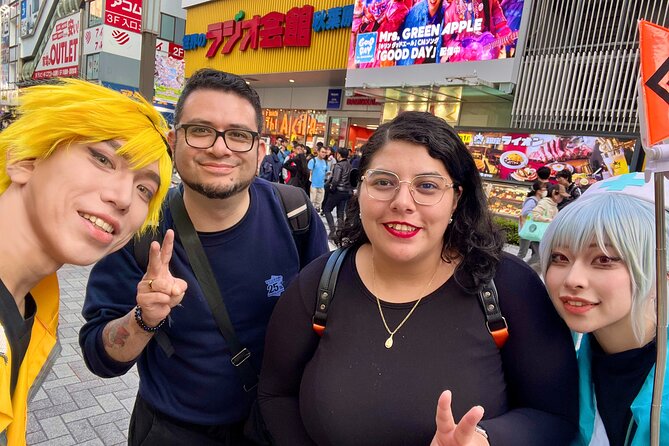
Akihabara Radio Kaikan is one of those buildings that instantly signals you’re in the right place. It’s iconic, and it even shows up in anime, which is part of why it’s so recognizable. Here, you’ll spend about 40 minutes browsing.
What you’ll likely notice fast:
- Multiple floors filled with shops selling anime merchandise and related items.
- Lots of card-related stores alongside character goods.
- A mix of popular series goods and smaller-brand merch where it’s easy to miss things if you’re just scanning windows.
A guide’s job here is not to spoil anything—it’s to help you shop smart. They can point out which floors or store types match what you care about. That’s especially helpful if you’re hunting for a particular figure, card set, or series and don’t know where that style of item tends to live.
Practical note: this is the stop where you’ll be tempted to buy things. The tour doesn’t include personal expenses, so set a budget before you enter and decide what matters most: one big item, or lots of smaller finds.
Potential drawback: if you don’t enjoy shopping or you hate browsing crowded floors, this can feel like a lot. Still, even if you’re not buying, you can use the time to learn what “typical Akihabara merch” actually looks like.
GiGO game center: arcade fun plus basic know-how
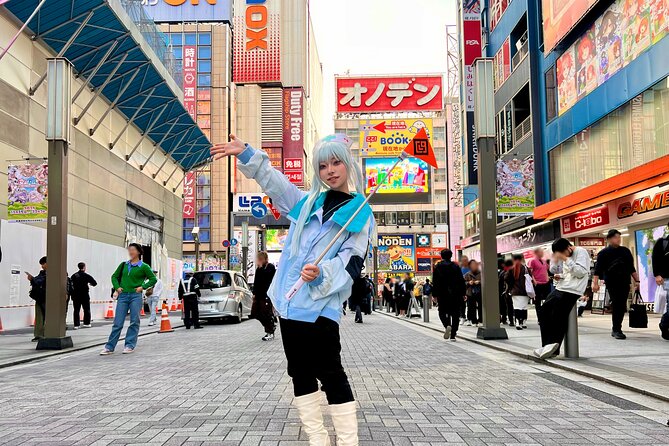
Next up is Akihabara GiGO, one of the area’s most popular game centers. You’ll have about 30 minutes here, and this is where the tour shifts from merch browsing to play.
GiGO is a strong choice because it covers multiple arcade styles:
- claw machines
- rhythm games
- fighting games
The tour description also suggests the guide will explain how things work in a practical way (especially if you’re not familiar with Japanese arcade setups). In a city where signage and rules can be confusing, that explanation saves time and helps you avoid awkward guessing.
This stop is fun even if you’re not a hardcore gamer. You can treat it like a taste:
- try a rhythm game for a few rounds
- watch how claw machines are run and whether you can manage the timing
- jump into a fighting game if you like quick challenges
One more real benefit: arcade culture is part of otaku culture, but it’s not always obvious to visitors. A cosplayer guide can connect the dots between why people love these games and how the scene works.
Potential drawback: arcade prices add up fast once you start playing. The tour includes the walking and guide time, not your arcade spending. If you want to keep costs down, decide your play limit before you insert any coins.
Super Potato: retro gaming nostalgia that’s actually worth time

Then comes Super Potato, where the vibe turns into nostalgia mode. You’ll spend about 20 minutes here, and the point is retro gaming—classic consoles, vintage games, and even arcade machines from earlier eras.
This shop is a great “pause” after the more modern merch focus. It gives you something tangible: you can see old hardware, study packaging styles, and recognize how game design looked before everything went sleek.
Why this stop is valuable for travelers:
- It’s easy to understand even if you don’t know Japanese well. Retro items tend to be universal.
- It’s a good photo stop too, because older equipment and game cases look different from what you see in modern stores.
If you’re hoping to buy something retro, take your time and check condition carefully. The tour doesn’t promise buying support at the checkout counter, so if you’re serious about a specific item, ask the guide to help you locate what matches your target.
Potential drawback: the stop is short. If you’re a serious retro collector, 20 minutes might feel rushed. Still, as part of a two-hour overall plan, it’s a smart sampler.
Kanda Shrine: an otaku-friendly break with proper prayer guidance
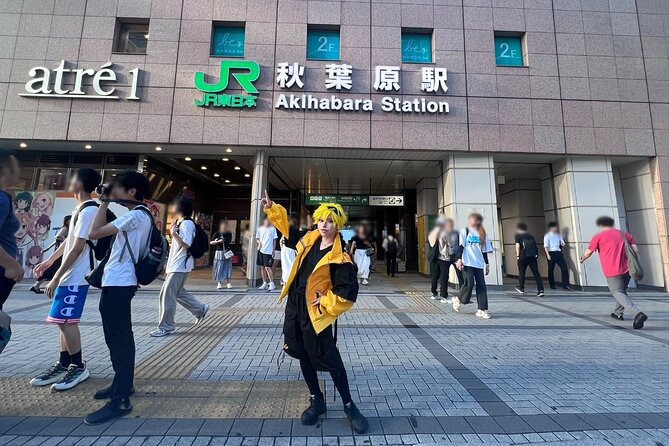
After all the anime and gaming energy, you’ll step into Kanda Shrine (Kanda Myojin) for about 20 minutes. It’s described as having a unique otaku-friendly twist, and it even appears in popular anime.
This part matters because Akihabara isn’t only about pop culture. Japan’s daily life blends modern hobbies with traditional spaces. Having a shrine stop inside an otaku-themed walk makes that blend feel natural, not forced.
You’ll also get guidance on the proper way to pray, which is one of the biggest value adds. A lot of visitors stand there and copy what they see, but a short explanation helps you do it correctly without stress.
Also, shrine etiquette isn’t just about “doing it right.” It changes your experience. You slow down. You stop treating the day as a shopping checklist.
Potential drawback: if you’re only interested in entertainment culture and want zero traditional stops, this may feel like a detour. For most first-timers, it adds balance and gives your feet a breather.
Price and value: what you’re really paying for
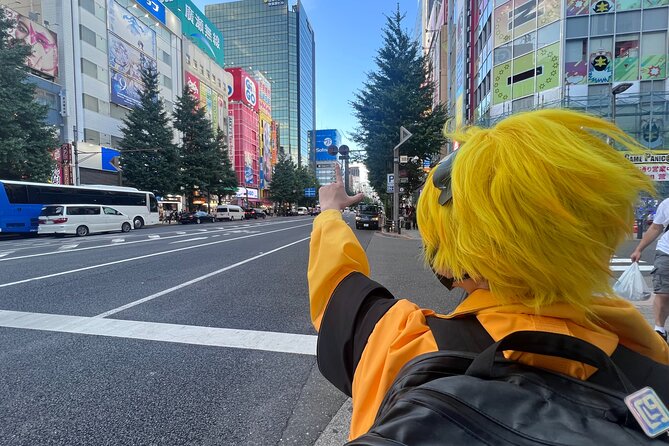
The price is $97.73 per person, for a tour that runs about 1–2 hours (around 1.5–2 hours of walking). Admission to the main stops listed is free, including Radio Kaikan, GiGO, Super Potato, and Kanda Shrine.
So where does the money go? Mostly into:
- paying for a local cosplayer guide and their time
- cultural context about anime, games, and otaku culture
- keeping the route organized so you don’t waste time figuring things out on your own
- customization where possible (and quick adjustments if you want to focus more on shopping vs games)
- short photo time with the guide using your camera
A big part of value is also the human element. Several past comments highlight that guides were friendly, chatty, and willing to help people who can’t speak Japanese. If you’re worried about language barriers, this is exactly the kind of guided structure that makes the area feel less intimidating.
About timing: the average booking window is about 56 days in advance, so if you’re traveling during a busy season, it’s worth reserving early. Confirmation comes within 48 hours, and the tour uses a mobile ticket.
What’s included (and what isn’t) so there are no surprises
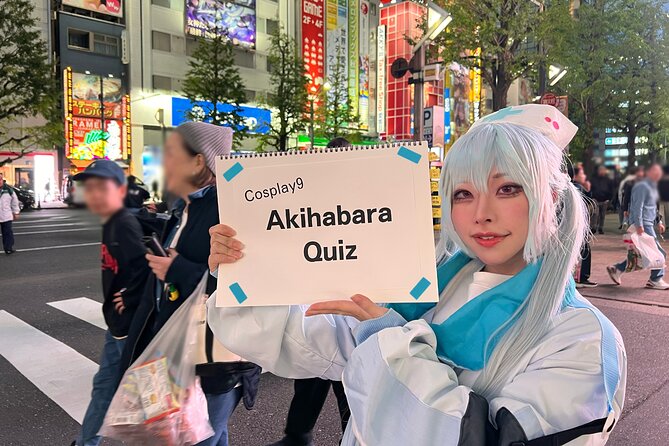
Included:
- a walking tour of Akihabara (approx. 1.5–2 hours)
- a local cosplayer guide
- cultural insights about anime, games, and otaku culture
- short photo time with the guide (your personal camera is fine)
Not included:
- food and drinks
- transportation to/from the meeting point
- personal expenses (shopping, arcade play, and anything else you buy)
You’ll often want to eat after. One of the more useful bits from past experiences is that guides have recommended places to eat right after the tour ends. Since food isn’t included, treat those recommendations as part of the value: you get a shortcut to a good meal in a neighborhood you just learned.
Who this tour fits best
This is a great fit if:
- you’re a first-time Akihabara visitor and want help with where to go
- you like anime and games but don’t want to spend your day guessing
- you enjoy friendly, talk-first guides who adapt to your interests
- you want a photo souvenir without turning it into a formal event
It’s less ideal if:
- you want a mostly silent self-guided shopping trip
- you’re hoping for long free time to roam every floor and every store at your own pace
- you’re very price-sensitive about shopping and arcade play (since you’ll control those personal costs)
The “private tour” format also helps. You’re not sharing the guide’s attention with strangers, which makes it easier to ask questions and get help finding what you care about (like a specific figure or item style).
My take: book it if you want Akihabara with a translator’s brain
If you want Akihabara to feel fun and not confusing, this tour is a solid choice. The stops hit the main pillars—merch shopping at Radio Kaikan, arcade culture at GiGO, retro browsing at Super Potato, and a calm traditional reset at Kanda Shrine. You also get the personality factor: cosplay guides tend to keep things light, chatty, and human.
Just keep your expectations aligned:
- You’re buying an experience with a guide, not a guaranteed shopping spree.
- Free admissions are a plus, but your arcade and shopping costs are still yours.
- Customization is possible, but not every special request may be doable.
One more practical reminder: the experience is non-refundable and can’t be changed if plans shift. If your dates are flexible, consider locking them in early before you book.
Should you book this Akihabara cosplayer tour?
Yes—if you want a guided, friendly way to see the “real Akihabara mix” of anime, games, and pop-culture place-names without losing time. It’s also ideal for people who want to ask questions and get help while browsing.
If you’re an ultra-independent shopper who knows exactly where they want to go, you might prefer a self-guided route. But if you want someone to connect the dots between stores, games, and the shrine pause, this format makes Akihabara feel much more navigable.
FAQ
How long is the Akihabara cosplayer guide tour?
It’s listed as about 1 to 2 hours, with the walking and stops totaling around 1.5–2 hours.
Where does the tour start, and does it end nearby?
It starts at Akihabara Station Electric Town West Plaza and ends back at the meeting point.
What stops are included?
The tour includes Akihabara Radio Kaikan, Akihabara GiGO, Super Potato, and Kanda Shrine.
Are any admission fees included?
The listed admissions for the stops are free. The tour still doesn’t include personal spending like shopping or arcade play.
Is this tour private?
Yes. It’s a private tour/activity, meaning only your group participates.
Do I need to worry about food or transportation costs?
Food and drinks are not included, and transportation to and from the meeting point is also not included.
Akihabara Otaku Tours, compared.
 ★ 5.0Official Street Go-Kart Tour – AkihabaraFrom $611,578 reviews
 ★ 5.0Original Street Kart Experience from AkihabaraFrom $51111 reviews
 ★ 5.0Ramen Making from Scratch +Akihabara Tour –Tokyo Cooking ClassFrom $123107 reviews
 ★ 5.0Tokyo’s Must-Sees: 5-hour Tsukiji, Akihabara & Asakusa TourFrom $10188 reviews
 ★ 4.8Tokyo Akihabara, Anime, Manga, Video Games & Maid Cafe TourFrom $3881 reviews
 ★ 4.6Akihabara: Anime & Gaming Adventure Tour (Group or Private)From $8880 reviews
 ★ 4.5Akihabara: Go-Kart Experience with Local Guide in TokyoFrom $7257 reviews
Real Anime Culture Tour in Shibuya: Food, Shopping & Game FunFrom $7548 reviews
★ 4.5Akihabara: Go-Kart Experience with Local Guide in TokyoFrom $7257 reviews
Real Anime Culture Tour in Shibuya: Food, Shopping & Game FunFrom $7548 reviews
Browse the lists this tour appears in