
Reviewed · TOKYO
From Osaka: Kyoto & Nara Highlights Day Tour (7 attractions)
Seven temples in one day.
This is a high-impact day focused on the spiritual heart of Kyoto and the deer-and-temple pull of Nara. You get iconic scenery (the Kiyomizu-dera views) and the famous mood shift of Fushimi Inari’s torii tunnel walk, all stitched together by a guide who helps you understand what you’re seeing.
I especially like the mix of big-photo moments and quieter time: Kiyomizu-dera for that sweeping Kyoto panorama, plus the Fushimi Inari torii path that feels like a moving prayer. One possible drawback is that on crowded or traffic-heavy days, the schedule can feel a bit like a marathon between stops.
JTOURSTORY runs this with transportation and an English or Korean guide, and you’ll often hear stories from guides such as Jeon, Min, and Jo. If you’re a slower walker, pick a calm mindset and use your time well, because some places can get packed and moving fast becomes part of the game.
In This Review
- Key highlights you should plan around
- Leaving Osaka early: the clean logistics behind a long day
- Nara Park and Todaiji: deer first, then a Great Buddha wow moment
- Kasugataisha lantern paths: the calm change of pace you’ll feel
- Byodoin Temple and Uji Omotesando: the 10-yen postcard and tea street time
- What to know about lunch pricing
- Fushimi Inari Taisha: walking the torii tunnel without losing the magic
- Kiyomizu-dera: that wooden stage view over Kyoto
- Price and value: what $53 buys you (and what it doesn’t)
- Timing, crowds, and the risk of feeling rushed
- Guides and the kind of support that makes or breaks a day
- Who should book this Osaka-to-Kyoto-and-Nara highlights tour
- Should you book this day tour?
- FAQ
- Where is the meeting point for the tour in Osaka?
- What time should I arrive to start the tour?
- What language is the guide available in?
- What is included in the tour price?
- Are meals included during the tour?
- Are admission fees included?
- What are the main stops on the itinerary?
- Can the itinerary change due to traffic or weather?
- Is the tour stroller-friendly or wheelchair-accessible?
- Is an infant charged, and how does cancellation work?
Key highlights you should plan around
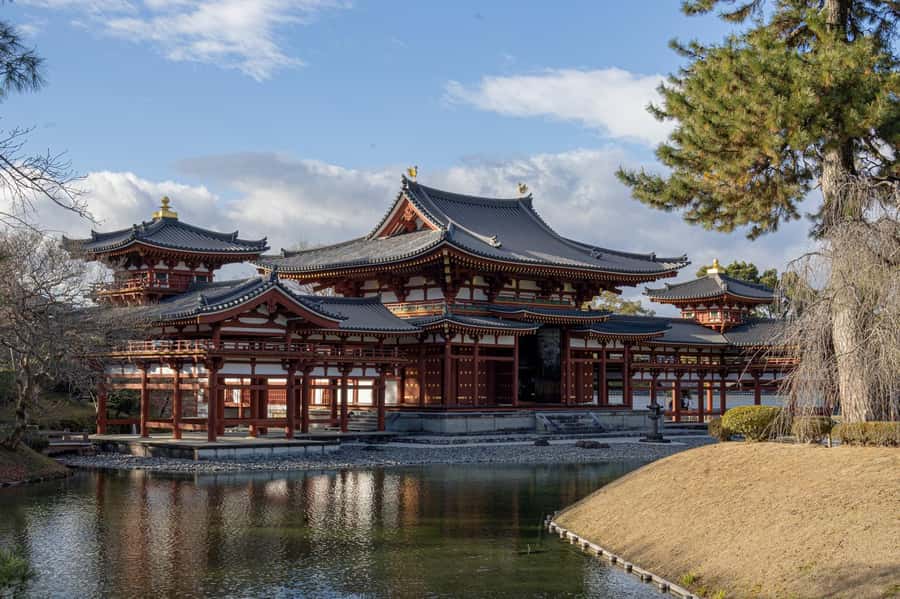
Kiyomizu-dera terrace views with a UNESCO setting and easy photo angles
Fushimi Inari torii tunnel walking along Mount Inari’s vermillion gates
Nara Park deer time with hundreds of free-roaming deer nearby
Todaiji Temple’s Great Buddha hall inside a huge wooden structure
Kasugataisha lantern-lit paths for a more serene, Shinto-feeling stop
Guides who handle the flow and often share practical tips and timing cues
Before you commit, see how this one stacks up against a few Tokyo favourites:
- Mt Fuji and Hakone 1-Day Bus Tour Return by Bullet Train★ 5.0 · 26,383 reviews
- 1-Day Tokyo Bus Tour★ 5.0 · 14,250 reviews
- Tokyo: teamLab Planets TOKYO Digital Art Museum Entry Ticket★ 4.6 · 9,779 reviews
Leaving Osaka early: the clean logistics behind a long day
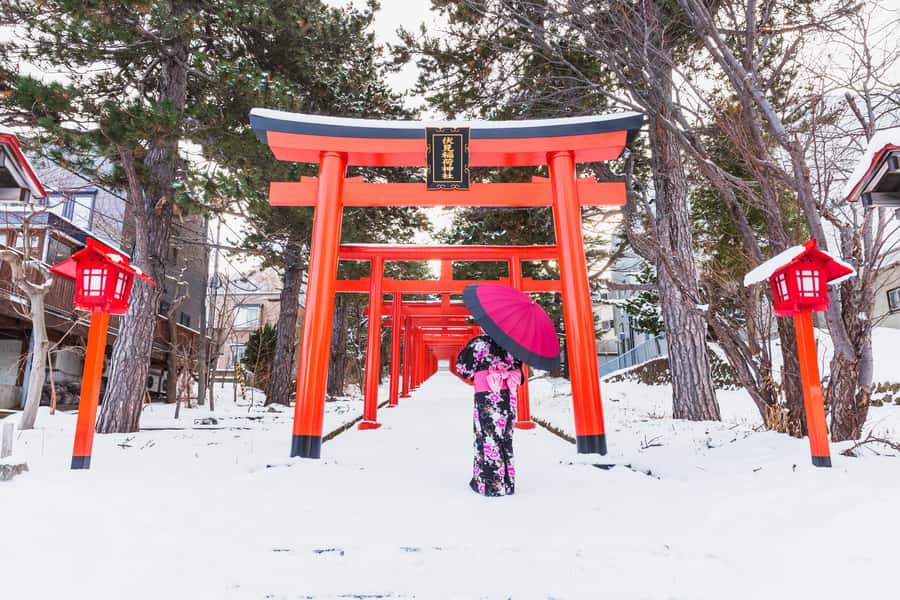
This tour starts with an easy pickup area in Osaka at Tsurutontan Soemoncho. You’ll want to be there by 7:50 AM so you’re not stressing before the first stop. The plan is simple: get you out of Osaka, then keep you moving through Kyoto and Nara in one day without the mental load of transfers and ticket lines.
Most of the value is in the combination of transportation + a guide in English or Korean. That matters because the day isn’t just about ticking off famous sites. It’s about knowing what you’re looking at when you arrive: why a shrine looks the way it does, what a temple hall signifies, and how to walk so you see more than just the entrance crowd.
It also helps that the ride setup is designed for group comfort. One reason people describe the day as close to a private experience is that you’re typically in a small group and often traveling by minivan rather than a big bus where everyone disappears into their own bubble.
Two practical points to keep your expectations right. First, traffic and weather can change the exact flow, and the tour may adjust based on real-time conditions. Second, in Japan, vehicle operation is limited to 10 hours, so your guide can reshuffle the order if needed. Translation: don’t treat the schedule like a train timetable. Treat it like a well-run plan with flexibility.
Nara Park and Todaiji: deer first, then a Great Buddha wow moment
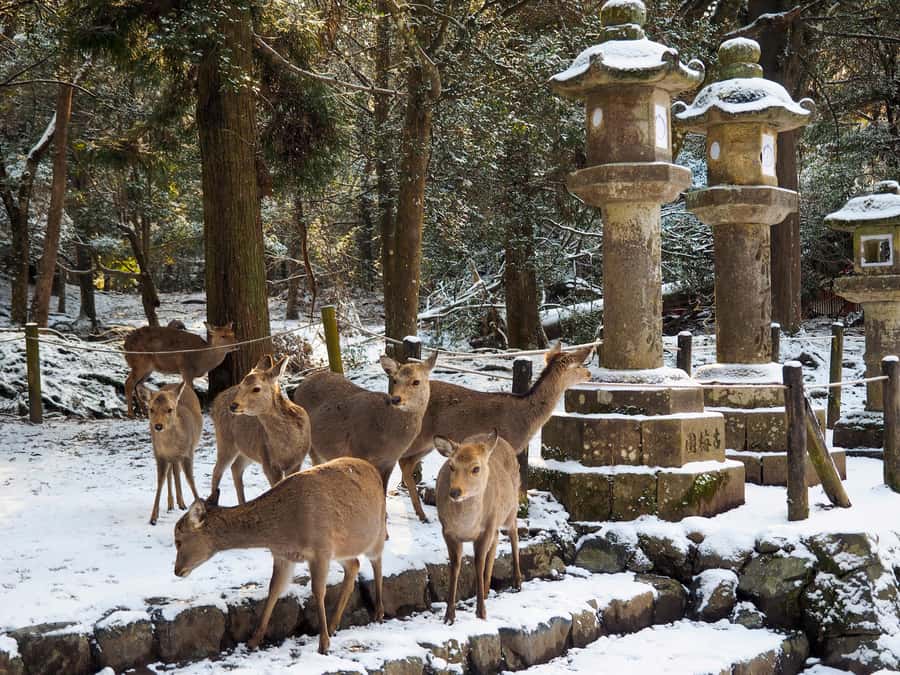
The day kicks into a natural rhythm in Nara Park, where the stars are the deer. You’ll see hundreds of them roaming freely, and you’ll get time to interact and feed them. It’s one of those moments that feels instantly understandable even if you’re new to Japan: you don’t need a museum label to get the vibe. Just approach calmly, watch where others are standing, and keep your hands controlled. The deer are used to people, but you still want to be respectful and avoid sudden moves.
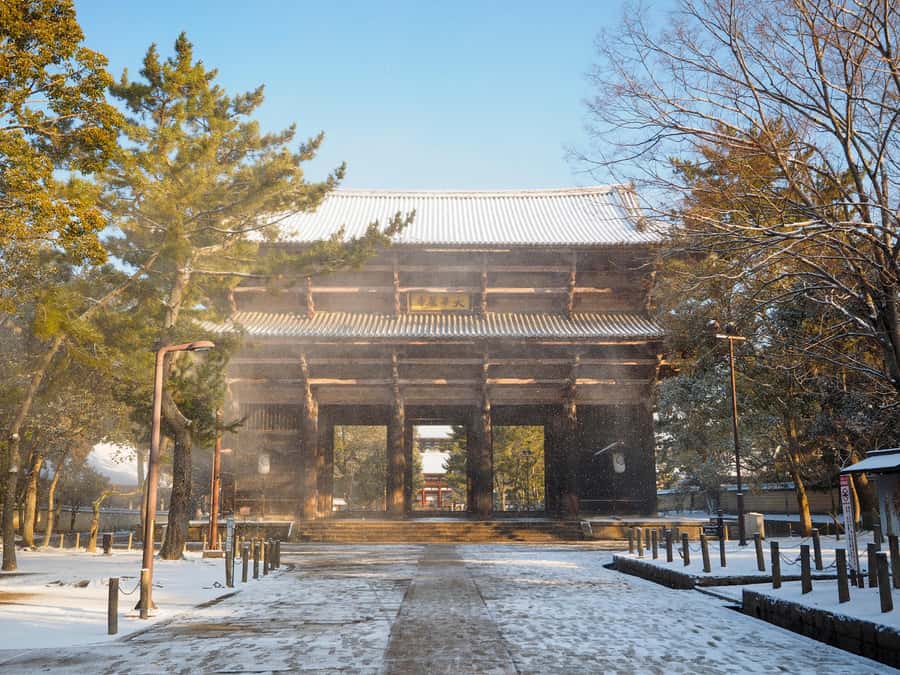
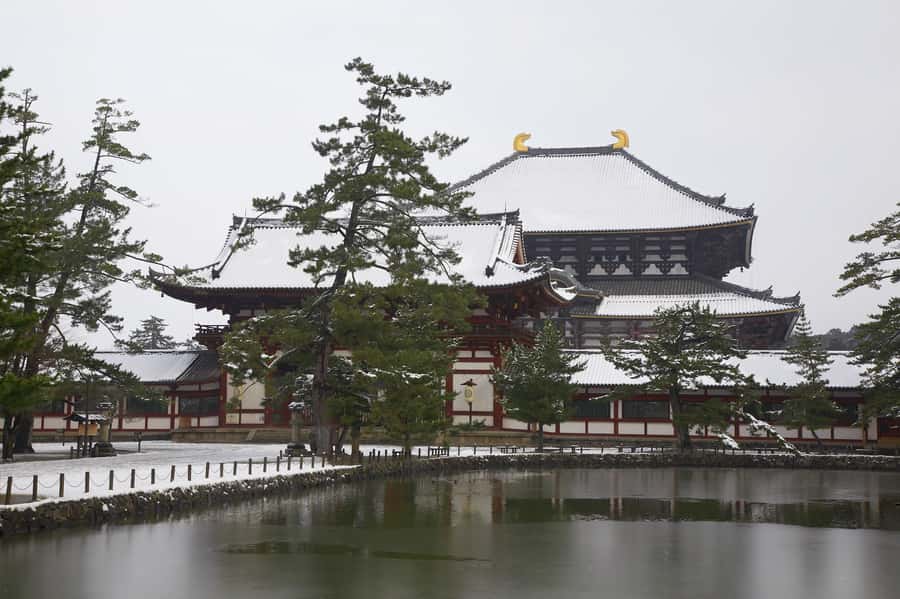
From there, you move into Todaiji Temple, home to the Great Buddha. The key thing here is not just the statue itself, but the setting: the Great Buddha sits inside a massive wooden hall. Even if you’ve seen photos, you’ll likely be surprised by the scale. The hall makes you feel the weight of the place. It’s a good stop for slower sight-seekers, because the interior space forces you to slow down naturally.
What I like about this pairing (deer to temple) is how it balances emotion and meaning. Deer time is playful and light. Todaiji is the opposite: heavy, historical, and awe-inducing in a grounded way. This is also one reason the guide matters. A good explanation turns a “big thing to see” into something you can actually place in context.
Kasugataisha lantern paths: the calm change of pace you’ll feel

Next comes Kasugataisha Shrine, a sacred Shinto site known for its many stone and bronze lanterns. The lanterns aren’t just decoration. They create a walk that feels more intimate than the big-name mega-temple crowds.
This is the stop where the day can shift from sightseeing mode into something closer to “walking with purpose.” If you’re the type who likes to notice small details, Kasugataisha is a great place to do that. Look at how the light and shadow move along the path. Pay attention to the rhythm of people flowing through. And don’t rush to the first best photo. The lanterns work better when you let the path pull you forward.
The guide’s role matters here too, because you’ll get more out of the experience if you understand what makes this shrine special. The whole point isn’t only the lantern count; it’s the spiritual setting and why the place keeps drawing people back.
Byodoin Temple and Uji Omotesando: the 10-yen postcard and tea street time
By midday you’ll reach Byodoin Temple, famous for its architecture and for the iconic Phoenix Hall that appears on the Japanese 10-yen coin. This is the “postcard moment” in the lineup, and it’s worth slowing down for. The reflection over the pond is part of what makes it work. Even on an ordinary day, that calm water effect can make the scene feel more cinematic than you expected.
Then comes Uji Omotesando, a traditional street lined with tea houses. This is where the tour gives you control. Lunch is not included, but you can enjoy food at your own expense, and Uji is especially known for matcha treats. If you like tea culture, this stop is a smart use of time because you’re not only walking past shops. You’re in the place where the local specialty makes sense.
I also like that the tour doesn’t force one single lunch choice. One guide-led cue people appreciate is being directed toward good options and timing for the day. If you want a reliable meal without turning your day into a restaurant search mission, this is a good moment to let the guide point you toward practical picks.





What to know about lunch pricing
Plan for typical tourist pricing. In Uji, you may notice the cost of items can feel higher than expected for the area. It doesn’t mean you can’t eat well. It just means you’ll want to treat lunch like a choice, not like a budget promise. If you’re traveling with a group, splitting and re-meeting can help the day stay smooth.
Fushimi Inari Taisha: walking the torii tunnel without losing the magic
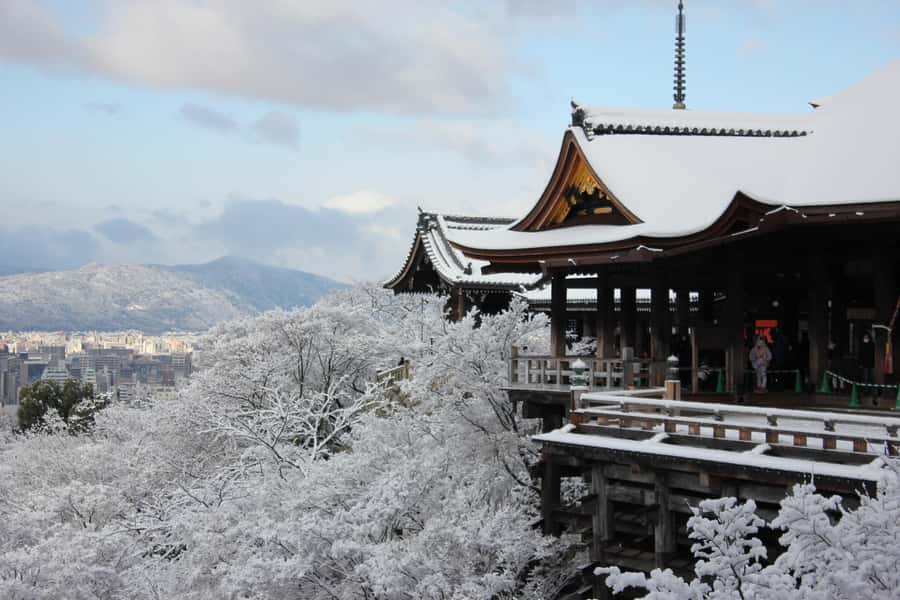
Then you get the big one: Fushimi Inari Taisha. The famous feature is the thousands of vermillion torii gates climbing Mount Inari. This isn’t a shrine you can fully “finish” in five minutes. You walk, you pause, you turn back, you look up, and you let the gate tunnel set the pace.
Here’s the practical part: you’ll likely want comfortable shoes. The path can be busy and uneven in spots. If it’s crowded, it can feel like a moving crowd line, so you’ll do better if you treat the walk as a sequence of short photo and pause moments rather than one long sprint to the top.
This is where the guide experience really helps. A good guide doesn’t just say “this is famous.” They explain what you’re seeing and how the shrine functions, so the walk feels more meaningful. The torii tunnel experience is one thing. Understanding why it’s structured that way is another.
And yes, it’s popular. Even if the crowd doesn’t spoil the mood, it can affect what you experience first. If your goal is atmosphere, go with patience and enjoy the walk you’re actually standing in, not the walk you saw in a photo.
Kiyomizu-dera: that wooden stage view over Kyoto
To finish the day, you head to Kiyomizu-dera, a UNESCO World Heritage temple known for its grand wooden stage. This is one of those spots where the location does a lot of the work. From the temple grounds, you get panoramic views over Kyoto, and the scene can change dramatically by season.
If you’re visiting in spring, you might catch cherry blossoms around the temple area. In autumn, you can get vibrant-looking fall foliage effects (the exact look depends on timing and weather). Either way, the views are the point. This is the place where the day turns into a “breath moment,” even if you’re still moving.
Practical note: crowds can matter here too. When foot traffic is heavy, you might not be able to see every interior area the way you hope. Still, the stage setting and the look over Kyoto can be enough even if you skip the most congested viewpoints.
Price and value: what $53 buys you (and what it doesn’t)
At $53 per person, the best value is what you don’t have to figure out: transportation plus an English & Korean speaking guide. If you tried to stitch together the day alone (Osaka-to-Nara-to-Kyoto transport, navigating between multiple sites, and figuring out where the best time-to-arrive windows are), the time and effort would likely cost you in energy even if you found cheaper transit options.
What’s not included is important for budgeting:
- Meals are on you.
- Admission fees and activity charges are on you.
- Travel insurance isn’t included.
- Any extra personal spending is on you.
So the real “all-in” cost depends on what you pay at each stop. That said, you’re getting a structured route through the best-known sites in Nara and Kyoto without needing to manage the logistics yourself. For a first trip, that’s a solid deal.
Timing, crowds, and the risk of feeling rushed
The tour covers a lot, and that’s both the appeal and the danger. Some people describe it as running at a fast pace, especially if the day is crowded. If you want long, slow temple time, this schedule may feel tight.
Here’s how to handle that risk.
- Plan to enjoy the “high points” at each location rather than trying to see every inch.
- Keep your attention on what you’re learning from the guide as you move. Explanations help turn quick stops into real understanding.
- Be ready for crowds at the most famous places (Fushimi Inari and Kiyomizu-dera in particular).
One helpful detail: guides have been described as patient with slower walkers. If you need extra time, say so early and ask for pacing cues. The guide can help you avoid being swept along without losing the chance to see the main things.
Also, weather is a factor. If it rains, you’ll be dealing with slippery stone and more crowd density indoors. Bring a light rain layer and keep a flexible attitude. The tour can still work, and places like Nara Park still feel special even when the sky changes.
Guides and the kind of support that makes or breaks a day
This tour leans hard on guide quality, and the names you might hear (from examples tied to the operator) include Jeon, Jo, Min, and Tae Hyun. The recurring praise is about being helpful, friendly, and careful in how the day is handled.
What you’ll likely appreciate most:
- Clear guidance during transitions so you’re not lost between stops
- Explanations that help you interpret what you’re seeing
- Photo support in some cases, where a guide may send photos after the tour
- Practical food suggestions, including what to eat after the tour in Osaka
A small group setup also helps. When you can hear the guide and move as a unit without getting separated, you spend more time experiencing and less time managing logistics.
Who should book this Osaka-to-Kyoto-and-Nara highlights tour
I think this tour is a strong fit if you:
- Want to see Kyoto and Nara in one full day without public transport juggling
- Like a guided route where the “why” behind sites matters to you
- Are okay with a packed schedule and enjoy moving from one major highlight to the next
- Prefer a small-group, minivan-style day over large bus chaos
It may be less ideal if you:
- Want slow wandering and lots of quiet time in each temple complex
- Get cranky when crowds make interiors harder to access
- Need wheelchair access (this tour isn’t wheelchair-accessible)
Stroller-wise, it’s described as stroller-friendly, and you should inform the operator if you’ll bring one. That’s a key detail if you’re traveling with a young kid and need a workable logistics plan.
Should you book this day tour?
If you want a structured, first-time-friendly day through Nara Park, Todaiji, Kasugataisha, Byodoin, Uji, Fushimi Inari, and Kiyomizu-dera, this tour is a good value. The price makes sense because it covers transportation and bilingual guiding across multiple major sites, and it gives you a clean flow from Osaka.
Book it if you like iconic scenes plus explanation, and you’re okay with a schedule that moves. Skip it or choose a different pace if you need slow, uncrowded access everywhere. Either way, go in with comfortable shoes and a flexible plan, and you’ll likely walk away with a Kyoto-and-Nara day that feels big, meaningful, and very easy to manage.
FAQ
Where is the meeting point for the tour in Osaka?
You meet in front of Tsurutontan Soemoncho.
What time should I arrive to start the tour?
Please be in front of Tsurutontan Soemoncho before 07:50 AM.
What language is the guide available in?
The tour includes an English and Korean speaking guide.
What is included in the tour price?
Transportation and an English & Korean speaking guide are included.
Are meals included during the tour?
No, meals are not included.
Are admission fees included?
No, admission fees and activity charges are not included.
What are the main stops on the itinerary?
The tour includes Nara Park, Todaiji Temple, Kasugataisha Shrine, Byodoin Temple, Uji Omotesando, Fushimi Inari Taisha, and Kiyomizu-dera.
Can the itinerary change due to traffic or weather?
Yes. The itinerary is subject to traffic & weather conditions, and the guide may adjust the plan based on real-time conditions.
Is the tour stroller-friendly or wheelchair-accessible?
It is stroller-friendly, but it is not wheelchair-accessible.
Is an infant charged, and how does cancellation work?
An infant is free of charge, but no seat is available. You can cancel up to 24 hours in advance for a full refund.
If you want, tell me your travel month and whether you prefer photos, food, or quiet temple time most, and I’ll suggest the best strategy for this exact route.
More Tour Reviews in Tokyo



Fresh reviews from around Tokyo






Tokyo, compared.
 ★ 5.0Mt Fuji and Hakone 1-Day Bus Tour Return by Bullet TrainFrom $16326,383 reviews
 ★ 5.01-Day Tokyo Bus TourFrom $12914,250 reviews
 ★ 4.6teamLab Planets TOKYO Digital Art Museum Entry TicketFrom $259,779 reviews
 ★ 4.0Mt Fuji & Hakone Cruise, Drum Show Bullet Train 1 Day from TokyoFrom $1497,413 reviews
 ★ 5.0Shinjuku Food Tour (13 Dishes at 4 Local Eateries)From $866,603 reviews
 ★ 4.4Tokyo Mt Fuji 5th St & Hakone Cruise Bus Tour w/Bullet TrainFrom $1545,024 reviews
 ★ 5.0Flagship 2-Hours Official Street Go-Kart Tour – Tokyo Bay ShopFrom $644,974 reviews
 ★ 4.5From Tokyo: Mount Fuji Full-Day Sightseeing TripFrom $684,970 reviews