
Reviewed · DESSERT TOURS
Japanese Sweets (Mochi & Nerikiri) making at a Private studio
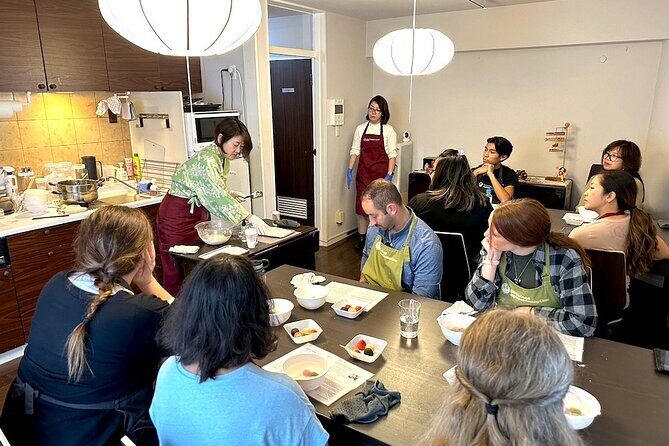
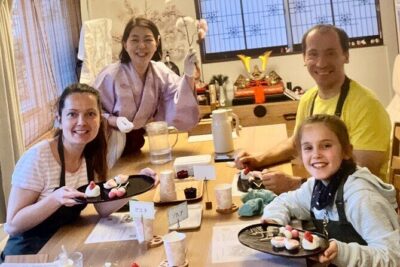
Wagashi turns cooking into craft. In a small-group class in a Tokyo local home, you learn to make mochi and nerikiri wagashi from scratch, with a short culture talk and a matcha finish.
I love the hands-on pacing and clear instruction I can follow even if I’ve never made these before. The English recipe sheet is a big plus for recreating your sweets at home. One thing to plan for: there’s no hotel pickup, and the class meets at a private address in Meguro, so you’ll want to use the meeting-point details and arrive a bit early.
Small-group attention and a real local setting in Meguro make this feel different from studio-only classes. You’ll shape nerikiri and color it into a seasonal motif, not just watch and snack. If you want zero cooking time and lots of sitting around, this one may feel like work—in the best way, but still hands-on.
- Private home workshop in Meguro (a rarer side of Tokyo than commercial kitchens)
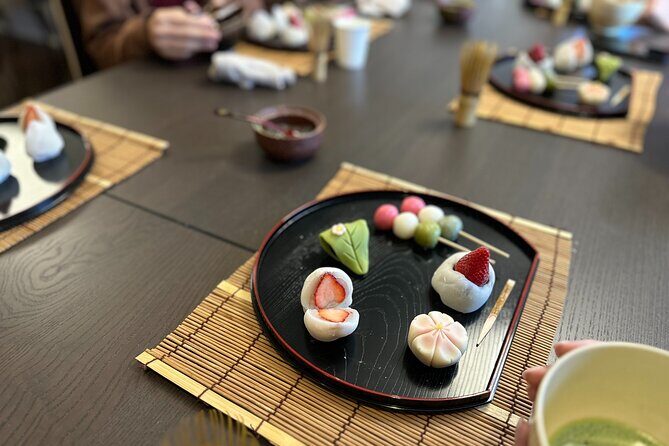
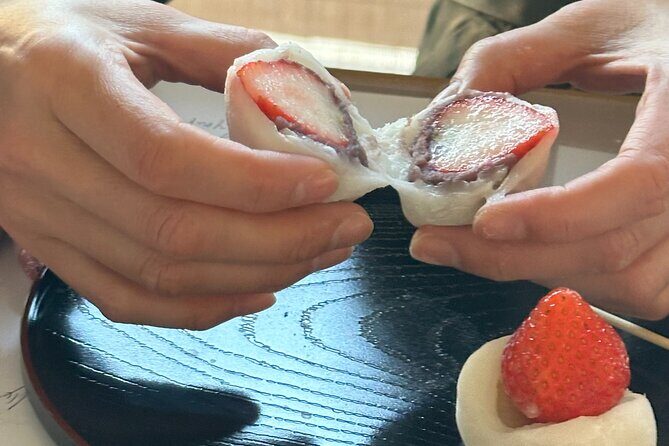
- Two wagashi styles of mochi: strawberry daifuku and three-color dango
- Certified nerikiri instruction with coloring and shaping into a seasonal design
- Matcha tasting plus tea-culture context, including Omotenashi and Chado
- Gluten-free, plant-derived ingredients and aprons included
- English support, with recipe guidance you take home
In This Review
- Finding the Meguro Meeting Point Without Stress
- What You’ll Make: Strawberry Daifuku Mochi and Three-Color Dango
- From Nerikiri Dough to a Seasonal Motif
- Tea Culture Finish: Matcha Tasting and Omotenashi
- Small-Group Setup, Aprons, and the Take-Home Recipe
- Diet Notes and All-Plant, Gluten-Free Ingredients
- Price and Value: Why $91.96 Works for a Home Craft Class
- Who This Class Is Best For (and Who Might Not Love It)
- Booking Smart: Timing and What to Pair It With
- Should You Book This Wagashi Workshop?
- FAQ
- How long is the wagashi-making class?
- Where does the class take place?
- How many people are in the group?
- What sweets will I learn to make?
- Is the class kid-friendly?
- Are aprons and recipes included?
- Do I get to taste what I make?
- Are the ingredients gluten-free?
- Is hotel pickup included?
- Can I cancel for a full refund?
Finding the Meguro Meeting Point Without Stress
This class starts and ends at the meeting location in Meguro, Tokyo (Meguro City, Meguro, 1-chōme-3-16). It’s near public transportation, which helps, but because it’s a private home, you should treat directions like a serious mission. Put the full address into your map app, give yourself extra time for the last turns, and aim to arrive a little early so you’re not rushing in during setup.
Also note the “private home” part matters. You won’t be walking into a big classroom with rows of seats. The atmosphere is more like arriving at someone’s kitchen, which changes the vibe: quieter, more personal, and usually easier to ask questions as you go.
No hotel pickup or drop-off is included, so plan your own route. If you’re basing yourself in central Tokyo, it’s usually manageable—just don’t build in buffer-free connections right before or after your 2.5-hour session.
More private options with your own guide
- Tokyo 6hr Private Tour with Government-Licensed Guide★ 5.0 · 3,902 reviews
- Private Tour to Mt. Fuji and Hakone (Fully Licenced Operator)★ 5.0 · 1,910 reviews
- Tokyo Customized Private Tour (Must See Places in 1 Day)★ 5.0 · 1,499 reviews
What You’ll Make: Strawberry Daifuku Mochi and Three-Color Dango
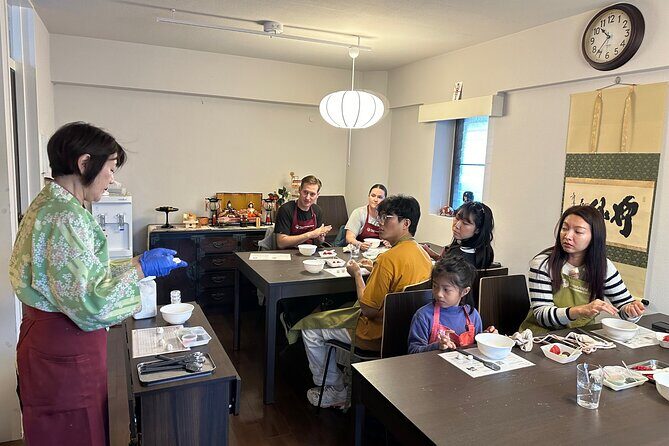
The workshop runs about 2 hours 30 minutes and starts with a short presentation on mochi traditions—especially how mochi shows up in Japanese seasons, festivals, and everyday meaning. This isn’t just trivia. When you know why certain sweets appear at certain times, your shaping and finishing choices make more sense.
Then you get practical. You learn to make:
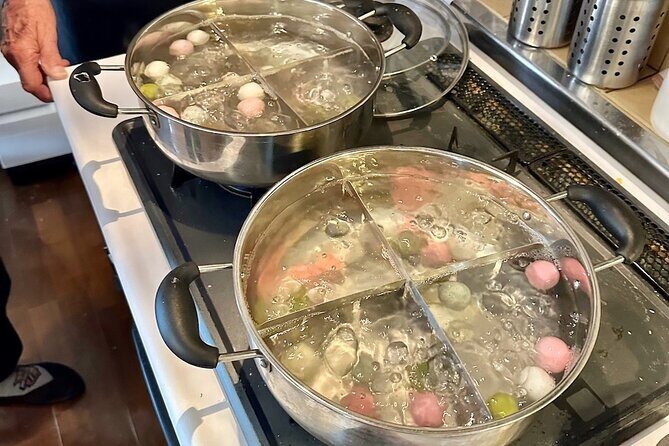
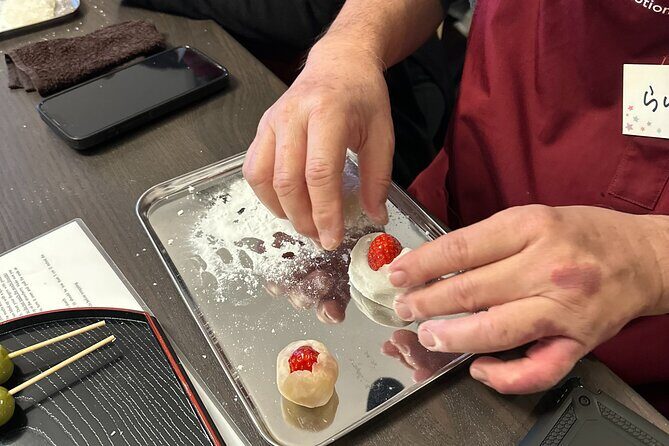
- Strawberry daifuku mochi
- Three-color dango (mochi balls on skewers)
Why I think this matters: mochi can look “simple” online, but it’s all about consistency and technique. In a live class, you can adjust in real time—how the dough feels, how it holds together, and how to handle it without turning it into a sticky disaster. The small group size (up to 8 travelers) supports this. You’re not just watching a host do it once; you’re working through the steps.
From past classes, the instruction style has been described as organized and patient, with English-fluent teachers stepping through the process slowly enough for beginners. Names that have come up include Yukka, Waka, Miho, Satoko, Miyuki Suyari, and Kaoru, so while the specific instructor may vary, the common thread is clear guidance and lots of room to ask questions.
If you’re coming with kids, the minimum age is 4 years. That helps because the pacing won’t assume adult-level kitchen confidence. Still, note the rules: observers aren’t allowed to sit in class, so plan for who participates.
From Nerikiri Dough to a Seasonal Motif
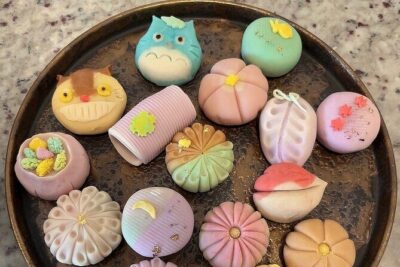
The nerikiri portion is the standout craft. Nerikiri wagashi takes more than mixing—it’s about molding and decorating so the finished sweet shows a seasonal theme.
You’ll first see an explanation of the nerikiri dough process, then you move into your own hands-on work:
- Coloring and preparing the dough
- Shaping it
- Finishing into a seasonal motif
Here’s the value: nerikiri teaches you patience. The dough behaves differently from standard cookies or mochi you may know. As you work, you start noticing how gentle pressure, timing, and shaping impact the final look. It’s also a way to bring home something more than edible calories—your finished wagashi has meaning and design intent.
The class is led by an instructor who is a certified Nerikiri Art Instructor and is very fluent in English, which is crucial for a skill-based lesson. Even if you don’t speak Japanese, you can follow the technique cues clearly, not just through guesswork.
If you love seasonal symbolism, this part rewards you. Past participants have mentioned enjoying the symbolism of colors and shapes. That’s exactly the kind of detail that turns a food class into cultural understanding.
Tea Culture Finish: Matcha Tasting and Omotenashi
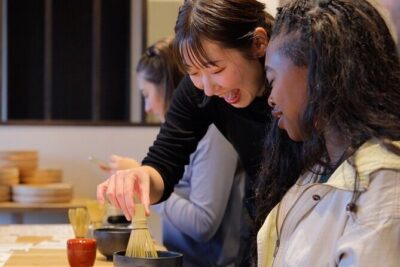
After the crafting, you’ll taste what you made with matcha green tea (or another non-caffeinated tea). This is a real tasting moment, not a throwaway snack. You’ll also get a short talk on Omotenashi, the Japanese spirit of hospitality, and how it connects to Chado (tea ceremony).
This portion is worth your attention because it helps you connect the sweet-making to the bigger idea: wagashi isn’t only about flavor. It’s also about respect for the season, the guest, and the ritual. When you taste your own sweets right after making them, the “why” clicks faster.
If you’re the type who loves tea culture, you’ll likely leave with a clearer sense of how Japanese sweets are designed to pair with tea—lightness, sweetness balance, texture, and presentation.
Small-Group Setup, Aprons, and the Take-Home Recipe
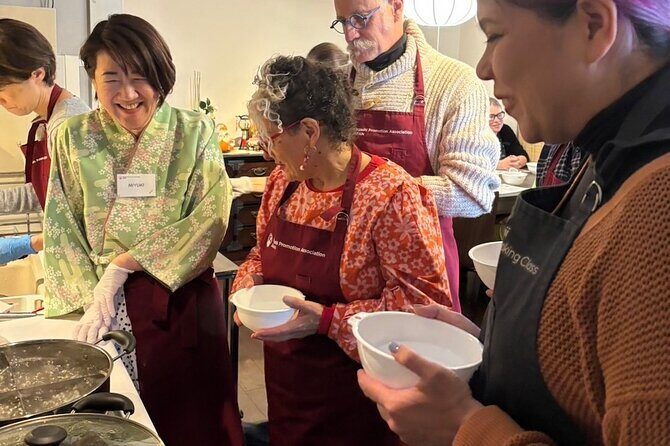
You’re capped at 8 travelers, and that’s a sweet spot. Bigger groups can turn into a passive lesson where you wait your turn. In this setup, you can actually keep up with the process and get feedback.
A few practical things are included:
- Aprons provided
- English recipe sheet to take home
- Food tasting
- Matcha or non-caffeinated tea
Aprons sound basic, but in cooking classes they matter. Less anxiety about spills means you can focus on technique.
The English recipe sheet is also a genuine value-add. Many food classes end when you leave the table. Here, you get documentation for what you made and how to repeat it.
One review mentioned an extra video for remembering the steps, so you might find some additional support beyond the printed sheet, but the one thing you can count on is the recipe document.
Worth weighing up alongside this Tokyo pick:




Diet Notes and All-Plant, Gluten-Free Ingredients
The class states that ingredients are plant-derived and gluten-free. That’s helpful if you’re avoiding common wheat-based ingredients.
Still, a practical caution: the data doesn’t list specific allergens beyond gluten-free. If you have allergies, you should check with the operator directly before booking—especially for concerns like soy, nuts, or other ingredients that might be used in sweets. For general dietary needs, this is a strong baseline.
Also, because you’re using fresh doughs and shaping by hand, expect mess—just within normal cooking-class limits. The non-smoking rule also keeps the studio environment comfortable.
Price and Value: Why $91.96 Works for a Home Craft Class
At $91.96 per person, this is not a cheap “snack workshop.” But it’s also not overpriced for what you get.
Here’s the value logic:
- You’re paying for 2.5 hours of guided, hands-on work
- You make multiple items: strawberry daifuku, three-color dango, and nerikiri
- You get matcha tasting and cultural context (Omotenashi and Chado)
- You receive an English recipe sheet you can actually use later
- The class is limited to up to 8 people, with a fluent English-certified instructor
- The setting is a private local home, which you generally can’t recreate with a bigger commercial workshop
If you compare this to typical cooking tours that only cover one item, the multi-sweet format plus nerikiri shaping is what justifies the cost. And if you’re the kind of person who likes skill-based souvenirs, you’re bringing home something you can practice—not just photos.
There’s also an option to combine with a mochi-making class upon request. If that’s available for your booking window, it can be a smart way to get more technique time for the same general learning theme.
Who This Class Is Best For (and Who Might Not Love It)
This is a great fit if you want:
- A hands-on Tokyo experience that goes beyond tasting
- Beginner-friendly instruction (especially if English is your main language)
- A crafted souvenir you can’t buy in a convenience store
- Kids who enjoy cooking activity with guidance (minimum age is 4)
- A class tied to Japanese seasonal meaning, not just instructions
It may be less ideal if:
- You strongly prefer watching over doing (there’s no observing only sitting during class)
- You want a completely low-mess experience
- Your schedule can’t handle going to a private-address meeting point without pickup
Also, because it’s non-smoking and held in a home setting, it tends to be calmer than large public workshops. That’s a plus for many people, but if you’re craving a loud, entertainment-style tour, this won’t be that.
Booking Smart: Timing and What to Pair It With
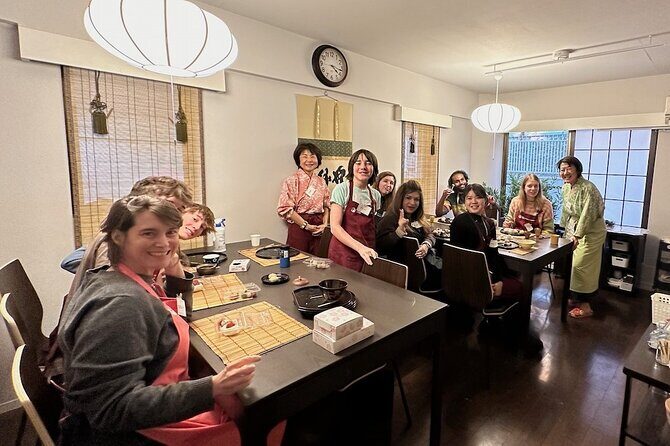
The class offers a choice of morning or afternoon. Pick based on your energy. I’d usually lean toward afternoon if you like a later start for crafting and a relaxed evening meal after. Morning can be great too if you want a structured activity early and then spend the rest of the day exploring.
Pairing idea: after your wagashi session, you’ll likely feel ready for a cultural walk. Meguro is a practical base for that kind of vibe, and you may even get instructor tips on where to shop for tools or what to see next in Tokyo (several past reviews mentioned advice for buying tools and sightseeing suggestions).
Should You Book This Wagashi Workshop?
If you want a Tokyo food experience that’s more skill than show, I’d book it. The combination of mochi-making plus nerikiri shaping, limited group size, and English-fluent certified instruction makes it feel like you’re learning something real, not just eating sweets. The private home setting also adds that extra layer of “this is Tokyo life,” not a cookie-cutter activity.
Book it especially if you care about taking the process home with you through an English recipe sheet. And if you love matcha culture, the tasting and Omotenashi/Chado talk are a satisfying finish.
FAQ
How long is the wagashi-making class?
The class runs about 2 hours 30 minutes.
Where does the class take place?
It takes place in a private home in Meguro, Tokyo. The meeting point is listed at Meguro City, Meguro, 1-chōme-3-16 (President Meguro Heights).
How many people are in the group?
The maximum group size is 8 travelers.
What sweets will I learn to make?
You’ll learn strawberry daifuku mochi, three-color dango (mochi balls on skewers), and nerikiri wagashi, including coloring and shaping a seasonal motif.
Is the class kid-friendly?
The minimum age to attend is 4 years old. Children under 4 are not allowed due to safety reasons.
Are aprons and recipes included?
Yes. Aprons are provided, and you’ll receive an English recipe sheet to take home.
Do I get to taste what I make?
Yes. The class includes a tasting of the sweets with matcha green tea or another non-caffeinated tea.
Are the ingredients gluten-free?
The class states that all ingredients are plant-derived and gluten-free.
Is hotel pickup included?
No. Hotel pickup and drop-off are not included.
Can I cancel for a full refund?
You can cancel for a full refund if you cancel at least 24 hours before the experience start time. If you cancel less than 24 hours before, the amount paid will not be refunded.
More Dessert Tours in Tokyo

Just Your Group: Private Options



More Tour Reviews in Tokyo






Fresh reviews from around Tokyo






Dessert Tours, compared.
 ★ 5.0Matcha Making Class in Tokyo with Authentic Japanese Sweets SetFrom $21744 reviews
 ★ 5.0Make Traditional Nerikiri Sweets & Matcha experience in ShibuyaFrom $60130 reviews
 ★ 5.0Private Mochi Sweets Making class near Shibuya areaFrom $7993 reviews
 ★ 4.7Japanese Traditional Sweets making and Tea CeremonyFrom $1850 reviews
 ★ 5.0Tokyo Local Food Tour: Noodles, Skewers, Dumplings, SweetsFrom $7448 reviews
 ★ 4.6Two Types of Japanese Sweets Making and Tea CeremonyFrom $2826 reviews
 ★ 5.0Mochi Matcha Gluten Free Japanese Sweets Class near Shibuya areaFrom $11226 reviews
 ★ 5.0Private Mochi・Matcha sweets Making Class Near Shibuya AreaFrom $7822 reviews
Browse the lists this tour appears in