
Tokyo turns out better with a local plan.
This private Tokyo tour is built around your interests, not a one-size schedule. You can choose a 2- to 8-hour window, meet up at a convenient point, and let a local guide steer you through classic sights, food stops, and shopping ideas—while you avoid the big crowd stampede. Private means just your group with one guide, and that makes questions, timing, and photo stops actually work.
I love the custom itinerary and the very practical guidance that helps you get around (from major stations to the rail basics). The tour can also add real-world support like assistance with booking attraction tickets, plus help with planning extras if you ask. One drawback to think about: drinks and food are on you, and attraction tickets cost extra—so bring a little cash/credit comfort and choose your duration based on how much walking you want.
If you’re on a first trip, short layover, or just want less chaos on day one, this is a strong way to see Tokyo without feeling rushed. It also works well if you’re mixing big landmarks with calmer neighborhoods, because your guide can shape the day on the fly.
In This Review
- Key highlights worth your attention
- What this private Tokyo tour really feels like
- Picking walking vs car option without overthinking it
- How your guide turns interests into a real route
- Stops you can build around: temples, shrines, and old Tokyo
- Meiji Shrine: calm rules, big atmosphere
- Asakusa and Sensoji: classic Tokyo with crowd energy
- Yanaka and Nippori: a quieter side when you need a reset
- Big-city navigation: Shinjuku, Harajuku, and Shibuya without stress
- Imperial Palace area, Tokyo Tower, and photo-friendly timing
- Tsukiji and the market mindset: start early, stay flexible
- What’s included, and what you should budget for
- Tips for getting the most out of 2 to 8 hours
- Who this tour suits best (and who should consider something else)
- Short FAQ on this Tokyo private tour
- FAQ
- How long is the Tokyo Private Customized Walking Tour?
- Is hotel pickup included?
- Can I choose to go by foot or by car?
- Are attraction tickets included in the price?
- Are food and drinks included?
- Can I cancel for a full refund?
- Should you book this private Tokyo tour?
Key highlights worth your attention
- You drive the interests: Tell your guide what you want, and they build the day around it.
- Hotel pickup within Tokyo: It cuts down friction on your start time.
- Walking or private car upgrade: Same idea, different pace when legs get tired.
- Ticket help is included: You get assistance booking attraction tickets you want to add.
- Trained for the hard parts: You’ll likely get help with station navigation, especially around places like Shinjuku.
- High satisfaction score: A 4.6 rating across 271 reviews is a good signal for guide quality.
What this private Tokyo tour really feels like
A lot of Tokyo tours sound good on paper, then hit the wall of reality: crowds, timing gaps, and confusion around transit. This one is designed to fight those problems by staying flexible and small.
You’re not stuck “doing the highlights” in a fixed order. Instead, you choose the duration (roughly 2–8 hours) and the guide adjusts the path. If you want temples early, shopping later, and ramen as a reward, you can shape that. If you want more viewpoints and less museum time, you can do that too.
And because it’s private, you don’t get the slow-downs that happen when a group has different energy levels. One person wants photos. Another wants a rest. With a one-guide setup, your pacing stays your pacing.
Picking walking vs car option without overthinking it
Tokyo is very walkable, but it can also be deceptively exhausting. Blocks are short, stairs and platforms are not. The option to upgrade to a private vehicle matters when you want to stay on a theme (like city landmarks) but avoid the “just one more transfer” feeling.
Here’s how I think about the decision:
- Choose walking if you want neighborhood texture: shrine courtyards, market side streets, the small detours that make the day feel lived-in.
- Choose the car upgrade if you’re balancing a longer route with limited stamina, traveling with kids/older relatives, or trying to cover multiple distant areas in one day.
One review highlighted the car option as worth it for hitting Tokyo Tower, the Imperial Palace area, Sensoji, Harajuku streets, and Shibuya Crossing without getting worn out. That’s the right use case: you’re combining iconic zones with sensible pacing.
How your guide turns interests into a real route
The core value here is the personalized itinerary. You’re not handed a script. A guide adjusts based on what you say you care about—history, culture, shopping, food, specific neighborhoods, or a mix.
You’ll also get included hotel pickup within Tokyo, plus a meeting point plan so you’re not spending your precious time figuring out where to stand. The best part is that your guide can respond in moments: if a route feels too crowded, they can shift the timing or angle.
From the guides’ names that show up in real experiences—Albert, Kenta, Roccio, Cristiano, Maria, Cyril, Eduardo, Olivier, Fabian, Jenny, Riccardo, Jane, Francine, Rey Matsuno, Himena, Joe, and Karl—you can tell this is a guide network that emphasizes communication and tailoring. That matters, because in Tokyo, the quality of the guide often decides whether the day feels easy or stressful.
Stops you can build around: temples, shrines, and old Tokyo
Since your day is customized, you won’t have the exact same sequence as anyone else. But certain destinations show up again and again because they deliver real Tokyo “place” moments.
Meiji Shrine: calm rules, big atmosphere
If your guide includes Meiji Shrine, you’re in for a structured, respectful space. There are clear protocols, and a good guide helps you understand how to move through the grounds without feeling awkward.
One of the standout details: you might even catch unusual moments like traditional weddings during your visit. That’s the kind of thing you don’t plan for, but you’re more likely to notice when someone points out what you’re seeing.
Possible drawback: it’s popular, and the walk through the area still adds up. If you’re booking a short tour, decide whether Meiji Shrine is a centerpiece or a quick stop.
Asakusa and Sensoji: classic Tokyo with crowd energy
Asakusa is where Tokyo history looks like history. If Sensoji Temple is on your route, expect a strong sense of the old-city vibe and a lot going on around the approaches.
This is a great zone to pair with early timing. One half-day experience used Asakusa + Tsukiji and specifically planned to meet at the Tsukiji market early because it gets too crowded later. That’s a smart model: if your guide can shift timing earlier, you’ll enjoy more and wait less.
Possible drawback: if you pick a later start, you may feel surrounded by people. A private guide helps you manage that by choosing where to stand, when to move, and which streets to take.
Yanaka and Nippori: a quieter side when you need a reset
If you want something calmer, ask about the Yanaka area. One route included street-level exploration around Ueno and then walked through Yanaka up toward Nipporo.
Why it works: it’s a chance to slow down and see older Tokyo rhythms without the same intensity as the biggest postcard areas. It also makes a good contrast if you’ve already done major landmarks earlier that day.
Possible drawback: it’s still walking, and it’s not “one-and-done.” If you want constant skyline views, this may feel different from that style of day.
Big-city navigation: Shinjuku, Harajuku, and Shibuya without stress
Tokyo’s train network can feel like a puzzle box. The good news: you can turn that into a skill while you’re sightseeing.
Routes that focus on Shinjuku, Harajuku, and Shibuya are popular because they show you the Tokyo most people picture. But the real value is what your guide teaches while you’re there—how to move through big stations and how to use the rail system with less panic.
One experience centered on helping people navigate Shinjuku Station early, which is genuinely helpful because it’s not an intuitive place to wing it when you’re on limited time. Another described learning how to ride trains like a local, plus walking sections through major fashion streets before ending at Shibuya Crossing.
Possible drawback: this kind of day can involve a lot of stops and short hops. If you’re sensitive to walking distance, pick a shorter duration or choose the car option so you’re not doing sprint-and-stop all day.
Imperial Palace area, Tokyo Tower, and photo-friendly timing
If your day includes the Imperial Palace area and Tokyo Tower, you’re mixing big symbolic Tokyo with classic viewpoints.
One guide suggestion included a box lunch outside the Imperial Palace and also finding the right photo spot. That’s the kind of practical detail that turns landmarks into memories instead of just background scenery.
There’s also a real-world consideration: sometimes an area can be closed or affected by holidays. One example included an Imperial Palace visit where a highlight was not open because it was New Year’s holiday. If your dates overlap a major holiday, your guide can adjust your route so you still get something meaningful.
Tsukiji and the market mindset: start early, stay flexible
Tsukiji is one of those places where timing changes everything. If your guide plans Tsukiji Temple and the market area, the best strategy is usually to go early enough that you’re not stuck behind the worst of it.
A half-day example specifically recommended meeting at 8am to avoid heavy crowding, and it worked. That’s a good takeaway for your planning: markets don’t behave like museums. They swell. A guide who can steer you into calmer windows makes the day more enjoyable.
Possible drawback: market sections can be crowded even early, and you might do more stop-and-go walking than you expect. If you’re short on time, decide what you want most—food browsing, temple atmosphere, or a quick photo and move on.
What’s included, and what you should budget for
This tour is priced at $52.19 per person and typically runs 2 to 8 hours. For that price, you’re paying for a private guide, personalized planning, and real logistics support.
Here’s what’s included:
- Private walking tour, or you can upgrade to a private vehicle
- Personalized itinerary based on your interests
- Hotel pickup within Tokyo
- Assistance with booking tickets for attractions
What’s not included:
- Drink or food
- Tickets to attractions
- Tips (optional)
For value: the ticket assistance + hotel pickup + private planning can easily save you time and decision fatigue. Your main cost will be attraction tickets and your own meals. If you’re coming from a tight schedule—like a business trip or a short layover—this structure often feels like a bargain because it buys you focus.
Tips for getting the most out of 2 to 8 hours
A private tour works best when you give your guide something concrete to build with. Here are simple moves that tend to pay off in Tokyo.
- Pick your top 3 priorities before you meet. Examples: Meiji Shrine + one neighborhood for shopping + one food stop.
- Tell your guide your comfort level for walking. Tokyo can be fine, but stairs and transfers add up.
- If you want practical skills, say so: I want help figuring out the subway or how to move between areas. A guide can turn sightseeing into confidence.
- Ask for a photo plan. One experience specifically called out guides knowing exactly where to take photos. That’s not luck; it’s local pattern knowledge.
- If you’re combining day trips or adding Tokyo-to-Osaka travel, you might even get help with practical planning like bullet train tickets, depending on your guide and your needs.
Who this tour suits best (and who should consider something else)
This is ideal if:
- You’re visiting Tokyo for the first time and want a guided “on-ramp” into neighborhoods and transit
- You have a tight schedule and still want both icons and local flavor
- You prefer your day to be flexible instead of trapped in a fixed order
- You want a private, personal experience rather than a large group
You might choose a different option if:
- You want a strict checklist tour where every stop is guaranteed regardless of your interests
- You dislike walking and don’t want to consider the car upgrade
Short FAQ on this Tokyo private tour
FAQ
How long is the Tokyo Private Customized Walking Tour?
It runs about 2 to 8 hours, depending on the duration you choose.
Is hotel pickup included?
Yes. Hotel pickup within Tokyo is included.
Can I choose to go by foot or by car?
Yes. It starts as a private walking tour, and there’s an option to upgrade to a private vehicle.
Are attraction tickets included in the price?
No. Tickets to attractions are not included, but the tour includes assistance with booking tickets.
Are food and drinks included?
No. Drink or food is not included.
Can I cancel for a full refund?
Yes. You can cancel up to 24 hours in advance for a full refund.
Should you book this private Tokyo tour?
Yes, if you want Tokyo that feels manageable and personal. The blend of private time, hotel pickup, and included ticket assistance is the part that makes this different from a basic walking tour. You’ll get more than photos; you’ll get a plan that helps you see the city the way you actually want to.
Book it especially if you’re landing in Tokyo with limited days, want help around big stations like Shinjuku, and like the idea of shaping the day as you go. If you’re unsure about walking distance, choose the right duration or consider the car upgrade so you can enjoy the sights instead of measuring pain by the subway stop.
Walking Tours, compared.
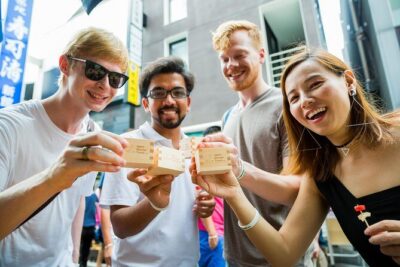 ★ 5.0Tokyo Tsukiji Fish Market Food and Culture Walking TourFrom $993,184 reviews
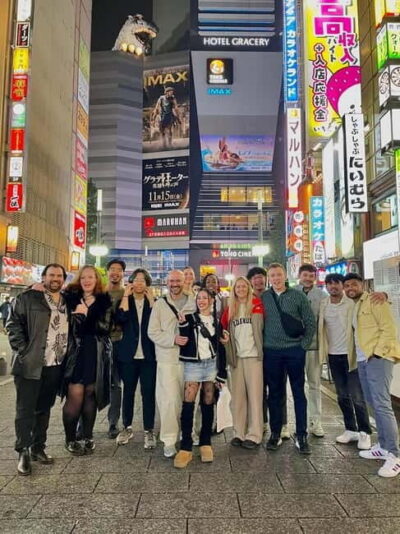 ★ 4.9Shinjuku Local Bar and Izakaya Guided Walking TourFrom $341,794 reviews
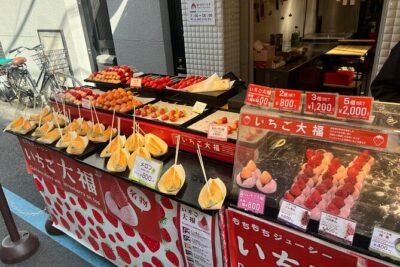 ★ 5.0Tsukiji Fish Market Food and Walking tourFrom $301,724 reviews
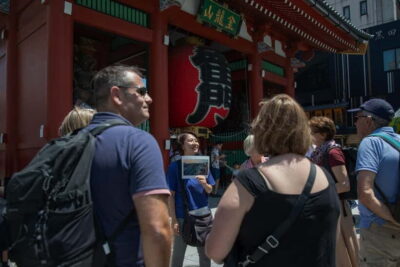 ★ 4.8Asakusa Walking Tour with Sensoji Temple VisitFrom $221,583 reviews
 ★ 4.9Tsukiji Fish Market Guided Walking TourFrom $221,397 reviews
 ★ 4.7Tokyo Castle & Imperial PalaceーShogun Walking TourFrom $231,068 reviews
 ★ 4.9Imperial Palace Japanese History Walking TourFrom $32987 reviews
 ★ 4.7Dark Side of Tokyo Shinjuku Red Light Walking TourFrom $29862 reviews
Browse the lists this tour appears in