
Reviewed · SHIBUYA TOURS
Make Traditional Nerikiri Sweets & Matcha experience in Shibuya
Make candy art with matcha in Tokyo.
In Harajuku/Shibuya, you’ll learn nerikiri (traditional Japanese confection) techniques in a real home setting, not a classroom. I like that the whole experience is slow, hands-on, and practical: you’ll leave with the sweets you made plus a better feel for how Japanese tea culture pairs with seasonal sweets.
Two parts I really love: first, the fine-detail guidance from Hana sensei, who’s patient enough to help you correct your technique without making you feel rushed. Second, the matcha tea ceremony at the table—it turns the class from just cooking into a small etiquette-and-taste lesson you can actually use later.
One consideration: it’s an intimate 1 hour 30 minutes class for up to 4 people, so if you’re trying to stack five big tourist stops back-to-back, you might feel it’s too calm or too scheduled.
In This Review
- Key things to know before you go
- Nerikiri and matcha: what you’re really learning
- Where to meet near Omotesando and how the class flows
- Step-by-step nerikiri shaping: from templates to your own design
- Choosing shapes and making three designs
- Creating one original nerikiri piece
- What “take-home” means here
- The matcha tea ceremony at the table: taste, etiquette, and pacing
- Vegan and vegetarian-friendly sweet planning
- Price and value: what $60 gets you in real terms
- Logistics that matter once you’re in Shibuya/Harajuku
- Who this class is best for (and who might not love it)
- A few practical tips before you walk in
- Should you book the traditional nerikiri and matcha class?
- FAQ
- Where is the meeting point?
- How long does the experience take?
- How many people are in the group?
- What’s included in the class?
- What will I make during the workshop?
- Can I take the sweets home?
- Is it suitable for vegans and vegetarians?
- What are the available start times?
- Is this class good for kids or older travelers?
- Is free cancellation available?
- Is it close to public transportation?
Key things to know before you go
- Small group (max 4) means real one-on-one attention while you shape your sweets.
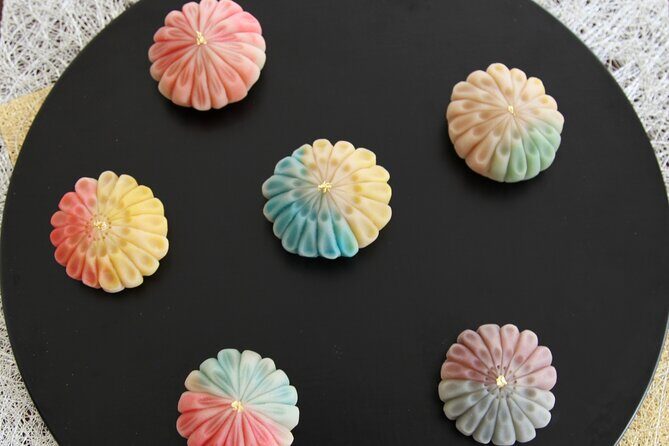
- You make three set designs plus one original design, for four sweets total you can take home.
- Matcha + a neat tea ceremony is part of the experience, not an afterthought.
- Harajuku location near Omotesando Station keeps you close to Shibuya and Meiji Shrine.
- Suitable for vegans and vegetarians, so it’s easier to plan than many food tours.
More to do within sight of the Crossing
- Official Street Go-Kart in Shibuya★ 5.0 · 3,435 reviews
- Tokyo: Street Kart Experience in Shibuya★ 4.9 · 1,484 reviews
- Shibuya Meltdown Nightlife Tour: All-You-Can-Drink Bar Hopping★ 5.0 · 1,058 reviews
Nerikiri and matcha: what you’re really learning
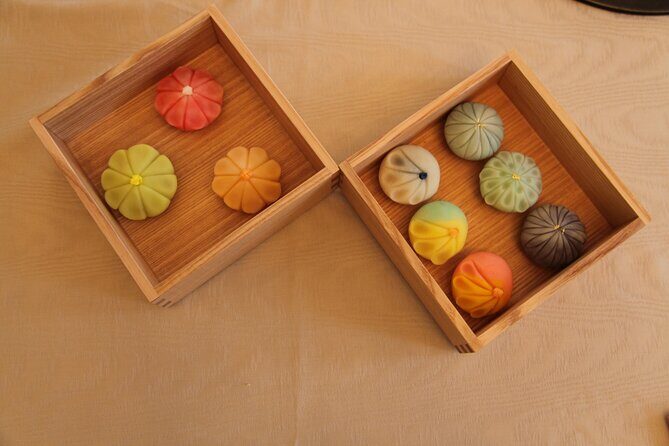
A nerikiri sweet looks like tiny sculpture. The fun part is that it’s also structured. You’re not just mixing sugar and bean paste—you’re learning how to control shape, pressure, and finishing details so the final piece holds its form.
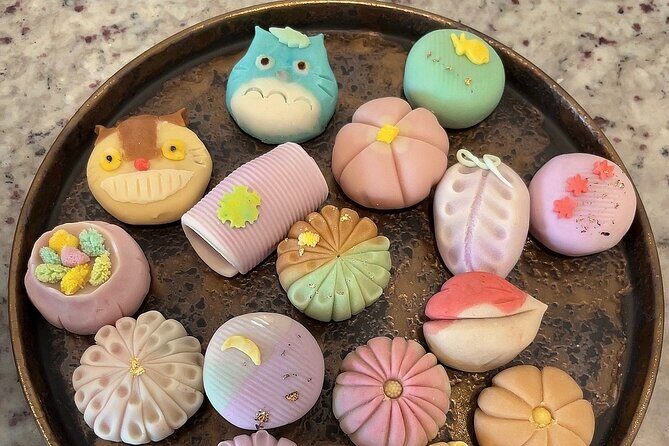
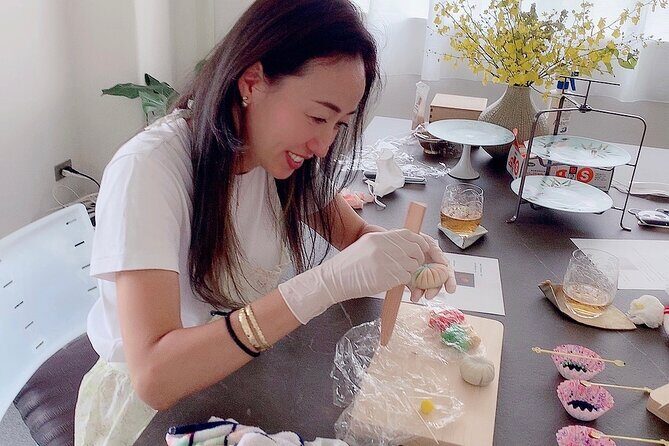
In this class, you start by choosing designs from samples. Then you move through the core skills: shaping bean-paste dough (the nerikiri), refining outlines, and getting the look to match the pattern you chose. After that, you’ll make your own original design. That last step matters, because it’s where you stop copying and start understanding what your hands are doing.
Then you shift gears to tea. The matcha part includes a table-style tea ceremony where the host prepares matcha and serves it alongside carefully selected Japanese sweets sourced from across Japan. The pairing is the quiet lesson: sweet texture and bean-paste richness often need clean bitterness and aroma from good matcha.
Where to meet near Omotesando and how the class flows
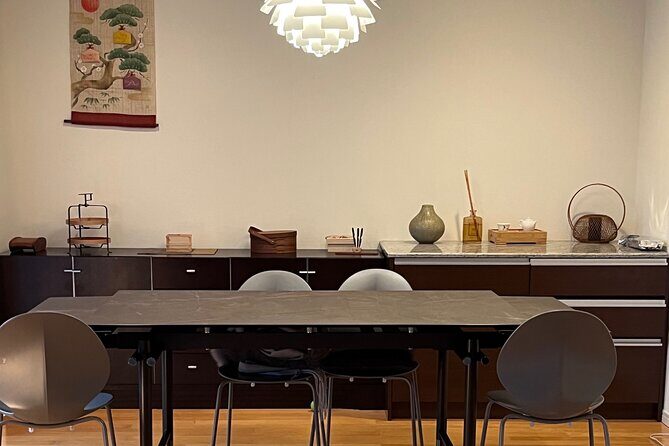
You meet at CHUMS Omotesando, in front of the Brown building, with the start address listed as 5-chōme-2-21 Jingūmae, Shibuya, Tokyo 150-0001. The walk is brief—about 30 seconds together to the instructor’s place—so you spend your time on the activity, not transit.
From there, the experience stays very structured:
- You’ll get sample designs to choose your first shapes.
- You’ll create your set of nerikiri pieces.
- You’ll enjoy the matcha and sweets portion afterward.
The class is offered on time slots at 9:00, 13:00, and 15:30. That’s a big deal in Tokyo. If you schedule the earliest session, you can enjoy a calmer morning class and still have plenty of daylight for shopping and walking, since many shops open around 11:00.
And yes, it really is small. The group max is 4 travelers, which is why people consistently mention the host’s patience and the fact that nobody feels stuck.
Step-by-step nerikiri shaping: from templates to your own design
This is the main event, and it runs the show.
Choosing shapes and making three designs
You begin by picking from sample designs. The samples aren’t just decoration—they’re teaching tools. They show the different forms nerikiri can take and give you a visual target for how the dough should look after shaping.
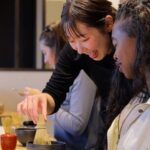
Then you make three different shapes. You’ll work through technique while the host guides your hand positions, pressure, and finishing steps. If you’re clumsy (most of us are the first time), that’s not a problem. The tone of the instruction is encouraging: clear steps, helpful corrections, and time to redo a detail.
I especially like this part for beginners. Nerikiri can look intimidating in photos. In real life, the host breaks it into manageable moves, and the small group size means questions don’t get lost.
Worth weighing up alongside this Tokyo pick:



Creating one original nerikiri piece
Next comes the creative part: you make your own original design. This is where the class feels less like a craft lesson and more like a personal souvenir.
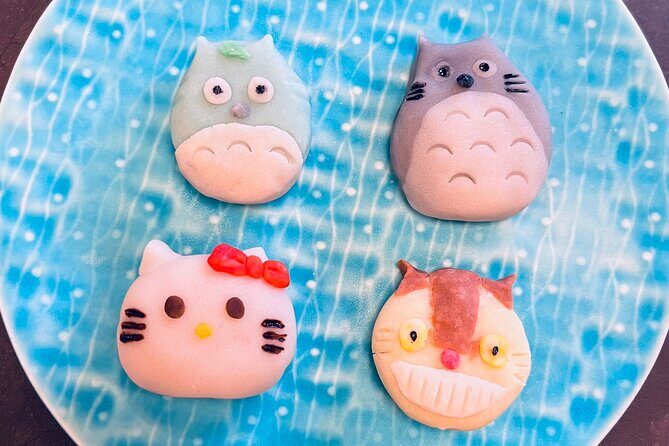
You’ll choose a concept (based on what you learned from the templates) and apply the same shaping logic to something new. Many people end up with designs they wouldn’t even try on their first attempt—like floral shapes or cute character-inspired forms.
Also, everything you make is included as take-home treats. That’s important: you’re not just practicing for practice’s sake. You get four sweets total, and you can bring them back to share (or eat slowly, like a respectful adult).
What “take-home” means here
You’ll leave with the nerikiri you shaped during class. The class is designed so you finish your pieces on-site and can transport them afterward. It’s a nice change from workshops where the best item is a photo and everything else disappears into the trash.
The matcha tea ceremony at the table: taste, etiquette, and pacing
After shaping your nerikiri, you transition into the tea portion. This is a table-style tea ceremony, which means you’re not expected to stand and move around like you’re on a stage. It’s calmer and more approachable, especially if you’re traveling with kids or older adults.
The host serves:
- Freshly prepared matcha
- A selection of Japanese sweets alongside it
What you learn here is less about memorizing rules and more about how tea changes the experience of sweetness. Matcha’s bitterness and umami can balance bean paste richness, and the ceremony pacing makes you taste with intention instead of rushing in one bite.
A lot of reviews specifically call out the ceremony as neat and special—exactly the right word. It feels tidy, thoughtful, and designed for enjoying.
Also, if you’re the type who likes to learn “why” as much as “how,” you’ll probably enjoy the small culture explanations woven into the experience, especially the care around details.
Vegan and vegetarian-friendly sweet planning
The class states it’s suitable for vegans and vegetarians. That’s a rare win in food-focused activities, where many Japanese sweets can quietly include ingredients that don’t fit every diet.
If you have dietary needs, it’s worth paying attention to any notes you can add during booking (the class structure suggests they’re used to handling different preferences). In at least one case, the host contacted a guest about swapping ingredients with alcohol, which signals the host communicates when ingredient concerns come up.
Bottom line: you can book with confidence that diet needs are considered here, not ignored.
Price and value: what $60 gets you in real terms
$60 per person sounds simple on the surface. The value is in the structure.
Here’s what you’re paying for:
- Hands-on nerikiri instruction (three shaped templates + one original piece)
- Four sweets total that you take home
- A matcha tea ceremony plus additional Japanese sweets to taste alongside it
- A small group max of 4, which directly affects how much attention you get
In many Tokyo food activities, you pay for the meal and the photo. Here, you pay for the skill and the full tasting moment—then you still get edible output in your bag.
The most practical value is time efficiency. You don’t need to hunt down ingredients, learn tea etiquette alone, or wait in line for a specialty shop. You get the full experience in about 1 hour 30 minutes.
If you love culture that’s specific and hands-on, this is a good use of a half-afternoon or morning slot.
Logistics that matter once you’re in Shibuya/Harajuku
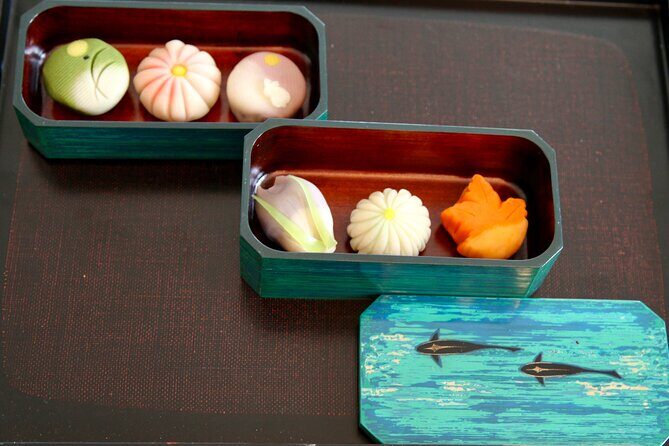
This part is about reducing friction.
- Location: you’ll be based in Harajuku/Omotesando area, which makes it easy to connect your class to nearby sights. You’re also in walking distance of major hits like Takeshita Street and Shibuya Crossing, with Meiji Shrine also close enough for a separate plan.
- Early start is smart: since shops open around 11:00, the 9:00 session helps you make the most of your day instead of starting late and losing prime walking time.
- Mobile ticket: you won’t have to fuss with paper.
- Time feel: the class is paced for people of different ages, so it shouldn’t feel like a factory run. Still, you’ll want to arrive a few minutes early so you start shaping without stress.
Who this class is best for (and who might not love it)
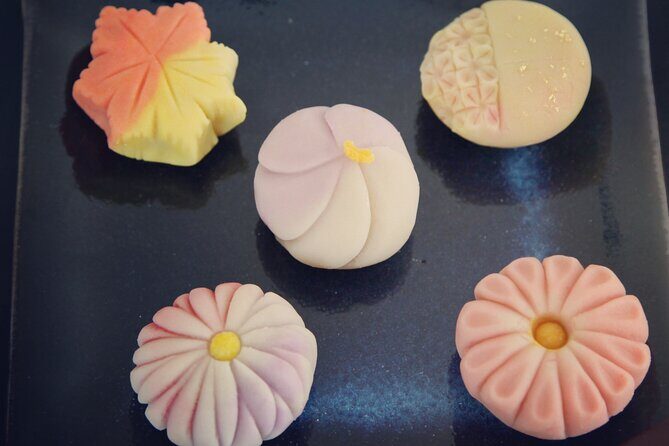
This is a strong fit if you:
- Want a Japanese culture activity that isn’t just sightseeing
- Enjoy crafts where details matter
- Like food you can actually take home
- Travel with mixed ages—kids through seniors are included in the class design
- Care about tea culture and how sweets pair with matcha
You might reconsider if you:
- Hate sitting still for an hour plus
- Want a high-energy, crowded “Tokyo experience” vibe
- Are trying to squeeze in nonstop attractions with no breathing room
The experience is intentionally calm and focused. Think of it as a reset in the middle of a busy city day.
A few practical tips before you walk in
These are the small habits that make workshops smoother in Tokyo.
- Bring a photo-sharing mindset—but also plan to be hands-on. Your best “souvenir” here is your finished nerikiri.
- Wear comfortable clothes. You’ll be shaping paste and paying attention to tiny details.
- If you’re traveling with kids, this class is structured for them, but you’ll still want to expect the session to be slower than a fast snack stop. It’s meant to be enjoyable, not a race.
- If you have dietary requirements, double-check that your needs are noted at booking so ingredient handling goes smoothly.
Should you book the traditional nerikiri and matcha class?
I think you should book this if you want an authentic Tokyo food experience that’s both creative and culturally grounded. It hits the sweet spot: small group, skill-building, and real take-home sweets, plus the matcha ceremony adds meaning beyond taste alone.
Skip it only if you strongly prefer big-ticket sightseeing, or if the idea of a calm, detail-focused workshop sounds like work instead of fun.
If you’re in Shibuya/Harajuku and you want one activity that feels personal—like you actually learned something—this is a smart choice.
FAQ
Where is the meeting point?
You meet at CHUMS Omotesando, in front of the Brown building, at 5-chōme-2-21 Jingūmae, Shibuya, Tokyo 150-0001.
How long does the experience take?
It’s about 1 hour 30 minutes.
How many people are in the group?
The maximum group size is 4 travelers.
What’s included in the class?
You’ll make nerikiri sweets and then enjoy a matcha tea ceremony with additional Japanese sweets. The class includes four sweets total plus a hot drink.
What will I make during the workshop?
You’ll choose from sample designs and make three different nerikiri shapes, then you’ll create one original design.
Can I take the sweets home?
Yes. Everything you make can be taken home.
Is it suitable for vegans and vegetarians?
Yes, it’s described as suitable for vegans and vegetarians.
What are the available start times?
The listed schedule includes 9:00, 13:00, and 15:30.
Is this class good for kids or older travelers?
Yes. It’s described as enjoyable for all ages, from young children to seniors.
Is free cancellation available?
Yes. You can cancel up to 24 hours in advance for a full refund.
Is it close to public transportation?
Yes. It’s near public transportation, and it’s about a 3-minute walk from Omotesando Station.
More Dessert Tours in Tokyo

More Tour Reviews in Tokyo






Still in Shibuya? Keep Going





Fresh reviews from around Tokyo






Shibuya Tours, compared.
 ★ 5.0Official Street Go-Kart in ShibuyaFrom $763,435 reviews
 ★ 4.9Street Kart Experience in ShibuyaFrom $741,484 reviews
 ★ 5.0Shibuya Meltdown Nightlife Tour: All-You-Can-Drink Bar HoppingFrom $1061,058 reviews
 ★ 5.0Shibuya Official Street Go-Kart in Shibuya AnnexFrom $69972 reviews
 ★ 5.0Shibuya Food Tour (13 dishes and 4 Eateries)From $77770 reviews
 ★ 5.0Best of Shibuya Food TourFrom $217612 reviews
 ★ 4.8Shibuya Highlights Walking TourFrom $19601 reviews
 ★ 4.7Premium Go-Kart Tour with Tower & Shibuya CrossingFrom $116528 reviews
Browse the lists this tour appears in