
Reviewed · TEA CEREMONY EXPERIENCES
Japanese Traditional Sweets making and Tea Ceremony
Forget complicated souvenirs.
This Japanese traditional sweets and tea ceremony class is a hands-on 95-minute way to learn how wagashi and matcha fit together in everyday Japanese culture. I like that you work with bean paste produced by Kyoto’s long-established shops, not generic ingredients. I also like that the tea part uses single-origin Uji matcha, with a grinding demo that helps you understand what you’re actually drinking.
One thing to consider: the experience runs in Japanese, and even with English support, a busy room can make it harder to hear every instruction clearly.
In This Review
- Kyoto-Style Wagashi + Tea, in One Focused Session
- First Things First: The 95-Minute Rhythm You’ll Actually Feel
- Nerikiri Crafting: Coloring White Bean Paste Into Seasonal Art
- Kinton Nerikiri Shaping: Making the Seasonal Look With Your Hands
- The Tea Ceremony Part: Uji Matcha, Grinding, and How to Slow Down
- Tasting What You Made: Matcha and Bean Paste That Actually Work Together
- Price and Value Check: Why $18 Can Be a Good Deal
- Language and Classroom Reality: Make Sure You Can Hear the Steps
- Who Should Book This Nerikiri + Matcha Class in Tokyo
- Should You Book This Japanese Traditional Sweets and Tea Ceremony?
- FAQ
- Is this experience based in Tokyo or Kyoto?
- How long is the class?
- How much does it cost?
- What will I make during the workshop?
- What tea will I use?
- What is included in the price?
- Are there any extra costs for take-out or certificates?
- What language is the class taught in?
- How do cancellations work?
Kyoto-Style Wagashi + Tea, in One Focused Session
- Season-matching nerikiri: you’ll make two sweets designed around the season
- Kyoto bean paste: white/red bean paste from long-established Kyoto shops
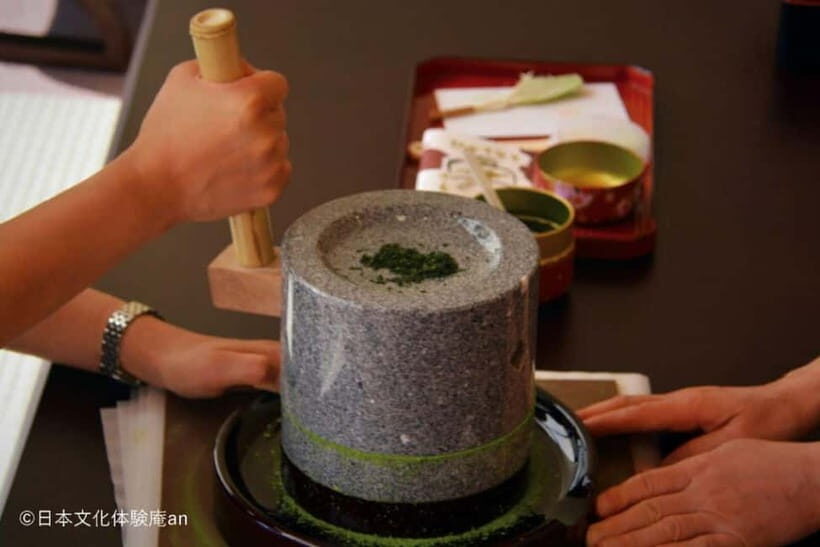
- Uji matcha emphasis: single-origin matcha, plus grinding and tea-ceremony practice
- Hands-on artistry: coloring and shaping starts right from the bean paste
- You eat what you make: your sweets plus your matcha, served together at the end
Quieter hours: more tea rooms and ceremonies
- Tokyo: Traditional Tea Ceremony with a Tea Master★ 5.0 · 528 reviews
- Tea Ceremony Workshop in Tokyo by the Experienced Instrucor★ 5.0 · 189 reviews
- Tea Ceremony Experience in a Private Tea Room in Shibuya★ 4.9 · 125 reviews
First Things First: The 95-Minute Rhythm You’ll Actually Feel
This class is built like a little arc: create first, then slow down. You’ll start with an explanation of Japanese traditional sweets, then jump straight into making a high-grade wagashi style called Nerikiri. After that, there’s a break, and you shift gears to tea—how matcha is prepared and how the ceremony is done.
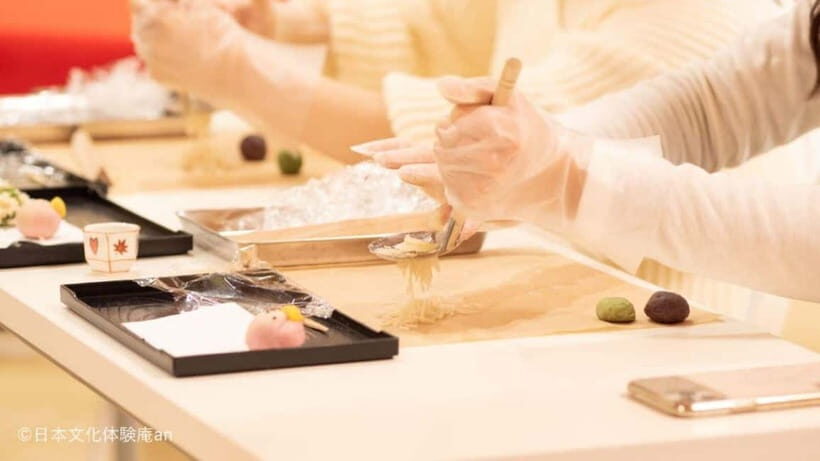
Timing matters here because you’re not just watching a demonstration. The sweets section is hands-on, including coloring the white bean paste. Then, during the tea section, you’ll see the matcha process and do the ceremony steps before you sit down for tasting.
The whole thing takes 95 minutes, so it’s a good fit if you want something cultural that doesn’t eat your whole afternoon. It also works well as a change of pace after a day of food shopping and museum stops. You get a skill you can talk about, plus the simple satisfaction of eating what you made.
Nerikiri Crafting: Coloring White Bean Paste Into Seasonal Art
“Nerikiri” is one of the nicer gateways into wagashi because it’s both technical and expressive. You’ll work with white/red bean paste that’s said to come from Kyoto’s long-established shops, and you’ll begin by coloring the paste. That part is more important than it sounds. Coloring isn’t just decoration; it sets up the seasonal look that wagashi is known for.
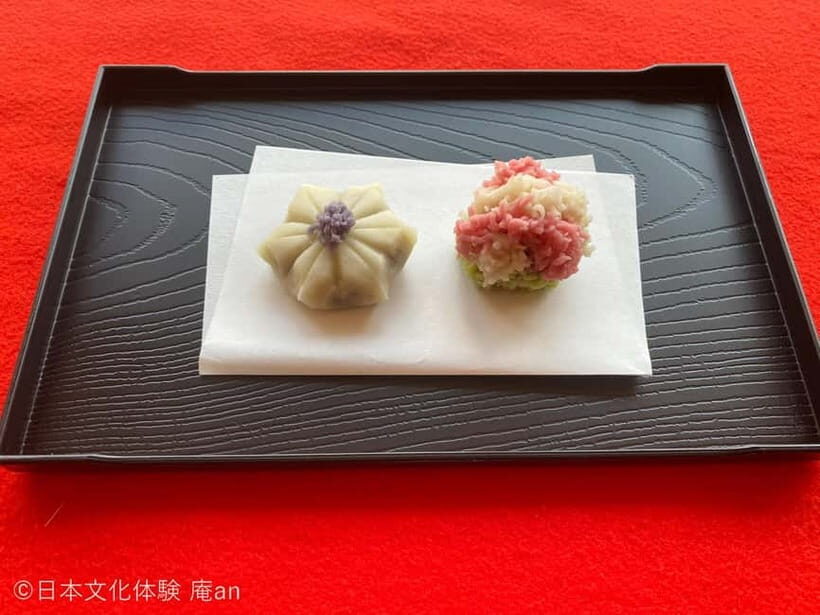
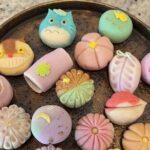
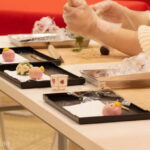
The style you’ll make is shaped to reflect the season—flowers and fruits are common inspirations. The class description specifically notes that Nerikiri sweets are crafted in the shape of seasonal flowers or fruits, using colored bean paste.
In other words: you’re learning to create something that looks like a tiny piece of design, not like a plain dessert. And because you’re coloring the paste yourself, you get a feel for how controlled wagashi can be. You’re shaping a material that responds differently than cake batter or cookie dough.
You’ll also make two Japanese sweets during the session. That’s a big value point: many classes teach a single item well, but here you get more variety and more practice. If you want souvenirs, you’ll have a hard time not wanting to keep every piece. (More on taking extras along later.)
One small downside to note: Nerikiri is fiddly by nature. Even if you’re careful, the point is learning the process, not producing a perfect museum-quality sculpture. If you’re the type who gets stressed by precision crafts, plan to enjoy it as skill-building, not grading.
Kinton Nerikiri Shaping: Making the Seasonal Look With Your Hands
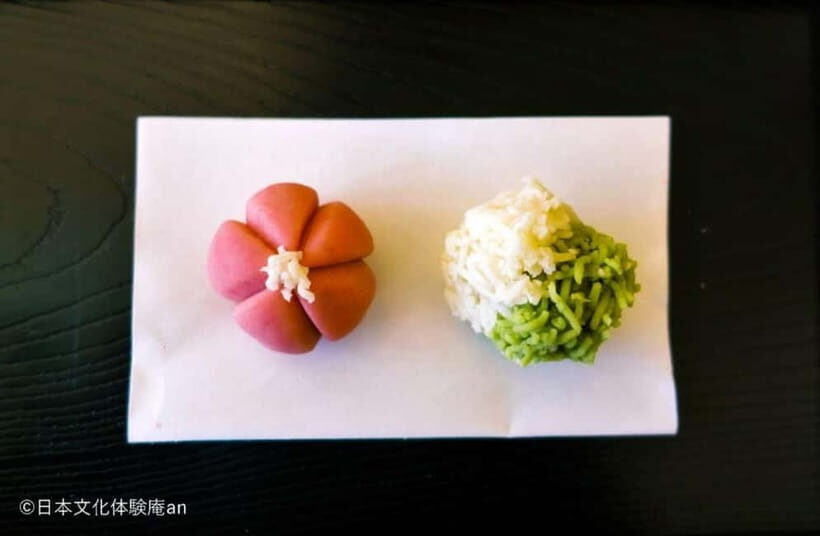
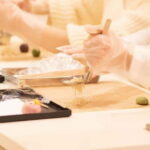
During the sweets portion, you’ll make what’s described as a flower shaped Kinton Nerikiri. That detail helps because it tells you what to focus on: texture, shape, and the way the paste is formed into a seasonal motif.
What I find helpful for you is thinking about the goal. Nerikiri-making teaches a specific mindset:
- work slowly
- adjust as you go
- respect the material’s limits
- aim for a clean shape, not chaos
The class schedule also frames this as an actual making step, not a quick craft. You’ll have time to go through the process after the initial explanation, and you’ll build up from the paste coloring into the final sweet.
And if you’re hoping to learn the cultural meaning behind the looks, this is the right kind of activity. Wagashi designs are a visual calendar. When the class says your sweets will match the season, it’s not a marketing line. It’s the basic logic of wagashi: you taste the time of year, not just sugar.
The Tea Ceremony Part: Uji Matcha, Grinding, and How to Slow Down
After the break, you’ll get an explanation of tea and move into the tea-ceremony section. The standout here is the Uji matcha focus. Uji is a famous tea-growing area in Japan, and the class is explicit that the matcha is single-origin special matcha.
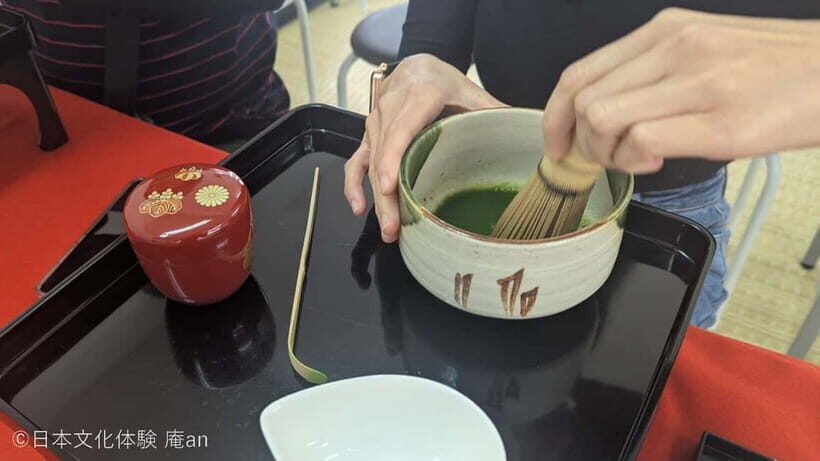
Before you drink, there’s a matcha grinding demonstration. This is one of the best teachable moments in the whole experience because matcha isn’t just tea in a cup. The grinding and preparation shape the flavor and texture you’ll notice later.
Then you’ll do the tea-ceremony experience itself, followed by photo time. If you’ve only had matcha in a café, this part changes your mental model fast. You’ll see how the ceremony uses the physical steps to slow you down and make the tasting more deliberate.
One practical tip for you: don’t rush your attention during the tea steps. The whole point is to connect the ritual to the taste. When you later eat your wagashi, you’ll understand why people talk about balance.
Worth weighing up alongside this Tokyo pick:



Tasting What You Made: Matcha and Bean Paste That Actually Work Together
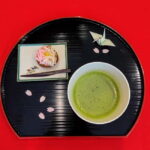
At the end, you’ll eat and drink what you prepared: your two nerikiri sweets along with your matcha. The class description promises that the sweetness of the higher quality white/red bean paste will balance the taste of the matcha—and that’s exactly what you’re looking for in a good pairing.
Here’s why this pairing matters:
- Nerikiri can be sweet, but it’s also carefully shaped, so the experience is more than sugar.
- Matcha brings bitterness and a tea-like depth.
- When the sweetness and matcha balance well, the tea stops feeling harsh and the wagashi stops tasting one-note.
If you pay attention during tasting, you can actually taste the difference between matcha that’s meant for ceremony versus matcha you might get in a latte. The Uji focus plus the grinding demo sets you up for that.
Also, you’re tasting your own work. That can sound sentimental, but it’s genuinely useful. You’ll remember the shape you made, how it looked, and then you’ll connect that memory to flavor and texture. That’s how you turn a class into knowledge.
Photo time at around 85 minutes is a good moment to capture your sweets and your tea setup, but the real payoff is the last 10 minutes when you’re just eating and drinking without needing to do anything else.
Price and Value Check: Why $18 Can Be a Good Deal
At $18 per person for a 95-minute class, the value depends on what you want out of it. If you’re shopping for a quick photo and a basic snack, you might feel it’s not worth it. But if you want a skill, a cultural routine, and a real pairing, it’s solid.
You’re paying for several things at once:
- ingredients described as coming from established sources in Kyoto (bean paste)
- single-origin special matcha tied to Uji
- hands-on time making two seasonal sweets
- a tea-ceremony experience that includes a grinding demo
- a tasting of what you made
The class also offers small optional extras. If you want a take-out box for your sweets, it’s listed at 100 JPY. If you want a completion certificate, it’s 300 JPY, and nominative certificates require you to send your names in advance. If you don’t, they’ll leave a blank space for your name.
My rule of thumb: this price makes sense if you’ll actually use what you learn. You’ll leave knowing how nerikiri is constructed and what to pay attention to when drinking matcha. That’s more than most “food experience” add-ons.
Language and Classroom Reality: Make Sure You Can Hear the Steps
This experience is listed as Japanese, with English translation provided as much as possible. That’s helpful, but it still means you should be prepared to rely on demonstration and visual cues.
One review specifically praised an instructor named Marie as a great presenter, helpful, and patient. That’s the best-case scenario: clear pacing, good demonstrations, and enough time for people to follow along.
But another review flagged a drawback: the room can be crowded, and if it is, it may be hard to hear the instructor while they continue without waiting. That doesn’t make the class bad—it just means you should mentally prepare for the possibility that you’ll focus more on what your hands and eyes are doing than on perfect English explanation.
If your Japanese is limited, you can still do well because wagashi-making is visual. Still, arrive on time, pay attention to the demo steps, and don’t be shy about raising a question if that’s allowed in your session.
Who Should Book This Nerikiri + Matcha Class in Tokyo
This class is best for you if:
- you want an authentic food activity that isn’t just tasting
- you like crafts and want a hands-on cultural skill
- you care about matcha quality and want to understand preparation
- you want a seasonal connection, not a generic dessert
It’s also a great pick for people who want a calm, focused experience. Nerikiri-making plus tea gives you a pace that’s different from most food tours.
It might be less ideal if:
- you hate precise, fiddly crafts and get impatient fast
- you strongly need extensive English narration in a crowded room
- you only want a quick snack and don’t care about process
Should You Book This Japanese Traditional Sweets and Tea Ceremony?
If your goal is to learn how Japanese sweets and tea fit together through real technique, I’d book it. The combination of Kyoto bean paste, Uji matcha, and making two seasonal nerikiri sweets in 95 minutes is exactly the kind of value that turns culture into something you can remember.
Book it especially if you want a practical souvenir that isn’t plastic. You’ll leave with tasting experience, a mental model for matcha preparation, and a story about making wagashi from colored bean paste.
If you’re sensitive to noise or rely heavily on hearing spoken English, choose a time when you can focus well and plan to follow the visual steps closely. Either way, it’s a good match for people who like food culture with their hands, not just their camera.
FAQ
Is this experience based in Tokyo or Kyoto?
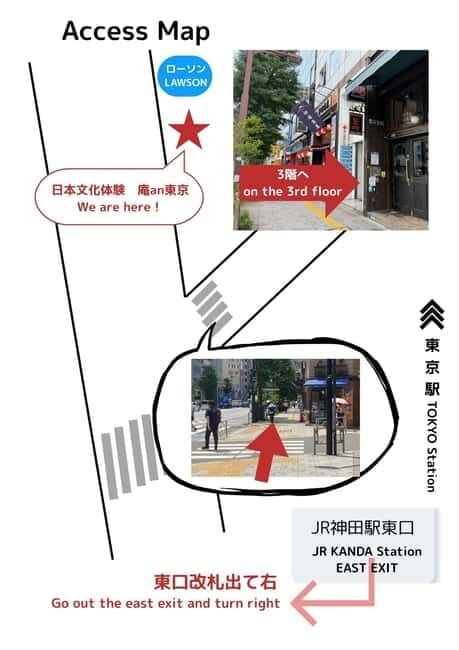
The meeting point is in Tokyo at AN TOKYO Japanese Culture Experience. The class focuses on Kyoto-related food culture, including bean paste from Kyoto shops and Uji matcha.
How long is the class?
The duration is 95 minutes.
How much does it cost?
The price is $18 per person.
What will I make during the workshop?
You’ll make two Japanese sweets matching the season. The first sweet making step is Nerikiri, including colored bean paste shaping.
What tea will I use?
You’ll use single-origin special Matcha, specifically Uji matcha. The session includes a matcha grinding demonstration and a tea-ceremony experience.
What is included in the price?
Included is the Japanese traditional sweets making and tea ceremony experience.
Are there any extra costs for take-out or certificates?
A sweets take-out box costs 100 JPY. An experience completion certificate costs 300 JPY, and if you want the certificate with your name, you need to provide names in advance.
What language is the class taught in?
The experience is listed as Japanese. English translation will be provided as much as possible.
How do cancellations work?
Free cancellation is available up to 24 hours in advance for a full refund. Reservations received after 17:00 are processed the next day, and cancellation after that involves fees according to the policy details.
More Dessert Tours in Tokyo

More Tour Reviews in Tokyo






More Tea Rooms Worth Booking


Fresh reviews from around Tokyo






Tea Ceremony Experiences, compared.
 ★ 5.0Traditional Tea Ceremony with a Tea MasterFrom $38528 reviews
 ★ 5.0Tea Ceremony Workshop in Tokyo by the Experienced InstrucorFrom $38189 reviews
 ★ 4.9Tea Ceremony Experience in a Private Tea Room in ShibuyaFrom $30125 reviews
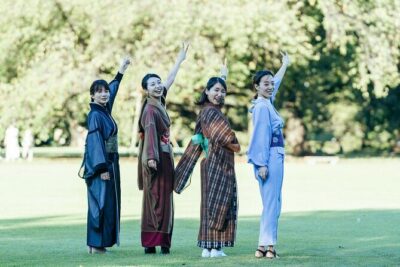 ★ 5.0Matcha Kimono Tea Ceremony in TokyoFrom $59104 reviews
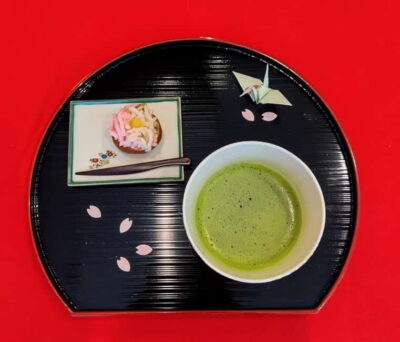 ★ 4.9Tea ceremony experience in Japanese-style room 60minFrom $4586 reviews
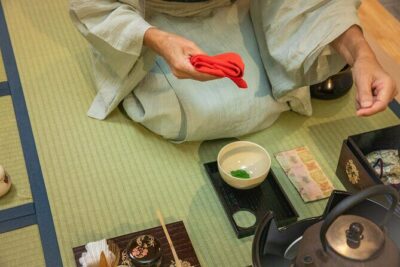 ★ 5.0Casual Japanese Tea Ceremony ExperienceFrom $2574 reviews
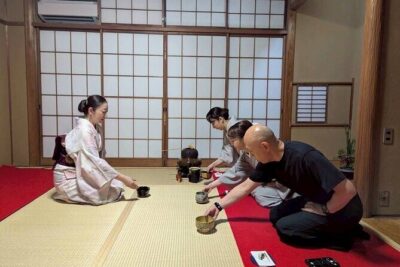 ★ 5.0Shibuya Authentic Tea Ceremony with experienced instructorFrom $2554 reviews
 ★ 4.9Tea Ceremony Experience in a small tea roomFrom $5153 reviews
Browse the lists this tour appears in