
Reviewed · SAMURAI & NINJA EXPERIENCES
Tokyo: Samurai Sword Academy in the Hometown of Last Samurai
A real dojo beats a sword show.
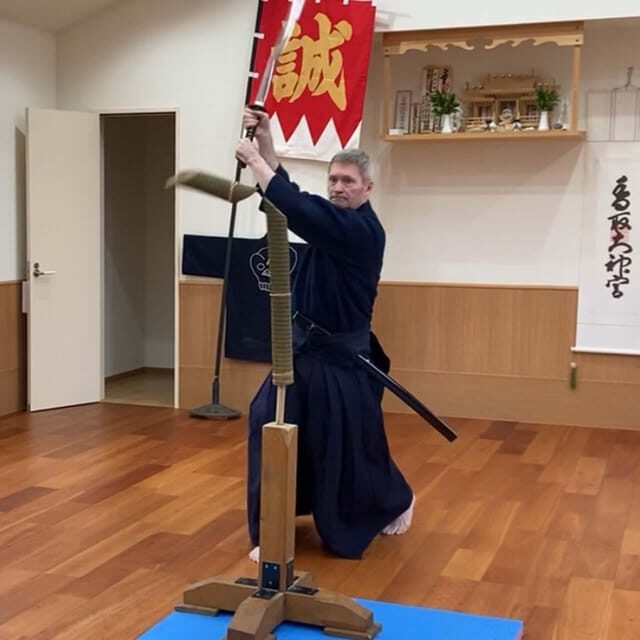
This 2-hour Samurai Sword Academy in Hino lets you learn Tennen Rishin-ryu as it’s practiced today, with teaching tied to the Shinsengumi legacy. The setting matters: you’re not watching from the sidelines, you’re training inside the Tennen Rishin-ryu Hino Dojo atmosphere.
I like that the class moves in a smart order, starting with posture and wooden practice before you handle a Japanese sword. I also like that it’s taught by Masao Inoue (chairman of the dojo), a descendant of Shinsengumi executive Genzaburo Inoue, so the history feels grounded, not tacked on. The main drawback is physical: it’s not for people with back problems, mobility limits, recent surgeries, vertigo, or anyone needing low-impact only.
In This Review
- Key Things I’d Bet on Before You Book
- Why Hino Is the Right Place for Shinsengumi Sword Training
- Getting There: The Inoue Genzaburo Museum Meeting Point
- The 2-Hour Class Flow: Wooden Sword, Stances, Kata, and Cutting
- Tennen Rishin-ryu: The “Why” Behind the Technique
- Meet the Instructor Lineage and the Teaching Style
- Gear, Uniform, and What to Bring (So You Don’t Feel Lost)
- Price and Value: $116 for a Small-Group Dojo Session
- Who Should Book (and Who Should Skip This One)
- Booking Smart: When to Go and How to Prep
- Should You Book the Samurai Sword Academy in Hino?
- FAQ
- How long is the Tennen Rishin-ryu sword academy experience?
- Where is the meeting point?
- What’s the group size?
- Will instruction be available in English?
- Do I use both a wooden sword and a Japanese sword?
- What uniform is included?
- Is this experience suitable for children?
Key Things I’d Bet on Before You Book
- Tennen Rishin-ryu in its home dojo: training happens at the Hino Dojo, not a performance space.
- Shinsengumi lineage teaching: the program is led by Masao Inoue, connected to the dojo’s Shinsengumi history.
- Wooden sword first, then Japanese sword: you get structured practice with safe progression.
- Small group size (up to 4 people): you’re more likely to get real attention, not a mass introduction.
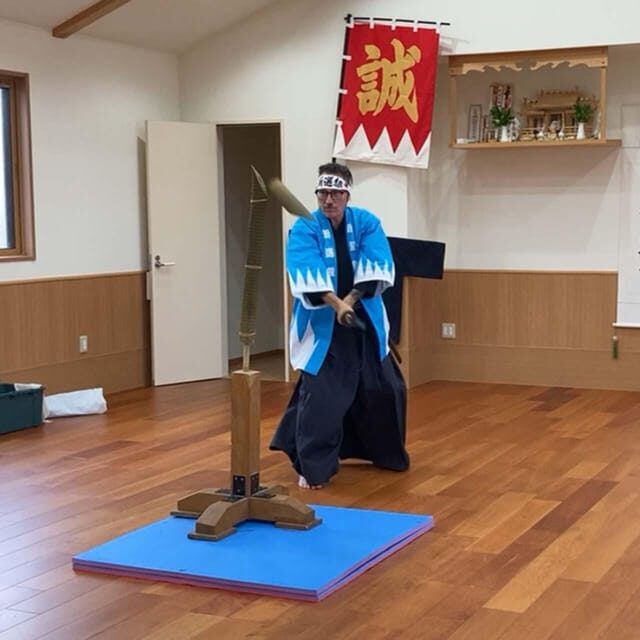
- Uniform included: you practice in dogi and hakama, plus the Shinsengumi dandara baori.
- A memorable ending: you’ll get a Shinsengumi map at the finish, plus an extra surprise moment.
More blades, bows and dojo hours
- Tokyo: Samurai Ninja Museum Guided tour and Experience★ 4.6 · 1,010 reviews
- Tokyo: Samurai Sword & Archery Class from Samurai Descendant★ 5.0 · 603 reviews
- Best Samurai Experience in Tokyo★ 5.0 · 458 reviews
Why Hino Is the Right Place for Shinsengumi Sword Training
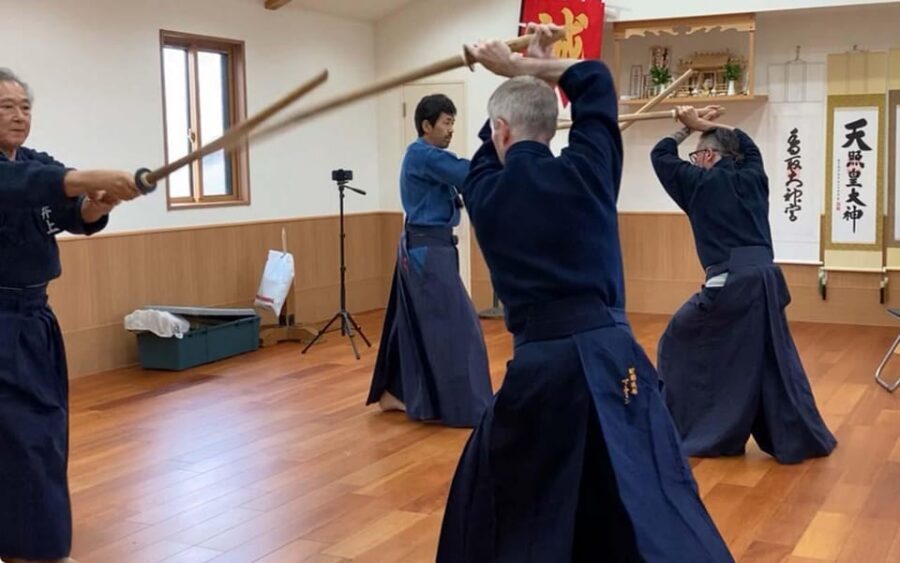
Hino is where the Shinsengumi story lives on the ground. The class is built around Tennen Rishin-ryu, a style that traces back to the Edo period and continues through today’s students at the dojo in Hino City. And there’s a clear connection in the program: the swordsmen who trained there are said to have formed the Shinsengumi in the late Edo period.
That matters because sword practice in Japan isn’t just about the blade. It’s about posture, discipline, and the culture wrapped around those habits. Here, the context is part of the teaching, so you understand why the movements look the way they do.
Getting There: The Inoue Genzaburo Museum Meeting Point
You meet on the second floor of the Inoue Genzaburo Museum, about a 5-minute walk from Hino Station on the JR Chuo Line. For most people, that’s a straightforward commute from central Tokyo, but you still want to plan a little time to avoid stress before training.
The location is useful because it ties the experience to the people and stories behind the dojo. You’re not getting shipped across town to an anonymous studio, and that makes the start feel more intentional.
The 2-Hour Class Flow: Wooden Sword, Stances, Kata, and Cutting
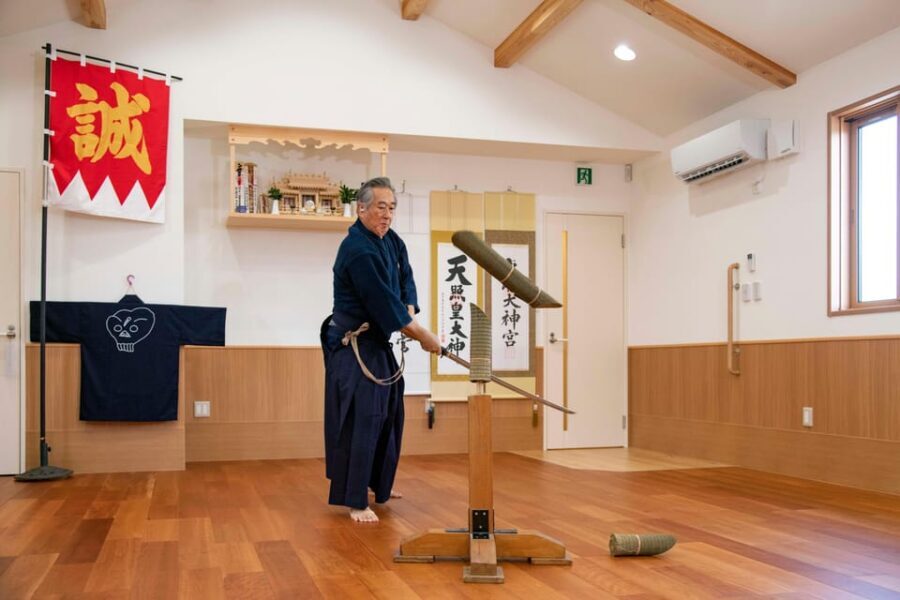
This experience runs about 2 hours, and the structure is designed to build confidence step by step. Even if you’ve never held a sword, you’re taught in stages, which is key for both safety and learning.
Here’s what you can expect in the real program rhythm:
First, you’ll get into training gear. The experience includes dogi and hakama (practice clothing), plus the dandara baori linked to Shinsengumi style. You’ll also get wooden sword practice tools to learn the basics without the intimidation factor of a live blade.
Next comes the foundation: foot placement, posture, and basic sword handling. This is where you learn that sword moves aren’t just arms. A lot of the class time goes into stances and balance, so you’re not just copying motions—you’re building mechanics.
Then you move into more formal practice. You’ll work on kata-style movement and some duel practice. The goal is to help you understand timing, distance, and control, not just swing for effect.
Finally, you handle a Japanese sword. The training experience includes actually wielding it as part of the program, and cutting practice is part of the session. One of the standout moments is the chance to cut tatami mats during the hands-on portion.
The last stretch also includes a finishing touch with a Shinsengumi map showing key historical spots. There’s also a small end-of-class surprise, so it doesn’t feel like you’re simply released after the final swing.
Tennen Rishin-ryu: The “Why” Behind the Technique
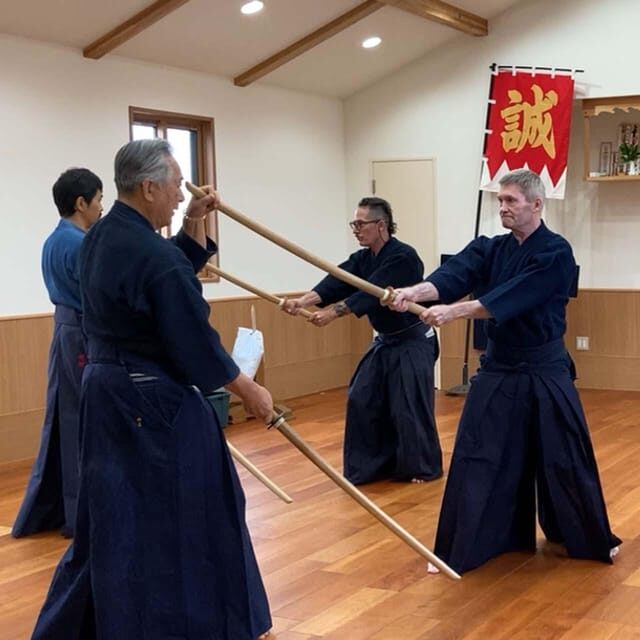
Tennen Rishin-ryu is taught here as a living method, not an exhibit. The style started in the Edo period and has been carried forward by students training at the dojo in Hino, where you learn the essence of the system in the actual practice space.
What you’ll likely notice is how the instructor focuses on the reasons behind the movements. Proper foot placement helps prevent injury, and you learn why the stance matters before you’re pushed into more advanced patterns. That kind of explanation can turn the class from a novelty into something you can carry home.
Also, the connection to the Shinsengumi adds meaning to the practice. Since the dojo’s swordsmen are said to have helped form that legendary group, you’re practicing with a story running in the background—one that explains why this training is treated with seriousness.





Meet the Instructor Lineage and the Teaching Style
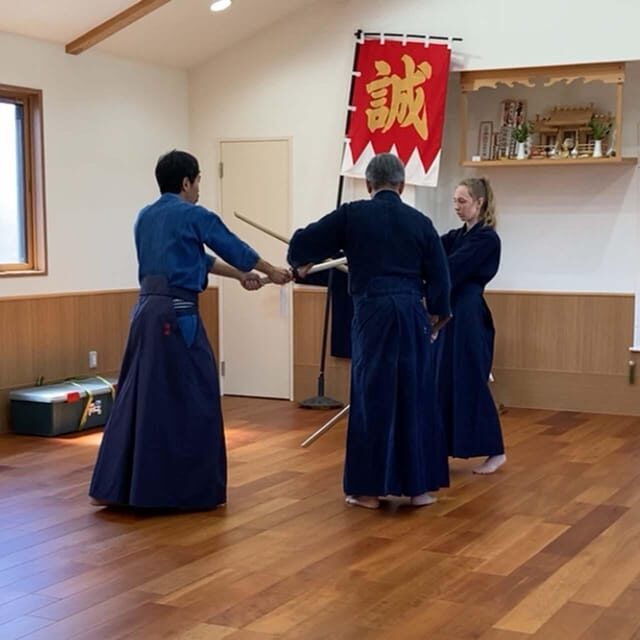
The program is led by Masao Inoue, chairman of the Tennen Rishin-ryu Hino Dojo and a descendant of Shinsengumi executive Genzaburo Inoue. That personal lineage is not just a biography page. It shapes the way the class is run, with a tone that balances respect with encouragement.
In practice, the teaching approach matters more than you’d think. You get a staged progression: start with safer practice tools, then move toward a Japanese sword once your posture and handling are solid. With a small group capped at 4 participants, you’re more likely to get corrections in real time.
You’ll also likely feel a mix of seriousness and friendliness from the instructors. That balance is the difference between a class that feels like a performance and one that feels like learning inside a real training culture.
Gear, Uniform, and What to Bring (So You Don’t Feel Lost)
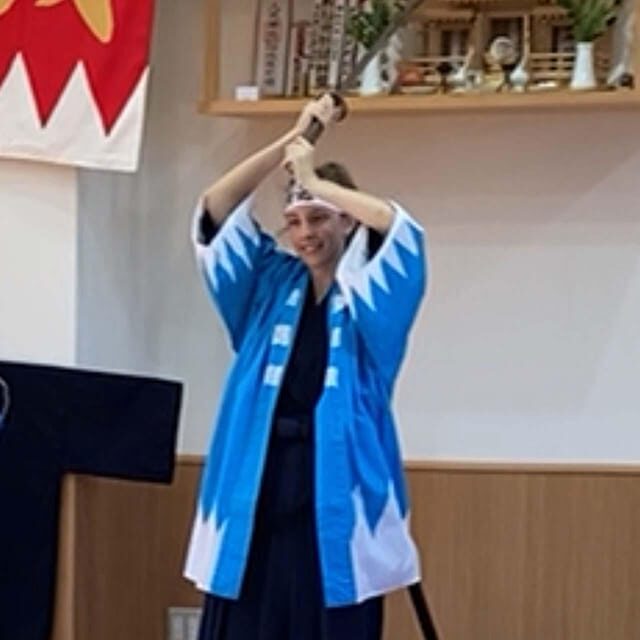
Good news: you don’t need to show up with fancy training gear. The experience includes dogi and hakama and the dandara baori, plus wooden sword and Japanese sword use during the session.
You should still think about comfort. This is sword training, so wear clothing that lets you move easily once you’re in uniform. Since the experience isn’t meant for people with certain medical and mobility limitations, I’d also choose footwear and clothing that won’t leave you anxious about balance.
If you’re planning to do other activities after training, plan for a light reset. You’ll be doing physical work that’s more than a short walk, even though the session is only two hours.
Price and Value: $116 for a Small-Group Dojo Session
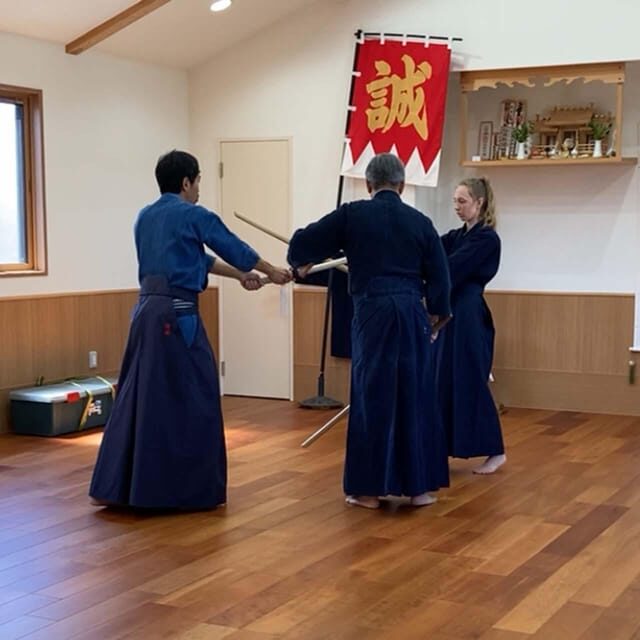
At $116 per person for about 2 hours, you’re paying for more than a photo op. The value comes from the package: instruction from a dojo leader and instructors, plus practice tools, uniform, and time with both wooden training equipment and a Japanese sword.
Also, the small group limit (4 people) is a big part of the price logic. When someone can watch your foot placement and adjust your stance, you learn faster and you feel safer. That’s harder to get in larger, more tour-like classes.
Is it expensive compared with a generic walking tour? Yes. Is it expensive compared with other short experiences that don’t include uniform and real sword handling? It can feel like a fair trade, especially if you care about authenticity and technique.
Who Should Book (and Who Should Skip This One)
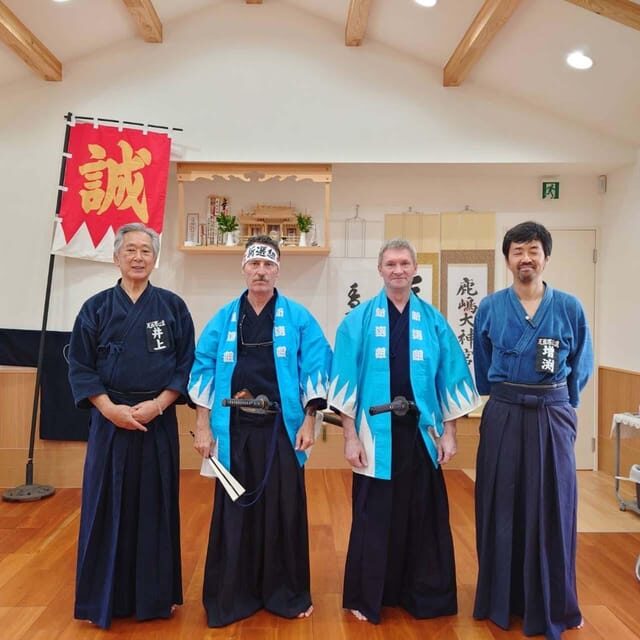
This experience is best for people who want hands-on practice and don’t mind disciplined instruction. You’ll enjoy it most if you like:
- structured physical learning (stance, footwork, kata)
- hands-on equipment (wooden sword and a Japanese sword)
- cultural context tied to the Shinsengumi story
It’s not suitable for children under 18. It’s also not for people who are pregnant, have back problems, mobility impairments, wheelchair users, heart problems, vertigo, recent surgeries, low fitness, or anyone with a cold or altitude sickness.
If any of those apply, skip it. Sword training can be controlled and taught carefully, but your body still has to do the work.
Booking Smart: When to Go and How to Prep
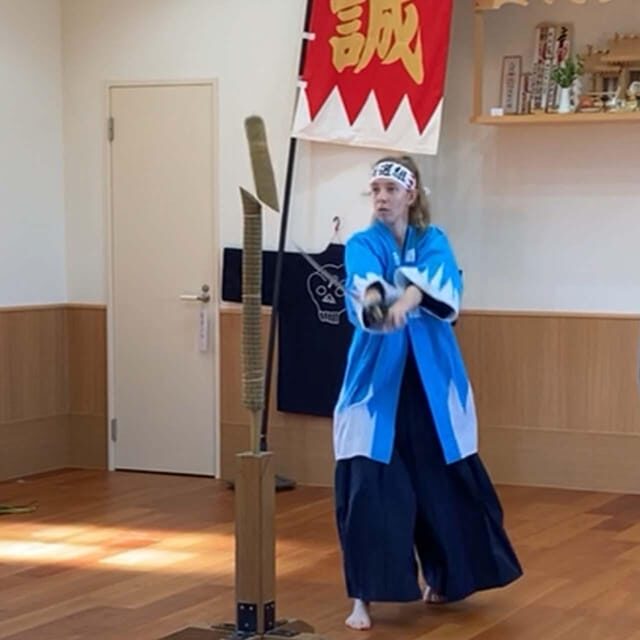
If you’re the type who likes to arrive calm, this is one of those tours where calm helps. Go with an attitude of learning, not performance. You’ll get better results when you let the instructors set the pace.
Two practical notes:
- The meeting spot is a short walk from Hino Station on the JR Chuo Line, so plan your arrival time so you’re not sprinting.
- The experience offers English and Japanese instruction, so language shouldn’t be a barrier.
If you’re booking around other Tokyo plans, take advantage of the flexibility offered: you can cancel up to 24 hours in advance for a full refund, and there’s a reserve now, pay later option.
Should You Book the Samurai Sword Academy in Hino?
I’d book this if you want a real dojo-style sword class tied to the Shinsengumi world, and you’re happy to learn fundamentals properly before handling a Japanese sword. The small group size, staged training, included uniforms, and hands-on moments like cutting tatami mats make it feel like actual practice, not a staged show.
Don’t book it if you need low-impact activity, have limitations from the not-suitable list, or you’d rather watch than participate. In those cases, the mismatch would be bigger than the joy of the experience.
If you’re on the fence, choose your motivation. If your goal is technique and culture you can feel, this class in Hino is a strong use of time.
FAQ
How long is the Tennen Rishin-ryu sword academy experience?
It lasts about 2 hours.
Where is the meeting point?
Meet on the second floor of the Inoue Genzaburo Museum, a 5-minute walk from Hino Station on the JR Chuo Line.
What’s the group size?
It’s a small group limited to 4 participants.
Will instruction be available in English?
Yes. The instructor works in both English and Japanese.
Do I use both a wooden sword and a Japanese sword?
Yes. The experience includes a wooden sword and Japanese sword use during the session.
What uniform is included?
You’ll practice in dogi and hakama, and you also receive the Shinsengumi-style dandara baori.
Is this experience suitable for children?
No. Children under 18 are not suitable for this activity.
More Tour Reviews in Tokyo



The Way of the Sword, Continued

Fresh reviews from around Tokyo






Samurai & Ninja Experiences, compared.
 ★ 4.6Samurai Ninja Museum Guided tour and ExperienceFrom $271,010 reviews
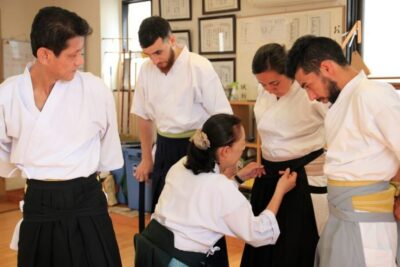 ★ 5.0Samurai Sword & Archery Class from Samurai DescendantFrom $193603 reviews
 ★ 5.0Best Samurai Experience in TokyoFrom $65458 reviews
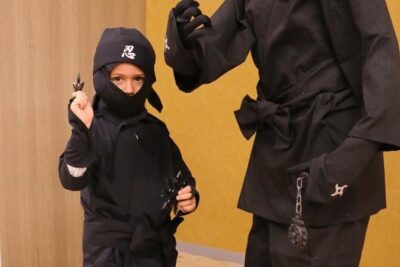 ★ 5.0Ninja Experience (Family Friendly) at Samurai Ninja Museum TOKYOFrom $47441 reviews
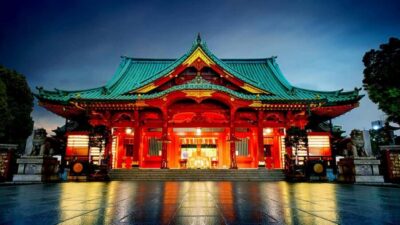 ★ 4.6Samurai Entertainment Night Show in Kanda ShrineFrom $41417 reviews
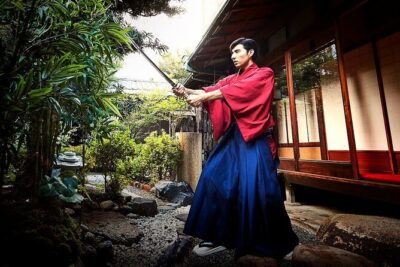 ★ 5.0Tokyo Sword Experience – includes Museum Ticket/Ninja ExperienceFrom $84314 reviews
 ★ 4.8Samurai Ninja Museum Asakusa: Samurai Sword Lesson & TourFrom $63306 reviews
 ★ 5.0Samurai Sword Experience (Family Friendly)at SAMURAI MUSEUM TOKYOFrom $65168 reviews
Browse the lists this tour appears in