
Reviewed · 1-DAY TOURS
Tokyo Customized Private Tour (Must See Places in 1 Day)
Tokyo can feel like a lot at once.
This private, customized tour is built to reduce the stress and keep you moving with a local plan. I love that you can shape the day around your interests, from traditional Tokyo around Meiji Jingu to pop-culture zones like Akihabara. I also love the practical side: you’re walking and using public transport while your guide handles the route and timing. One thing to consider is that the experience runs about 2 to 8 hours, so if you want lots of deep time at just one place, you’ll need to tell your guide early so the pacing matches.
What makes this work well is the guide factor. Names that show up often include Akari, Keito, Kentaro, Lax, Yoyo, Yosuke, Atsu, and Paskul, and the common thread is flexibility—slowing down when something catches your eye and speeding up when you’re itching to move on. You’ll also get unlimited edited photos, which is a nice “I don’t have to think about the camera” perk. The only catch: food and drinks aren’t included, and transportation fees may still be on you depending on how you move.
If it’s your first visit to Tokyo, this style of tour is a great way to get your bearings fast—then use what you learn to explore on your own the rest of your trip.
In This Review
- Key reasons this Tokyo private day feels worth it
- How a customized private day actually helps first-timers
- Pickup, walking time, and the pace you should plan for
- Senso-ji and Asakusa: starting with classic Tokyo views
- Akihabara and Takeshita Street for anime, tech, and people-watching
- Tsukiji Outer Market: seafood focus without the downtown chaos
- Shibuya Crossing and Meiji Jingu: modern energy with a calm reset
- Ginza, Skytree, and Imperial Palace East Garden for skyline time
- Shinjuku Golden Gai and Uenokoen: nightlife area plus seasonal park peace
- Hamarikyu Gardens and Shinjuku Gyoen: when your feet need a slower day
- How $145.91 per person can make sense
- What to ask your guide before you meet (so the day really fits)
- Small details that make the experience better in real life
- Should you book this Tokyo Customized Private Tour?
- FAQ
- How long is the Tokyo Customized Private Tour?
- What’s the price per person?
- Is this tour private?
- Is pickup from my accommodation included?
- Are the stops free to enter?
- Does the tour include food and drinks?
- Will we use public transport during the tour?
- What’s included besides the guide?
Key reasons this Tokyo private day feels worth it
- Fully customizable stops that match your priorities instead of forcing a fixed script
- Train and walking support so you can focus on sites, not stations
- A smart mix of old and new Tokyo—shrines, gardens, markets, and neon shopping areas
- Unlimited edited photos to help you remember the day without extra effort
- Mostly free admission at many stops, with one garden that isn’t included
- Flexible pacing and real-life needs, including dietary questions that guides help you work around
More private options with your own guide
- Tokyo 6hr Private Tour with Government-Licensed Guide★ 5.0 · 3,902 reviews
- Private Tour to Mt. Fuji and Hakone (Fully Licenced Operator)★ 5.0 · 1,910 reviews
- Tokyo Customized Private Tour (Must See Places in 1 Day)★ 5.0 · 1,499 reviews
How a customized private day actually helps first-timers
Tokyo’s biggest challenge isn’t picking where to go. It’s figuring out how to connect everything without wasting hours. This is why the “private and personalized” setup matters. You’re not paying for a generic checklist—you’re paying for someone to translate Tokyo into a day that makes sense for you.
I like that the tour is designed as a walking tour with public transport whenever you want it. That means you can treat it as orientation. After a day like this, you’re more likely to understand where train lines take you, how to move between neighborhoods, and which areas you’ll want to return to without the guide.
You also get time control. Even though the tour includes many iconic stops, the overall experience is flexible enough that you can spend longer where your attention goes. If you’re the type who loves details—small side streets, quiet corners, or photo-worthy moments—tell your guide and slow the pace down on purpose.
Pickup, walking time, and the pace you should plan for
This experience can run from about 2 to 8 hours, and that range is a big deal. If you book for the short end, you’ll likely do fewer stops with more focus. If you book for the long end, you can string together more areas across the city.
Pickup is optional. If you want the easiest start, choose the option for meet-up at your accommodation. That removes the first friction point—finding the right place and time to begin.
Because much of the day is on foot, comfortable shoes matter. Even if you only spend short blocks at a stop, you’ll still be walking between places and moving through stations. It’s also worth remembering the tour includes walking and public transport, but food and drinks are not included, so you’ll want to plan breaks for yourself (and your budget).
Senso-ji and Asakusa: starting with classic Tokyo views
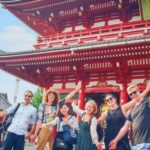
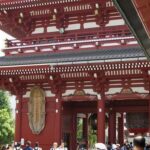
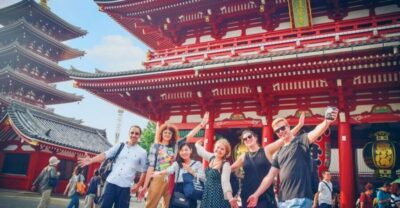
A lot of first-time days in Tokyo start with temples, and this tour follows that logic. You can begin at Senso-ji Temple, with the admission listed as free, and keep going in Asakusa for the traditional neighborhood feel.
What I like about this early start is the tone-setting effect. Temples and old-street Tokyo are visually different from the high-tech shopping areas you’ll see later. Starting here helps you “read” Tokyo as a mix, not a single theme park.
The practical part: you’ll get a guided context so the sites don’t blur together. And because the stop times are brief by design, you’re less likely to burn your energy on one place before the rest of the day kicks in.
If you’re someone who prefers fewer crowds and more quiet, ask your guide to treat Asakusa and Senso-ji as a quick orientation stop rather than a long sightseeing marathon.
Akihabara and Takeshita Street for anime, tech, and people-watching
Then you shift into Tokyo’s pop-culture zones. Akihabara, often associated with electronics, anime, manga, and video games, is one of the most straightforward “Tokyo themes” to visit with a guide. Your guide can help you make sense of what to look for quickly, especially if you’re not sure what’s worth your time.
Later, you can also include Takeshita Street, with its young pop culture. This area works well if you want a social, snack-friendly zone where you can move fast, stop for photos, and shop in short bursts.
The trade-off is crowd density. These are popular areas, and you may feel it more during peak hours. If that’s a dealbreaker, ask your guide to shift the order of stops or keep the time short and move on before you get tired of shoulder-to-shoulder walking.
Worth weighing up alongside this Tokyo pick:


Tsukiji Outer Market: seafood focus without the downtown chaos
A stop in Tsukiji Outer Market gives you a practical Tokyo experience tied to food. The area is known for the outer market, which was the largest wholesale fish and seafood market in the world until 2018, and it’s still a popular spot for fresh seafood and Japanese cuisine.
This is a good place to build in an appetite. Even though food and drinks aren’t included, your guide can point you toward what you might like within your preferences and timing. If you have dietary needs, guides in this style have helped guests find food options that are safer and more suitable, so it’s smart to mention your needs before you get there.
One note: because this stop is short, treat it like a sampling and browsing moment rather than a full meal plan—unless your guide agrees to slow down.
Shibuya Crossing and Meiji Jingu: modern energy with a calm reset
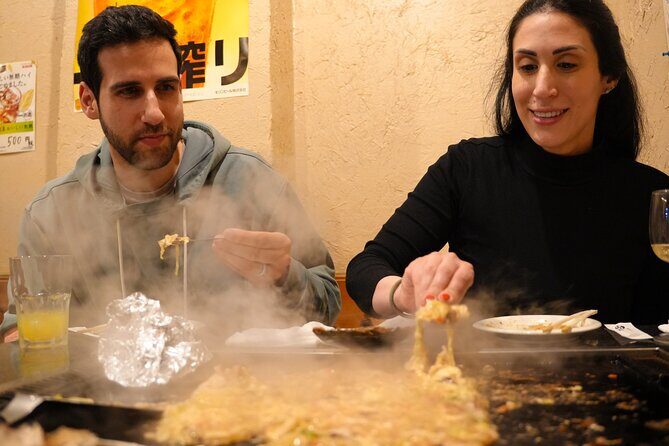
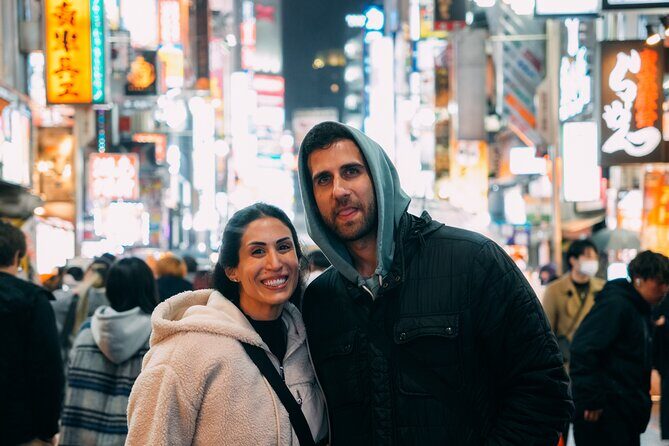
Shibuya Crossing is famous for its busy intersection, neon lights, and nightlife vibe. It’s a quick win for first-time photos and for understanding how Tokyo flows in motion.
Then you can pivot to nature and ritual with Meiji Jingu Shrine. That contrast—neon and crossings to a shrine setting—is one of the most satisfying rhythms you can build into a one-day plan.
From a pacing perspective, this is an excellent mid-day reset. If you start feeling overloaded, a shrine stop helps you regroup. You’ll also get context so you’re not just standing and taking pictures.
Ginza, Skytree, and Imperial Palace East Garden for skyline time
If you want big-city views and classic landmarks, this tour has room for them.
- Ginza is listed as a shopping area you can add if it fits your interests.
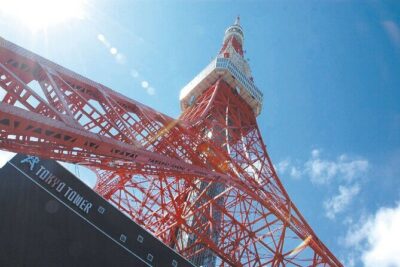
- Tokyo Skytree can be included as an observation and city-view option. It’s described as the tallest structure in Japan and the second-tallest in the world after Burj Khalifa in Dubai.
- Imperial Palace can include the east garden.
These stops work especially well if you want Tokyo to feel varied in just a few hours. A skyline moment at Skytree and a calmer garden moment at the palace can balance each other, so you don’t finish the day feeling like you only saw one type of scene.
Since admission details are not listed for every single stop, it’s worth asking your guide what requires a ticket on your chosen route—especially before you commit to time at a viewpoint.
Shinjuku Golden Gai and Uenokoen: nightlife area plus seasonal park peace
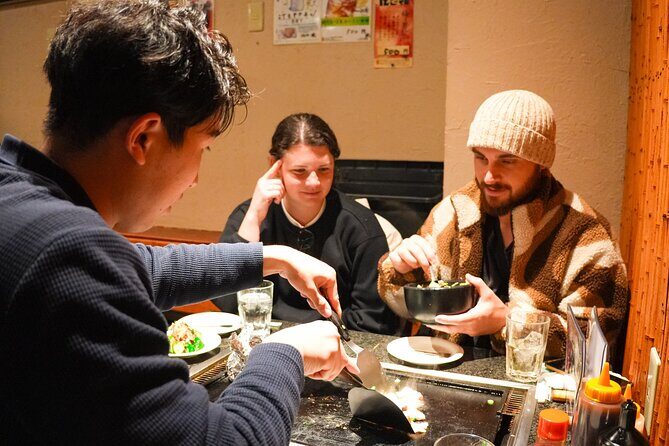
Shinjuku Golden Gai is included as a Tokyo entertainment district stop. It’s a good add if you want to see a different kind of Tokyo nightlife vibe beyond the big intersections.
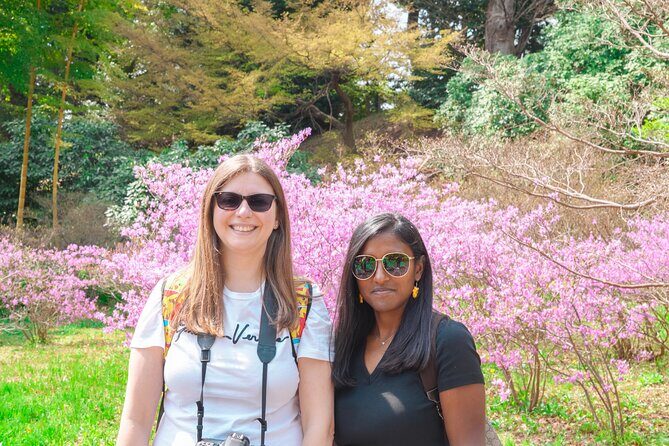
For greenery and breathing room, you can swap in Uenokoen (Ueno Park). It’s described as having cherry blossom in spring season. Even if you’re not in spring, a park stop is still a helpful “pause” that gives your legs a break from station-to-station walking.
One practical tip: if you’re combining Golden Gai and Uenokoen on the same day, keep your energy in mind. The nightlife area can keep you moving; the park gives you recovery. Your guide can help choose the order based on how tired you are.
Hamarikyu Gardens and Shinjuku Gyoen: when your feet need a slower day
Two garden options show up here, and they’re a smart way to keep Tokyo from feeling like a single straight line of sights.
Hamarikyu Gardens is described as Hamarikyu Onshi Teien, a traditional Japanese garden in Minato. It’s a popular relaxation spot, and the listing notes that admission is not included. That means it’s a place where your budget planning matters a bit more. If a garden moment is a must for you, consider building enough time so you don’t feel rushed.
Shinjuku Gyoen National Garden is described as one of Tokyo’s largest and most popular parks, with spacious lawns and meandering paths, providing a relaxing escape from the city. Admission is listed as free.
This is where the tour’s flexibility helps again. If you’re the type who loves quiet, you can shift your day so more time goes to gardens. If you prefer movement, keep the garden stops shorter and save extra time for shopping zones or viewpoints.
How $145.91 per person can make sense
The price listed is $145.91 per person, and value here comes from what the tour bundles together.
You’re paying for:
- a private, personalized local guide
- a walking tour with public transport options
- unlimited edited photos
- optional meet-up at your accommodation
- optional private vehicle (if you want a calmer, less walking-heavy day)
Also, many stops show free admission in the tour details. That matters because one-day Tokyo tours can feel expensive when you add ticket costs all at once. Here, the structure helps you keep costs more predictable—though Hamarikyu Gardens is the key noted exception where admission is not included.
The other cost to watch: food and drinks are not included. The listing also notes transportation fees for you and the guide are not included. So even with public transport support, you should expect your own transit costs. This is normal in Tokyo, but it’s better to plan for it now than get surprised later.
What to ask your guide before you meet (so the day really fits)
Before your start time, I’d message with a few clear priorities. This tour is designed to be customized, so the more specific you are, the better the day runs.
Ask about:
- how many stops you want versus one long stop
- whether you prefer more walking or more public transport connection
- food needs or preferences (the tour has supported guests with dietary concerns, so mention yours early)
- any must-visit areas like shrine time, shopping streets, or gardens
- whether you want a viewpoint moment (Skytree) or palace garden time (Imperial Palace east garden)
Also, tell your guide what kind of photos you care about. Since you get unlimited edited photos, you’ll likely enjoy the day more if you plan a quick note with your “photo style” preference—street scenes, temple atmosphere, skyline views, or people-watching.
Small details that make the experience better in real life
A pattern you’ll notice from guide stories is flexibility. Guides like Akari, Keito, Kentaro, Lax, Yoyo, Yosuke, Atsu, and Paskul show up in customer notes with similar traits: adjusting pacing, answering questions, and tailoring the flow so you don’t feel herded from place to place.
That flexibility matters because Tokyo days often change on the spot. You might find a shopping street you didn’t plan to love, or you might want to spend longer near a shrine moment. In a private format, that’s possible.
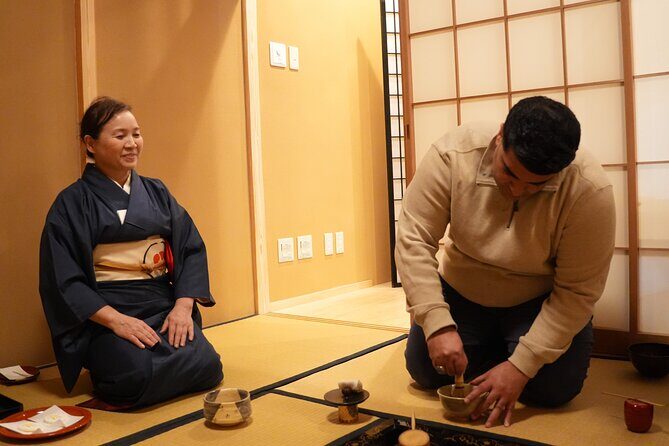
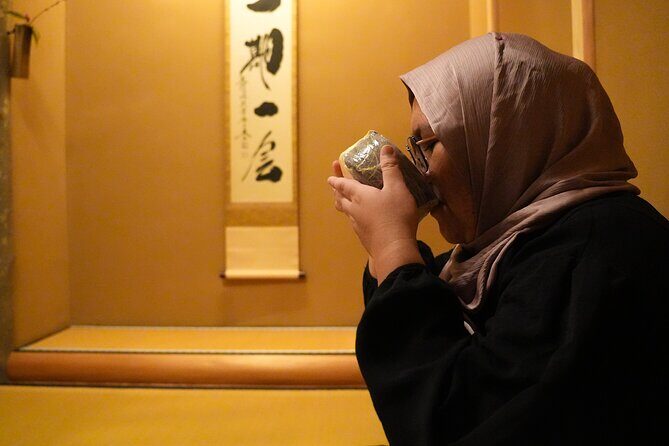
You might also get extra cultural moments added on request. For example, one account describes a tea experience added at a request during the tour. You don’t need to ask for tea specifically, but it’s a good reminder: if you have an idea for a slower, quieter pause, your guide can often work it in.
Should you book this Tokyo Customized Private Tour?
Book it if you want:
- a first-day orientation that teaches you how to move through Tokyo
- a private guide who can adapt when your interests shift
- a route that mixes temples, neighborhoods, shopping areas, and gardens in one day
- the convenience of unlimited edited photos
Skip it (or shorten your expectations) if you want:
- lots of time at only one site with no switching
- a self-guided day where you handle every train and decision yourself
- a fully meal-included tour (food and drinks aren’t included)
If you’re deciding right now, my practical advice is simple: tell the guide your top 3 must-do stops and your limits (walking time, shopping time, garden time). This tour gets good when it’s fed clear priorities—and Tokyo is too big to leave those priorities vague.
FAQ
How long is the Tokyo Customized Private Tour?
The duration is listed as approximately 2 to 8 hours, so you can choose how much of the city you want to cover in one day.
What’s the price per person?
The price shown is $145.91 per person.
Is this tour private?
Yes. It’s a private tour/activity, and only your group participates.
Is pickup from my accommodation included?
Optional meet-up at your accommodation is included, and pickup is offered. You can also likely meet near public transportation.
Are the stops free to enter?
Many stops list admission ticket free. One stop, Hamarikyu Gardens, lists admission as not included.
Does the tour include food and drinks?
No. Food and drinks for you and the guide are not included.
Will we use public transport during the tour?
Yes. It includes a walking tour with public transport, and you can use public transport whenever you want for convenience.
What’s included besides the guide?
Included items are private and personalized experience, walking with public transport, unlimited edited photos, optional accommodation meet-up, and optional private vehicle.
Just Your Group: Private Options
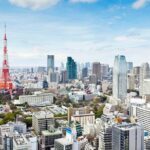
More Tours in Tokyo



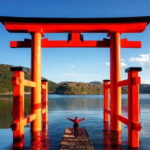

More Tour Reviews in Tokyo



Fresh reviews from around Tokyo






1-Day Tours, compared.
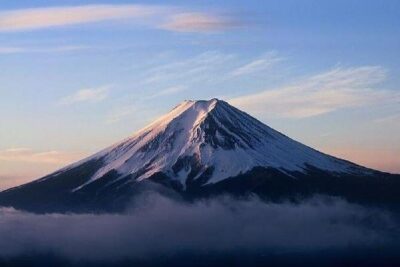 ★ 4.0Mt Fuji & Hakone Cruise, Drum Show Bullet Train 1 Day from TokyoFrom $1497,413 reviews
 ★ 4.5DisneySea 1-Day PassportFrom $572,726 reviews
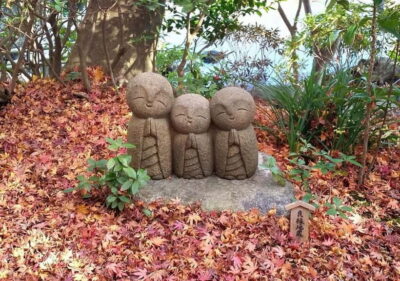 ★ 4.5Kamakura & Enoshima Day Trip including Temple TicketsFrom $581,375 reviews
 ★ 5.0Tokyo Customized Private Tour: See Top Attractions in 1 DayFrom $1451,351 reviews
 ★ 4.0Mt Fuji & Hakone Cruise, Drum Show Bus 1 Day from TokyoFrom $1221,287 reviews
 ★ 4.5Tokyo Panoramic 1 Day: Meiji Shrine, Asakusa, Odaiba and SKYTREE®From $851,222 reviews
 ★ 4.5Mt.Fuji & Lake Kawaguchiko 1-Day Bus Tour w/Optional LunchFrom $77839 reviews
 ★ 5.0Mt. Fuji Day Trip from Tokyo with English Speaking Driver GuideFrom $497443 reviews
Browse the lists this tour appears in