
Reviewed · SHIBUYA TOURS
Mochi Matcha Gluten Free Japanese Sweets Class near Shibuya area
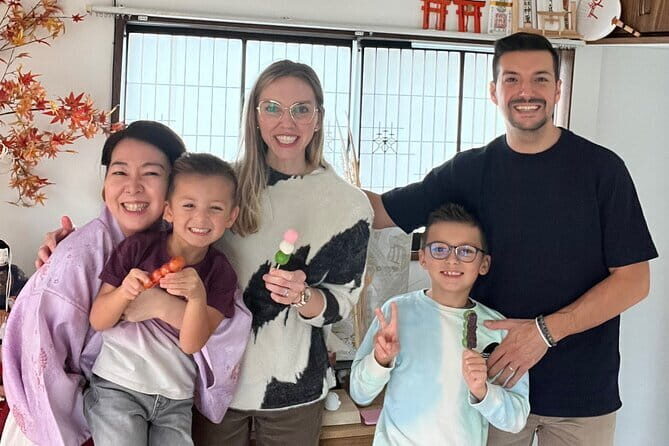
Sticky dough, calm teaching, great matcha. This private sweets class near Shibuya turns Tokyo’s food culture into something you do with your hands, not just something you watch. You’ll work with Sakura-san in her home setting, learn about mochi traditions, and leave with desserts you can actually show off at a simple photo table.
I particularly like two things: the undivided attention you get in a private workshop (it’s not a rushed, big-group demo), and the fact you leave with a recipe so the experience follows you back home. The only real consideration is that this is hands-on. Mochi work is meant to get a little messy, and if you’re very strict about gluten (like celiac), you’ll want to confirm how ingredients and kitchen cross-contact are handled.
In This Review
- Key things you should notice before you go
- Why a Shibuya-Area Mochi Class Feels Like Tokyo Living Room Cooking
- Meet Sakura-san and Settle In With Tea and a Simple Game Plan
- Making Gluten-Free Matcha Mochi and Three More Sweets in About Two Hours
- What the session feels like while you’re cooking
- The cultural part isn’t stuck on the side
- Your finished desserts get a moment
- The Recipe You Take Home Is the Real Souvenir
- Price and Value: What $112.01 Buys You Here
- Logistics: Getting to the Meeting Point and Timing Your Day
- Who This Class Is Best For (and Who Might Skip It)
- Should You Book This Mochi Matcha Gluten-Free Class Near Shibuya?
- FAQ
- How long is the Mochi Matcha Gluten Free Japanese Sweets Class?
- Where does the class meet?
- Is this class private?
- What’s included in the price?
- What sweets will you make?
- Is the class gluten free?
- Do I need to plan for confirmation timing?
- Is alcohol included?
Key things you should notice before you go
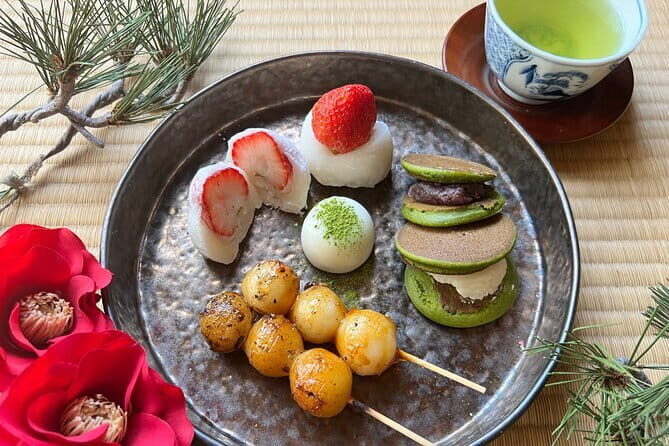
- A private home kitchen class near Shibuya makes it feel local, not staged.
- Gluten-free focus means you can enjoy Japanese sweets with more peace of mind than most typical dessert stops.
- You make 4 different sweets instead of just watching one or two items come together.
- A photo-op table helps you capture your finished mochi/wagashi before you eat it.
- Apron, tea/coffee, and guided instruction are included, so you’re not hunting for basics.
- Mobile ticket and being near public transportation help you fit it into a busy Tokyo day.
More to do within sight of the Crossing
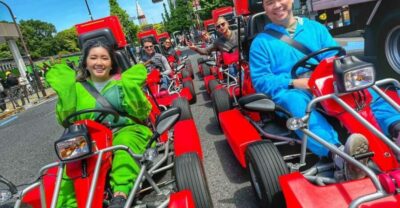
- Official Street Go-Kart in Shibuya★ 5.0 · 3,435 reviews
- Tokyo: Street Kart Experience in Shibuya★ 4.9 · 1,484 reviews
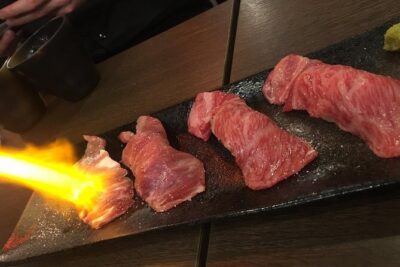
- Shibuya Meltdown Nightlife Tour: All-You-Can-Drink Bar Hopping★ 5.0 · 1,058 reviews
Why a Shibuya-Area Mochi Class Feels Like Tokyo Living Room Cooking
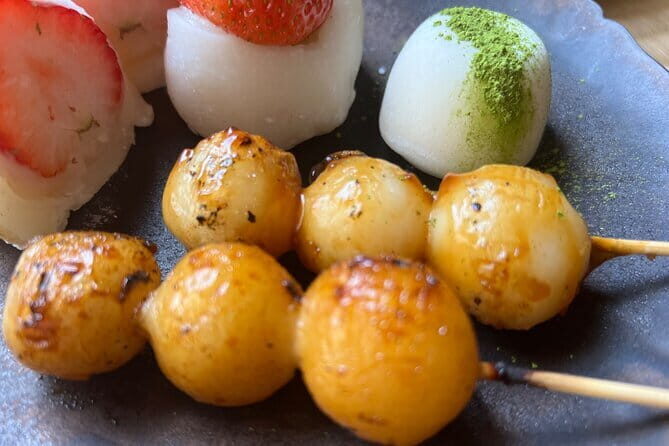
Tokyo’s food experiences can split into two camps: tasting tours and making tours. This one lands in the making category, and that alone changes the vibe. Instead of walking past shops, you’re in a home kitchen, learning textures, timing, and how matcha actually tastes when it’s part of the dessert—not just a drink.
The location puts you near Shibuya, but the actual meeting point is in Sangenjaya (Setagaya City). That’s a good thing. You get the convenience of being in Tokyo, with a neighborhood feel that’s a little quieter than central Shibuya.
And yes, whatever the weather, this works. You’re not planning around outdoor sights. It’s a solid “Japan day saver” when the heat hits or the sky won’t cooperate.
Meet Sakura-san and Settle In With Tea and a Simple Game Plan
You’ll meet at 1-chōme-11-13 Sangenjaya, Setagaya City. From there, the class stays right in one place and ends back at the meeting point, so you don’t have to keep tracking a moving schedule.
Once you’re there, you’ll get what you need to start: an apron, and coffee and/or tea (including Japanese green tea). Small thing, big difference. It keeps the session from feeling like a lesson where you’re just waiting to start cooking.
Then Sakura-san sets expectations and walks you through what you’re doing. The tone matters in a cooking class, especially one that’s hands-on. In this one, the feedback I’m basing this on points to a teacher who welcomes you warmly and teaches in a way that keeps things clear, even for beginners.
Also worth noting: Sakura’s setup is cozy. It doesn’t feel like a showroom. You’ll be surrounded by the tools and rhythms of a real home kitchen, which makes the experience more authentic than a commercial cooking studio.
Making Gluten-Free Matcha Mochi and Three More Sweets in About Two Hours
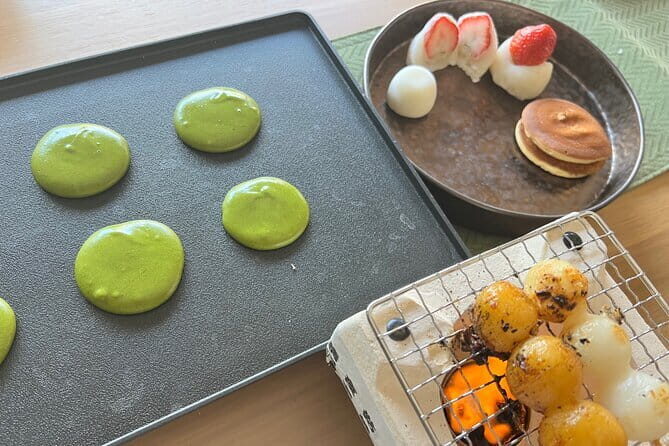
You’ll be in class for about two hours, give or take. That timing is realistic: long enough to learn techniques and produce several sweets, but short enough that it doesn’t drag your whole day.
The focus is mochi and Japanese sweets, and the class is designed to be gluten free. You’ll make matcha green tea mochi, and you’ll also make four different types of sweets in total. The “four types” detail is key. It’s not just one success and done—you get variety, and you learn how different sweets behave.
What the session feels like while you’re cooking
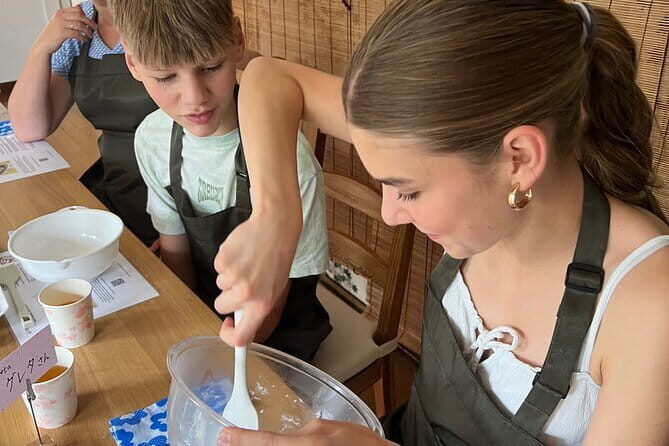
Mochi is less about complicated steps and more about getting comfortable with texture. You’ll learn how the dough feels as it transforms, how to handle it, and how timing affects the final bite. That’s why the experience is best when the instructor can see what you’re doing and correct you quickly.
Sakura-san’s teaching style seems built for that. People highlight her warmth, patience, and how clearly she communicates. If you’ve never made Japanese sweets before, you’ll likely appreciate that she doesn’t assume prior cooking skills.
Worth weighing up alongside this Tokyo pick:



The cultural part isn’t stuck on the side
You don’t just mix and shape. You also learn about the origins and cultural significance of mochi as you work. That might sound like a lecture requirement, but in a hands-on class it actually helps. When you know where the sweet comes from, you pay more attention to the “why” behind the texture and the steps.
Japanese sweets are often described as lighter and lower in fat than many Western desserts. In this class, you’ll hear that idea as part of the context for Japanese sweets, and then you’ll taste it for yourself when you try what you made.
Your finished desserts get a moment
After you put things together, there’s a photo-op table so you can snap cool pictures of what you made. This is a small addition, but it’s smart. Mochi can disappear fast—having a place to pose your finished sweets means you’ll actually have photos, not just crumbs.
Then you get to eat what you made. That part is obvious, but the real value is that you taste the results while the techniques are still fresh in your head.
The Recipe You Take Home Is the Real Souvenir
A lot of classes end with a vague feeling of having fun. This one gives you something more practical: a recipe you can make at home.
That matters because mochi and wagashi are all about execution. If you try to recreate them without a guide, you’ll waste time guessing at texture and ratios. Having the recipe means you can test, adjust, and learn what works in your kitchen rather than hoping you got it right the first time.
Since the class is gluten free, the recipe is especially valuable if you want to recreate sweets without triggering dietary problems. Still, if you’re celiac or have a strict gluten requirement, treat the recipe as a starting point and double-check ingredient labels back home.
The best part? The recipe turns your Tokyo trip into something you keep doing later. It’s not just a memory. It’s a cooking skill you can reuse.
Price and Value: What $112.01 Buys You Here
At $112.01 per person for about two hours, this isn’t an impulse-cheap activity. But value in Japan isn’t only about price tags. It’s about what kind of attention and access you get.
Here’s what you’re paying for:
- Private format: it’s set up as a private tour/activity, meaning it’s your group rather than a huge crowd.
- Instructor time and correction: mochi is hands-on, and you benefit when someone can watch and guide.
- Four types of sweets: you’re not just sampling; you’re making.
- Included basics: an apron, tea/coffee, and guided instruction are part of the price.
- A take-home recipe: this keeps the experience useful after your trip.
Also, the listing notes group discounts and a mobile ticket. If you’re traveling with a friend or family, the private setup can start to feel more reasonable because you’re splitting the experience rather than just sharing the cost of a meal.
One practical check: this is a high-quality hands-on class, so plan it for a day when you can focus. If you schedule it back-to-back with long walking sightseeing, you might feel rushed instead of relaxed.
Logistics: Getting to the Meeting Point and Timing Your Day
You meet at 1-chōme-11-13 Sangenjaya and you finish back at the meeting point. That simplicity helps. It’s easy to plug into a Tokyo itinerary without worrying about multiple transfers.
The area is described as near public transportation, which matters in Tokyo, where the difference between “near” and “not near” can be huge when you’re carrying food bags or tote items.
A small planning tip: this kind of class gets booked. The average booking time is about 38 days in advance, so if you want a specific day, don’t wait until the last minute.
In terms of what to bring, you’re mostly covered. You get an apron, and you’ll have tea/coffee. Just wear comfortable clothes you don’t mind getting slightly sticky during the mochi part.
Who This Class Is Best For (and Who Might Skip It)
This is a great fit if you want:
- a rainy-day or hot-day Tokyo activity
- a gluten-free path to Japanese sweets
- a hands-on cultural experience with real instruction
- a souvenir that isn’t only edible but also useful (that recipe)
It’s also ideal for families in general, since the teacher has experience teaching kids and the class structure supports beginners.
You might consider skipping it if:
- you’re not interested in cooking at all and just want to eat
- you prefer large-group activities or watching over doing
- you have very specific dietary needs and would rather not do a home-kitchen style confirmation conversation (you can still book, but plan to ask questions)
Should You Book This Mochi Matcha Gluten-Free Class Near Shibuya?
I’d book it if your trip includes even a small interest in mochi, matcha, or Japanese sweets culture. The best reason is the combination: private instruction + gluten-free-friendly focus + hands-on making + a recipe you can actually use.
If you’re the type who likes learning a skill you can repeat, this class lands in the sweet spot. You’ll leave with desserts, photos, and a clearer understanding of why mochi matters in Japanese food traditions.
Just do two things to make it smooth:
- Schedule it when you can relax for about two hours.
- If you’re gluten free for medical reasons, ask how gluten is handled in the kitchen before you go, so you feel fully comfortable.
FAQ
How long is the Mochi Matcha Gluten Free Japanese Sweets Class?
It runs for about 2 hours (approx.).
Where does the class meet?
The meeting point is 1-chōme-11-13 Sangenjaya, Setagaya City, Tokyo 154-0024, Japan.
Is this class private?
Yes. It’s listed as a private tour/activity, so only your group participates.
What’s included in the price?
You’ll get an apron, coffee and/or tea (Japanese green tea), and guided instruction.
What sweets will you make?
You’ll make 4 different types of sweets together, including matcha green tea mochi.
Is the class gluten free?
It’s specifically described as a gluten free Japanese sweets class, including matcha mochi.
Do I need to plan for confirmation timing?
You should receive confirmation within 48 hours of booking, depending on availability.
Is alcohol included?
No. Alcoholic beverages are not included.
More Dessert Tours in Tokyo
More Tour Reviews in Tokyo






Still in Shibuya? Keep Going





Fresh reviews from around Tokyo






Shibuya Tours, compared.
 ★ 5.0Official Street Go-Kart in ShibuyaFrom $763,435 reviews
 ★ 4.9Street Kart Experience in ShibuyaFrom $741,484 reviews
 ★ 5.0Shibuya Meltdown Nightlife Tour: All-You-Can-Drink Bar HoppingFrom $1061,058 reviews
 ★ 5.0Shibuya Official Street Go-Kart in Shibuya AnnexFrom $69972 reviews
 ★ 5.0Shibuya Food Tour (13 dishes and 4 Eateries)From $77770 reviews
 ★ 5.0Best of Shibuya Food TourFrom $217612 reviews
 ★ 4.8Shibuya Highlights Walking TourFrom $19601 reviews
 ★ 4.7Premium Go-Kart Tour with Tower & Shibuya CrossingFrom $116528 reviews
Browse the lists this tour appears in