
Reviewed · SHINJUKU BAR HOPPING
Japanese Home Styled Cooking Class in or around Shinjuku, Tokyo
Cooking classes beat guessing at a recipe.
This one is set up like a real Japanese home-style meal in and around Shinjuku, with you cooking alongside your host, not watching from the sidelines. You’ll learn how to make 3–4 dishes Japanese people actually eat, with ingredients and tools provided, plus recipe sheets you can keep using after you’re back home.
What I like most is the practical teaching style. I see sessions run with extra hands in the kitchen—people like Lulu and Erica have been mentioned as supportive, English-speaking guides, and Chieko-san has been highlighted for clear explanations and good English. Another big win: you leave with recipe sheets, which turns the meal into something you can recreate, not just a nice night out.
One thing to consider: menu choice can depend on how many groups are in the class that day. You can usually pick from the available options, but if another group joins, you might not get your first pick. If you have allergies, you should flag them in advance so you can discuss what options are workable.
In This Review
- Key highlights to look for
- A Shinjuku home kitchen, not a show kitchen
- The 2.5-hour rhythm: cooking, questions, and then eating
- What you’ll cook: 3–4 dishes that show how Japanese meals are built
- Menu options and the one detail that can change your plan
- Tools, ingredients, and the quiet skill of Japanese seasoning
- Staying social without losing instruction
- Recipe sheets: the souvenir that actually keeps working
- Price and value: what $89.99 buys you in Tokyo time
- How to plan around this class in your Tokyo itinerary
- Who should book this class, and who might want a different option
- Should you book this Shinjuku Japanese home cooking class?
- FAQ
- What dishes will I cook in the class?
- How long is the Japanese home cooking class?
- Are cooking tools and ingredients provided?
- Do I get recipe sheets to take home?
- Can I choose a menu option when I book?
- What if I have food allergies?
- Where is the meeting point?
- How many people are in the group?
- What is the cancellation and weather policy?
Key highlights to look for
- 3–4 authentic home dishes you can realistically cook again later
- Tools and ingredients included, so you’re not shopping first
- Recipe sheets as your souvenir (the useful kind)
- English support and friendly hosts such as Lulu, Erica, and Chieko-san
- Extra helpers in the kitchen, so the pace stays smooth
- Small group size (max 12), which makes questions easier
Different nights, same neon: more Shinjuku crawls
- Tokyo: Shinjuku Food Tour (13 Dishes at 4 Local Eateries)★ 5.0 · 6,603 reviews
- Tokyo Bar Hopping Tour in Shinjuku (All-You-Can-Drink + Dinner)★ 5.0 · 3,587 reviews
- Tokyo: Shinjuku Food Tour (15 Dishes and 4 Eateries)★ 4.9 · 2,033 reviews
A Shinjuku home kitchen, not a show kitchen
The best part of this class is the vibe. It’s organized around normal cooking flow: prep, cook, taste, adjust, eat. That matters because Japanese home cooking often hinges on small technique details—knife control, heat management, seasonings, timing. When you practice those steps in a real kitchen setup, you stop treating Japanese food like a mysterious restaurant product.
You also get the central Tokyo convenience advantage. You’re meeting in Yoyogi (Shibuya), close to public transportation, and the class ends back near the start point. That makes it easier to fit into a Tokyo itinerary without adding a bunch of extra transit time.
And you’re not stuck with a giant class format. With a maximum of 12 people, you can actually talk with the host and clarify what’s happening. That’s especially useful if you’re new to Japanese cooking and want to understand the why, not only the how.
The 2.5-hour rhythm: cooking, questions, and then eating
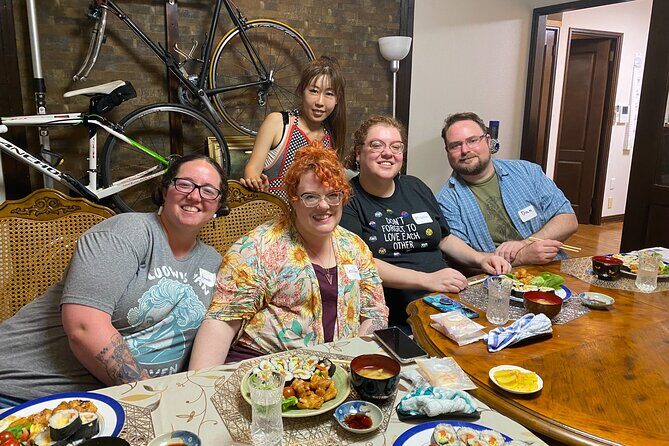
The session runs about 2 hours 30 minutes, and it’s built around two phases: making the dishes, then sharing the meal. You’ll get ingredients prepared in advance (so you’re not doing everything from scratch), then you’ll work through your selected menu items together.
In practice, this kind of timed cooking class works best if you stay flexible. Some steps move faster than you expect—mixing, stirring, assembling—and others need patience—simmering, crisping, or letting flavors develop. Helpers are on hand to keep things moving, which helps you avoid that frustrating moment where one step stalls the entire group.
After cooking, you’ll sit down and eat what you made. This is more than a payoff. It’s where the lessons connect to flavor. You’ll often notice how home-style Japanese dishes balance salty, sweet, sour, and umami in subtle ways. If you’re the type who learns by tasting, you’ll get a lot from this part.
What you’ll cook: 3–4 dishes that show how Japanese meals are built
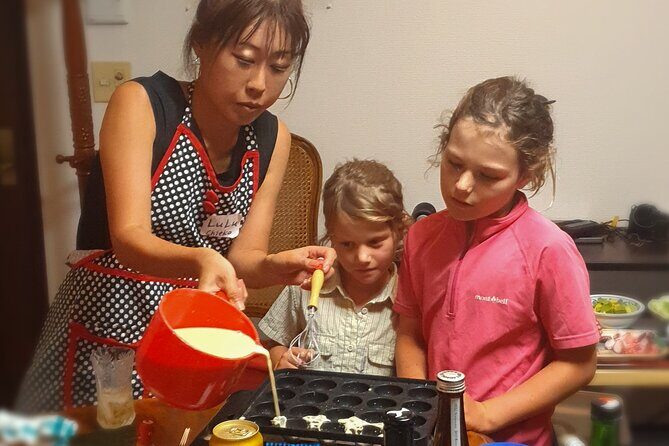
The class promises 3–4 authentic dishes that Japanese people actually eat. That wording matters because it steers the experience away from overly fancy showpieces. Instead, you’re learning how Japanese home meals come together: a main dish, supporting sides, and flavors that work as a set.
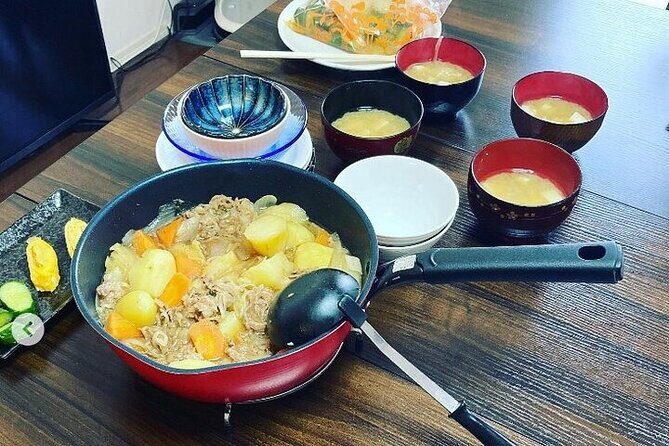
The exact menu depends on the day, since you select from different menu options when booking. You might see combinations like sushi, which has come up in past sessions, and sides such as a green bean salad. Those pairings are useful because they teach contrast: warm cooked flavors versus bright, crisp, dressed textures.
Here’s why I think this matters for real-life cooking back home. If you learn dishes that match what people commonly make at home, you’ll have a better chance of recreating them without special tools or hard-to-find ingredients. And since the ingredients and tools are provided in class, you can see what you need and what you can substitute later.
Menu options and the one detail that can change your plan
When you book, you can choose one of four menu options. That sounds straightforward, but there’s a key condition: ingredient prep and menu selection can depend on whether only your group attends that day.
If another group also joins the class, menu choice may be limited. So the best move is to select your preferred menu early and be ready with a backup if your day ends up shared. It’s not a deal-breaker—it’s just good to know before you assume your top choice is guaranteed.
Also, if you have allergies, you’ll want to message ahead. The class notes that they can discuss menu options and what might be available. That’s the right approach, because Japanese cooking often uses familiar ingredients that can hide allergens in sauces or garnishes.
More aprons-on time in Tokyo kitchens

Tools, ingredients, and the quiet skill of Japanese seasoning
You’re provided with cooking tools and ingredients, which is a huge part of the value. It removes the guesswork. Instead of spending your evening figuring out what to buy at a market, you can focus on technique and timing.
Japanese home-style cooking is often about seasoning discipline. Even without naming exact recipes, you can expect instruction to cover the practical sides: how much seasoning to use, how to balance flavors, and how heat and timing affect the final result. Helpers in the kitchen also make it easier to practice rather than just stand around.
One review highlight that stood out for me: hosts and assistants are there to help make sure you succeed, not just to keep the class running. That “more hands than you’d expect” setup helps when you’re learning basics like knife work or cooking on unfamiliar equipment.
Staying social without losing instruction
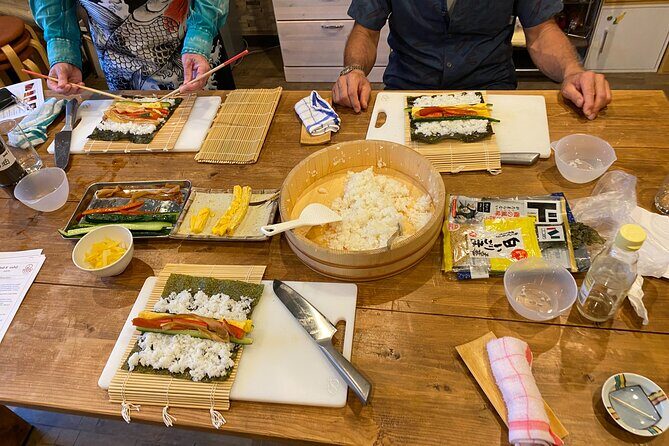
This is a group class, so you’ll meet fellow cooks and likely share a few laughs while you work. But it’s not a chaotic crowd experience. With a small maximum of 12, the pace stays manageable, and you’re not fighting for attention.
English support has been called out in past sessions, including Chieko-san for clear communication, and other guides like Lulu and Erica for a friendly, welcoming tone. Having someone explain not only what to do but also what you’re aiming for helps you learn faster.
There’s also a social touch that I think matters for your trip photos: hosts have been noted for taking pictures during the session. If you want the memory proof of your cooked meal, that’s a nice bonus built into the experience.
Recipe sheets: the souvenir that actually keeps working
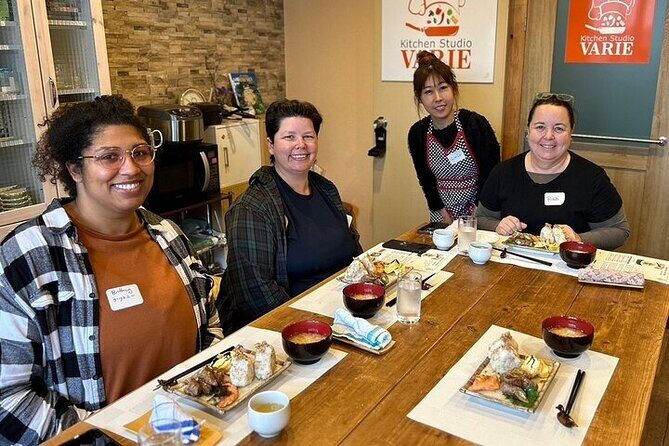
This class gives you recipe sheets to take home. For a lot of food tours, the “souvenir” is a vague story or a single photo. Here, the souvenir is actionable: a written reminder of ingredients, steps, and what the dish is supposed to taste like.
That’s why this experience is worth considering even if you already know your way around a kitchen. You might learn the Japanese home version of a dish—how it’s typically seasoned, what textures are preferred, and what order steps happen in. Recipe sheets also make it easier to cook later, when your memory fades and you’re staring at your pantry thinking, now what?
I love experiences like this because they turn travel into something ongoing. You get a dish you can cook months later, which keeps Tokyo alive on ordinary weeknights.
Price and value: what $89.99 buys you in Tokyo time
At $89.99 per person, this isn’t the cheapest thing you can do in Tokyo. But it’s also not trying to be an ultra-premium private class. For the time and inclusions, the value is strong: you get the kitchen setup, the ingredients, the tools, instruction, and the meal you eat at the end.
Think of it like this: if you tried to recreate a Japanese cooking night at home without the learning support, you’d still pay for ingredients, and you’d probably spend extra time hunting for the right ones. In class, those pieces are handled for you, so your money goes mostly toward the learning and the experience.
If you can find a good group match, group discounts may help too. And since it’s in the Tokyo core, you’re saving time and cost compared with experiences that require longer transit and complicated scheduling.
How to plan around this class in your Tokyo itinerary
To make this class fit well, plan it for a time when you won’t feel rushed afterward. You’ll eat what you cook, and you’ll likely want a relaxed stroll after. The meeting point is near public transportation, which helps if you’re already in Shinjuku or Shibuya neighborhoods that day.
Also remember that weather can play a role. The experience notes it requires good weather, with an alternate date or full refund if it’s canceled due to poor weather. So if you’re booking during a season with frequent rain, it’s smart to keep a bit of flexibility in your schedule.
Finally, if you’re traveling with dietary needs, send allergy details early. The class is set up to discuss menu options, but the earlier you communicate, the easier it is to align plans.
Who should book this class, and who might want a different option
This class is ideal if you want home-style Japanese food, not just sushi-on-a-plate tourism. If you like cooking, hands-on workshops, and learning techniques you can reproduce, you’ll likely enjoy the experience a lot.
It’s also a good fit if you’re traveling with friends or as a solo traveler who wants structured social time. The small group size helps you connect without losing clarity.
You might consider skipping it if you’re only looking for high-end restaurant tasting or if you already have a specific dish in mind and need a guaranteed exact menu every time. Since menu selection can be affected by other groups attending, build in flexibility.
Should you book this Shinjuku Japanese home cooking class?
I think you should book if you want a practical Tokyo experience with real skills at the end of it. Cooking tools and ingredients are included, you’ll make 3–4 dishes, and you’ll leave with recipe sheets you can use later. The small group size and supportive hosts (including names like Lulu, Erica, and Chieko-san) make it feel welcoming, and the kitchen helpers help the class run smoothly.
Before you click confirm, do two quick checks: pick your preferred menu (and have a backup ready), and message about allergies well in advance. If those boxes work for you, this is one of those rare food experiences where the learning doesn’t disappear the next day.
FAQ
What dishes will I cook in the class?
You’ll prepare 3 to 4 authentic home-style Japanese dishes. The specific dishes come from one of four menu options you choose during booking.
How long is the Japanese home cooking class?
The class lasts about 2 hours 30 minutes.
Are cooking tools and ingredients provided?
Yes. Cooking tools and ingredients are included, so you don’t need to bring supplies.
Do I get recipe sheets to take home?
Yes. You’ll come away with recipe sheets, which you can keep after the class.
Can I choose a menu option when I book?
Yes. You can select from four different menu options, though menu selection can depend on whether other groups attend that day.
What if I have food allergies?
If you have food allergies, you should let them know in advance so you can discuss menu options and what might be available.
Where is the meeting point?
The start location is 2-chōme-5-1 Yoyogi, Shibuya, Tokyo 151-0053, Japan. The activity ends back at the meeting point.
How many people are in the group?
The class has a maximum of 12 travelers.
What is the cancellation and weather policy?
You can cancel for a full refund up to 24 hours in advance. The experience also requires good weather; if it’s canceled due to poor weather, you’ll be offered another date or a full refund.
Learn Another Dish: Tokyo Cooking Classes
More Tour Reviews in Tokyo






Shinjuku After Hours: The Other Crawls



Fresh reviews from around Tokyo






Shinjuku Bar Hopping, compared.
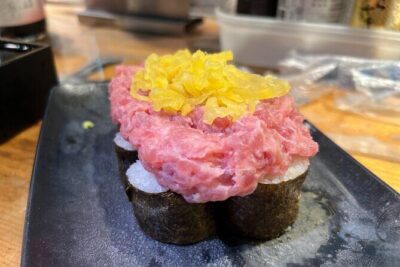 ★ 5.0Shinjuku Food Tour (13 Dishes at 4 Local Eateries)From $866,603 reviews
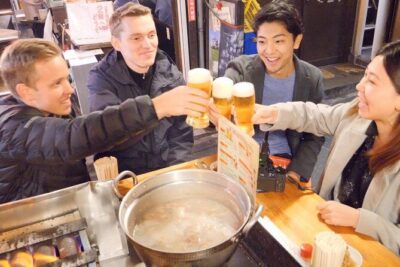 ★ 5.0Tokyo Bar Hopping Tour in Shinjuku (All-You-Can-Drink + Dinner)From $1063,587 reviews
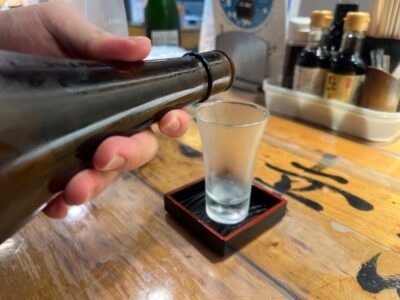 ★ 4.9Shinjuku Food Tour (15 Dishes and 4 Eateries)From $852,033 reviews
 ★ 4.9Shinjuku Local Bar and Izakaya Guided Walking TourFrom $341,794 reviews
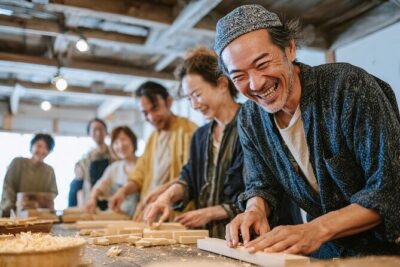 ★ 5.0Tokyo Shinjuku Chopsticks Making ClassFrom $201,763 reviews
 ★ 5.0Tokyo Shinjuku Sumo Show & Experience with PhotoFrom $791,750 reviews
 ★ 5.0Tokyo Night Foodie Tour in Shinjuku – Seasonal Sushi, Wagyu BeefFrom $1111,161 reviews
 ★ 4.8Sumo Show and Experience in ShinjukuFrom $691,001 reviews
Browse the lists this tour appears in