
Reviewed · SAMURAI & NINJA EXPERIENCES
Imperial Palace Tour: Discover Samurai History with a Guide
Imperial Palace ruins calm your mind fast.
This small-group Imperial Palace East Gardens walk turns Tokyo’s big political story into something you can see on foot. I like that you get expert commentary tied to real stone ruins and landmark spots from the Edo Castle era, and you’ll spend most of the time outside. One consideration: you should be ready for steady walking on maintained paths, since the tour isn’t set up for a slow, stop-and-stretch pace.
I also like the clear historical thread. You connect the role of samurai and the shogunate’s power to the way the area looks today, including the link between Edo Castle and the Imperial Palace grounds. Along the way, guides such as Hina and Naoki Sugar (among others) are described as patient and easy to follow in English, Spanish, or French.
Finally, the scale helps. With a limit of 8 participants, you’re not lost in a crowd, and you can ask questions without feeling rushed. Expect a meeting at a very obvious landmark—Starbucks in the East Gardens area—so you can get your bearings fast before the history starts.
In This Review
- Key Things You’ll Notice on This Walk
- Why the Imperial Palace East Gardens Matter for Samurai-Era Tokyo
- Start Point at Starbucks: How to Find Your Guide
- Tokyo Imperial Palace Stop: Understanding Power Through Place
- Edo Castle Ruins Walk: Tenshudai Base and Tatsumi Yagura Tower
- Your Guide, Small Group, and Question Time With YURAGI
- How the 90 Minutes Will Feel: Pace, Stops, and Footwear
- Value Check: What $24 Gets You (and Why It Adds Up)
- Who This Tour Fits Best, Based on Your Comfort Level
- Book It or Skip It: My Practical Recommendation
- FAQ
- How long is the Imperial Palace East Gardens tour?
- What’s included in the tour price?
- How much does the tour cost?
- Where do we meet the guide?
- What languages is the live guide available in?
- Is the tour wheelchair accessible?
- How big is the group?
- What should I bring?
- Is the tour suitable for everyone?
Key Things You’ll Notice on This Walk
- Small-group pace (up to 8): More back-and-forth, fewer “just listen to the mic” moments.
- Edo Castle ruins in plain view: You’ll see the Tenshudai base and Tatsumi Yagura watchtower as part of the story.
- A guide who matches your language: English, Spanish, or French, depending on the tour.
- A meaningful focus: Samurai, emperors, and the political power behind Tokyo’s past—tied to what you’re standing near.
- A practical 90-minute format: Two segments—Tokyo Imperial Palace and then the East Gardens—so it stays manageable.
More blades, bows and dojo hours
- Tokyo: Samurai Ninja Museum Guided tour and Experience★ 4.6 · 1,010 reviews
- Tokyo: Samurai Sword & Archery Class from Samurai Descendant★ 5.0 · 603 reviews
- Best Samurai Experience in Tokyo★ 5.0 · 458 reviews
Why the Imperial Palace East Gardens Matter for Samurai-Era Tokyo

Tokyo’s Imperial Palace area is one of those places where “big history” becomes real because it’s physical. You’re not just hearing names and dates—you’re walking through maintained grounds where the past shows up in ruins, gates, and notable spots.
What makes this tour work is the way the guide connects different eras into one storyline. You start by learning how the East Gardens connect to Edo Castle, which was tied to the Tokugawa shogunate. Then the commentary keeps linking what you see—stone remnants and landmark structures—to samurai life and the political power that shaped Japan.
I especially like that the tour isn’t trying to cover everything. It stays focused on a tight route and lets you pay attention to details you might otherwise miss—like the way “former stronghold” remnants change the feel of the walking path.
And because you’re in the East Gardens, the setting helps. It’s a calmer, more human scale than trying to sprint between famous Tokyo sights. You get time to look at what’s in front of you instead of constantly checking your phone for the next stop.
Start Point at Starbucks: How to Find Your Guide
The meeting point is very clear: スターバックス コーヒー 皇居外苑 和田倉噴水公園店 (Starbucks at the Imperial Palace area, Wada-bashi/Fountain Park zone).
Your guide will be standing in front of Starbucks and holding a signboard for the inbound tour service YURAGI. That sign is your best reference point. If you’re running late or having trouble, the tour info also notes you can contact the guide directly via WhatsApp or phone.
This kind of meeting setup matters more than it sounds. In central Tokyo, it’s easy to get turned around when a street is busy or a landmark looks similar from the sidewalk. Using a mainstream anchor like Starbucks—plus a specific signboard—helps you start the day without stress.
Also, because the tour is only 90 minutes total, you don’t want to waste time searching. Arrive a little early, grab water if you need it, and do a quick check of your footwear before you head toward the gardens.
Tokyo Imperial Palace Stop: Understanding Power Through Place
The tour begins with a 30-minute visit connected to the Tokyo Imperial Palace. This is where the guide sets the stage: how the area’s leadership role evolved over time, and how emperors and political systems fit into the story.
This stop is valuable because it changes your mindset. Before you walk into the East Gardens, you get context so the ruins don’t feel random. You’ll be listening for the “why” behind the structures—why certain areas mattered, how control and authority worked in different periods, and how that all links to samurai power.
There’s also a practical side. The Tokyo Imperial Palace segment helps you get oriented. You’re learning what to look for while you’re still fresh and not yet tired from walking.
The main drawback here is simply attention span. If you’re the type who needs constant action, the first portion may feel more like guided explanation than “wow, a new landmark every minute.” But if you enjoy history you can see, this is the best kind of setup: context first, visuals next.
Edo Castle Ruins Walk: Tenshudai Base and Tatsumi Yagura Tower
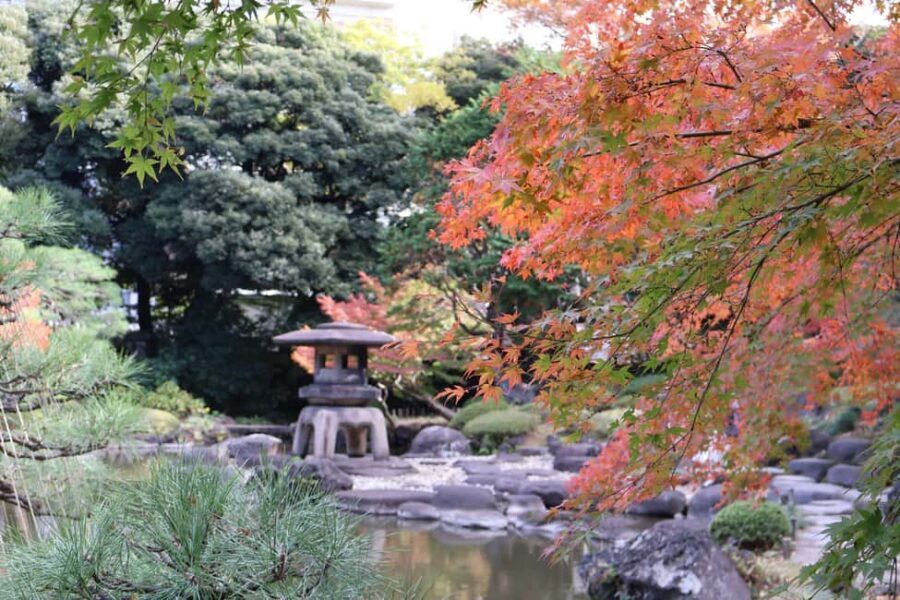
After that, you spend about 70 minutes in the Imperial Palace East Gardens. This is the heart of the visual payoff, because you’ll walk past stone remnants and standout Edo Castle-linked features.
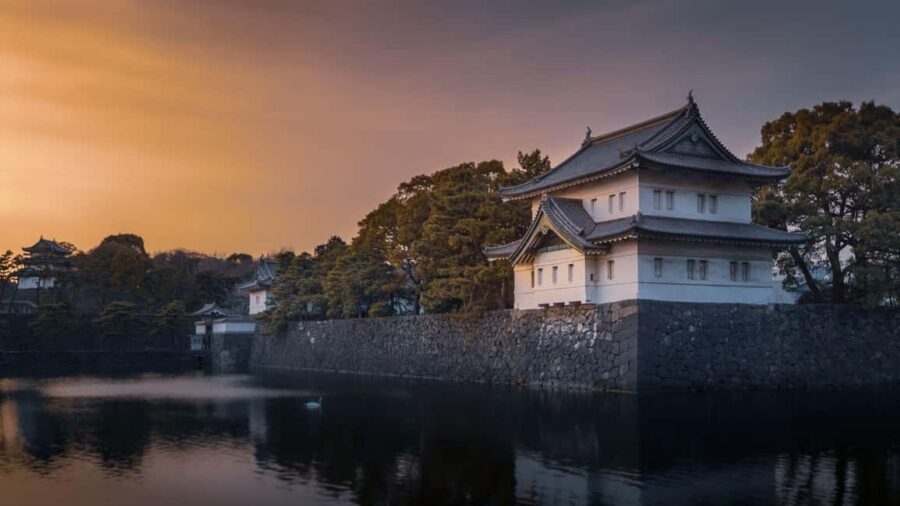
Two highlights specifically called out are the Tenshudai base and the Tatsumi Yagura watchtower. Even if you’re not a “structures” person, these points matter because they give shape to the idea of a former stronghold. The guide doesn’t treat them like decoration—they’re used to explain how samurai-era power was organized in physical space.
I like that the walking route is designed to keep you moving through the story in order. You’re not jumping around to far-flung sights. You’re walking along maintained paths and seeing how the environment holds onto older traces.
Another thing I appreciate: you’re getting commentary that ties emperors, samurai warriors, and political power together. That’s what prevents the tour from becoming a simple photo walk. You’ll have something to connect each stop to, and it makes the ruins feel less like leftovers and more like evidence.
One note for planning: because this is a walking tour, you’ll want to keep your camera ready but not glued to it. The best moments are usually the ones where you pause long enough to listen, then look again with the guide’s explanation in your head.
More days made easy by a guide




Your Guide, Small Group, and Question Time With YURAGI
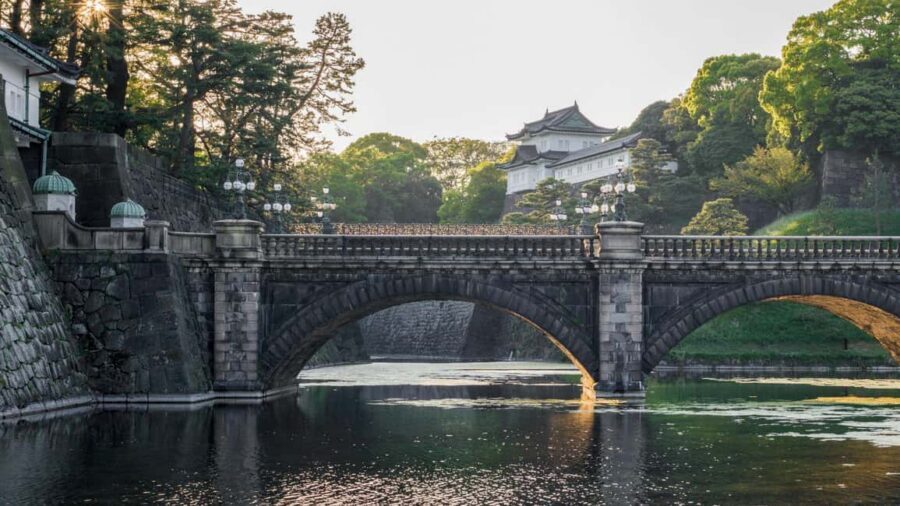
This tour runs with a professional local guide and keeps the group size to 8 participants. That small number is a real advantage. You get more chance to ask direct questions, and your guide can adjust the pace if someone needs clarification.
Language options also matter for comfort. The tour is available in English, Spanish, and French, so you can choose the version that matches how you like to learn. That’s especially helpful when history includes multiple eras and names that can blur together if you’re following in a second language.
The guides are consistently described as warm and attentive in the feedback tied to this experience. Names you might encounter include Hina, Naoki Sugar, Delfo, Hiroshi, and Taku. Different guides bring different styles, but the common thread is how they handle questions and explain what you’re seeing without making it feel like a lecture.
One extra detail from recent experiences: in at least one group setup, there was a guide plus a trainee. That can be a quiet advantage, because it often means more attention and an easier way to get answers if you have a specific question.
The only time this “small group” format can be a drawback is if you prefer a completely self-guided vibe. This tour is built for interaction, so if you want silent sightseeing with no discussion, you may feel slightly nudged into conversation.
How the 90 Minutes Will Feel: Pace, Stops, and Footwear
This experience is designed to fit into a short Tokyo window: 90 minutes total. The structure is straightforward—Tokyo Imperial Palace (30 minutes) and Imperial Palace East Gardens (70 minutes)—with walking connecting it all.
For your comfort, the big practical items are:
- Comfortable shoes
- Water
- A camera if you want to capture ruins and landmarks
You’re outside and walking, so clothing matters. I’d plan for typical city weather and bring a layer if the day feels cool. The tour’s not described as a “sit down and watch” experience; it’s a walk where you stop periodically to look and listen.
What to expect in terms of “difficulty” is also spelled out: it’s not suitable for people with low level of fitness, and it’s not suitable for pregnant women. That doesn’t mean it’s a brutal hike. It just means you should be confident with a sustained walking pace.
Wheelchair access and stroller access are included, and service animals are allowed. If you’re bringing mobility needs, you’ll want to communicate your situation ahead of time—but the tour’s listed as accessible, so it’s not a hidden obstacle course.
Also, the meeting point is near public transportation, which helps if you’re fitting this into a longer day of sightseeing.
Value Check: What $24 Gets You (and Why It Adds Up)
At $24 per person, this tour feels like one of the more cost-friendly ways to get guided context in central Tokyo. You’re paying for three things: time, language support, and a local guide who connects what you see to samurai and political history.
The value improves because of the group size cap—8 participants. If you’ve ever paid for a “tour” where you’re packed shoulder-to-shoulder and can barely hear, you know that ruins the value. Here, the small group format is part of what you’re buying.
You’re also getting a short but complete route. It’s not a half-day commitment, and it’s not a 10-person sprint where the guide can’t slow down. The 90 minutes gives enough time to explain themes and still keep you moving.
A practical tip for judging value: ask yourself whether you want context. If you’re happy reading signs on your own and taking photos, you might skip the guide. But if you want the meaning behind what you’re passing—samurai, emperors, shogunate power, and the Edo Castle connection—this price-to-time ratio is hard to beat.
One more reason it feels worth it: guides are described as answering questions and staying attentive, including in different language versions. That’s the difference between “someone talking behind you” and a guide helping you actually understand.
Who This Tour Fits Best, Based on Your Comfort Level
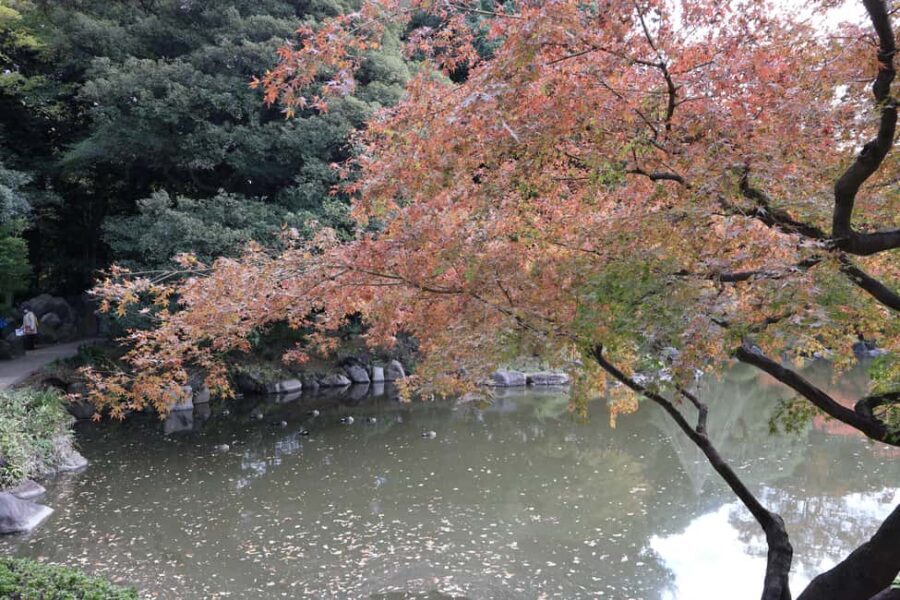
This tour is best for people who like history that’s explained while you walk. You’ll get the most from it if you enjoy:
- Learning about samurai-era power through real locations
- Understanding how Edo Castle relates to the Imperial Palace area
- Asking questions when something doesn’t make sense
It’s also a good fit if you travel with a partner or small group and want a guided experience that doesn’t feel like a production.
On the other hand, it’s not suitable for pregnant women and not suitable for people with low level of fitness. If you know you can’t comfortably handle a mostly walking-based plan, it’s better to choose something less physical.
If you’re using a wheelchair or pushing a stroller, the tour is listed as wheelchair accessible and stroller accessible, and you can bring service animals. That’s a helpful signal for planning a smoother day.
Book It or Skip It: My Practical Recommendation
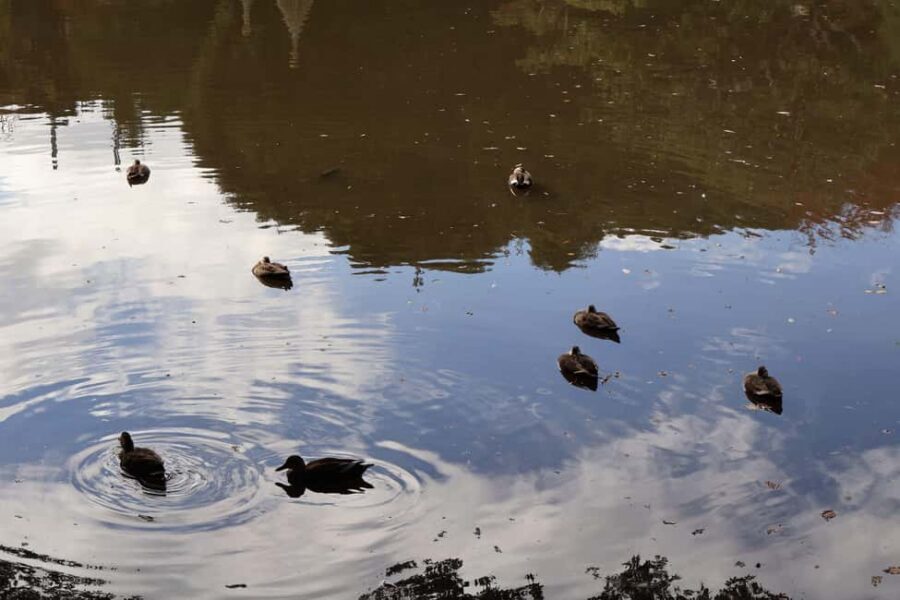
I’d book this tour if you want a focused, small-group walk through the Imperial Palace East Gardens with a guide who connects what you see to samurai and shogunate-era power. It’s short, clear, and priced to feel reasonable for what you get: real locations plus explanation in your chosen language.
Skip it if you want a self-guided stroll with no interpretation, or if your fitness level doesn’t match a steady walking experience. This isn’t a “sit back and read” kind of activity.
If you’re deciding between “just see the grounds” and “understand the grounds,” I think you’ll feel the difference the moment your guide starts tying the Edo Castle ruins—like Tenshudai base and Tatsumi Yagura watchtower—to the stories you came to learn.
FAQ
How long is the Imperial Palace East Gardens tour?
It lasts about 90 minutes.
What’s included in the tour price?
A professional local guide is included.
How much does the tour cost?
The price is $24 per person.
Where do we meet the guide?
Meet at スターバックス コーヒー 皇居外苑 和田倉噴水公園店. The guide will be in front of Starbucks holding a signboard for YURAGI.
What languages is the live guide available in?
The live guide is available in English, Spanish, and French.
Is the tour wheelchair accessible?
Yes, it is wheelchair accessible, and it’s also stroller accessible.
How big is the group?
The group is limited to 8 participants.
What should I bring?
Bring comfortable shoes, a camera, and water.
Is the tour suitable for everyone?
It is wheelchair accessible, but it is not suitable for pregnant women or people with low level of fitness. Service animals are allowed.
More Tours in Tokyo




More Tour Reviews in Tokyo




The Way of the Sword, Continued


Fresh reviews from around Tokyo






Samurai & Ninja Experiences, compared.
 ★ 4.6Samurai Ninja Museum Guided tour and ExperienceFrom $271,010 reviews
 ★ 5.0Samurai Sword & Archery Class from Samurai DescendantFrom $193603 reviews
 ★ 5.0Best Samurai Experience in TokyoFrom $65458 reviews
 ★ 5.0Ninja Experience (Family Friendly) at Samurai Ninja Museum TOKYOFrom $47441 reviews
 ★ 4.6Samurai Entertainment Night Show in Kanda ShrineFrom $41417 reviews
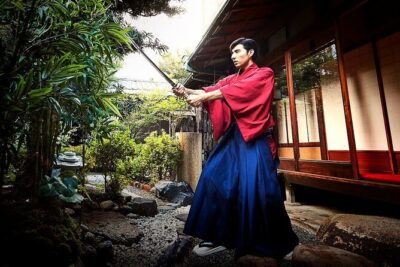 ★ 5.0Tokyo Sword Experience – includes Museum Ticket/Ninja ExperienceFrom $84314 reviews
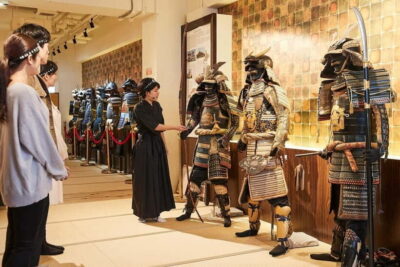 ★ 4.8Samurai Ninja Museum Asakusa: Samurai Sword Lesson & TourFrom $63306 reviews
 ★ 5.0Samurai Sword Experience (Family Friendly)at SAMURAI MUSEUM TOKYOFrom $65168 reviews
Browse the lists this tour appears in