
Reviewed · TOKYO
Make Your Own Bonsai with a Professional Bonsai Artist in Tokyo
Turning a tree into art is the point.
This bonsai-making workshop at Shunkaen BONSAI Museum is a rare mix of calm museum time and practical horticulture practice. I like that the session is small, with tailored help (plus a translator) so you’re not guessing or watching from the back. One catch: you’re making something living, so the results depend on what kind of care you’ll realistically keep up after you get home.
I also love how the museum setting makes the class feel connected to the craft, not just a quick activity. You’ll tour a large collection, then learn hands-on fundamentals like wiring a juniper, so you leave with both skills and context. The one thing to plan for is extra cost later: the bonsai shipping fee (if you need it) isn’t included, so ask early about how you’ll handle taking your tree home.
In This Review
- Key things you’ll notice right away
- Shunkaen BONSAI Museum: where the class starts to make sense
- Your 2-hour bonsai lesson: what you’ll do step by step
- Getting instruction with a translator (and why it matters)
- Meet the instructors: master Kunio Kobayashi and teaching apprentices
- Taking your bonsai home: shipping, fees, and realistic planning
- Price and value: is $78.83 a fair deal?
- Who should book this bonsai workshop, and who might skip it
- FAQ
- FAQ
- What is the duration of the bonsai-making workshop?
- Where does the experience take place?
- What’s included in the price?
- Is there translation during the class?
- Can I take the bonsai home, and are there extra fees?
- What if I need to cancel?
- Should you book this Make Your Own Bonsai in Tokyo?
Key things you’ll notice right away
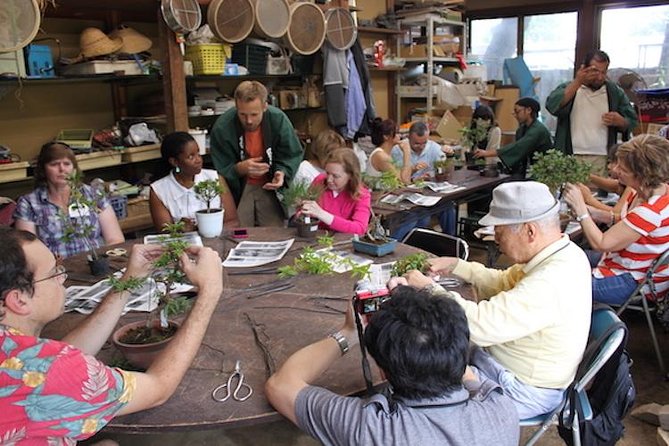
- Small group (max 6): you get real, hands-on coaching instead of a crowd lesson
- Translator support: instruction is adapted so you can actually follow each step
- Museum + class combo: you see strong examples first, then learn how the techniques work
- Juniper wiring basics: you practice the method that helps shape branches
- A master and apprentices: you may meet senior instructors and learn through their teaching culture
- Time for quiet looking: the grounds and display areas encourage slow, focused browsing
Before you commit, see how this one stacks up against a few Tokyo favourites:
- Mt Fuji and Hakone 1-Day Bus Tour Return by Bullet Train★ 5.0 · 26,383 reviews
- 1-Day Tokyo Bus Tour★ 5.0 · 14,250 reviews
- Tokyo: teamLab Planets TOKYO Digital Art Museum Entry Ticket★ 4.6 · 9,779 reviews
Shunkaen BONSAI Museum: where the class starts to make sense
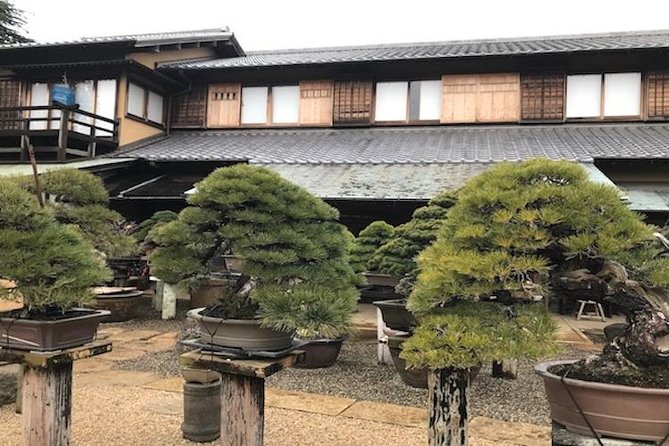
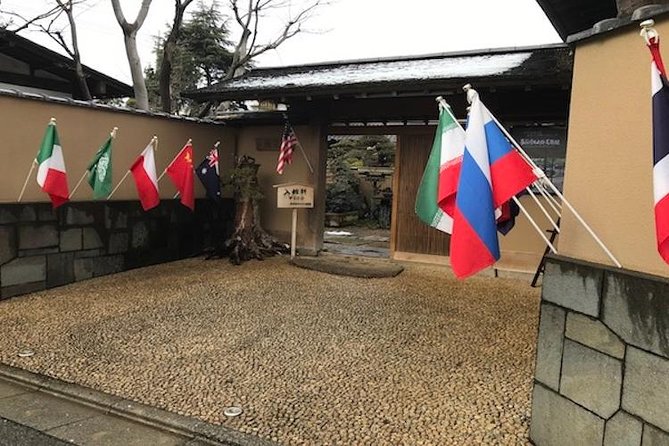
Your workshop meets at Shunkaen BONSAI Museum in Edogawa City, Tokyo (1-chōme-29-16 Niihori). From the start, the setting does something useful: it gives you bonsai context before you touch tools. Instead of learning in a vacuum, you’re surrounded by living examples in the museum grounds.
The museum atmosphere is part of the value. The courtyard and elevated viewing areas give you multiple angles on different styles, so you start noticing the design choices behind the trees—trunk movement, branch spacing, and how foliage pads sit. That’s the kind of detail that makes your own tree feel less random.
The class itself is capped for a reason. With a maximum of six people, you can ask questions and actually get an answer that fits what you’re doing. If you’ve ever taken a class where your neighbor takes the instructor’s attention, this format is a big relief.
Practical note: the museum involves some walking, and the activity lists a moderate physical fitness level. Wear comfortable shoes. Even if you’re not doing a long hike, you’ll be on your feet and moving through garden areas.
Your 2-hour bonsai lesson: what you’ll do step by step
The workshop runs about two hours. It’s long enough to learn the basics without feeling rushed, and short enough to fit into a packed Tokyo day.
A typical flow works like this:
1) You arrive and settle into the museum area for instruction and orientation.
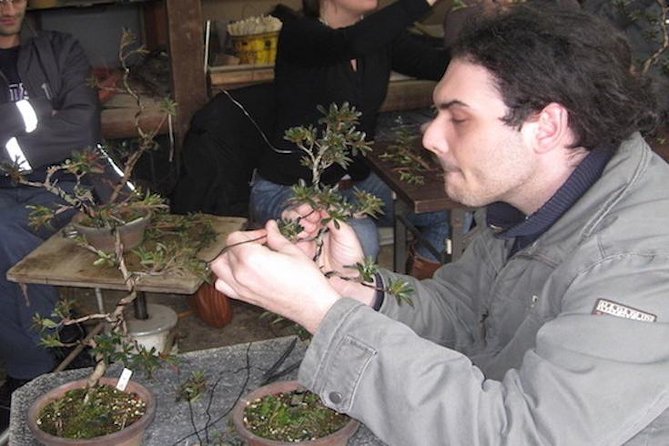
2) You get hands-on guidance from a bonsai instructor while working on your own tree.
3) You learn key technique fundamentals—especially shaping and wiring—while you build the tree into a new form.
4) You wrap up with time to keep admiring the collection with the new eye you’ve developed.
Wiring shows up in the process. Multiple instructors teach the basics of wiring a juniper tree, which is one of the core techniques for shaping the branch structure. This matters because bonsai isn’t just about trimming—it’s about controlling direction over time so the tree grows into the style you’re aiming for.
The focus is not on perfection. The goal is learning principles you can repeat. When you understand why something is done—how tension affects branch positioning, or what the instructor is trying to balance—you can adjust later instead of copying blindly.
You’ll also get guided museum time while learning. Seeing different styles before and after you practice helps you connect the shapes you notice with the technique you used. It turns the museum from background scenery into a learning tool.
Getting instruction with a translator (and why it matters)
This experience is designed to be accessible. You’ll receive tailored instruction with the help of a translator, which changes the whole tone of the lesson. Instead of nodding through unfamiliar terms, you can ask how something works and get a usable explanation.
That’s especially important for hands-on horticulture. Bonsai methods can sound simple—wire, position, trim—but the timing and technique details are what make it safe and effective for the plant. With translation, you’re more likely to understand what the instructor is asking you to do and why you should avoid certain mistakes.
This is one reason the small group size feels like more than a comfort perk. When you’re working closely with someone and you can communicate clearly, you can correct your technique in real time. That’s how you leave with something you can actually care for, not just a workshop souvenir.
Meet the instructors: master Kunio Kobayashi and teaching apprentices
One of the most memorable parts is the teaching environment. Some sessions feature a high-level instructor such as Master Kunio Kobayashi, along with apprentices who help guide the class and answer questions.
Even when a master isn’t present, apprentices play a big role. They’re not just standing by. They explain, troubleshoot, and share the small details that can be hard to pick up alone—like how to think about balance and branch placement.
You may also be served tea during your visit. It’s not just a nice touch; it reinforces the slow, respectful pace of the museum. In a city full of fast tours, a quiet cup of tea while you look at bonsai you just learned to shape is oddly grounding.





Taking your bonsai home: shipping, fees, and realistic planning
Here’s the practical part you should think about before you book: what happens after the class.
The workshop includes the lesson and admission, but bonsai shipping fees are not included. That’s important because moving a living plant internationally or across distances can cost money, and the museum’s setup likely reflects the logistics they handle.
One review also notes that if you live in Japan, you may be able to take your tree with you for a fee. That aligns with what you’d expect: local pickup can work differently from shipping.
So, plan this way:
- If you’re staying in Tokyo, ask about the easiest way to take your tree home locally.
- If you’re leaving Japan soon, assume you’ll need to budget for shipping and ask what’s available through the museum.
Also, keep your expectations grounded. A bonsai is a long-term project. The goal of the workshop is to give you a starting foundation—how to shape now and how to think about care afterward—so your tree has a chance to grow into what you intended.
Price and value: is $78.83 a fair deal?
At $78.83 per person, this is not the cheapest activity in Tokyo, but it’s also not priced like a private extravagance. For the cost, you get several value boosters that matter in real life.
First, the admission is included. You’re paying not only for hands-on instruction, but also for time in the museum collection. That combination is hard to replicate elsewhere.
Second, the class is small (up to six). In many group workshops, the headcount is what you’re paying for. Here, you’re paying for attention—enough attention that you can shape a tree while someone watches and adjusts your technique.
Third, you get translator support. That’s the kind of hidden value that can make the difference between a fun souvenir and an actually useful skill.
Finally, you’re learning a technique with longevity. If you continue the care and follow-up, the workshop becomes the start of your own bonsai journey—something you can revisit at home as your tree develops over time.
The main cost downside is the after-class phase. Shipping (or taking the tree locally) can add fees, and you’ll also want to budget for whatever transport you handle yourself. The workshop doesn’t include those costs.
Who should book this bonsai workshop, and who might skip it
This class is a great fit if you want Japanese culture you can touch. If you like plants, enjoy learning how living things are shaped, and prefer calmer activities over big-ticket sightseeing, you’ll likely enjoy the museum-first approach.
It’s also ideal if you don’t speak Japanese well. Translator support helps you learn the why, not just the what. And the small group structure makes questions practical instead of awkward.
You might skip it if:
- You’re strictly looking for a fast, purely sightseeing stop. This is a doing-focused class, and it takes your attention.
- You hate the idea of extra logistics after the workshop. The bonsai shipping fee is not included, so think about your travel timeline.
If you’re the type who likes taking home skills—not just photos—this workshop fits your style.
FAQ
FAQ
What is the duration of the bonsai-making workshop?
The lesson lasts about 2 hours.
Where does the experience take place?
It takes place at Shunkaen BONSAI Museum, located at 1-chōme-29-16 Niihori, Edogawa City, Tokyo 132-0001, Japan. The activity ends back at the meeting point.
What’s included in the price?
The price includes the bonsai making lesson and admission ticket. Assistant help may be included if you select that option.
Is there translation during the class?
Yes. You’ll get tailored instruction with the help of a translator.
Can I take the bonsai home, and are there extra fees?
Bonsai shipping fees are not included. Depending on how you take your tree home (local pickup versus shipping), you may face additional costs.
What if I need to cancel?
You can cancel for free up to 24 hours before the experience’s start time for a full refund. If you cancel less than 24 hours before, the amount paid is not refunded.
Should you book this Make Your Own Bonsai in Tokyo?
Book it if you want a calm, hands-on Japanese craft experience with real instruction. The small group size, translator support, and museum collection time make it feel like learning from a living tradition, not just doing a short activity.
Also book it if you’re interested in practical technique—especially wiring—because you’ll be taught fundamentals while you shape your own juniper. Just plan ahead for the tree logistics after the class, and wear comfy shoes for museum walking. If you do that, this is the kind of Tokyo day that gives you a story you can still work on weeks later, as your bonsai changes.
More Tour Reviews in Tokyo



Fresh reviews from around Tokyo






Tokyo, compared.
 ★ 5.0Mt Fuji and Hakone 1-Day Bus Tour Return by Bullet TrainFrom $16326,383 reviews
 ★ 5.01-Day Tokyo Bus TourFrom $12914,250 reviews
 ★ 4.6teamLab Planets TOKYO Digital Art Museum Entry TicketFrom $259,779 reviews
 ★ 4.0Mt Fuji & Hakone Cruise, Drum Show Bullet Train 1 Day from TokyoFrom $1497,413 reviews
 ★ 5.0Shinjuku Food Tour (13 Dishes at 4 Local Eateries)From $866,603 reviews
 ★ 4.4Tokyo Mt Fuji 5th St & Hakone Cruise Bus Tour w/Bullet TrainFrom $1545,024 reviews
 ★ 5.0Flagship 2-Hours Official Street Go-Kart Tour – Tokyo Bay ShopFrom $644,974 reviews
 ★ 4.5From Tokyo: Mount Fuji Full-Day Sightseeing TripFrom $684,970 reviews