
Nikko hits you fast, and this day trip helps you see why. I like the private, comfortable transport (with Wi-Fi) that gets you out of Tokyo without stress, and I love how the stops are built around the big Nikko icons like Toshogu Shrine. One thing to plan for: the schedule leans on weather and daylight, and the ropeway can close in bad conditions.
What makes this experience feel efficient is that it’s not just a bus ride. You get guided cultural context, photo stops, and time to walk at each highlight, including the Shinkyo Bridge and the long, peaceful Jizo path at Kanmangafuchi. The only drawback I’d flag is simple: you’ll do a decent amount of walking, and some spots may not be ideal if mobility is limited.
In This Review
- Key points to know before you go
- Why Nikko fits in a single day from Tokyo
- Hotel pickup and a private ride that makes the long day feel shorter
- Toshogu Shrine: the carvings, the gates, and why you should slow down
- Shinkyo Bridge: the photo stop that still feels like a moment
- Kanmangafuchi Abyss and the 70+ Jizo statues walk
- Lake Chūzenji and Akechidaira Ropeway: big views, good payoff
- Kegon Falls: tea, coffee tasting, and the 97-meter drop
- Edo Wonderland: a fun contrast to temples and nature
- How the day stays on track without feeling rushed
- Price and value: what $362 per group really buys you
- Who should book this Nikko private day trip
- Should you book this Nikko World Heritage day tour?
- FAQ
- FAQ
- Where is pickup, and how long is the day?
- Is this a private tour, and how many people can be in the group?
- Does the tour include skip-the-line entry?
- What languages does the live guide speak?
- What refreshments are included at Kegon Falls?
- Are meals included, or should I budget for lunch?
- What should I do if the ropeway is closed due to weather?
- Is it suitable for seniors or mobility limits?
Key points to know before you go
- Skip-the-line entrance helps you spend more minutes looking and less time waiting.
- Toshogu Shrine details like the Yomeimon Gate and the famous sleeping cat make the crowds worth it.
- Kanmangafuchi Abyss + 70+ Jizo statues gives you a slower, reflective walk in the forest.
- Akechidaira Ropeway is built for panoramic views of Mount Nantai, Lake Chuzenji, and Kegon Falls.
- Winter payoff at Kegon Falls can be spectacular if the waterfall freezes.
- Edo Wonderland adds a hands-on Edo-era moment with craft workshops and performances.
The shrine road north: other Nikko trips
- Nikko: Kegon Falls, Lake Chuzenji & Toshogu Temple★ 4.6 · 1,577 reviews
- Tokyo: Nikko Toshogu Shrine and Kegon Waterfall Tour★ 4.5 · 1,266 reviews
- From Tokyo: Nikko World Heritage Site Private Full-Day Trip★ 4.9 · 243 reviews
Why Nikko fits in a single day from Tokyo
Nikko is one of those places where the “main sights” actually matter. You’re dealing with a UNESCO World Heritage spiritual center, packed into a mountain region with forests, shrines, lakes, and waterfalls.
The value of doing it in one day is that you avoid the common travel headache: multiple transfers, timing fights, and the stress of trying to reach Kegon Falls and Lake Chuzenji on your own. This trip is designed so you can follow a natural flow through the area while someone else handles the driving.
The pacing is also practical. You’re not expected to read every stone carving like a scholar. Instead, you get enough time at each stop to see the key features clearly, take photos, and still have room to breathe.
Hotel pickup and a private ride that makes the long day feel shorter
This tour starts with hotel pickup and drop-off, which is a big deal in Japan. You’re saving time and reducing friction right away, especially if you’re navigating train transfers or trying to coordinate with a group.
You’ll travel in a luxury, air-conditioned vehicle with Wi-Fi. That matters because you’re spending a lot of the day on the move—about two hours each way from Tokyo—so a comfortable car keeps you from arriving tired.
A small but real logistics tip: you’re asked to wait in the hotel lobby 10 minutes before your scheduled pickup, and the driver won’t wait more than 60 minutes after the scheduled time. If you’re the type who hates being rushed, set an early alarm and double-check the meeting area the night before.
Toshogu Shrine: the carvings, the gates, and why you should slow down
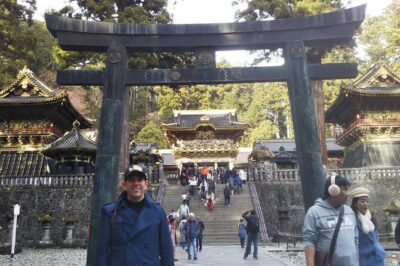
If Nikko has a headline, it’s Nikko Toshogu Shrine. This is where the Tokugawa legacy shows up in full visual power, built around Tokugawa Ieyasu, the founder of the Tokugawa shogunate.
What I love about approaching Toshogu with a guide is that you notice what you’d otherwise miss. Yes, it’s gorgeous. But it’s also packed with symbolism and craftsmanship. You get time to see the shrine’s architecture and color work up close, including the Yomeimon Gate—often singled out for its intricate design—and the famous sleeping cat sculpture.
There’s also a stop at the Nikko Toshogu Art Museum for photo time and guided context. Even if you don’t go deep inside, it helps you connect the visuals you’ll see at the shrine to the broader theme of artistry in the Nikko complex.
Time-wise, you shouldn’t expect a long wandering day here. You get focused viewing, then you move on—so you’ll want to pick what you most want to photograph: gates, carvings, or the overall courtyard layout.
Shinkyo Bridge: the photo stop that still feels like a moment
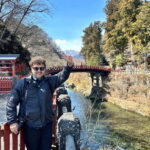
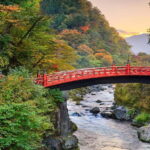
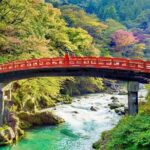
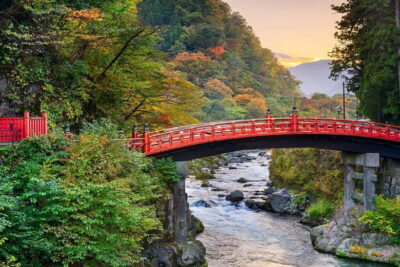
Next up is Shinkyo Bridge, a wooden bridge spanning the Daiya River. It’s one of Japan’s most photographed bridges, and for good reason: the bridge frames the river and the surrounding green, and in seasons like autumn it really pops.
This is a guided photo-and-walk stop. Even if you think you’ve “seen bridges before,” Shinkyo works because it’s set up like a gateway. It has historical significance as an entry point to the Nikko shrine area, and the experience feels calmer than the larger shrine crowds.
Don’t overthink it. Use the time to get one clean wide shot and one closer shot where the textures show. Then walk a little and let your eyes reset before the next temple cluster.
More private options with your own guide


Kanmangafuchi Abyss and the 70+ Jizo statues walk
Then the day turns quieter.
At Kanmangafuchi Abyss, you’ll walk along a stone-lined path where you see over 70 Jizo statues. These are often associated with the spirits of children and travelers, and the setting naturally encourages a reflective pace. The sound of the river nearby helps too—so even if your group is lively, the place tends to calm everyone down.
The path continues toward Jiunji Hondo Temple, a smaller temple stop that feels like a breather after the more visually intense Toshogu area.
Practical note: this isn’t a “sit down and snack” stop. You’ll be standing, walking, and looking. Comfortable shoes aren’t optional.
Lake Chūzenji and Akechidaira Ropeway: big views, good payoff
This is where Nikko starts showing its mountain-scene side.
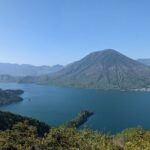
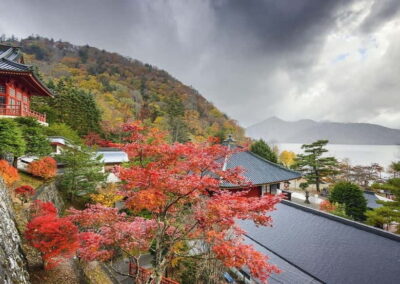
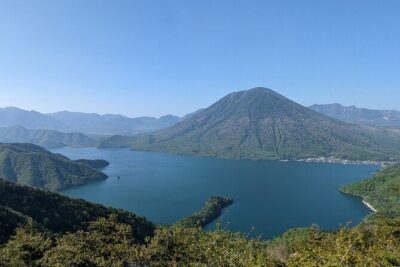
Lake Chūzenji is a highland lake formed by volcanic activity, and the big draw is the clarity and the surrounding scenery near Mount Nantai. You’ll get guided context and photo time, plus walking time around the area.
What I like is that your free time isn’t wasted. Lake Chuzenji is a place where you can stretch your legs and choose your own pace. If you’re into light activity, it’s a natural spot for casual wandering and viewpoints, and in the right season it’s a great place for seasonal color photos.
From there, you ride the Akechidaira Ropeway. The point of the ropeway isn’t just transportation—it’s the view. From the observation deck, you look out over Mount Nantai, Lake Chuzenji, and the Kegon Falls area.
The only big consideration: the ropeway can close due to bad weather. In winter, wind is a common problem. If it happens, don’t panic. Expect the guide to adapt the timing and adjust what you can see.
Kegon Falls: tea, coffee tasting, and the 97-meter drop
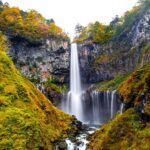
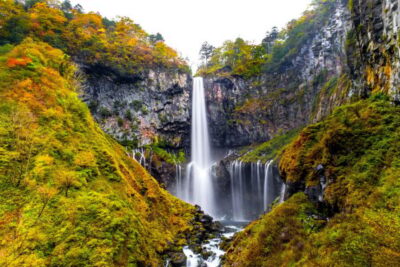
Kegon Falls is one of Japan’s most famous waterfalls, dropping about 97 meters into a gorge. The walk from the Lake Chuzenji area to the falls is short, but it still counts—so keep your energy for the viewing platforms.
There’s also a nice human touch built in: tea service and time for coffee tasting around this stop. It gives you a break in the middle of the sightseeing, which is especially welcome when the day is cold or damp.
One reason Kegon Falls is loved year-round is that the shape changes with the season. In winter, the falls can freeze and create striking ice formations. If you’re visiting in the colder months, this is the stop where your camera work suddenly feels easy—because the scenery does half the job for you.
Edo Wonderland: a fun contrast to temples and nature
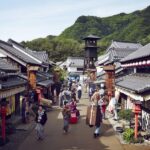
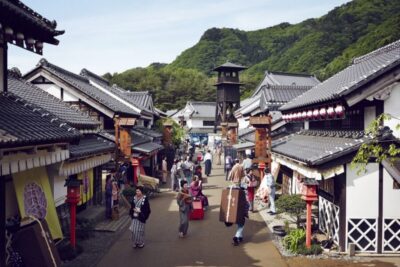
After the shrine-and-waterfall focus, this tour includes time at Edo Wonderland, where you can experience Edo-era entertainment. The key idea here is contrast: you go from spiritual architecture and mountain scenery to costumed performances and hands-on style activities.
What’s included is traditional craft workshops and performances. That makes Edo Wonderland more useful than a simple photo stop. You get something tactile to remember, not just another building or another viewpoint.
If you’re traveling with kids, this is often the part that keeps energy high. If you’re traveling solo, it’s a good reminder that Nikko isn’t only about sacred history—it’s also about how Japan tells stories through popular culture.
How the day stays on track without feeling rushed
A private format is supposed to be relaxing, not hectic. The best part here is that you’re not fighting public transport schedules while trying to reach waterfalls and shrines in the same day.
Several timing elements help:
- Short guided stops at places like Shinkyo and shrine photo points.
- Photo opportunities built into the flow, rather than squeezing photos into the gaps.
- Separate entrance skip-the-line at the shrine complex, which can save serious time on busy days.
Guides also seem to personalize how you move through the day. In the past, some people noted the guide adjusting around crowds or the weather so the day still felt smooth. For your side, your job is simple: wear shoes you can walk in for an hour or more, and keep water handy.
If you’re traveling with a stroller or you have kids in tow, this kind of private timing usually helps. More than once, people described the guide handling practical details with patience.
Price and value: what $362 per group really buys you
Let’s talk money clearly.
The price is $362 per group up to 6 people, for a 10-hour day from Tokyo. If you’re a couple, it’ll feel like a higher per-person cost. If you fill the group size, it becomes a very cost-effective way to get transportation plus guiding plus admission-time help.
Here’s what you’re paying for:
- Private luxury transport (including highway tax)
- Hotel pickup and drop-off
- Wi-Fi in the vehicle
- Guided tours at multiple cultural stops
- Photography support at key viewing points
- Access to skip-the-line entry
Compared to DIY travel, the value often comes down to your time and stress. Nikko’s highlights aren’t all next door to each other, and Kegon Falls is hard to bundle cleanly with public transit. This tour removes the logistics friction so you can focus on seeing.
So the best value is for people who want comfort, want a guided interpretation, and don’t want to play transport roulette.
Who should book this Nikko private day trip
This tour fits best if you want big Nikko highlights without the puzzle-solving.
You’ll likely enjoy it most if:
- You’re traveling in a group (up to 6) and want to split the cost.
- You care about cultural meaning at Toshogu, not just snapping pictures.
- You want natural “wow” stops like the Akechidaira Ropeway and Kegon Falls in the same day.
- You prefer private pacing over crowded buses.
It may not be the best fit if:
- You’re very sensitive to walking.
- You need guaranteed step-free access. The tour notes that some areas may not be accessible for people with mobility impairments.
- You’re over 95 years old, since it’s noted as not suitable for that age range.
One more practical point: bring layers. Even in warmer months, the mountain area can feel cooler, and the ropeway area can get windy.
Should you book this Nikko World Heritage day tour?
I’d book it if your goal is a clean, guided day through Nikko’s must-see core—Toshogu Shrine, Shinkyo Bridge, the Jizo statues at Kanmangafuchi, plus the Lake Chuzenji and Kegon Falls viewpoints, with a fun swing by Edo Wonderland.
I wouldn’t book it if you’re hoping for a slow, fully flexible, all-day nature hike. This is a structured highlights day. It’s built for good viewing and good timing, not for wandering for hours with no plan.
FAQ
FAQ
Where is pickup, and how long is the day?
Pickup is in Tokyo, and the overall tour duration is about 10 hours including the start time. You’ll also have hotel drop-off back in Tokyo.
Is this a private tour, and how many people can be in the group?
Yes, it’s a private group. The price is listed per group up to 6 people.
Does the tour include skip-the-line entry?
Yes. It includes skip-the-line access through a separate entrance.
What languages does the live guide speak?
The live guide speaks Arabic, English, and Hindi.
What refreshments are included at Kegon Falls?
At Kegon Falls, the tour includes tea and also includes time for coffee tasting.
Are meals included, or should I budget for lunch?
Meals and snacks are typically not included. You should plan to budget for dining during the day.
What should I do if the ropeway is closed due to weather?
The ropeway may be closed in bad weather. In that case, you should expect the day’s plans to shift based on conditions.
Is it suitable for seniors or mobility limits?
It’s not suitable for people over 95 years old. Also, some areas may not be accessible for people with mobility impairments, so you should consider your walking and access needs carefully.
More Tours in Tokyo




More Tour Reviews in Tokyo




North Again: More Nikko Trips
Fresh reviews from around Tokyo






Nikko Day Trips, compared.
 ★ 4.6Nikko: Kegon Falls, Lake Chuzenji & Toshogu TempleFrom $891,577 reviews
 ★ 4.5Nikko Toshogu Shrine and Kegon Waterfall TourFrom $841,266 reviews
 ★ 5.0Nikko Full-Day Private Tour with Government-Licensed GuideFrom $155259 reviews
 ★ 4.9From Tokyo: Nikko World Heritage Site Private Full-Day TripFrom $483243 reviews
 ★ 4.3Nikko: Edo Wonderland Edomura Cultural Theme Park TicketFrom $35205 reviews
 ★ 4.9Nikko – Beautiful Full-Day Personal and Private TourFrom $364119 reviews
 ★ 5.0Chartered Private Tour – Tokyo to Nikko, Toshogu, Edo WonderlandFrom $1,286105 reviews
 ★ 4.8Nikko Heritage & Nature Day Trip from TokyoFrom $39194 reviews
Browse the lists this tour appears in