
Reviewed · SHINJUKU BAR HOPPING
Tokyo: Shinjuku Historical Walking Tour & Secret Backstreets
Tokyo’s neon has a back door.
This guided night walk is built for people who want to see Shinjuku’s famous sights without feeling like you’re stuck with a map and guesswork. I especially liked how the route is paced for photos at night, and I loved the choice of stops that blend old-school lanes (like Omoide Yokocho) with Shinjuku’s adult playground streets (Kabukicho and Golden Gai).
The best part is that a local guide leads the way, so you’re not wandering around with your phone brightness turned up and your confidence turned down. Guides such as Mao, Akari, and Ren are mentioned for tailoring the walk to your interests, so the explanations don’t feel generic.
One thing to consider: you’ll cover a fair chunk of ground and spend time in crowded areas, so comfortable shoes matter. If you dislike busy nightlife zones, you may find Kabukicho less fun than the quieter reset at Hanazono Shrine.
In This Review
- Key highlights worth getting excited about
- Why Shinjuku at night feels different with a guide
- Meeting at Shinjuku Station East Exit Police Box and staying oriented
- Omoide Yokocho (Memory Lane): the lanes where the past still smells like food
- Kabukicho: neon streets, nightlife context, and why it works at night
- Tokyu Kabukicho Tower: modern structure, classic district energy
- Shinjuku Golden Gai: tiny bars, narrow lanes, and the art of not getting lost
- Hanazono Shrine: a calm reset that makes the night feel balanced
- What you actually gain: food tips, photo timing, and local perspective
- Timing, walking pace, and who this tour suits best
- Price and value: $25.20 for 90 minutes of guided street smarts
- Should you book this Shinjuku Historical Walking Tour and Secret Backstreets?
- FAQ
- FAQ
- How long is the Shinjuku Historical Walking Tour & Secret Backstreets?
- How much does the tour cost?
- Where do I meet the guide?
- Is this tour private or a group tour?
- What’s included in the price?
- Do I need to pay admission fees at the stops?
- Is a shrine experience part of the tour?
- Can I choose a time slot, and what about weather?
Key highlights worth getting excited about
- Omoide Yokocho (Memory Lane): old-school alley atmosphere and easy photo angles
- Kabukicho after dark: neon streets plus a longer look at Tokyu Kabukicho Tower
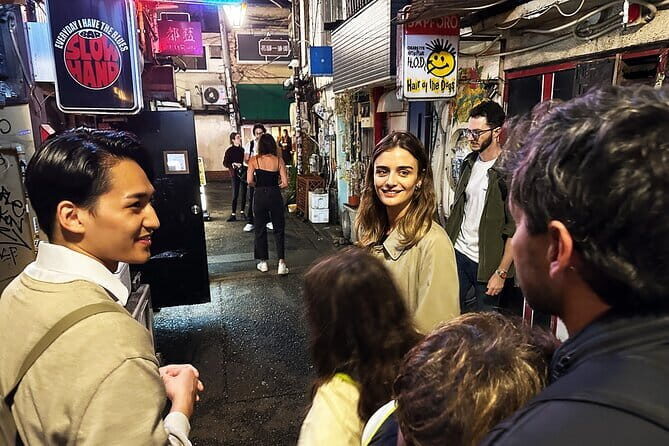
- Shinjuku Golden Gai: narrow lanes with tiny bar frontages and local nightlife energy
- Hanazono Shrine: a calm stop that contrasts hard with the surrounding city noise
- Guide-led food and drink tips: including one vending machine drink recommendation
Different nights, same neon: more Shinjuku crawls
- Tokyo: Shinjuku Food Tour (13 Dishes at 4 Local Eateries)★ 5.0 · 6,603 reviews
- Tokyo Bar Hopping Tour in Shinjuku (All-You-Can-Drink + Dinner)★ 5.0 · 3,587 reviews
- Tokyo: Shinjuku Food Tour (15 Dishes and 4 Eateries)★ 4.9 · 2,033 reviews
Why Shinjuku at night feels different with a guide
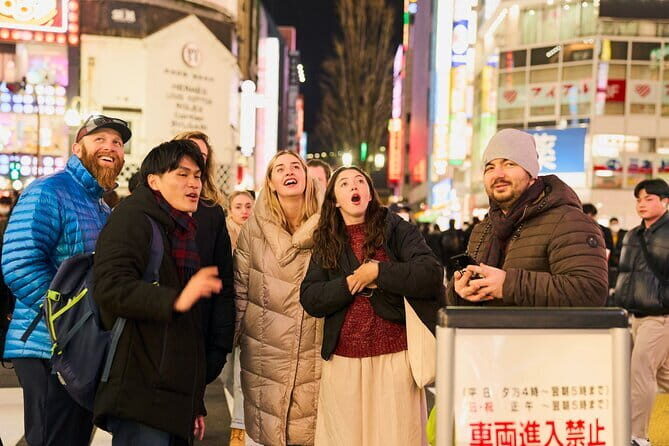
Shinjuku at night can feel like you’re watching a live show you didn’t buy tickets for. The streets are bright, the alleys are confusing, and every block seems to change character. This tour helps you make sense of it fast, because someone local is steering you through the parts that work at night and explaining what you’re actually looking at.
I like that it’s structured but not stiff. You get stops that are easy to recognize on a map, then you get walked into the smaller lanes that usually stay off the typical route. When your guide points out what to look for, you start noticing tiny details you would’ve walked past on your own.
Also, you can pick different time slots to match your schedule. That matters in Shinjuku because some spots look best at certain hours, and some streets feel better after dinner than before.
Meeting at Shinjuku Station East Exit Police Box and staying oriented
You start at Shinjuku Station East Exit Police Box, in the Shinjuku area near 3-chōme-38-1. The fact that the tour ends back at the meeting point is a practical win. After 90 minutes of night walking, having a known return point keeps things simple.
The tour uses a mobile ticket, which is handy when you’re hopping on trains all day and don’t want another printed thing to manage. Since it’s a private tour/activity for your group, the guide can keep you together without playing crowd-control.
One small detail that makes a big difference: the tour includes one vending machine drink recommendation by the guide. In Tokyo, vending machines are everywhere, but the guide’s suggestion helps you pick something that fits the moment and doesn’t turn into a fruitless scavenger hunt.
Omoide Yokocho (Memory Lane): the lanes where the past still smells like food
Omoide Yokocho, often called Memory Lane, is the kind of place that makes you slow down without realizing it. It’s tucked away in Shinjuku’s backstreets and feels like a pocket version of older Tokyo—narrow, atmospheric, and centered on small, casual eats.
This is a great early stop or mid-walk reset because it gives you something real to photograph: close-up alley views, hanging sign shapes, and the layered look of old structures framed by night lights. If you’re the type who likes pictures that look lived-in rather than postcard-perfect, this portion will do the job.
The main practical downside is that this is still a food-and-drink area. It can get tight where people line up or stand around chatting. If you’re sensitive to crowds, keep your camera ready but move deliberately through the narrow sections.
Kabukicho: neon streets, nightlife context, and why it works at night
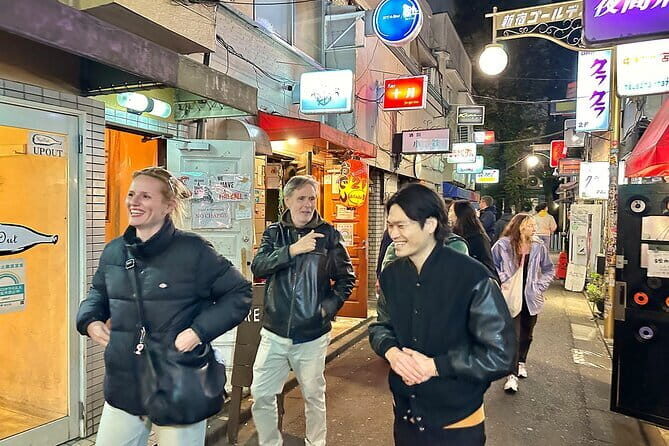
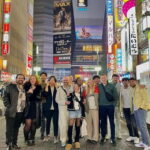
Next up is Kabukicho, Shinjuku’s entertainment district, often described as the place that never fully powers down. At night, the neon lights and constant movement turn the district into a living set. What makes this stop better with a guide is context: you’re not just seeing signs—you’re learning what kind of area it is and how Shinjuku’s nightlife culture is organized.
This part is short in the itinerary, around 10 minutes, so it’s more about getting your bearings than “sightseeing every corner.” That’s a smart approach. Kabukicho can overwhelm you if you treat it like a museum. A brief guided pass helps you understand the vibe, then you’re free to enjoy it without feeling lost.
If you’re looking for a quiet night, this is the loudest and busiest portion of the tour. Even if you love nightlife, you’ll want to keep your belongings secure and wear shoes that don’t punish your feet after standing and walking.
Tokyo at walking pace, a few more ways
Tokyu Kabukicho Tower: modern structure, classic district energy
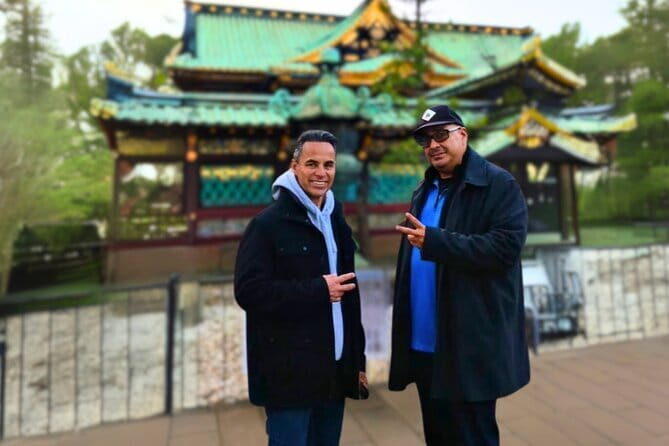
After Kabukicho comes Tokyu Kabukicho Tower, given about 25 minutes. This is one of those contrasts Tokyo does well: a newer structure added into an older nightlife ecosystem. You get a wider view and more architectural context than you’d get by simply walking the street level.
Practically, the time here gives you breathing room. It’s a chance to regroup, look for photo angles, and re-orient your sense of space. When you’re in dense districts, your brain struggles to map distance. A stop like this helps you understand how the surrounding streets connect.
Admission is listed as free for this stop, so you’re not paying extra just to stand in the right place and take in the atmosphere.
Shinjuku Golden Gai: tiny bars, narrow lanes, and the art of not getting lost
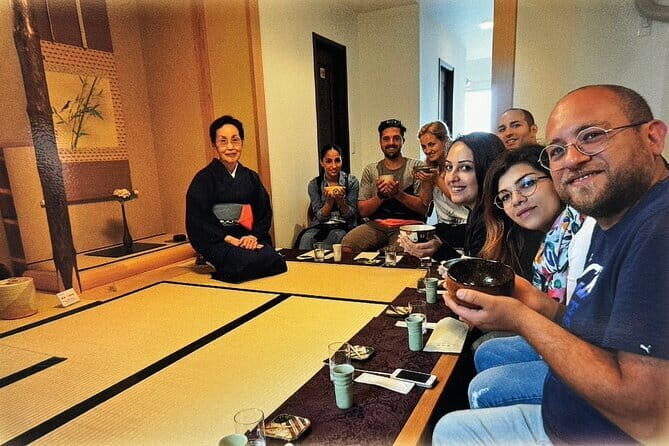
Shinjuku Golden Gai is one of those places where the geography matters. The alleyways are narrow, the entrances feel like they belong to different worlds, and it’s easy to wander in circles if you don’t know where you’re going.
This tour budgets about 15 minutes here, and that’s the right amount. Golden Gai isn’t a long hang-out spot if you’re on a timed walk, but it’s perfect for understanding what makes the area tick: small bar culture, close-up nightlife, and the way the district is arranged like a maze.
With a guide, you’re also more likely to notice the subtleties: where the lanes open up for photos, how the density changes block to block, and what you’re likely to see when you step into each little entryway area. Even if you don’t plan to go inside every bar, you’ll still come away with a stronger sense of what the place is.
Possible consideration: some of these narrow lanes can feel more intense than the larger streets around Kabukicho. If you’re uncomfortable around heavy nightlife energy, you might keep your time to the tour plan and avoid lingering too long in the densest spots.
Hanazono Shrine: a calm reset that makes the night feel balanced
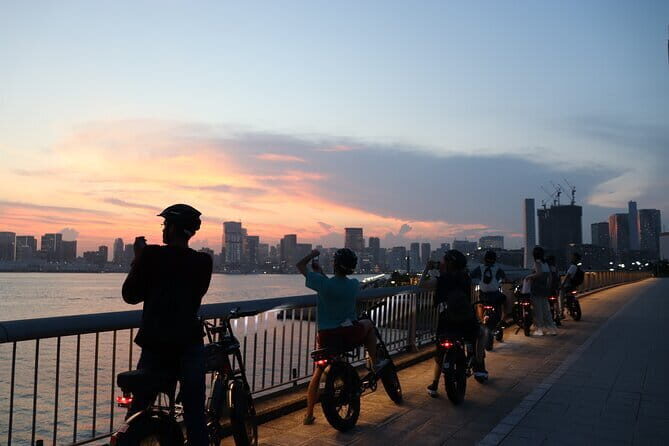
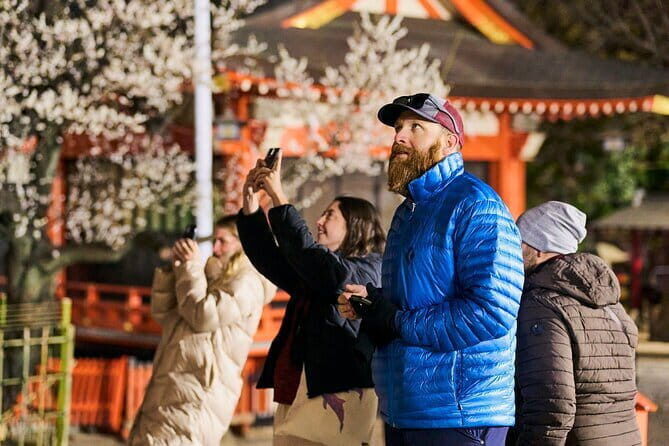
Then you end with Hanazono Shrine, around 20 minutes. This is the emotional swing the itinerary is aiming for. After neon, crowds, and alley-hopping, the shrine area gives you a quieter pocket of Tokyo life.
For me, the value here is the contrast. It’s one thing to walk through a famous nightlife district; it’s another to step into a place where the atmosphere shifts and the city feels different. It helps you remember that Tokyo isn’t only after-dark entertainment.
The tour notes that purchasing an omikuji and offering small change at the shrine are not included in the fee. That’s useful to know, because you might want to try the fortune slip tradition, but you should plan on paying for it separately.
Also, because this is near the end of the walk, it functions like a gentle wrap-up. You get a final place to look around, reflect, and then head back with a clear finish.
What you actually gain: food tips, photo timing, and local perspective
This is not a tour where you just get a list of place names. The value comes from how the guide ties it together: where to eat, where to drink, and what to look for while you’re walking. That’s especially important in Shinjuku, where your first instinct might be to chase the brightest, most obvious option.
From the guide styles described in past experiences, the best guides start with your interests. Mao is specifically mentioned for spending a few minutes understanding what people want, then steering the walk toward those interests. Cherry is mentioned for having the day planned so everyone could gather in calmer spots for explanations. Akari is praised for helping people get situated quickly around their area of stay, which is exactly what you want if you’re new to Shinjuku.
I also like the way this tour is designed for real travel conditions. One guide group is mentioned for running the tour even in rain and keeping it informative and fun. Another guide is described as showing details even when some areas might be closed at certain times, so you still leave feeling like you did something meaningful.
And yes, photo opportunities are part of the point. Night walking in Shinjuku can produce strong images, but only if you know where the angles are and when you’ll pass the best light and least cluttered viewpoints. A guide helps you time your shots so you’re not taking 200 photos of the wrong block.
Timing, walking pace, and who this tour suits best
The tour runs about 1 hour 30 minutes. That’s long enough to see distinct parts of Shinjuku without turning your evening into a full production. It also means you can pair it with dinner afterward and still make plans for the rest of your night.
In terms of pace, you should assume it’s active. This is a walking tour through nightlife districts and backstreets. If you prefer seated, slow sightseeing, this may feel like too much motion.
Who it fits best:
- First-time visitors who want Shinjuku orientation fast
- People who like street scenes and want photos that feel real
- Anyone who wants eating and drinking suggestions from someone who lives with the city daily
Who might prefer a different plan:
- People who want a quiet, nature-feeling stroll
- Anyone who can’t handle busy nightlife crowds for even short stretches
Price and value: $25.20 for 90 minutes of guided street smarts
At $25.20 per person, you’re paying for a local guide plus the structure that saves you time. In Shinjuku, time is money because getting turned around can cost you both distance and confidence. A paid guide here is basically buying direction and context.
Your money goes further because:
- The tour is about 90 minutes, which is long enough to absorb history and layout, not just pass by lights
- Admission is listed as free for at least the Kabukicho and Tokyu Kabukicho Tower stops
- You get one vending machine drink recommendation included, which is a small thing but makes the evening smoother
- You get food and nightlife tips that can change where you actually spend your money during the rest of your trip
If you’re the type who likes to wander, you could technically attempt Shinjuku alone. But if you want your wandering to turn into better photos, better food choices, and less frustration, this price is a fair way to speed-run the district’s story.
Should you book this Shinjuku Historical Walking Tour and Secret Backstreets?
I’d book it if you’re going to be in Shinjuku for more than a day and you want a guide to help you understand the district quickly. It’s a strong first-night option because it covers recognizable areas (Kabukicho, Golden Gai) and gives you a calmer counterpoint (Hanazono Shrine).
I’d think twice if you hate crowded nightlife streets or you’re planning to do minimal walking. This tour is built for motion, and the most intense energy is concentrated around Kabukicho and Golden Gai.
Finally, keep one practical note in mind: it requires good weather. If the forecast isn’t cooperating, you’ll likely be offered a different date or a full refund, so you’re not gambling your plans on luck.
FAQ
FAQ
How long is the Shinjuku Historical Walking Tour & Secret Backstreets?
The tour is about 1 hour 30 minutes.
How much does the tour cost?
It costs $25.20 per person.
Where do I meet the guide?
Meet at Shinjuku Station East Exit Police Box (3-chōme-38-1 Shinjuku, Shinjuku City, Tokyo 160-0022, Japan).
Is this tour private or a group tour?
It’s a private tour/activity, and only your group participates.
What’s included in the price?
A walking tour with a local guide is included, along with one vending machine drink recommended by the guide.
Do I need to pay admission fees at the stops?
Admission is listed as free for Kabukicho and Tokyu Kabukicho Tower. Other costs like shrine items are separate.
Is a shrine experience part of the tour?
You visit Hanazono Shrine. Purchasing an omikuji and offering small change are not included in the tour fee.
Can I choose a time slot, and what about weather?
You can choose from different time slots. The experience requires good weather, and if it’s canceled due to poor weather you’ll be offered another date or a full refund.
More Tours in Tokyo




More Tour Reviews in Tokyo




Shinjuku After Hours: The Other Crawls
Fresh reviews from around Tokyo






Shinjuku Bar Hopping, compared.
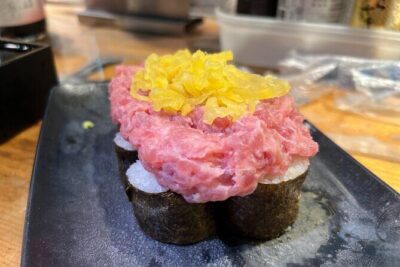 ★ 5.0Shinjuku Food Tour (13 Dishes at 4 Local Eateries)From $866,603 reviews
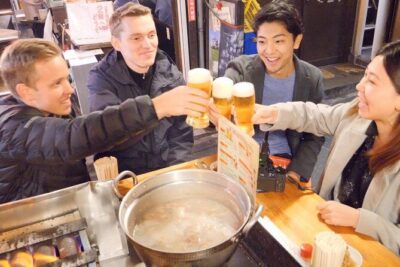 ★ 5.0Tokyo Bar Hopping Tour in Shinjuku (All-You-Can-Drink + Dinner)From $1063,587 reviews
 ★ 4.9Shinjuku Food Tour (15 Dishes and 4 Eateries)From $852,033 reviews
 ★ 4.9Shinjuku Local Bar and Izakaya Guided Walking TourFrom $341,794 reviews
 ★ 5.0Tokyo Shinjuku Chopsticks Making ClassFrom $201,763 reviews
 ★ 5.0Tokyo Shinjuku Sumo Show & Experience with PhotoFrom $791,750 reviews
 ★ 5.0Tokyo Night Foodie Tour in Shinjuku – Seasonal Sushi, Wagyu BeefFrom $1111,161 reviews
 ★ 4.8Sumo Show and Experience in ShinjukuFrom $691,001 reviews
Browse the lists this tour appears in