
Reviewed · TOKYO
Cook Favorite Japanese Dishes with a Tokyo Mom
Walking into a home kitchen changes everything. This class is built around washoku as Japanese families actually cook it, with warm, calm instruction from Aki in Tokyo Mom’s Kitchen’s kitchen space. The two things I like most are that you learn dashi from scratch (no shortcuts) and you leave with hands-on prep for norimaki (or onigiri) plus a full meal built from scratch. One thing to consider: you’re responsible for getting to the venue on your own, since transportation isn’t included.
This is also not “watch and clap.” You’ll cook. You’ll use the kitchen tools, wear an apron, and follow step-by-step guidance in English while working through the whole process. The payoff is practical: you’ll understand how the flavors get layered, not just how to copy a final plate.
In This Review
- Key Highlights You’ll Feel Right Away
- Why This Cooking Class Feels More Like Home Than Performance
- The Meal Plan: What You’ll Cook (And Why It Works as a Skill Lesson)
- Start with Dashi: The Flavor Secret You’ll Actually Use
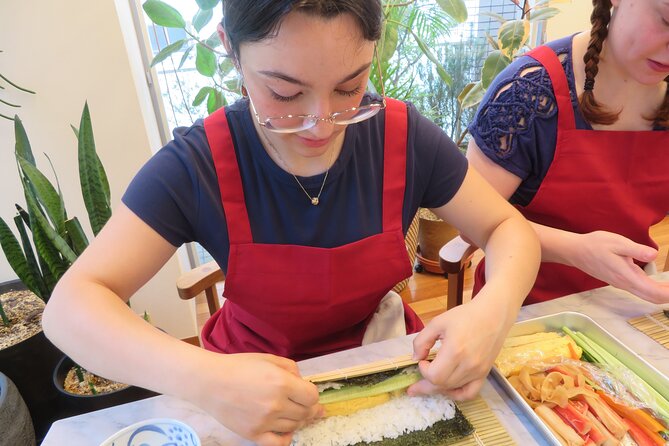
- Norimaki or Onigiri: The Hands-On Step That Teaches Control
- Miso Soup and Seasonal Vegetables: How Japanese Meals Stay Balanced
- Your Side Dish Choice: Pick the Flavor Style You Want to Learn
- Teriyaki Chicken
- Saikyo Yaki
- Gyoza
- What the Kitchen Session Is Like (And What to Expect from Aki)
- Location in Shinjuku: Easy to Get To, But Go Directly
- Price and Value: Is $120 Worth It for 2.5 Hours?
- Who Should Book This Cooking Class (And Who Might Skip It)
- The Practical Stuff You’ll Want to Know
- Should You Book Tokyo Mom’s Kitchen?
- FAQ
- What dishes are included in the cooking class?
- Can I substitute norimaki with onigiri?
- What side dishes can I choose from?
- Is there a vegetarian option?
- Is the host fluent in English?
- Do I need to bring ingredients or equipment?
Key Highlights You’ll Feel Right Away
- Scratch-made dashi: you’ll learn how to make Japanese soup stock without additives.
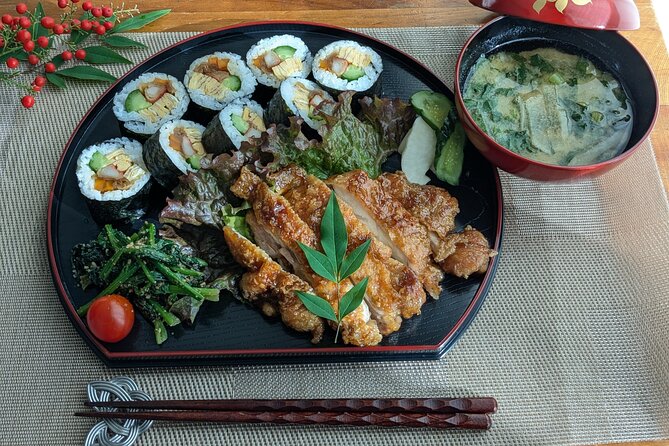
- Your choice for the main side: teriyaki chicken, saikyo yaki, or gyoza.
- Norimaki you make yourself: or swap to onigiri if you prefer.
- Seasonal cooking focus: you’ll also make a seasonal vegetable dish and miso soup as part of the meal.
- Real-home teaching style: Aki explains steps and techniques clearly for both beginners and people who already cook.
Before you commit, see how this one stacks up against a few Tokyo favourites:
- Mt Fuji and Hakone 1-Day Bus Tour Return by Bullet Train★ 5.0 · 26,383 reviews
- 1-Day Tokyo Bus Tour★ 5.0 · 14,250 reviews
- Tokyo: teamLab Planets TOKYO Digital Art Museum Entry Ticket★ 4.6 · 9,779 reviews
Why This Cooking Class Feels More Like Home Than Performance
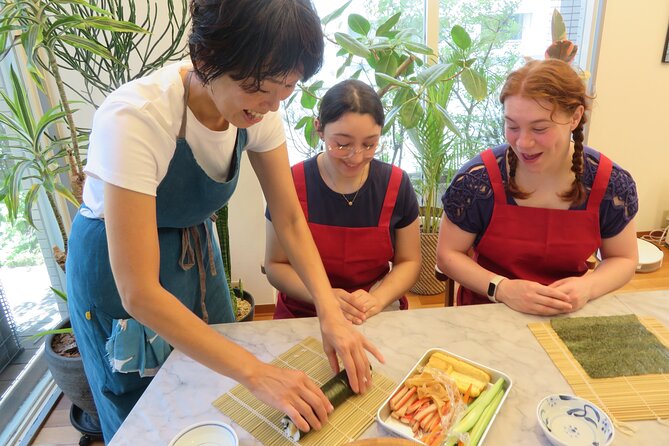
If you’ve ever sat through a cooking show that feels like a performance, you’ll appreciate the tone here. This class is set up the way home cooking is taught: the goal is to help you repeat the results later, not to produce a dramatic final presentation for a camera.
Aki’s approach is practical and tuned to different skill levels. In the kitchen, there’s a rhythm: you’ll prep, mix, shape, cook, and then refine. That structure matters because Japanese home food is all about balance. Dashi and miso aren’t just ingredients; they’re the flavor “wiring” for the entire meal.
You also get a digital recipe sheet (PDF). That doesn’t replace what you learn in the moment, but it gives you a clean reference for the steps you’ll want to repeat at home. If you’ve ever tried to remember how to make something from a restaurant meal, this helps you close the gap fast.
The class is private, meaning it’s just your group. That changes the energy: you can ask questions, pause when you need to, and move at a pace that actually works for learning.
The Meal Plan: What You’ll Cook (And Why It Works as a Skill Lesson)
The class centers on a full, Japanese-style meal. You’ll make set items that teach fundamentals, plus one side dish you select.
Here’s what’s included in every menu:
- Dashi made from scratch
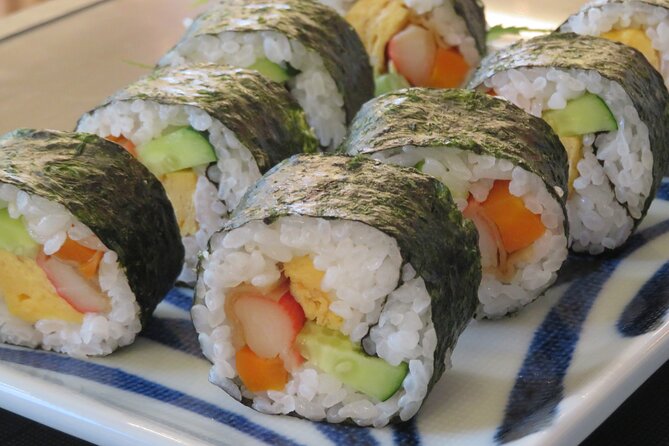
- Norimaki (seaweed sushi roll) as the default, with an option to make onigiri instead
- A seasonal vegetable dish
- Miso soup
Then you add your choice for the “main side dish,” picking one:
- Teriyaki Chicken: tender chicken glazed with a sweet-salty soy sauce style
- Saikyo Yaki: fish marinated in miso and grilled for a gentle, delicate flavor
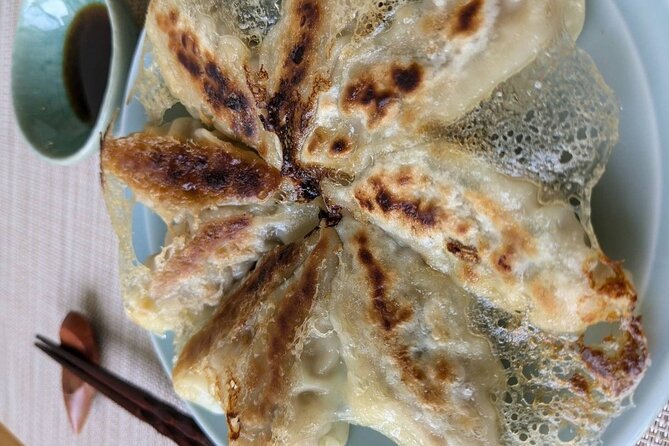
- Gyoza: pan-fried dumplings with pork and vegetables
Why this combo is smart: it teaches you different kinds of Japanese flavor building. Dashi and miso soup give you a foundation of umami that you can use across many dishes. Norimaki/onigiri teaches rice seasoning and hand technique. Then the side dish teaches a different cooking style: glaze and simmer, miso marinade with grilling, or pan-frying and folding.
If you care about value, this matters. You’re not paying to learn one thing. You’re paying to learn a whole system for one complete Japanese meal.
Start with Dashi: The Flavor Secret You’ll Actually Use
Dashi is where Japanese home cooking gets its “quiet magic.” It’s the base for miso soup and shows up in lots of everyday dishes. The key here is that you’ll make it from scratch and learn how to do it properly, not with additives.
In practical terms, learning dashi changes how you cook everything afterward. Once you understand the logic, you stop guessing:
- What makes a soup feel full, not flat
- Why the stock matters even when the rest of the meal is simple
- How seasoning becomes easier when your base is correct
Even if you never cook Japanese food again, dashi training helps you become a better cook. It’s a lesson in patience, temperature awareness, and tasting. You’ll also see how the flavor carries into the rest of the meal you’re building in the same session.
Norimaki or Onigiri: The Hands-On Step That Teaches Control

For the centerpiece roll, you’ll make norimaki. And if you’d rather skip the roll technique, you can substitute onigiri (rice balls).
This is a good skill to learn because it’s more than just shaping. You’ll practice:
- Working with seasoned rice without making it mushy
- Handling seaweed so it stays right for eating
- Getting the structure so your finished pieces hold together
When instruction is done well, you learn the small details that make food look neat and taste consistent. One review highlighted the secret to making items beautiful and shared, and that’s exactly what this portion feels like: you’re shaping with intention, not random pressing.
Onigiri can be a great option if you want something more flexible and less technique-heavy. Norimaki is ideal if you want a clear path to sushi at home.





Miso Soup and Seasonal Vegetables: How Japanese Meals Stay Balanced
Japanese meals often feel “light,” but they’re not weak. They’re balanced. In this class, that balance comes from pairing:
- A savory base (dashi + miso)
- A comforting bowl (miso soup)
- A vegetable dish that changes with the season
You’ll make the miso soup as part of the menu, using what you learned while making dashi. That connection is a big deal. You’re not doing an isolated recipe. You’re building a coherent meal where one part supports the next.
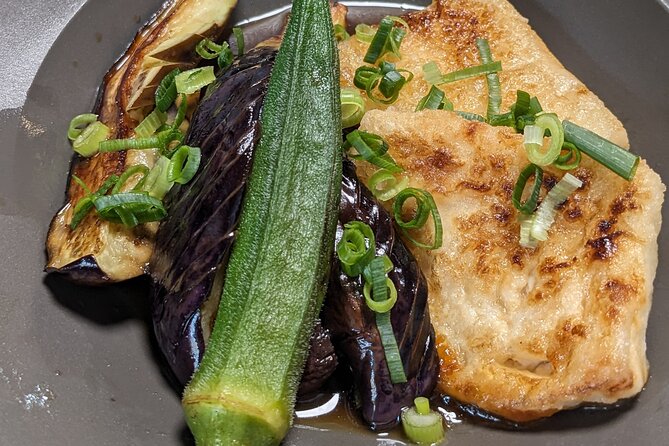
Then comes the seasonal vegetable dish. Even without knowing the specific vegetable ahead of time, the teaching goal is clear: you’ll learn how to treat vegetables so they taste clean and feel at home in a Japanese meal. It’s the kind of lesson that helps you cook vegetables more respectfully back in your regular grocery store life.
Your Side Dish Choice: Pick the Flavor Style You Want to Learn

This class is especially fun because you get to choose the side dish from three distinct styles. That’s not a random menu perk. Each option teaches a different Japanese cooking mindset.
Teriyaki Chicken
You’ll cook chicken until it’s tender and then glaze it so it coats evenly. This teaches you how sweet-salty soy flavors cling and how to time cooking so the sauce doesn’t burn or turn harsh.
Saikyo Yaki
You’ll work with fish marinated in miso and grilled. This teaches gentler flavor development: the miso marinade adds depth without overpowering the fish’s character. If you like dishes that taste delicate but not plain, this is the one.
Gyoza
You’ll make pan-fried dumplings filled with ground pork and vegetables. This is hands-on work and it teaches how to seal, cook, and brown properly. It’s also one of those dishes where technique matters more than people think.
If you’re torn, choose based on what you actually want to cook again later. The class is best when it matches your appetite.
A vegetarian option is available upon request. If you’re booking with dietary limits, ask early so your menu can be adjusted.
What the Kitchen Session Is Like (And What to Expect from Aki)
This class is structured, but it doesn’t feel rigid. Aki teaches step-by-step in English-speaking guidance. You’ll use the tools in the kitchen and wear an apron rental, which keeps things comfortable and practical.
One review described the environment as great for learning, with pictures and brief history of the food being prepared, plus premium ingredients that are prepped ahead. That combination helps a lot:
- Pictures reduce confusion
- Brief context makes the technique feel meaningful
- Prepped ingredients reduce waiting so you cook more
That’s also why this runs smoothly for both novice cooks and experienced ones. Beginners can follow without feeling lost. Experienced cooks get value from technique cues and flavor logic they might not have used before.
Location in Shinjuku: Easy to Get To, But Go Directly
The meeting point is at アイ・ディール株式会社, 1-chōme-24-7 Shinjuku, Shinjuku City, Tokyo 160-0022, Japan. The class ends back at the same spot.
It’s near public transportation, which helps. Still, transportation is not included. So I’d plan your route ahead and give yourself a little buffer for walking in Shinjuku, since it can be a fast-moving area.
Price and Value: Is $120 Worth It for 2.5 Hours?
At $120 per person for about 2 hours 30 minutes, this isn’t a cheap impulse buy. But it’s also not overpriced when you look at what you’re actually getting.
You get:
- Ingredients covered
- Kitchen tool access and apron rental
- A full session where you cook multiple dishes from scratch
- A digital PDF recipe sheet you can reuse
- English-speaking instruction in a private setting
In other words, you’re paying for instruction plus the “consumables” and the time. A lot of classes are just guided participation. This one gives you the kind of skills you can repeat: dashi basics, rice handling for norimaki/onigiri, and a side dish in a style you choose.
The value is highest if you want more than a snack. If you’re hoping for a quick tasting, you might find it too involved. If you want a real meal you can cook again, it’s a solid use of time in Tokyo.
Also, it’s booked on average about 37 days in advance, which hints that popular times fill up. If you’re flexible, you can often grab options later, but if you’re traveling in peak weeks, don’t wait.
Who Should Book This Cooking Class (And Who Might Skip It)
This is a great fit for:
- People who like food that tastes like it belongs in everyday life
- Anyone who wants to learn washoku techniques they can recreate
- Travelers who prefer hands-on experiences over passive watching
- Couples or small groups who want a calmer, private vibe
Skip it if:
- You don’t want to cook at all and prefer to observe
- You’re short on time and need something under an hour
- You dislike the idea of making multiple dishes in one session
If you’re curious about Japanese food beyond ramen and convenience store basics, this is the kind of class that helps you connect the dots.
The Practical Stuff You’ll Want to Know
The tour uses a mobile ticket. Confirmation is sent at booking time unless you book very close to your travel dates, in which case confirmation arrives within 48 hours subject to availability.
It’s a private activity, so only your group participates. That’s helpful if you want more questions answered without waiting your turn.
And since everything is included except transportation, you only need yourself and an appetite for learning.
Should You Book Tokyo Mom’s Kitchen?
I’d book this if you want a Tokyo experience that feels real and functional, not just decorative. The class is built around skills that matter, especially dashi from scratch and the core meal you assemble from handmade components.
Don’t book it only for the novelty of “Japanese cooking class.” Book it because you want techniques you can reuse: better soup flavor, better rice handling, and a side dish you can make again without guessing.
FAQ
What dishes are included in the cooking class?
You’ll make dashi from scratch, a norimaki (with an onigiri substitution option), a seasonal vegetable dish, and miso soup. You’ll also cook one main side dish you choose from the listed options.
Can I substitute norimaki with onigiri?
Yes. The norimaki can be substituted with onigiri if you prefer.
What side dishes can I choose from?
You can choose one: teriyaki chicken, saikyo yaki, or gyoza.
Is there a vegetarian option?
A vegetarian option is available upon request.
Is the host fluent in English?
Yes. The class includes an English-speaking Japanese host.
Do I need to bring ingredients or equipment?
No. All ingredients are provided, along with full use of kitchen tools and apron rental. You’ll also receive a digital recipe sheet in PDF format.
If you want, tell me your dietary needs and which side dish you’re leaning toward, and I’ll help you pick the best menu option for your Tokyo trip.
More Tour Reviews in Tokyo



Fresh reviews from around Tokyo






Tokyo, compared.
 ★ 5.0Mt Fuji and Hakone 1-Day Bus Tour Return by Bullet TrainFrom $16326,383 reviews
 ★ 5.01-Day Tokyo Bus TourFrom $12914,250 reviews
 ★ 4.6teamLab Planets TOKYO Digital Art Museum Entry TicketFrom $259,779 reviews
 ★ 4.0Mt Fuji & Hakone Cruise, Drum Show Bullet Train 1 Day from TokyoFrom $1497,413 reviews
 ★ 5.0Shinjuku Food Tour (13 Dishes at 4 Local Eateries)From $866,603 reviews
 ★ 4.4Tokyo Mt Fuji 5th St & Hakone Cruise Bus Tour w/Bullet TrainFrom $1545,024 reviews
 ★ 5.0Flagship 2-Hours Official Street Go-Kart Tour – Tokyo Bay ShopFrom $644,974 reviews
 ★ 4.5From Tokyo: Mount Fuji Full-Day Sightseeing TripFrom $684,970 reviews