
Reviewed · HISTORICAL TOURS
Tokyo: Imperial Palace Japanese History Walking Tour
History feels close on this walk.
This Imperial Palace tour turns the grounds into a story you can follow step by step. You’ll walk where Edo Castle once stood, hear how the shogun’s power shifted into the emperor’s world, and get help spotting the details that make the palace gardens feel like a living museum. The best part is that you’re not stuck with dates—you’re tracing the human system behind Japan’s change.
I especially like two things: the friendly, interactive guide (many guests rave about guides like Mika and Natsumi for clear answers) and the photo-friendly garden stops that actually match what you’re learning as you go. You’re guided to the spots that make sense, instead of wandering and hoping you picked the right corners.
One consideration: you don’t get Inner Palace access, so your visit is about the grounds—beautiful, but not the inside. Also note this is a walking tour, and it’s not recommended for wheelchair users or people with mobility or heart issues.
In This Review
- Key highlights worth getting excited about
- What you’re really doing at the Imperial Palace Eastern Gardens
- Meeting at Starbucks near the palace: quick logistics, easy start
- Entering through Otemon Gate: where the story gets set
- Edo Castle footprints and the shogun-to-emperor shift
- Old samurai houses, gardens as symbols, and trees from across Japan
- The bamboo forest moment and photo-friendly pacing
- Comfort, rain or shine, and what guides seem to handle well
- What’s not included: Inner Palace access
- Price and value: why $32 can feel like a bargain
- Who this tour suits best (and who should skip it)
- A practical packing checklist (based on what’s not allowed)
- Should you book Sunrise Adventure’s Imperial Palace history walk?
- FAQ
- FAQ
- Where is the meeting point?
- How do I get to the start area?
- Does the tour include the Inner Palace?
- What languages are offered?
- Does the tour run in bad weather?
- Is this tour suitable for wheelchair users?
- What items are not allowed during the tour?
- Can I get help besides history while on the tour?
Key highlights worth getting excited about
- Shogun-to-Emperor storyline on real ground as you walk the Imperial Palace Eastern Gardens
- Otemon Gate orientation that sets the scene before you start spotting Edo Castle references
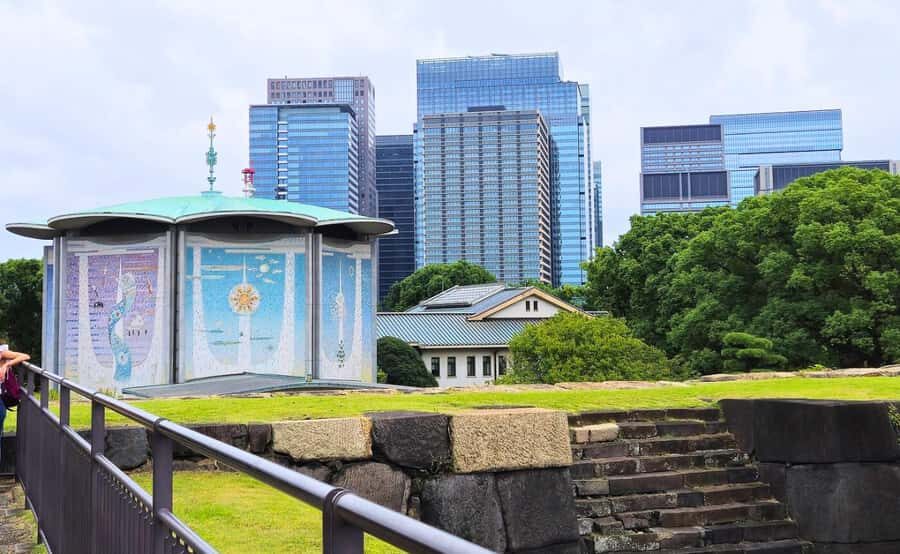
- Royal koi fish moment plus the garden layout explained in plain language
- Miniature model of Edo Castle helps you picture what’s gone
- Bamboo forest stop and photo spots that work even when it’s busy
- Comfort-aware guiding, with examples like mosquito spray and shade planning mentioned in reviews
Tokyo at walking pace, a few more ways
- Tokyo Tsukiji Fish Market Food and Culture Walking Tour★ 5.0 · 3,184 reviews
- Tokyo: Shinjuku Local Bar and Izakaya Guided Walking Tour★ 4.9 · 1,794 reviews
- Tokyo: Tsukiji Fish Market Food and Walking tour★ 5.0 · 1,724 reviews
What you’re really doing at the Imperial Palace Eastern Gardens
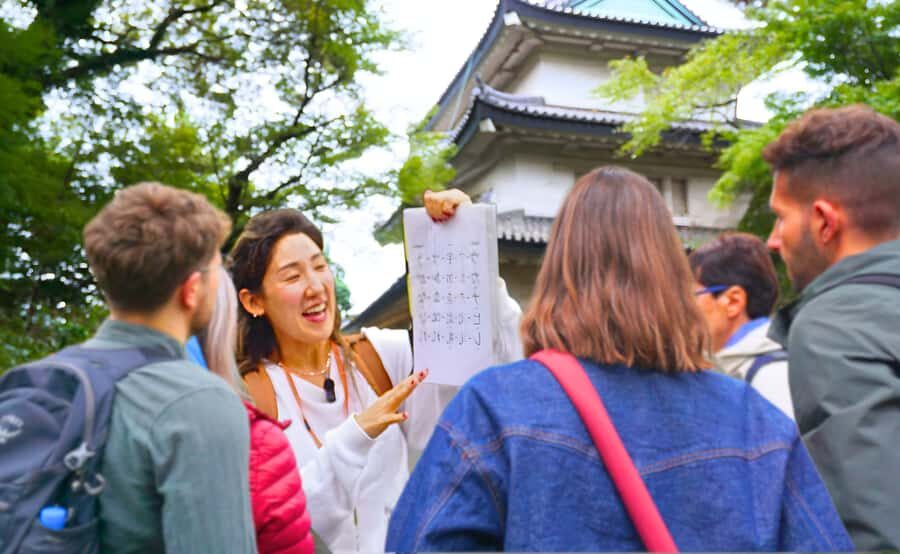
Think of this as a history walk with a map in your guide’s mouth. You start outside the palace grounds and then move toward the main gate area (Otemon), using the buildings and garden design as clues.
You’ll learn how Japan’s power structure evolved. The big theme is the shift from shogun rule—where military leaders held the lever of government—to the emperor’s palace world. Even though you won’t see the original castle buildings in the same way, the tour explains what replaced them and why the layout matters.
And because it’s a walking tour, you don’t just hear history. You connect it to what your eyes can catch: where you’re standing, what used to be there, and why a garden path or wall line is placed the way it is.
Meeting at Starbucks near the palace: quick logistics, easy start
Meeting is simple and low-stress. You take the train to Tokyo Station or Otemachi Station, then walk about 5–10 minutes to Wadakuramon Fountain Park. In the park, you head to Starbucks, where your guide waits holding a sign with the Sunrise Adventure logo.
This matters more than it sounds. When a tour starts close to public transit, you spend less time chasing instructions and more time learning. Plus, a visible guide sign makes it easier to settle into the experience right away.
The tour ends back at the meeting point, so you’re not left figuring out your exit plan.
Entering through Otemon Gate: where the story gets set
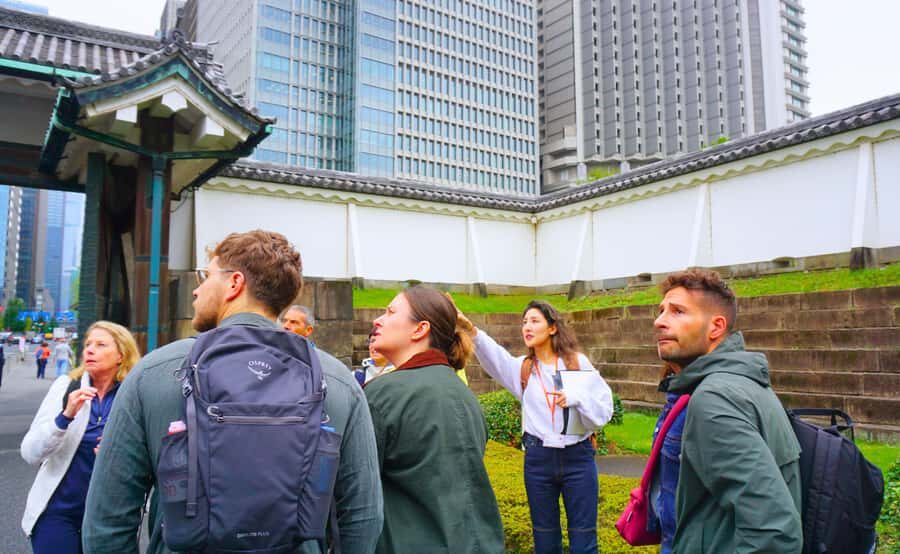
Your walk begins heading toward the grand Otemon Gate of the Imperial Palace. This is your first big “you’re here” moment. From here, your guide frames what you’re about to see: the palace grounds as the later stage of Japan’s power story.
Here’s what makes this portion helpful: the original castle isn’t still standing in the way it once did. So instead of pretending you can spot vanished buildings, the guide explains the transformation and places what’s missing into context.
You’ll also see a miniature model showing what the area looked like in the past. Models are underrated. They let you “zoom out” mentally so the ground-level walking has meaning.
If you’re the type who likes to understand why a city is laid out the way it is, this orientation is a great first step.
Edo Castle footprints and the shogun-to-emperor shift

The tour’s central thread is the period when Edo Castle shaped Japan’s political core—and how that world transitioned into the imperial order. You’ll learn how the shogun’s ambition built the foundations of modern Japan, then how that power changed hands over time.
You’ll walk around areas tied to the site where Edo Castle stood over 350 years ago. Even without seeing the full original structure, you can still follow the logic of the space. The guide connects the dots between rule, architecture, and the daily “rules of society.”
This is also where you’ll hear about the old ranking system:
- Farmer
- Samurai
- Daimyo
- Shogun
That sequence is more than a list. It helps you understand what power meant, who held it, and why social roles were enforced. If you’ve seen samurai culture online and wanted the bigger picture, this part gives it a backbone.
More paths into old Tokyo


Old samurai houses, gardens as symbols, and trees from across Japan
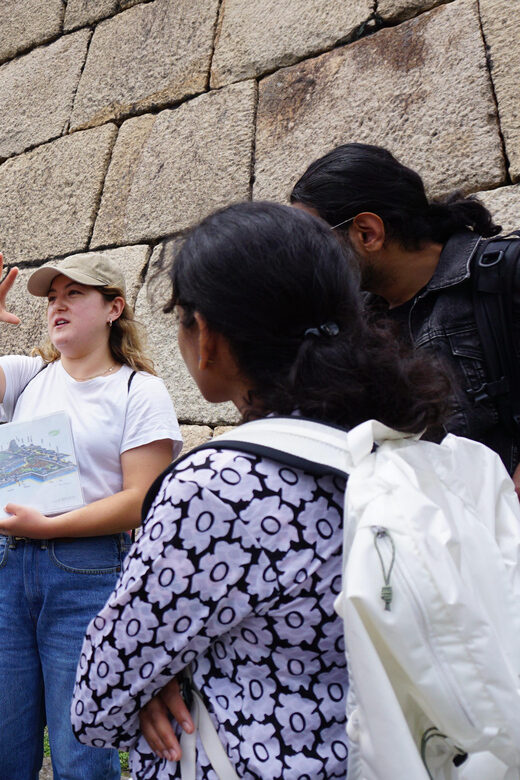
As you keep walking, you’ll pass through scenes that feel calm—yet the guide keeps pulling the story forward.
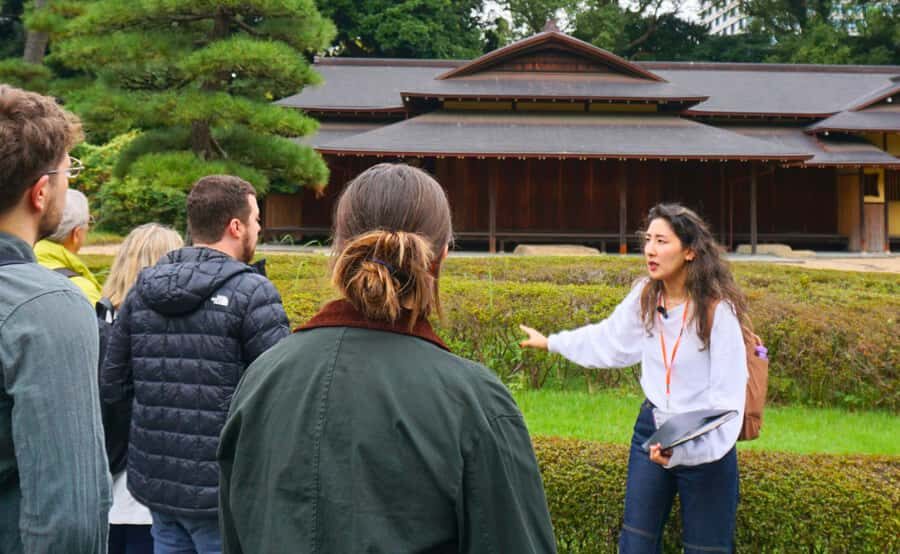
One stop is an old samurai house. Even if the structure is limited compared with what you might expect from a full-time museum visit, the point here is to show how the samurai lived inside the political order you just learned about.
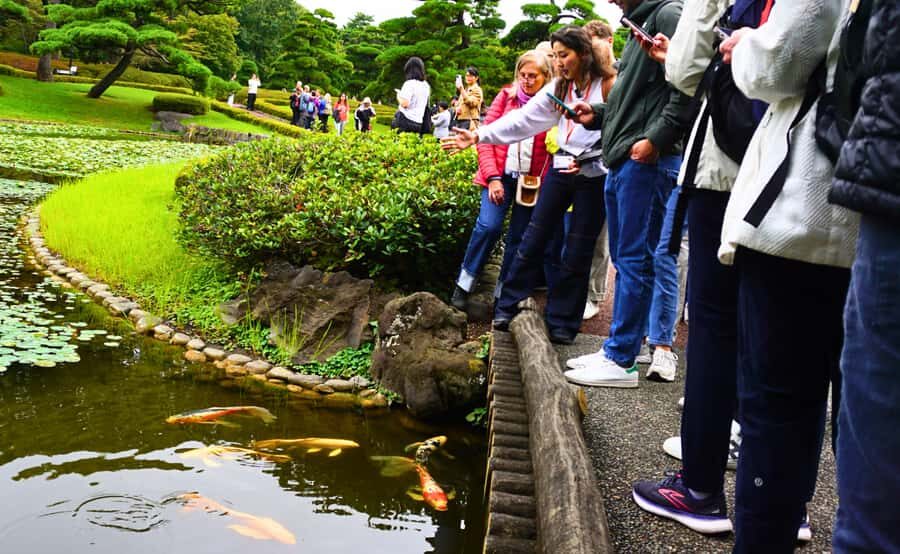
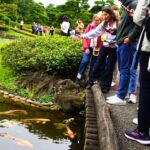
Next, you’ll see a Japanese-style garden experience that’s not random decoration. You’ll spot royal koi fish, and you’ll learn how the gardens reflect relationships with power and place.
You’ll also admire trees gifted to the emperor from across Japan. That’s one of those details that makes you slow down. It’s easy to walk past trees anywhere in Tokyo. Here, you’re told why specific species and gifts matter in the imperial setting.
And because it’s garden-heavy, your brain gets a breather between heavier historical moments. That pace is often what makes the tour feel like a story instead of a lecture.
The bamboo forest moment and photo-friendly pacing
One of the included highlights is a bamboo forest stop. Bamboo works as a visual reset. It’s a different texture, different sound, and different light, so your walk feels like it changes chapters.
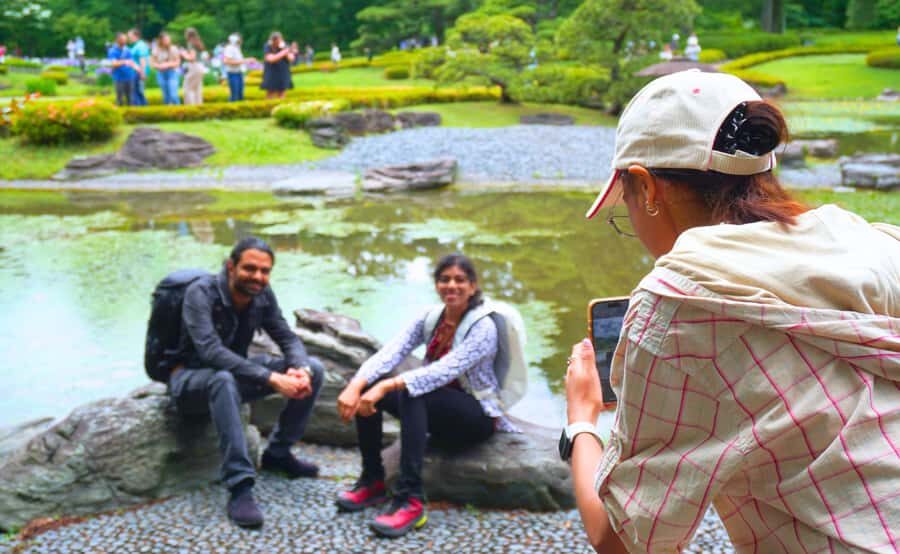
You’ll also get help finding great photo spots. The tour doesn’t just assume you know where to point your camera. Guides commonly help with angles and timing, which is a big deal when you’re surrounded by similar views.
Pacing is another quiet win. A number of guide comments in the details emphasize answering questions clearly and keeping the walk moving without feeling rushed. When you’re learning, you don’t want to spend half the time trying to keep up.
If you want a “first day” activity in Tokyo, this kind of pace helps you start building context for the rest of your trip.
Comfort, rain or shine, and what guides seem to handle well
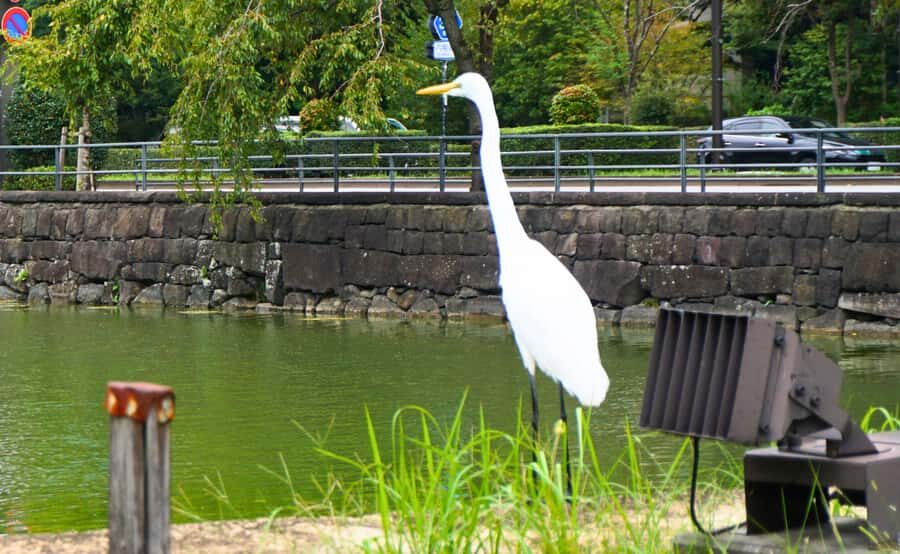
This tour runs rain or shine, so you should dress for wet weather or heat. Wear weather-appropriate clothing. Bring a small umbrella if rain is likely, and plan for the fact that you’ll be walking outdoors.
I also like that the guide approach seems practical. In the details from past groups, guides have been known to:
- hand out mosquito spray during the garden walk
- provide small gifts that help with heat
- try to stop in shade when temperatures are high
- keep English clear and loud enough for the whole group
That doesn’t mean every group gets the exact same items. But it does suggest that the guides take comfort seriously, not just facts.
And since the tour includes garden paths and trees, it’s smart to bring bug protection even if you think the day looks calm.
What’s not included: Inner Palace access
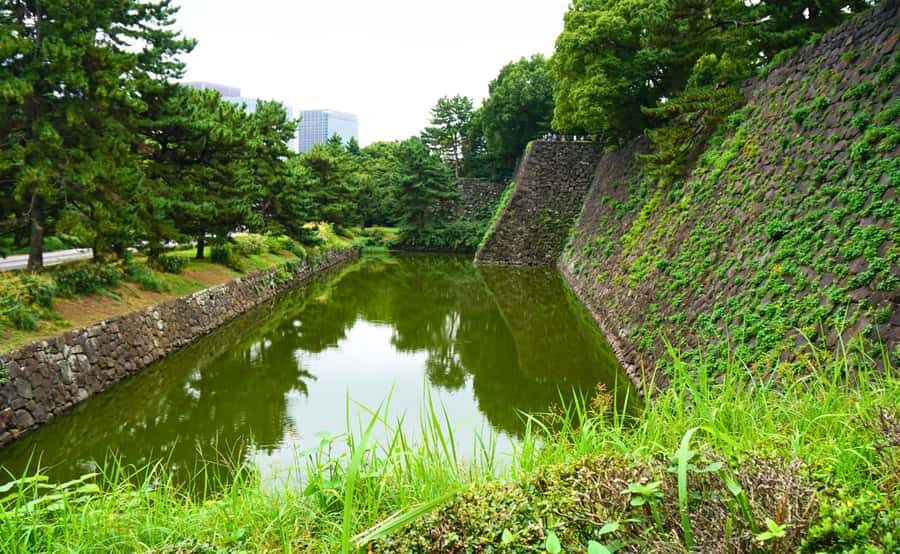
Here’s the clean truth: the Inner Palace is not open to the public, and this tour does not include Inner Palace access. That means your visit is focused on the Eastern Gardens and the palace grounds rather than going inside the most restricted areas.
For many people, that’s a good fit. If your main goal is to understand how the site works as a political and cultural symbol, the grounds are the lesson. If your goal is doors-inside-rooms access, you’ll want to plan around that limitation.
Price and value: why $32 can feel like a bargain
At $32 per person, this tour sits in that sweet spot where you’re paying for a guide and a structured walk, not for a museum ticket plus transportation plus guesswork.
You’re getting:
- an English-speaking guide (and French is available too)
- guided walking history around meaningful areas
- included garden highlights like bamboo forest and royal koi fish
- help finding photo spots
- a chance to ask questions and get travel recommendations
In Tokyo, guided experiences often cost a lot more once you factor in convenience and language. Here, the value comes from clarity: you’re not wandering the palace grounds trying to connect the dots alone.
Is it “all palace access”? No. But for a first-time visitor who wants the story behind what they’re looking at, the cost-to-content ratio is strong.
Who this tour suits best (and who should skip it)
This fits well if you:
- want a history-focused walk that’s not stuffy
- like understanding how social structures worked, not just memorizing dates
- enjoy garden scenery and want it explained
- want a guided way to see what’s meaningful on the palace grounds
It may not fit if you:
- have back problems, heart problems, recent surgeries, or low fitness
- need wheelchair access or mobility-friendly routes
- are pregnant (not suitable)
That isn’t a dealbreaker for everyone, but it’s worth respecting—this is still a walking tour through outdoor areas.
A practical packing checklist (based on what’s not allowed)
You won’t need a backpack full of gear, but you do need to know the rules.
Not allowed items include weapons or sharp objects, smoking, drones, alcohol and drugs, skateboards, and making fire. So keep your kit simple and standard.
What you should bring:
- comfortable walking shoes
- weather-ready layers (rain or shine)
- sun or bug protection depending on season
- a camera or phone for the garden photo spots
If you’re expecting a long stroll through shaded and open areas, dress for the day you’ll actually have, not the weather forecast you wish for.
Should you book Sunrise Adventure’s Imperial Palace history walk?
I’d book it if you want your Tokyo history to come with context you can feel under your feet. The story of Japan’s power shift—from shogun rule to the emperor’s palace world—lands well when you’re walking around the Eastern Gardens and hearing how the Edo Castle site fits in.
Skip it if you specifically want Inner Palace access or if walking outdoors isn’t realistic for your health needs.
If you’re choosing between a generic self-guided stroll and a guided explanation, this is the smarter pick. At $32, with the guide support and garden highlights included, you’ll leave with more than photos—you’ll have a clear mental timeline of how Japan’s political world changed.
FAQ
FAQ
Where is the meeting point?
You meet near the palace at Wadakuramon Fountain Park, at Starbucks. Your guide will be holding a sign with the Sunrise Adventure logo.
How do I get to the start area?
Take the train to Tokyo Station or Otemachi Station, then it’s about a 5–10 minute walk to Wadakuramon Fountain Park.
Does the tour include the Inner Palace?
No. Inner Palace access is not included, and it is not open to the public.
What languages are offered?
The tour is available in English and French.
Does the tour run in bad weather?
Yes. The tour takes place rain or shine.
Is this tour suitable for wheelchair users?
No. It is not suitable for wheelchair users and also not recommended for people with mobility impairments.
What items are not allowed during the tour?
The tour does not allow weapons or sharp objects, smoking, drones, alcohol and drugs, skateboards, or making fire.
Can I get help besides history while on the tour?
Yes. The guide can help with other travel tips if you need them, and the tour includes photo spots and garden highlights.
Tokyo on Foot: More Walks




More Tours in Tokyo





More Tour Reviews in Tokyo




Fresh reviews from around Tokyo






Historical Tours, compared.
 ★ 5.0Shinjuku Historical Walking Tour & Secret BackstreetsFrom $25530 reviews
 ★ 4.9From Tokyo: Nikko World Heritage Site Private Full-Day TripFrom $483243 reviews
 ★ 5.0Yanaka Historical Walking Tour in Tokyo’s Old TownFrom $81182 reviews
 ★ 5.0Kamakura Historical Walking Tour with the Great BuddhaFrom $98129 reviews
From Tokyo: Nikko World Heritage Sight Full Day Private TourFrom $362127 reviews
★ 5.0Kamakura Historical Walking Tour with the Great BuddhaFrom $98129 reviews
From Tokyo: Nikko World Heritage Sight Full Day Private TourFrom $362127 reviews
 ★ 4.8Yanaka District: Historical Walking Tour in Tokyo’s Old TownFrom $79117 reviews
 ★ 4.8Nikko Heritage & Nature Day Trip from TokyoFrom $39194 reviews
 ★ 4.6Asakusa: A Big-picture History Walk to Know JapanFrom $5877 reviews
Browse the lists this tour appears in