
Reviewed · COOKING CLASSES
Unique Private Cooking Class with a Tokyo Local Emi
Tokyo turns better with dinner lessons.
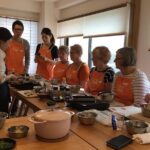
This is a private cooking class with Tokyo local Emi, built around real home-style food, not a performance. I like that all food and drink are included (barley tea, green tea, and sake), so you don’t waste your appetite. I also like the hands-on pace: you cook with guidance, then sit down together to eat what you made. One thing to consider is that the group cooks the same main dish, so your menu choices need coordination.
A 3-hour class can be a big highlight if you plan it right. You’ll meet near Nerima City Hall, start with mugi-cha (barley tea), and spend the bulk of your time cooking and asking questions about Japanese food and culture. The main drawback is practical: the studio setup may involve about 10 steps to reach the cooking area, and the kitchen can feel compact, so it’s best for people who move comfortably.
In This Review
- Key things to know before you go
- A Home-Style Lesson in Nerima, With Emi
- Menu Choices, Main-Dish Rules, and What You Can Customize
- What Happens During the 3 Hours: Tea, Cooking, and Sake
- The Food: 3-4 Home-Style Dishes That Feel Different From Restaurants
- Where It Fits in Your Tokyo Plan: Nerima, TeamLab, and One Last Stop
- Price and Value: What $99 Gets You (and Why It’s Not Just a Meal)
- Who Should Book This (and Who Might Feel Out of Place)
- The Most Praised Part: Emi’s Teaching Style and the Cozy, Real-Kitchen Feeling
- When You Might Want Another Option
- Should You Book This Cooking Class?
- FAQ
- What’s the duration of the cooking class?
- Is the class private?
- What’s included in the price?
- Do I need to arrange hotel pickup and drop-off?
- Where do I meet Emi?
- What do we cook?
- Can the menu be tailored for my group?
- Is there anything I should know about dietary restrictions?
- Can I choose the dishes late?
- Is it suitable for children?
- What happens after the class ends?
Key things to know before you go
- Real home-style cooking with Emi: you’re learning techniques you can repeat, not just copying a plated dish.
- All drinks and meal included: barley tea, green tea, and sake are part of the experience.
- You choose up to 3 dishes, but everyone shares the main dish: tell Emi your preferences at least 4 days ahead.
- Dietary needs are possible, but the menu shifts: vegetarian requests can be handled, with changes to the group menu.
- One optional stop after class: sweet shop, tea and pottery shop, or a supermarket before you head back.
More private options with your own guide
- Tokyo 6hr Private Tour with Government-Licensed Guide★ 5.0 · 3,902 reviews
- Private Tour to Mt. Fuji and Hakone (Fully Licenced Operator)★ 5.0 · 1,910 reviews
- Tokyo Customized Private Tour (Must See Places in 1 Day)★ 5.0 · 1,499 reviews
A Home-Style Lesson in Nerima, With Emi
This class feels like you’re borrowing a local kitchen for a few hours. You start in Nerima, not central Tokyo chaos, and you get a calmer view of daily Japanese food culture. If you’ve been eating your way through Tokyo but want something that sticks, this is one of the best ways to turn meals into skills.
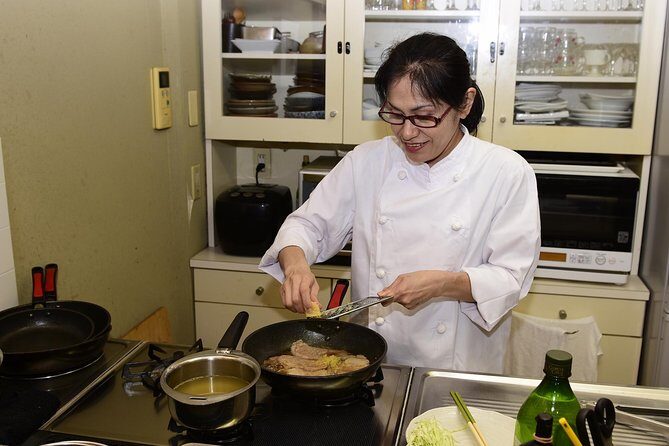
Emi is the key here. She guides the process step by step and keeps things conversational, so you’re not stuck in silence while you chop. Expect a lot of back-and-forth around food and Japanese life, the kind of chat that makes you better at ordering in restaurants later because you understand the logic behind the flavors.
Also, you’ll appreciate the pacing. It’s designed as a true experience, not a quick demo. You spend about 1.5–2 hours cooking, then you eat at the end with sake. That structure matters because you get to practice your technique while you’re still focused, not after you’re already full from a long day of sightseeing.
Menu Choices, Main-Dish Rules, and What You Can Customize
Here’s how the menu works, and it’s important for avoiding disappointment. You can choose 3 dishes from Emi’s curated options. Many classes let you watch and hope; this one asks you to make choices early.
There’s one catch: all guests will prepare the same main dish. So you’re really coordinating as a group. If you share your choice with Emi at least 4 days before the experience, she can line things up smoothly. If she doesn’t hear back, she’ll select the menu for you about 4 days before the class begins.
A couple other details to plan around:
- Okonomiyaki includes fish granule soup stock. If you’re picky about seafood, you’ll want to check options early.
- If someone in your group has allergies, dietary restrictions, or cooking preferences, you need to tell Emi at booking (then message her after confirming). The goal is to adjust safely.
- If you’re vegetarian, Emi can accommodate, but the group menu may change accordingly. In other words, you might not get every dish you hope for.
This main-dish rule is the main reason I’d call the experience “easy” for couples and small groups, but a little more work for big teams with different tastes. Still, it’s also what keeps the class flowing—everyone cooks the same thing at the same pace, and nobody ends up waiting.
What Happens During the 3 Hours: Tea, Cooking, and Sake
Plan for about 3 hours total. The class itself runs around 1.5–2 hours, and the rest is the start, wrap-up, and eating together.
You begin at the meeting point near Nerima City Hall (6-chōme-12-1 Toyotamakita). From there:
- You start with a cup of mugi-cha (barley tea).
- Then you get cooking guidance as you build your dishes.
- You cook at your own pace with Emi controlling timing and teaching the “why,” not just the “how.”
- Finally, you sit down to eat the dishes you prepared, with sake included.
You’ll also receive recipes so you can recreate the meal later. That’s a huge value piece, because the practical outcome isn’t just a fun memory—it’s ingredients and method you can use when you want that homey Japanese comfort food again.
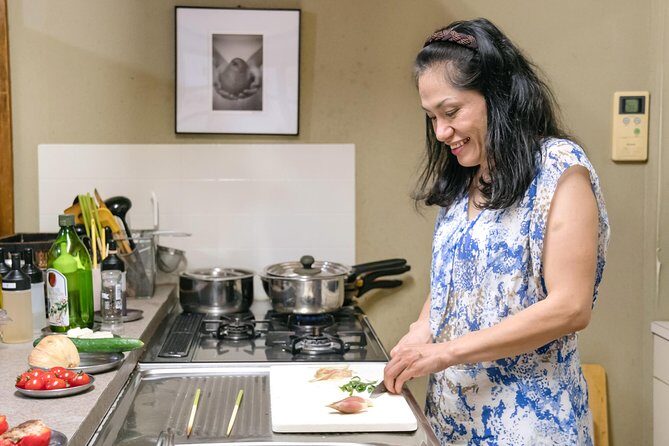
One more detail that’s worth knowing: where you host depends on timing and group size. If it’s a weekend and you’re a group of 2–3, Emi hosts you at her home. If it’s a weekday or you’re 4+, you’ll likely be in her cooking studio. Either way, expect a real kitchen environment—so comfort and movement matter more than in big tour buses with big waiting areas.
The Food: 3-4 Home-Style Dishes That Feel Different From Restaurants
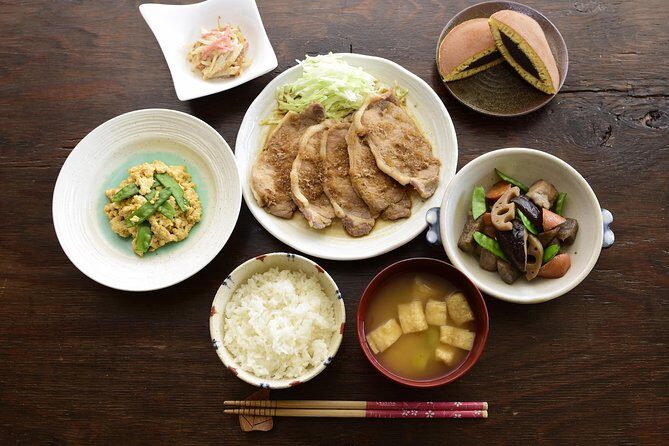
The whole point of this experience is that the dishes are home-style. That usually means less flash, more comfort, and often a slightly different technique than what you get in restaurants.
You can choose a combination of 3–4 authentic dishes (the exact mix depends on the menu Emi provides and what your group selects). Common options mentioned include things like:
- Gyoza (shrimp) and other gyoza variations, where learning the folding and filling logic is the real win.
- Yakisoba (vegetarian) if you want something savory and filling without seafood.
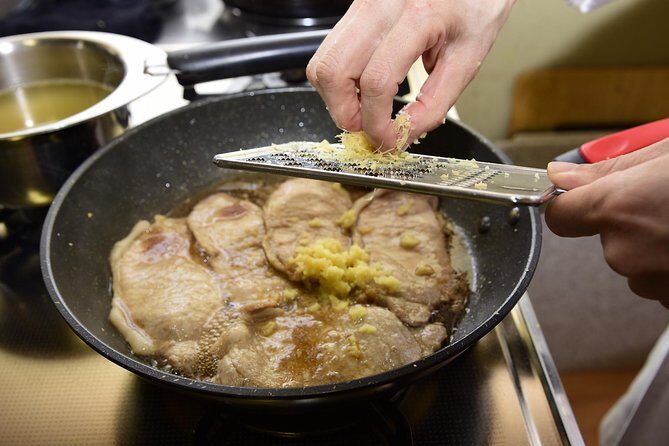
- Ginger fried pork, which gives you a feel for how Japanese cooking balances sweetness, heat, and aromatic punch.
- Tempura, tonkatsu, karaage, and items like onigiri show up as examples from previous classes, and they’re the kind of foods where technique makes a big difference at home.
One pattern you’ll probably notice: these dishes aren’t just about flavor. They teach structure—how to prep ingredients so they cook evenly, how to time steps, and how Japanese seasoning works as a system rather than a random splash of sauce.
And because everyone ends up eating the same selection, you get a more complete dinner experience than a class where half the group is waiting for the other half to finish.
More aprons-on time in Tokyo kitchens

Where It Fits in Your Tokyo Plan: Nerima, TeamLab, and One Last Stop
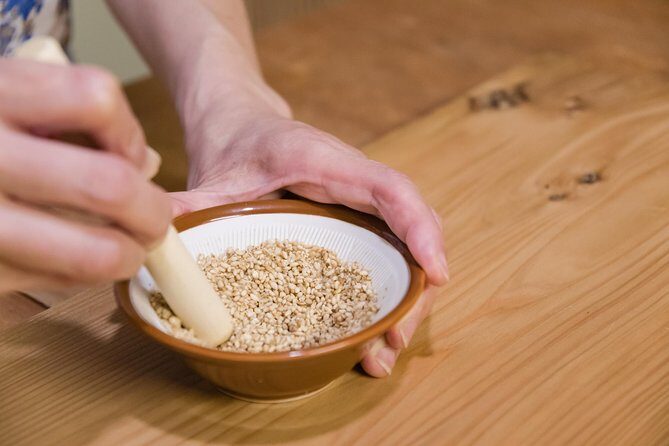
This is the kind of tour that works well on a day when you’re okay with slowing down. You’re not racing between landmarks. You’re going to one place, cooking, eating, and then heading back.
For context:
- After the class, Emi can take you to one of these: a Japanese sweet shop, a Japanese tea and pottery shop, or a supermarket. Pick just one.
- You’ll finish back at the meeting point near Nerima station, so it’s simple to connect back to your Tokyo plans.
If you’re planning other activities nearby, Emi can help you slot them in. For example, the Harry Potter Museum in Tokyo is about a 20-minute walk from Emi’s apartment (not the meeting point, but close enough to be useful). And if you’re headed to teamLab Borderless in Azabudai Hills, the Oedo line can get you from Azabu-Juban station to Nerima without transfer. That makes Nerima a practical base once you’re doing this class.
The takeaway: this experience pairs well with a “let Tokyo come to me” style day—shopping, food, and one focused activity—rather than an all-day sprint.
Price and Value: What $99 Gets You (and Why It’s Not Just a Meal)
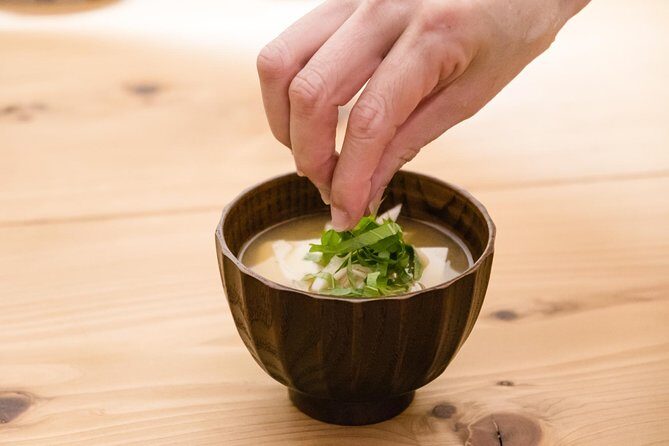
At $99 per person for about 3 hours, this sits in the sweet spot between a restaurant dinner and a bigger guided day tour. What makes it feel like value is what’s included:
- the private class with Emi
- coffee/tea (green tea and barley tea)
- sake
- the meal you cook
- recipes you can take home
You’re paying for instruction and hands-on practice, not just ingredients. Recipes alone make a big difference: you’ll know which items to buy, how much to use, and what steps matter most.
It’s also easier to justify than a meal-only plan. If you only eat out, you get food once. Here, you get food now and a method you can repeat later. That’s the difference.
A final small value note: there are group discounts, and this is often booked about 42 days in advance on average. If you’re traveling during peak weeks, plan to reserve early so you’re not stuck with a less ideal day/time.
Who Should Book This (and Who Might Feel Out of Place)
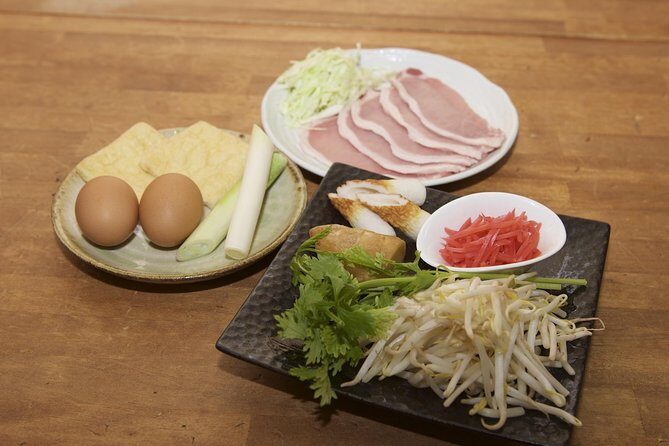
I’d book this if you want a hands-on food memory, not just a photo memory. It’s especially good for:
- couples who want a shared activity with a real conversation partner
- small groups who can coordinate the main dish choice
- food lovers who care about techniques (dumplings, frying, sauces, and “how it’s built”)
You might want to rethink it if:
- your group can’t coordinate on the same main dish
- you have strict allergy needs and haven’t messaged Emi after booking (the class depends on tailoring, but you need to communicate)
- mobility is a concern. There are approximately 10 steps to reach the studio area for some sessions.
Family-wise: it’s not suitable for children 9 and under. Kids 10+ are charged the same as adults. If you’re bringing younger kids, you’ll likely be frustrated by timing and space.
The Most Praised Part: Emi’s Teaching Style and the Cozy, Real-Kitchen Feeling
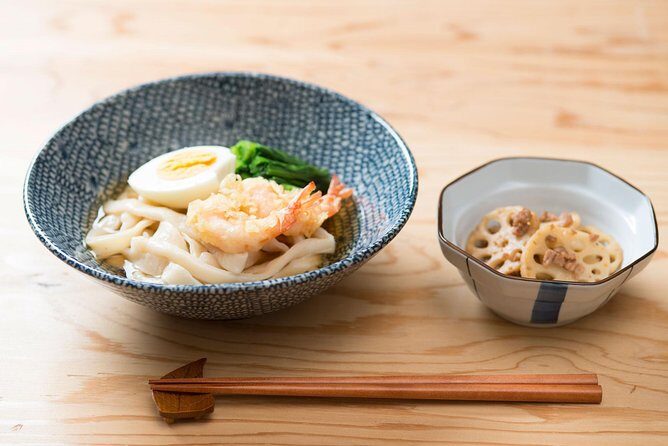
This experience earns its reputation because the teaching style is the product. Emi doesn’t just explain; she guides while you work. That matters most for foods that feel tricky at first—like dumpling wrapping or making crispy-fried items.
You also get that “small-group” energy. The atmosphere tends to feel personal and calm, even as you cook. People love the way Emi balances instruction with conversation, which turns a cooking class into a cultural hour where food is the language.
And it’s not just about the cooking. Emi often shares practical tips you can actually use after you go home, like how to think about ingredient swaps, how to time steps, and what to pay attention to so the dish comes out right.
When You Might Want Another Option
If your priority is a high-volume itinerary (many stops, many photos), this won’t match that style. It’s focused: one host, one kitchen, a set meal at the end.
Also, because all guests cook the same main dish, picky groups with wildly different preferences might feel constrained. You can request dietary accommodations, but the group menu may still shift—so keep expectations flexible.
Finally, if you’re the type who hates kitchens, this is the opposite of that. You’ll be doing hands-on cooking and prep.
Should You Book This Cooking Class?
If you want a Tokyo highlight that goes beyond eating and actually teaches you something, yes—I think you should book it. It’s a smart use of time because you’re getting instruction, a shared meal, and recipes to take home, all for a price that’s reasonable for what’s included.
Book it especially if:
- you like Japanese home-style food
- you’re traveling with a partner or 2–3 friends who can coordinate the menu
- you want to leave Tokyo with more than souvenirs
Skip it if:
- your group can’t agree on the same main dish
- you need wheelchair-friendly access without steps
- you’d rather watch cooking than cook
FAQ
What’s the duration of the cooking class?
It’s about 3 hours total, including cooking time and the meal.
Is the class private?
Yes. It’s a private cooking class/activity with only your group participating.
What’s included in the price?
The price includes the private cooking class and meal with Emi, coffee and/or tea (green tea and barley tea), and alcoholic beverages including sake.
Do I need to arrange hotel pickup and drop-off?
No. Hotel pickup and drop-off are not included. You meet at Nerima City Hall, and the experience ends back at the meeting point.
Where do I meet Emi?
Meet at Nerima City Hall, 6-chōme-12-1 Toyotamakita, Nerima City, Tokyo 176-8501, Japan. If it’s a studio session, you meet directly at the cooking studio.
What do we cook?
You’ll make about 3–4 authentic home-style dishes. You can choose any three dishes from Emi’s curated menu, and everyone will prepare the same main dish.
Can the menu be tailored for my group?
Yes, menus can be tailored to your group’s requirements, but everyone will need to eat the same main dish. You should message Emi about preferences after booking.
Is there anything I should know about dietary restrictions?
If you have allergies, dietary restrictions, or cooking preferences, advise Emi at booking and message her after confirmation. Vegetarian requests are accommodated, but the group menu may change. Also, okonomiyaki includes fish granule soup stock.
Can I choose the dishes late?
If you want Emi to use your menu preference, share your choice at least 4 days in advance. If she doesn’t hear back, she will select a menu for you 4 days before the experience begins.
Is it suitable for children?
It’s not suitable for children age 9 and under. Children 10+ are charged the same as adults.
What happens after the class ends?
After the cooking class and meal, Emi can take you to one place of your choice: a Japanese sweet shop, a Japanese tea and pottery shop, or a supermarket—just tell her in advance.
Learn Another Dish: Tokyo Cooking Classes
Just Your Group: Private Options



More Tour Reviews in Tokyo






Fresh reviews from around Tokyo






Cooking Classes, compared.
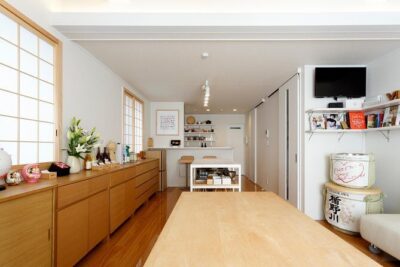 ★ 5.0Ramen & Gyoza Cooking Class in Tokyo with Local Supermarket VisitFrom $122823 reviews
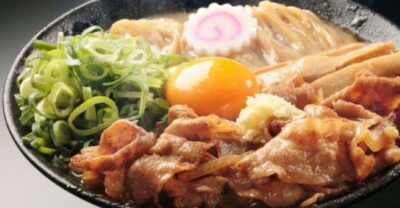 ★ 4.6Easy Ramen Cooking Experience in Kabukicho, ShinjukuFrom $29321 reviews
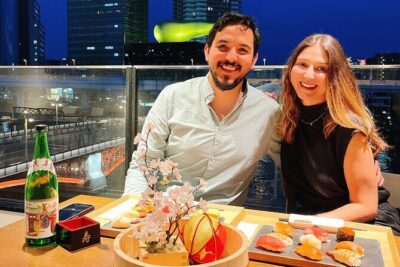 ★ 5.0Ramen and Sushi Cooking Class with Sake Pairing Set in TokyoFrom $79291 reviews
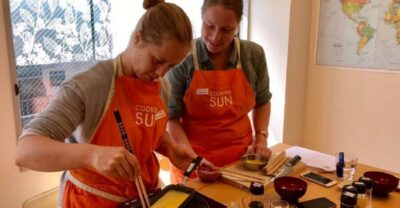 ★ 4.9Wagyu and 7 Japanese Dishes Cooking ClassFrom $67273 reviews
 ★ 5.0Tokyo Washoku 4-hour Cooking Class: From Market to TableFrom $79253 reviews
 ★ 5.0Small-Group Wagyu Beef and 7 Japanese Dishes Tokyo Cooking ClassFrom $72190 reviews
 ★ 5.0Private Home Cooking in Yanaka – Local Flavors in a Warm SettingFrom $122173 reviews
 ★ 5.0Tokyo Sushi Making Experience & Japanese Cooking ClassFrom $59150 reviews
Browse the lists this tour appears in