
Reviewed · TSUKIJI FISH MARKET TOURS
Tsukiji Fish Market Small-Group Food Walking Tour
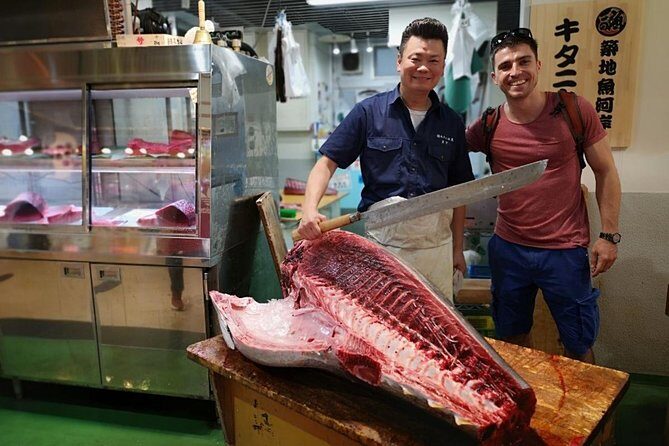
If you like seafood, this is a great morning plan. The Tsukiji Fish Market area is still one of Tokyo’s best places to learn how the city thinks about food, shopping, and even religion, all while you nibble your way along the lanes.
I love the mix of food tastings plus a real market walk. You’re not just handed items—you move through the Outer Market world where vendors sell everything from fresh fish to dried goods and seasonings, and you get an included seafood lunch that helps the cost make sense.
One thing to consider: this is an eating-focused tour, and the operator can’t guarantee allergy-free meals or guaranteed substitutions for dietary restrictions, plus vegan options aren’t available.
In This Review
- Key things that make this Tsukiji tour worth your time
- Tsukiji Outer Market in 2026: what you’re really seeing
- Price, time, and small-group comfort
- Meeting at Tsukiji Station: how to start without stress
- Stop 1: Outer Market bites and your included seafood lunch
- Stop 2: Old Tsukiji Market building, religion, and a view
- Stop 3: Tsukiji Jogai Market snacks before you head out
- Food sampling reality: how much you’ll eat and how to handle it
- Guide quality: what to look for on your morning
- What you’ll learn (beyond the food in your hands)
- Where this tour fits best (and who should skip it)
- Should you book this Tsukiji Fish Market small-group food tour?
Key things that make this Tsukiji tour worth your time
- Seafood lunch included, so you’re not guessing how much extra you’ll spend
- Small group (max 7), which helps you hear your guide and keep pace in tight lanes
- Outer Market energy without relying on the moved wholesale auction area
- Buddhist temple and Shinto shrine stops, adding culture beyond food
- Tokyo city and bay views during the route, so you’re not only eating and walking
Still hungry? More Tsukiji breakfasts and market walks
- Tokyo Tsukiji Fish Market Food and Culture Walking Tour★ 5.0 · 3,184 reviews
- Tokyo: Tsukiji Fish Market Food and Walking tour★ 5.0 · 1,724 reviews
- Tokyo: Tsukiji Fish Market Guided Walking Tour★ 4.9 · 1,397 reviews
Tsukiji Outer Market in 2026: what you’re really seeing
First, a reality check that will save you disappointment: the famous inner wholesale auction part of Tsukiji is gone. The fish trade continues elsewhere, but the Tsukiji area you visit here still matters because it’s where tourists and locals come to buy and snack—especially around the Outer Market side.
This tour leans into that. You’ll spend time in the Tsukiji Outer Market atmosphere, where the focus is on food specialties and ready-to-eat bites. You’ll also get a more layered look at the area by mixing in religious sites, plus a chance to enjoy city/bay views.
And yes, it really is a lot of food. Think of it as a guided way to sample without getting stuck in the “What do I try?” loop.
Price, time, and small-group comfort
The price is $87.37 per person for about 3 hours. That’s not cheap, but you’re paying for three things: a guided route through a complex maze, a set of tastings at local shops, and a seafood lunch included. If you were to do the same stops on your own, you’d likely spend similar money—just without the direction and context.
The tour caps at 7 travelers, which is a big deal at Tsukiji. Narrow lanes, lots of signs, and constant foot traffic make self-guided wandering feel chaotic fast. A smaller group also helps you move efficiently between stops and hear your guide when the market noise spikes.
The tour uses a mobile ticket, so you can keep things simple on your phone and spend less time hunting for paper.
Meeting at Tsukiji Station: how to start without stress
You’ll meet at Tsukiji Station, Exit 1. The meeting is close to public transportation, which matters because Tsukiji is easy to reach but not easy to navigate if you arrive late or confused.
Here’s a practical move: arrive a little early, even if you think you’re on time. One review tip that matches the reality of the area: ask around at the start if anyone else is joining, so you confirm you’re in the right spot before you lose time.
Because this is a walking tour, comfortable shoes are not optional. The market lanes can feel like a long queue without the line being visible yet.
Stop 1: Outer Market bites and your included seafood lunch
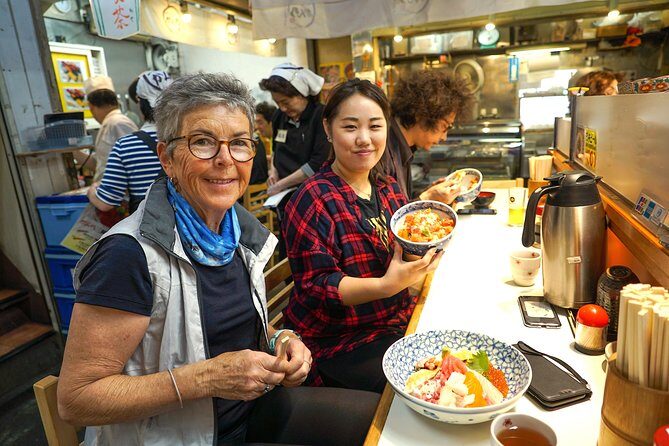
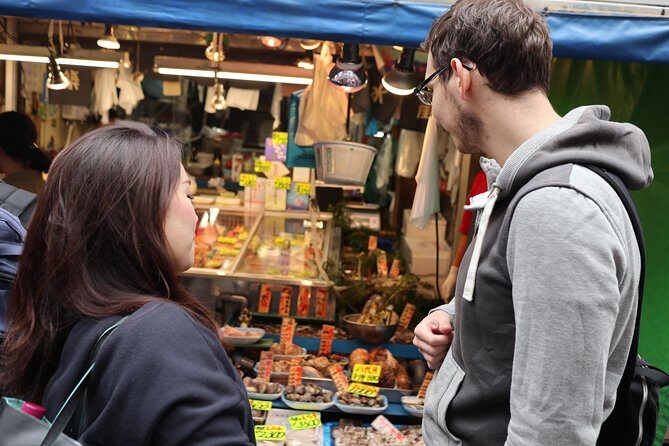
This is the part that makes people book: you start eating right away around the market. The tour focuses on the Outer Market side, which is where you’ll find lots of stalls and shops with snackable options.
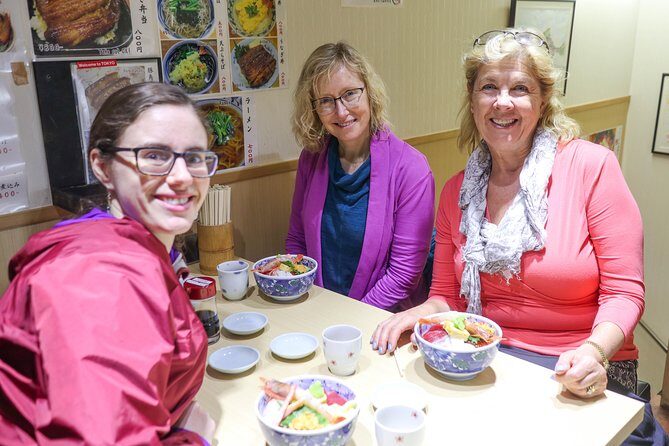
You’ll also get an included fresh seafood lunch. Many food tours say lunch is included; here, it’s actually built into the flow so you’re not wandering hungry for your “real meal” later.
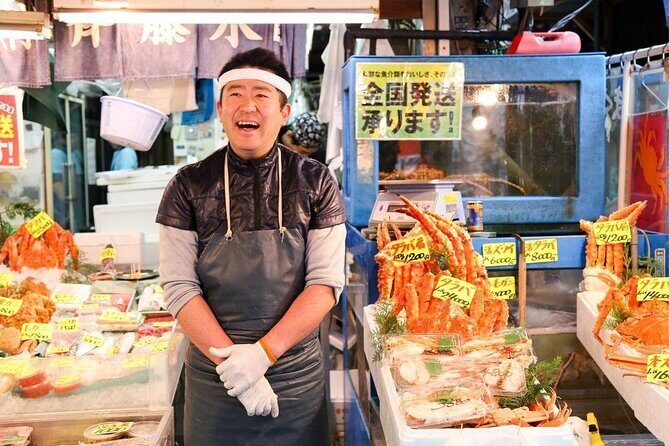
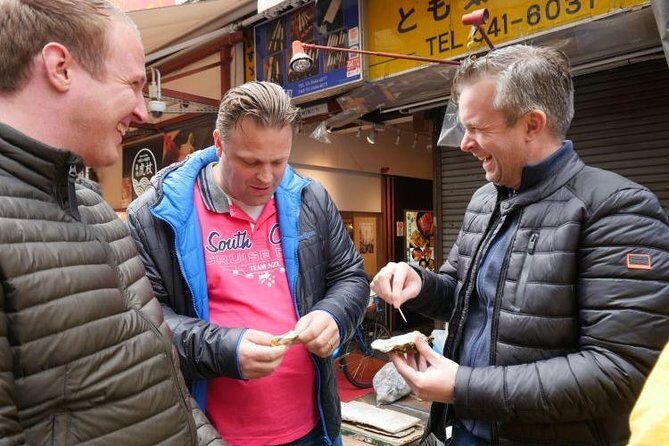
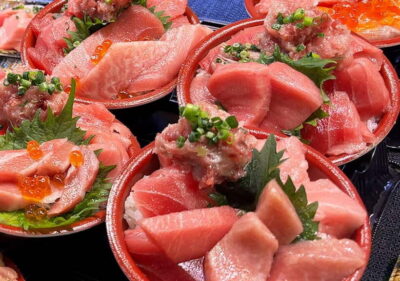
What should you expect to taste? Based on what’s come up repeatedly, plan for classic market foods like sushi and tamagoyaki (Japanese sweet omelette), plus other seafood standbys such as scallops and eel. You might also see items like crab, depending on what’s available and what the shop timing allows.
A key practical note: the market is tight. One common complaint is that it’s crowded in places and some areas have signs that discourage stopping to eat right there. Your guide helps you time bites so you’re not constantly blocking foot traffic.
Tokyo at walking pace, a few more ways

Stop 2: Old Tsukiji Market building, religion, and a view
Next you shift from pure eating to meaning. You’ll spend time around the Old Tsukiji Market area, where the story of the neighborhood is part of the experience, not background noise.
There’s also a strong religious element here. The tour is designed to show you both a Buddhist temple and a Shinto shrine, and the route includes explanation about Japanese religious space—how these places fit into daily life and how visitors should behave when they’re there.
You’ll also get food sampling at this stage—again, with a mix of fresh seafood and local snack-style bites. If you’re the kind of person who wants both flavor and context, this stop is the sweet spot.
One detail that stood out in the experience: you’ll have a chance to see a beautiful Tokyo city view from the route. It’s the kind of pause that resets your senses after hours of salty smells and fast walking.
And for scale, this is an area with huge commercial momentum. You’ll hear the market described in terms of store counts and variety—around 460 stores selling everything from fish and fruit/vegetables to dried goods, dried fish, seasonings, cooking utensils, and tableware.
Stop 3: Tsukiji Jogai Market snacks before you head out
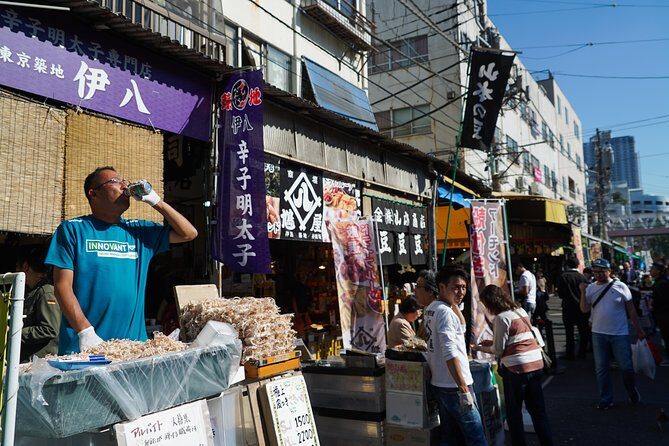
The last market segment is where you keep hunting for food—more snacks, more local stopping points, and more of the Tsukiji rhythm. This stop leans into the energetic “grab something now” style of the area, and it’s usually where you realize you’ve been eating for real, not just sampling politely.
Expect another stretch of bites that may include items like grilled eel (unagi) or other seafood skewers and small plates. The goal is variety: different textures, different prep styles, different ways seafood shows up on menus here.
In at least one version of this experience, the guide also helped guests see more live seafood by pointing them toward nearby wet fish markets that operate in the broader Tsukiji area. That matters because even when the inner wholesale action isn’t in play, you still want a sense of how seafood moves through the day.
The tour ends around Shiodome Tower.
Food sampling reality: how much you’ll eat and how to handle it
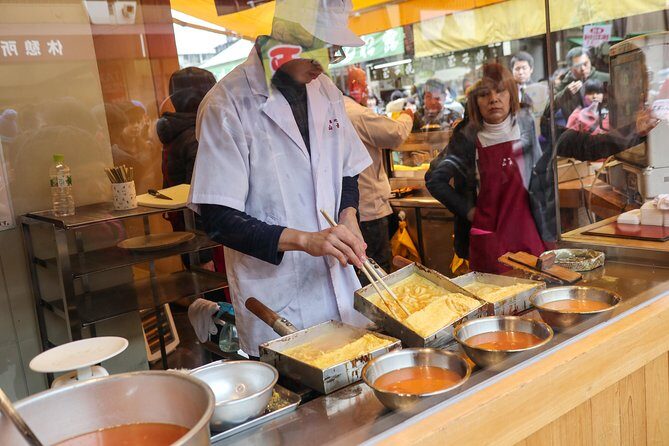
A lot of food tours advertise 2–3 snacks and then you find out it’s actually more. Here, the pattern is clear: you should plan to eat several items across the 3 hours—both smaller bites and a few more substantial portions.
One practical tip from the experience vibe: come hungry, but also pace yourself. Tsukiji foods can be salty and rich. If you want to enjoy each stop (instead of just surviving it), take a moment between tastings and drink water.
About diet and allergies: the operator states they can’t guarantee allergy-free meals and can’t guarantee substitutions for dietary restrictions. Also, vegan options are not available.
At the same time, you should know this tour sometimes works out well for specific needs. In one case, a guide named Kazu was especially helpful with a coeliac guest by arranging an appropriate approach with substitutions or slight changes. That’s encouraging, but it’s not a promise you can count on, so don’t assume they’ll be able to solve every restriction.
Guide quality: what to look for on your morning
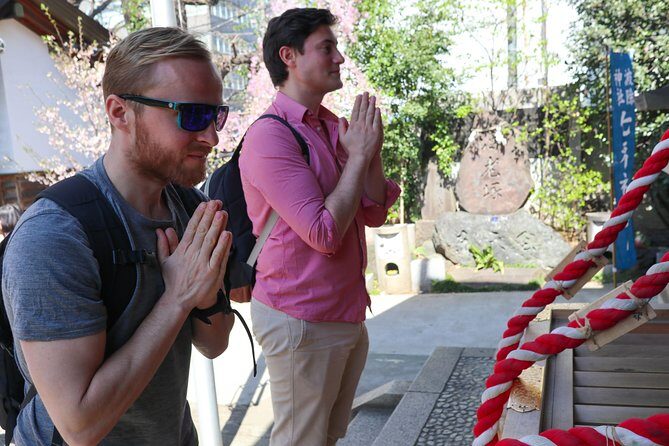
Guides are a big part of why this tour scores so high. Names that have come up include Hitomi, Yuki, Mark, Kazu, Tiger, and also Mia and Mummy. Across these guides, the best versions share the same traits: they know where to go quickly, they explain what you’re eating, and they keep the group moving in a way that doesn’t feel rushed.
If you land with a guide who’s great at pacing, you’ll also avoid some common market-tour traps:
- standing too long in lines without a plan
- wasting time guessing what’s worth it
- missing key religious or view points because you’re stuck in food mode
One downside mentioned is that sometimes there can be long lines at a specific stall, and the tour has to adjust if you’re waiting too long. So keep a flexible mindset.
What you’ll learn (beyond the food in your hands)
This is not just a snack run. You learn how Japanese market culture mixes commerce, tradition, and public etiquette.
The religion stops help you understand why certain spaces feel different from regular shopping. The mix of Buddhist temple and Shinto shrine is part of the area’s identity, and your guide’s explanations give you something to look for while you’re standing there—so it doesn’t feel like a photo stop.
You’ll also get a clearer picture of seafood categories and the way seafood shows up in different forms. The tour’s tastings are the “why” behind those categories, so you taste, then you learn what you’re actually eating.
Where this tour fits best (and who should skip it)
This tour is ideal for:
- seafood lovers who want a focused way to eat around Tsukiji
- people who like short tours with clear structure and minimal decision-making
- first-timers to Tokyo who want a market experience plus culture in one route
- foodies who enjoy both tasting and explanation, not just wandering
You might want to choose something else if:
- you need vegan meals (not available)
- you have serious allergies and require allergy-free preparation (the tour can’t guarantee this)
- you’re easily put off by tight walking lanes and crowded spaces
- you want the inner wholesale auction experience as your main goal (that part has moved)
Should you book this Tsukiji Fish Market small-group food tour?
If you want a well-paced, small-group Tsukiji Outer Market food experience with an included seafood lunch, this is a strong choice. The best versions of the tour sound like exactly what you want on a first Tokyo trip: you eat more than you expected, you get real context, and you finish with views plus culture rather than only shopping.
My call: book it if seafood is your thing and you’re okay with eating in a crowded market environment. Skip it if you’re vegan, need guaranteed allergy-safe handling, or you’re chasing the specific inner auction vibe.
If you do book, bring a hat and water, especially in summer. Tsukiji is an outdoor walking area, and the heat can hit hard.
More Tours in Tokyo





More Tour Reviews in Tokyo




Back to the Market: More Tsukiji Tours



Fresh reviews from around Tokyo






Tsukiji Fish Market Tours, compared.
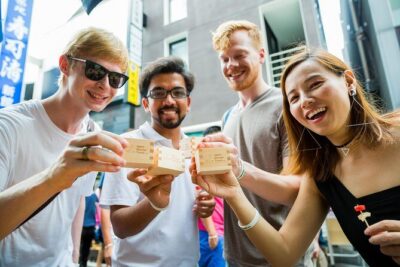 ★ 5.0Tokyo Tsukiji Fish Market Food and Culture Walking TourFrom $993,184 reviews
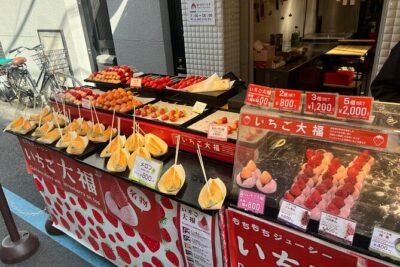 ★ 5.0Tsukiji Fish Market Food and Walking tourFrom $301,724 reviews
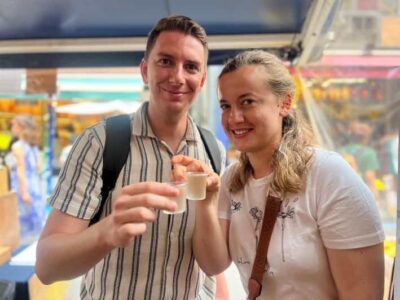 ★ 4.9Tsukiji Fish Market Guided Walking TourFrom $221,397 reviews
 ★ 5.0Tokyo Sushi Making Class in Tsukiji with Professional ChefFrom $491,177 reviews
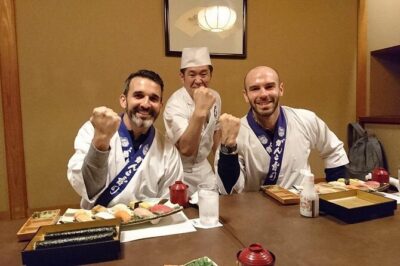 ★ 5.0Tsukiji Fish Market Guided Tour and Sushi Making with Pro ChefFrom $104775 reviews
★ 4.7Tsukiji Fish Market Food and Culture Walking TourFrom $96757 reviews
★ 5.0Tsukiji Fish Market Guided Tour and Sushi Making with Pro ChefFrom $104775 reviews
★ 4.7Tsukiji Fish Market Food and Culture Walking TourFrom $96757 reviews
 ★ 5.0Tsukiji Fish Market: Street Food & Culture Walking TourFrom $33669 reviews
 ★ 4.9Tsukiji Fish Market Sushi Making Class with Pro ChefFrom $63506 reviews
Browse the lists this tour appears in