
Reviewed · COOKING CLASSES
Private Home Cooking in Yanaka – Local Flavors in a Warm Setting
If you want Japan in your hands, this is it. This private cooking class in Yanaka replaces the usual restaurant run with a real home-kitchen feel, taught by Ms Yajima (born in the Yanesen area) who can teach in English. I like that you choose your menu in advance, and I like that the pace is hands-on with live feedback so you’re not just watching. One thing to consider: it’s in a small home setting in a residential area, so allow extra time to find the spot near Yanaka Ginza.
You’ll also get more than recipes. Yanaka life and local food habits show up naturally while you cook, from ingredient choices to why certain techniques matter. And because it’s a private class, you can ask questions without feeling rushed.
Finally, it’s priced at $122.23 per person for about two hours. That’s not the cheapest way to eat in Tokyo, but it’s strong value for the combination of private instruction plus a full meal you’ll reproduce later.
In This Review
- The quick reasons this feels special
- Yanaka First: A home-kitchen lesson near Yanaka Ginza
- Private class energy: how the 2-hour format works
- Choosing your menu: Plan A mains or Plan B appetizers
- Getting taught in the kitchen: Ms Yajima and practical feedback
- What you can make: common dishes and technique-based learning
- Eating together in a real home rhythm
- Staying anchored: check-in, return, and neighborhood time
- Price and value: is $122.23 fair for what you get?
- Who should book this, and who might skip it
- Should you book this Yanaka home cooking class?
- FAQ
- Where do we meet for the Yanaka home cooking class?
- How long is the cooking experience?
- Is this class private or shared?
- Can I choose lunch or dinner?
- How do the menu choices work (Plan A and Plan B)?
- Can you handle allergies or special diets?
- What happens if weather is poor?
The quick reasons this feels special
- Yanaka home-kitchen setting: residential, local, and close to Yanaka Ginza so you can pair it with a neighborhood walk
- Menu choice before you arrive: Plan A (1 main) or Plan B (2 appetizers) helps you tailor the lesson
- English teaching from Ms Yajima: clear guidance plus room to ask questions
- Personal attention in a private class: live feedback while you cook, not after the fact
- Diet and allergy options: vegetarian, vegan, and requests can be arranged with notice
More private options with your own guide
- Tokyo 6hr Private Tour with Government-Licensed Guide★ 5.0 · 3,902 reviews
- Private Tour to Mt. Fuji and Hakone (Fully Licenced Operator)★ 5.0 · 1,910 reviews
- Tokyo Customized Private Tour (Must See Places in 1 Day)★ 5.0 · 1,499 reviews
Yanaka First: A home-kitchen lesson near Yanaka Ginza
Tokyo can feel like a blur of trains, towers, and standing-room crowds. Yanaka slows that down on purpose. This experience starts at the Yanesen Tourist Information & Culture Center, then you move into a small workshop space that’s about 100 meters from Yanaka Ginza. That proximity matters. It means you can plan this as part of an actual neighborhood day, not just a ticketed event you disappear from.
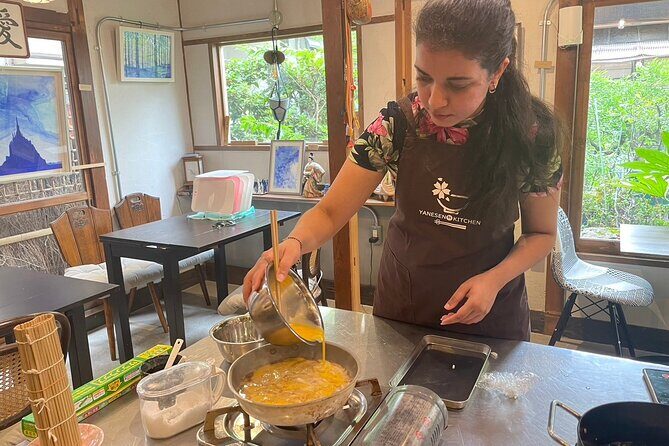
The atmosphere is what you’re really paying for. The session is described as a home-style cooking experience in a downtown Tokyo setting. That phrase is doing real work here: you’re not in a showroom kitchen designed for photos. You’re in a working environment that feels like the kind of place ordinary households actually cook.
Also, I appreciate that the experience is set up around local context. Ms Yajima is from the Yanesen area and brings that perspective into the lesson. You may pick up small details about day-to-day cooking choices and local food trends while you work. That’s the difference between learning a dish and learning how people actually make choices in their own kitchens.
Practical note: the meeting point is fixed, and the end is back at the same place. That reduces stress, especially if you’re trying to connect this to other plans later in the day.
Private class energy: how the 2-hour format works
The duration is about 2 hours. In that time, the class has one job: get you cooking, not waiting. You’ll spend the session preparing ingredients, cooking your selected dishes, and eating what you make together.
Because it’s private, you’re not negotiating time with a larger class. There’s less awkwardness, too. In a bigger group, your questions can end up going unanswered until the end. In a private setup, you can ask as you go, and you tend to get more specific feedback on technique—like texture, doneness, or how to handle ingredients without overthinking it.
Two hours also keeps the day from getting swallowed. If you’re doing Tokyo right, you probably have a mix of sights, food stops, and neighborhoods. This fits neatly between them.
One small consideration: this is “requires good weather” style programming. So if conditions are poor, the experience may be canceled and you’ll be offered a different date or a full refund. For planning, I’d treat it like an activity that you want scheduled with flexibility, especially if you’re in Tokyo during a weather-heavy season.
Choosing your menu: Plan A mains or Plan B appetizers
This is one of the smartest parts of the setup. Instead of a fixed menu you must accept, you request your dishes in advance and then cook within a structured plan.
You’ll use one of two formats:
- Plan A: choose 1 main dish
- Plan B: choose 2 appetizers
That choice matters because it changes the shape of your lesson. A single main can give you deeper practice with one dish and its key techniques. Two appetizers can broaden what you learn—often with variety across prep methods and flavors.
In your reservation request form, you’re asked to tell them your requested menus. You can also request special menus if you give notice. If you have dietary needs—like allergies, vegetarian, or vegan—you should include those details when booking so the kitchen can arrange the right ingredients.
One more detail I like: you can talk about menu requests and adjustments from the contact form up to 2 days before your cooking day. That gives you time to decide once you know what you actually want to eat in Tokyo.
Getting taught in the kitchen: Ms Yajima and practical feedback
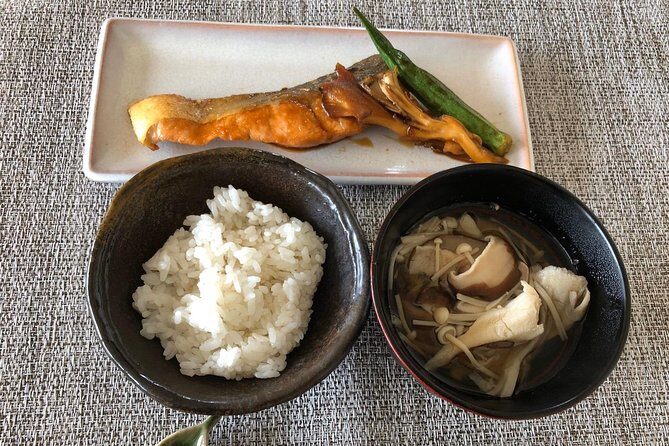
The instructor is Ms Yajima. She’s from the Yanesen area and loves cooking in Tokyo’s local style. The description also notes that she has cooking instructor experience and can instruct in English. That combo is important.
English instruction helps, yes. But more than that, the class is built around live feedback as you cook. That’s what makes a home-cooking lesson actually transferable. You don’t just learn a recipe; you learn how to tell when something is going right—by sight, smell, and texture.
From the way the experience is described, you’re not just passively following steps. You’re practicing cooking techniques with guidance while you go. That approach shows up in many of the outcomes people talk about after class: dishes they can recreate at home because they understand the process, not only the ingredients.
There’s also a cultural layer that feels natural instead of forced. The class invites conversation about Yanaka life, lifestyle, and trends. You can bring your own lifestyle into the mix, which makes the experience feel less like a workshop and more like a shared meal with a teacher who happens to have a plan for the afternoon.
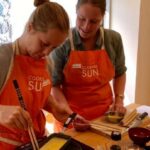
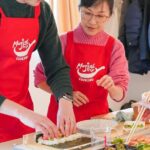
More aprons-on time in Tokyo kitchens
What you can make: common dishes and technique-based learning
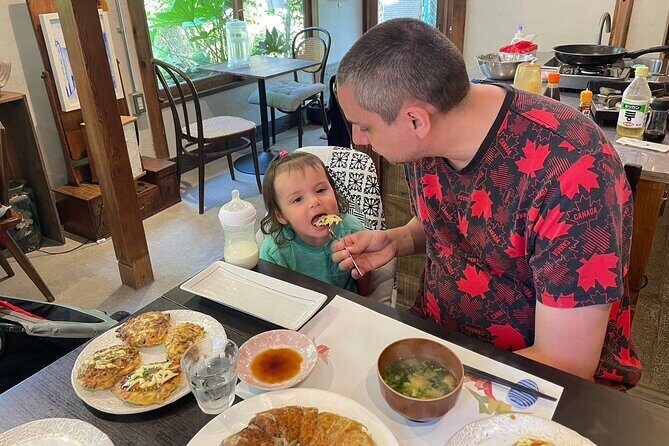
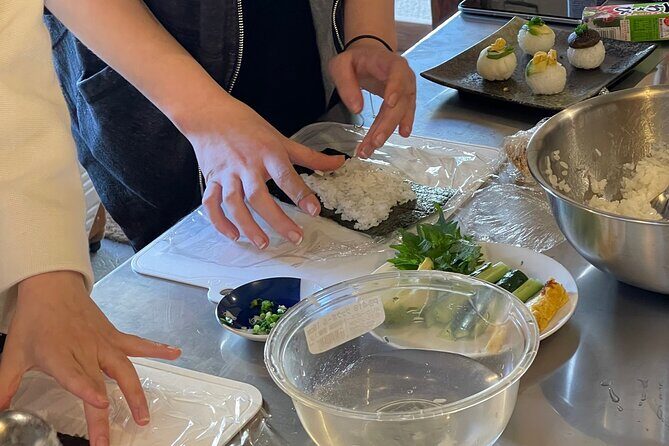
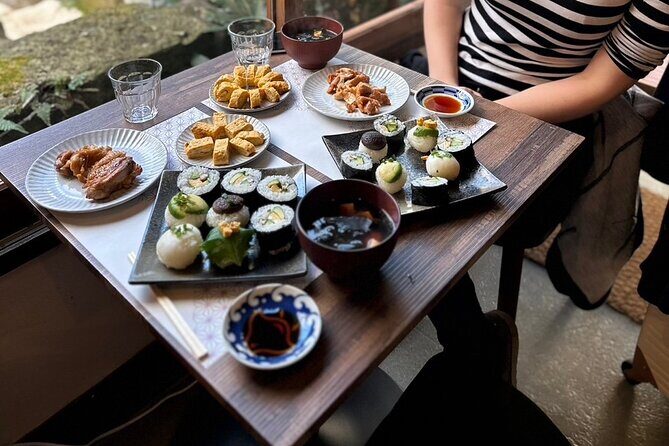
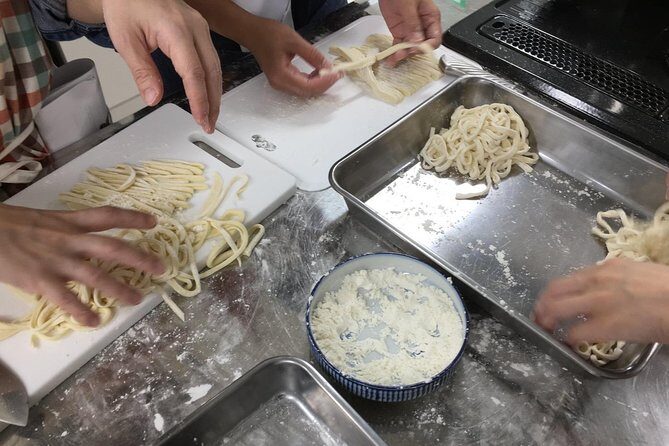
The menu options aren’t fully listed here, but the experience clearly supports a menu built from mains and appetizers, with special requests possible. Based on the cooking styles mentioned across the experience’s teaching examples, you’ll likely encounter dishes that are common in everyday Japanese cooking—things like miso-based dishes, noodle cooking, tempura-type frying, sushi-style rolling, and classic comfort plates.
What I can say confidently is this: the structure is designed around techniques you can repeat. The class emphasizes live instruction on how you handle ingredients and how you execute key steps. That’s why past classes are remembered for learning the why behind what you’re doing—like how to make dashi from scratch, or how to manage heat when frying.
Even if your exact menu ends up different, the learning pattern is the same:
- You prep ingredients with the instructor’s guidance
- You cook with real-time corrections
- You eat the result together, right there
If you want to bring back home skills that actually work outside Japan, prioritize the parts of the lesson where you’re asking questions while cooking—especially about timing, doneness, and seasoning balance.
Eating together in a real home rhythm
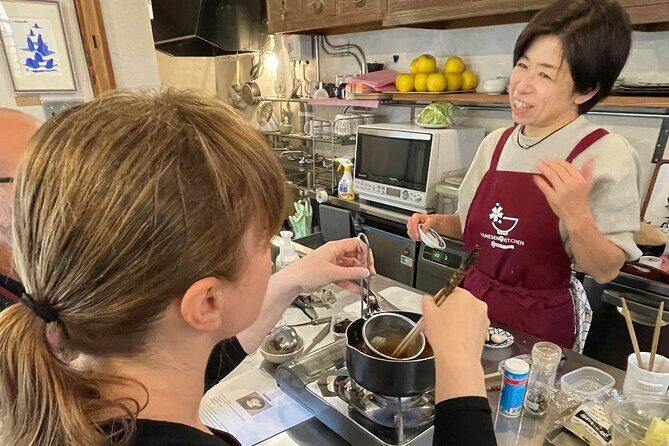
This is not a “cook for an hour, then leave” setup. The experience includes eating together as part of the class. That might sound obvious, but it’s a big deal for value.
When you cook and then eat the same meal, you connect taste to technique. If something is too salty, too bland, too thick, too watery, or not textured correctly, you understand why. That feedback loop is hard to get from cooking at home without someone watching.
The setting also encourages a relaxed tone. This is described as a warm, home-style environment, and the class is designed to feel like ordinary households’ cooking. You’re not being herded through a script. You’re learning in a comfortable place.
Also, since the session ends back at the meeting point, you don’t have to “figure out the next step” after the meal. You can keep your day simple.
Staying anchored: check-in, return, and neighborhood time
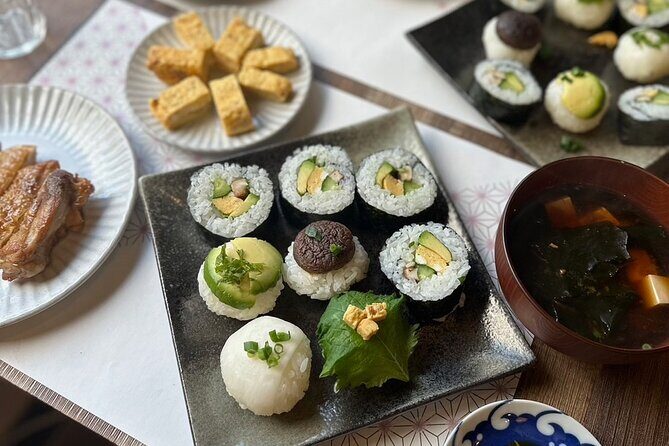
Meet at the Yanesen Tourist Information & Culture Center (3-chōme-13-7 Yanaka, Taito City). The activity ends back there as well. That’s helpful because it reduces navigational stress on both ends.
From there, you’ll be taken to the workshop home area near Yanaka Ginza. That area is part of what makes this worth doing. Yanaka is one of those neighborhoods where walking is the point. So I’d plan for at least a little time before or after your session to stroll the streets nearby.
One planning tip: give yourself a buffer. The class uses a small home/workshop space rather than a big, obvious building. If you’re visiting Tokyo for the first time, you’ll appreciate having extra minutes so you’re not rushing.
Price and value: is $122.23 fair for what you get?
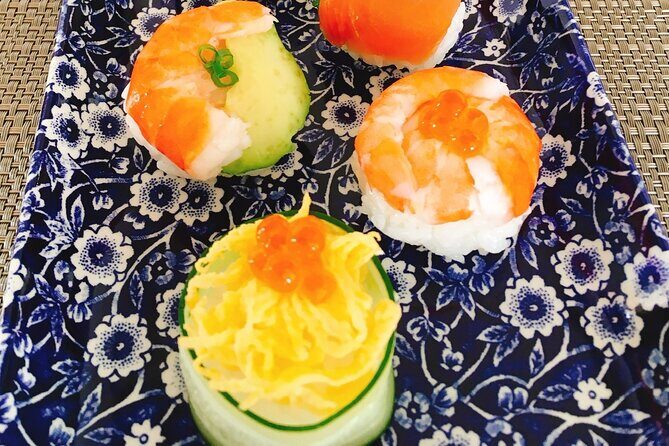
$122.23 per person for about 2 hours can look high if you compare it to a casual meal in Tokyo. But comparisons miss the point here.
You’re paying for:
- Private, English-capable instruction
- Live feedback while you cook
- A full meal you helped prepare
- Menu tailoring (Plan A or Plan B, plus requests and dietary arrangements)
If you’ve tried group cooking classes before, you know the downside: someone else’s pace controls your learning. Here, the format is private, so the teacher can respond to your questions and your results.
So the value is strongest if you:
- Want to learn specific techniques you’ll repeat at home
- Prefer instruction that doesn’t compete with multiple people
- Have dietary needs or menu ideas and want them treated seriously
The value is weaker if you only want a casual activity with minimal prep. If your goal is purely to eat good food without doing much work, you might be happier with a meal and a neighborhood walk instead. But if you want a skill plus a meal, this price makes more sense.
Who should book this, and who might skip it
Book it if you:
- Want a hands-on Japanese cooking skill you can repeat at home
- Like the idea of learning in a real residential neighborhood setting
- Prefer a private class where you can ask questions as you cook
- Want menu choice (Plan A main or Plan B appetizers) and support for allergies or dietary preferences
You might skip it if:
- You’re short on time and need quick, low-effort food experiences
- You don’t enjoy cooking prep or hands-on learning
- You need very predictable outdoor timing in bad weather (since good weather is required)
Should you book this Yanaka home cooking class?
I think it’s a strong choice if your Tokyo trip includes both food and culture, and you want something that leaves you with more than memories. The class is built around private instruction, a home-kitchen feel in Yanaka, and the practical goal of making dishes you can cook again later.
My main caution is scheduling: build in some flexibility for weather and for the fact that the location is in a smaller residential area near Yanaka Ginza. If you can handle that, you’ll likely come away with a new comfort level in Japanese cooking, plus a better understanding of how local ingredients shape everyday meals.
If you’re deciding between another restaurant dinner and this class, I’d lean toward the cooking—especially if you’re traveling with a partner who also likes to learn, or if you’re going solo and really want one-on-one attention.
FAQ
Where do we meet for the Yanaka home cooking class?
You start at the YANESEN Tourist Information & Culture Center at 3-chōme-13-7 Yanaka, Taito City, Tokyo 110-0001, Japan. The experience ends back at this same meeting point.
How long is the cooking experience?
It runs for about 2 hours.
Is this class private or shared?
This is a private tour/activity. Only your group participates.
Can I choose lunch or dinner?
Yes. You can choose either a lunch or a dinner cooking class to fit your schedule.
How do the menu choices work (Plan A and Plan B)?
For Plan A, you choose 1 main dish. For Plan B, you choose 2 appetizers. You share your requested menus in the reservation request form.
Can you handle allergies or special diets?
Yes. Allergies, vegetarian, vegan, and other requests are available. You should tell the provider your details when you make the reservation, and you can also discuss menu requests up to 2 days before the cooking day.
What happens if weather is poor?
The experience requires good weather. If it’s canceled due to poor weather, you’ll be offered a different date or a full refund.
Learn Another Dish: Tokyo Cooking Classes
Just Your Group: Private Options



More Tour Reviews in Tokyo






Fresh reviews from around Tokyo






Cooking Classes, compared.
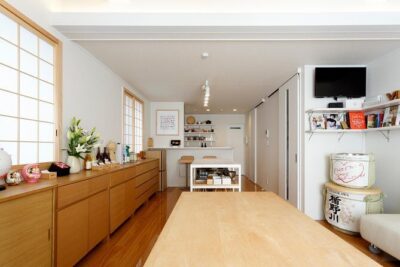 ★ 5.0Ramen & Gyoza Cooking Class in Tokyo with Local Supermarket VisitFrom $122823 reviews
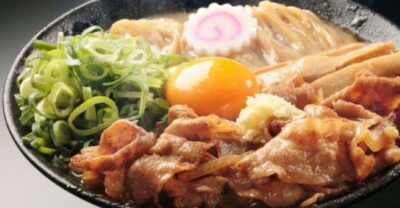 ★ 4.6Easy Ramen Cooking Experience in Kabukicho, ShinjukuFrom $29321 reviews
 ★ 5.0Ramen and Sushi Cooking Class with Sake Pairing Set in TokyoFrom $79291 reviews
 ★ 4.9Wagyu and 7 Japanese Dishes Cooking ClassFrom $67273 reviews
 ★ 5.0Tokyo Washoku 4-hour Cooking Class: From Market to TableFrom $79253 reviews
 ★ 5.0Small-Group Wagyu Beef and 7 Japanese Dishes Tokyo Cooking ClassFrom $72190 reviews
 ★ 5.0Tokyo Sushi Making Experience & Japanese Cooking ClassFrom $59150 reviews
 ★ 5.0Unique Private Cooking Class with a Tokyo Local EmiFrom $99131 reviews
Browse the lists this tour appears in