
Reviewed · COOKING CLASSES
Tokyo Sushi Making Experience & Japanese Cooking Class
Tokyo sushi class is the fastest way to learn.
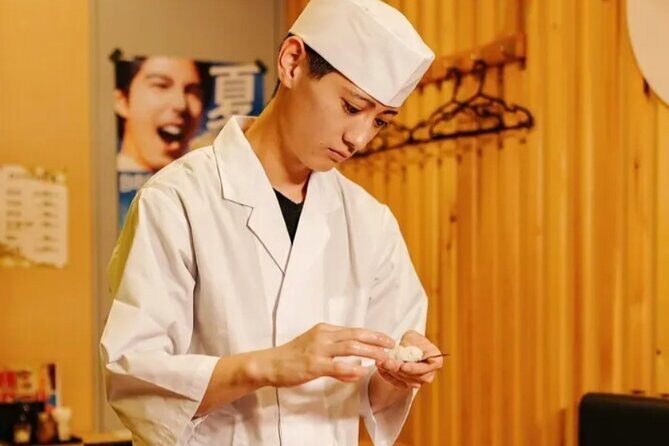
This hands-on session turns sushi from a menu item into skills you can actually use at home. You get sushi history and culture, plus the etiquette behind the bites, all while working with real ingredients like tuna, salmon, and flying fish roe.
I really like that the class is small (up to 15 people) and you get personalized help while you form, roll, and shape. A possible drawback: drinks like bottled water, juice, and alcohol are not included, so you’ll want to budget a little extra if you plan to add sake or shochu.
In This Review
- Key highlights you’ll actually use
- Sushi school in Shinbashi: what your 90 minutes really includes
- The menu you’ll make: maki, temari, nigiri (and why it matters)
- English-led sushi history and etiquette: the stuff most classes skip
- Optional sake or shochu: adding a drink without derailing your day
- Fresh ingredients and small-group coaching: why the class size matters
- What you get for $59.46: value that beats a typical meal
- Where this class fits in your Tokyo itinerary
- Who should book this (and who might not need it)
- How to prepare so you enjoy it more
- FAQ
- How long is the Tokyo sushi making experience?
- How many people are in the class?
- What types of sushi will I make?
- What ingredients are used?
- Is sake or shochu included?
- What language do the instructors speak?
- Where is the meeting point?
- Is the experience suitable for kids?
- What if the experience is canceled due to weather?
- Should you book this sushi class?
Key highlights you’ll actually use
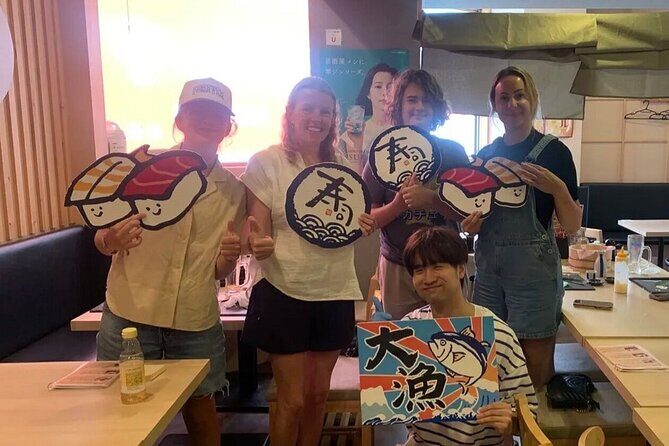
- Learn maki, temari, and nigiri in about 90 minutes, not just watch a demo
- English-speaking guidance (plus Traditional or Simplified Chinese support)
- Fresh sushi ingredients including tuna, salmon, squid, and flying fish roe
- Hands-on etiquette tips that help you eat like you understand the ritual
- Commemorative photos to remember the shapes you made
- Optional sake or shochu, with age rules (20+ in Japan)
More aprons-on time in Tokyo kitchens
- Ramen & Gyoza Cooking Class in Tokyo with Local Supermarket Visit★ 5.0 · 823 reviews
- Tokyo: Easy Ramen Cooking Experience in Kabukicho, Shinjuku★ 4.6 · 321 reviews
- Ramen and Sushi Cooking Class with Sake Pairing Set in Tokyo★ 5.0 · 291 reviews
Sushi school in Shinbashi: what your 90 minutes really includes
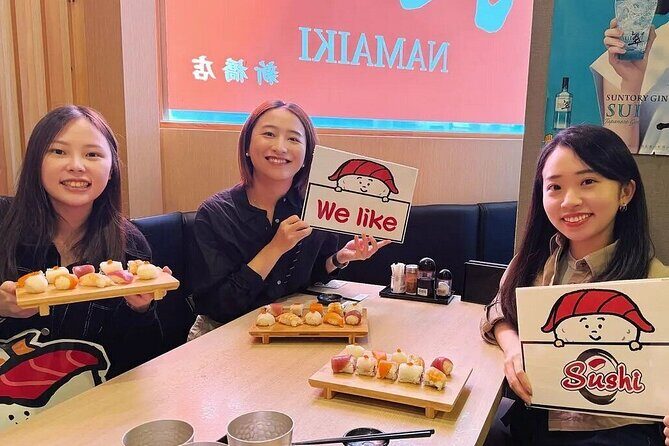
Your class meets in Shinbashi, at S-PLAZA弥生Ⅱ (Minato City). It’s in a central spot near public transportation, which matters in Tokyo where timing can turn into a scavenger hunt.
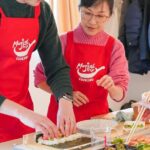
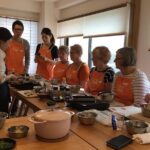
This isn’t a huge auditorium experience. The group max is 15, so you’re not stuck waiting for someone to correct your rice-to-filling ratio. You start with a quick cultural and culinary setup, then move quickly into making three types of sushi.
Expect a fast rhythm: learn the idea, practice the motion, then eat what you make. That structure helps because sushi is part technique, part feel. If you’ve ever tried to recreate a roll at home and ended up with rice everywhere, you’ll understand why the “do it now” format is so helpful.
The menu you’ll make: maki, temari, nigiri (and why it matters)
The class menu is built around variety, which is smart if you want to leave with usable skills.
You’ll learn to make:
- Maki sushi (rolled sushi)
- Temari sushi (hand-formed bite-size sushi)
- Nigiri sushi (rice topped with fish)
You’ll work with ingredients like tuna, salmon, squid, and flying fish roe. That selection is also practical. Many home attempts fail because people focus on one flavor and skip the fundamentals—how rice behaves, how toppings sit, and how much fish or roe you need.
A nice part is that you’re not just learning one style. Maki teaches pressure and rolling. Temari teaches shaping and portion control. Nigiri teaches alignment—how the rice supports the topping. Even if you never make all three again, the training sticks because each style teaches a different hand skill.
And yes, you’ll eat your creations. That’s not just about tasting. It’s how you calibrate what you made versus what you intended. You’ll quickly notice if your rice is too loose, if your topping was too thick, or if your roll was overstuffed.
English-led sushi history and etiquette: the stuff most classes skip
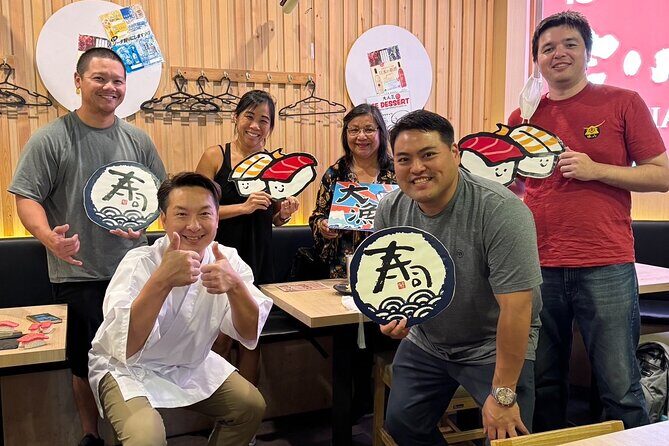
What I like in this kind of class is how the instruction goes past the how-to. Sushi isn’t only food. It’s presentation, timing, and etiquette.
You’ll hear about sushi history and culture, then get guidance on the art and etiquette behind each bite. That helps you understand what to value when you’re eating later—whether it’s how the pieces are handled or how flavors are meant to work together.
In many cooking classes, etiquette is treated like a fun extra. Here, it feels integrated, because it’s connected to technique. If someone tells you to handle something gently or to respect the balance of bites, it makes you more careful during shaping and rolling.
Also, the instructors are fluent in English (and you’ll have Traditional or Simplified Chinese support). For me, that matters in Tokyo. When instructions are clear and direct, the class moves faster—and you waste less time translating in your head.
Optional sake or shochu: adding a drink without derailing your day
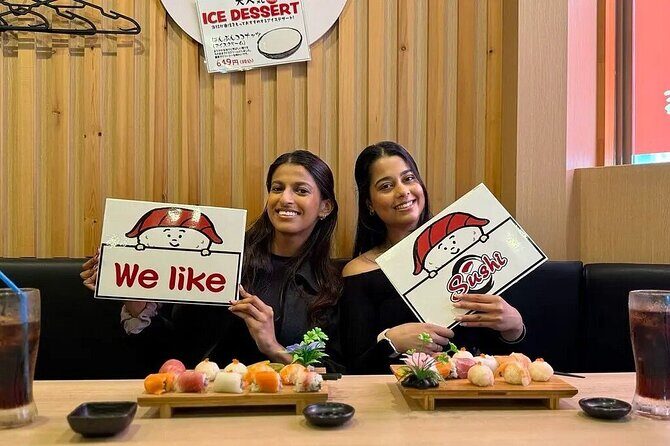
You can add sake or shochu for a more authentic feel. This is optional, and it’s separate from the included snacks, so think of it as a bonus.
Two practical notes:
- The legal drinking age in Japan is 20, and you’ll need valid ID if you order alcohol.
- Juice and alcoholic beverages are not included, so decide ahead of time if you want to treat the class as a full-on night out or keep it simple.
If you’re traveling with kids (the class is age 4+), you might skip alcohol entirely. That’s totally fine. The core value is the sushi-making.
More things to make with your own hands


Fresh ingredients and small-group coaching: why the class size matters
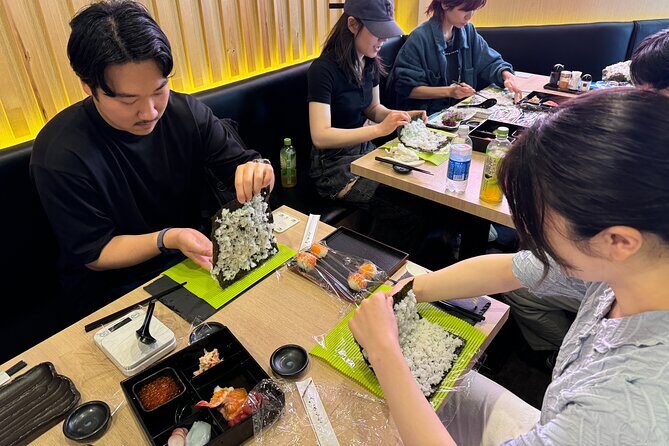
The class description promises personalized instruction, and the max 15 travelers limit is what makes that realistic. With a smaller group, you’re more likely to get correction when something goes off—especially with rice shaping and portioning.
The most common sushi class problem is silence. People think, Ask less, so you don’t bother the instructor. But sushi is a hands-on skill. If you can’t fix a mistake right away, it’s hard to get the hang of it before the class ends.
This class is also built around comfort. The experience includes friendly, patient help in English or Chinese, which is especially valuable if you’re not confident cooking in general. One of the best signs for me is that families can fit this into their trip without it turning into a stressful event.
What you get for $59.46: value that beats a typical meal
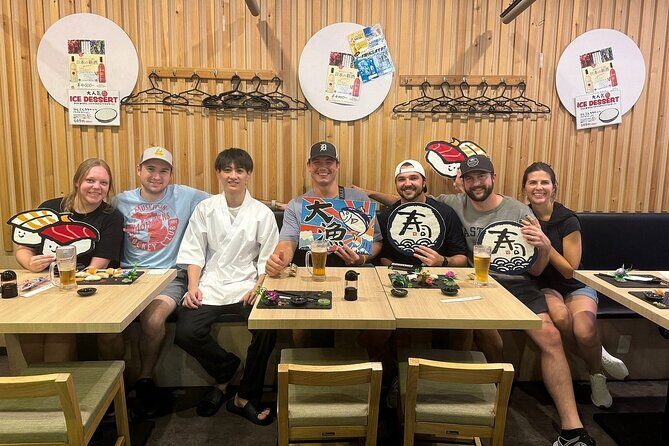
At $59.46 per person, you’re paying for two things: instruction and ingredients. And in Tokyo, that can be a better deal than you’d think.
Here’s what’s included:
- Snacks: maki sushi and temari sushi (with items like tuna, salmon, squid, etc.)
- Guide in English (and Traditional or Simplified Chinese)
Not included:
- Bottled water
- Juice and alcoholic beverages (ordered separately)
So why does the price feel fair? Because you’re not just paying to eat sushi. You’re paying to learn how to make it, in a short time, with fresh ingredients and step-by-step coaching. The commemorative photos are a small bonus that makes the memory stick.
One more detail that affects value: the class runs about 1 hour 30 minutes. That’s a sweet spot. It’s long enough to learn real techniques, but short enough that you can still plan the rest of your Tokyo day without your schedule collapsing.
Where this class fits in your Tokyo itinerary
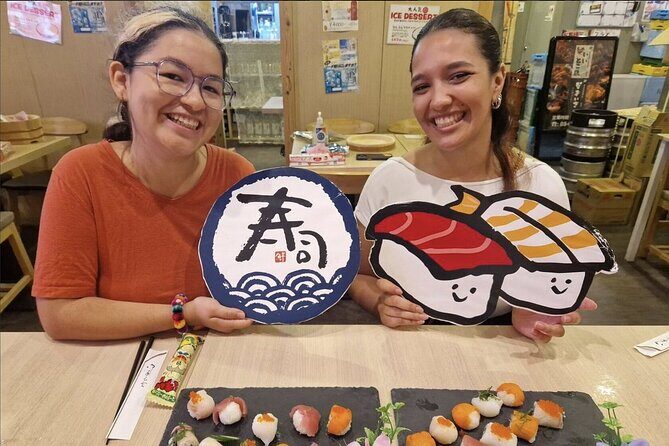
If you like structured experiences, this is easy to slot. Shinbashi is central, so you can pair it with an afternoon or early evening meal plan. Keep the timing simple: arrive a bit early so you can check in, settle, and start cooking on time.
Also think about how you’ll follow through at home. If you want to practice later, this is one of those experiences where you’ll want photos and a quick mental checklist. You’ll take commemorative photos, which helps you remember what you made and how it looked.
And because you’ll learn multiple sushi types, you can choose one to reproduce after your trip. That’s the real payoff—skills you can reuse.
Who should book this (and who might not need it)
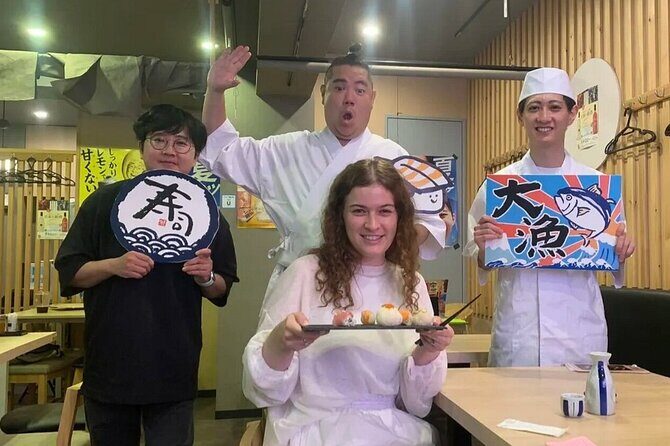
This is a strong fit if:
- You want real hands-on sushi instruction (not just a tasting)
- You care about sushi basics like rice, shaping, and bite size
- You want a small-group class so you can ask questions
- You’re traveling with kids and want something structured and supervised (the class is age 4+)
You might reconsider if:
- You’re hoping for a full-day experience. This is about 90 minutes, so it’s focused, not a long cooking journey.
- You don’t want to pay extra for drinks. Alcohol is optional, and bottled water isn’t included.
For most people, it lands in the sweet spot between fun activity and genuinely useful cooking skill.
How to prepare so you enjoy it more
You don’t need to bring ingredients. The class is set up so you can focus on learning the motions and flavors.
Here’s what will help you in practice:
- Wear something comfortable. You’ll be shaping and rolling.
- If you plan to drink sake or shochu, bring valid ID since Japan’s legal drinking age is 20.
- If you’re not sure about your language needs, you can count on English plus Traditional or Simplified Chinese support.
Finally, go into it with the right mindset. Sushi is precise, but you’re learning. The goal is progress, not perfection.
FAQ
How long is the Tokyo sushi making experience?
It lasts about 1 hour 30 minutes.
How many people are in the class?
The maximum group size is 15 travelers.
What types of sushi will I make?
You’ll learn to make maki, temari, and nigiri sushi.
What ingredients are used?
The class uses fresh ingredients such as tuna, salmon, squid, and flying fish roe.
Is sake or shochu included?
No. You can add sake or shochu as an option, but bottled water, juice, and alcoholic beverages need to be ordered separately.
What language do the instructors speak?
The guide is English, with Traditional Chinese and Simplified Chinese support.
Where is the meeting point?
You meet at S-PLAZA弥生Ⅱ in Shinbashi, Minato City, Tokyo.
Is the experience suitable for kids?
Yes. The eligible age is 4 years old and above.
What if the experience is canceled due to weather?
It requires good weather. If it’s canceled due to poor weather, you’ll be offered a different date or a full refund.
Should you book this sushi class?
If you want sushi skills you can use later, book it. This class focuses on doing the work—maki, temari, and nigiri—while giving you cultural context and etiquette tips so the experience feels more like Japan than a cooking show.
The best reason to go is the combination of small group size and friendly, patient coaching, which makes it workable even if you’re new to cooking. Add in the chance to take home commemorative photos, and it’s a solid value for a short, memorable 90-minute session in central Tokyo.
Make Something to Take Home
Learn Another Dish: Tokyo Cooking Classes
More Tour Reviews in Tokyo






Fresh reviews from around Tokyo






Cooking Classes, compared.
 ★ 5.0Ramen & Gyoza Cooking Class in Tokyo with Local Supermarket VisitFrom $122823 reviews
 ★ 4.6Easy Ramen Cooking Experience in Kabukicho, ShinjukuFrom $29321 reviews
 ★ 5.0Ramen and Sushi Cooking Class with Sake Pairing Set in TokyoFrom $79291 reviews
 ★ 4.9Wagyu and 7 Japanese Dishes Cooking ClassFrom $67273 reviews
 ★ 5.0Tokyo Washoku 4-hour Cooking Class: From Market to TableFrom $79253 reviews
 ★ 5.0Small-Group Wagyu Beef and 7 Japanese Dishes Tokyo Cooking ClassFrom $72190 reviews
 ★ 5.0Private Home Cooking in Yanaka – Local Flavors in a Warm SettingFrom $122173 reviews
 ★ 5.0Unique Private Cooking Class with a Tokyo Local EmiFrom $99131 reviews
Browse the lists this tour appears in