
Reviewed · SUMO SHOWS
Tokyo Walking Tour : Sumo, Sushi, Tea, Temples and Tokyo Tower
This walk strings together five Tokyo worlds in one go, and it stays practical. You start with real sumo training, then shift to market energy, then slow down in gardens and a temple, and end with Tokyo Tower’s classic skyline views.
I like that it mixes big-ticket cultural experiences with real street-level food time at Tsukiji. I also like that the plan is built for public transit and a small group size, so you’re not stuck waiting on some private vehicle schedule.
One thing to consider: the sumo part is real training and schedules can change. In some weeks (especially around the big Grand Sumo Tournament months), you may not get to watch training at all, so keep your expectations flexible.
In This Review
- Key highlights you’ll feel fast
- How this Tokyo day tour stays fun instead of tiring
- Meeting points and the public-transport flow that makes it work
- Stop 1: Arashio Beya sumo training and the etiquette you should respect
- Stop 2: Tsukiji Outer Market for street food time and easy wandering
- Stop 3: Hama Rikyu Gardens and the tea house break you’ll actually remember
- Stop 4: Zojoji Temple, guided history, and sutra copying calm
- Stop 5: Tokyo Tower observation deck for classic views and a retro finale
- Price and value: what $166.85 covers, and what you handle yourself
- Who should book this walking tour (and who should skip it)
- Should you book Tokyo Sumo, Sushi, Tea, Temples and Tokyo Tower?
- FAQ
- What’s the duration of the Tokyo Walking Tour?
- Where does the tour start and end?
- Is this tour done by private vehicle?
- How big are the groups?
- What’s included in the price?
- Is food included?
- Will I definitely see sumo training?
- How do I get tickets?
- Can I cancel for a full refund?
Key highlights you’ll feel fast
- Arashio Beya sumo training with real rules and real etiquette
- Tsukiji Outer Market guided orientation plus free time to snack and wander
- Hama Rikyu Gardens guided garden history and a tea house tea + sweet
- Zojoji Temple guided visit plus a sutra copying experience
- Tokyo Tower observation deck to close the day with views and photo time
- Small group (max 15) plus a guide who keeps the day moving at walking pace
More chances to sit ringside
- Tokyo: Sumo Show and Dining Experience★ 4.8 · 2,742 reviews
- the SUMO show★ 5.0 · 1,960 reviews
- Tokyo Shinjuku Sumo Show & Experience with Photo★ 5.0 · 1,750 reviews
How this Tokyo day tour stays fun instead of tiring
This is not a quick drive-by sightseeing loop. Plan for several hours outdoors on foot, with lots of start-and-stop energy changes as the day moves from training rooms to markets to temples to viewpoints.
The good news: the pace is structured. You get guided time where it matters, then breathing room where it helps you shop, take photos, or just reset your brain. The tour also uses public transit, so you’ll be using Tokyo’s normal rhythm rather than relying on a van that might not match the flow of the streets.
The day is long enough that you’ll want sturdy shoes and layers. Morning weather can shift quickly, and you’ll be outside for a while. Also, don’t count on getting full meals at every stop: food and drink aren’t included except for the tea house experience later.
Meeting points and the public-transport flow that makes it work
You start at Hamacho Station at 8:15am and finish near Akabanebashi Station. That matters because Tokyo can feel maze-like if you’re arriving late to your first station or unsure which exit to take.
Within the tour, you’ll use public transport rather than a private vehicle. One transport segment is included: the train fee from Ningyocho Station to Tsukiji Station. Everything else before you meet and after the tour ends is on you, so I’d think ahead about how you’ll get back to your hotel.
The tour also uses a mobile ticket, which is convenient if you hate hunting for paper at the last second. Just make sure your phone is charged and your ticket is easy to pull up.
Finally, group size is capped at 15 people. That’s big enough to meet others, but small enough that a guide can keep you together without constant delays.
Stop 1: Arashio Beya sumo training and the etiquette you should respect
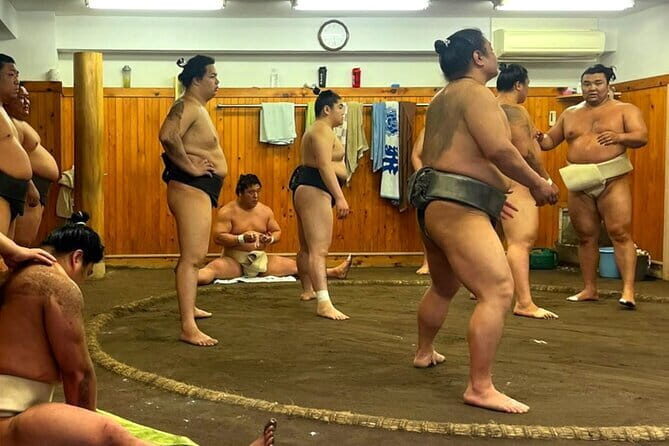
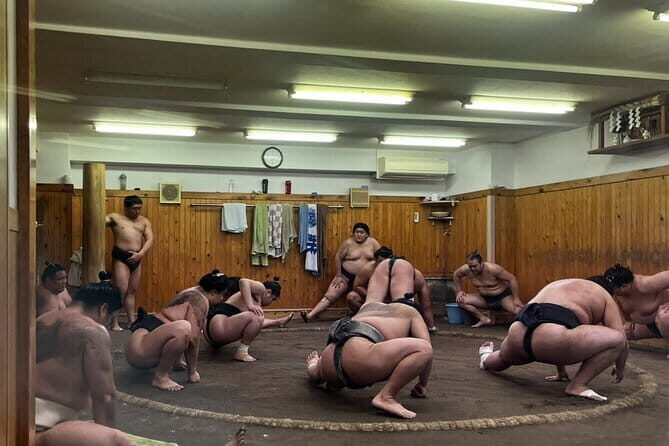
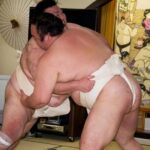
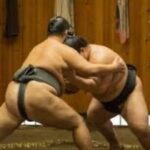
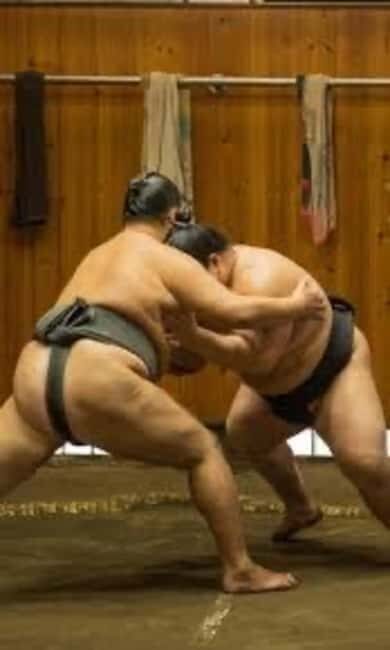
Your first major moment is a traditional sumo beya (training room) called Arashio Beya. This is not a show. It’s real training, and the sumo can’t be disturbed. That’s the vibe you should bring: quiet focus and no sudden movement meant to “get the perfect shot.”
What makes this stop compelling is the access to a side of sumo you usually only see through documentaries: the daily discipline and practice. Sumo isn’t just the ring and the drama. It’s routine, strength work, and repetition. Watching training gives you context before you ever think about match day.
There are two practical considerations. First, the beya training schedule is subject to change, so sometimes you may not see training. Second, training is closed during certain weeks when the Grand Sumo Tournaments happen, specifically in January, May, and September. If you’re traveling during those months, I’d treat the sumo portion as a best-case highlight rather than a guaranteed moment.
If you’re the type who gets anxious when plans shift, this might feel frustrating. But if you’re flexible, it can also be a sign that the tour is grounded in real life, not staged entertainment.
Stop 2: Tsukiji Outer Market for street food time and easy wandering
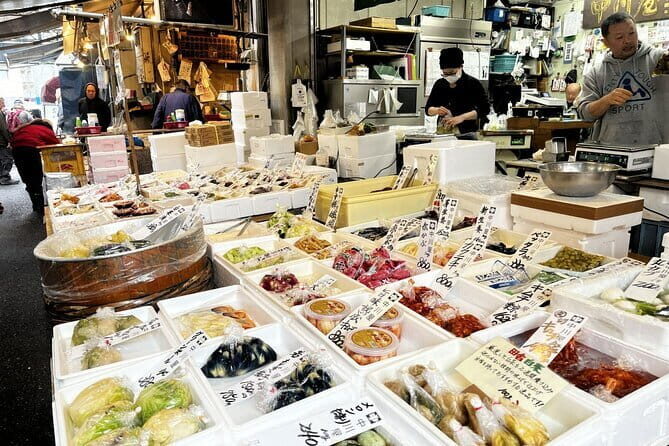
Next you head to Tsukiji Outer Market. This is where the day turns more casual. You get a guided introduction, plus time to explore at your own pace—pictures, shopping, and snacking as you like.
This stop works well because it’s not only about eating. The guide helps you understand what you’re seeing so you don’t end up staring at stalls with no clue where to start. Then, you get enough freedom to follow your nose, your camera, or what smells like the line is moving.
Sampling is part of the plan, and the market is a place where small choices matter. If you try a couple of different street foods rather than going all-in on one thing, you’ll get a better sense of the area’s range.
One drawback: markets involve crowds, noise, and standing around. You’ll be walking in between stalls, so comfortable shoes aren’t optional. Also, since the tour doesn’t include all food and drink, decide in advance how you’ll budget your “market cravings.”
Tip that saves time: wear something you can move in easily. You’ll be bending and turning more than you expect, and your day ends later with stairs and a viewpoint.
Tokyo at walking pace, a few more ways
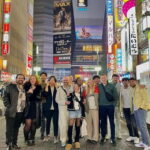
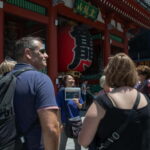
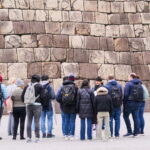
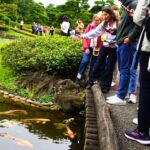
Stop 3: Hama Rikyu Gardens and the tea house break you’ll actually remember
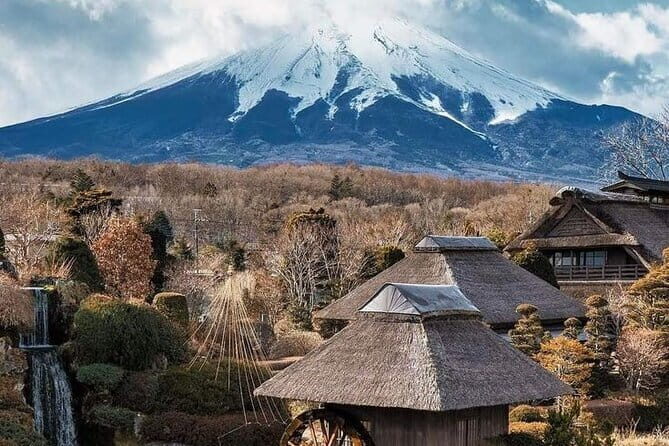
After the market energy, the tour slows down at Hama Rikyu Gardens. You get a guided introduction to the garden’s history, then free time to experience it at your own pace. This is a good place to regroup, especially if your morning was heavy on crowds and sensory overload.
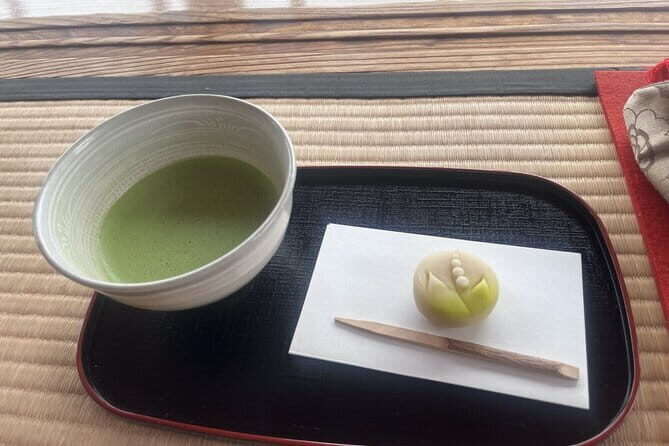
Then comes the highlight that makes the garden feel complete: a tea and sweet experience in a tea house inside the gardens. This is the kind of included break that makes a tour feel worth it. You’re not just walking past a pretty place and rushing on; you get a structured moment to sit, taste something traditional, and let the day cool down.
Hama Rikyu is especially nice because gardens in Japan reward stillness. If you try to rush it, you’ll miss why it works. Take a slow walk, look for small details, and pause when the water and paths align into a calmer view.
A consideration: this stop includes guided time plus personal time, so there’s a natural split. If you’re someone who hates “wait for the group” moments, use the free time strategically—see the main views quickly, then return for a slower second pass.
Stop 4: Zojoji Temple, guided history, and sutra copying calm
Your next step is Zojoji Temple, a historic Buddhist complex. You’ll get a guided tour of the temple and its history, and the visit includes a sutra copying experience.
What I like about pairing a guided temple visit with something hands-on is that you don’t just observe. Copying a sutra is focused, repetitive, and quiet. Even if you’re not religious, it forces a different kind of attention than market sightseeing.
This stop also changes the emotional tone of the day. After sumo training and Tsukiji, you finally get a slower rhythm. And the temple environment is the kind of place where the small pauses are part of the experience.
One thing to note: sutra copying is time inside the temple area, so dress comfortably for sitting or leaning in a calm way. The tour is still walking-heavy overall, so balance your comfort priorities.
If you’re traveling with someone who thinks temples are boring, this portion can still win them over. It’s not a passive museum moment. It’s an activity that makes you present.
Stop 5: Tokyo Tower observation deck for classic views and a retro finale

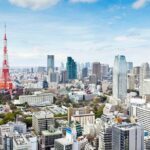
To close, you go to Tokyo Tower. The focus here is an observation deck visit, with time to take in the sights and enjoy the tower’s retro look and architecture.
This is a smart final stop for two reasons. First, you’re already warmed up to walking and transit by the time you reach it. Second, viewpoints work best later in the day when you can see the city layers—what’s near, what’s farther, and how Tokyo’s shapes keep repeating.
The observation deck is also a good moment for photos that don’t require you to be squeezing through crowds at street level. If your legs are tired, this is where you’ll appreciate having a more stable spot to stand and look.
Consideration: Tokyo Tower is an iconic stop, so you may deal with some waiting or crowd flow. Still, it’s one of those places where even simple photos turn out better because the tower is so recognizable.
Price and value: what $166.85 covers, and what you handle yourself

At $166.85 per person, this tour isn’t the cheapest way to see Tokyo. But it can feel fair because several key costs are included.
Included items:
- Local English-speaking guide
- Arashio Beya entry (free admission ticket)
- Tsukiji Outer Market guided time
- Hama Rikyu Gardens admission
- Hama Rikyu tea house tea and sweet
- Zojoji Temple visit plus sutra copying
- Tokyo Tower ticket
- Train fee from Ningyocho to Tsukiji
Not included:
- Food and drink outside the included tea/sweet moment
- Trains and transport before and after the tour
So where does the value come from? You’re paying for access and structure. The sumo training stop has etiquette and timing. Tsukiji without guidance can turn into random wandering. The tea house and sutra copying are experiences you likely wouldn’t stitch together on your own without research. And Tokyo Tower admission is a real cost.
If you’re the kind of traveler who hates planning and rerouting, this tour earns its price. If you’re comfortable building your own day and you’re trying to keep costs tight, you could potentially DIY some of the stops. But you’d still have to solve the “how do I fit it all with transit and entry timing” problem.
Also, this tour seems to get booked ahead: on average about 81 days. If your dates are fixed, plan early rather than hoping for last-minute openings.
Who should book this walking tour (and who should skip it)
This tour is a strong match if you want a balanced day: sumo + market + garden + temple activity + Tokyo Tower in one route with a guide.
It’s also a good choice if you like learning that comes from doing. Watching training is one kind of learning. Copying a sutra is another. The tea house is a third.
Skip it if:
- You can’t handle long outdoor walking segments.
- You need guaranteed sumo training viewing no matter what. The schedule can change, and it’s closed during Grand Sumo Tournament months in January, May, and September.
- You dislike a plan that mixes guided time with free time and group pacing.
Best fit: couples, friends, and anyone who enjoys Tokyo’s variety and doesn’t mind a full day.
Should you book Tokyo Sumo, Sushi, Tea, Temples and Tokyo Tower?
I’d book it if you want one day that feels thoughtfully arranged, not random. The included experiences matter: tea house time, sutra copying, and Tokyo Tower admission turn this from a simple sightseeing walk into something you can talk about later.
I would hesitate if your trip dates line up with the Grand Sumo Tournament weeks, because the sumo training portion may not happen. And if you’re not comfortable with several hours outdoors and on your feet, you’ll likely feel it by the time you reach Tokyo Tower.
If you’re flexible and you’re up for walking, this is a high-value sampler of Tokyo’s traditions and its modern skyline in the same day.
FAQ
What’s the duration of the Tokyo Walking Tour?
It runs about 8 hours 15 minutes.
Where does the tour start and end?
It starts at Hamacho Station and ends near Akabanebashi Station.
Is this tour done by private vehicle?
No. It uses public transport and includes walking outdoors for several hours.
How big are the groups?
The tour has a maximum group size of 15 people.
What’s included in the price?
You’ll get a local English-speaking guide, train fee from Ningyocho to Tsukiji, admission for Hama Rikyu Gardens, the Hama Rikyu tea house tea and sweet, the sutra copying experience, and Tokyo Tower ticket, plus the sumo training and Tsukiji guided time.
Is food included?
No. Food and drink are not included, except the tea and sweet experience at Hama Rikyu Gardens.
Will I definitely see sumo training?
Not guaranteed. The schedule is subject to change, and training is closed during certain Grand Sumo Tournament weeks (January, May, and September).
How do I get tickets?
The tour uses a mobile ticket.
Can I cancel for a full refund?
Yes. You can cancel up to 24 hours in advance for a full refund.
More Tours in Tokyo



More Tour Reviews in Tokyo




More Mornings with the Wrestlers
Fresh reviews from around Tokyo






Sumo Shows, compared.
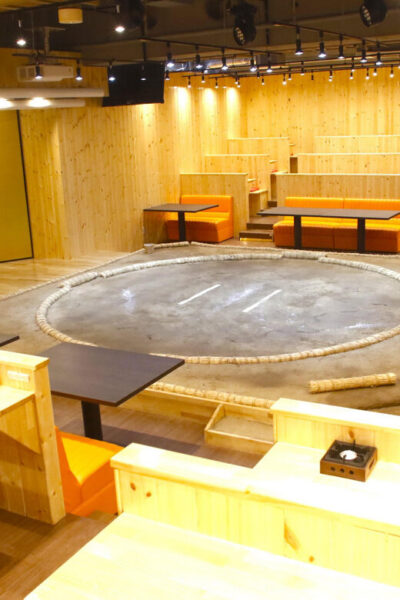 ★ 4.8Sumo Show Experience with Chicken Hot Pot and a PhotoFrom $1036,678 reviews
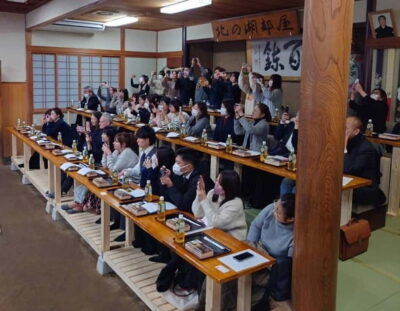 ★ 4.8Sumo Show and Dining ExperienceFrom $792,742 reviews
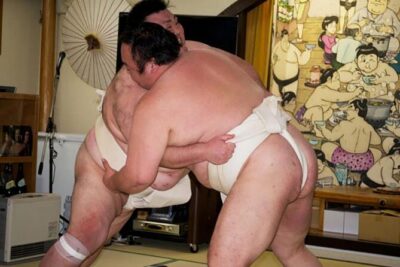 ★ 5.0the SUMO showFrom $891,960 reviews
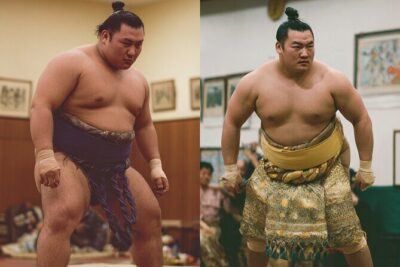 ★ 5.0Tokyo Shinjuku Sumo Show & Experience with PhotoFrom $791,750 reviews
 ★ 4.8Sumo Show and Experience in ShinjukuFrom $691,001 reviews
 ★ 5.0Authentic Sumo Experience in Tokyo: Enter the SanctuaryFrom $171603 reviews
 ★ 4.8Tokyo Sumo Experience: Chanko & Mochi with a Former ProFrom $103567 reviews
 ★ 5.0Ultimate Sumo Tournament: Tokyo, Osaka, Nagoya, FukuokaFrom $184468 reviews
Browse the lists this tour appears in