
Reviewed · TSUKIJI FISH MARKET TOURS
Tokyo Tsukiji Fish Market Food and Walking Tour
Tsukiji is loud, fast, and fascinating. This tour makes it make sense with a smart flow from Tsukiji Hongwanji Temple to the fish markets, and you get admission included along the way. A small group capped at 10 keeps it human-sized, not cattle-herded.
My two favorite parts are the way the guide frames what you’re seeing (history, customs, and etiquette), and the practical eating help—plus digital photos included so you’re not juggling your phone while you’re hunting for the next bite. The main drawback to plan for: food and drinks cost extra, since the tour itself covers the guide, entries, and photos—not what you buy at stalls.
In This Review
- Key things I’d watch for
- Tsukiji in a tight 2-hour walk: why this format works
- Price and value: what $21 buys you (and what it doesn’t)
- Where you start at Tsukiji Station (and how the route is built)
- Stop 1: Hongwanji Temple first, so Tsukiji doesn’t feel random
- Stop 2: Tsukiji Fish Market—history, scale, and etiquette
- Stop 3: Jogai Market—where the street stalls turn into your meal plan
- Small group cap: why 10 people changes everything
- Food planning when tastings aren’t included
- A clever add-on idea if you want more than the tour
- Who this tour is best for (and who should pass)
- The practical checklist: what to bring and how to act
- Should you book this Tsukiji Fish Market walking tour?
- FAQ
- How long is the Tsukiji Fish Market food and walking tour?
- What is the price per person?
- What stops are included on the tour?
- Is admission included?
- Are food and drinks included?
- Are digital photos included?
- What is the group size?
- Where do I meet for the tour?
- Does the tour end where it starts?
- Is free cancellation available?
Key things I’d watch for
- Small-group cap (10 people) for smoother pacing and better questions.
- Hongwanji Temple first, so you learn the mindset before the market noise.
- Admissions included for the temple and both market areas.
- Digital tour photos included, handy when you’re busy eating.
- Insider food stops through Tsukiji’s side markets like Jogai Market.
Still hungry? More Tsukiji breakfasts and market walks
- Tokyo Tsukiji Fish Market Food and Culture Walking Tour★ 5.0 · 3,184 reviews
- Tokyo: Tsukiji Fish Market Food and Walking tour★ 5.0 · 1,724 reviews
- Tokyo: Tsukiji Fish Market Guided Walking Tour★ 4.9 · 1,397 reviews
Tsukiji in a tight 2-hour walk: why this format works
Tsukiji can feel overwhelming even if you love food. You’re stepping into a working system—fish, people, cash-and-carry rhythms—and if you go without a plan you can waste time figuring out where to look and what to ask for.
This tour’s value is that it gives you a clear route with context. You start with a brief temple visit, then you move into the big fish market area, then you end in the Jogai Market, the part that’s packed with everyday street-shops and vendors. In about 2 hours (approx.), you get the district’s “why” plus the “what to eat.”
I also like that it’s designed for a small group. When you’re in a group of 10, you can actually hear the guide and not just mime along while everyone else is moving. You get quick course-corrections: where to stand, how to behave, and what to look for.
Price and value: what $21 buys you (and what it doesn’t)
At $21.14 per person, this tour isn’t trying to replace a full-on meal plan. It’s more like a guided pass into the market world.
Here’s where the money makes sense:
- Local professional guide who can point you toward good stops and explain what you’re seeing.
- Entry/admission included for Tsukiji Fish Market, Tsukiji Jogai Market, and Hongwanji Temple.
- Photos taken during the tour (digital), so you don’t end up with blurry “we were there” pictures.
- Historical insights for the district, which turns a random walk into something you can repeat later on your own.
What’s not included is just as important:
- Food and drinks are not included. That doesn’t make the tour a scam—just be realistic. You’ll still likely buy snacks or try items as you go, guided by what the guide suggests.
If you’re the type who likes to try 4–6 things rather than committing to one huge meal, this price can feel like a bargain. If you expect a fully catered tasting menu, you’ll want to adjust your expectations.
Where you start at Tsukiji Station (and how the route is built)
You meet at Starbucks Coffee – Tsukiji Station at the address listed for Tsukiji, Chuo City (104-0045 Tokyo). The good news: it’s near public transportation, so you’re not doing a long hunt for the correct alley.
The tour ends back at the meeting point. That matters because Tsukiji can be a maze of stalls and side streets. Ending where you started means you’re not trying to navigate your way out while you’re half full and slightly fish-smelling.
One more practical detail: it uses a mobile ticket. So have your phone ready, and double-check your confirmation email when you book.
Stop 1: Hongwanji Temple first, so Tsukiji doesn’t feel random
The tour begins with a quick visit to Tsukiji Hongwanji Temple, a site with more than 400 years of history. It’s only about 15 minutes, but it sets the tone.
Why this matters: markets like Tsukiji aren’t just a food stop. They’re part of a neighborhood’s daily rhythm. Before you step into the fish bustle, the guide explains customs and practices you’ll see tied to local culture. It helps you interpret what you’re looking at instead of treating everything as just a photo opportunity.
You’ll also notice this temple detour makes the whole morning feel calmer. It’s like warming up your brain before you enter the part where your senses go into overdrive.
Tokyo at walking pace, a few more ways
Stop 2: Tsukiji Fish Market—history, scale, and etiquette
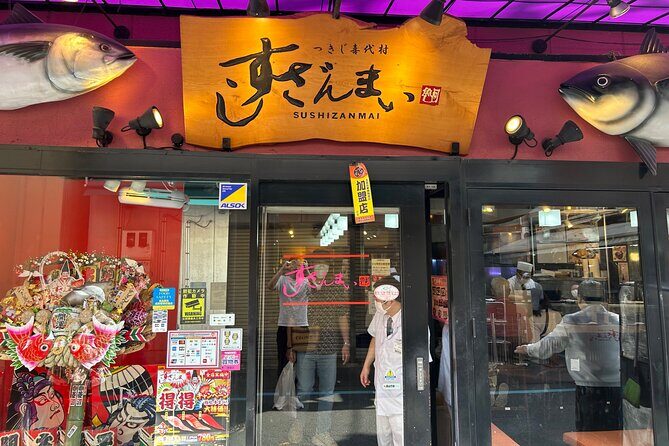
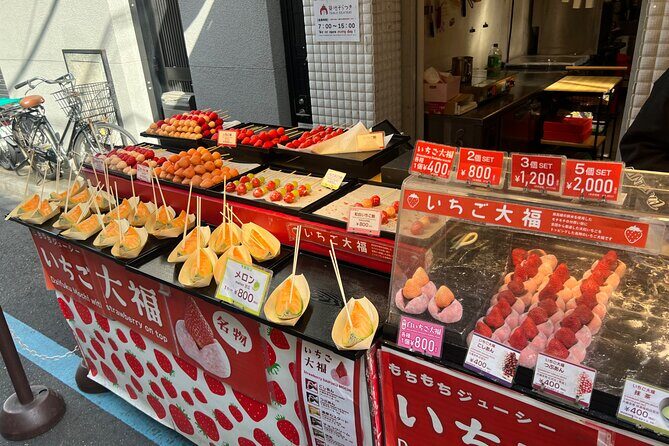
Next is Tsukiji Fish Market for about 50 minutes. This is the zone people picture when they hear the name Tsukiji: long lines of activity, vendors, and the sheer scale of seafood being sold.
The guide explains Tsukiji’s 80-year history as the biggest fish market in Japan and the world. That historical context is more useful than it sounds. When you understand the market’s role, you’re more likely to ask the right questions—like how tuna cuts are discussed, or why some items are treated differently.
I also appreciate the emphasis on customs and etiquette. Even without getting overly formal, basic behavior keeps your visit smooth and respectful. If you’ve ever felt awkward at a market because you don’t know what’s expected, this part helps.
What you may experience here:
- Walk-through access that lets you see the range of seafood.
- Explanations tied to what vendors are offering.
- A chance to orient yourself before you hit the more shop-heavy stretch next.
Stop 3: Jogai Market—where the street stalls turn into your meal plan
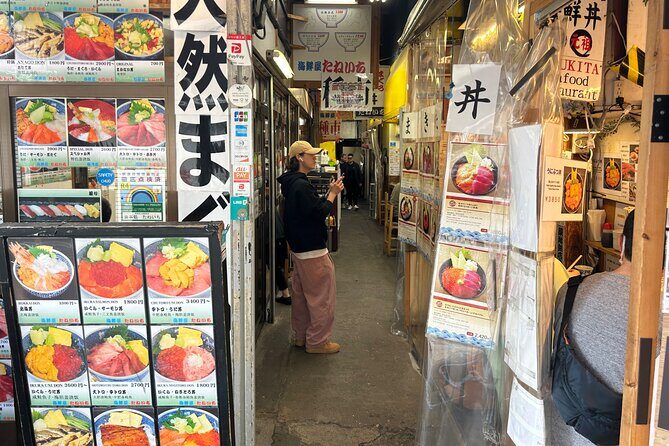
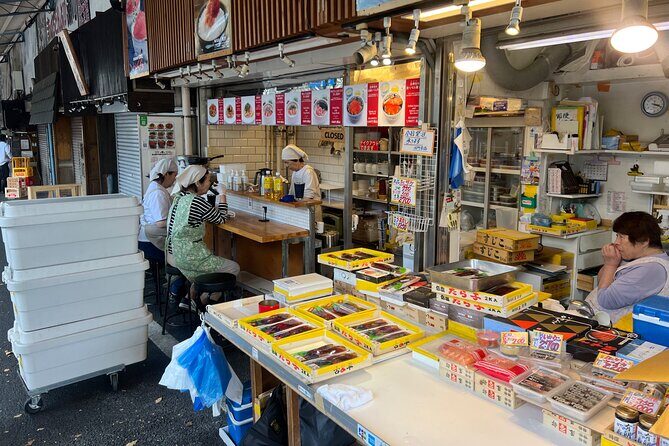
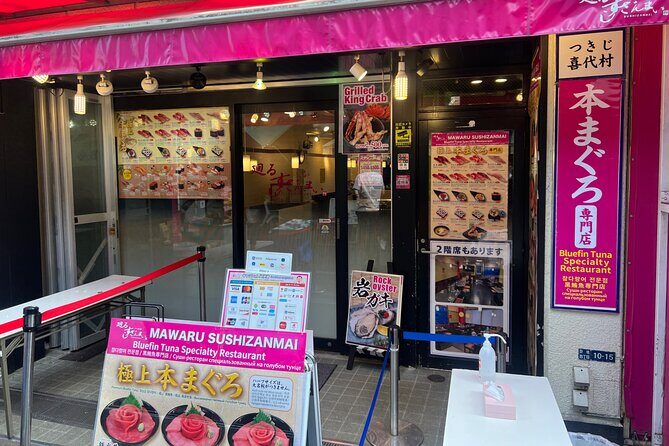
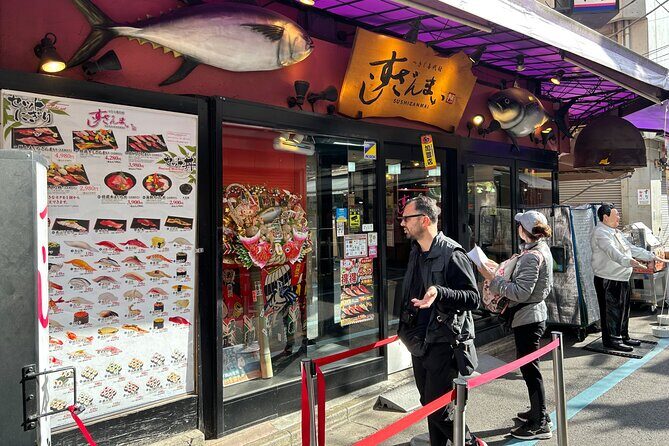
The tour’s second market stop is Tsukiji Jogai Market, also about 50 minutes. This area is described as having 400 street shops and vendors, which is exactly what you want if your goal is to eat your way through Tsukiji’s reality, not just observe it.
This is where the guide’s “insider tips on the best places to eat” really pays off. You’re surrounded by sellers, but not every counter is equally good for your interests, your budget, or your spice tolerance. A guide helps you aim instead of wandering in circles.
From the kind of foods people talk about on this tour, you can expect the chance to consider items such as:
- Sushi
- Oysters
- Japanese rolled omelet
- Eel
- Wagyu beef
- Sweet treats
- And even drinks like whiskey in some stalls (depending on what’s available)
One helpful nuance from the guide experience on this tour: the explanations often go beyond “this is tuna” into the type-of-cut conversation. People note learning about wagyu types and tuna cuts, which makes your choices feel smarter.
Also, keep your pace. Jogai Market rewards curiosity, but if you move too fast you’ll miss what you actually wanted. The small-group format helps here because the guide can slow you down at the right spots.
Small group cap: why 10 people changes everything
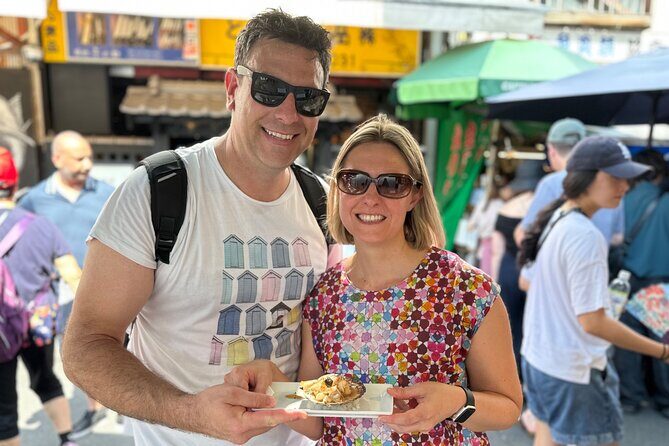
A maximum of 10 travelers might sound like marketing fluff, but in a market it really matters. Smaller groups mean:
- You’re not constantly stopping and starting around strangers.
- Questions aren’t competing with 30 other voices.
- The guide can tailor suggestions to what you like (or what you don’t).
This also affects your comfort. In tight spaces, you want room to turn, step aside, and look. With 10 people, it’s more doable.
It also creates a better vibe for learning. Guides often work in different styles—some are very history-forward, others are more food-first—but with a smaller group, their personality and teaching style land better. Several guides have led tours on this route, including Yayoi, Shino, Shingo, Doren, Jim, Hayden, Andreas, Nao, and Yota—and the common thread is clear guidance and helpful suggestions.
Food planning when tastings aren’t included
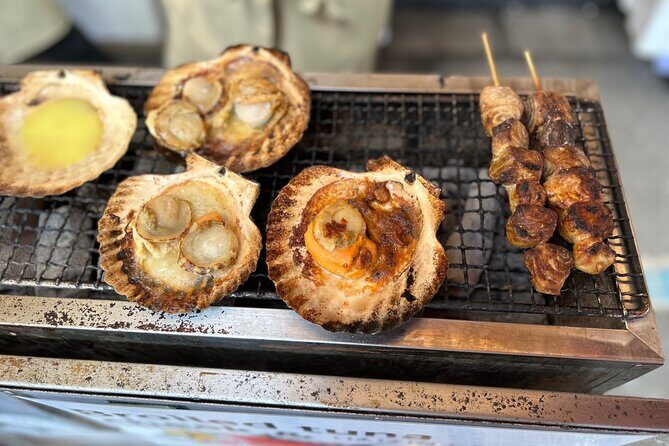
Here’s the part you should plan for in advance: food and drinks are not included. That means your budget should include snack money if you want the full experience.
If you tend to get overwhelmed by market menus, I’d copy a simple strategy:
- Decide what you want to try in categories: seafood (like sushi or oysters), something warm (like eel or omelet-style items), and something sweet.
- Let the guide steer you to shops that match your choices.
- Don’t over-commit. In a market, you’ll keep finding new things you want.
A practical tip based on what people recommend: come hungry. This is one of those tours where you can easily leave with your stomach asking for a break, which is a good problem to have.
Another common smart move is skipping breakfast if you booked an early start. You can save money and eat more thoughtfully, since you’re not trying to squeeze market food on top of a full morning meal.
A clever add-on idea if you want more than the tour
One extra idea that came up: after you’ve walked through the market, you might be able to buy food at the back of the market and rent a grill on top for a unique experience. That’s not part of what the tour includes, so treat it like a lead to investigate with the local vendors on the day.
If you do something like this, do it with common sense:
- Ask what’s possible first (some things change).
- Make sure you’re comfortable with timing.
- Plan it as your own post-tour activity, not a requirement.
Who this tour is best for (and who should pass)
This tour is ideal if you:
- Want a guided Tokyo food experience without spending hours researching.
- Like learning etiquette and context, not just eating.
- Prefer a small-group walk over a large-group scramble.
- Want photos taken during the tour as a bonus.
It’s less ideal if you:
- Want a fully included tasting menu where you never pay for anything.
- Don’t like seafood or aren’t open to buying small snacks.
- Need lots of downtime. This is a walking tour through markets with active vendor areas.
Most travelers can participate, and it runs near public transport, which helps if you’re juggling other Tokyo plans.
The practical checklist: what to bring and how to act
A market day is easiest when you’re prepared. I’d show up with:
- Comfortable shoes. You’ll be walking and standing for parts of the stops.
- A phone with enough battery, since you’ll get digital photos and you’ll want them immediately.
- An appetite for snacks, even if you’re not planning a full lunch.
And remember the tone of the Hongwanji Temple stop: quiet respect before you shift into market energy. It’s a small thing, but it improves the whole day.
Should you book this Tsukiji Fish Market walking tour?
If you’re trying to decide, I’d book this if your goal is a high-efficiency Tsukiji introduction: temple context, market history, and a shop-heavy finish in Jogai Market, all with admission included and digital photos.
I wouldn’t book it if you want zero extra spending for food, or if you already know Tsukiji so well that you don’t need a guide to translate what you’re seeing. But for most first-timers who want something structured and not exhausting, this tour is a solid value.
The big winning combo is simple: small group + entry included + a guide who helps you eat well. Plan to buy your own bites, show up hungry, and you’ll leave with Tsukiji less like a blur and more like a story you can tell.
FAQ
How long is the Tsukiji Fish Market food and walking tour?
It lasts about 2 hours.
What is the price per person?
The price is $21.14 per person.
What stops are included on the tour?
You visit Tsukiji Hongwanji Temple, then Tsukiji Fish Market, and then Tsukiji Jogai Market.
Is admission included?
Yes. Entry/admission to Tsukiji Fish Market, Tsukiji Jogai Market, and Hongwanji Temple is included.
Are food and drinks included?
No. Food and drinks are not included.
Are digital photos included?
Yes. Photos taken during the tour are included.
What is the group size?
The tour is capped at a maximum of 10 travelers.
Where do I meet for the tour?
You meet at Starbucks Coffee – Tsukiji Station, Japan, 104-0045 Tokyo, Chuo City, Tsukiji, 2-chōme128 大広ビル 1F.
Does the tour end where it starts?
Yes. It ends back at the meeting point.
Is free cancellation available?
Yes. You can cancel for a full refund up to 24 hours in advance of the experience start time.
More Tours in Tokyo




More Tour Reviews in Tokyo




Back to the Market: More Tsukiji Tours


Fresh reviews from around Tokyo






Tsukiji Fish Market Tours, compared.
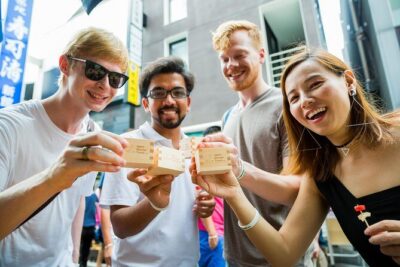 ★ 5.0Tokyo Tsukiji Fish Market Food and Culture Walking TourFrom $993,184 reviews
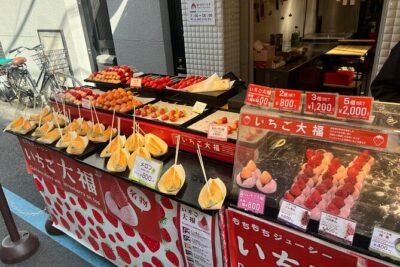 ★ 5.0Tsukiji Fish Market Food and Walking tourFrom $301,724 reviews
 ★ 4.9Tsukiji Fish Market Guided Walking TourFrom $221,397 reviews
 ★ 5.0Tokyo Sushi Making Class in Tsukiji with Professional ChefFrom $491,177 reviews
 ★ 5.0Tsukiji Fish Market Guided Tour and Sushi Making with Pro ChefFrom $104775 reviews
★ 4.7Tsukiji Fish Market Food and Culture Walking TourFrom $96757 reviews
★ 5.0Tsukiji Fish Market Guided Tour and Sushi Making with Pro ChefFrom $104775 reviews
★ 4.7Tsukiji Fish Market Food and Culture Walking TourFrom $96757 reviews
 ★ 5.0Tsukiji Fish Market: Street Food & Culture Walking TourFrom $33669 reviews
 ★ 5.0Tsukiji Fish Market Small-Group Food Walking TourFrom $87621 reviews
Browse the lists this tour appears in