
Reviewed · SHINJUKU BAR HOPPING
Tokyo Shinjuku Sumo Show and Experience with Drinks and Photo
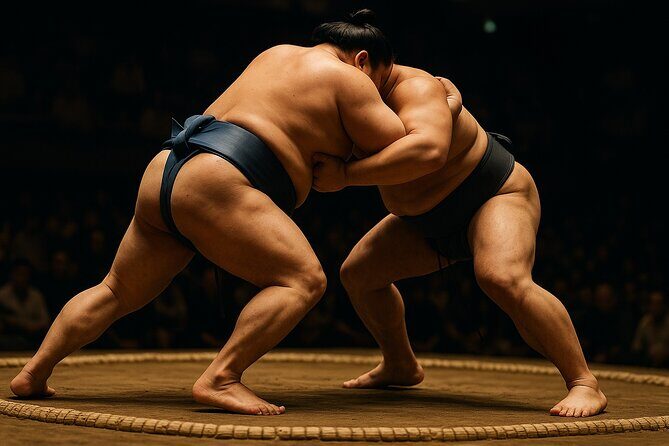
Step into sumo without the long arena day. This 90-minute Shinjuku Sumo Club experience brings you right up to the ring, with limited seating so you see what matters. I love that it is interactive, not just sit-and-watch, including the Sumo Challenge where you step into the action. I also love the clear bilingual storytelling from the MC (including announcer Manny in the show notes I saw), which makes rules and rituals easy to follow. The one thing to consider: because it is staged for a small club setting, some people feel the in-ring bouts can feel brief compared with a full tournament atmosphere.
It is also a good fit if you want your Japan evening to mix sport with personality. You’ll end with a photo session and meet-and-greet, and the inclusive drink is a simple bottle of water (other drinks are for sale). Since the program is capped at about 50 people, it can feel a bit like a tight show with big laughs, but that is also what keeps it personal.
In This Review
- Key things to know before you go
- Up Close Sumo in Shinjuku: why this club setup works
- The meeting point and first impression at Ōkubo, Shinjuku
- Sitting by the ring: what the dohyo experience is really like
- The show flow: demonstrations, commentary, ceremonies, and Q&A
- The Sumo Challenge: stepping into the ring (and why it’s worth it)
- Drinks and photos: the included bottle, plus what costs extra
- Price and value at $70 for 90 minutes
- Who this suits best (and who should choose differently)
- Should you book the Shinjuku Sumo Club show?
- FAQ
- How long is the Shinjuku sumo show?
- How many people are in each show?
- Is the show in English for non-Japanese speakers?
- Do you get a photo with the wrestlers?
- What drink is included in the price?
- How do tickets work?
- What is the cancellation policy?
Key things to know before you go
- Small club, about 50 seats, so you are close to the dohyo
- Bilingual MC explains sumo rituals and what you are seeing
- Sumo Challenge lets you try a fun strength moment in the ring
- Wrestler photo session and meet-and-greet at the end
- A bottle of water is included, with additional drinks available for purchase
- Mobile ticket and confirmation at booking, with the activity ending at the same meeting point
Different nights, same neon: more Shinjuku crawls
- Tokyo: Shinjuku Food Tour (13 Dishes at 4 Local Eateries)★ 5.0 · 6,603 reviews
- Tokyo Bar Hopping Tour in Shinjuku (All-You-Can-Drink + Dinner)★ 5.0 · 3,587 reviews
- Tokyo: Shinjuku Food Tour (15 Dishes and 4 Eateries)★ 4.9 · 2,033 reviews
Up Close Sumo in Shinjuku: why this club setup works
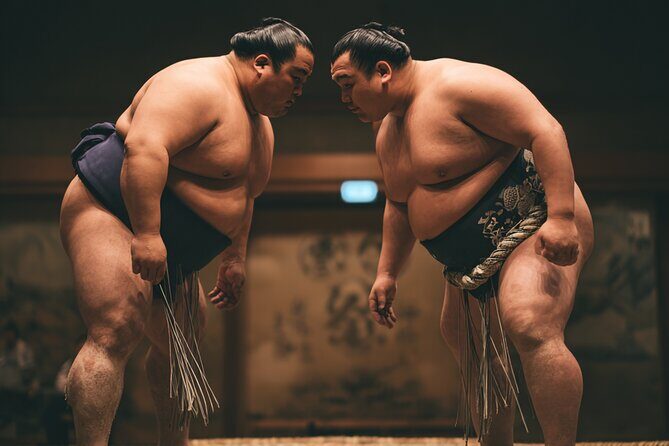
If you like the idea of sumo but dread the scale of tournament logistics, this is the kinder alternative. The Shinjuku Sumo Club is built around one concept: every seat should have a real view of the ring. With a small crowd (maximum around 50), you are not squinting from far away. You are watching the stance, the footwork, and the rhythm that you would normally only catch in person at major events.
This format also changes the vibe. Official tournaments can feel like sports theater: big building, bigger crowd, and you mostly spectate. Here, the show is paced for international visitors. You get explanations and audience participation that make the sport feel readable, not mysterious. That is a huge value even if you already know the basics of sumo.
The downside is also part of the format. Because it is a club show, you should expect demonstrations and shorter bouts rather than the long, drawn-out feel of a tournament. If you are going specifically for non-stop match time, you may feel a little short-changed.
The meeting point and first impression at Ōkubo, Shinjuku
You meet at SEKISAKU BLDG., 2-chōme 522 Ōkubo, Shinjuku City, Tokyo (Japan, 169-0072). The activity ends back at the meeting point, so you do not need to figure out a new location at the end.
This area is in central Shinjuku territory, and the tour states it is near public transportation. That matters because Shinjuku traffic can be a maze. Plan to arrive a bit early so you can settle in before the MC starts the intro. A small venue runs on timing, and being late usually means you miss the first explanations.
One practical note: there is an elevator to the floor according to a guest’s experience. If stairs look intimidating when you first arrive, you may have an easier option than you expect. Still, I’d keep an eye out when you enter the building so you know where the elevator is before you commit to stairs.
Sitting by the ring: what the dohyo experience is really like
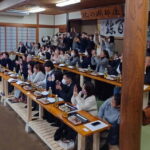
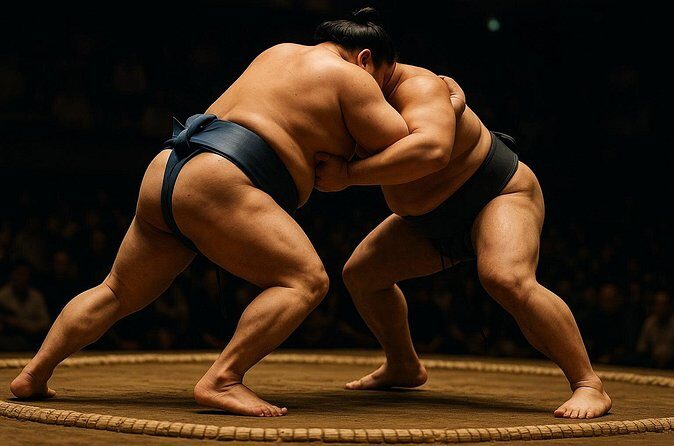
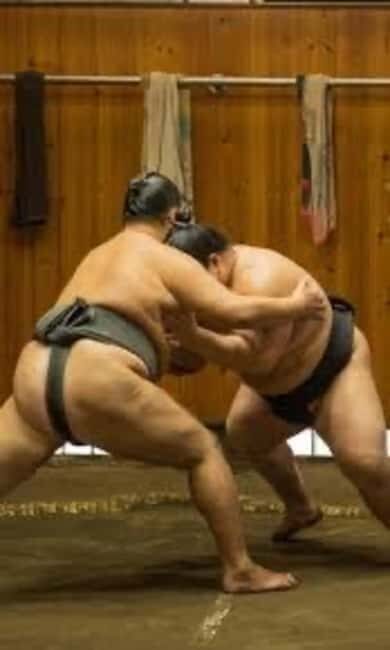
When you arrive, you take your seat around the dohyo, the sumo ring. The design is straightforward: wherever you land, you have a clear view. That is not a small detail. Sumo is a visual sport, and the tiny shifts in balance can be the difference between understanding and not understanding. Being close helps you notice the setup before contact, like how wrestlers square up and how quickly they commit once the action starts.
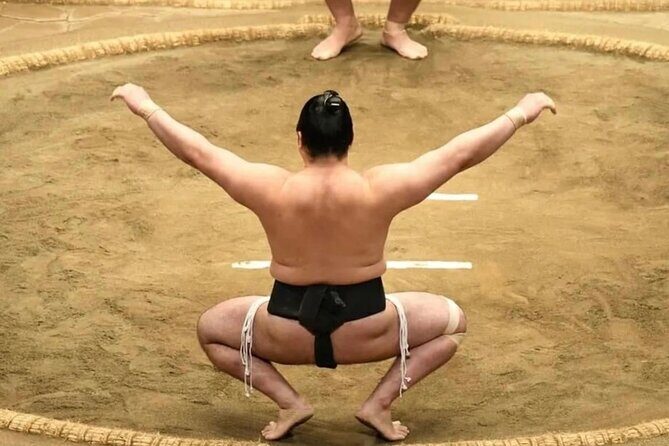
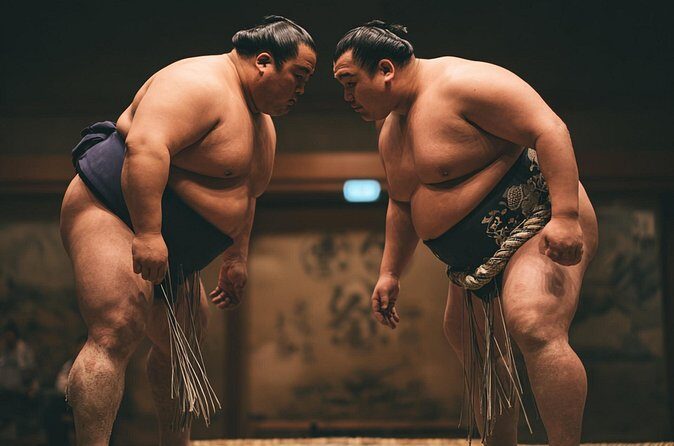
The show begins with a bilingual MC who brings the sport’s traditions to life. This is where the experience becomes more than entertainment. The MC walks you through rituals and meanings you might otherwise miss, such as salt throwing and training culture. If you have never seen sumo before, this is the part that makes the rest click.
Even if you’ve watched sumo on TV, you may pick up new context. A good MC turns the sport from movement into meaning. It gives you vocabulary so you can follow what happens when it happens.
The show flow: demonstrations, commentary, ceremonies, and Q&A
This is a single 1.5-hour program that cycles through several segments, not one endless bout. The structure is designed for attention and understanding:
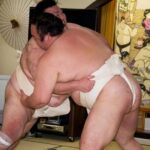
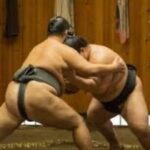
First, you watch professional wrestlers demonstrate powerful bouts. There is live commentary that explains moves and what you are looking for. For many first-timers, this is the make-or-break element. Without explanations, sumo can feel like sudden chaos. With commentary, you start seeing the strategy.
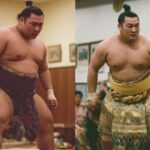
Then, the program continues with additional matches and traditional ceremonies. The intent is to show that sumo is not only sport. It is also ritual, discipline, and performance culture. You also get a chance for Q&A. That gives you permission to ask the basic questions you might feel shy about in a bigger setting.
One thing to watch for: some guests felt the pacing leaned more toward quick, staged bouts than a long run of full-length matches. That does not make it bad, but it does mean you should go in with the mindset of a show that teaches you, not a tournament substitute that replicates tournament time.
More chances to sit ringside
The Sumo Challenge: stepping into the ring (and why it’s worth it)
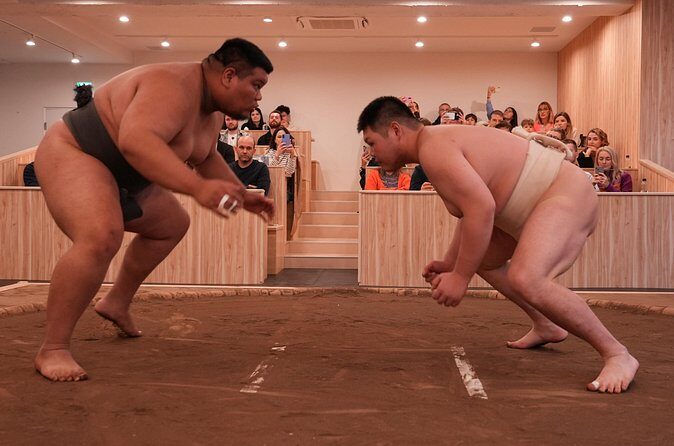
This is the segment that most people remember, and it’s easy to see why. After watching, you step into the ring for the Sumo Challenge. You try a strength-based challenge designed for audience participation. You are not expected to be a wrestler. The goal is fun plus a little shock at how physical it feels once you’re standing in the ring.
From a value perspective, this matters because it converts “watching” into “doing.” That is the difference between a normal show and an experience you can brag about later without sounding like you bought it for the photos.
You also get photos with real wrestlers at the end, and the meet-and-greet keeps things friendly. Several guests highlighted that the wrestlers were engaging and comical, which matches what you want from an audience-centered program. If you are nervous about being awkward in a small setting, this is one of those formats where the atmosphere is usually built to help you loosen up.
If you care about the photos, arrive prepared to move quickly when your turn comes. In a room with a small crowd, time goes fast.
Drinks and photos: the included bottle, plus what costs extra
The price is $70 per person, and the inclusive drink is a bottle of water. That is good to know because one low-key expectation mismatch can ruin the mood.
Other drinks are for sale, so if you want something more than water, plan on paying extra. It is still a fair approach for a short show, but I like to flag it clearly so you are not surprised later. This is also why the included drink should not be judged as a “bonus meal.” It’s simply hydration for the program.
On the positive side, the show’s ending is built around photo time and meet-and-greet, which is where the intimacy pays off. In bigger venues, getting a good photo can be chaos. In a club with about 50 seats, it’s more likely you’ll actually get the picture without wrestling your way through a crowd.
Price and value at $70 for 90 minutes
Let’s talk money like adults.
$70 is not a bargain price, and if you compare it to free entertainment or cheap museum entry, it will feel pricey. But you are paying for three things you generally cannot replicate on your own: a bilingual guided explanation, a small-ring access experience, and wrestler interactions including a photo session.
For me, the value comes from the combination. You get:
- a guided understanding of sumo rituals and what’s happening in the ring
- participation through the Sumo Challenge
- structured photo and meet-and-greet time
If you want a purely passive sport exhibition, you might feel the price is steep. If you want an evening that teaches you and gives you something to do, it starts to make more sense.
There’s also a clear audience limitation (up to 50). Limited seating usually costs more per person, but it’s also what keeps you close enough to learn. That is a real trade-off: fewer seats, higher price.
Who this suits best (and who should choose differently)
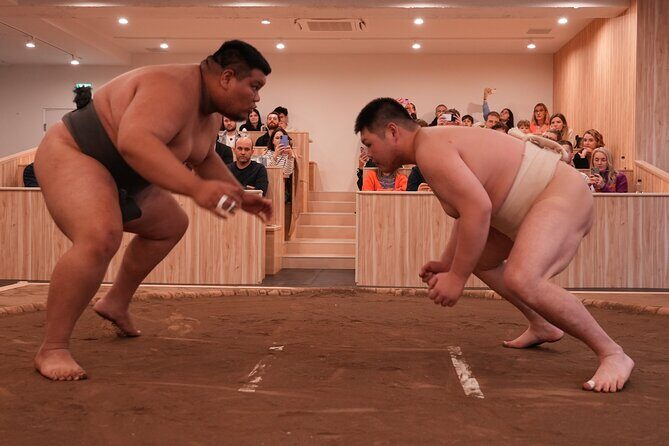
This works best for people who want an easy, guided entry into sumo. It’s especially good if you’re:
- new to sumo and want the rituals explained clearly in English
- traveling with people who want a fun, interactive night, not a lecture
- hoping for photos and direct interaction in a controlled setting
It may not fit if your main goal is watching long, uninterrupted bouts like you’d see at a major event. Because the show is club-sized, some in-ring segments may feel short, and the tone can feel a little staged. That does not mean it is fake, but the format is tuned for an international audience.
One more check for your expectations: a guest noted that the only Japanese people on staff were the wrestlers. That’s a perspective call. If seeing broader local staff and deeper neighborhood context is your top priority, you might feel the cultural layer is lighter than you expected.
Should you book the Shinjuku Sumo Club show?
I think you should book this if you want a close-up, guided intro to sumo with real participation and photos at the end. The small crowd and ring-side seating are the core advantages, and the bilingual MC makes the sport feel understandable instead of random.
I would hesitate if you’re paying mainly for nonstop wrestling time. Go with the mindset that this is a show + education + interaction, not a tournament day replacement.
If you like your Japan nights practical and memorable, this delivers that. Just set your expectations for the included drink (water) and understand why the show is priced for a small, intimate setting. Then you’ll get what you came for: sumo up close, with the ring experience and the wrestler photos you’ll actually want to keep.
FAQ
How long is the Shinjuku sumo show?
The program runs about 1 hour 30 minutes.
How many people are in each show?
The experience has a maximum of about 50 travelers, and seating is limited to a small number of guests.
Is the show in English for non-Japanese speakers?
Yes. A bilingual MC leads the experience and explains the sport and rituals.
Do you get a photo with the wrestlers?
Yes. The program concludes with a photo session and a meet-and-greet.
What drink is included in the price?
The inclusive drink is a bottle of water. Other drinks are available for purchase.
How do tickets work?
You receive a mobile ticket, and confirmation is received at the time of booking.
What is the cancellation policy?
You can cancel for a full refund if you do it up to 24 hours in advance. If you cancel less than 24 hours before the start time, the amount paid is not refunded.
More Tour Reviews in Tokyo






More Mornings with the Wrestlers
Shinjuku After Hours: The Other Crawls

Fresh reviews from around Tokyo






Shinjuku Bar Hopping, compared.
 ★ 5.0Shinjuku Food Tour (13 Dishes at 4 Local Eateries)From $866,603 reviews
 ★ 5.0Tokyo Bar Hopping Tour in Shinjuku (All-You-Can-Drink + Dinner)From $1063,587 reviews
 ★ 4.9Shinjuku Food Tour (15 Dishes and 4 Eateries)From $852,033 reviews
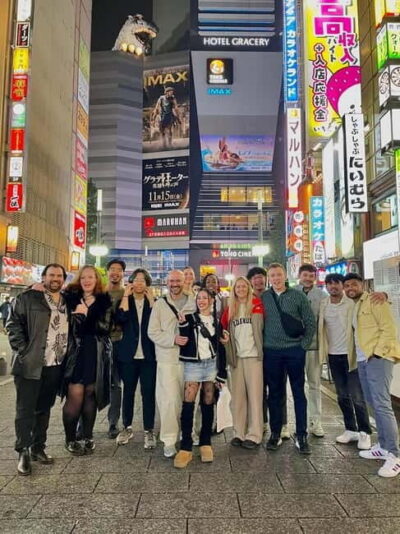 ★ 4.9Shinjuku Local Bar and Izakaya Guided Walking TourFrom $341,794 reviews
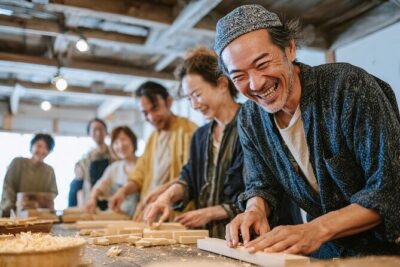 ★ 5.0Tokyo Shinjuku Chopsticks Making ClassFrom $201,763 reviews
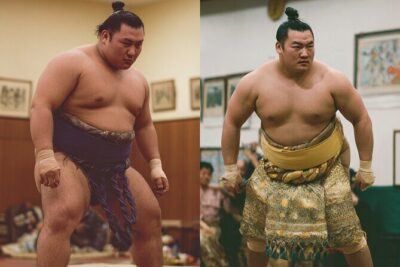 ★ 5.0Tokyo Shinjuku Sumo Show & Experience with PhotoFrom $791,750 reviews
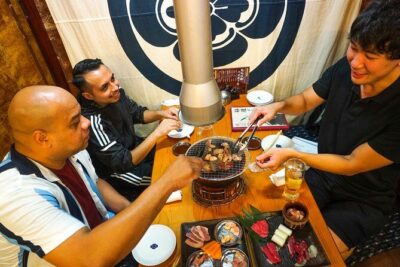 ★ 5.0Tokyo Night Foodie Tour in Shinjuku – Seasonal Sushi, Wagyu BeefFrom $1111,161 reviews
 ★ 4.8Sumo Show and Experience in ShinjukuFrom $691,001 reviews
Browse the lists this tour appears in