
Reviewed · ASAKUSA TOURS
Asakusa: TOKYO SKYTREE Exploration after History Tour
Asakusa and Skytree in one smooth afternoon. You get a guided walk through classic temple-and-shopping streets, then a train hop up to Tokyo Skytree with tickets included for both observation decks. I love how the route is tight enough to finish in about 3.5 hours, and I love that the biggest “what if it sells out” item is handled for you with the Skytree combo ticket. One consideration: the Skytree ticket date is locked after purchase, so if your plans shift, you may be stuck with the booked day.
The tour also keeps things personable. With a max group size of 8, you’re not shouting over crowds, and for groups of 3 or more, headsets are provided so you can actually hear the guide while moving between stops. Guides on past departures (including Taka, Junko Yamashita, Sue, and Keiko) are repeatedly praised for clear explanations and a pace that doesn’t feel rushed.
You’ll start near Kaminarimon at 1:30 pm and end at the Skytree complex. Along the way, the highlights are the big names—Sumida Park, Kaminarimon, Nakamise shopping street, Hozomon, Sensō-ji, and Asakusa Shrine—then you finish with about an hour around Skytree’s shops and dining plus time on the upper and lower decks.
In This Review
- Key highlights to know before you go
- Why this Asakusa-to-Skytree route works in 3.5 hours
- Sumida Park to Asakusa’s culture center: setting context fast
- Kaminarimon gate and Nakamise street: symbols, dragons, and shopping with meaning
- Hozomon and Sensō-ji: how the guide turns prayer into something you understand
- Asakusa Shrine: Shinto and Buddhism in the same space
- Tokyo Skytree: included upper and lower decks plus a shopping window
- Price, group size, and what the $118 is really paying for
- Logistics that matter: start time, pacing, and weather reality
- Who should book this Asakusa and Skytree tour
- Should you book? My honest take
- FAQ
- What time does the tour start and how long is it?
- Where do I meet the guide?
- What’s included for Tokyo Skytree?
- Is the train fare included when going from Asakusa to Skytree?
- Do I need to buy Skytree tickets in advance?
- How big is the group?
- Does the tour include audio support?
- Where does the tour end?
Key highlights to know before you go
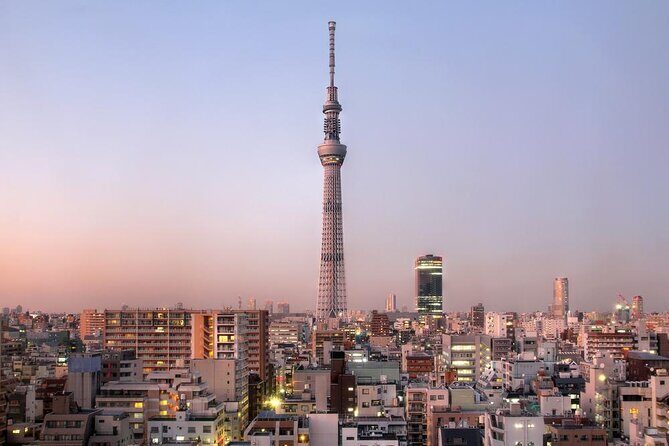
- Small group (up to 8) for easier questions and a calmer pace in busy Asakusa.
- Skytree combo tickets included for both upper and lower observation decks.
- Headsets for groups of 3+ so the guide stays audible while you walk.
- A smart “story arc” from isolation-era Japan at Sumida Park to religion and symbols around Sensō-ji.
- Nakamise shopping street time that’s built into the flow, not an add-on scramble.
- About 3.5 hours total, starting at 1:30 pm and ending at Skytree.
More mornings around Senso-ji and the old town
- Tokyo: Japanese Dance Cabaret Theater Asakusa-Kaguwa Ticket★ 4.8 · 2,270 reviews
- Tokyo: Asakusa Walking Tour with Sensoji Temple Visit★ 4.8 · 1,583 reviews
- Tokyo Asakusa Rickshaw Tour★ 5.0 · 1,375 reviews
Why this Asakusa-to-Skytree route works in 3.5 hours
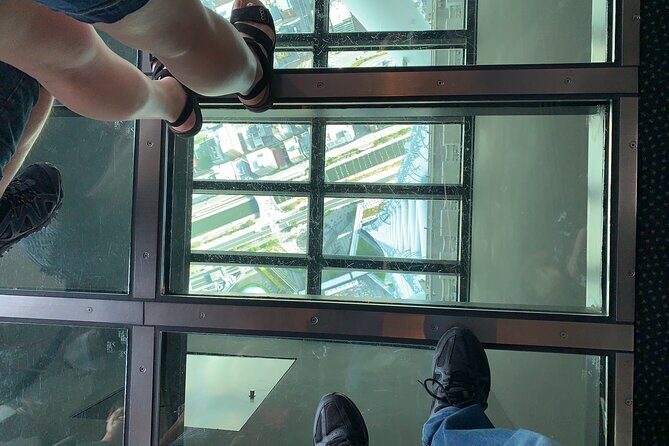
This is one of those rare Tokyo combos that feels efficient without turning into a sprint. In a half-day window, you cover the most famous Asakusa landmarks plus the one towering skyline stop many people put on their list: Tokyo Skytree.
The value here is not just that you “see two attractions.” It’s the sequence. The Asakusa part gives you context for what you’re looking at—temple gates, religious symbols, and the way Shinto and Buddhism overlap in daily life. Then Skytree lands as a change of pace: you go from walking streets and prayer spaces to a wide-open city view.
Also, because you’re in a small group, the guide can slow down when it matters and speed up when it doesn’t. That matters a lot around Sensō-ji area, where lines and crowd flow can make independent exploring feel harder than it should.
Sumida Park to Asakusa’s culture center: setting context fast
You begin along Sumida River at Sumida Park, and the tone is historical right away. You’ll hear the story behind Japan’s isolation period under the Edo shogunate—an era lasting over 200 years—and how the Netherlands were one of the few windows to the outside world. It’s a great start because it frames later scenes: when you understand why Japan closed off and then opened, the cultural mix around the city feels less random.
From there, you move to the Asakusa Culture Tourist Information Center, where the guide lays out Japan’s two major religions—Buddhism and Shinto. This is useful in a very practical way. When you reach the temples and shrines later, you’ll recognize that you’re not just seeing buildings. You’re seeing systems of meaning, from what people pray for to how sacred spaces are arranged.
The stops here are short—around 20 minutes each—so you’re not stuck in museums. It’s more like getting the map in your head before you walk the streets.
Kaminarimon gate and Nakamise street: symbols, dragons, and shopping with meaning
Next comes Kaminarimon, the iconic gate that anchors Asakusa. The guide uses it to talk about symbolism—like the contrast in dragon imagery between Japan and the West. It’s the kind of detail you’d skip if you just took photos, but it sticks because the gate itself is right there.
Then you get time on Nakamise Shopping Street, typically one of the most fun parts for first-timers. You’ll be strolling one of the older shopping lanes leading toward Senso-ji, and the guide connects what you see to cultural ideas. For example, you’ll hear about Buddhist symbols such as the vajra (tokko), and how ukiyo-e woodblock prints helped shape the visual culture that people still recognize today.
The shopping time is about 40 minutes. That’s long enough to browse snacks and small souvenirs, but short enough that you won’t feel trapped. My advice: treat this as browsing time rather than a shopping marathon. Decide what you really want before you’re pulled into the middle of the crowd.
One small drawback to consider: if you’re the type who likes to linger and repeat your favorite photo spots, you might feel the street time is controlled. The upside is you stay on pace for the later temple areas and Skytree.
Hozomon and Sensō-ji: how the guide turns prayer into something you understand
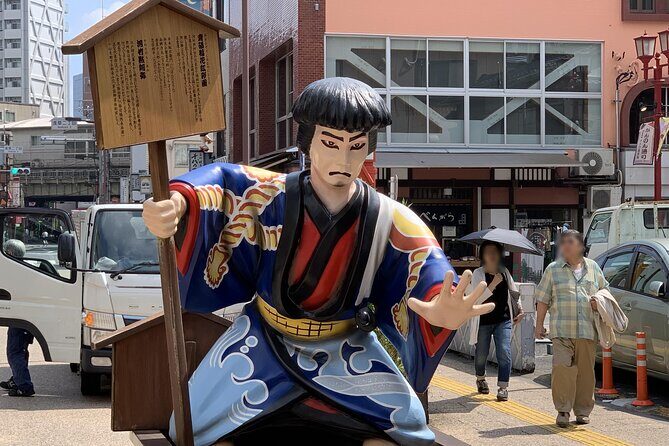
Two big temple stops come back-to-back: Hozomon and Senso-ji (Sensō-ji). At Hozomon, the guide highlights a comparison between how people in Japan and the West thought about things roughly 1,000 years ago. It’s not a lecture that tries to prove a point. It’s more about helping you notice patterns and similarities so the sights don’t feel like random tourist scenery.
Then you reach Sensō-ji, the oldest Buddhist temple in Tokyo. Here, the guide focuses on prayer and religion without flattening it into a single explanation. You’ll hear how prayer works differently in Buddhism and Shinto, which helps you interpret what you see when worshippers are performing rituals and when priests or staff are involved.
These stops are each about 15 minutes, which sounds brief until you realize how much ground the tour covers. In a controlled time window, the guide’s role is to point out what matters so your time inside the complex doesn’t disappear.
Tip for the visit: while you’re there, try to watch where people focus their attention—offering behaviors, where they line up, and how they move. Even without joining in, you’ll understand the space more quickly.
More paths into old Tokyo

Asakusa Shrine: Shinto and Buddhism in the same space
At the end of the walking portion, you finish with Asakusa Shrine, where Shinto and a Buddhist temple share the same grounds. The tour explains that this peaceful coexistence has lasted for over a millennium.
This stop is a nice “wrap-up” before you shift to modern Tokyo at Skytree. It also helps clear up a common first-timer confusion: Japan’s religious life isn’t always separate and tidy. It’s layered, and you’ll see it in how the sites are arranged and how worshippers share the space.
The stop is short—about 15 minutes—so don’t plan to do a full deep reading of everything on-site. Instead, treat it like a final anchor: you should leave feeling you understand why the area’s religious identity feels interwoven, not compartmentalized.
Tokyo Skytree: included upper and lower decks plus a shopping window
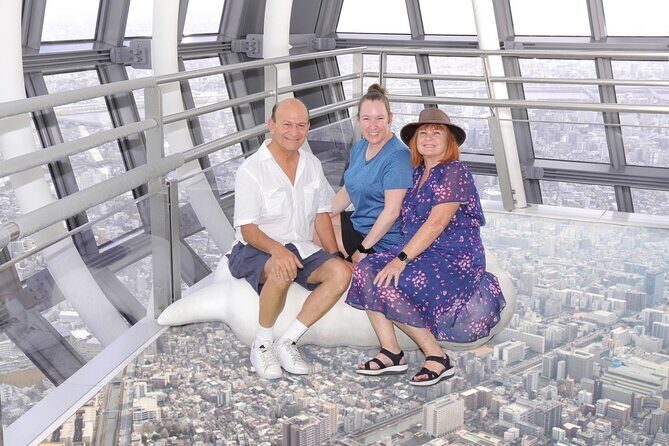
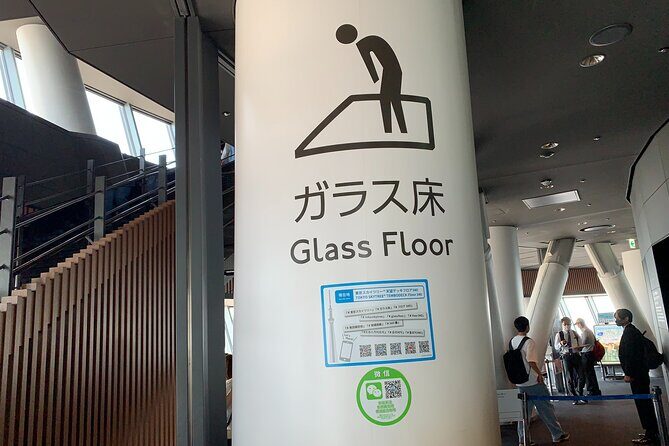
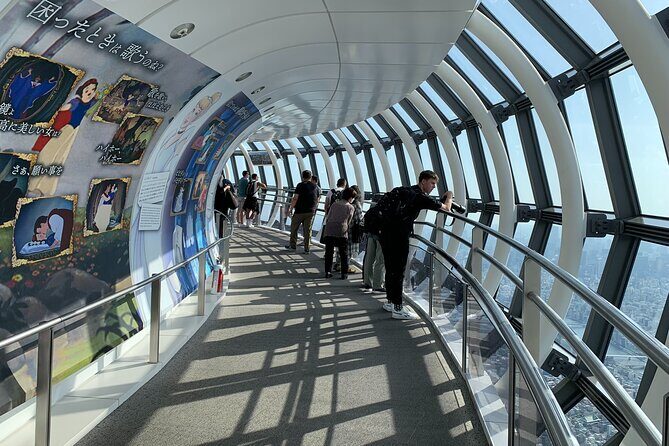
After Asakusa, you take a train to Tokyo Skytree. The guide handles the movement; you do need to cover the train fare (JPY 160 from Asakusa Station to Tokyo Skytree Station). Once you arrive, you get the Skytree combo ticket for the upper and lower observation decks.
This is the part many people actually care about most—seeing Tokyo from above—but the tour improves the experience by giving you time to reset. You’re not racing on arrival. You get about an hour in the Skytree area, including time for shops and dining below the observation decks.
What this means for you: even if you’re not the type who loves “ticketed views,” you can use the hour for photo breaks, snacks, and browsing. If you do love the views, prioritize one good deck first, then decide whether the second deck adds a different angle you’ll appreciate.
Another practical note: Skytree entry tickets sell quickly. The provider purchases them as soon as you book, which is great for avoiding disappointment, but it also means your date is essentially tied to your booking. This tour works best when your schedule is firm.
Price, group size, and what the $118 is really paying for
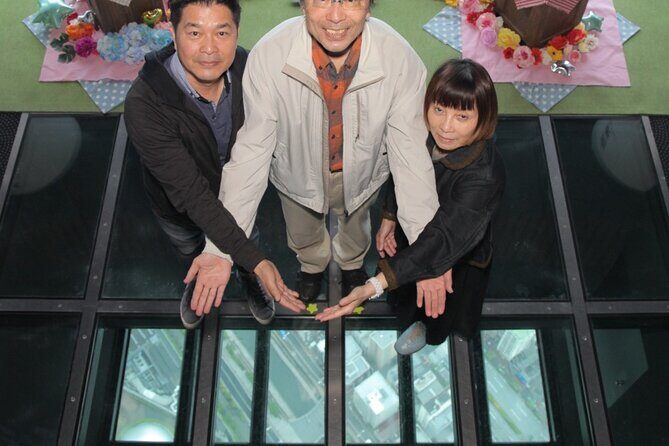
At $118.24 per person, this isn’t a budget-only walking tour. The reason the price can still feel fair is that the most expensive part—the Skytree combo tickets—is included. You’re not paying separately for entry to the upper and lower decks on top of the guide.
Then there’s the structure: you’re getting a guided walk through multiple major sites plus help with the train transfer, all for a small group capped at 8. That group size is what turns this from a “checklist tour” into something where you can actually hear and ask questions, especially with headsets offered for groups of 3 or more.
You also get a mobile ticket, which keeps ticket handling simple once you’re at Skytree.
Where the cost can feel less worthwhile: if you already know Asakusa extremely well and you mainly want Skytree at any time, you might find more flexible options. But if you want the history-and-symbol explanation to make the sites click, this format earns its keep.
Logistics that matter: start time, pacing, and weather reality
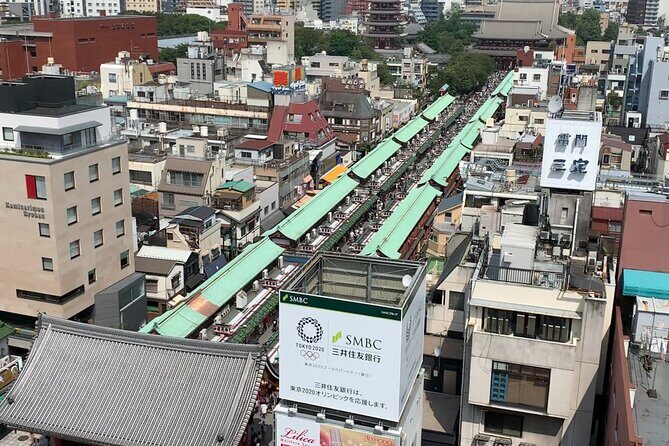
The tour starts at 1:30 pm near Kaminarimon and ends at Tokyo Skytree. That timing is a sweet spot for many days in Tokyo because you’re avoiding the earliest morning crowds at the temples, yet you still get a clear chunk of afternoon for the Skytree views.
You should also plan for the fact that most of the Asakusa portion is outdoors. If weather turns, the pace won’t stop—you’ll still walk between stops—so bring something light for rain and keep an eye on sky conditions. (One of the simplest reasons people feel disappointed on walking tours is weather, and here it would affect the first half most.)
Finally, because the Skytree tickets are already purchased for your date, this is best when you’re confident you can attend. If your trip plans are shaky, that locked-in element is the main “risk” built into the value.
Who should book this Asakusa and Skytree tour
This is a strong match if you:
- Want a guided Asakusa walking route that explains what you’re seeing, not just where to stand for photos
- Like small groups and clear audio (headsets are a big deal when you’re packed near popular gates)
- Plan to visit Sensō-ji anyway but would rather understand the layers behind Buddhism and Shinto
- Want Skytree views without the stress of ticket availability
It may be less ideal if you:
- Prefer fully independent exploring with unlimited time at each site
- Are the type who hates any schedule constraint, especially around the Skytree deck dates
Most travelers can participate, and the length—about 3 hours 30 minutes—is generally manageable even if you’ve been walking around Tokyo all day.
Should you book? My honest take
If your goal is to get Asakusa’s core sights and then finish with a classic Tokyo skyline moment, I think this is one of the better value ways to do it. The included upper and lower observation decks plus the guided context at Sensō-ji and the surrounding gates makes the time feel purposeful. And the small-group size, with headsets for clarity, helps you actually enjoy the walk instead of just moving through it.
My booking rule: if your travel date is solid and you want the guide’s explanation to make the landmarks click, book it. If your schedule is likely to change, pay extra attention to the fact that Skytree entry is date-specific once purchased.
FAQ
What time does the tour start and how long is it?
The tour starts at 1:30 pm and runs for about 3 hours 30 minutes.
Where do I meet the guide?
You meet at 2-chōme-20-6 Kaminarimon, Taito City, Tokyo 111-0034, Japan.
What’s included for Tokyo Skytree?
You get Tokyo Skytree combo tickets for the upper and lower observation decks.
Is the train fare included when going from Asakusa to Skytree?
No. Train fare of JPY 160 from Asakusa Station to Tokyo Skytree Station is not included.
Do I need to buy Skytree tickets in advance?
The provider buys the Skytree tickets after booking because they sell quickly, so you don’t have to handle ticket purchase yourself.
How big is the group?
The maximum group size is 8 travelers.
Does the tour include audio support?
Yes. For groups of 3 or more, headsets are provided so you can hear the guide clearly even from a distance.
Where does the tour end?
The tour ends at Tokyo Skytree (Tokyo Skytree1-chōme-1-2 Oshiage, Sumida City, Tokyo 131-0045, Japan).
More Tours in Tokyo




More Tour Reviews in Tokyo




Around Senso-ji: More Asakusa Picks


Fresh reviews from around Tokyo






Asakusa Tours, compared.
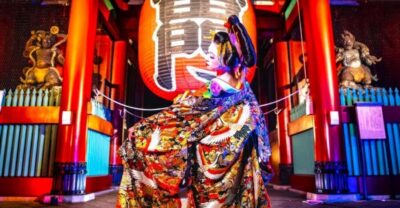 ★ 4.8Japanese Dance Cabaret Theater Asakusa-Kaguwa TicketFrom $492,270 reviews
 ★ 4.7Meiji Shrine, Asakusa, Skytree Bus Tour and CruiseFrom $1221,986 reviews
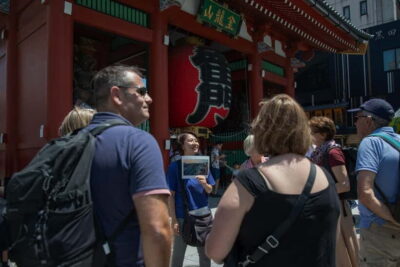 ★ 4.8Asakusa Walking Tour with Sensoji Temple VisitFrom $221,583 reviews
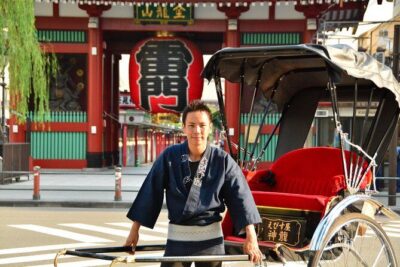 ★ 5.0Tokyo Asakusa Rickshaw TourFrom $421,375 reviews
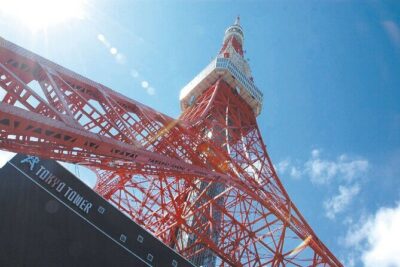 ★ 4.5Tokyo Panoramic 1 Day: Meiji Shrine, Asakusa, Odaiba and SKYTREE®From $851,222 reviews
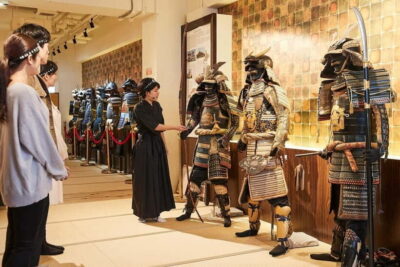 ★ 4.8Samurai Ninja Museum Asakusa: Samurai Sword Lesson & TourFrom $63306 reviews
Asakusa Sightseeing Tour by RickshawFrom $35195 reviews
Asakusa Kimono Dressing and Matcha ExperienceFrom $56173 reviews
★ 4.8Samurai Ninja Museum Asakusa: Samurai Sword Lesson & TourFrom $63306 reviews
Asakusa Sightseeing Tour by RickshawFrom $35195 reviews
Asakusa Kimono Dressing and Matcha ExperienceFrom $56173 reviews
Browse the lists this tour appears in