
Reviewed · FOOD & DRINK
Tokyo: Matcha Tasting and Making Experience
Matcha tastes different when you compare it.
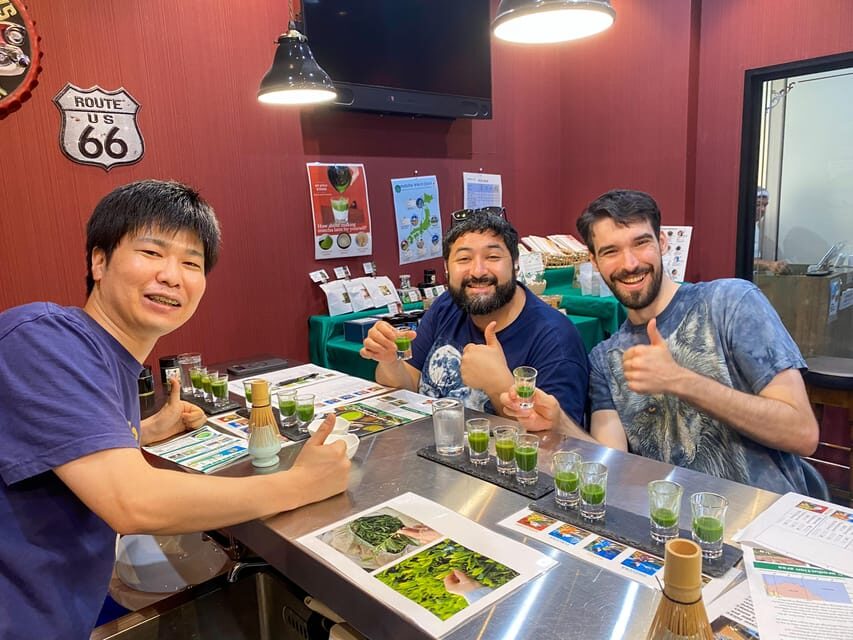
This 90-minute class in Asakusa pairs a practical tasting with hands-on making, guided by Chisei, a former tea farmer who grew tea in Kyoto. You’re not just sipping; you’re learning what you’re tasting and why it can vary from cup to cup.
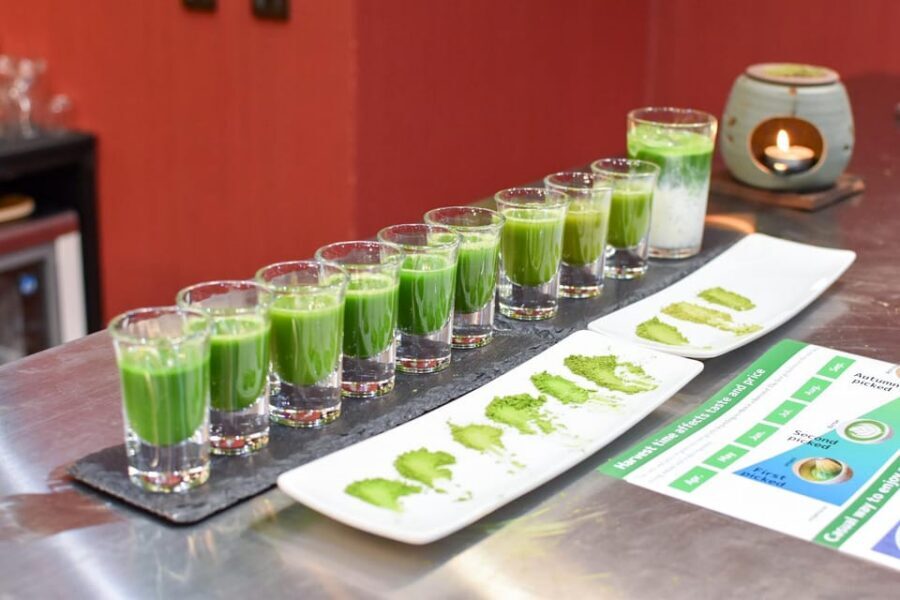
What I like most is the 10-matcha lineup from 5 production areas, served in a way that lets you notice real differences fast. The second big win: you make your own matcha with a bamboo whisk and walk away with the method you can repeat at home.
One consideration: transportation isn’t included, so you’ll want to plan how to reach Henn na Hotel Asakusa Tawaramachi and find the right floor without rushing.
In This Review
- Key highlights before you go
- A fast, focused matcha comparison in Asakusa
- Finding the Henn na Hotel Asakusa Tawaramachi meeting point
- Welcome drink: the matcha story you’ll actually remember
- Matcha tasting from 5 production areas: what you look for
- Ceremonial grade vs matcha sold around the world
- A simple tasting rhythm you can reuse later
- Choosing your favorite: the moment it becomes personal
- Making ousucha with a bamboo whisk
- Matcha latte and hojicha latte plus sweets
- Why the small group format actually helps
- Price and value: is $63 worth 90 minutes of matcha?
- Who should book this matcha trip
- Quick heads-up on what this class is not
- Should you book this matcha tasting and making experience?
- FAQ
- How long is the matcha tasting and making experience?
- How much does the experience cost?
- Where do I meet the guide?
- Is the class taught in English?
- How many people are in the group?
- What matcha do you taste during the class?
- Do you make your own matcha?
- Are matcha latte and hojicha latte included?
- What food is included?
- Is transportation included?
- Can I get a refund if I cancel?
- Can I reserve now and pay later?
Key highlights before you go
- 10 matcha types (from 5 production areas) so you can compare, not guess
- Meet Chisei, a former Kyoto tea farmer who grew tea for 6 years
- Hands-on ousucha: make your own matcha using a bamboo tea whisk
- Ceremonial-grade tasting alongside two kinds sold as matcha around the world
- Matcha latte, hojicha latte, and matcha sweets included after the tasting
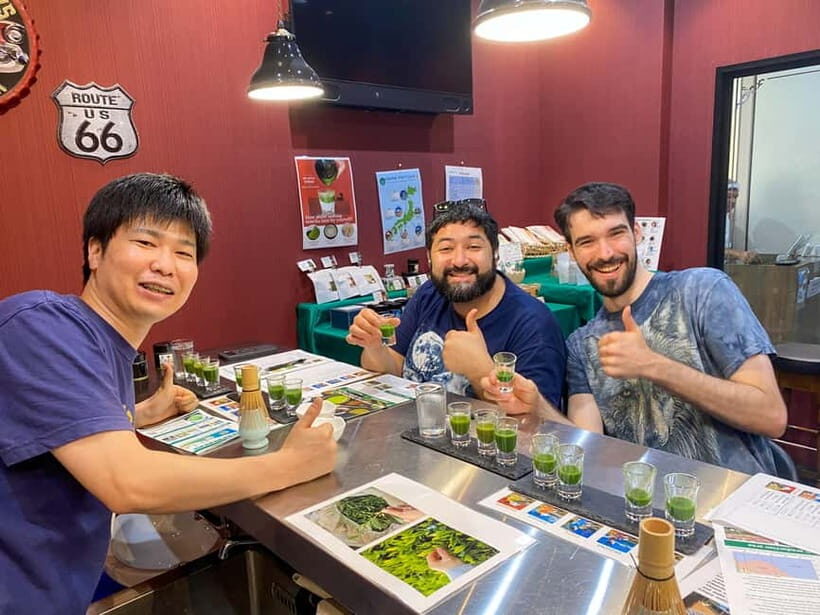
- Small group (max 5 people) with an English-speaking instructor
Other plates worth crossing Tokyo for
- Tokyo: Shinjuku Food Tour (13 Dishes at 4 Local Eateries)★ 5.0 · 6,603 reviews
- Tokyo Tsukiji Fish Market Food and Culture Walking Tour★ 5.0 · 3,184 reviews
- Tokyo: Shinjuku Food Tour (15 Dishes and 4 Eateries)★ 4.9 · 2,033 reviews
A fast, focused matcha comparison in Asakusa
If you’ve ever had matcha and thought, This is good… then wondered why another cup tasted totally different, this is the antidote. The experience is designed around comparison: you taste, look, smell, and then choose what you like best. In other words, you get to be your own judge instead of trusting a single brand or one “signature” flavor.
It also helps that the group is small—limited to 5 participants—so you’re not lost in a crowd while the guide explains what you’re seeing in the cup. And it’s all English instruction, which makes the tea talk feel practical instead of like a trivia quiz.
Finding the Henn na Hotel Asakusa Tawaramachi meeting point
The meeting point is inside Henn na Hotel Asakusa Tawaramachi. There’s a FamilyMart on the 1st floor, and you’ll enter the hotel first, then go to the 2nd floor to check in.
This part matters because the experience runs on a tight 90-minute timeline. You’ll want to arrive a few minutes early so you’re not standing around while everyone else starts with the welcome drink and first explanation.
Welcome drink: the matcha story you’ll actually remember
The class starts with a welcome drink. While you sip, Chisei walks you through the basics you need to understand what follows—especially the definition of matcha and how production and cultivation connect to flavor.
This is a good place to pay attention, because the tasting later is set up to be more than “try this, taste that.” Once you understand what makes matcha matcha, you’ll notice differences more clearly when the cups land in front of you.
Matcha tasting from 5 production areas: what you look for
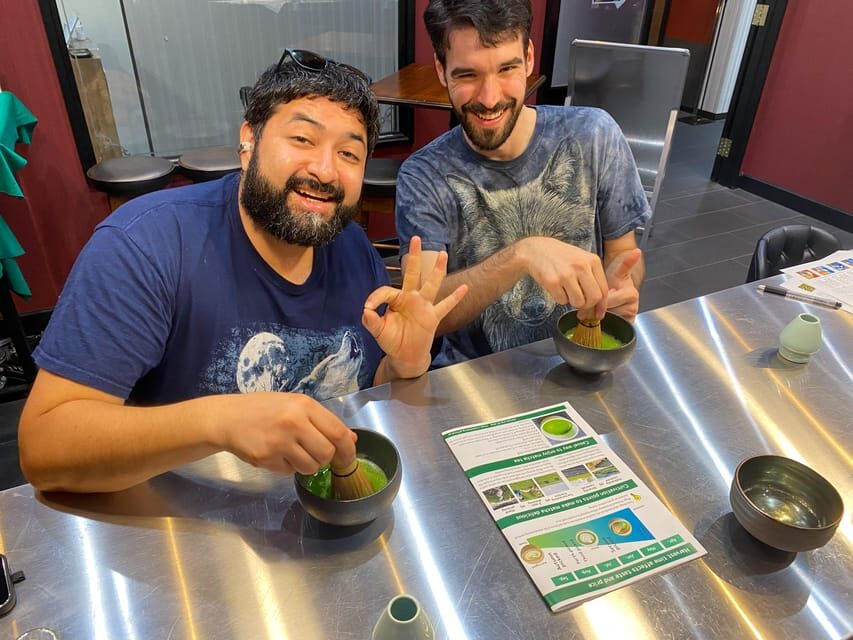
Here’s the core of the experience: you compare matcha from 5 representative production areas in Japan. The format includes small portions, served so you can taste multiple types at once without feeling like you’re eating a whole dessert menu’s worth of green tea.
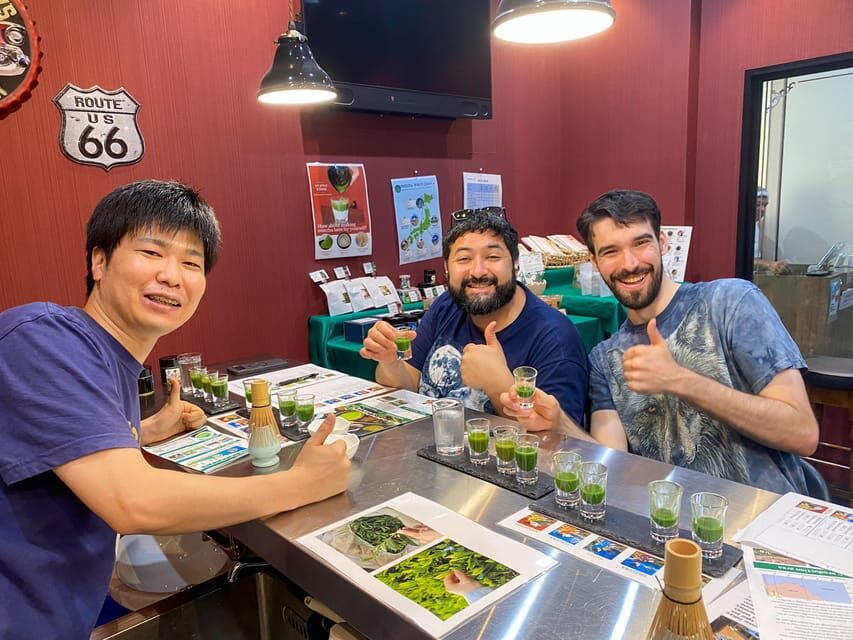
You’re described as tasting 10 different matcha types, and the guided comparison portion specifically serves 8 types at once. Either way, the idea is the same: you’ll run a mini “flight” so you can compare color, aroma, and taste side by side.





Ceremonial grade vs matcha sold around the world
One of the most useful parts is the way the lineup is explained. During the comparison, you’ll taste 6 ceremonial grade options and 2 that aren’t defined as matcha, even though they’re sold as matcha in international markets.
That setup is smart. It nudges you to notice that the word matcha doesn’t always mean the exact same thing, depending on where it’s sold. You won’t just memorize labels—you’ll connect labels to what you can actually taste.
A simple tasting rhythm you can reuse later
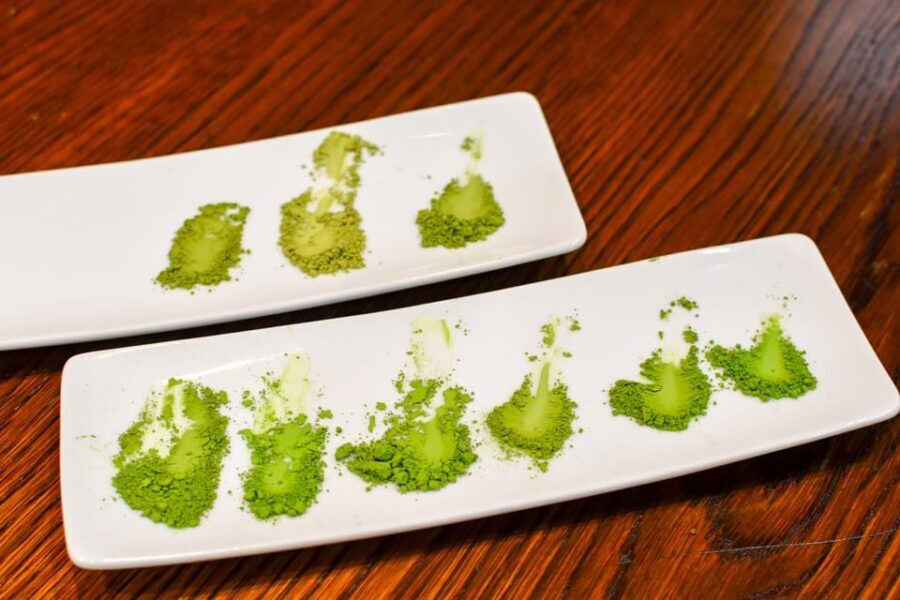
During the class, the guide helps you watch for cues. You’ll see the color first, then they’ll make tea for you to taste so you can focus on color, fragrance, and flavor in order.
If you want to get the most from it, do this: take one moment per cup just to smell it before you drink. Matcha is one of those foods where the aroma sets expectations, and once you start noticing that, you’ll get more out of every sip.
Choosing your favorite: the moment it becomes personal
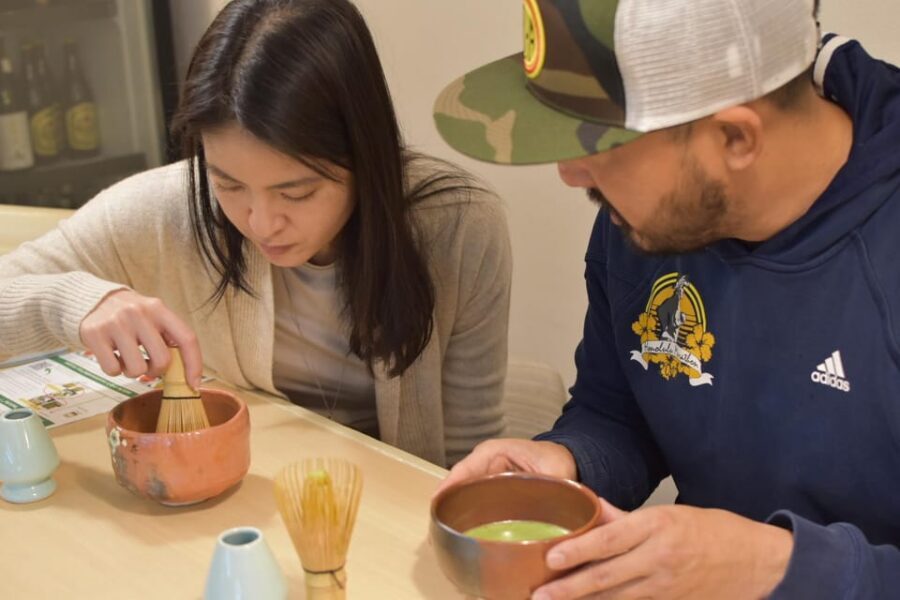
After the comparison, you pick the matcha you liked best from the ones you tried. This isn’t just a feel-good step—it’s what turns the class from a tasting into a skill.
You’ll also feel the difference between types more clearly at this point, because your choice is based on your own preferences. If you prefer something smoother, grassier, lighter, or stronger, you’re about to translate that preference into how you make your own cup.
Making ousucha with a bamboo whisk
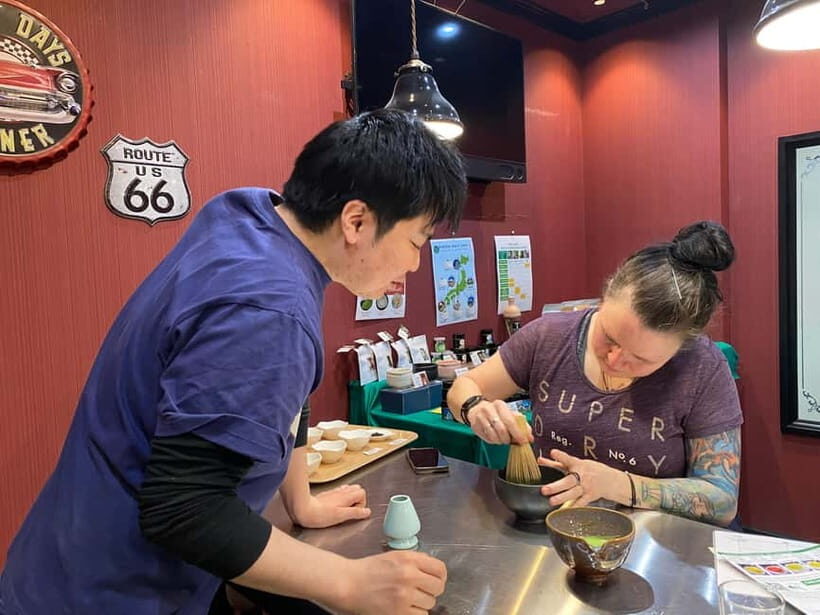
Now you get the part most people remember: the matcha making experience. You use a bamboo tea whisk and make ousucha (matcha) yourself.
The value here isn’t only the final cup. It’s the technique practice you get while a real teacher is watching. When someone shows you the process and then has you try it, you’re more likely to be able to repeat it later rather than just buying a bag of powder and hoping for the best.
And yes, they explicitly set you up with the idea that you’ll be able to make matcha at home after finishing. That’s the key benefit for me: this doesn’t end when the class ends.
Matcha latte and hojicha latte plus sweets
After you’ve made and tasted your own matcha, the session shifts into comfort mode with drinks and food.
You’ll enjoy a matcha latte made with an original blend matcha that’s said to be perfect with milk. There’s also a hojicha latte, which is a nice counterpoint to the pure matcha experience, because it gives you another way to think about tea flavor—less about straight matcha comparisons, more about how tastes change with milk.
Then there are matcha sweets, included as part of the experience. This matters because it helps you understand matcha as a flavor ingredient, not only as a ceremonial-style drink.
Why the small group format actually helps
The class is limited to 5 participants, which is a big deal for learning. When the guide is explaining what you’re tasting and why it differs, a bigger group often turns that into one-way lecturing.
Here, the structure gives you chances to ask questions during the tasting and making parts. It also keeps the pacing tight—so you don’t get stuck waiting while the rest of the group finishes a step you already understand.
Price and value: is $63 worth 90 minutes of matcha?
At $63 per person for 90 minutes, the price can feel steep until you look at what’s included. You’re getting:
- a welcome drink
- a structured matcha comparison across 5 production areas
- a hands-on matcha making segment with a bamboo whisk
- matcha latte, hojicha latte, and matcha sweets
That’s more than a tasting sampler. You’re paying for guided interpretation plus a practical skill you can reuse at home.
Could you find a cheaper matcha drink in Tokyo? Sure. But if your goal is to understand matcha differences and learn how to make a cup, this is the sort of experience where the cost starts to look reasonable.
Who should book this matcha trip
This experience fits you best if you want:
- a clear way to compare matcha without needing special tea knowledge
- a hands-on moment with a bamboo whisk instead of only tasting
- an English-led class with a small group
- an easy way to build confidence making matcha back home
It’s also a good choice if you’re the type who likes to learn by doing. You’ll go from theory (definition, production, cultivation) to tasting choices to making your own cup, all within one tight session.
Quick heads-up on what this class is not
This is described as a class for general guests to learn about Japanese tea. It’s not positioned as a commercial or business-focused training. If your intent is commercial, the organizer asks you to contact them before reserving.
Also, it’s a single 90-minute experience. You won’t get hours of deep technical tea education here. You will get a solid starting point you can build on.
Should you book this matcha tasting and making experience?
I’d book it if you want a high-signal experience: compare multiple matcha types, get help noticing the differences, and leave with the ability to make your own cup. The format is designed for results—tasting, choosing, whisking, then relaxing with latte and sweets.
I’d skip it if you’re mostly looking for a long, leisurely meal or you don’t want a tasting-heavy schedule. Also, if you hate navigating to specific meeting locations inside hotels, plan a little extra time for the 2nd floor check-in.
If you fall into the first group—curious, hungry to learn, and ready to taste—this is one of the more efficient ways to get real matcha context in Tokyo.
FAQ
How long is the matcha tasting and making experience?
It lasts 90 minutes.
How much does the experience cost?
The price is listed as $63 per person.
Where do I meet the guide?
The meeting point is at Henn na hotel Asakusa Tawaramachi. Enter the hotel and go to the 2nd floor (there is a FamilyMart on the 1st floor).
Is the class taught in English?
Yes, the instructor is English.
How many people are in the group?
The group is small, limited to 5 participants.
What matcha do you taste during the class?
You taste 10 different types of matcha from 5 production areas. The comparison portion includes 8 kinds served in small portions.
Do you make your own matcha?
Yes. After choosing your favorite matcha, you make ousucha (matcha) yourself using a bamboo tea whisk.
Are matcha latte and hojicha latte included?
Yes. You can drink matcha latte and hojicha latte.
What food is included?
You’ll enjoy matcha sweets as part of the experience.
Is transportation included?
No. Transportation to the experience location is not included.
Can I get a refund if I cancel?
Yes. There is free cancellation up to 24 hours in advance for a full refund.
Can I reserve now and pay later?
Yes. It offers reserve now & pay later so you can book without paying today.
Eat Your Way Round Tokyo


More Tour Reviews in Tokyo



Fresh reviews from around Tokyo






Food & Drink, compared.
 ★ 5.0Shinjuku Food Tour (13 Dishes at 4 Local Eateries)From $866,603 reviews
 ★ 5.0Tokyo Tsukiji Fish Market Food and Culture Walking TourFrom $993,184 reviews
 ★ 4.9Shinjuku Food Tour (15 Dishes and 4 Eateries)From $852,033 reviews
 ★ 5.0Tsukiji Fish Market Food and Walking tourFrom $301,724 reviews
 ★ 5.0Eat and Drink Like a Local: Tokyo Ueno Food Tour-Taverns&RamenFrom $95957 reviews
 ★ 5.0Shibuya Food Tour (13 dishes and 4 Eateries)From $77770 reviews
★ 4.7Tsukiji Fish Market Food and Culture Walking TourFrom $96757 reviews
★ 5.0Shibuya Food Tour (13 dishes and 4 Eateries)From $77770 reviews
★ 4.7Tsukiji Fish Market Food and Culture Walking TourFrom $96757 reviews
 ★ 5.0Tsukiji Fish Market: Street Food & Culture Walking TourFrom $33669 reviews
Browse the lists this tour appears in