
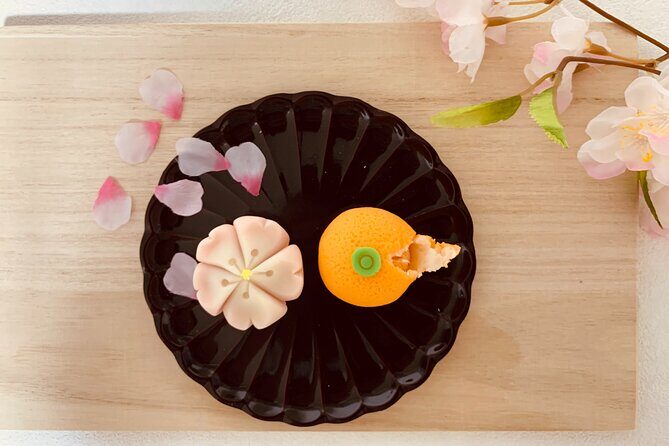
Reviewed · WORKSHOPS
2 Hours Mochi &Nerikiri Making & Matcha Class in Bunkyo
There’s something soothing about making sweets by hand. This private wagashi class in Bunkyo pairs step-by-step instruction with real cultural context, all in a Japanese home kitchen setting. You’ll choose your course (mochi/dango, nerikiri, or a combination) and learn designs and techniques you can repeat later.
What I especially like is the personal instruction. It’s a true private class, typically just you and your group at one table with a bi-lingual native-Japanese teacher, trained by the Wagashi Association of Japan. The second big win for me is that it’s not just a cooking demo—you’ll learn skills meant to stick, with tea and matcha included to make the experience feel complete.
One thing to consider: this is hands-on Japanese sweets making, so it’s not the right fit if you want a fast, sightseeing-style activity. It’s only about 2 hours, and the focus stays on learning the sweets, not touring around.
In This Review
- Key highlights worth your time
- A hands-on wagashi lesson in a real Bunkyo home
- Choosing your course: mochi, dango, nerikiri, or the mix
- Mochi-focused class
- Dango + mochi course
- Nerikiri course
- Combination course: do more than one sweet
- Your teacher’s approach: structured steps plus cultural meaning
- What happens during the 2 hours (and what you should watch for)
- 1) Arrival and setup in the home
- 2) Tea to start, then hands-on work
- 3) A chance to get creative with designs
- 4) Matcha to finish and a take-home moment
- Where the meeting point puts you in the city
- Price and value: is $78.83 for 2 hours fair?
- Who this class is best for (and who should skip it)
- You’ll likely love it if you:
- You might not love it if you:
- Quick planning tips that make the class smoother
- Should you book this Bunkyo mochi and matcha class?
- FAQ
- How long is the mochi & nerikiri making and matcha class?
- Is this class private or shared?
- What course options are available?
- Where do we meet, and when does it start?
- Do I need experience making Japanese sweets?
- Can I cancel for a refund?
Key highlights worth your time
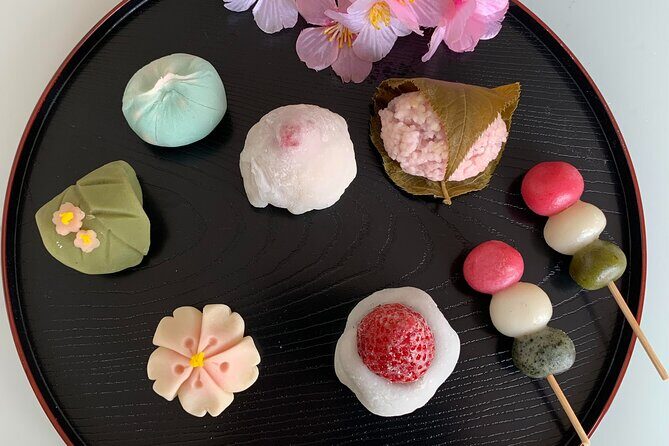
- Private, 1-group class in a Japanese home (not a crowded workshop)
- Three wagashi styles to choose: Mochi, Dango, or Nerikiri (plus a combo option)
- Trained, bi-lingual instructor (native Japanese, Wagashi Association training)
- Tea and matcha included, tying what you make to Japanese seasonal culture
- Small, intimate setup that works well for solo travelers and families
- Take-home payoff for some participants, including a take-out tray and keepsakes
More things to make with your own hands
- Sushi Making Tokyo Roll and Authentic Japanese Sushi Class★ 5.0 · 3,971 reviews
- Tokyo Shinjuku Chopsticks Making Class★ 5.0 · 1,763 reviews
- Chopstick Making Workshop in Ginza★ 4.8 · 1,366 reviews
A hands-on wagashi lesson in a real Bunkyo home
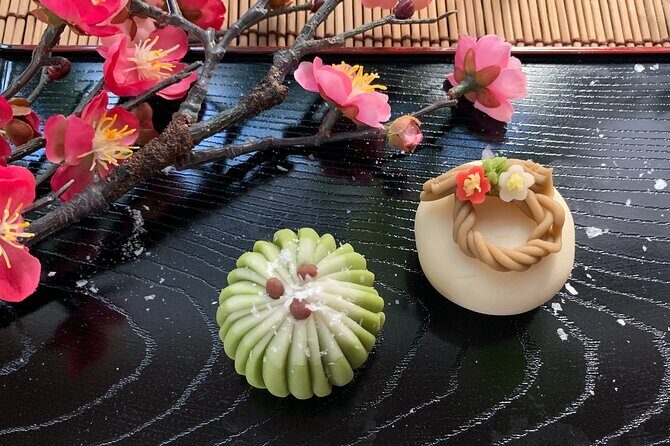
If you’re picturing a generic dessert class, this one is more “sit down, learn, and make” than “watch and leave.” The class takes place in a Japanese home in Bunkyo (Sekiguchi area), which matters because wagashi is traditionally tied to everyday life: seasons, ceremonies, and the small rituals around tea.
You also avoid a common travel-class problem: feeling like you’re fighting the clock. This is about 2 hours, and the schedule is built around learning techniques at a steady pace. There’s no pressure to keep moving through stops. You’re meant to focus on what’s on your hands and in your bowl.
The vibe—based on how participants describe the experience—is calm and welcoming. People repeatedly mention the homely atmosphere, the relaxed pace, and the teacher’s attention, including conversations about why each sweet matters culturally (not only how to shape it).
Choosing your course: mochi, dango, nerikiri, or the mix
Before you book, think about what kind of wagashi you want to leave with. The class offers three options (plus combinations), so you’re not stuck with a single template.
Mochi-focused class
Mochi is one of the easiest entry points into wagashi culture because it connects to familiar Japanese occasions like New Year and New Birth (the examples given for the mochi types in this class). You’ll learn techniques tied to shaping and finishing, and you’ll get the logic behind the process rather than random steps.
Dango + mochi course
If you like the look of skewer-style sweets and want something a little broader than one category, the mochi & dango course is a strong choice. Dango types in this course are linked to special events, which helps your brain connect the recipe to the calendar.
Worth weighing up alongside this Tokyo pick:



Nerikiri course
Nerikiri is the one that tends to feel most “ceremonial,” and this course frames it that way. Nerikiri is associated with the tea ceremony, and that’s helpful because it gives context for the artistry: nerikiri is shaped with intention. If you want to learn why wagashi presentation is half the point, this option is a good fit.
Combination course: do more than one sweet
If you’re short on time but don’t want to miss a style, the combination option lets you cover Mochi, Dango, and Nerikiri in one go. This is also the option I’d pick if you’re traveling with family and you want everyone to leave with a variety of skills.
Your teacher’s approach: structured steps plus cultural meaning
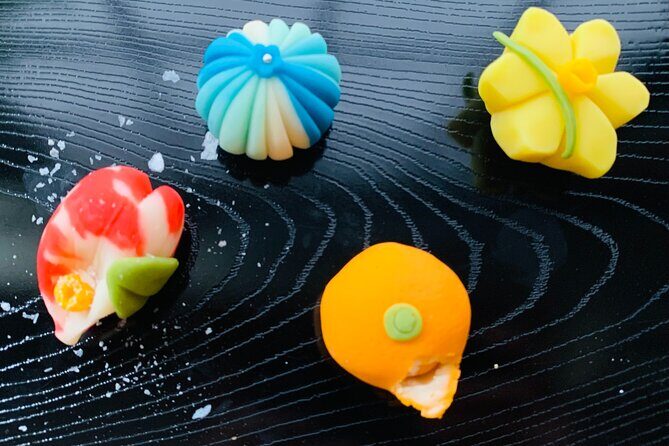
A big part of the value here is the teaching style. The class is led by a bi-lingual, native-Japanese teacher who is trained by the Wagashi Association of Japan. That training shows up in how participants describe the instruction: patient pacing, clear explanations, and attention to details.
In multiple accounts, people highlight that the teacher takes time to walk through the process step by step, which is exactly what you want in a skill class like this. You don’t want vague directions. You want the little cues that make the difference between a decorative effort and something that actually holds together.
Just as important, the cultural talk isn’t tacked on. People mention learning about the significance and history behind the sweets, and the way the lesson connects to seasonal events and tea culture. For you, that means the finished wagashi isn’t just cute. It’s tied to a reason.
What happens during the 2 hours (and what you should watch for)
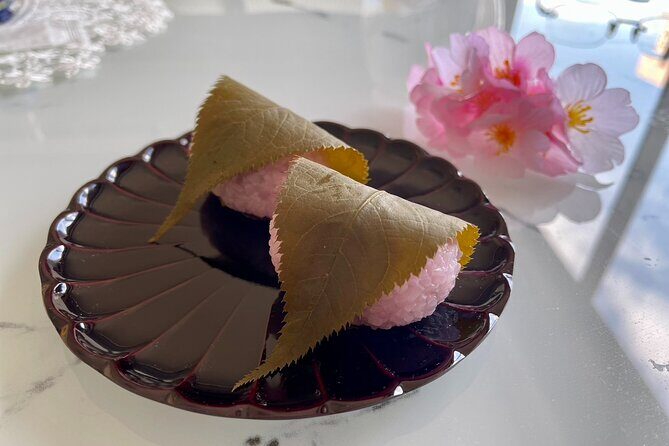
Because the activity ends back at the meeting point, the schedule is compact: arrive, learn, make, enjoy tea, and finish with matcha.
Here’s how to think about the flow, based on what’s described across the experiences:
1) Arrival and setup in the home
You’ll meet at 1-chōme-27-8 Sekiguchi, Bunkyo City, Tokyo 112-0014, Japan. Since it’s a home setting, the best move is to arrive a bit early so you can get oriented calmly. This also helps you settle in before the class starts at 10:00 am.
Participants describe being greeted at the door and welcomed like family. That matters for comfort. It’s easier to ask questions when you don’t feel like you’re in a production line.
2) Tea to start, then hands-on work
Some participants specifically mention beginning with tea. Even if your group doesn’t get the exact same wording, plan on a tea moment that sets the tone—quiet, attentive, and a little ceremonial.
Then the class shifts into making. You’ll follow guided steps to create your selected wagashi items. People also describe learning “different techniques,” which is the key word here. You’re not only repeating one motion. You’re learning how wagashi construction works.
3) A chance to get creative with designs
One of the most praised parts is the chance to create designs, not just follow an output. Several people highlight how the teacher encourages unique creative work, while still keeping everything controlled and understandable.
For you, that’s the sweet spot: structured guidance with enough freedom to make it feel personal.
4) Matcha to finish and a take-home moment
This experience is a matcha class, and participants mention ending with matcha. That final tea-drink moment is more than a nice touch. It gives you a clean finish where you can connect what you made to what you drank, the way wagashi is often experienced in Japan.
Some participants also describe leaving with a take-out tray and keepsakes. Even if you don’t care about souvenirs, a take-home tray is practical. It lets you enjoy what you made later rather than racing through it on site.
Where the meeting point puts you in the city
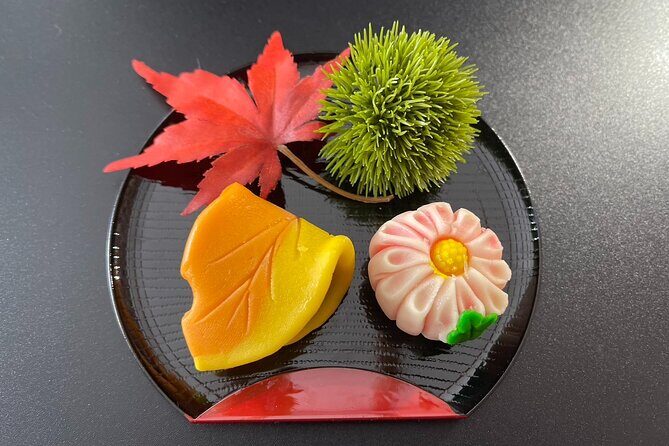
The class is in a central Tokyo neighborhood—Bunkyo—and the activity is described as near public transportation. That’s a big deal because Tokyo transit can eat time if you end up far from stations.
Your practical advantage: you can slot this into a day without sacrificing hours. It also helps for families. You’re not dragging kids across the city for a short activity.
A note I’d take seriously: because this is a private home class, getting the address right matters. The meeting point is a specific residential location, so save it to your phone maps before you go, and double-check the start time.
Price and value: is $78.83 for 2 hours fair?
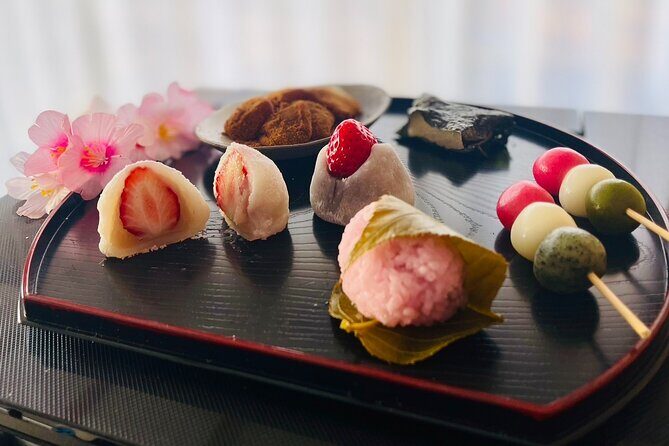
At $78.83 per person for about 2 hours, you’re paying for more than ingredients. You’re paying for:
- Private instruction (not shared attention with a big group)
- A teacher with Wagashi Association training
- Time spent learning techniques you can practice later at home
- A complete cultural pairing with tea and matcha
- The convenience of a central location with transit access
In plain terms, this price makes sense if you value skill learning and want a calmer experience than a large workshop. If you only want a quick sugar fix, you could spend less elsewhere. But if you want to leave with knowledge you can actually use—plus the confidence to make sweets again—this class is priced closer to a guided workshop than a casual tasting.
Also, many people mention a small, intimate setup. That’s part of the value: the attention you get tends to be the difference between a fun activity and a genuinely memorable one.
Who this class is best for (and who should skip it)
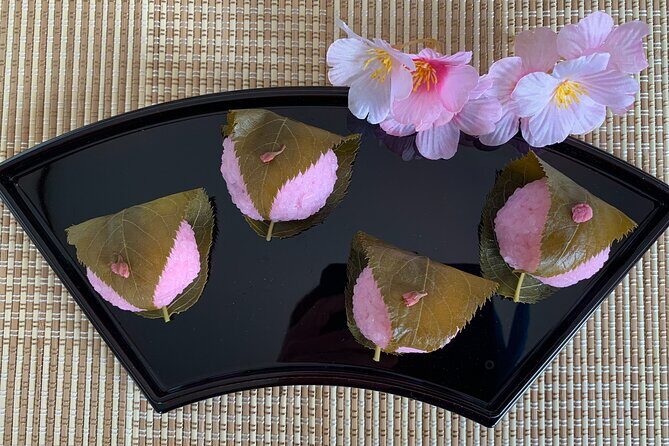
This experience fits best when you want something small, hands-on, and culturally grounded.
You’ll likely love it if you:
- Want private, 1-group instruction instead of a crowded class
- Are traveling as a family and want a shared activity that stays friendly and patient
- Prefer learning Japanese food skills you can repeat at home
- Care about tea culture and not only dessert aesthetics
- Are a solo traveler who wants an intimate setting (people mention feeling comfortable joining alone)
You might not love it if you:
- Want a big, sightseeing-heavy itinerary
- Prefer a fast, drop-in tasting where you never touch the food
- Have no interest in wagashi and just want something sweet
Quick planning tips that make the class smoother
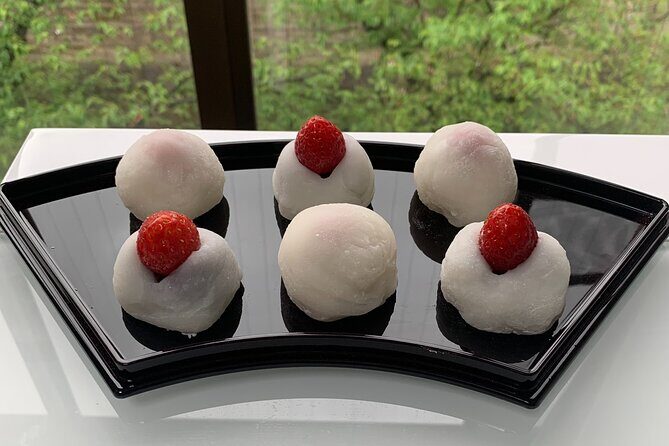
You’ll get the best experience if you treat this like a calm workshop, not a race through your schedule.
- Bring a clear plan for which option you want: Mochi, Dango, Nerikiri, or a combo.
- Set your phone with the exact meeting address for Sekiguchi, Bunkyo.
- Show up a few minutes early so you can settle into a home setting without stress.
- If you’re sensitive to language barriers, know the class is bi-lingual and led by a native Japanese instructor trained in wagashi.
One more small thing: keep your schedule flexible for photos of your creations. Some participants describe finishing with matcha right after the making portion—so you’ll want a quick moment to enjoy your results while everything is fresh.
Should you book this Bunkyo mochi and matcha class?
If you’re on the fence, here’s my straight advice: book it if you want a skill-focused, intimate wagashi experience. The combination of private instruction, a trained teacher, and the tea/matcha pairing is what makes this feel worth the time—and worth the price.
Skip it if you only want broad cultural sightseeing or you don’t care about the craft side of sweets. This isn’t that kind of activity. It’s a short class that aims to teach you how wagashi works—then let you enjoy it.
If you’re choosing between courses, pick based on your curiosity:
- Choose nerikiri if you’re drawn to tea ceremony style and artistry.
- Choose mochi if you want a core wagashi skill tied to seasonal occasions.
- Choose the combo if you want the most variety in 2 hours.
FAQ
How long is the mochi & nerikiri making and matcha class?
It runs for about 2 hours.
Is this class private or shared?
It’s private. Only your group participates.
What course options are available?
You can choose Mochi & Dango, Nerikiri, or a Combination course that includes Mochi, Dango, and Nerikiri.
Where do we meet, and when does it start?
The meeting point is 1-chōme-27-8 Sekiguchi, Bunkyo City, Tokyo 112-0014, Japan, and the start time is 10:00 am.
Do I need experience making Japanese sweets?
No. The class is designed so you don’t need experience preparing Japanese food.
Can I cancel for a refund?
Yes, there’s free cancellation. You can cancel up to 24 hours in advance for a full refund.
More 2-Hour Experiences in Tokyo
Make Something to Take Home



More Tour Reviews in Tokyo






Fresh reviews from around Tokyo






Workshops, compared.
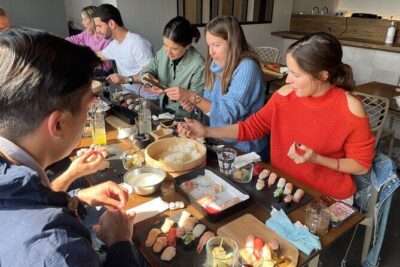 ★ 5.0Sushi Making Tokyo Roll and Authentic Japanese Sushi ClassFrom $593,971 reviews
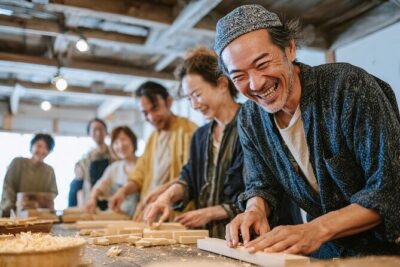 ★ 5.0Tokyo Shinjuku Chopsticks Making ClassFrom $201,763 reviews
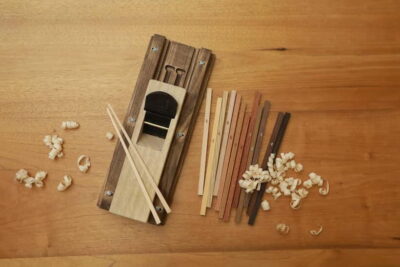 ★ 4.8Chopstick Making Workshop in GinzaFrom $251,366 reviews
 ★ 5.0Tokyo Sushi Making Class in Tsukiji with Professional ChefFrom $491,177 reviews
 ★ 5.0Ramen & Gyoza Cooking Class in Tokyo with Local Supermarket VisitFrom $122823 reviews
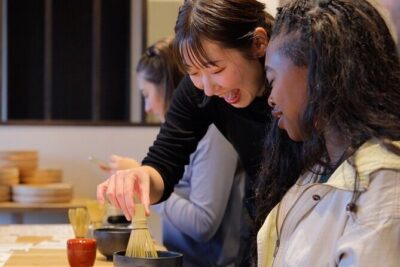 ★ 5.0Matcha Making Class in Tokyo with Authentic Japanese Sweets SetFrom $21744 reviews
 ★ 5.0Samurai Sword & Archery Class from Samurai DescendantFrom $193603 reviews
 ★ 4.9Tsukiji Fish Market Sushi Making Class with Pro ChefFrom $63506 reviews
Browse the lists this tour appears in