
Reviewed · WALKING TOURS
Tokyo After 5: Local Eats, Drinks & Culture Walk
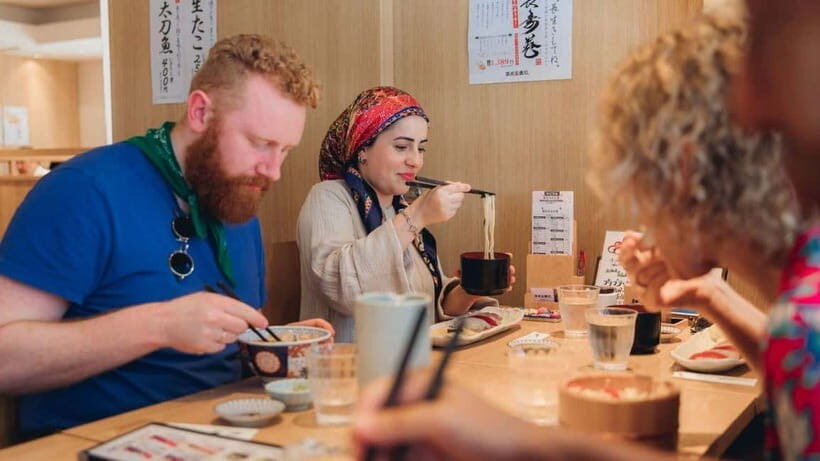
Tokyo evenings have a flavor of their own. This after-work-style tour strings together some of the city’s most beloved comfort foods, from a Depachika basement food hall to Yurakucho yakitori lanes. You’ll also get context for what you’re eating and how locals eat it—without needing Japanese language skills. It’s a fun way to see Tokyo’s dinner habits up close, not just from a distance.
I especially like the hands-on Monja-yaki stop in Tsukishima, where you sit with your group and cook right at the hotplate. Second, the small group format (max 8) makes it easier to ask questions and actually talk with the guide and the chefs as you move from neighborhood to neighborhood. In past departures, guides have included Tsunematsu Hidenori, Yuki, Kirir, and Meg, and the common thread is energy plus patience.
One thing to consider: this is not a quiet, slow tour, and it’s not designed for everyone. There’s no vegetarian/vegan or gluten-free option on this route, and you should expect some walking and subway stairs along the way.
In This Review
- Key things I’d plan around
- Meeting at Mitsukoshi Ginza and Finding Your Starting Line
- Depachika Basement Food Hall: Tokyo’s Snack Culture, Explained
- Tsukishima Monja Street: The Monja-yaki Cooking Moment
- Yurakucho After-Work Yakitori Alleys: Smoky Skewers in Small Spaces
- Wagashi and Seasonal Meaning: Small Sweets, Big Context
- Price and Value: What $89 Really Covers
- Pace, Walking, and the Real-World Comfort Check
- Drinks, Age Rules, and What Happens If You’re Under 20
- Sustainability Note: Carbon Neutral Operation
- Should You Book Tokyo After 5?
- FAQ
- How long is the Tokyo After 5 tour?
- What is the group size limit?
- Where exactly is the meeting point?
- What food tastings are included?
- What drinks are included?
- Is the tour suitable for vegetarians, vegans, or gluten-free diets?
- Is there an age limit to join?
- Can minors drink alcohol on this tour?
- Is the tour carbon neutral?
Key things I’d plan around
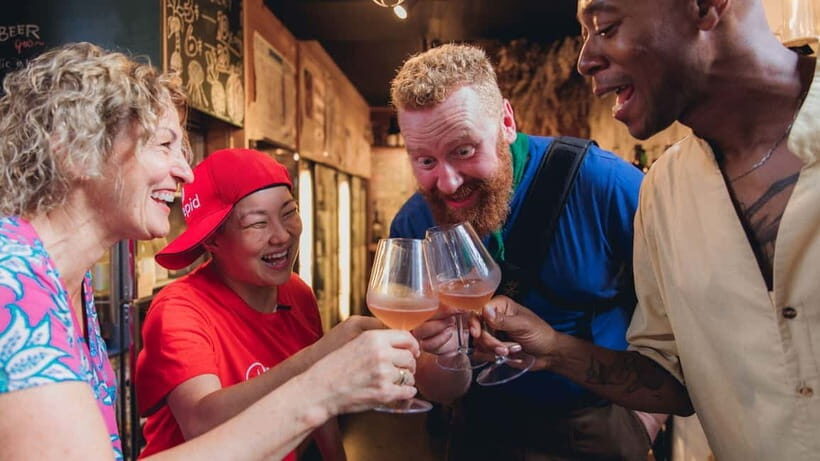
- Max 8 people so the evening feels personal, not rushed
- Three tastings you can name later: yakitori, monja-yaki, and wagashi
- Cook-and-eat monja-yaki at Tsukishima Monja Town, not just watch
- Depachika first stop so you start with Tokyo’s snack-food culture and etiquette
- After-work Yurakucho yakitori alleys, where office workers unwind
Tokyo at walking pace, a few more ways
- Tokyo Tsukiji Fish Market Food and Culture Walking Tour★ 5.0 · 3,184 reviews
- Tokyo: Shinjuku Local Bar and Izakaya Guided Walking Tour★ 4.9 · 1,794 reviews
- Tokyo: Tsukiji Fish Market Food and Walking tour★ 5.0 · 1,724 reviews
Meeting at Mitsukoshi Ginza and Finding Your Starting Line
Your night begins at Mitsukoshi Ginza, at street level outside the department store, in front of the life-scale sitting Lion statue. If you’re coming by subway, it’s easiest to head up to the A7 exit of Ginza Station and look for that lion.
Why this matters: starting point clarity can make or break the first 10 minutes of any evening tour. One past participant noted it was a bit tricky to find the guide when they booked through a third party, so I’d do the simple prep: bring your booking confirmation up on your phone and arrive a few minutes early. You’ll also want comfortable shoes here—Ginza is easy, but the tour later shifts into neighborhoods where walking is part of the experience.
The itinerary then loops through different areas and finishes back in Ginza, so you’re not stuck far from transit when you’re done eating.
Depachika Basement Food Hall: Tokyo’s Snack Culture, Explained
Before you hit the lantern-lit streets, you start in the Depachika—Tokyo’s famous basement food halls. These are where you’ll find carefully made everyday treats, seasonal sweets, and lunchbox-style comfort food. Even if you’ve seen Depachika photos online, this is different because a guide helps you understand what to look for, what to eat first, and how locals think about flavor and portion size.
You’ll learn etiquette and traditions behind the comfort foods you’re sampling. That sounds abstract, but it’s practical once you’re there: you’ll know what kind of bites to take, how to treat the stop like a mini tasting rather than a full meal, and why certain items are popular at specific times of day.
This stop sets you up for the rest of the evening because it gives you a Tokyo baseline. After Depachika, yakitori and monja-yaki feel like part of the same story, not random dinner stops stitched together.
Tsukishima Monja Street: The Monja-yaki Cooking Moment
Tsukishima Monja Town (often referred to through Monja Street) is where the tour turns from tasting into doing. You’ll learn and then cook monja-yaki yourself on a hotplate at a restaurant built around the experience.
Here’s why this stop is so strong for real-world travelers: monja-yaki can feel intimidating on a menu. It’s not just a dish—it’s a technique you share in front of you. Watching your food come together while your group is seated inches away makes it easier to figure out what’s happening even if you don’t speak Japanese.
You’ll also be able to compare textures and flavors as you cook, because the method is interactive. That matters because monja-yaki isn’t like ordering tempura where everything is already finished. You’re part of the process, which turns dinner into a hands-on lesson in local food culture.
Monja-yaki is tied to Tsukishima’s identity, and this stop is exactly the kind of place many first-time visitors overlook. The payoff is the combo: location that’s meaningful + a meal you don’t just eat, you participate in.
Yurakucho After-Work Yakitori Alleys: Smoky Skewers in Small Spaces
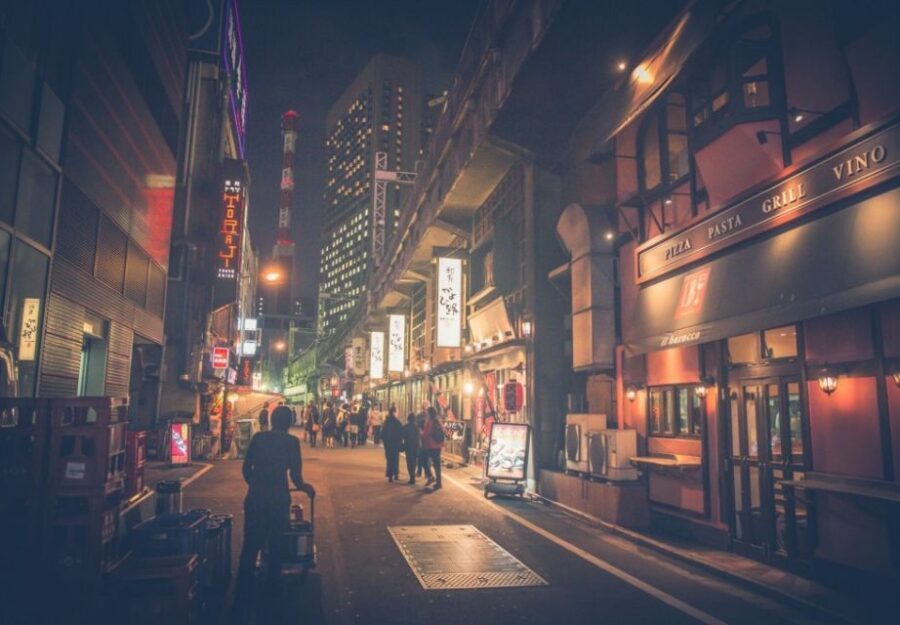
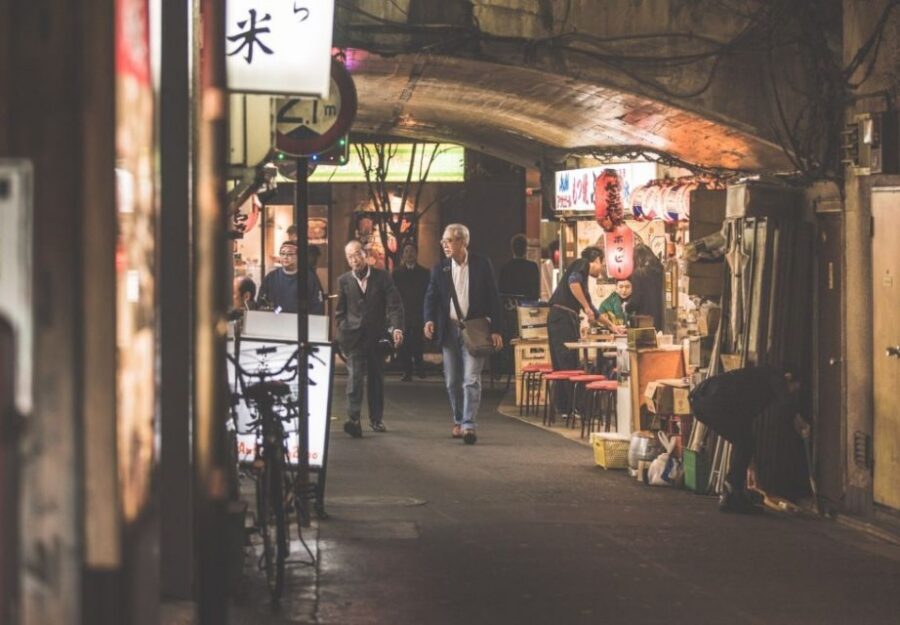
Next comes Yurakucho, where the mood shifts to after-work Tokyo. Think lantern light, narrow streets, and office workers heading in for skewers, beer, and a quick decompression from the day.
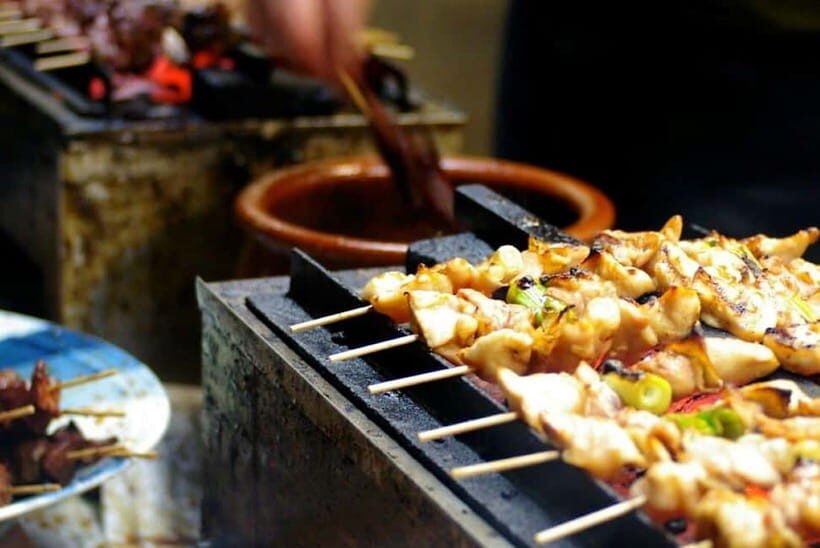
You’ll taste freshly grilled yakitori, and your guide will explain how skewers are prepared and why these smoky lanes are such an essential part of Tokyo life. Even if you already like chicken, yakitori is more than food—it’s a rhythm. Portions tend to be small, the pacing is social, and the flavor comes from grilling plus the sauces and seasonings.
One practical benefit: you’ll know what to pay attention to while you eat. Instead of just chewing, you’ll notice grilling style and how the skewers are paired and served. That kind of attention turns a simple meal into something you actually remember.
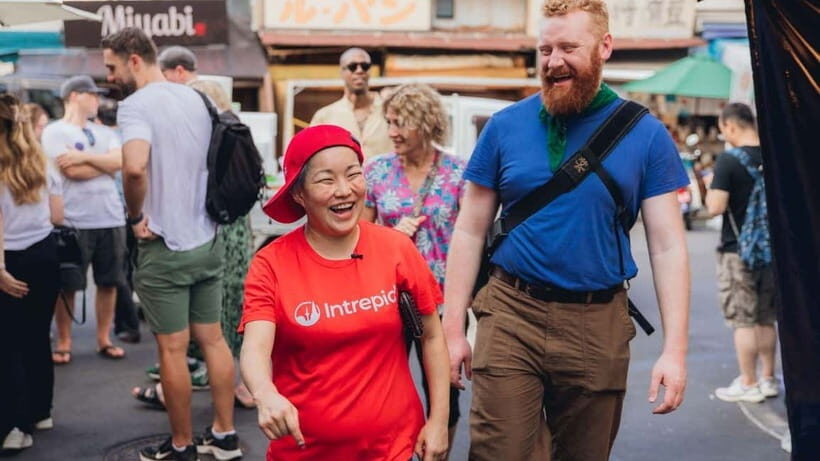
Also, the tour includes time with the guide while moving through the area. The walking between stops is not wasted—it’s part of the evening atmosphere. One past participant mentioned the walk helped with sightseeing and conversation, which is exactly what you want from an evening food tour.





Wagashi and Seasonal Meaning: Small Sweets, Big Context
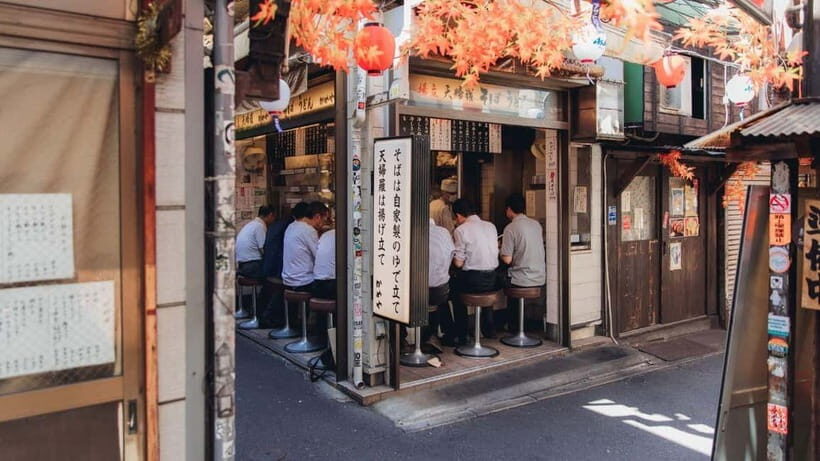
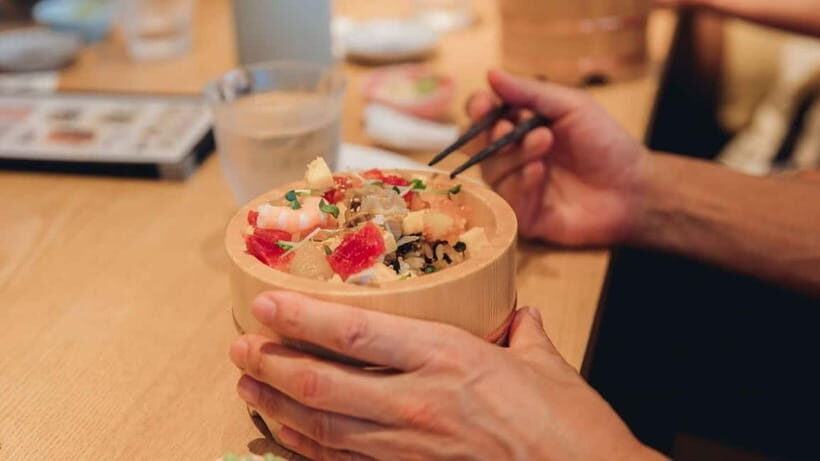
After all that savory food, you’ll finish with wagashi, traditional Japanese sweets. You’ll try seasonal wagashi and learn how Japan’s seasons, ingredients, and aesthetics shape what gets made.
This stop can be polarizing, and that’s okay. Wagashi is often built around flavors and textures that many travelers haven’t met before—red bean paste is common, and you might run into combinations that include mochi-like textures. One past participant specifically mentioned red bean paste with mochi wasn’t their favorite, so if you dislike that flavor profile, just know this is part of the tour’s cultural focus.
But even when wagashi isn’t your personal favorite, the meaning behind it often is. You’ll learn how seasonal ingredients influence the look and feel of the sweet, and why presentation is tied to taste. It helps you understand why someone might choose a delicate sweet over a heavier dessert: the point is moment and season, not just sugar.
Price and Value: What $89 Really Covers
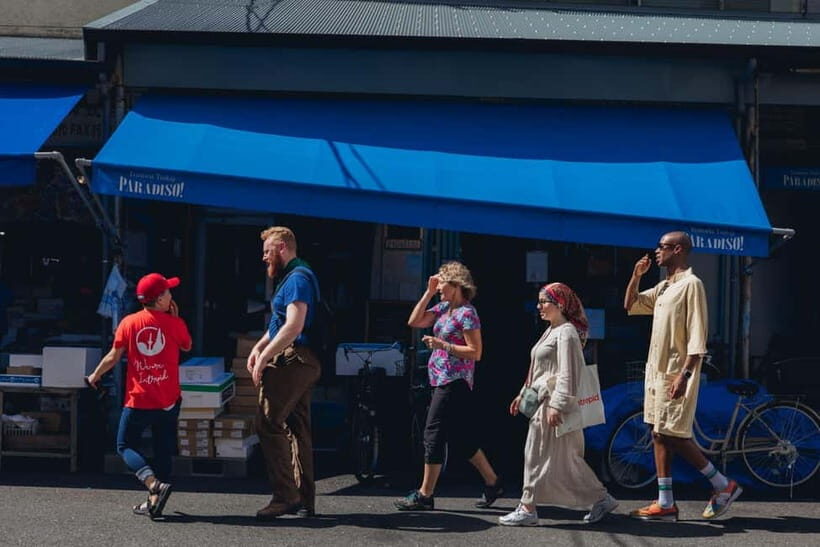
For $89 per person and about 210 minutes total time, you’re paying for more than food. This tour bundles a guided itinerary, transportation, and several planned experiences you’d have to stitch together yourself.
What’s included:
- Local English-speaking guide
- Public transportation (two subway tickets)
- Three tastings: yakitori, monja-yaki, and wagashi
- Two drinks: sake, beer, or soft drink
- Hands-on monja-yaki and yakitori experience
- Chef interactions and neighborhood food culture walk-through
- Small group limit of 8
What that means for value: if you tried to recreate this on your own, the hardest part wouldn’t be finding restaurants—it’d be finding places where locals actually eat in small, specific settings, then pairing that with correct timing and etiquette. The guide’s job is to do that matching, plus explain what you’re tasting as you go.
One past participant also noted the food-to-walking ratio felt “just enough,” around 9,000 steps on their departure. So you’re not signing up for an all-day trek, but you are signing up for an active evening.
Finally, note what’s not included: additional food and drinks are on you if you want more than the tastings provided. If you’re a big eater, you might feel satisfied after the planned portions, but it’s smart to budget a little extra.
Pace, Walking, and the Real-World Comfort Check
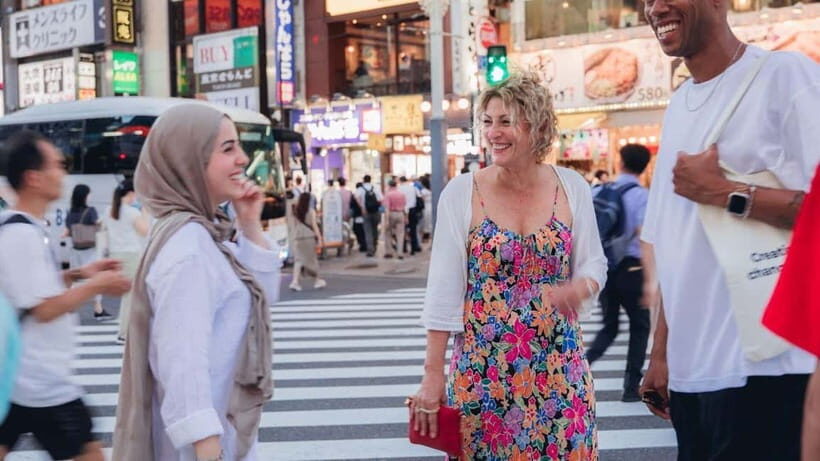
Evening food tours are rarely couch-potato activities. This one mixes neighborhood walking with subway segments. A participant who traveled with an 83-year-old mentioned the walking and subway changes felt like a challenge, especially because of stairs.
So if you have mobility issues or you tire easily on uneven sidewalks, I’d treat this as a “plan carefully” tour. Comfortable shoes help a lot. I’d also wear layers—Tokyo nights can shift with temperature, and you’ll be outside part of the time.
Group size keeps the pace more manageable because the tour is designed for a small number of people, but your body still needs to handle the movement.
Drinks, Age Rules, and What Happens If You’re Under 20
This is an evening tour that includes two local drinks. The legal drinking age in Japan is 20. If you’re under 20, you’ll be served non-alcoholic drinks only.
That’s good to know ahead of time so there are no surprises. It also means the experience still works for younger participants (the tour requires age 12 and older), as long as you’re comfortable with the overall food-and-walking format.
Sustainability Note: Carbon Neutral Operation
The tour is described as carbon neutral and operated by a B Corp certified company committed to using travel as a force for good. If that matters to you, it’s a nice bonus detail rather than a marketing add-on. It also signals an effort to think about impact, not just itinerary.
Should You Book Tokyo After 5?
Book it if:
- You want Tokyo nightlife flavors without planning every stop yourself
- You like learning by doing, especially the Monja-yaki hotplate cooking
- You’d rather spend money on a guide than spend time figuring out where locals actually go
- You’re okay with a set menu approach (yakitori, monja-yaki, wagashi are part of the plan)
Skip or swap plans if:
- You need vegetarian/vegan or gluten-free options—this tour does not offer them
- You have limited mobility and want something with fewer stairs and less walking
- You strongly dislike common wagashi ingredients like red bean paste, since wagashi is part of the cultural finale
If your goal is an easy, structured way to experience how Tokyo eats after work, this is a solid choice. You’ll come away with more than snacks—you’ll understand the logic behind the meals, the pacing, and the little etiquette cues that make Tokyo food culture click.
FAQ
How long is the Tokyo After 5 tour?
The tour duration is 210 minutes.
What is the group size limit?
The group is limited to a maximum of 8 participants.
Where exactly is the meeting point?
Meet at Mitsukoshi Ginza, in front of the life-scale sitting Lion statue outside. Ginza Station’s A7 exit leads you to the ground level where you can see it.
What food tastings are included?
You’ll have three local tastings: yakitori, monja-yaki, and wagashi.
What drinks are included?
You’ll get two local drinks: sake, beer, or a soft drink.
Is the tour suitable for vegetarians, vegans, or gluten-free diets?
No. The establishments visited are not able to cater all dietary requirements, and vegetarian, vegan, or gluten-free options are not available.
Is there an age limit to join?
You must be 12 and older to join the tour.
Can minors drink alcohol on this tour?
In Japan, the legal drinking age is 20. Customers under 20 will be served non-alcoholic drinks only.
Is the tour carbon neutral?
Yes. The tour is described as carbon neutral and operated by a B Corp certified company.
Tokyo on Foot: More Walks



More Tour Reviews in Tokyo



Fresh reviews from around Tokyo






Walking Tours, compared.
 ★ 5.0Tokyo Tsukiji Fish Market Food and Culture Walking TourFrom $993,184 reviews
 ★ 4.9Shinjuku Local Bar and Izakaya Guided Walking TourFrom $341,794 reviews
 ★ 5.0Tsukiji Fish Market Food and Walking tourFrom $301,724 reviews
 ★ 4.8Asakusa Walking Tour with Sensoji Temple VisitFrom $221,583 reviews
 ★ 4.9Tsukiji Fish Market Guided Walking TourFrom $221,397 reviews
 ★ 4.7Tokyo Castle & Imperial PalaceーShogun Walking TourFrom $231,068 reviews
 ★ 4.9Imperial Palace Japanese History Walking TourFrom $32987 reviews
 ★ 4.7Dark Side of Tokyo Shinjuku Red Light Walking TourFrom $29862 reviews
Browse the lists this tour appears in