
Reviewed · TOURS
Tokyo: Full Course Tour: Explore 15 Must-Sees & Hidden Gems
Tokyo hits different with a local guide. This full-day loop mixes iconic Tokyo landmarks with the quieter, everyday places you’d miss on your own. I like that all the attractions are free to enter, and I like the small group (up to 7) built for an unrushed pace.
You’ll also get practical Japan basics in real time: public transport manners, how to move through crowds, and what to watch for in each neighborhood. The main drawback is simple: it’s a long day of walking, and the tour expects comfortable shoes for roughly 20,000 steps. If you’re not used to that, plan for sore legs.
In This Review
- Key Points I’d Plan Around
- A Full-Day Tokyo Circuit That Actually Makes Sense
- From Meiji Jingu’s Silence to Harajuku’s Street Energy
- Shibuya: Hachiko and the Crossing Photo Moment
- Seven-Eleven Konbini Culture: Small Stop, Big Payoff
- Tsukiji Hongan-ji and the Outer Market Food-and-Snack Route
- Imperial Palace Grounds, Marunouchi, and Tokyo Station Squares
- Akihabara to Ueno: Pop Culture and Art Blocks
- Ameyoko Street to Sensō-ji and Asakusa Shrine
- Metro, Etiquette, and What to Bring So You’re Not Frazzled
- Price and Value: What You’re Really Paying For
- Who This Tour Fits Best (and Who Should Skip It)
- Should You Book This Tokyo Full Course Tour?
- FAQ
- Is the tour’s entrance cost included?
- How long is the Tokyo tour?
- What does the $90 price include?
- How much should I budget for transportation?
- Are vegetarian and vegan options available?
- What is the cancellation policy?
Key Points I’d Plan Around
- All attractions free to enter: you’re paying for the guide and the routing, not admission.
- Up to 7 people in the group: easier questions, smoother pacing, less waiting.
- Born-and-raised Japanese guides in English: you get local judgment on timing and where to stand.
- Foot + metro navigation: you learn the practical rhythm of Tokyo’s transit on the day.
- Food options, including vegetarian/vegan: you’re not boxed into one menu.
- Hands-on Tokyo etiquette: how to behave on transit and in daily life, not just facts.
Before you commit, see how this one stacks up against a few Tokyo favourites:
- Mt Fuji and Hakone 1-Day Bus Tour Return by Bullet Train★ 5.0 · 26,383 reviews
- 1-Day Tokyo Bus Tour★ 5.0 · 14,250 reviews
- Tokyo: teamLab Planets TOKYO Digital Art Museum Entry Ticket★ 4.6 · 9,779 reviews
A Full-Day Tokyo Circuit That Actually Makes Sense
This is a 10-hour, English-language experience starting at JR Yoyogi Station (West Exit). The plan is built around moving efficiently between neighborhoods using metro and JR, then walking short-to-medium stretches on the ground. You’re not just sightseeing; you’re learning how to travel like you live there.
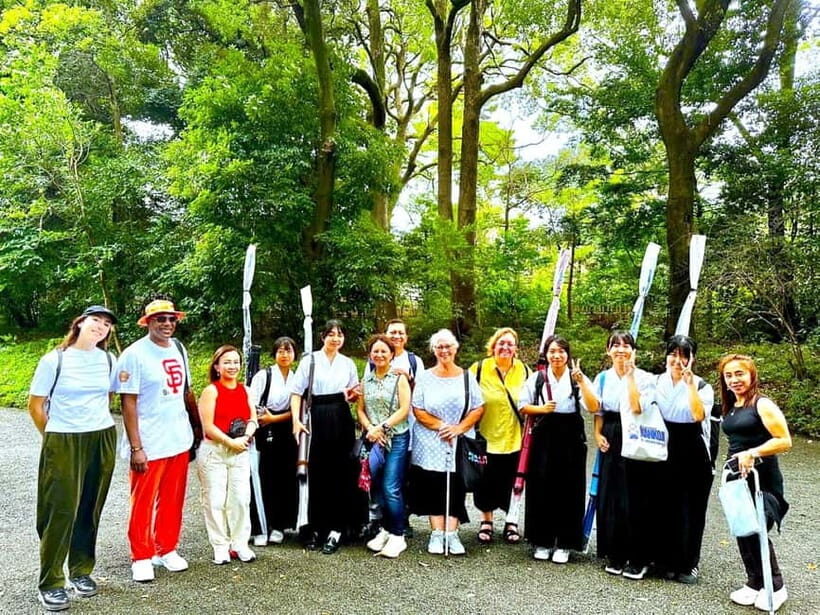
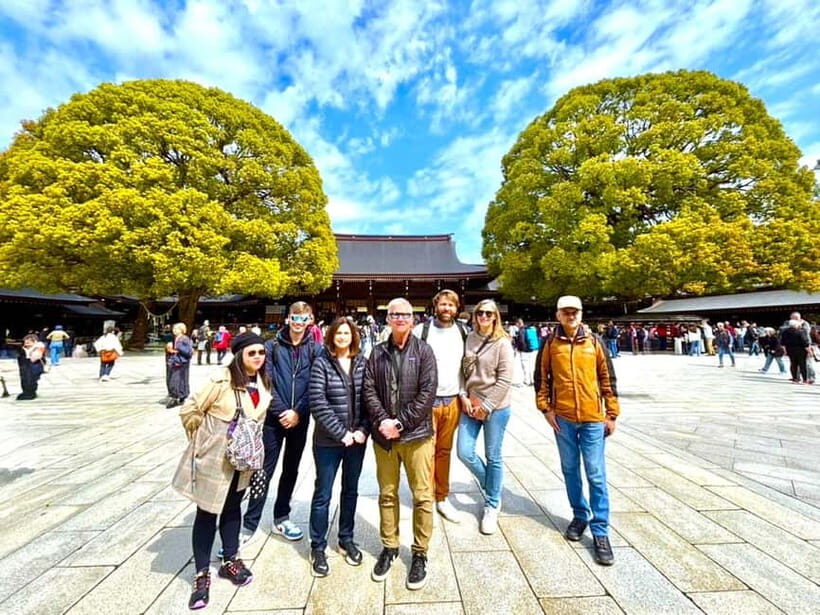
The group stays small, limited to 7 participants, which matters in Tokyo. You’ll get the kind of attention where you can ask questions, keep up with the pace, and not get lost when the streets do their best impression of a maze. The guide also sets you up for etiquette basics, like how to conduct yourself on public transport and how to navigate the city’s flow without being a roadblock.
This tour is also scheduled for a first day feel. It’s ideal when you land and need your bearings fast: temple areas, fashion streets, high-tech pop culture, and classic downtown blocks—all in one day. Expect a serious walking day, plus a little time hopping by train/metro between zones.
From Meiji Jingu’s Silence to Harajuku’s Street Energy
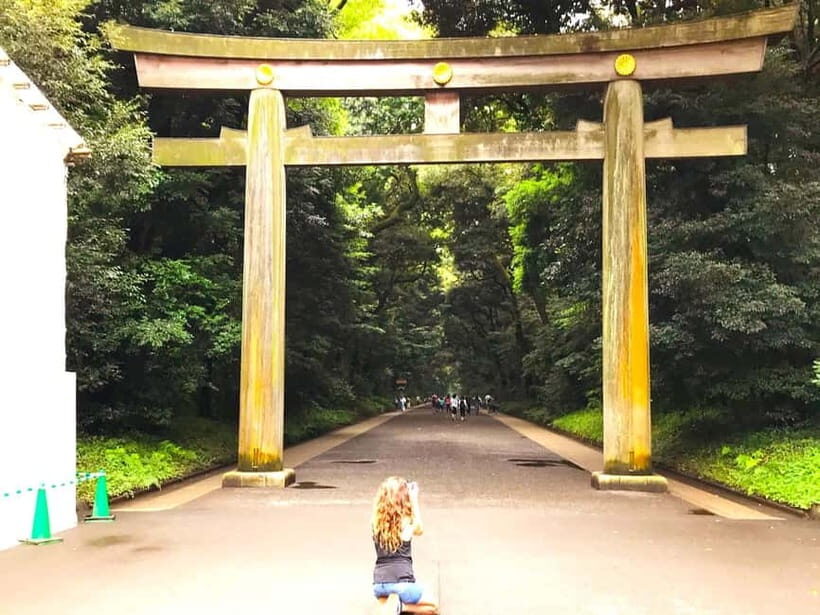
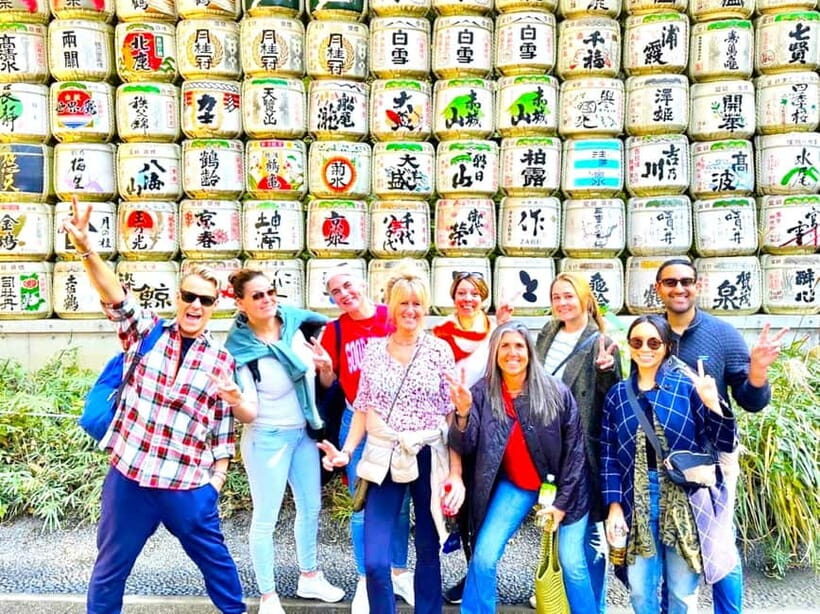
You start with Meiji Jingu Shrine for about 30 minutes. Even though you’re in Tokyo, the experience is a reminder that the city still has pockets of calm. The shrine grounds are set up for walking slowly and noticing details rather than rushing to photos.
Then you head to Harajuku for another 30 minutes. This is where Tokyo switches gears: youth fashion, people-watching, and street-level trend spotting. If you like seeing how Tokyo expresses itself through everyday style, this stop gives you a clear contrast right after the shrine.
Why this pairing works: you go from a place where you’re expected to slow down and behave respectfully, to an area where Tokyo’s modern identity is on full display. You’ll feel the difference in pace and behavior, and the guide helps you read what’s going on around you—so you’re not just looking, you’re understanding.
One practical note: Harajuku streets can get busy. You’ll want to keep your camera accessible but don’t stop dead in the path. The guide’s job is to keep you moving with the crowd instead of against it.
Shibuya: Hachiko and the Crossing Photo Moment
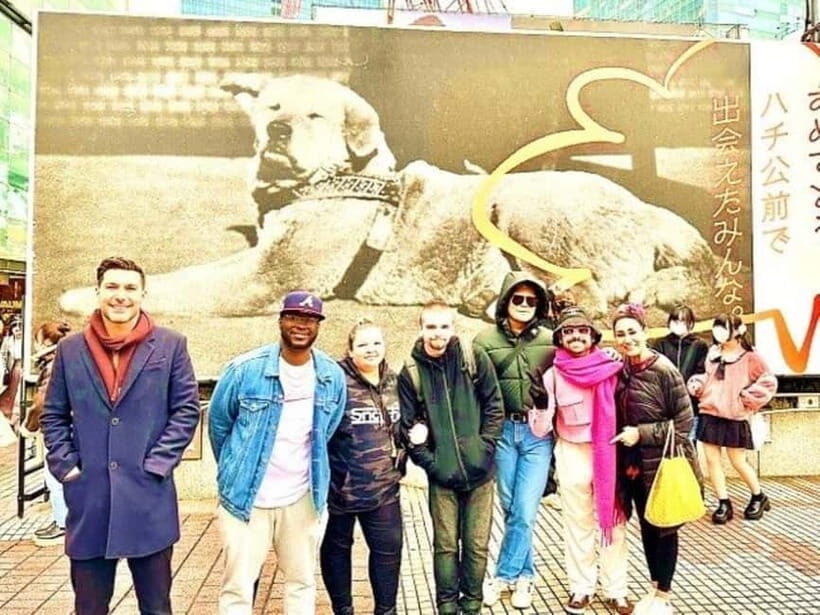
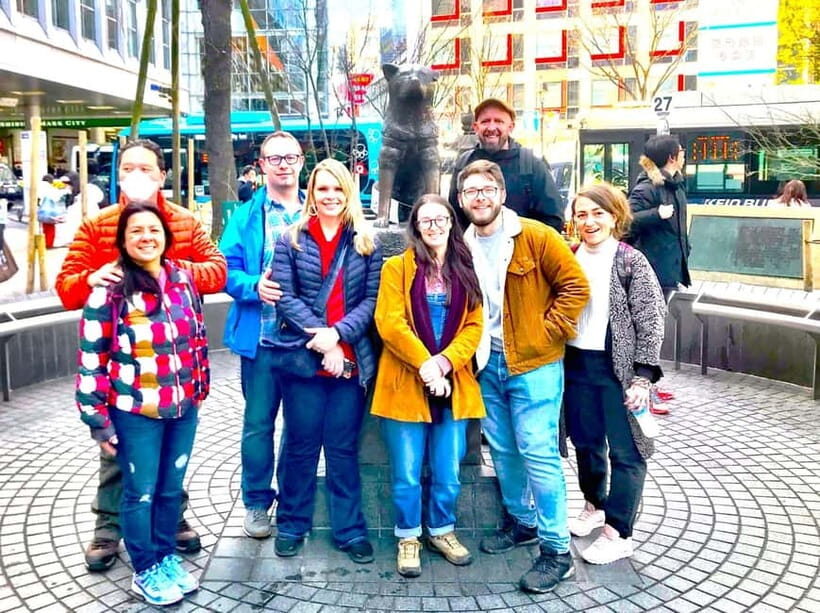
Next up is Shibuya, starting with the Hachiko statue for about 10 minutes. It’s short, but it’s a perfect anchor point. The guide typically turns this into more than a quick photo stop by explaining why Hachiko matters culturally and how the area became the symbol it is today.
Then comes Shibuya Scramble Crossing for about 10 minutes. This is the moment most people recognize, and it’s worth it if you watch how the crossing actually works. You’ll learn where to stand, how to time your photo, and how to keep moving when the light changes.
The value here isn’t just the famous intersection. It’s the lesson in crowd behavior. Tokyo has rules that aren’t always written down, and a good guide helps you follow them instinctively—so you can enjoy the spectacle without feeling like you’re improvising.
Seven-Eleven Konbini Culture: Small Stop, Big Payoff
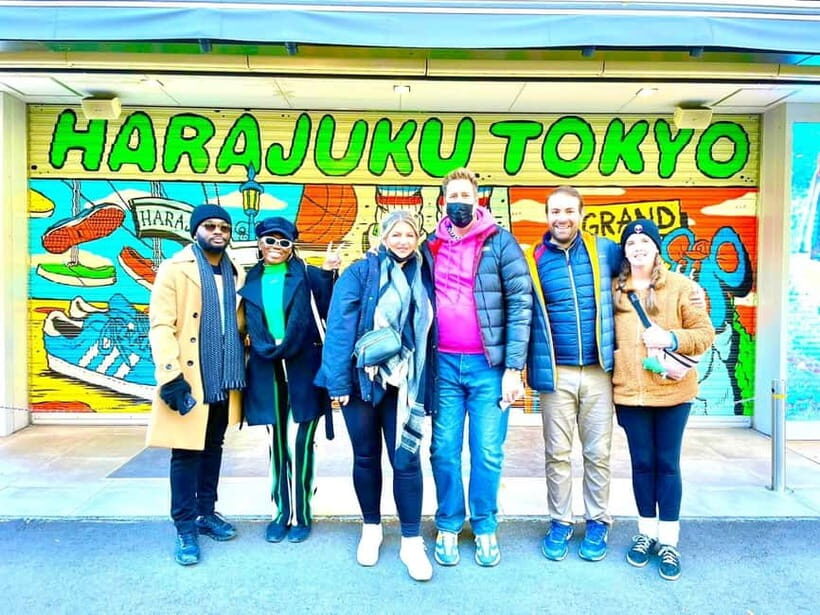
The tour includes a chance to understand Konbini culture at Seven-Eleven. This is one of those Tokyo “you’ll thank yourself later” lessons. Once you learn what konbinis are good at—snacks, drinks, practical buys, and quick meals—you’ll find Japan becomes easier on day-to-day life.
Even if you’ve traveled in other countries, Tokyo’s convenience-store ecosystem feels different. You’ll get a feel for how people shop, what’s worth grabbing, and how to keep your day running smoothly without turning your schedule into a scavenger hunt.
Food on this tour is not included, but this stop helps you snack smarter. And since vegetarian and vegan options are always available, you can plan around your preferences without stress.
Bring cash for purchases that don’t take cards, and keep your IC card handy for transport.





Tsukiji Hongan-ji and the Outer Market Food-and-Snack Route
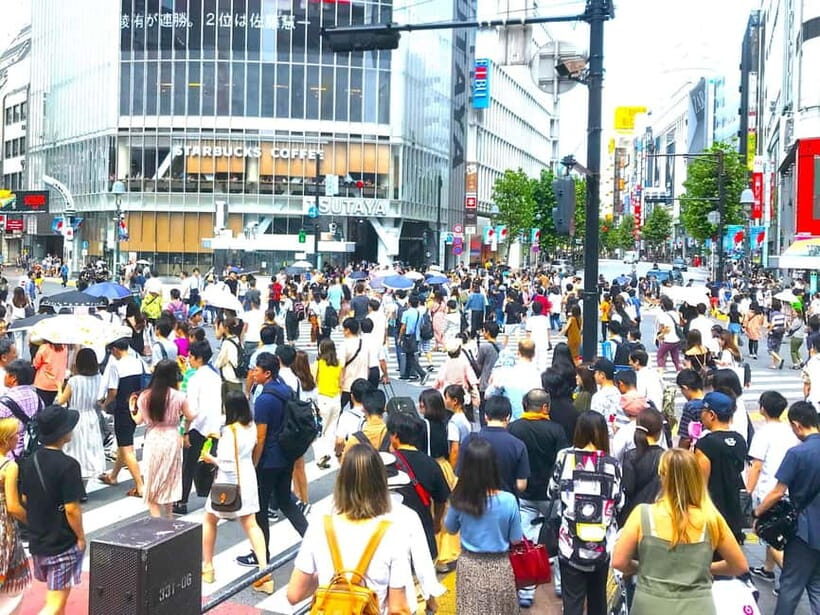
You’ll spend about 30 minutes at Tsukiji Hongan-ji, where you can see the distinctive architecture and stained-glass atmosphere. This stop slows you down in a different way than Meiji. Instead of forest quiet, it’s indoor cultural weight—perfect for balancing the day.
After that comes Tsukiji Outer Market for about 1.5 hours. This is where Tokyo shows you its daily food machinery. You’ll browse fresh ingredients, local specialties, and the kind of small-counter shopping that feels like a system—fast, practical, and full of choices.
Two things to know before you go shopping with your eyes wide open:
- Food and drinks here are on you, so you’ll want to pace your budget.
- Cash can still matter in parts of the market. The guide will help you figure out what’s easiest to buy.
This is also a stop where your guide can be useful beyond directions. If you’re trying to avoid repeating the same tourist snack, having local judgment matters. You’ll leave with ideas for what to try later, even if you don’t eat everything today.
Imperial Palace Grounds, Marunouchi, and Tokyo Station Squares
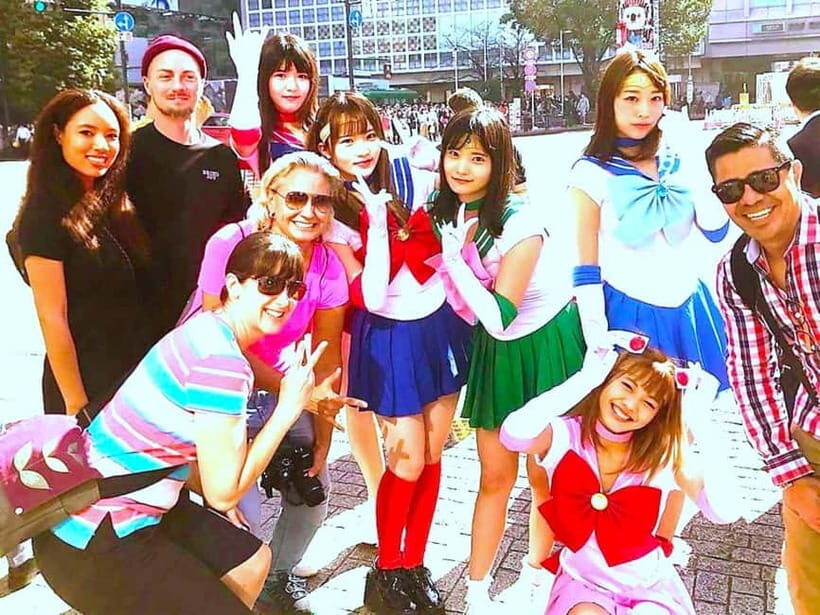
The next stretch is classic Tokyo, but with structure: Imperial Palace grounds (about 15 minutes) and the Marunouchi area (about 15 minutes), plus Tokyo Station Square (another 15 minutes). This section is less about one single photo and more about feeling how Tokyo organizes space—history beside modern business streets.
The Imperial Palace area is set up for walking with room to breathe. You’ll see the stone walls and get a sense of what once stood here. Even if you’re not a deep history person, this is a grounding stop. It helps the rest of your day feel intentional, not random.
Marunouchi gives you sleek city geometry, while Tokyo Station adds that unmistakable red-brick landmark quality. If you like rail culture, this is a satisfying “checkpoint” because it visually connects Tokyo’s past and present as a transportation hub.
These are shorter stops by design. You’re being fed the feeling of the area in manageable chunks so you still have energy for the afternoon neighborhoods.
Akihabara to Ueno: Pop Culture and Art Blocks
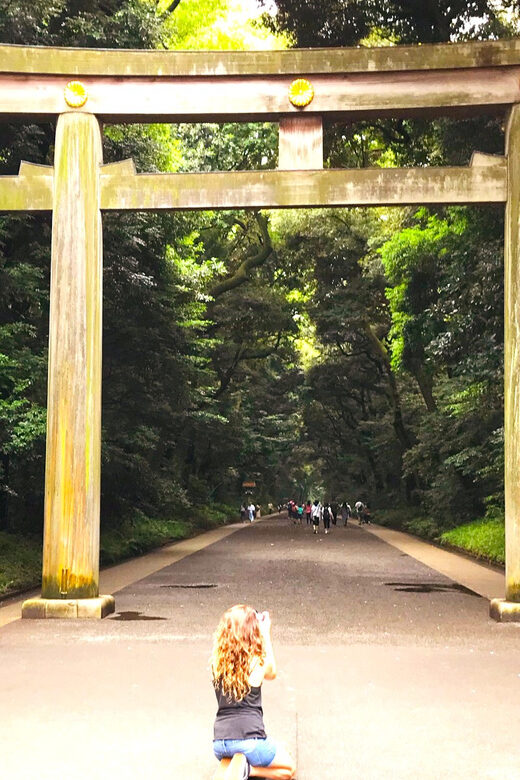
After a quick train hop, you hit Akihabara for about 30 minutes. This is the neon world of anime, gaming, and Japanese pop culture. It can be overwhelming if you rush, so the guide’s job becomes keeping you focused—what to see, what to ignore, and how to handle the sensory overload without getting cranky.
Then it’s on to Ueno Park for about 30 minutes. Ueno is a cultural crossroads: art museums and samurai-era context nearby, with park space to reset your pace. The tour is careful not to turn this into a museum sprint, so you get a taste of the area’s significance without spending the entire day indoors.
I like this transition because it gives your brain a change of scene. You go from pop culture storefront intensity to open-air cultural space. That keeps the day from turning into one long blur of similar streets.
Ameyoko Street to Sensō-ji and Asakusa Shrine
The tour moves to Ameyoko Street (about 15 minutes), which feels like a working market district. You get street food and an older Tokyo texture—louder and more direct than the polished business areas earlier in the day.
Then comes the spiritual center sequence:
- Sensō-ji Temple (about 30 minutes)
- Asakusa Shrine (about 10 minutes)
Sensō-ji is a major classic for a reason. You’ll be in the heart of old Asakusa, walking through the temple atmosphere and the surrounding activity. The guide helps you keep moving at a respectful pace and not get trapped at the most obvious choke points.
Asakusa Shrine, inside the same broader area, gives you a quieter counterweight. This is where the day’s “spiritual arc” lands: from busy temple approach to a more contained shrine feeling.
By the time you finish here, you’ve covered big-name Tokyo and the everyday street rhythms that make it feel real.
Metro, Etiquette, and What to Bring So You’re Not Frazzled
This tour explicitly trains you to navigate Tokyo using foot and metro. That means you’ll practice the “how” of riding: where to stand, how to flow with crowds, and how to keep your timing from turning into a problem.
Here’s what you should bring because it’s stated as important:
- Comfortable shoes for a long walking day
- Cash (JPY) for shops that may not take cards
- An IC transit card like Suica, Pasmo, or Icoca for metro
- Rain gear (umbrella or raincoat) since the route continues in rain
You also need to follow basic rules: no high-heeled shoes, no oversize luggage, and no baby strollers or baby carriages on this format. The tour also isn’t set up for people with mobility limitations, and it notes it’s not for pregnant guests or anyone with back problems or low fitness.
Price and Value: What You’re Really Paying For
At $90 per person, this is not a “budget fast pass,” but it is strong value if you like structured city coverage. Here’s why: the tour includes the professional guide fee and all taxes, and it states that all attractions on the tour are free to enter.
What you pay separately:
- Transportation fares are not included (about 1,500 JPY / 10 USD)
- Food and drinks are not included, including lunch at Tsukiji and snacks/dinner at the izakaya stop
So the deal is: you’re paying for routing, timing, and local guidance through neighborhoods that are hard to read when you’re new. If you try to recreate this day alone, the cost quickly becomes not just money, but lost time and confusion on transit—plus you might miss the best moments without a guide.
If you’re the type who wants your first day in Tokyo to feel organized and efficient, this price structure fits that goal.
Who This Tour Fits Best (and Who Should Skip It)
This tour is perfect for your first day in Tokyo. You’ll get your bearings fast, with a sequence that covers major zones: shrine calm, fashion streets, Shibuya icons, Tsukiji markets, Imperial-area order, Akihabara pop culture, Ueno art space, and Asakusa classics.
It’s also a good match if you enjoy a guide’s perspective. Guides are described as born-and-raised local experts trained to high standards, and the pacing is set up for small group attention. Guides such as Yasuko and Michiko are specifically mentioned as informative, friendly, and careful about pace.
Skip it if you can’t handle long walking. The tour notes it isn’t suitable for:
- Children under 13
- Pregnant women
- Wheelchair users and people with mobility issues
- People with back problems, low fitness, or a cold
- Anyone who plans to drink alcohol
Also keep your start time strict. The tour states it departs on time and late arrivals cannot join.
Should You Book This Tokyo Full Course Tour?
If you want a first-day plan that feels like Tokyo with training wheels—routes, etiquette tips, and a guide who keeps you moving—this one is worth serious consideration. The big reason is the combination of all-free entry sites, a small group, and a route that actually covers multiple Tokyo personalities without turning into a scramble.
But if you’re fragile on your feet, hate crowds, or need frequent breaks, you’ll likely feel the day’s weight. In that case, a shorter, slower neighborhood tour may fit better.
FAQ
Is the tour’s entrance cost included?
Yes. The attractions on this tour are described as free to enter. Food and drinks are not included.
How long is the Tokyo tour?
It runs about 10 hours.
What does the $90 price include?
It includes the professional guide fee and all taxes. It does not include transportation fares or meals and drinks.
How much should I budget for transportation?
Transportation fares (metro and JR trains) are estimated at about 1,500 JPY / 10 USD, and you’ll need an IC card for metro travel.
Are vegetarian and vegan options available?
Yes. Vegetarian and vegan options are always available.
What is the cancellation policy?
Free cancellation is available up to 7 days in advance for a full refund.
More Tours in Tokyo

More Tour Reviews in Tokyo



Fresh reviews from around Tokyo






Tours, compared.
 ★ 5.0Shinjuku Food Tour (13 Dishes at 4 Local Eateries)From $866,603 reviews
 ★ 4.4Tokyo Mt Fuji 5th St & Hakone Cruise Bus Tour w/Bullet TrainFrom $1545,024 reviews
 ★ 5.0Flagship 2-Hours Official Street Go-Kart Tour – Tokyo Bay ShopFrom $644,974 reviews
 ★ 4.7Mt. Fuji Tour, Hakone Ropeway, Owakudani, Lake AshiFrom $544,002 reviews
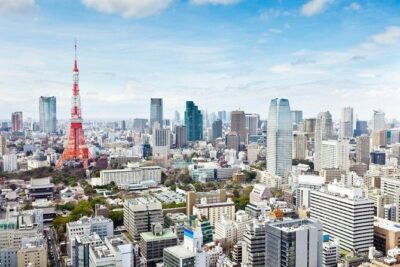 ★ 5.0Tokyo 6hr Private Tour with Government-Licensed GuideFrom $1553,902 reviews
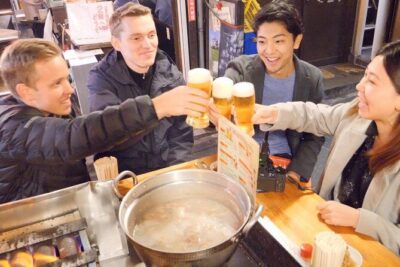 ★ 5.0Tokyo Bar Hopping Tour in Shinjuku (All-You-Can-Drink + Dinner)From $1063,587 reviews
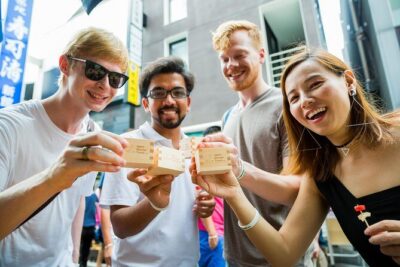 ★ 5.0Tokyo Tsukiji Fish Market Food and Culture Walking TourFrom $993,184 reviews
 ★ 4.9Shinjuku Food Tour (15 Dishes and 4 Eateries)From $852,033 reviews