
Reviewed · TOKYO
Tokyo: Tea Ceremony in Shibuya Tokyo
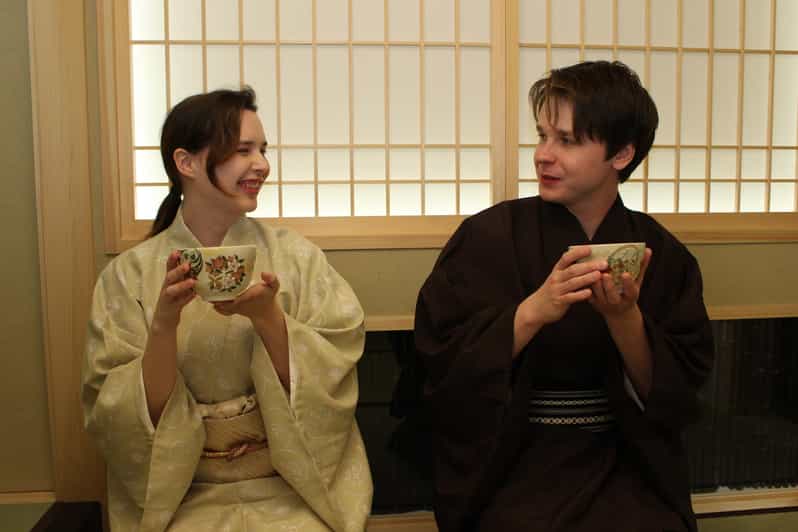
A tea ceremony in Shibuya can feel unexpectedly grounding. In a private setting, you sit in a proper tea room, learn the etiquette, and slow down with matcha and sweets at the center of it all. It’s a nice break from the fast pace that usually defines Tokyo.
I especially like that the class is taught in English by teachers experienced in tea, so you’re not left guessing what you’re doing. The hands-on part is real, too: you’ll watch the Otemae steps and then make your own tea, not just watch from the sidelines.
One consideration: since it’s private for your group (up to four), the per-person cost can feel steep if you’re used to big-group, low-price tours. If you’re traveling solo and want the social buzz of a mixed group, this isn’t that style.
In This Review
- Key things I’d plan around
- Why a Tea Ceremony in Shibuya Feels Like a Tokyo Reset
- Entering the Tea Room: Etiquette, Atmosphere, and What You’re Really Learning
- The Otemae Demonstration: The Steps You’ll Remember After You Leave
- Making Your Own Matcha: Hands-On Tea, Not Just Photos
- Matcha Tasting and Traditional Sweets: Where the Flavor Story Lands
- Kimono Moments and the Pokemon Souvenir Detail
- Price and Value: What $81 Per Person Actually Buys
- Who This Tea Ceremony Suits Best in Tokyo
- A Quick Reality Check Before You Book
- Should You Book This Shibuya Tea Ceremony?
- FAQ
- Where does this tea ceremony take place?
- Is the experience private or shared?
- Is instruction available in English?
- What happens during the class?
- Do I need special clothing?
- Is kimono included?
- What does the price include?
- Can I change my mind after booking?
Key things I’d plan around
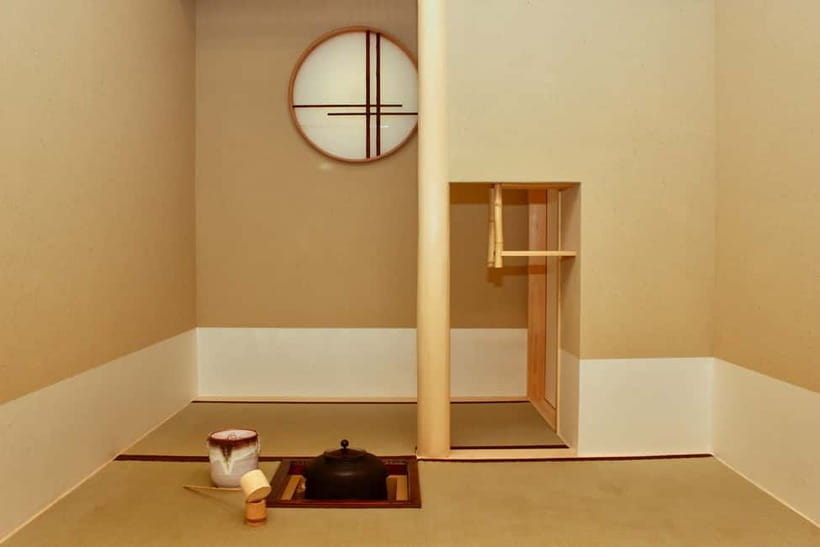
- Private tea room time in Shibuya with no mixed sessions, so the pace stays calm and personal
- English-led instruction by tea teachers who walk you through what matters
- Otemae demonstration first, then you try the movements yourself
- Matcha + traditional sweets tasting, so you get flavor context before you brew
- Optional kimono wear (extra charge) plus Pokemon souvenirs made from kimono material
- Dress support: cover your knees, and you can borrow pants or a wrap skirt for free
Before you commit, see how this one stacks up against a few Tokyo favourites:
- Mt Fuji and Hakone 1-Day Bus Tour Return by Bullet Train★ 5.0 · 26,383 reviews
- 1-Day Tokyo Bus Tour★ 5.0 · 14,250 reviews
- Tokyo: teamLab Planets TOKYO Digital Art Museum Entry Ticket★ 4.6 · 9,779 reviews
Why a Tea Ceremony in Shibuya Feels Like a Tokyo Reset
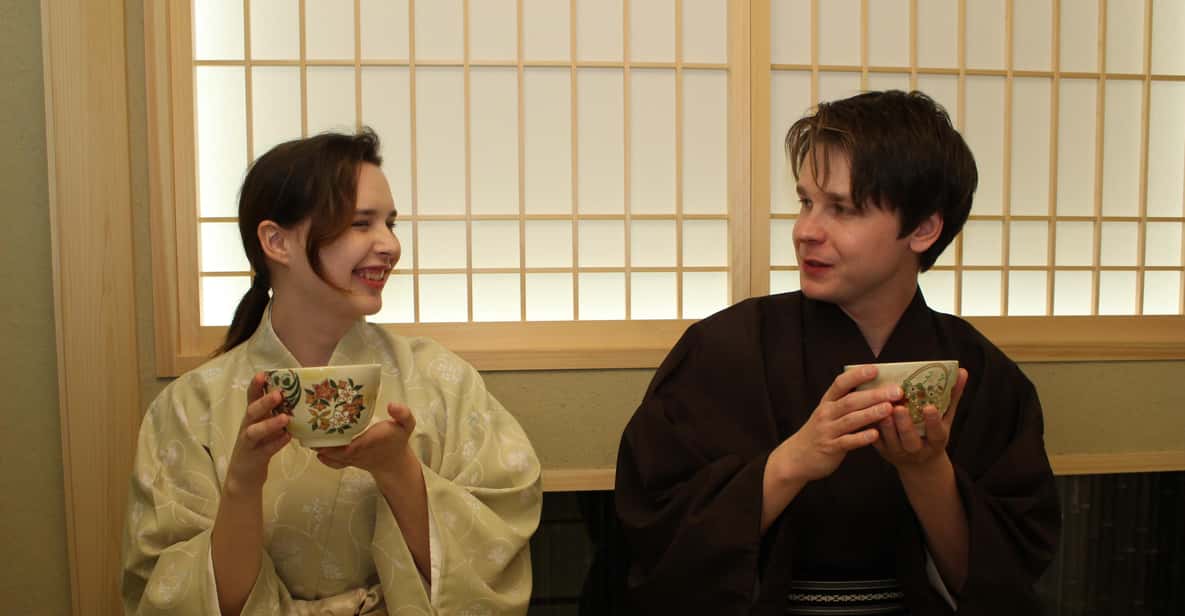
I love how this experience takes place in Shibuya, not Kyoto-style “only tourists go there” territory. Tokyo can be loud and crowded, but a tea room pulls you into a quieter rhythm where attention matters more than speed.
What makes it work is the structure. You’re not thrown into the ceremony with zero context. You get an explanation of the tea ceremony’s background and the etiquette, so when you’re lowering your gaze, handling utensils, or taking a sip, it actually makes sense.
Also, you’re doing the ceremony in a “prestigious tea room” setting. You’ll feel like you’re stepping into a space built for care and accuracy, not a classroom vibe where everyone shuffles seats and checks watches.
Entering the Tea Room: Etiquette, Atmosphere, and What You’re Really Learning
Before you touch matcha, you’ll get the basics: how the tea ceremony developed and the etiquette around it. I like this approach because it turns what could be a performance into a set of practical cultural rules you can understand quickly.
The decor and the ceremony salon setting matter here. One of the best parts is how the room helps you slow down. Even if you only know a few Japanese words, you’ll still be able to follow the flow because the teacher explains the why, not just the how.
The etiquette part is also a safety net for your confidence. You’ll know what to do with your hands, where to look, and how to behave politely in the space. That means you can focus on learning, instead of worrying about making mistakes.
The Otemae Demonstration: The Steps You’ll Remember After You Leave
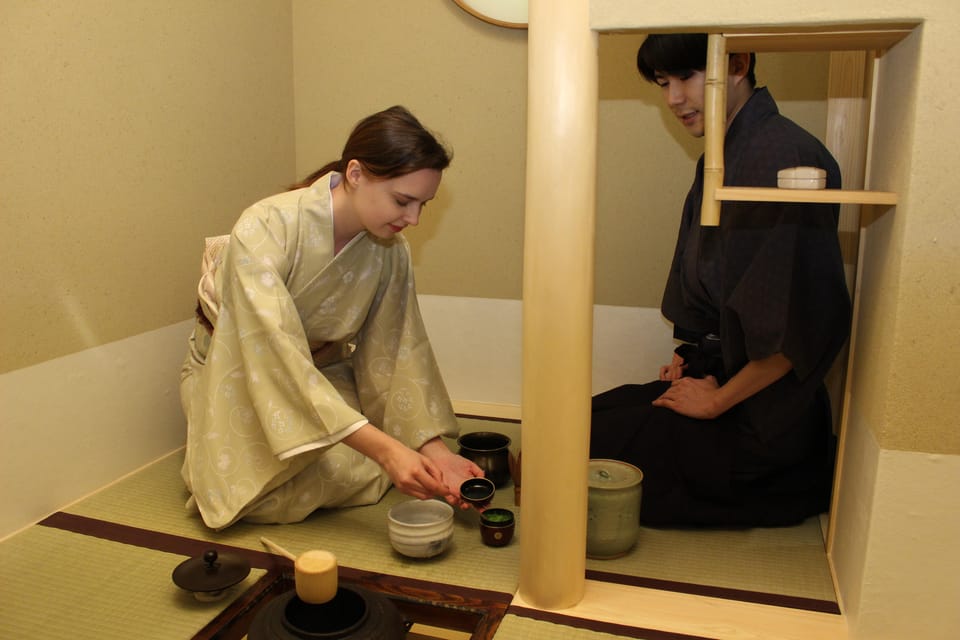
The centerpiece of the lesson is Otemae, the formal way tea is prepared in the tea ceremony. You’ll first see the teacher demonstrate the movements with an explanation, and you’ll learn what each step is trying to accomplish—balance, timing, and respect for the moment.
This is where the English instruction really helps. Many tea experiences become frustrating if the guide explains only in quick gestures. Here, the teacher guides you through the process in a clear way, so you understand what you’re copying and why.
If you’ve ever tried to watch tea videos online, you know how hard it is to translate speed into correct steps. A live demonstration solves that. You can watch at the pace set for your group, and you’ll pick up details you’d miss on a screen—like how things are handled, how utensils are positioned, and how the sequence flows.
Making Your Own Matcha: Hands-On Tea, Not Just Photos
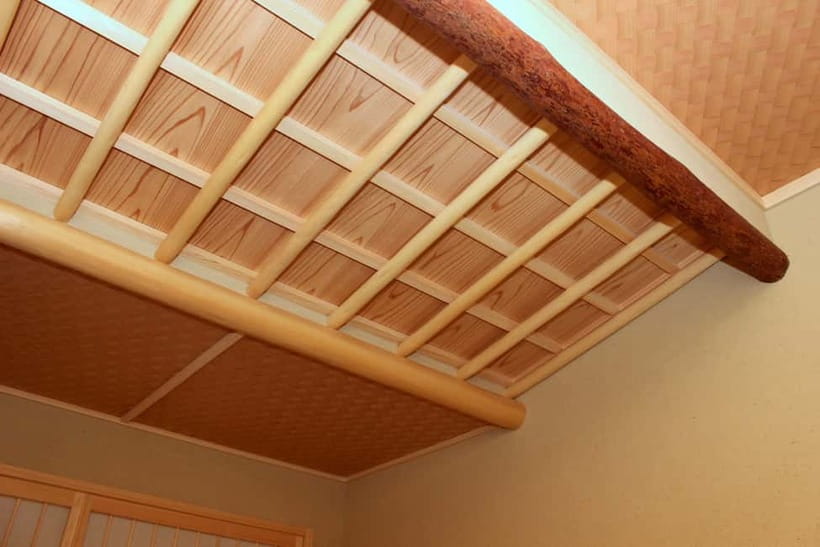
After the demonstration, it’s your turn. You’ll make your own matcha, using the ceremony’s methods rather than a shortcut. This is one of the most satisfying parts because it’s tangible learning: you mix, you whisk, you watch texture, and you get the satisfaction of doing it yourself.
In a private group (up to four people per booking), the teacher can slow down. That matters. If you’re learning something that depends on timing and touch, having the attention of the instructor makes a difference.
You’ll also get time for tasting after you prepare. The ceremony isn’t only about technique. It’s also about understanding how the tea tastes and how sweetness and flavor balance show up in traditional Japanese sweets served alongside.
And yes, you’ll likely notice how the group dynamic shifts. When you take turns making matcha and tasting, everyone participates without feeling rushed.





Matcha Tasting and Traditional Sweets: Where the Flavor Story Lands
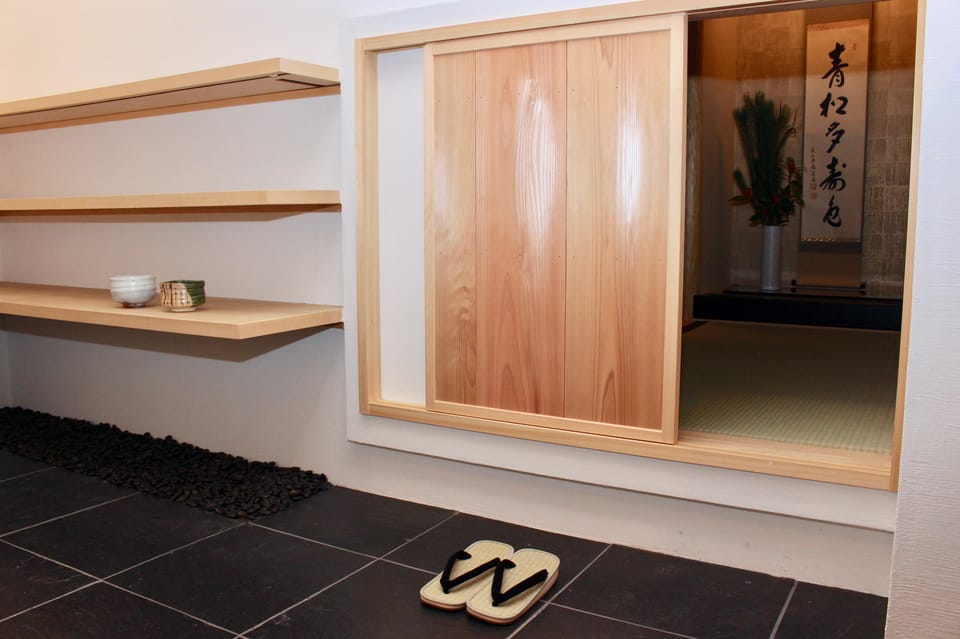
Before you brew your own tea, you’ll enjoy the tasting of traditional Japanese sweets. I love that order. It gives you something to focus on while your brain shifts from Tokyo mode to tea mode.
Then you’ll taste your matcha tea. The pairing matters: the sweets help you notice sweetness, texture, and subtle flavor contrast against the matcha. It makes the experience feel like more than a single sip moment.
The teacher’s explanations help you connect the taste to the ceremony’s intention. You start to understand why tea is served with care, why the environment matters, and why the ritual isn’t just for show.
Kimono Moments and the Pokemon Souvenir Detail
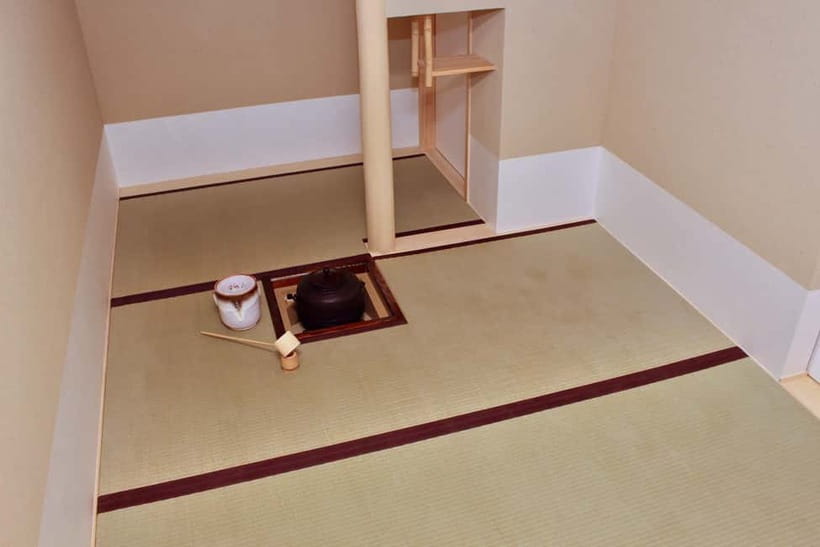
This experience includes extra cultural touches beyond the core ceremony. You may be able to wear a kimono for the class, but that typically comes with an additional charge. It’s not required for the tea lesson, but it’s a fun option if you want the full “tea room + tradition” look.
If clothing is a concern, you’re covered. You should wear skirts or pants long enough to cover your knees. If you don’t, you can borrow suitable pants or a wrap skirt for free. That’s one of those small details that turns a stressful outfit decision into a non-issue.
One highlight I found genuinely charming: there are souvenirs such as Pokemon made from kimono material. It’s the kind of cute, specific Tokyo detail that makes the experience feel located in the city, not imported from somewhere else.
At the end, you may also have the chance to buy a tea set for matcha at the session. That’s a smart move if you want to keep the ritual going after your trip.
Price and Value: What $81 Per Person Actually Buys
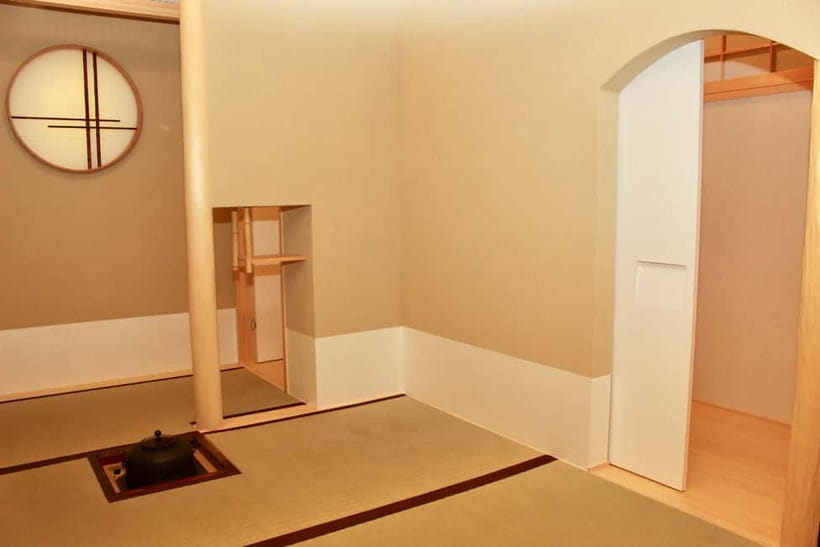
The price is listed at $81 per person. On paper, that can sound like a splurge—until you break down what’s included and who it’s designed for.
What you get is a private tea ceremony experience: tea and sweets fees, facility charges, and taxes are included. So you’re not mentally adding extra costs for each item once you arrive.
The privacy is the big value factor. With a group size of 1 to 4 per booking and no mixed sessions, you get more instructor attention and a calmer atmosphere. If you’ve done group tours where you’re basically standing in line while someone else gets the explanation, this feels different.
Also, English support is part of the deal. You’re paying for a teacher-led experience that helps you understand the culture and etiquette, not just follow a sequence you can’t interpret.
If you need it, pickup service is included. That matters in Tokyo, where “easy” can turn into time lost navigating trains.
Who This Tea Ceremony Suits Best in Tokyo
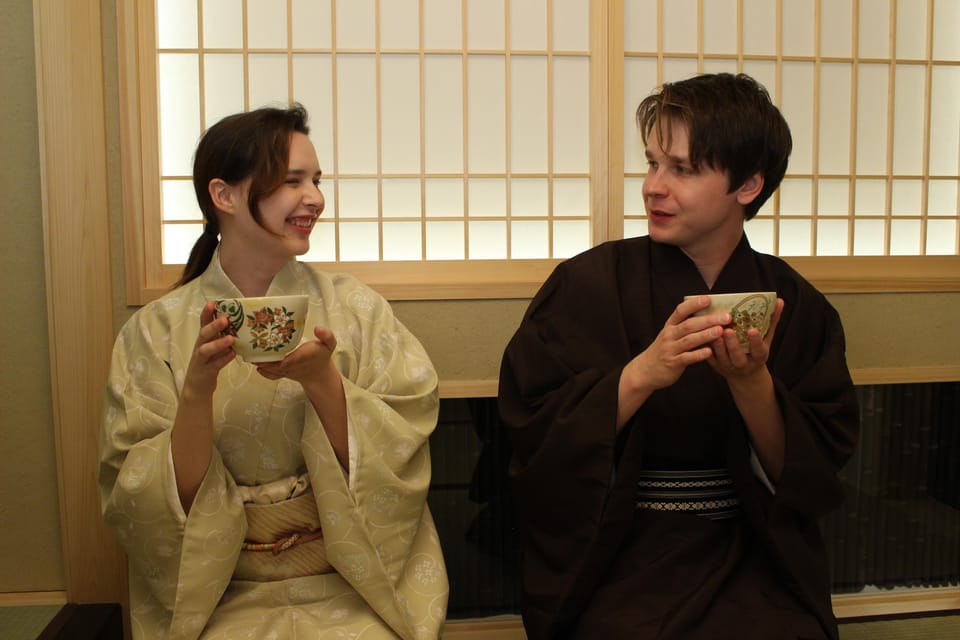
This is a great fit if you want a cultural activity that stays personal. I’d point especially to families, couples, and small groups who want a calm, structured experience with an instructor guiding everything.
It also works well if you’re traveling with mixed interests—someone wants tradition, someone else wants hands-on participation, and everyone still gets snacks and tea.
If you want a lively street tour or a shopping crawl, this won’t match that mood. This is quiet learning. Think “slow craft + flavor” more than “big sightseeing loop.”
Language matters too. Because the class is offered in English, you’ll get more out of the etiquette and history than you might with a purely visual experience.
A Quick Reality Check Before You Book
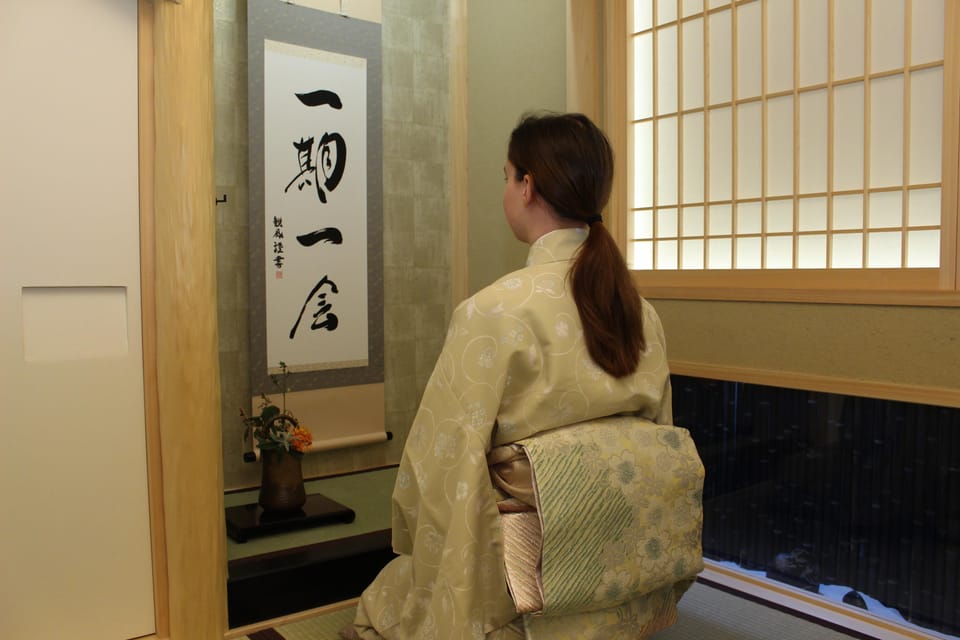
The ceremony takes place in a dedicated tea room in Shibuya, and the class runs as a private experience. That means you should be comfortable enjoying a focused activity without the energy of a large group.
Bring the basics of respect and attention, and you’ll feel like you belong. If you’re worried about dressing properly, remember that you can borrow clothing that covers your knees.
Finally, if you’re tight on time, check which session length is available for your dates. One shorter option has been mentioned as available, so you might be able to fit it into a busy day.
Should You Book This Shibuya Tea Ceremony?
Yes, if you want a genuine cultural ritual you can understand, not just observe. The combination of Otemae demonstration, hands-on matcha making, and tasting Japanese sweets makes it feel complete.
Also book it if you value English instruction and private pacing. That’s the difference between “I did a tea ceremony” and “I learned something I can explain later.”
Skip it only if you’re chasing a high-energy Tokyo show or you don’t want to pay for privacy. Otherwise, it’s a thoughtful, memorable way to slow down in Shibuya.
FAQ
Where does this tea ceremony take place?
It’s a tea ceremony experience in Shibuya, Tokyo (Honshu, Japan).
Is the experience private or shared?
It’s completely private for your group, and they do not arrange mixed sessions. Group size is 1 person up to 4 people per booking.
Is instruction available in English?
Yes. Classes are held by English-speaking teachers experienced in tea.
What happens during the class?
You’ll get an explanation of the tea ceremony’s history and etiquette, watch a demonstration of Otemae, make your own matcha, and taste your matcha tea along with traditional Japanese sweets.
Do I need special clothing?
You don’t need anything specific, but you should wear skirts or pants long enough to cover your knees. Suitable pants or a wrap skirt can be lent for free.
Is kimono included?
You may be able to wear a kimono, but there is a charge if you choose to do so.
What does the price include?
The price includes tea and sweets fees, facility charges, and taxes. A pickup service is included if needed.
Can I change my mind after booking?
You can cancel up to 24 hours in advance for a full refund, and there is a reserve & pay later option available.
More Tour Reviews in Tokyo



Fresh reviews from around Tokyo






Tokyo, compared.
 ★ 5.0Mt Fuji and Hakone 1-Day Bus Tour Return by Bullet TrainFrom $16326,383 reviews
 ★ 5.01-Day Tokyo Bus TourFrom $12914,250 reviews
 ★ 4.6teamLab Planets TOKYO Digital Art Museum Entry TicketFrom $259,779 reviews
 ★ 4.0Mt Fuji & Hakone Cruise, Drum Show Bullet Train 1 Day from TokyoFrom $1497,413 reviews
 ★ 5.0Shinjuku Food Tour (13 Dishes at 4 Local Eateries)From $866,603 reviews
 ★ 4.4Tokyo Mt Fuji 5th St & Hakone Cruise Bus Tour w/Bullet TrainFrom $1545,024 reviews
 ★ 5.0Flagship 2-Hours Official Street Go-Kart Tour – Tokyo Bay ShopFrom $644,974 reviews
 ★ 4.5From Tokyo: Mount Fuji Full-Day Sightseeing TripFrom $684,970 reviews