
Reviewed · MT FUJI DAY TRIPS
Tokyo: Mt. Fuji and Hakone Tour with Cable Car and Cruise
Mt. Fuji up close is a timed sprint. This tour strings together Mt. Fuji 5th Station and Hakone Ropeway with an included Lake Ashi cruise, so you hit two major regions in one day. I love that you go with a live English guide who leads you through the key moments, including the highest point area near the summit. I also like the variety: sulfur steam and black-egg souvenirs in Hakone, then calmer views on the lake.
The main thing to watch is pace. The day runs on tight timing, and traffic or cloud cover can cut into your time at Mt. Fuji and in Hakone, so you should plan to move fast and grab photos when you get the chance.
In This Review
- Key things to know before you go
- What this Mt. Fuji and Hakone day trip is really like
- From Shinjuku to Mt. Fuji 5th Station: altitude, timing, and Komitake Shrine
- When the 5th station doesn’t work
- A small but real tip: water is precious at the station
- Lunch time: hot pot and half buffet with a real clock
- Hakone Ropeway to Owakudani: sulfur air, steam views, and safety notes
- Black eggs: the most memorable souvenir (and it’s not included)
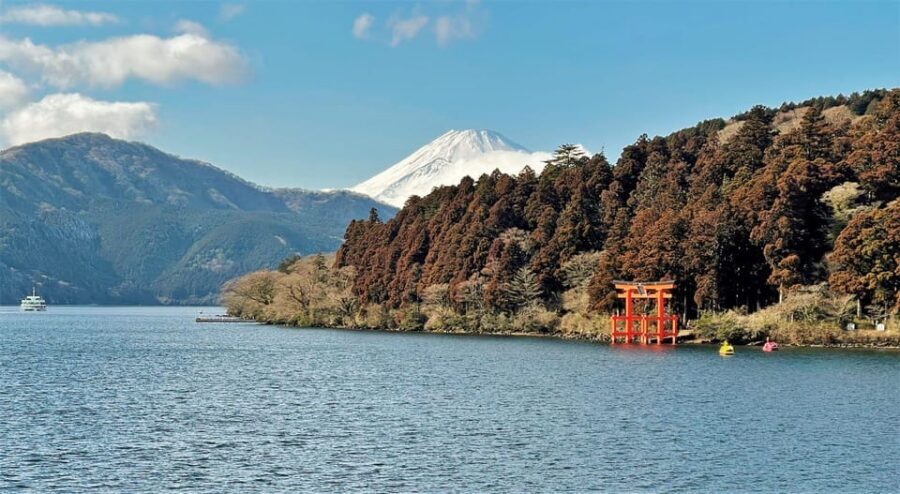
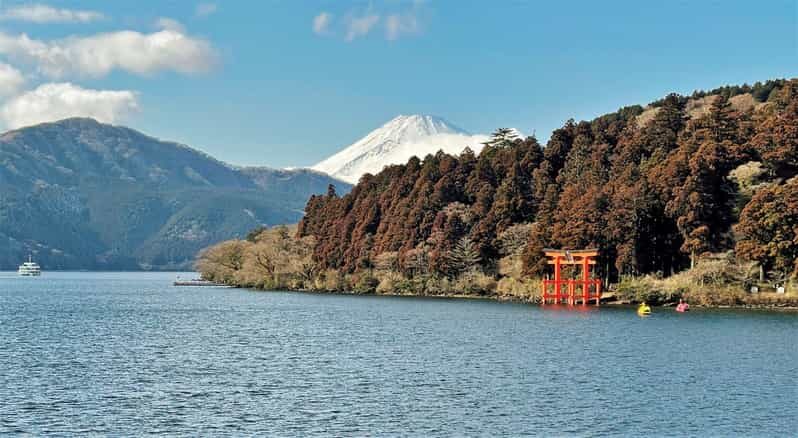
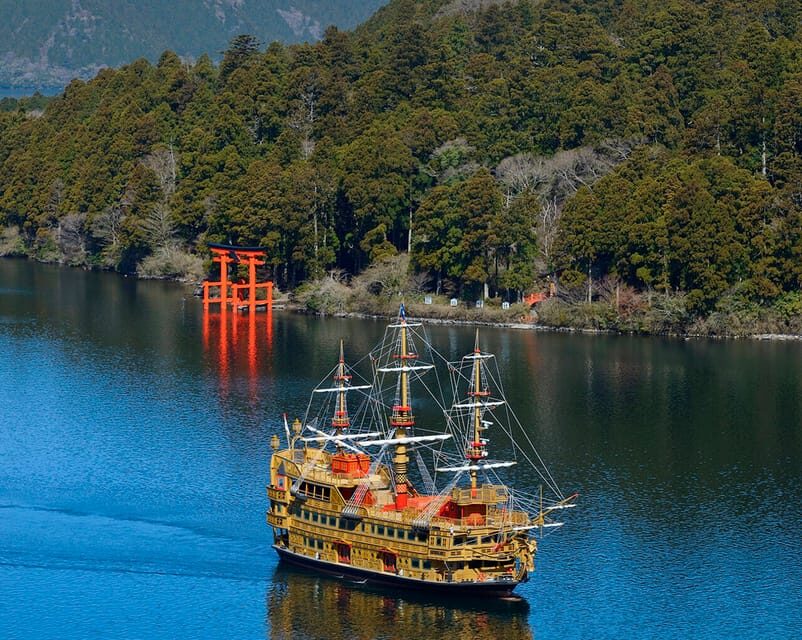
- Lake Ashi cruise: the payoff when Mt. Fuji appears
- Weather Plan B: what happens when Mt. Fuji or activities shift
- The pace and the guide’s job: why timing can feel rushed
- Return to Tokyo Station, plus Hakone-Yumoto or Odawara options
- Price and value: where the $92 really goes
- Who should book this tour (and who might feel cramped)
- Families and kids
- Wheelchair access notes
- Should you book this Mt. Fuji and Hakone tour?
- FAQ
- How long is the Mt. Fuji and Hakone tour?
- Where does the tour depart from in Tokyo?
- What is included in the price?
- What if Mt. Fuji 5th Station is not reachable?
- Is Mt. Fuji guaranteed to be visible?
- Can I choose where I get dropped off on the way back?
Key things to know before you go
- Mt. Fuji 5th Station is the goal at about 2300 m elevation, with quick chances to spot the peak as clouds shift fast
- English guides can really shape the day; you may get hosts like Mary-san, Yoko/Yoyo, or Harry, often bringing lively commentary and humor
- Owakudani is the real show through the ropeway—fumaroles and solfataras in every direction, with a clear warning for respiratory sensitivities
- You can buy black eggs there (the famous ones boiled in sulfuric water), but the souvenir cost is not included
- Lake Ashi cruise is better when it’s clear—you’ll want to stay on deck for the best views of Mt. Fuji
- Return drop-offs can vary: many plans send you back to Tokyo Station, but you can often choose Hakone-Yumoto or Odawara depending on your next move
Other routes to the mountain, compared
- Mt Fuji & Hakone Cruise, Drum Show Bullet Train 1 Day from Tokyo★ 4.0 · 7,413 reviews
- Tokyo Mt Fuji 5th St & Hakone Cruise Bus Tour w/Bullet Train★ 4.4 · 5,024 reviews
- From Tokyo: Mount Fuji Full-Day Sightseeing Trip★ 4.5 · 4,970 reviews
What this Mt. Fuji and Hakone day trip is really like
This is one of those “icon-to-icon” tours that tries to squeeze in the big hits without making you study transit maps all day. You start from central Tokyo, ride a bus over the Chūō Expressway and Subaru Road, and then pivot quickly into two different moods: volcanic drama in Hakone, followed by wide-open water on Lake Ashi.
If the weather cooperates, it feels like a high-impact sampler. If it doesn’t, you’ll still get plenty of sights, but the Mt. Fuji views can be less consistent. Either way, the guide helps keep the day from falling apart, especially when the schedule is moving.
From Shinjuku to Mt. Fuji 5th Station: altitude, timing, and Komitake Shrine
You’ll depart from Shinjuku (Love Object) and drive for about 2.5 hours to the Mt. Fuji area. The route is part of the experience: you’re not taking slow scenic roads all day. It’s more like getting positioned fast, so your energy goes toward the key viewpoint time.
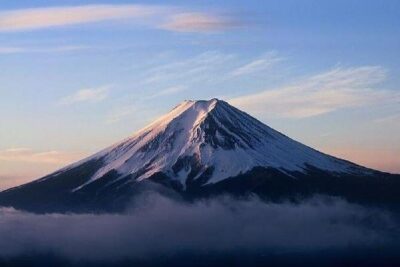
At the Mt. Fuji 5th Station (about 2300 m), you’re much closer to the summit than most people ever reach by public transport. The important practical detail is this: clouds can move quickly, so you need to keep an eye on the horizon and be ready to raise your camera right away. When you see visibility, take it.
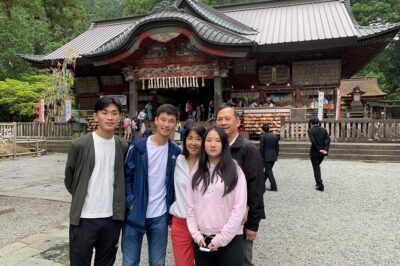
You’ll also have time for small on-foot moments, including the Komitake Shrine area and souvenir browsing at the station. One helpful mindset from the trip style: don’t plan on a long, relaxed wander if your priority is photos. You’ll get the best results by stepping outside the souvenir flow first, then checking shops if time remains.
When the 5th station doesn’t work
Bad weather or an accident can prevent reaching the 5th Station. If that happens, you’ll go to the highest point possible instead. This is a good “plan reality” note: your experience is built around access, but it has a weather-dependent ceiling.
A small but real tip: water is precious at the station
At 5th Station, water is precious, so conserve when using restrooms. It’s a small instruction, but it reflects what the mountain area is like logistically, especially when crowds and limited facilities collide.
More Hakone loops, ropeways and lake crossings
Lunch time: hot pot and half buffet with a real clock
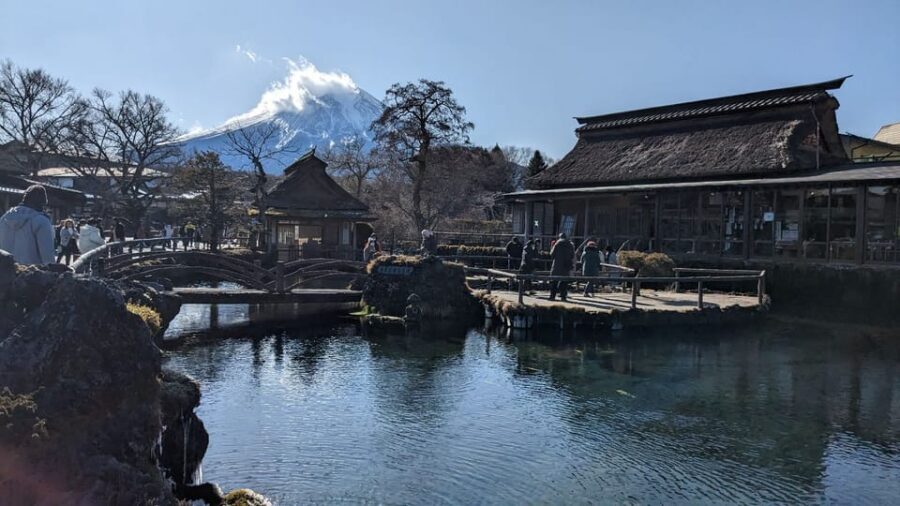
Lunch is included if you choose the lunch option, and it’s timed tightly: about 45–60 minutes. The meal is described as a hot pot setup with a half buffet style, which is a practical format for group tours. You get variety without needing to spend half the afternoon figuring out ordering.
This is also your best chance to manage dietary needs before the day gets hectic. If you have restrictions, let the team know so they can try to keep everyone comfortable.
The only consideration is simple: you’re eating with the schedule in mind. So if you’re the type who likes lingering over a meal, treat lunch as fuel and keep your energy for Hakone and the lake cruise.
Hakone Ropeway to Owakudani: sulfur air, steam views, and safety notes
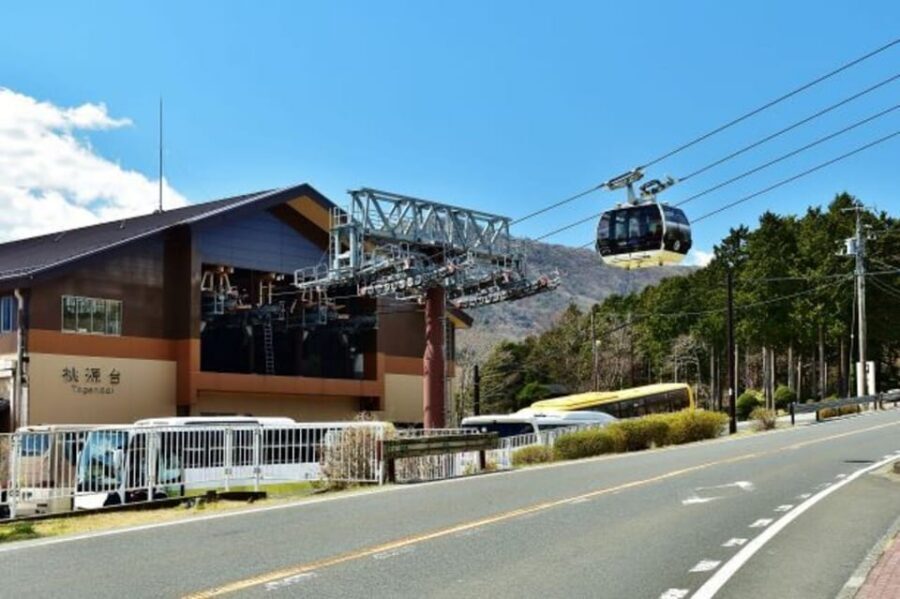
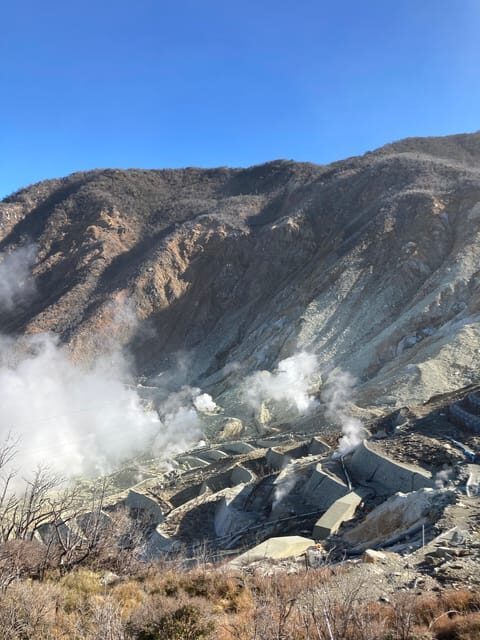
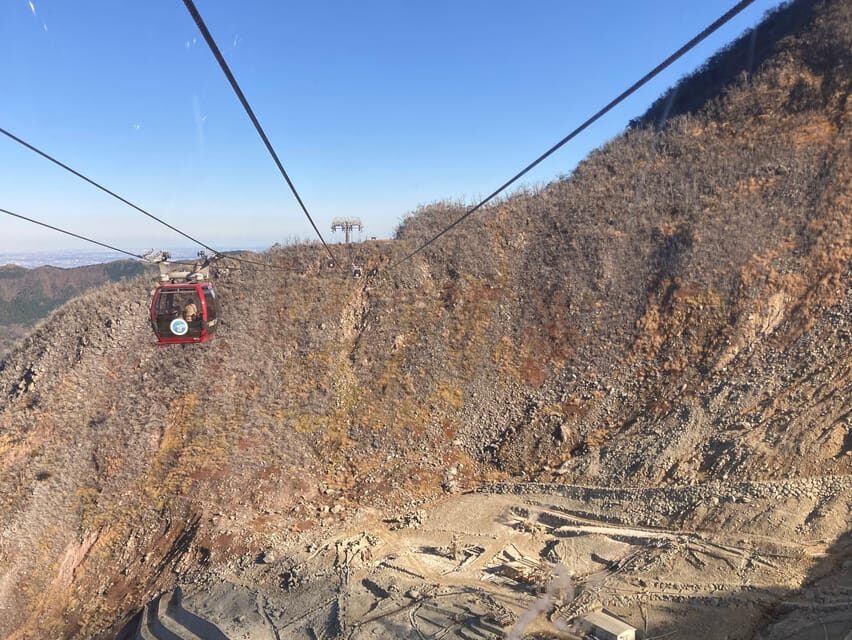
The Hakone Ropeway is where the day turns dramatic. You’ll ride the gondola up to the Owakudani volcanic area, and the visual tone shifts instantly. Fumaroles and solfataras can be visible in multiple directions, so it doesn’t feel like a single viewpoint—it’s more like a whole field of active geology.
A key note here is about breathing comfort. If you have respiratory problems, take the warning seriously and check on-site conditions. The experience is stunning, but it’s not designed to be “gentle air.”
Black eggs: the most memorable souvenir (and it’s not included)
Owakudani is famous for the black eggs, boiled in sulfuric water heated by volcanic activity. You can purchase them there, and the souvenir fee isn’t included in your tour price.
If you want one, don’t treat it like an optional afterthought. Decide early, especially if the time in the volcanic area feels brief due to traffic or weather.
Lake Ashi cruise: the payoff when Mt. Fuji appears
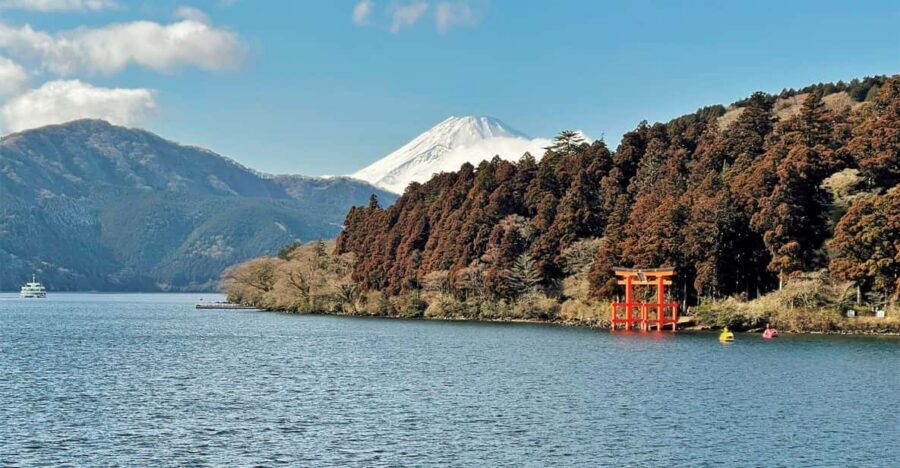
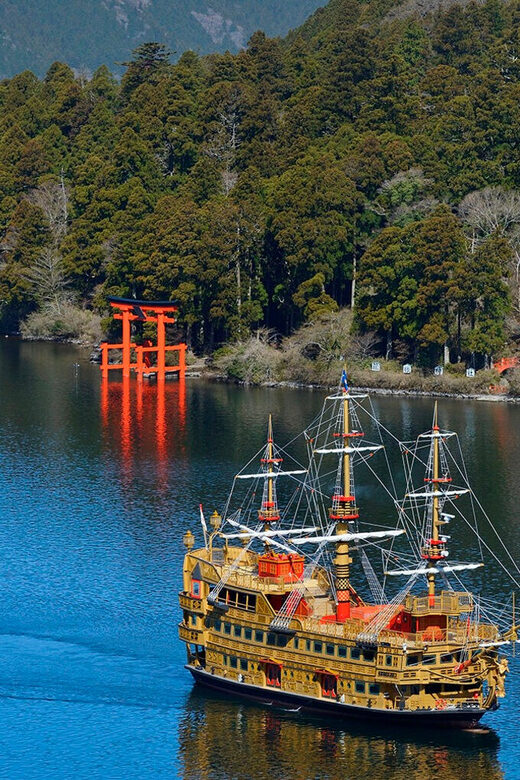
After the ropeway, you’ll shift from sulfur to water with a Lake Ashi cruise. This is a good contrast break, and it’s also the moment you most want clear weather.
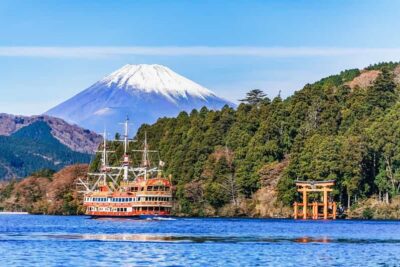
The tour description emphasizes sweeping views of Mt. Fuji from the deck when it’s clear, which matches how this area works in real life: you don’t get to control the clouds. So your best move is to stay alert on deck and be ready to enjoy it when visibility opens up.
Even if Mt. Fuji doesn’t show fully, the cruise still gives you breathing room compared to the more “stop-and-go” parts of the day. It’s one of those rare segments that feels like your eyes get to rest for a while.
Weather Plan B: what happens when Mt. Fuji or activities shift
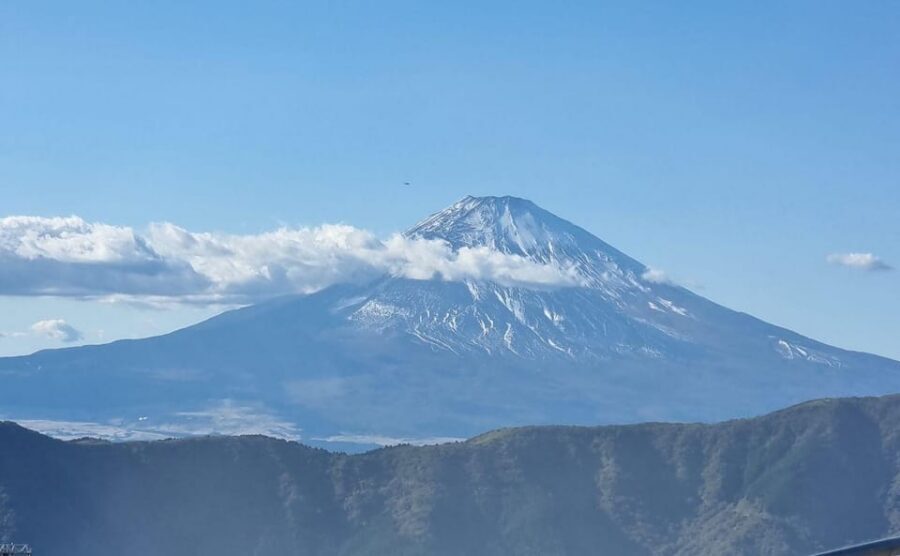
Two things can happen with weather. First, Mt. Fuji might not be visible, even if the tour still runs. Second, if an activity doesn’t operate, the day swaps in alternatives.
If reaching the 5th Station fails due to weather or road issues, you’ll visit the highest point possible. And if one of the tour activities isn’t operating, the plan can swap to options such as:
- Lake Kawaguchi cruise
- Mt. Fuji Panoramic Ropeway
- Mishima Skywalk
- Odawara Castle
- Hakone-en Aquarium
- Narukawa Art Museum
- Hakone Checkpoint
- Hakone Shrine
Here’s the practical advice: go in ready to be flexible. If you’re arriving with a strict mental checklist of exactly what you want to see, this tour will test that patience on bad-weather days.
Also note the reality check: there are no refunds for issues related to weather or schedule changes made by the guide or staff. That doesn’t mean the day is bad—it means you’re buying a guided routing experience, not a guaranteed weather-proof view.
The pace and the guide’s job: why timing can feel rushed
This tour has a clear rhythm: drive, climb, eat, ropeway, cruise, then return to Tokyo. That structure is what lets you see everything you came for, but it also creates the feeling some people describe as rushed.
One repeated theme is timing at Mt. Fuji 5th Station—clouds can move fast, and if traffic compresses your stop, you may not get a second chance for photos. The best strategy is to be ready the moment you step out. Take your Fuji shots first, then handle souvenirs and shrine time after.
Guide quality matters because the host is the one managing the clock. English guides may bring helpful context, and on past departures you might hear guides like Mary-san, Yoko/Yoyo, or Harry lead the group with clear explanations and a light tone. When things go sideways—slow traffic, sudden changes—this kind of leadership is what keeps the day from turning frustrating.
Return to Tokyo Station, plus Hakone-Yumoto or Odawara options
Your return is by bus, and typical duration is about 120 minutes back to Tokyo Station. But you may be able to choose a plan that drops you at Hakone-Yumoto or Odawara Station instead, depending on where you’re staying and what you want to do next.
This is worth paying attention to because a day-trip return can either help your itinerary or wreck it. If you’re continuing onward in Japan, choosing the right drop-off point can save you from a second long journey later.
If you’re planning to connect to a shinkansen, the tour notes that you may need to book that separately. So if trains are part of your plan, check your next segment early.
Price and value: where the $92 really goes
At $92 per person, the value depends on what you compare it to. This price covers:
- air-conditioned bus transportation
- a live tour guide (English)
- Hakone Ropeway gondola ticket
- Lake Ashi cruise ticket
- lunch only if you select the lunch option
What you’re not paying for in the ticket price is your hotel pickup/drop-off and drinks. But the core sightseeing transport is handled, which is the expensive part when you try to piece this day together alone.
The strongest value case is simple: you want ropeway + cruise + guided Mt. Fuji 5th Station access in a single day, and you don’t want to manage logistics. If you’d rather move slowly at your own pace, this may feel too structured.
Also remember that weather affects Mt. Fuji visibility. You’re not only paying for seats and tickets; you’re paying for access and guidance that helps you make the most of the conditions you get.
Who should book this tour (and who might feel cramped)
This is a great fit if you:
- want a high-impact day with both Mt. Fuji and Hakone in one stretch
- like having a guide handle the routing and key moments
- don’t mind moving efficiently through the day to hit the big stops
It may be less ideal if you:
- hate tight schedules and want lots of free time
- get frustrated by traffic slowdowns
- need very predictable, long stop durations at each location
Families and kids
Children up to 3 years old can join free, but they won’t be provided with bus seats or lunch. If you need a seat or lunch, the tour asks you to book under the child rate.
Wheelchair access notes
All sightseeing spots are described as wheelchair-accessible. The limitation is the standard tour buses: they’re not equipped with wheelchair lifts or ramps. Folding wheelchairs can generally be stored in the luggage compartment, while electric wheelchairs may be hard to accommodate due to size and weight limits. If you’re bringing a wheelchair, you should inform the provider at booking time so arrangements can be checked.
Should you book this Mt. Fuji and Hakone tour?
If you want one guided day that covers Mt. Fuji 5th Station, Owakudani by ropeway, and a Lake Ashi cruise, this is a strong option. The inclusions are the heavy hitters: the transportation, the guide, the gondola ticket, and the cruise—plus lunch if you choose it.
Book it if you’re flexible about weather and you’re comfortable with a packed schedule. Skip it (or at least rethink your expectations) if you want lots of free time or you absolutely need a long, unhurried stop at the mountain viewpoint.
FAQ
How long is the Mt. Fuji and Hakone tour?
The tour runs about 11 hours for one day.
Where does the tour depart from in Tokyo?
The departure is from Shinjuku, specifically the Shinjuku Love Object area.
What is included in the price?
Included are air-conditioned bus transportation, an English live tour guide, the Hakone Ropeway (gondola) ticket, the Lake Ashi cruise ticket, and lunch only if you select the lunch option.
What if Mt. Fuji 5th Station is not reachable?
If the tour cannot reach the 5th Station due to bad weather or an accident on the road, it will visit the highest point possible instead.
Is Mt. Fuji guaranteed to be visible?
No. Weather conditions like high humidity, heavy rain, and fog can mean Mt. Fuji isn’t visible.
Can I choose where I get dropped off on the way back?
Yes. The default return is back to Tokyo Station by bus (about 120 minutes), but you can often choose a plan that drops you at Hakone-Yumoto or Odawara Station instead.
More Tour Reviews in Tokyo






Hakone, Three More Ways
The Fuji Shortlist: Other Days Out to the Mountain

Fresh reviews from around Tokyo






Mt Fuji Day Trips, compared.
 ★ 4.0Mt Fuji & Hakone Cruise, Drum Show Bullet Train 1 Day from TokyoFrom $1497,413 reviews
 ★ 4.4Tokyo Mt Fuji 5th St & Hakone Cruise Bus Tour w/Bullet TrainFrom $1545,024 reviews
 ★ 4.5From Tokyo: Mount Fuji Full-Day Sightseeing TripFrom $684,970 reviews
 ★ 4.7Mt. Fuji Tour, Hakone Ropeway, Owakudani, Lake AshiFrom $544,002 reviews
 ★ 5.0Private Tour to Mt. Fuji and Hakone (Fully Licenced Operator)From $4971,910 reviews
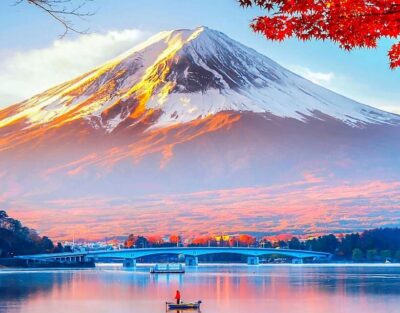 ★ 4.9Mount Fuji Full-Day Private Tour from Tokyo (Customizable)From $3931,470 reviews
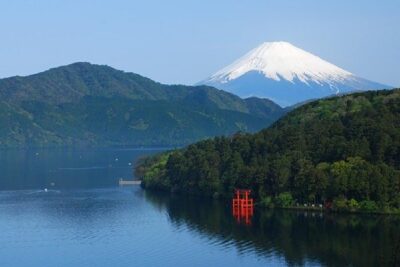 ★ 4.0Mt Fuji & Hakone Cruise, Drum Show Bus 1 Day from TokyoFrom $1221,287 reviews
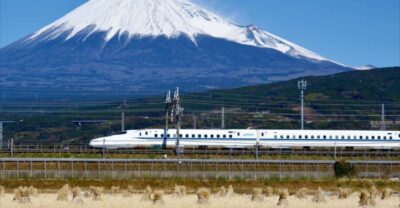 ★ 4.2From Tokyo: Mt. Fuji & Hakone Tour w/ Return by Bullet TrainFrom $1171,278 reviews
Browse the lists this tour appears in