
Reviewed · MT FUJI DAY TRIPS
Tokyo: Hakone Fuji Day Tour w/ Cruise, Cable Car, Volcano
Mount Fuji daydreams start fast. This tour links lake views, an ropeway ascent, and the steam-and-sulfur drama of Owakudani in one smooth, coach-paced day. I especially like the pirate-style cruise on Lake Ashi followed by the cable-car style lift up toward Mt. Hakone. And I love that the volcanic stop includes a chance to try the legendary kuro tamago (black boiled egg), plus time to eat and shop around the valley.
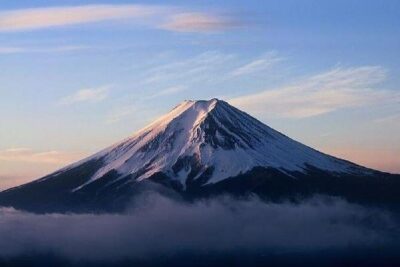
One thing to plan for: Fuji isn’t guaranteed. When clouds roll in or wind shuts down the ropeway/cruise, your views may be more “Hakone scenery” than postcard Mt. Fuji, even though the day stays worthwhile.
In This Review
- Quick hits before you go
- A well-paced Hakone day: more views, less hassle
- Starting from Tokyo: the coach ride you’ll actually appreciate
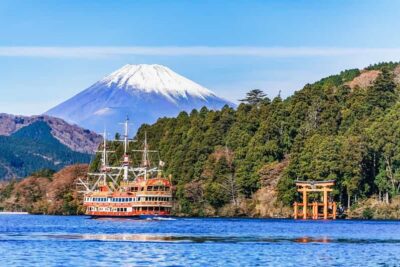
- Lake Ashi on a pirate boat: the Fuji views most people remember
- Ropeway up Mt. Hakone: second chances for the mountain
- Owakudani Great Boiling Valley: sulfur air and black eggs
- Gotemba Premium Outlets: shopping with a view when Fuji cooperates
- Gotemba Onsen Kaikan: hot springs to reset your legs
- Value and price: what you get for about $98
- Timing and weather: the real boss fight
- Who should book this tour (and who should skip it)
- Should you book the Hakone Fuji Day Tour?
- FAQ
- Is the tour about 10 hours long?
- What’s included in the price?
- What isn’t included?
- Where does the tour start and end?
- Can I bring luggage or large bags?
- What languages does the guide speak?
- Is Mount Fuji guaranteed to be visible?
- What happens if the ropeway or cruise closes?
Quick hits before you go
- Pirate-boat cruise on Lake Ashi for classic Fuji-horizon views from the water
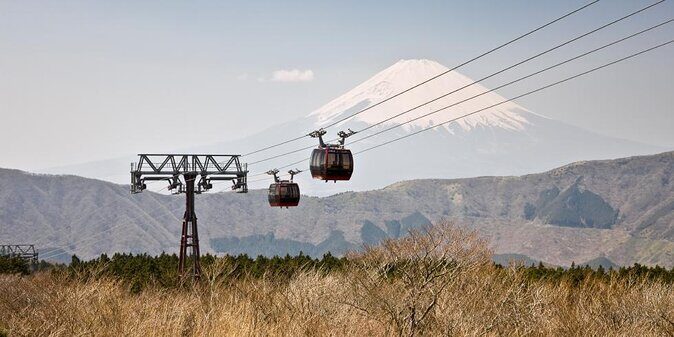
- Hakone Ropeway for a second angle on Mt. Fuji from higher up
- Owakudani Great Boiling Valley with steaming volcanic atmosphere and black eggs
- Gotemba Premium Outlets with big-name shopping and Fuji sightings when skies cooperate
- Gotemba Onsen Kaikan so you can end the day with a hot-spring soak and a mountain-view vibe
- A live English-language guide (you might get guides named Tina, Jeff, or Vicky depending on the run)
Other routes to the mountain, compared
- Mt Fuji & Hakone Cruise, Drum Show Bullet Train 1 Day from Tokyo★ 4.0 · 7,413 reviews
- Tokyo Mt Fuji 5th St & Hakone Cruise Bus Tour w/Bullet Train★ 4.4 · 5,024 reviews
- From Tokyo: Mount Fuji Full-Day Sightseeing Trip★ 4.5 · 4,970 reviews
A well-paced Hakone day: more views, less hassle
This is the kind of day trip you book when you want Hakone without doing the puzzle. The tour is built around a simple idea: travel from Tokyo, stack the best scenic experiences in a logical order, then finish with either shopping or relaxing in an onsen.
Because it’s run by a live guide and a coach with air-conditioning, you’re not spending your energy figuring out trains, transfers, and ticket counters. You’re spending it outside, looking up, and saying yes to photos when Fuji appears between cloud breaks. Guides on these departures (including English-speaking hosts like Tina, Jeff, and Vicky on past groups) tend to explain what you’re seeing step by step, which helps a lot in Hakone, where each stop has its own “rules of the game.”
The day is also a good length: about 10 hours, with a return to Shinjuku by around 6:00 PM. That timing matters because Hakone can eat up half a day all by itself. Here, you get multiple highlights in one shot.
Starting from Tokyo: the coach ride you’ll actually appreciate
The trip begins in central Tokyo, with a meeting point that may vary by your option, commonly around Matsuoka Central Building (Yaesu). From there, you’re in an air-conditioned coach for roughly two hours toward Hakone.
Two practical reasons I like this setup:
- You can start the day early without stress, then focus on scenery once you’re out of the city.
- The coach approach tends to keep the group together, so you’re less likely to lose time at transfers.
A small but real comfort point from the experience: the bus setup can include charging ports for your phone, which is handy when you’re bouncing between water, ropeway views, and a foggy volcanic valley where you’ll want photos ready to go.
Lake Ashi on a pirate boat: the Fuji views most people remember
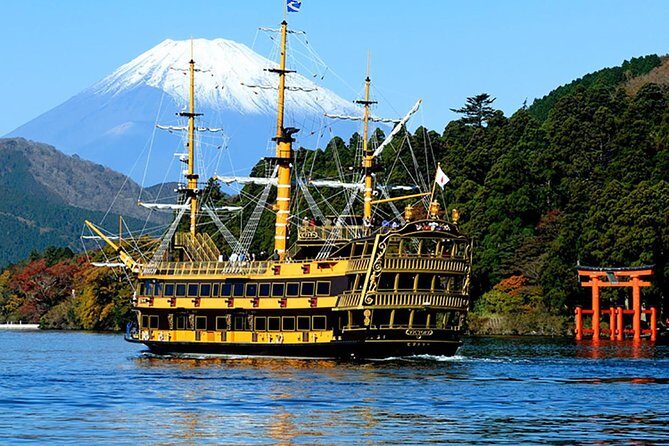
Lake Ashi is where the Hakone mood clicks in. After the coach ride, you get around 30 minutes on the water for a sightseeing cruise on a well-decorated pirate-style boat.
This is a short window, so you’ll want to be ready right when you board:
- Grab a spot for views as early as possible.
- Expect Fuji sightings to be intermittent. The mountain can peek out and disappear again, especially with changing cloud cover.
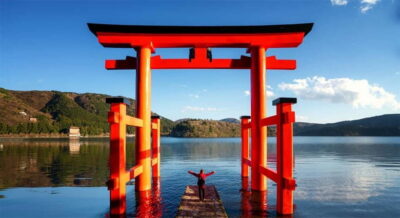
Even when Fuji is shy, Lake Ashi still gives you that postcard Hakone feeling: calm water, dramatic shorelines, and the sense you’re in a real landscape beyond Tokyo’s skyscrapers. For many people, this is the most memorable photo stop of the day—especially if the sky cooperates near the end of the cruise.
Ropeway up Mt. Hakone: second chances for the mountain
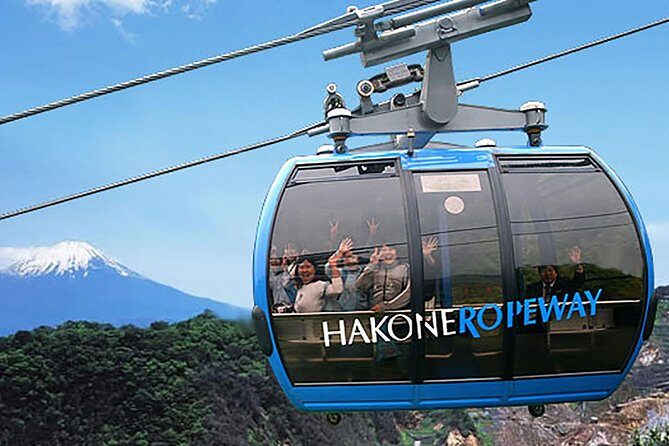
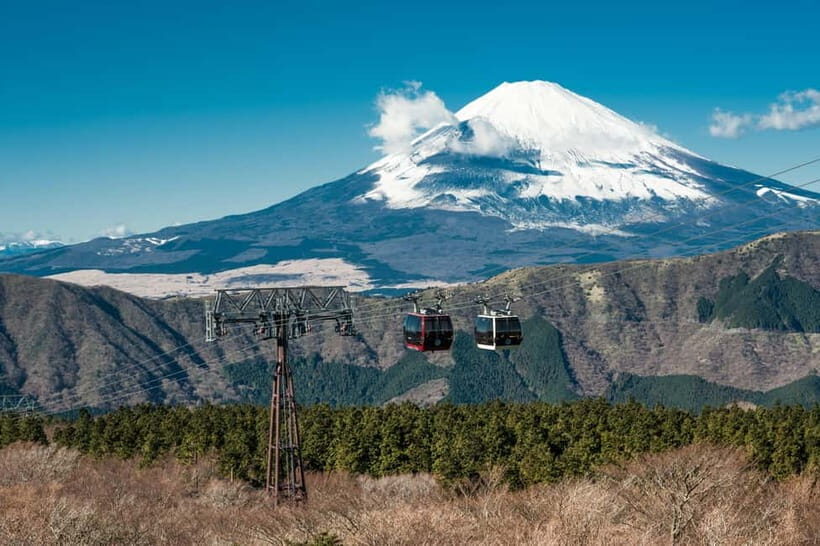
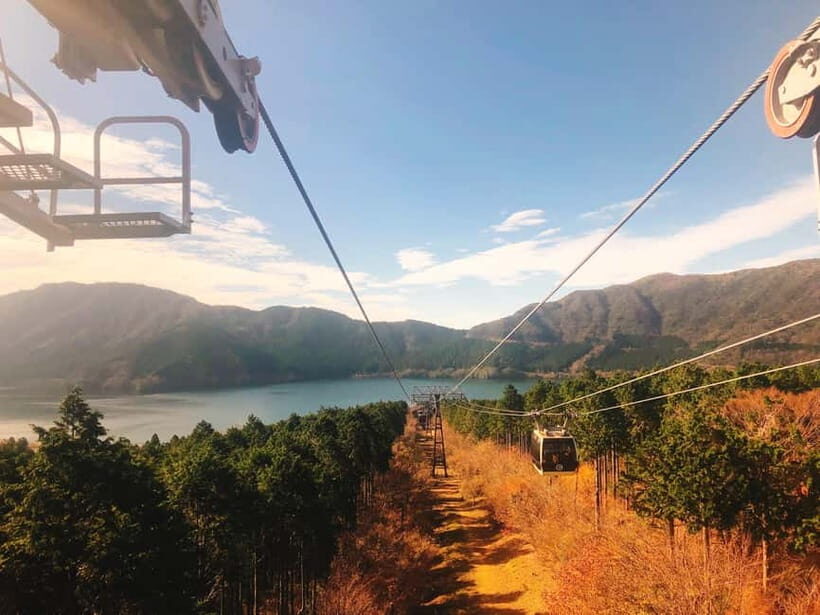
Next comes the Hakone Ropeway, with about 20 minutes for your ride up toward Mt. Hakone. Think of this as your backup plan for Mt. Fuji.
Why this matters: Hakone looks different at each elevation. Even if you didn’t get a clear view from the lake, you may catch Fuji from higher ground or see it framed by the surrounding ridges. Past groups have found this extra “angle” so useful that it feels like paying for redundancy—just in the best way.
Practical note: the tour warns that the ropeway may close during strong winds. If that happens, the whole day’s timing can shift. The silver lining is that the guide generally keeps the flow moving instead of leaving everyone stranded.
More Hakone loops, ropeways and lake crossings
Owakudani Great Boiling Valley: sulfur air and black eggs
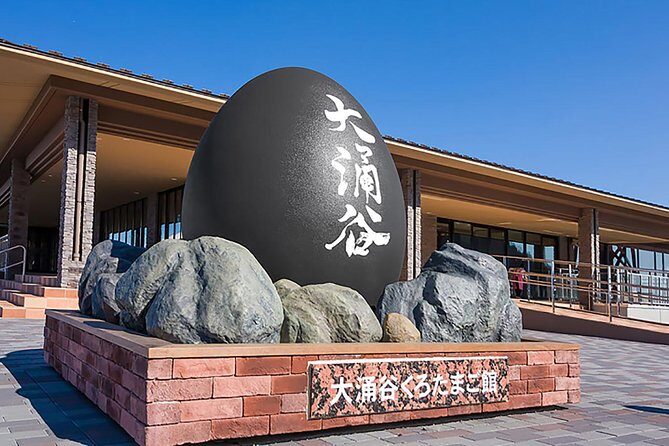
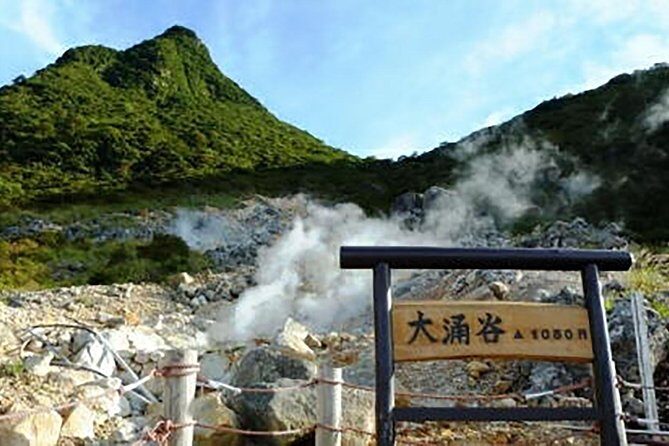
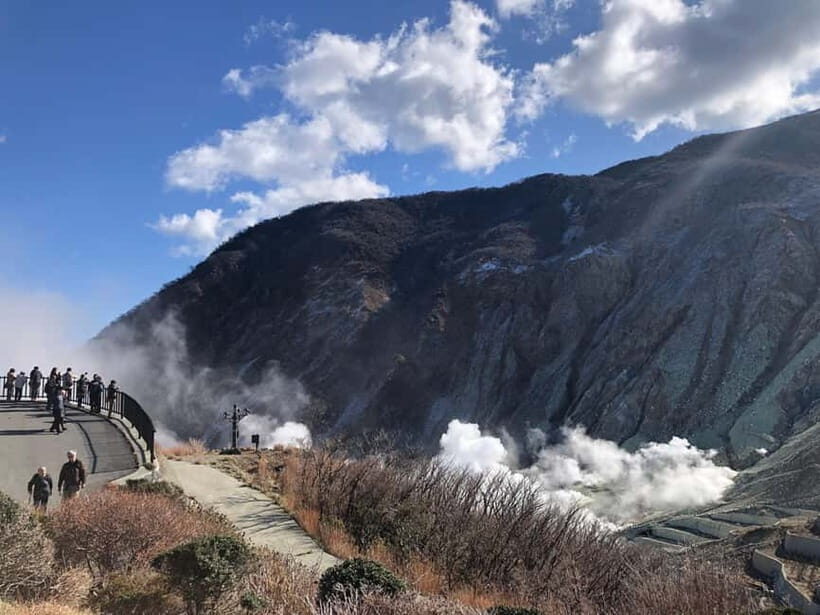
Then you hit the main event for atmosphere: Owakudani (Great Boiling Valley). You get about 75 minutes here, including photo time, sightseeing, time to try lunch, and time for shopping around the valley.
This stop is famous for two reasons:
- The volcanic environment is real and intense—steam, sulfur smells, and stark rock textures. It’s the kind of place where you suddenly understand why legends spread.
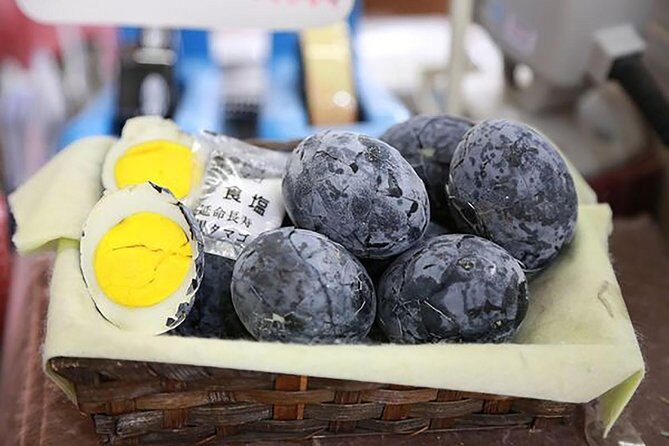
- You can try the black boiled egg (kuro tamago). The story says it extends life by seven years. Even if you take the legend lightly, the egg itself is part of the experience and a fun way to participate.
One of the most common “value” reactions from this day comes from Owakudani. It breaks up the more gentle scenery (lake and views) with something more visceral. It’s also a good spot for photos, as long as you remember that visibility is weather-dependent.
And yes, this is a place where you’ll want your warm clothing even if Tokyo feels mild. Conditions at elevation and near vents can feel colder than you expect.
Gotemba Premium Outlets: shopping with a view when Fuji cooperates
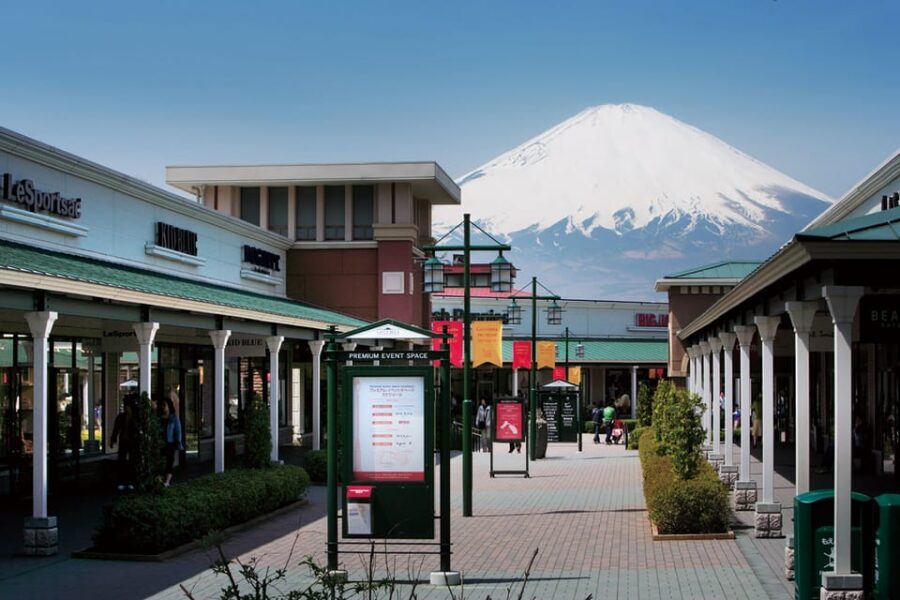
After the morning sightseeing, the schedule pivots to the most practical choice for many day-trippers: shopping at Gotemba Premium Outlets, for about two hours.
Here’s why this stop can be worth it even if you’re not a huge shopper:
- It’s time-efficient. Two hours is long enough to browse and compare, but short enough that you don’t waste the entire afternoon.
- The outlet area can offer views of Mt. Fuji from inside the shopping area when the weather is right. That means you might do the rare thing in Japan: shop while keeping Fuji in the background.
That said, if shopping isn’t your thing, you’ll want to mentally accept that the day includes this chunk. Some people prefer to split the day differently (for example, more soak time and less shopping time, depending on what the group can arrange). If your goal is pure scenery, you may want to treat the outlet stop as optional rather than the day’s centerpiece.
Gotemba Onsen Kaikan: hot springs to reset your legs
After Gotemba Outlets, you can choose to relax at Gotemba Onsen Kaikan for about one hour. This is the part of the day that most people feel in their body: the walking, the stairs you’ll likely encounter, and the cold that can sneak in at ropeway height. A hot-spring soak is a simple way to make the day feel lighter.
Important practical detail: the hot spring experience may require a ticket and towel that aren’t included. The time you spend there is built into the schedule, but you should budget a bit for onsen essentials.
Where this onsen option shines is the “two-part payoff”:
- Warm water to help you unwind.
- The chance to soak with a Mt. Fuji view if the weather lets you see it.
If you’re the type who wants to end the day feeling clean, calm, and ready for Tokyo nightlife, this is a great closer.
Value and price: what you get for about $98
At around $98 per person for roughly 10 hours, this tour’s value comes from what’s bundled:
- Transportation in an air-conditioned coach
- A live guide
- Tickets for the pirate cruise and the Hakone Ropeway
- Time allocation that includes both a volcanic “wow” stop and a choose-your-vibe finale (shopping and/or onsen)
If you tried to recreate this day on your own, you’d be paying separately for transport, attraction tickets, and the time cost of coordinating everything. The tour compresses that into a single plan with a guide to help you move at the right pace.
Is it a bargain? It’s competitive for a day trip that includes multiple paid attractions and guided flow. The best “value” moments are the ones you can’t easily optimize yourself—like arriving at the ropeway when the line situation is manageable, and timing your stops so you’re not rushing between distant points.
Timing and weather: the real boss fight
Hakone is not a one-weather-at-a-time destination. Fuji sightings depend on visibility, and the tour itself warns that the route can shift if the cruise or ropeway closes due to wind.
So here’s how I’d plan your expectations:
- Treat Mt. Fuji as a possible bonus, not a guaranteed contract.
- If Fuji shows up, you’ll feel like you won the day. If it doesn’t, you still get the volcanic spectacle, the ropeway experience, and a legit hot-spring reset.
One more timing reality: traffic can affect travel time on the way back and between stops. The tour notes that serious jams can lead to adjusted timing. The good news is the schedule stays structured, and the guide’s job is to keep everyone aligned.
If Fuji is your one obsession, you might consider adding a different Fuji-focused day option to your trip. But as a Hakone experience with multiple highlights in one run, this tour usually delivers even on less-perfect weather days.
Who should book this tour (and who should skip it)
This tour is a strong fit if you:
- Want Hakone highlights from Tokyo without rail-and-ticket juggling
- Like a mix of scenery and activities (lake cruise + ropeway + volcano + optional onsen)
- Appreciate a guide who can explain what you’re seeing in English and Chinese
It may not be ideal if you:
- Have heart problems or respiratory issues, since volcanic areas and exertion can be challenging
- Hate shopping and will resent the outlet time (even if you can reduce your focus on it, it’s still scheduled)
Also bring a realistic mindset about walking. Comfortable shoes are a must, because you’ll be on your feet during the valley stop and around the onsen/outlet areas.
Should you book the Hakone Fuji Day Tour?
I’d book this tour if you want a single day plan that gives you a real slice of Hakone: Lake Ashi by pirate boat, ropeway views, and the Owakudani volcano with black eggs. The hot spring finish is a big bonus if you want your legs and mind to feel taken care of.
Skip it or rethink it if Fuji being clearly visible is your non-negotiable goal. Weather can steal that top-of-mountain moment, and wind can affect the ropeway/cruise.
FAQ
Is the tour about 10 hours long?
Yes. The total duration is listed as 10 hours, with return to Shinjuku by around 6:00 PM.
What’s included in the price?
The tour includes transportation in an air-conditioned bus, a live guide, tickets for the sightseeing cruise, and tickets for the ropeway.
What isn’t included?
Food or drink isn’t included, and the hot spring ticket and towel are also not included. Personal expenses are not included either.
Where does the tour start and end?
You depart from central Tokyo around Shinjuku area, and the day ends back at one of the listed drop-off locations (commonly the Matsuoka Central Building at Yaesu). The exact meeting point can vary by the option booked.
Can I bring luggage or large bags?
No. The tour states that only one hand carry bag is allowed, and luggage or large bags aren’t allowed.
What languages does the guide speak?
The live tour guide is listed as speaking Chinese and English.
Is Mount Fuji guaranteed to be visible?
No. Visibility depends on weather conditions, and the tour notes that Fuji views can be affected by clouds and conditions.
What happens if the ropeway or cruise closes?
If the ropeway and cruise are closed due to strong wind, the tour may adjust the schedule. If key spots aren’t normally operated, the itinerary may change and there won’t be a refund.
More Tour Reviews in Tokyo






Hakone, Three More Ways
The Fuji Shortlist: Other Days Out to the Mountain

Fresh reviews from around Tokyo






Mt Fuji Day Trips, compared.
 ★ 4.0Mt Fuji & Hakone Cruise, Drum Show Bullet Train 1 Day from TokyoFrom $1497,413 reviews
 ★ 4.4Tokyo Mt Fuji 5th St & Hakone Cruise Bus Tour w/Bullet TrainFrom $1545,024 reviews
 ★ 4.5From Tokyo: Mount Fuji Full-Day Sightseeing TripFrom $684,970 reviews
 ★ 4.7Mt. Fuji Tour, Hakone Ropeway, Owakudani, Lake AshiFrom $544,002 reviews
 ★ 5.0Private Tour to Mt. Fuji and Hakone (Fully Licenced Operator)From $4971,910 reviews
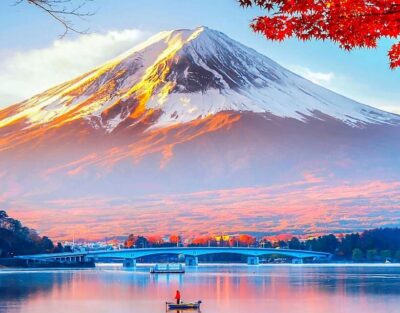 ★ 4.9Mount Fuji Full-Day Private Tour from Tokyo (Customizable)From $3931,470 reviews
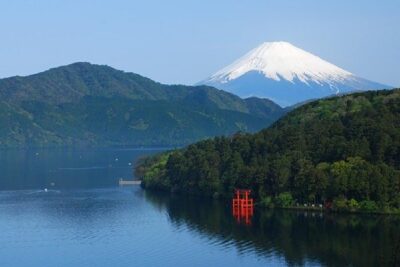 ★ 4.0Mt Fuji & Hakone Cruise, Drum Show Bus 1 Day from TokyoFrom $1221,287 reviews
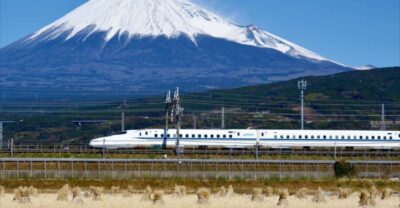 ★ 4.2From Tokyo: Mt. Fuji & Hakone Tour w/ Return by Bullet TrainFrom $1171,278 reviews
Browse the lists this tour appears in